
 English
  Español


Shuangjie Paper Optimizes Mature Production Line for Steady Output of Airlaid Napkins & Custom Printed Paper Goods
Shuangjie Paper has long operated with a stable production model driven by automated machinery and supported by standardized manual operations. As a professional manufacturer focusing on airlaid napkins, paper table mats, packaged paper cutlery sets and customized printed paper tableware accessories, we adopt mechanized execution for core technical procedures including paper slitting, automatic folding, pattern printing and shaping cutting. At the same time, on-site workers are mainly responsible for semi-finished product sorting, finished product packaging, sealing, box packing, equipment patrol inspection and regular site tidying work. This mature division of labor helps maintain consistent production efficiency and stable product quality throughout the year, enabling us to serve global wholesalers, catering suppliers and brand clients with reliable delivery.
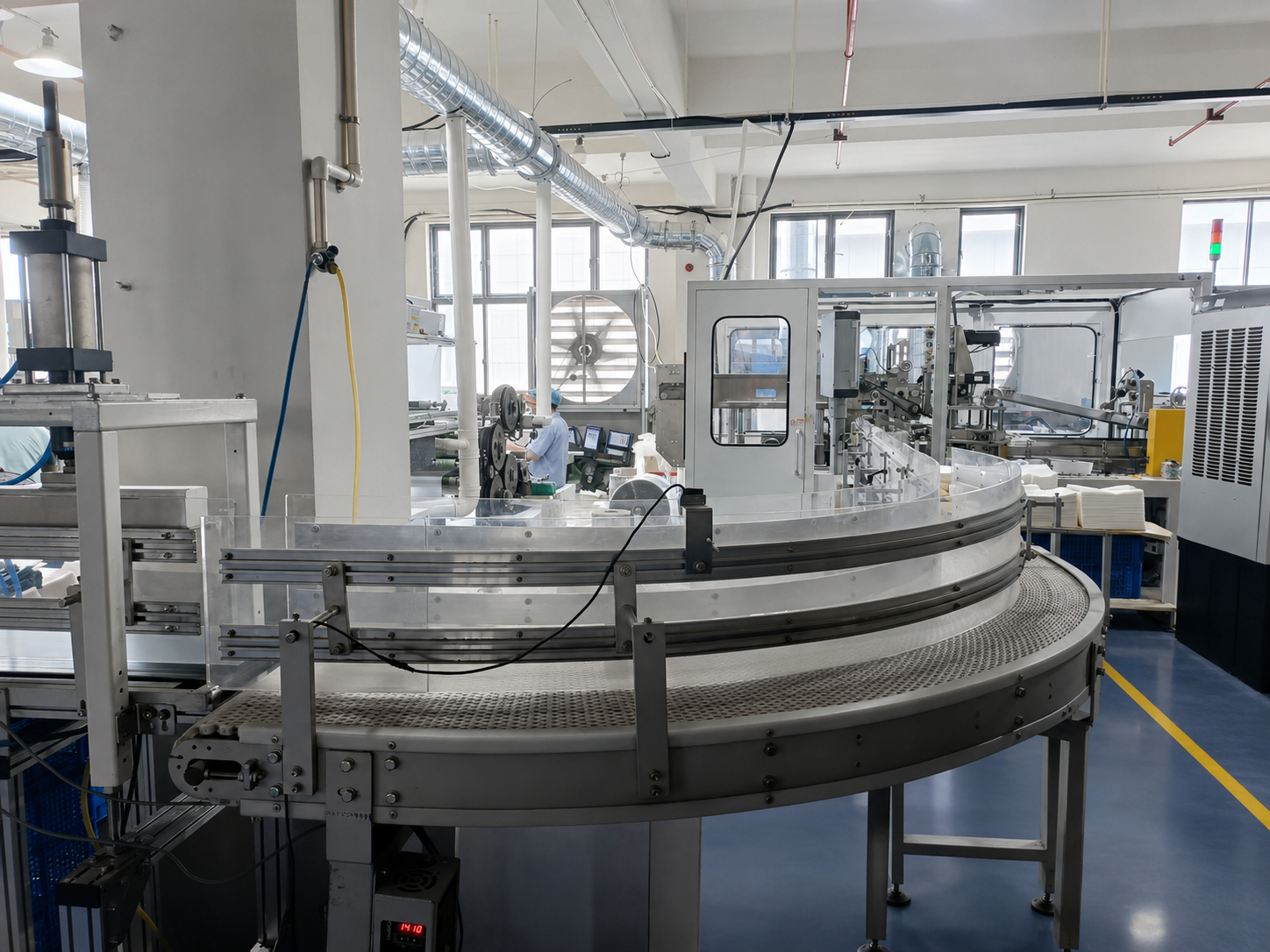
Our workshop is equipped with a complete interconnected automatic assembly line covering the whole production chain. Raw paper materials are fed into machines for automatic slitting and precise dimension cutting, while professional printing equipment efficiently completes pattern and logo printing. Subsequent folding and shaping processes are fully carried out by fixed pneumatic assembly line devices. Straight conveying tracks and curved transition conveyor belts seamlessly connect different working stations to realize uninterrupted cyclic production, effectively avoiding dimensional deviation and irregular shapes that often occur in fully manual processing. The production area is reasonably partitioned with complete fire protection pipelines, ventilation and dust removal systems, safety marking lines and classified storage turnover bins, creating a tidy, orderly and standardized industrial production environment that meets modern factory operation specifications.
Factory staff do not perform repetitive forming and processing work. Instead, they carry out standardized auxiliary operations in accordance with workshop management rules. After mechanical folding and printing, semi-finished paper products are transported to designated areas, where workers conduct visual sorting to identify and remove irregular items caused by occasional machine parameter fluctuations. Qualified products then go through finished bag sealing, carton packing, labeling and stacking procedures manually. Meanwhile, operators regularly check the running status of each automated device, perform simple debugging and carry out routine cleaning of the production line to keep equipment operating stably. All on-site employees wear standard work uniforms during working hours to maintain overall workshop cleanliness.
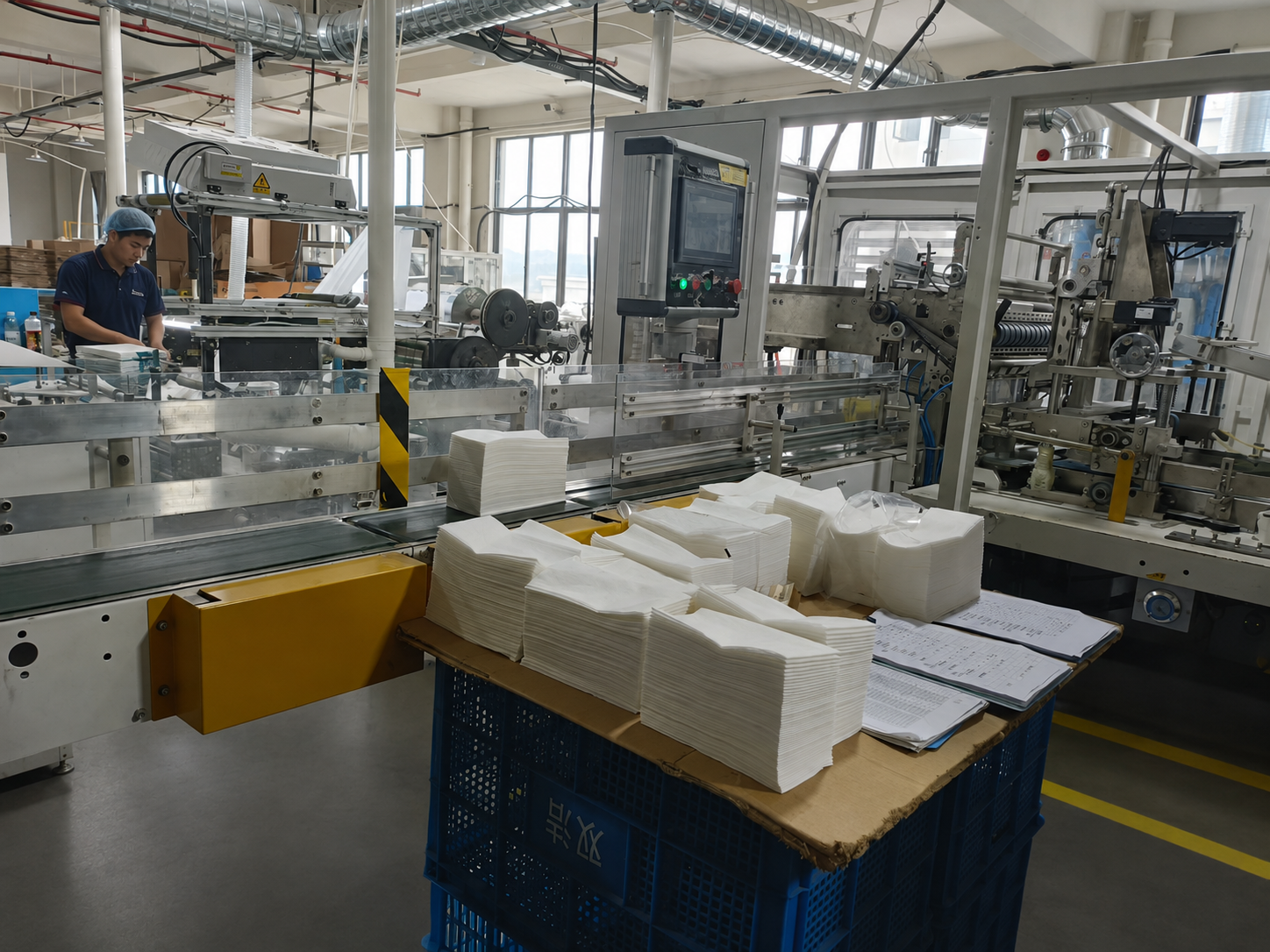
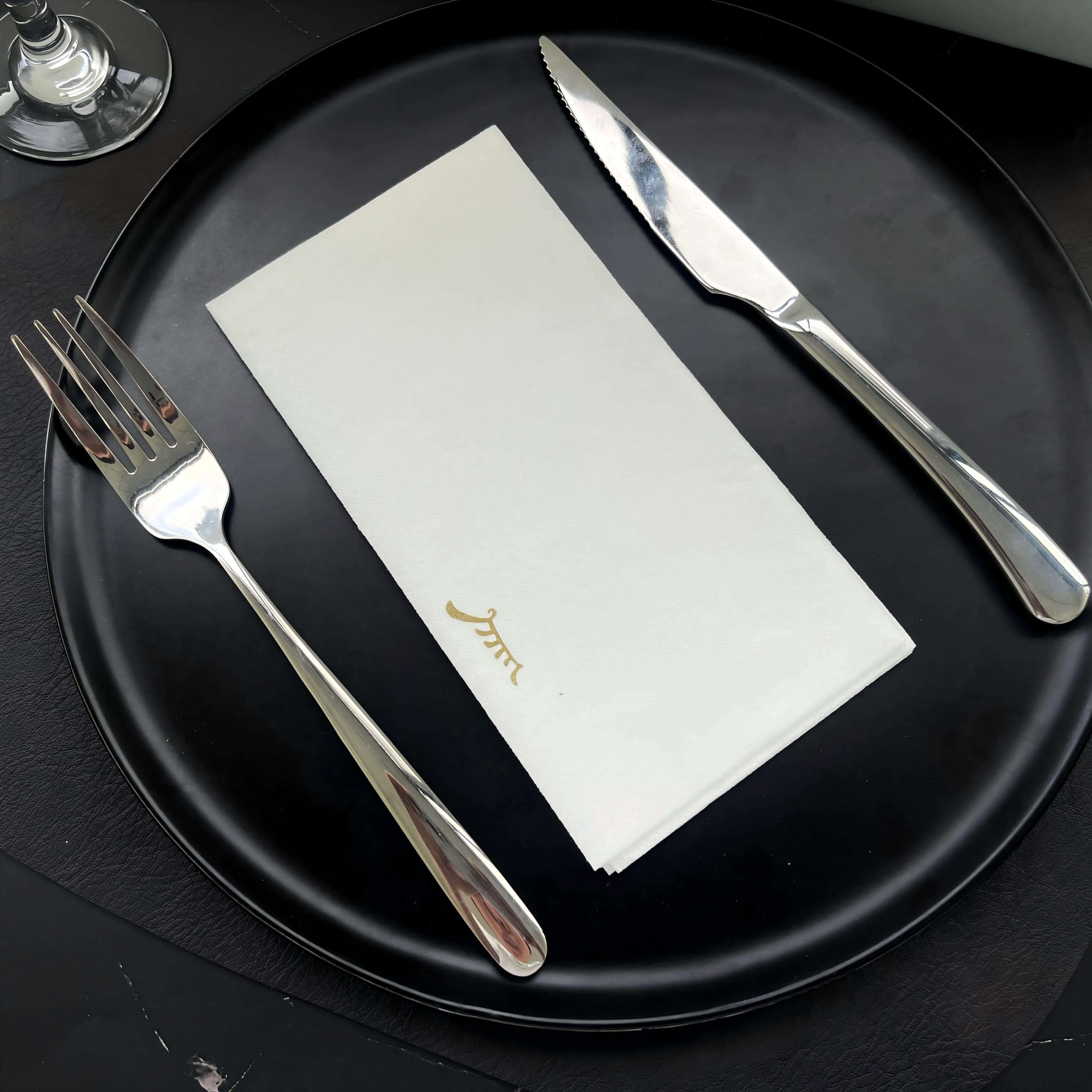
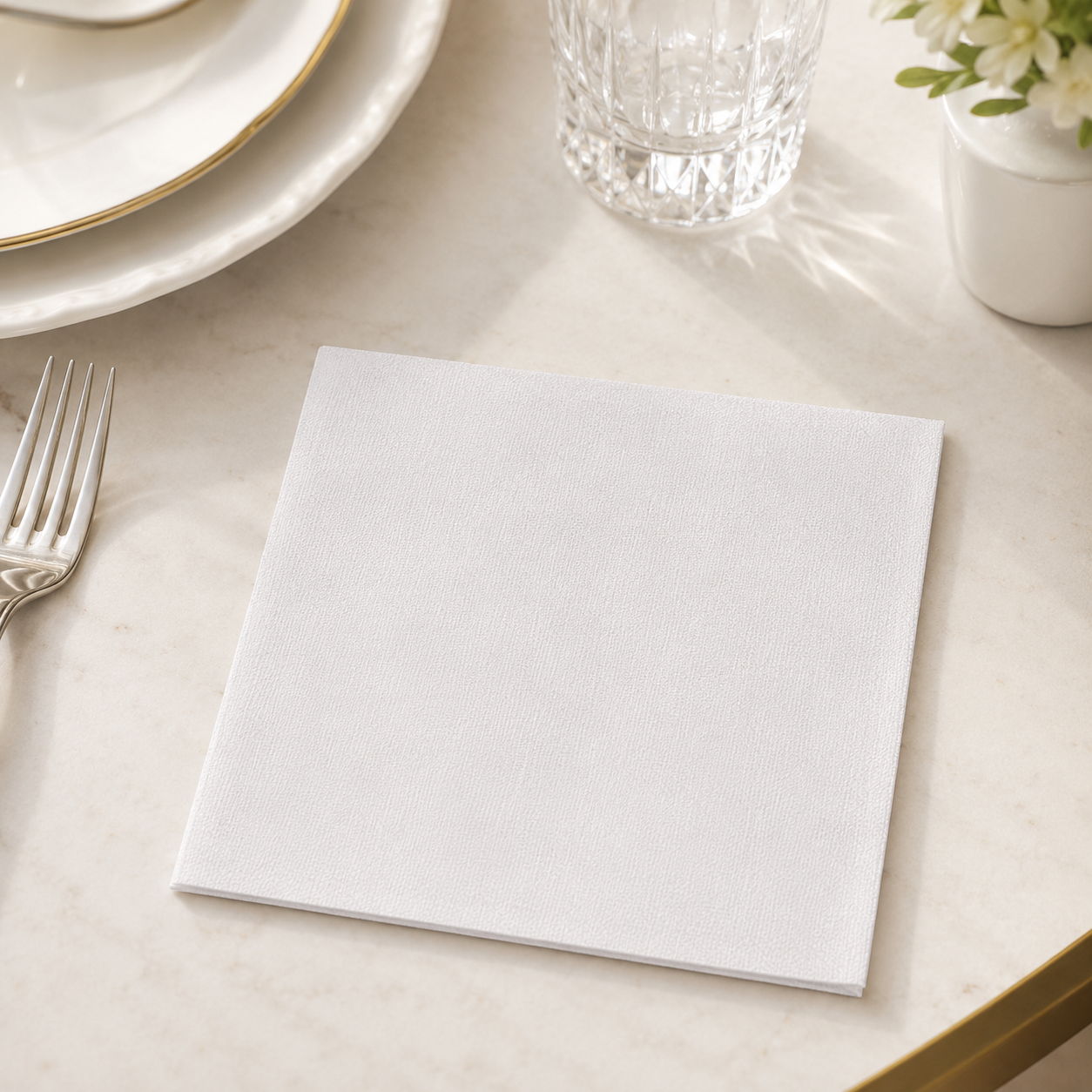
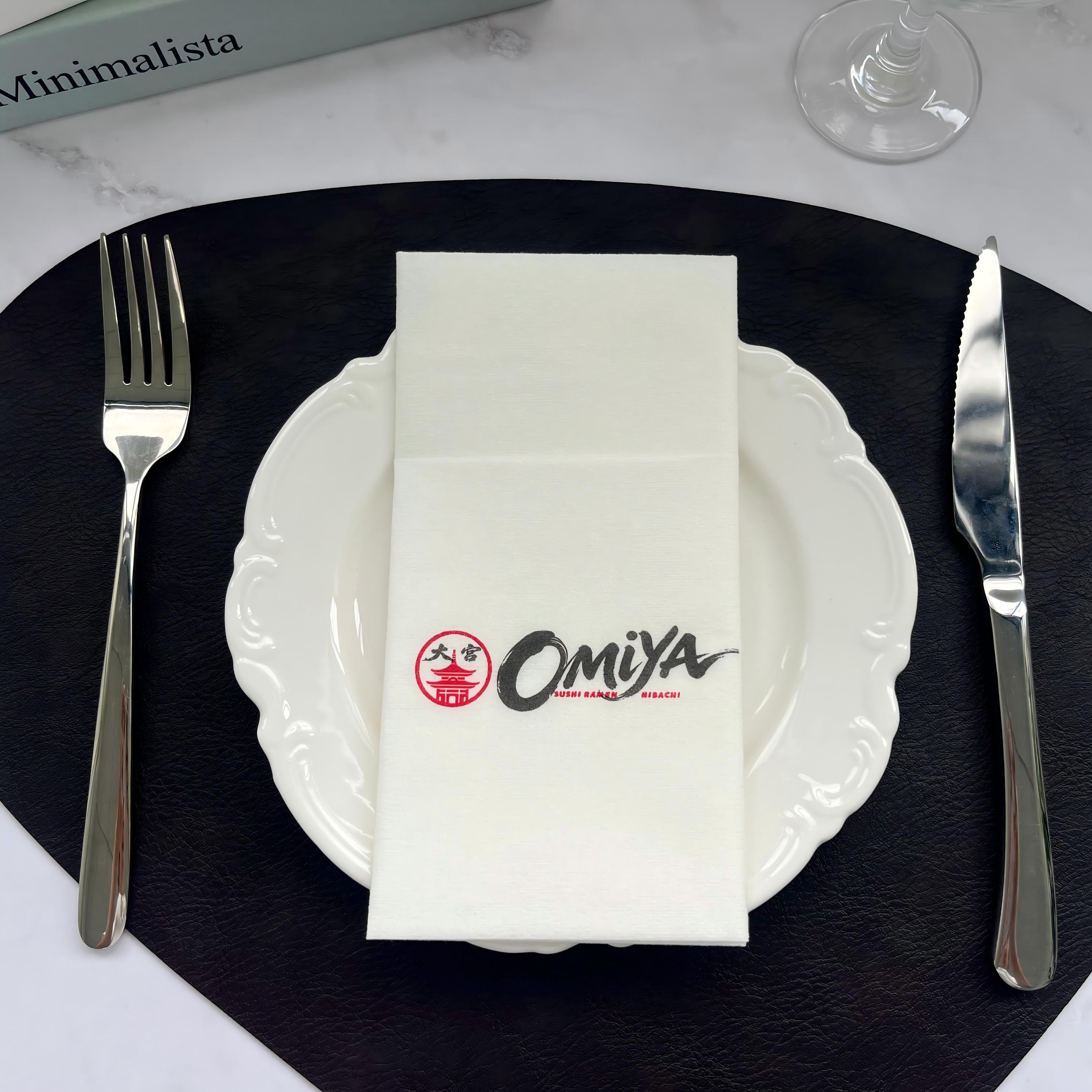
Our products are mainly used as dining table decorations, table mat layering, outer packaging accessories of cutlery sets and other similar scenarios, which match our existing production standards perfectly. We maintain strict on-site sanitation management in daily production to keep the workshop clean and tidy, prevent dust and sundry pollution during processing, sorting and packaging, and ensure neat appearance and intact packaging of finished products.
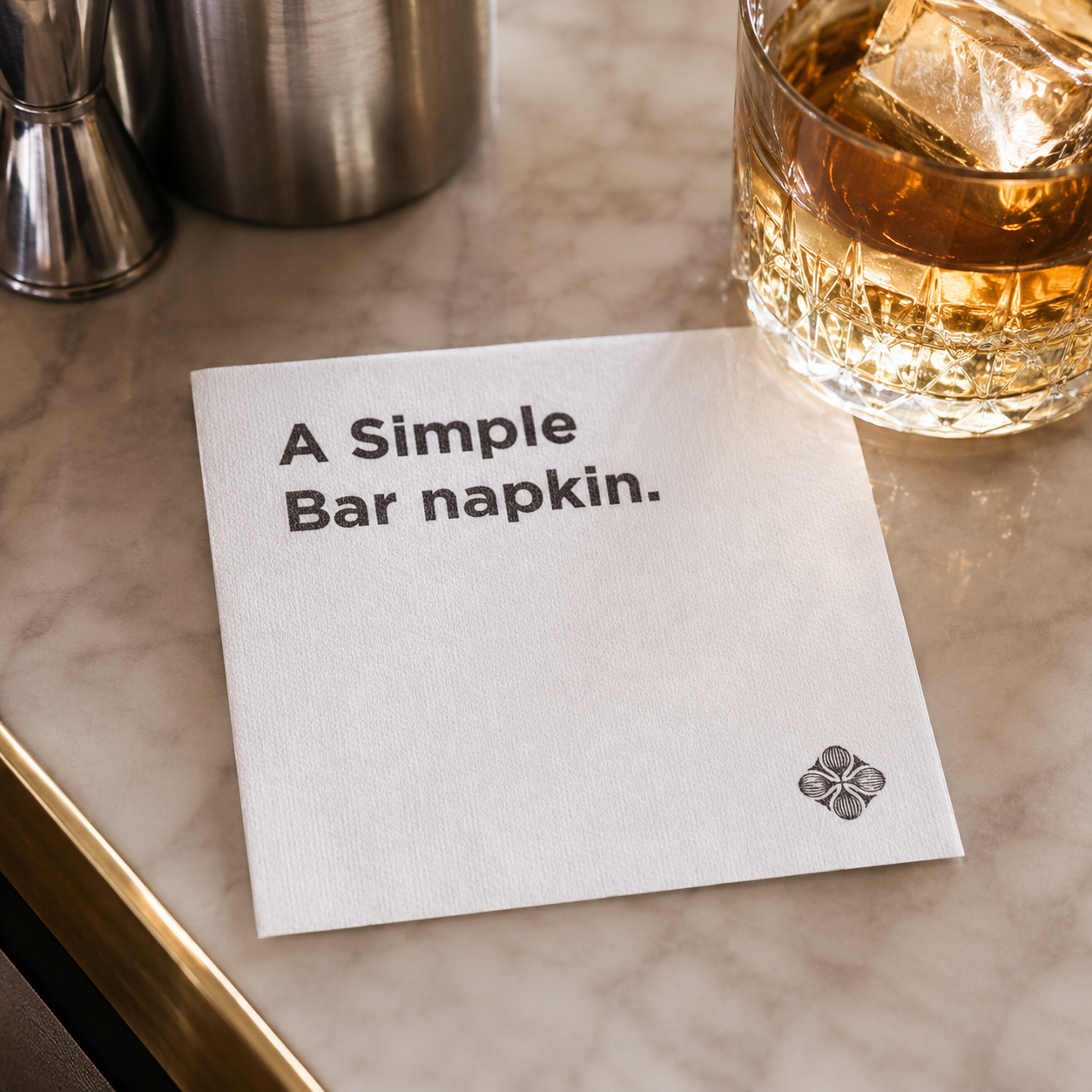
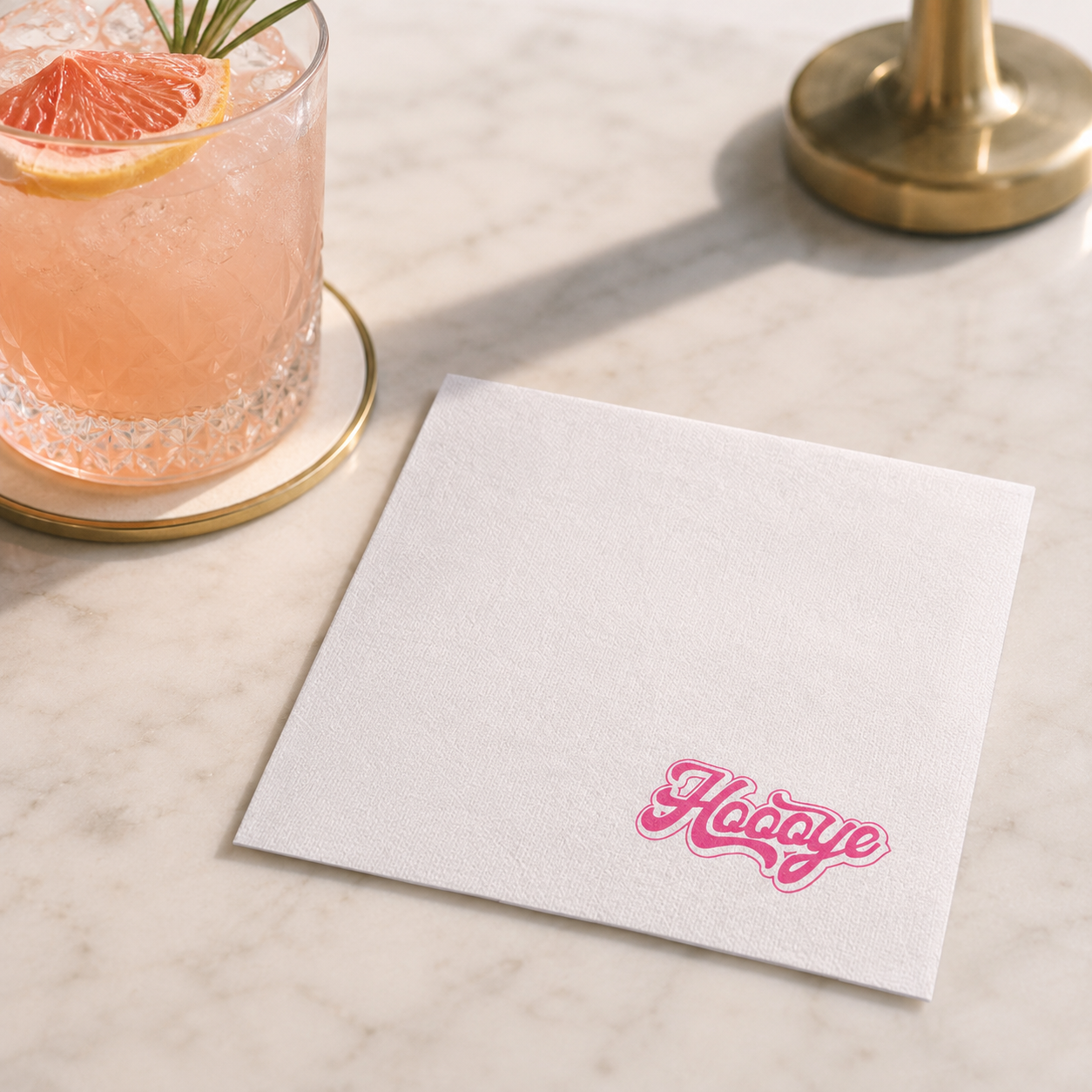
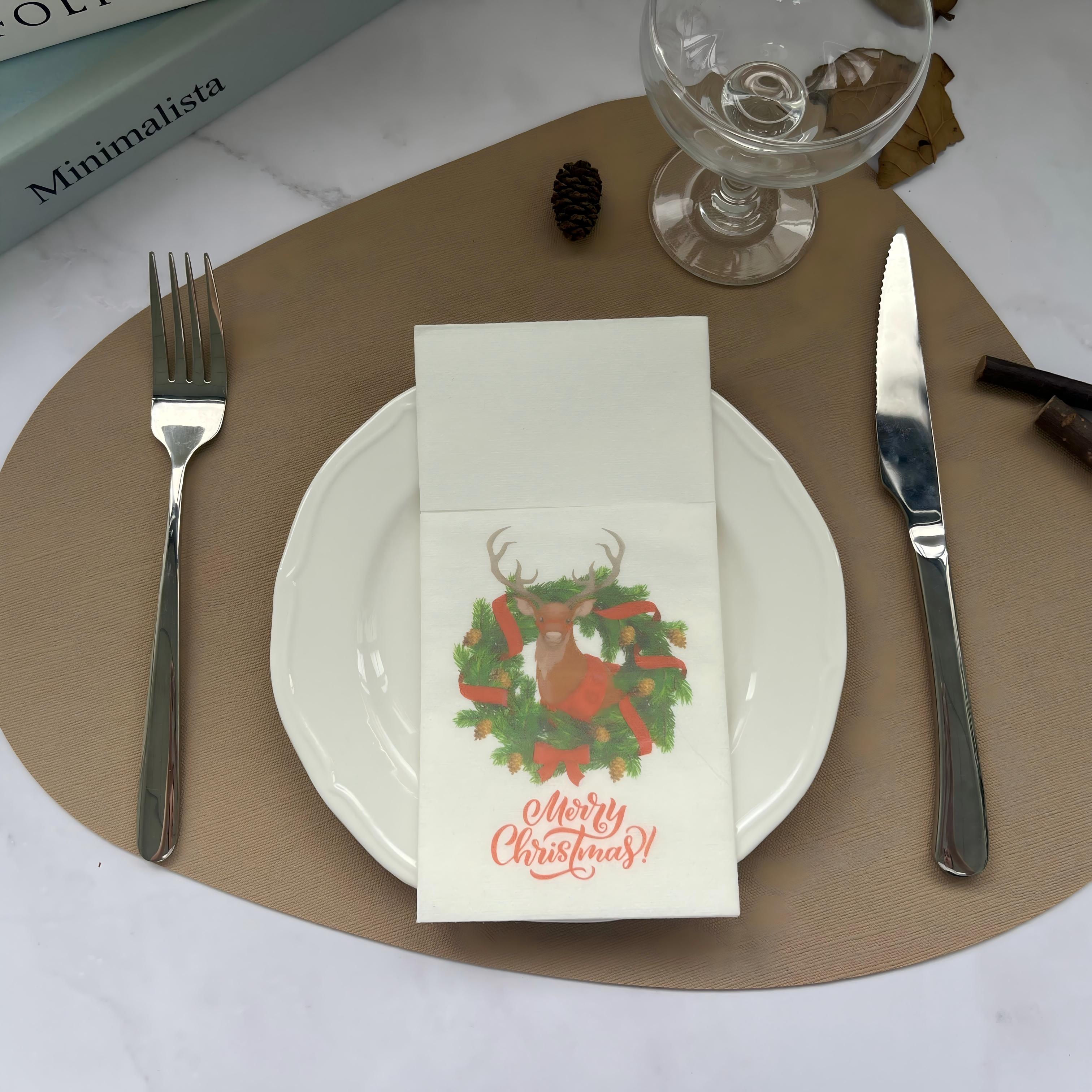
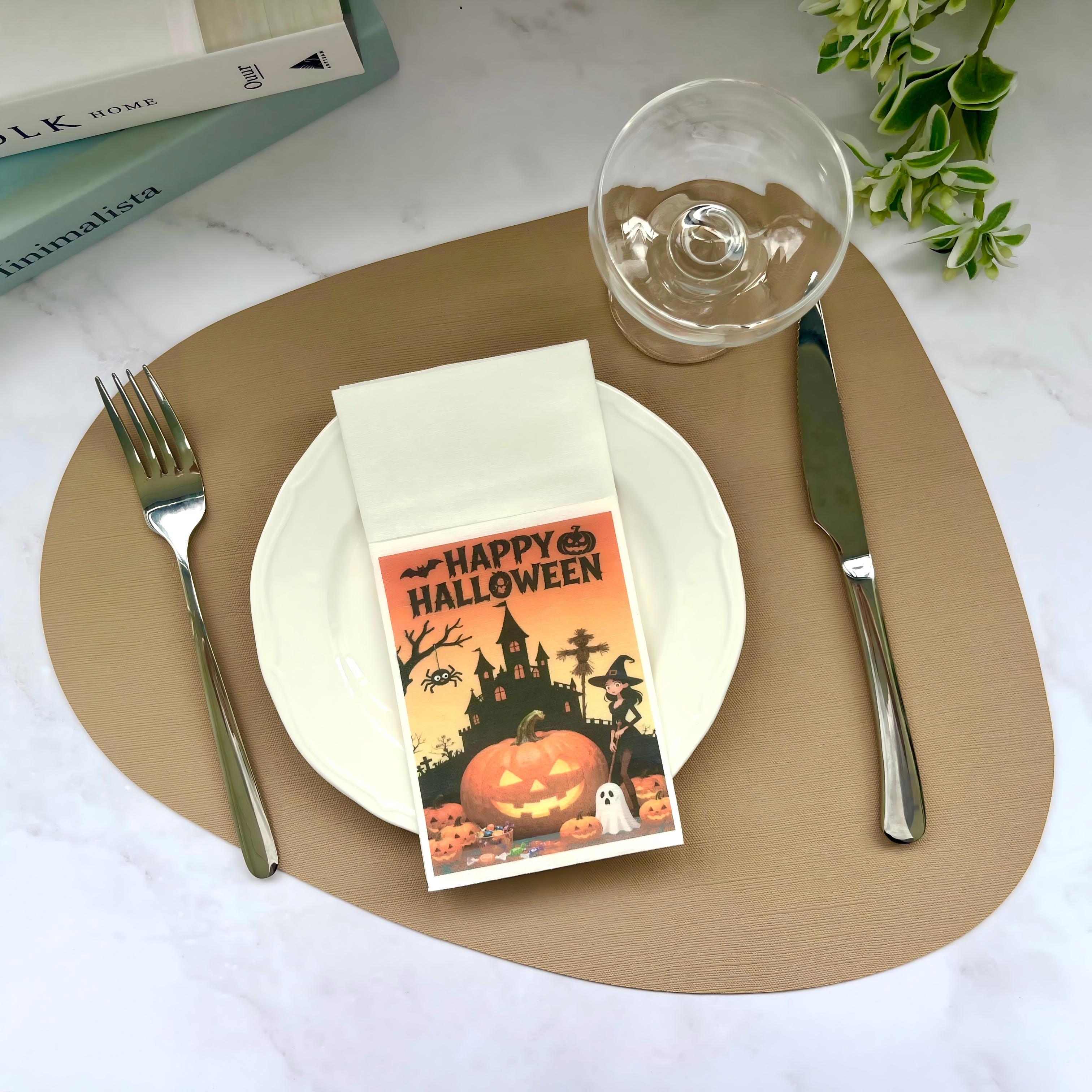
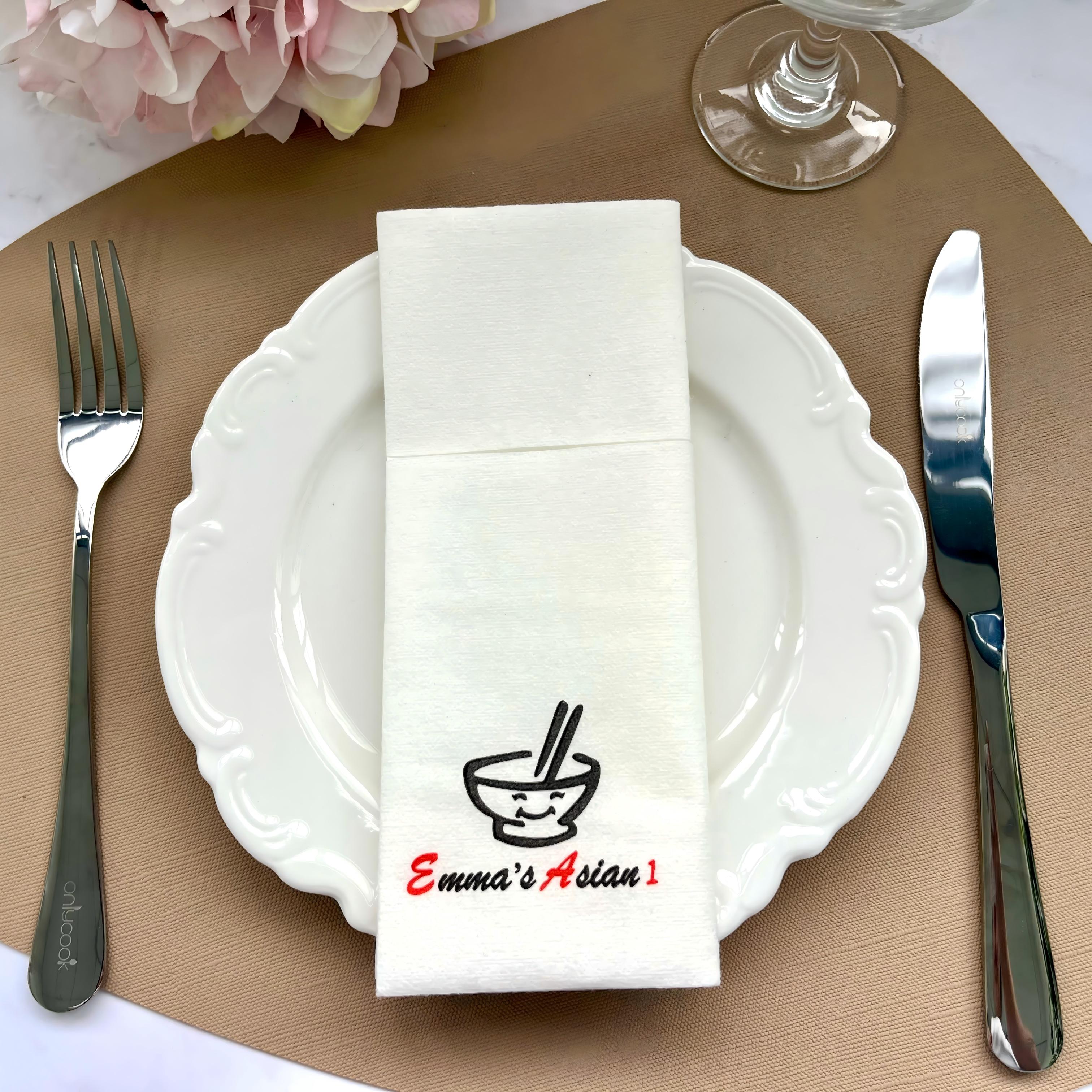
Supported by this stable automated-plus-manual production mode, we can undertake large-volume bulk orders as well as flexible OEM & ODM customization services. These include personalized brand printing, holiday-themed pattern design, customized packaging schemes for cutlery kits and exclusive specification adjustments. Automated equipment guarantees stable daily output and unified product specifications, while manual sorting and packing further control finished product presentation and packaging quality, enabling flexible order arrangement and punctual delivery.
In the next stage, Shuangjie Paper will continuously optimize the coordination efficiency between automatic equipment and manual workflow, and gradually upgrade workshop site management standards. We will continue supplying high-quality customized paper catering accessories for global partners steadily, and welcome worldwide buyers to arrange factory visits or online video inspections to learn about our standardized production process and negotiate long-term cooperative orders.

- Contact
-
+86-18205820793lydia@shuangjiepaper.comPhone
- Get Connected

