
 English
  Español


Are Airlaid Napkins Biodegradable? A Deep Dive into Sustainability and Performance
Content
- 1 What Is an Airlaid Napkin? Understanding the Material Innovation
- 2 Are Airlaid Napkins Truly Biodegradable? The Facts
- 3 What Are the Benefits of Airlaid Napkins? Performance Meets Sustainability
- 4 Why Do Restaurants and Events Choose Airlaid Napkins?
- 5 Frequently Asked Questions About Airlaid Napkins
- 5.0.1 Q1: What is an airlaid napkin?
- 5.0.2 Q2: Are airlaid napkins compostable?
- 5.0.3 Q3: Airlaid napkin vs paper napkin: which is better?
- 5.0.4 Q4: Are airlaid napkins worth it?
- 5.0.5 Q5: What are the benefits of airlaid napkins?
- 5.0.6 Q6: How to choose the best airlaid napkins?
- 5.0.7 Q7: Why do restaurants use airlaid napkins?
The demand for airlaid napkin solutions has surged as businesses and consumers alike seek the perfect balance between convenience and environmental responsibility. For restaurants, event planners, and hospitality professionals, the question is no longer just about aesthetics—it is about the lifecycle of the products they use. While traditional paper napkins are often associated with waste, a new category of disposable napkins promises a different outcome: true biodegradability combined with a premium, cloth-like napkins experience. Understanding whether these products genuinely break down in the environment is crucial for anyone committed to sustainable operations.
What Is an Airlaid Napkin? Understanding the Material Innovation
At its core, an airlaid napkin is a high-end disposable table product designed to mimic the feel and durability of fabric. Unlike standard paper napkins that are made through a wet pressing process, airlaid technology uses air to distribute wood pulp fibers into a uniform web. This process creates a material that is exceptionally soft, highly absorbent, and significantly stronger than traditional paper of the same weight.
How Are Airlaid Napkins Made? The Airlaid Process Explained
The manufacturing process is what sets these apart as eco-friendly napkins. The production begins with cellulose fibers derived primarily from wood pulp. Here is a step-by-step look at the process:
- Fiber Preparation: Wood pulp is defibrated into individual fibers.
- Air Formation: These fibers are suspended in an air stream and deposited onto a moving screen, forming a web. This is the key difference from wet-laid paper, as it requires significantly less water .
- Binding: The web is bonded together. Historically, chemical binders were used, but the industry has shifted toward bio-based and plastic-free binders to enhance sustainability .
- Finishing: The material is pressed, dried, and embossed to achieve the desired texture and absorbency.
This production method results in a product that offers the aesthetic of luxury cloth without the laundry costs or the high linting associated with standard paper .
Are Airlaid Napkins Truly Biodegradable? The Facts
Yes, high-quality biodegradable napkins made via the airlaid process are designed to break down naturally. However, the term "biodegradable" can be vague. To understand the environmental claim, we must look at the raw materials and certifications.
Composition: 100% Wood Pulp and Plant-Based Binders
Most premium airlaid napkin products are made from 100% wood pulp, a natural cellulose fiber . When a product is composed of natural cellulose, it is inherently susceptible to degradation by microorganisms. The shift toward plant-based binders, such as the patented bio-based binder used in some products, further ensures that the entire napkin—not just the fibers—will decompose .
Key Insight: For an airlaid napkin to be truly biodegradable, the binder used in the airlaid process must be free of synthetic plastics. Modern innovations have successfully replaced petroleum-based binders with renewable, plastic-free alternatives, making modern airlaid napkins significantly more eco-friendly than their predecessors .
Certification Standards: The Proof of Biodegradability
To prove their environmental claims, manufacturers often submit their products to rigorous testing. One of the most recognized standards is the European standard DIN 13432. Products certified under this standard are verified to break down by more than 90% into water, carbon dioxide, and biomass within a specific timeframe. Specifically, the standard requires a degradation of at least 90% within 10 weeks under controlled composting conditions .
Airlaid vs Regular Paper Napkins: A Sustainability Comparison
It is a common misconception that all paper napkins are equally sustainable. However, regular paper napkins often contain synthetic strength additives or chemical wet-strength agents that can hinder decomposition. airlaid napkin vs paper napkin debates often hinge on this point. While a basic paper napkin may break down, a high-end airlaid napkin is engineered to do so without leaving behind microplastics.
| Feature | Airlaid Napkins | Regular Paper Napkins |
|---|---|---|
| Fiber Source | 100% Wood Pulp | Recycled or Virgin Pulp |
| Production | Air-laid (uses less water) | Wet-laid (water-intensive) |
| Binders | Increasingly bio-based/plastic-free | Often contains chemical additives |
| Biodegradability | High (DIN 13432 Certified) | Variable (depends on additives) |
| Texture | Cloth-like, soft, premium | Flat, thin, less absorbent |
What Are the Benefits of Airlaid Napkins? Performance Meets Sustainability
For professionals in the hospitality and events industry, the choice of napkin is a balance between guest experience and operational efficiency. Eco-friendly disposable napkins in the airlaid category offer a unique value proposition.
Superior Absorbency and Durability
Studies and product standards show that airlaid napkins are significantly more absorbent than standard paper. This means guests require fewer napkins during a meal. The durability ensures they remain intact from appetizer to dessert, reducing waste volume in the trash .
Luxury Aesthetics Without the Laundry
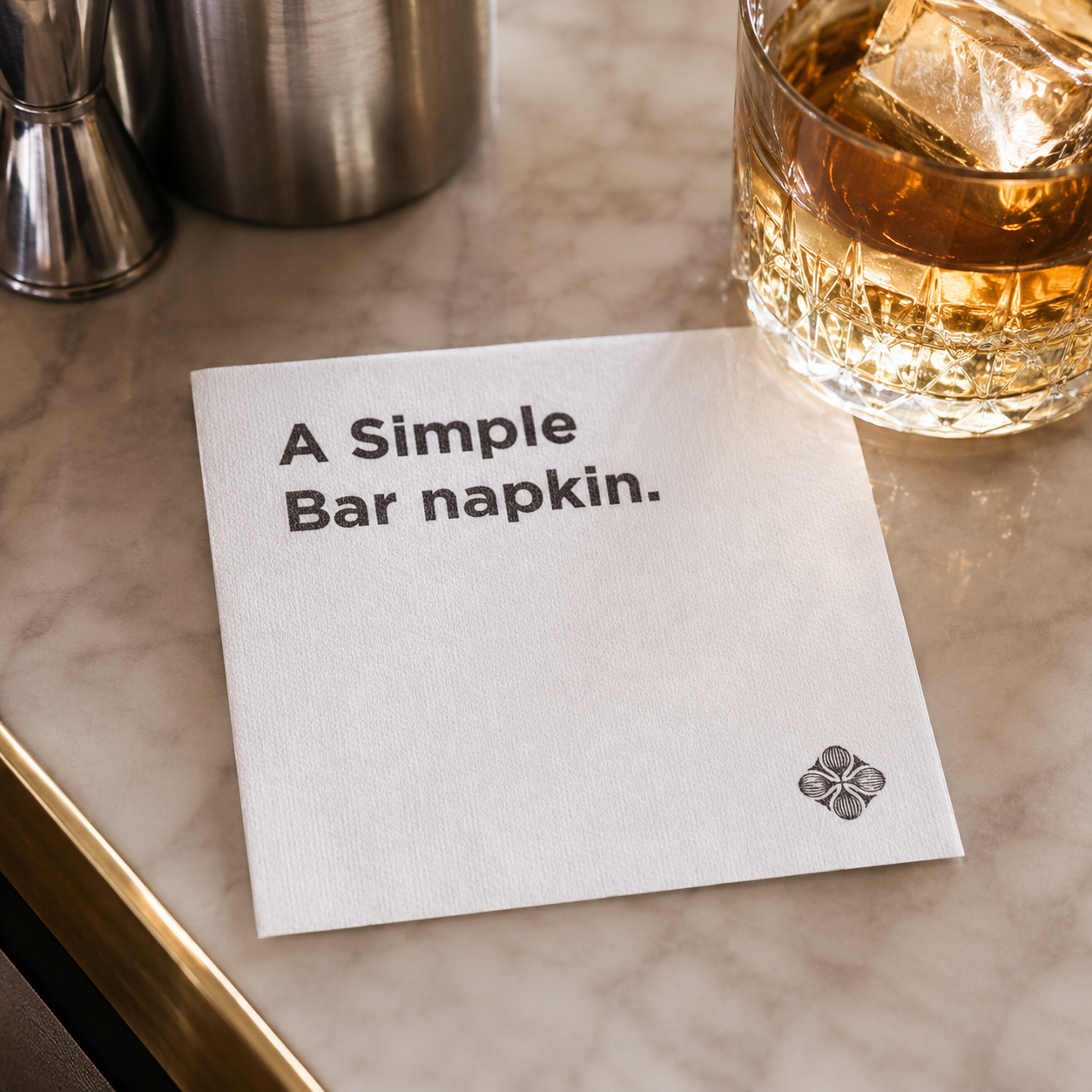
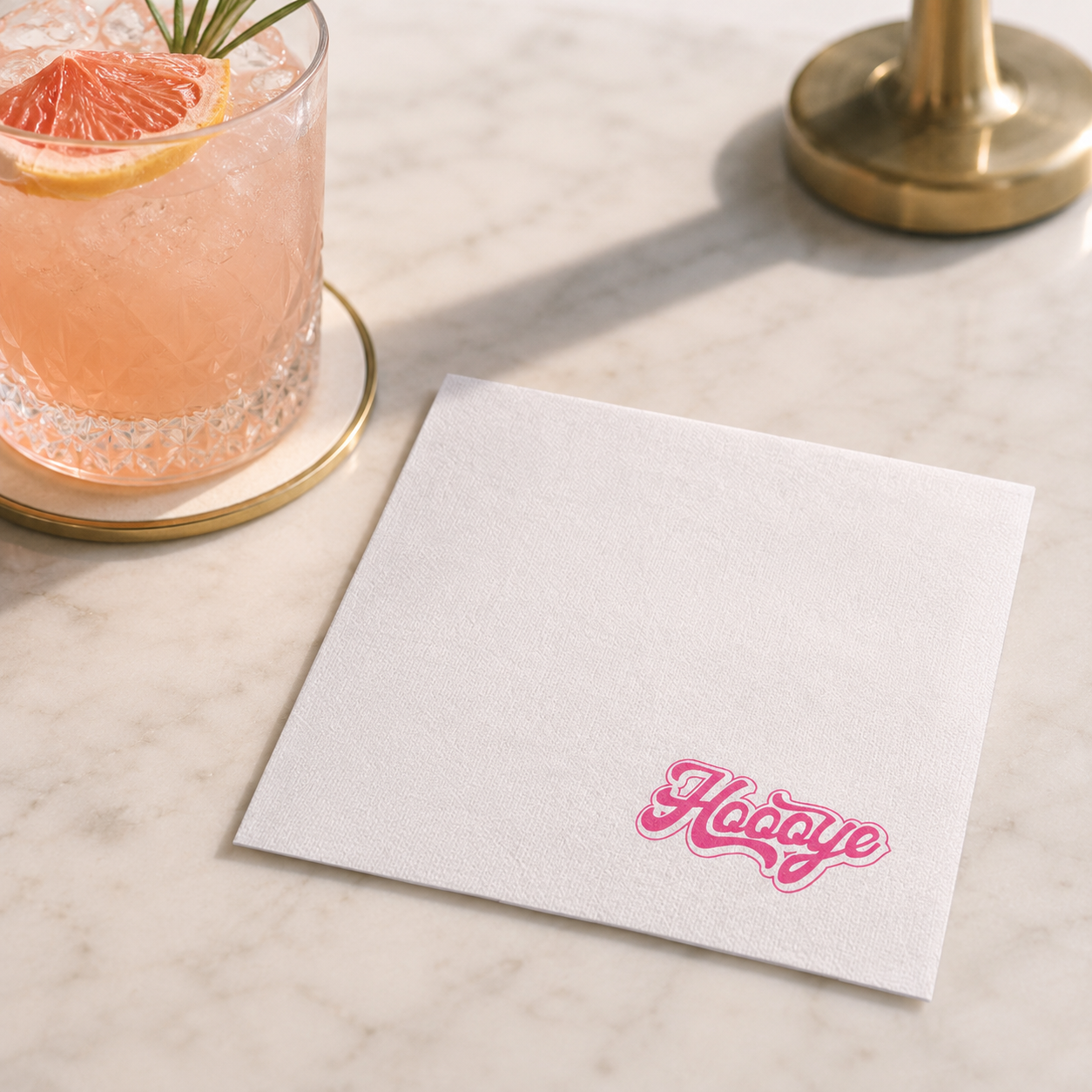
Airlaid napkins are often described as cloth-like napkins. They offer the drape and feel of linen but are disposable, eliminating the cost and environmental impact of water and energy used in commercial laundry services. This is why many venues now recommend airlaid napkins for weddings and high-end events .
Reduced Carbon Footprint
Recent innovations have led to significant reductions in carbon footprint. For example, the adoption of bio-based binders in airlaid production has been shown to reduce the carbon footprint by approximately 20% compared to traditional airlaid napkins using conventional binders . This moves luxury disposable napkins for events from a guilty pleasure to a defensible environmental choice.
Why Do Restaurants and Events Choose Airlaid Napkins?
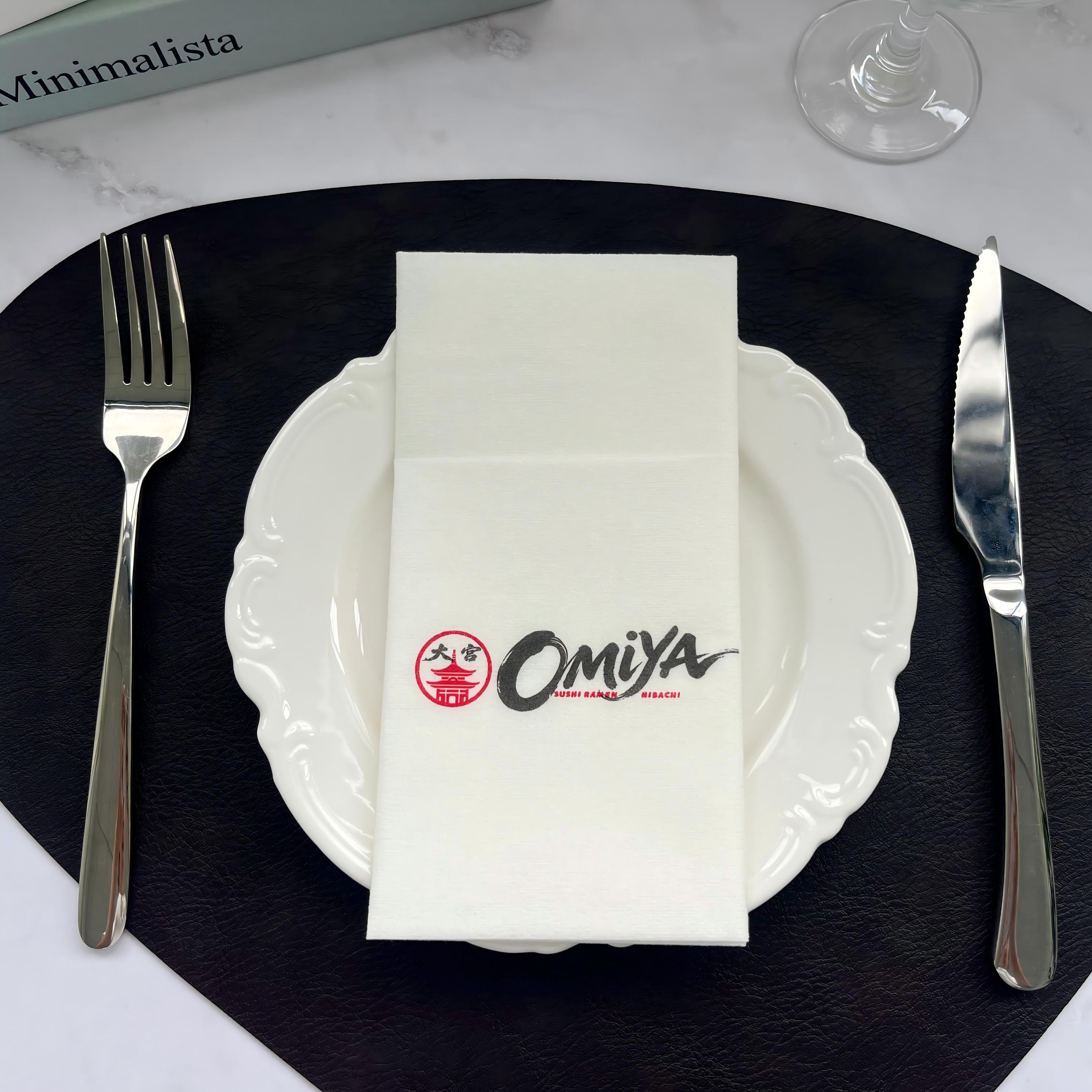
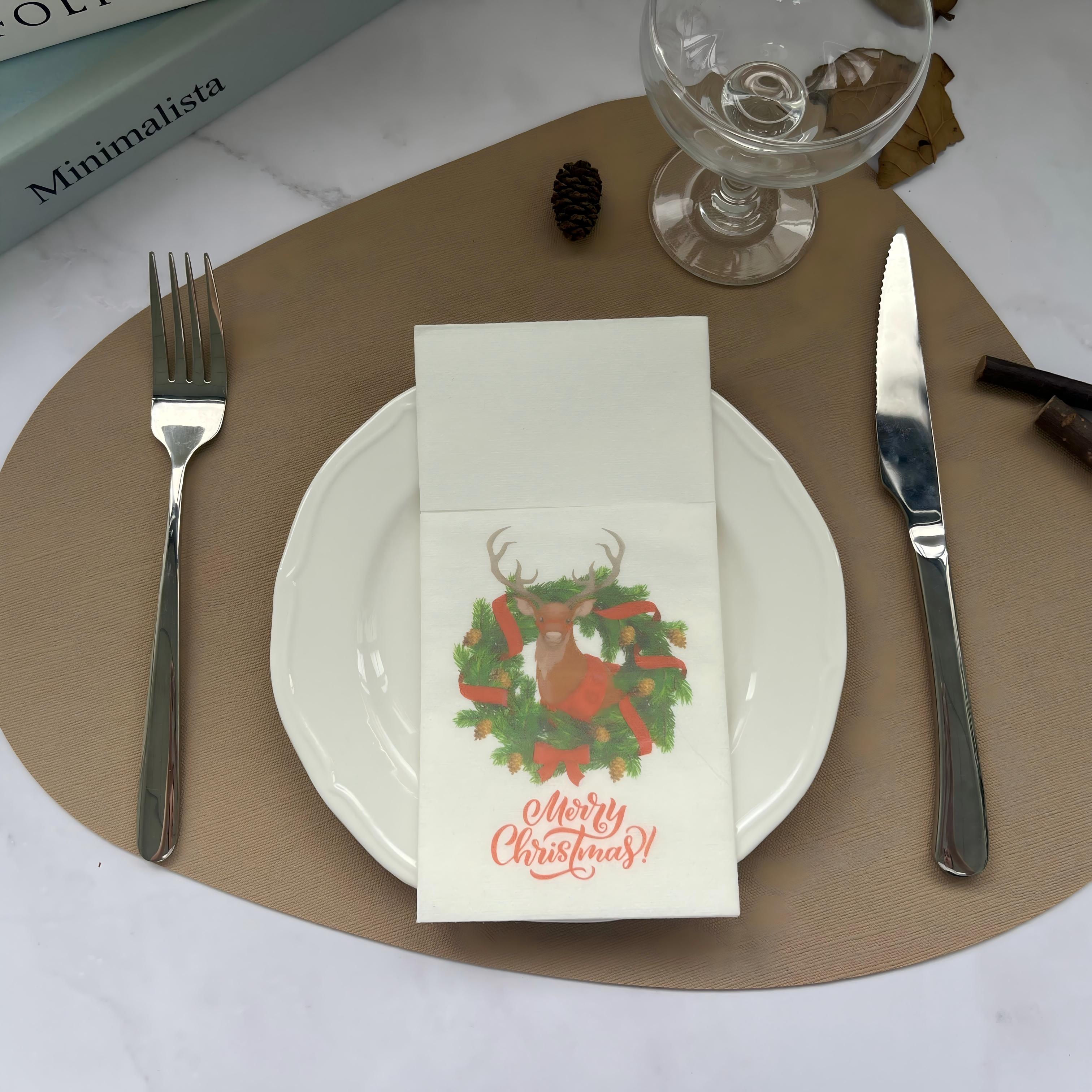
Commercial adoption is driven by the specific advantages these napkins bring to operational workflows. Airlaid napkins for restaurants are popular because they bridge the gap between practicality and presentation.
Versatility in Use
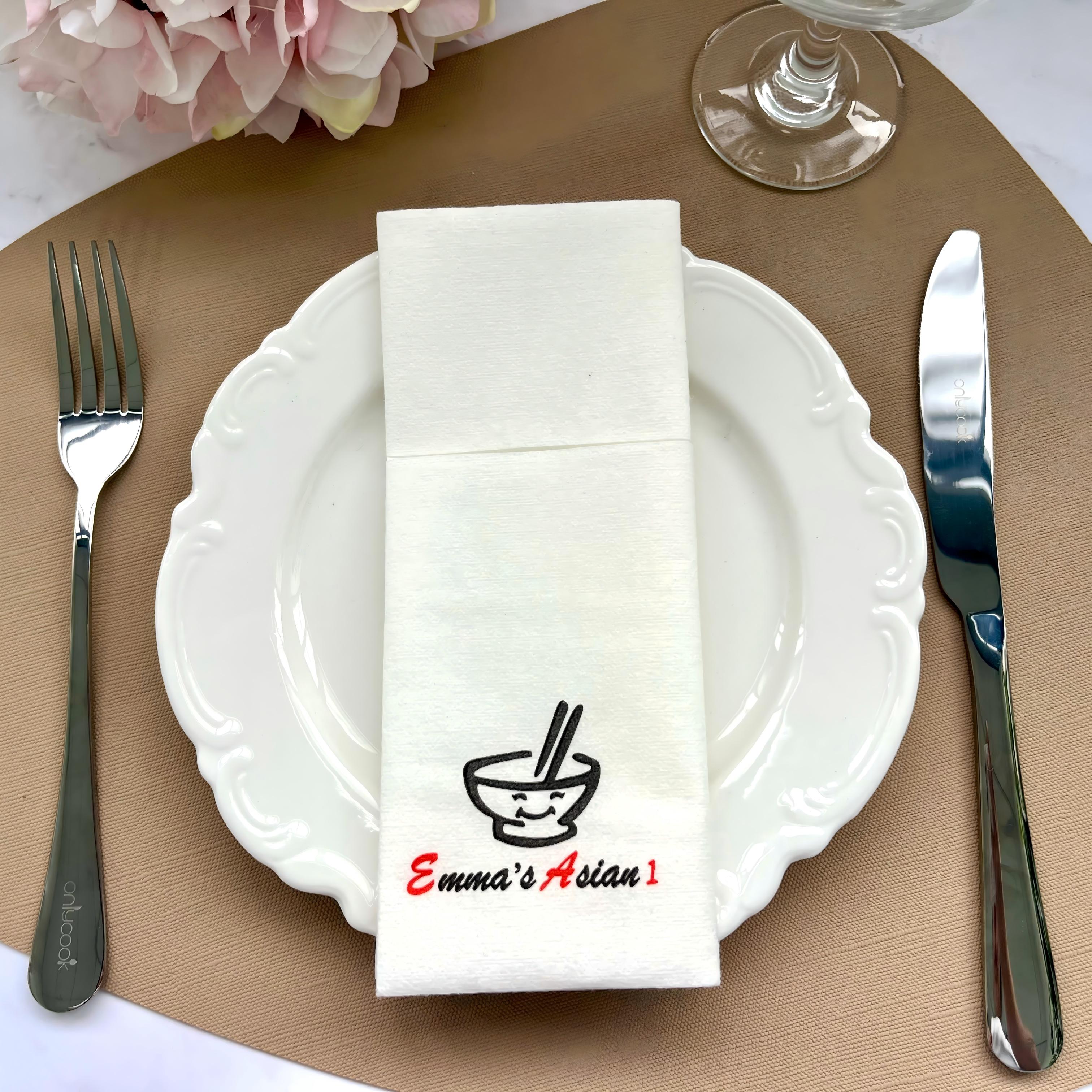
These napkins are not limited to simple table service. Due to their strength, they are often used as basket liners, silverware wraps, and even sandwich wraps . Their non-linting nature makes them ideal for maintaining a clean table setting.
Eco-Conscious Branding
For businesses looking to position themselves as eco-friendly, using biodegradable airlaid napkins provides a tangible talking point. The availability of eco-friendly napkins with certifications like the Nordic Swan Ecolabel allows businesses to demonstrate their commitment to stringent environmental standards .
How to choose the best airlaid napkins: When selecting a supplier, look for certifications (DIN 13432, Nordic Swan), confirm the use of plastic-free or bio-based binders, and assess the GSM (grams per square meter) to ensure the desired thickness and absorbency for your specific use case.
Frequently Asked Questions About Airlaid Napkins
Q1: What is an airlaid napkin?
An airlaid napkin is a disposable napkin made from wood pulp fibers that are bonded together using air, rather than water, creating a soft, highly absorbent, and durable material that closely resembles cloth .
Q2: Are airlaid napkins compostable?
Yes, many airlaid napkins are industrially compostable. Products that meet the DIN 13432 standard are verified to break down by more than 90% within 10 weeks in a commercial composting facility, leaving no toxic residue .
Q3: Airlaid napkin vs paper napkin: which is better?
Airlaid napkins are generally superior in terms of absorbency, strength, and luxurious feel. From an environmental standpoint, they often use less water during production and, when made with bio-based binders, are more biodegradable than standard paper napkins that may contain synthetic additives .
Q4: Are airlaid napkins worth it?
For venues prioritizing guest experience and sustainability, airlaid napkins are a worthwhile investment. They reduce the need for multiple napkins per guest due to high absorbency, lower laundry costs, and support eco-friendly branding .
Q5: What are the benefits of airlaid napkins?
Key benefits include cloth-like softness, high strength even when wet, exceptional absorbency, lint-free surfaces, and the availability of plastic-free, biodegradable options that reduce environmental impact .
Q6: How to choose the best airlaid napkins?
Look for third-party certifications (DIN 13432, Nordic Swan), verify the binder type (bio-based vs. synthetic), check the GSM for thickness, and assess the supplier's sustainability claims regarding carbon footprint and water usage .
Q7: Why do restaurants use airlaid napkins?
Restaurants choose airlaid napkins for their premium presentation that mimics linen, their practical durability, and the ability to offer a sustainable disposable option that aligns with guest expectations for eco-conscious dining .


- Contact
-
+86-18205820793lydia@shuangjiepaper.comPhone
- Get Connected

