
 English
  Español


Are Airlaid Napkins Eco-Friendly? Exploring Their Environmental Impact
Content
- 1 Introduction
- 2 What Are Airlaid Napkins?
- 3 Production Process: Is It Sustainable?
- 4 Are Airlaid Napkins Biodegradable?
- 5 Recycling: Can Airlaid Napkins Be Recycled?
- 6 Environmental Impact Compared to Other Disposable Products
- 7 The Role of Certification in Ensuring Sustainability
- 8 Alternatives to Airlaid Napkins
- 9 Conclusion: Are Airlaid Napkins Eco-Friendly?
- 10 FAQ
Introduction
In recent years, sustainability has become a central focus for both consumers and manufacturers. As people grow more environmentally conscious, they are looking for eco-friendly alternatives in various products, including everyday items like napkins. Airlaid napkins, which are made through a dry manufacturing process, have gained popularity for their softness and absorbency. However, with growing concerns over waste and environmental impact, it is important to evaluate whether these napkins are truly eco-friendly.
What Are Airlaid Napkins?
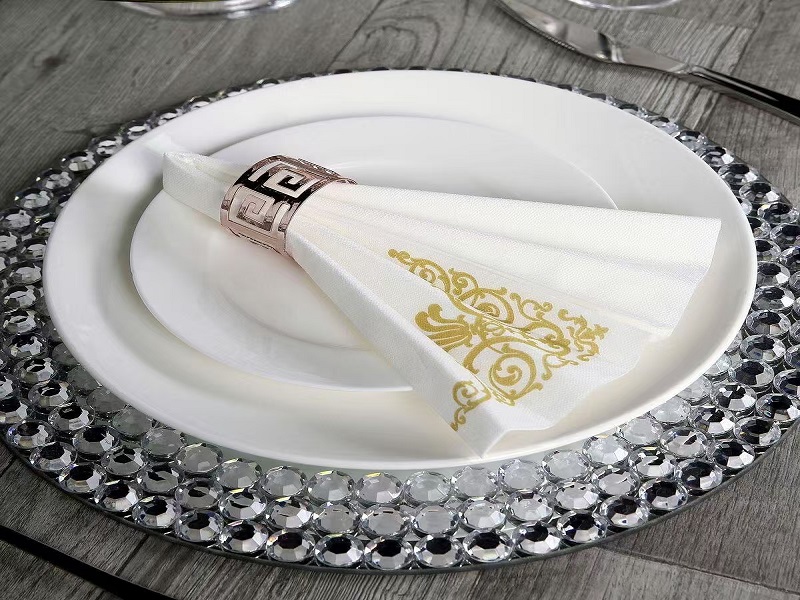
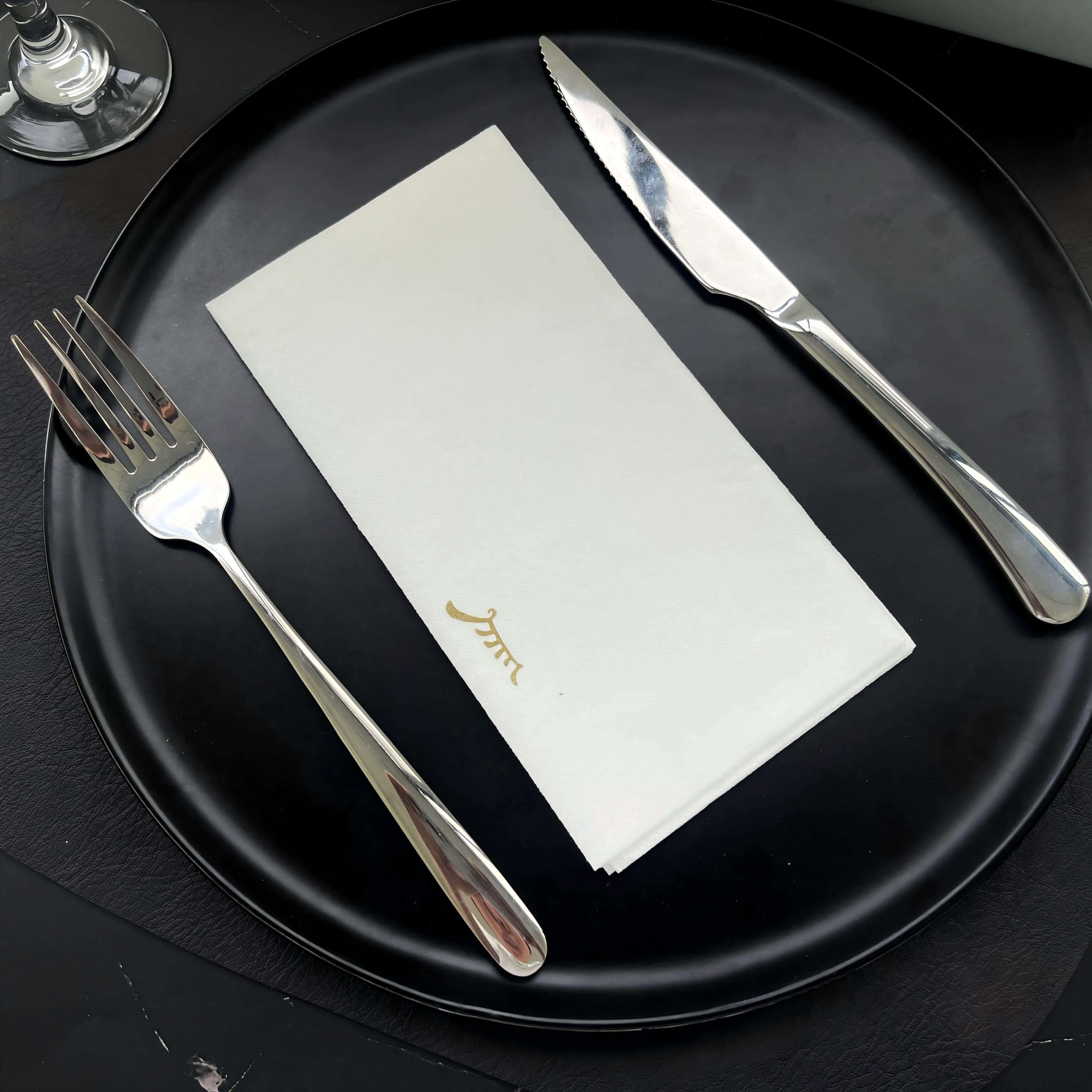
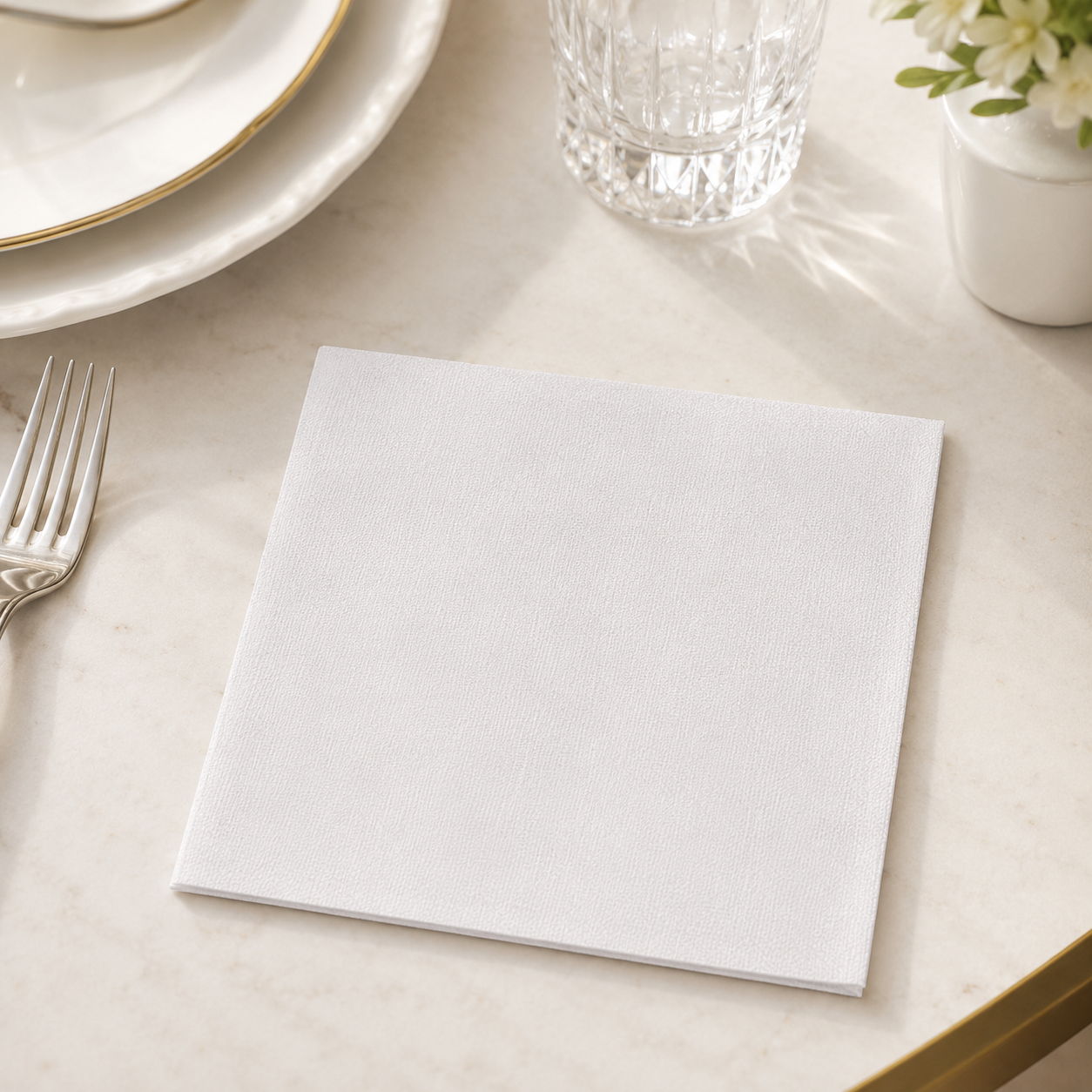
Airlaid napkins are made from fibers that are bonded together using air, without the use of water or heat. The result is a strong, absorbent, and soft napkin that mimics the feel of fabric. Typically, they are used in both commercial and household settings and are often preferred for their superior performance compared to traditional paper napkins.
The process involves creating a web of fibers, usually cellulose, which is then bonded by air-laid technology. These napkins can be made from different types of cellulose, including recycled paper, virgin pulp, and sometimes even natural fibers like bamboo.
Production Process: Is It Sustainable?
One of the most important factors in evaluating the eco-friendliness of any product is the production process. The production of airlaid napkins generally involves several steps: fiber preparation, air-laying, bonding, and sometimes additional treatments for texture and strength. Let’s break down the environmental considerations for each step.
Fiber Sourcing
Airlaid napkins are most commonly made from cellulose, which is derived from wood pulp. The sustainability of these napkins, therefore, depends heavily on how the wood is sourced. Responsible sourcing of wood from sustainable forests is crucial. Many manufacturers are now opting for FSC (Forest Stewardship Council) certified pulp to ensure that the wood comes from responsibly managed forests. This helps prevent deforestation and promotes forest regeneration.
Energy Consumption in Manufacturing
The airlaid process itself is generally energy-efficient. Unlike wet-laid processes, which use large amounts of water and energy to dry the product, airlaid technology uses air to bond the fibers, which significantly reduces water usage. However, it still requires energy to produce and bond the fibers. The overall energy footprint can vary depending on the source of energy used during production—renewable energy sources are more eco-friendly compared to fossil fuels.
Chemical Use
In some cases, airlaid napkins may undergo additional chemical treatments to improve their performance, such as enhancing absorbency or texture. These chemicals can have an environmental impact, especially if they are not biodegradable. Eco-conscious manufacturers are increasingly opting for biodegradable alternatives to reduce the harmful effects of chemical treatments.
Are Airlaid Napkins Biodegradable?
One of the major factors contributing to the eco-friendliness of a product is its biodegradability. Unlike plastic or synthetic materials, airlaid napkins made from cellulose are generally biodegradable. This means that they break down naturally when exposed to the elements, reducing the amount of waste that ends up in landfills.
However, biodegradation rates can vary depending on the specific material used in manufacturing. For example, airlaid napkins made entirely from recycled paper or natural fibers like bamboo will decompose relatively quickly in composting environments. On the other hand, if the napkin is coated with synthetic chemicals, such as certain types of inks or waxes, its breakdown process may take longer.
Recycling: Can Airlaid Napkins Be Recycled?
Recycling is another important factor when assessing the sustainability of airlaid napkins. While cellulose-based products are generally recyclable, airlaid napkins can be more challenging to recycle than regular paper products due to their density and texture. The fibers in airlaid napkins are often so tightly bonded that they may not be easily separated during the recycling process.
Some manufacturers are now focusing on improving the recyclability of airlaid napkins by eliminating coatings and using fibers that are easier to separate during the recycling process. In regions with advanced recycling systems, it may be possible to recycle these napkins if they are free from additives.
Environmental Impact Compared to Other Disposable Products
When comparing the environmental impact of airlaid napkins to other disposable products like conventional paper napkins or plastic alternatives, it’s important to consider factors such as raw material sourcing, energy consumption, and waste generation. Paper napkins made from virgin wood pulp often have a higher environmental cost due to deforestation and water use in their production. Plastic napkins, while durable, contribute to plastic pollution and take hundreds of years to decompose.
In comparison, airlaid napkins—especially those made from sustainable and recycled materials—present a lower environmental cost. Their production process uses less water, and their biodegradable nature reduces long-term landfill waste. When made with eco-friendly fibers and free from harmful chemicals, they offer a promising alternative to other disposable napkins.
The Role of Certification in Ensuring Sustainability
Certifications play a key role in ensuring that airlaid napkins are produced with sustainability in mind. Look for certifications such as:
- FSC Certification: Ensures that the wood pulp is sourced from responsibly managed forests.
- OEKO-TEX® Standard 100: Guarantees that the napkins are free from harmful chemicals.
- EU Ecolabel: A European certification that indicates that the product has a reduced environmental impact throughout its life cycle.
Choosing airlaid napkins with these certifications helps consumers make an environmentally conscious decision.
Alternatives to Airlaid Napkins
While airlaid napkins are a more eco-friendly option compared to many alternatives, there are still other products on the market that may offer greater sustainability. Reusable cloth napkins, for example, offer the benefit of long-term use and can be washed multiple times, reducing the need for disposable products altogether. However, they require more energy and water for washing, which could offset some of their environmental benefits.
For those looking for single-use products, biodegradable napkins made from materials like sugarcane fiber or hemp are other alternatives that are gaining popularity in the eco-conscious market.
Conclusion: Are Airlaid Napkins Eco-Friendly?
Airlaid napkins can be considered an eco-friendly option when compared to other disposable napkins, provided they are made from sustainably sourced materials and free from harmful chemicals. Their biodegradable nature, reduced water usage in manufacturing, and potential for recycling make them a more sustainable choice for consumers. However, it’s important to carefully consider the materials used and any chemical treatments applied to the product before making a final decision.
FAQ
1. Are airlaid napkins made from recycled materials?
Yes, many airlaid napkins are made from recycled paper and cellulose fibers, making them a more eco-friendly option compared to those made from virgin pulp.
2. Can airlaid napkins be composted?
Airlaid napkins made from natural cellulose fibers are biodegradable and can be composted. However, if they have been treated with synthetic chemicals, they may take longer to decompose.
3. Do airlaid napkins contain harmful chemicals?
Some airlaid napkins may contain chemicals to improve their performance, but eco-friendly manufacturers are opting for biodegradable alternatives to reduce environmental impact.
4. Can airlaid napkins be recycled?
Airlaid napkins can be recycled in some regions, especially if they are free from coatings and additives. However, their dense texture can make recycling more challenging.
5. How do airlaid napkins compare to other disposable napkins in terms of environmental impact?
Compared to traditional paper napkins and plastic alternatives, airlaid napkins have a lower environmental impact due to their biodegradable nature, reduced water usage in production, and potential for recycling.





- Contact
-
+86-18205820793lydia@shuangjiepaper.comPhone
- Get Connected

