
 English
  Español


How Do Cocktail Napkins Differ from Other Types of Napkins in Terms of Size and Function?
Content
Introduction
Napkins are an essential element in dining, hospitality, and various social settings. While they serve the same basic function—providing a sanitary and convenient way to wipe or clean one’s hands or face—different types of napkins cater to specific needs and environments. Among the many types of napkins, cocktail napkins are one of the most commonly used, but they differ significantly from other varieties such as dinner napkins or luncheon napkins.
Understanding the Basics: What Are Cocktail Napkins?
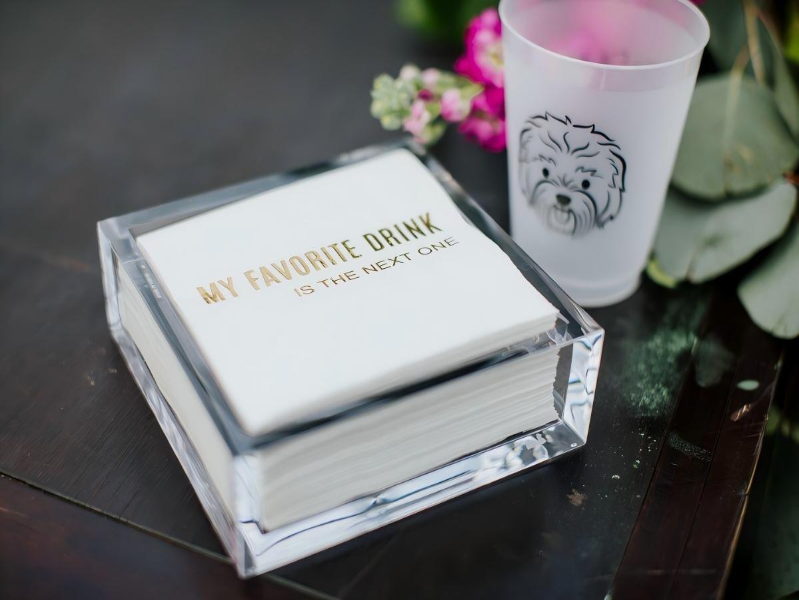
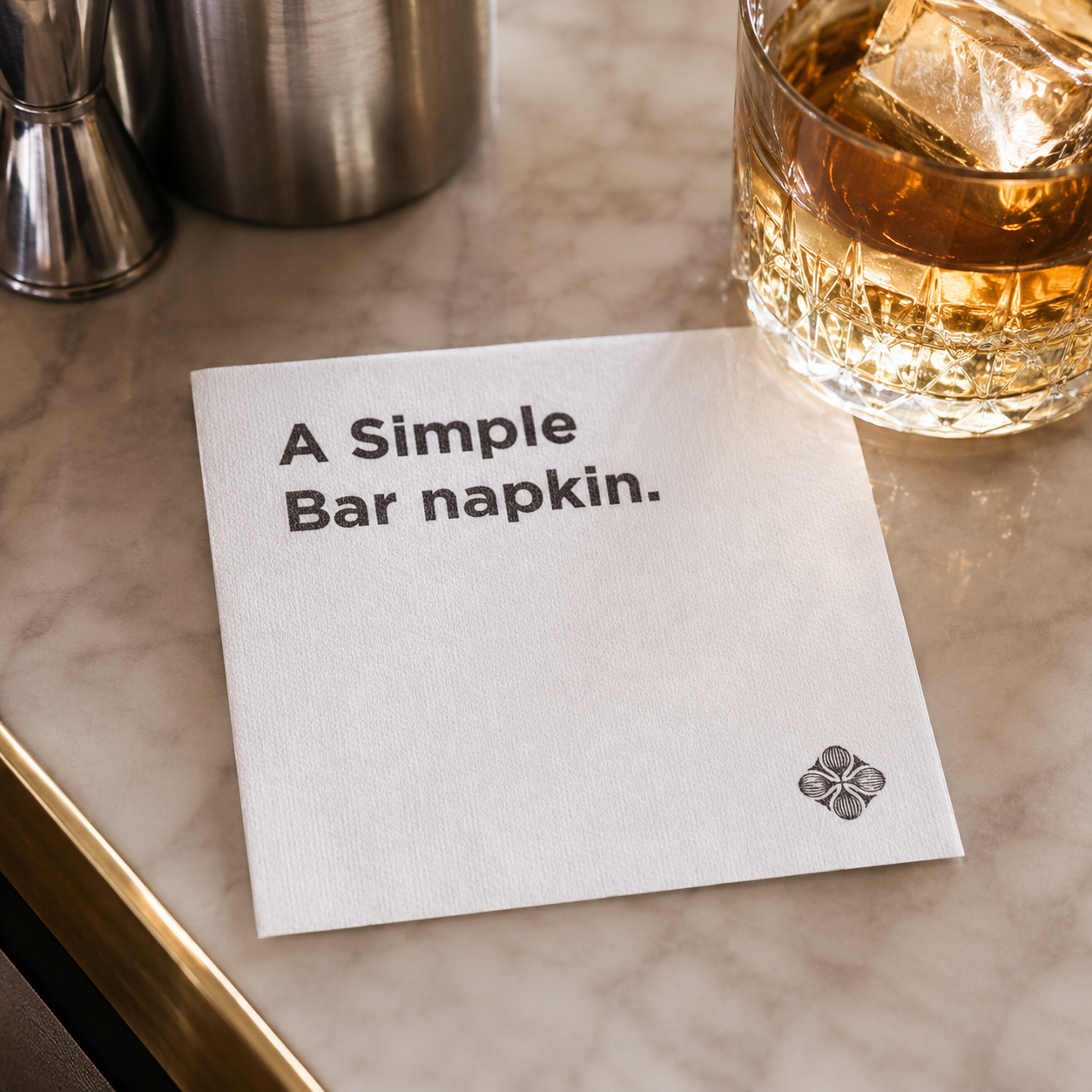
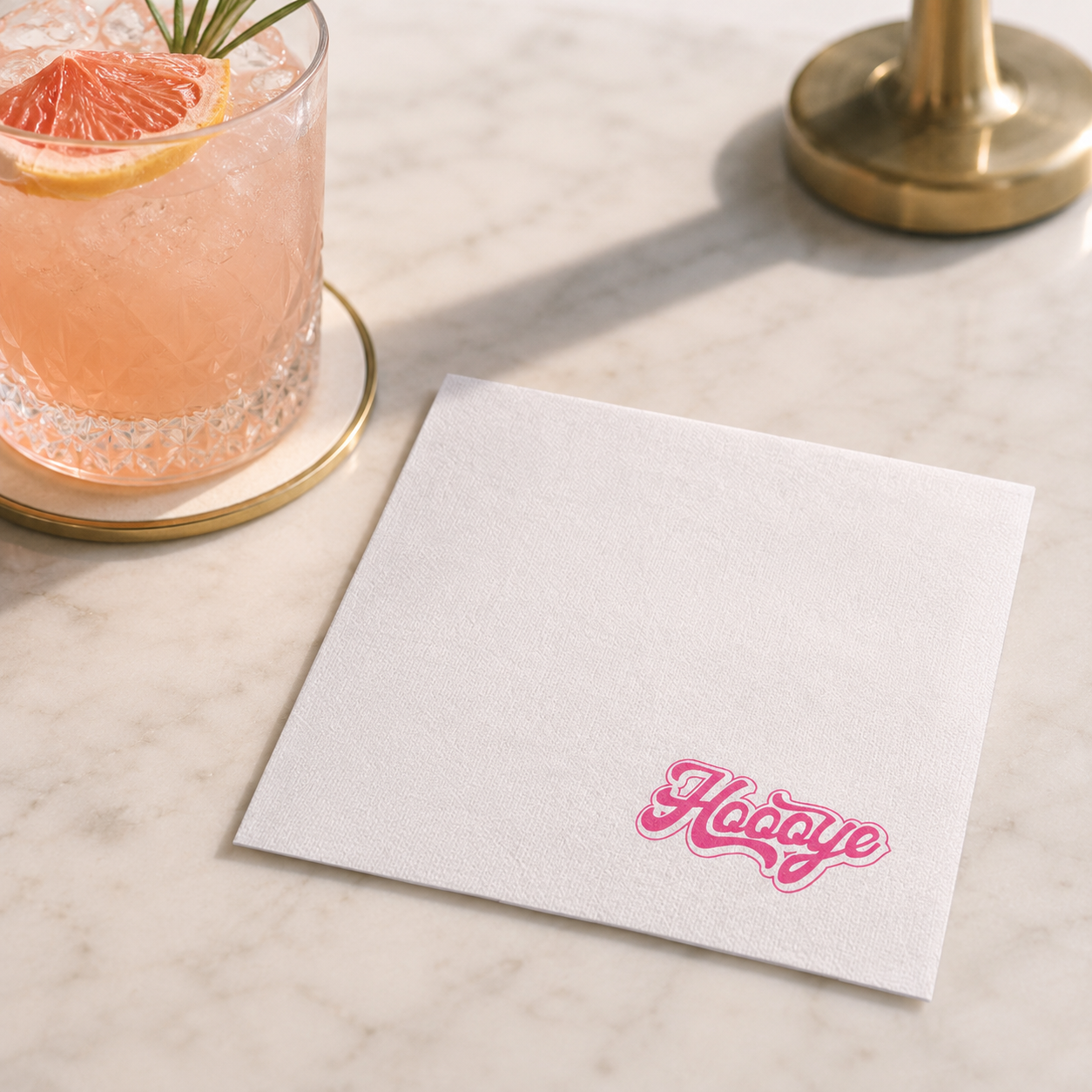
Cocktail napkins are small, typically square napkins, designed for use during cocktails, appetizers, or light snacks. They are often used in social settings such as parties, bars, and lounges, where the goal is to provide guests with a convenient way to handle drinks and food without making a mess.
Size of Cocktail Napkins
The standard size of a cocktail napkin is 5 inches by 5 inches (12.7 cm x 12.7 cm). This compact size makes it ideal for holding small glasses and light snacks without taking up too much space on a table or tray.
Function of Cocktail Napkins
Cocktail napkins are primarily used to absorb moisture from drinks, prevent condensation from ruining furniture, and provide a sanitary surface for guests to hold their glasses or snacks. They can also serve as a decorative touch, with a range of colors and designs that complement the theme of the event.
The Role of Paper Napkins in Various Settings
While cocktail napkins are primarily used for drinks and light snacks, paper napkins are a broader category of napkins that can be used for a variety of functions, from casual settings to formal dining.
Size of Paper Napkins
Paper napkins come in a wide range of sizes, with the most common being:
- Beverage napkins (Cocktail napkin size): 5"" x 5""
- Lunch napkins: 6.5"" x 6.5""
- Dinner napkins: 8"" x 8"" or larger
Function of Paper Napkins
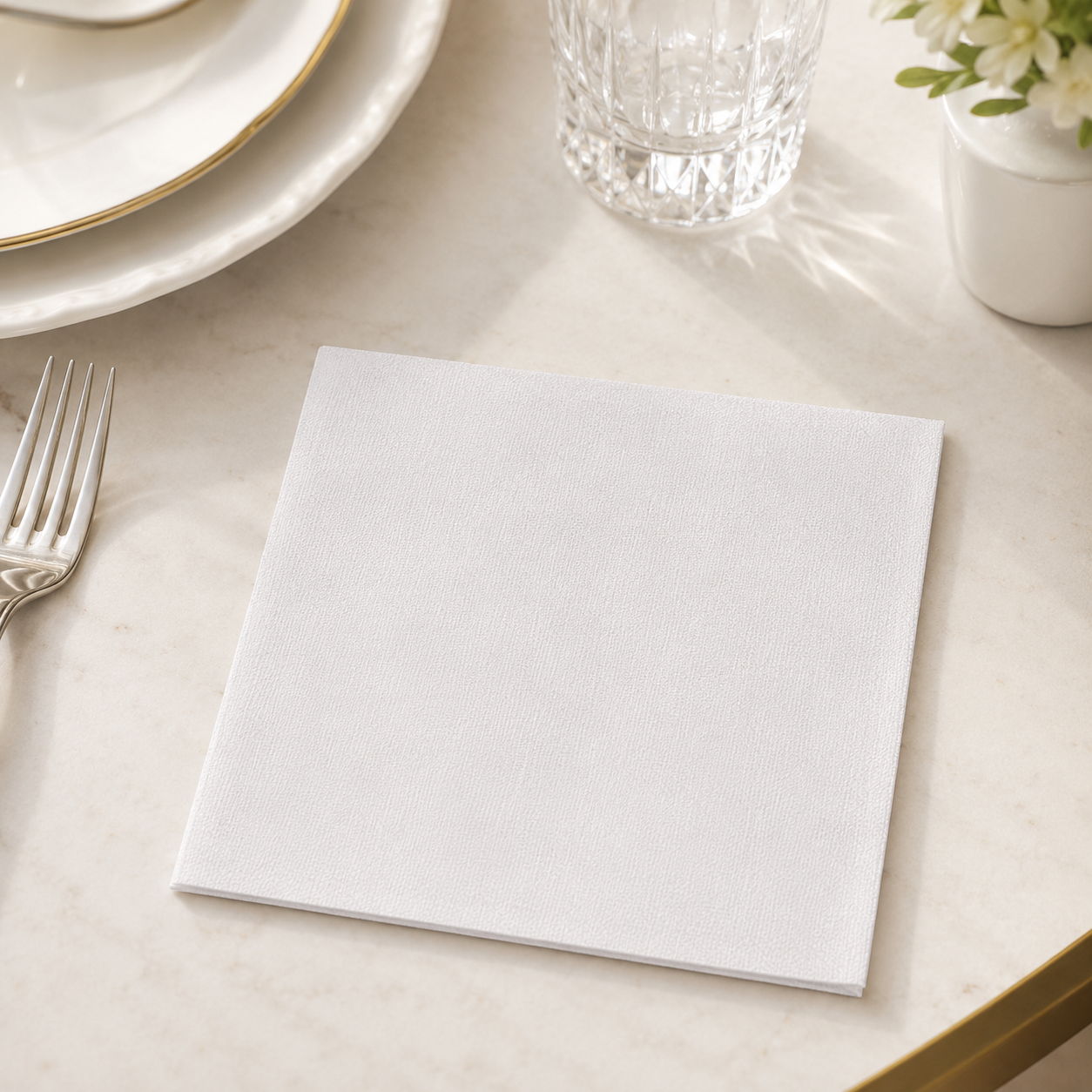
Paper napkins are versatile and can be used for wiping hands, cleaning up spills, or providing a clean surface at meals. They come in different types, including lunch, dinner, and snack napkins, each suited for its intended purpose. Paper napkins are a more general-purpose option and are used for a wider variety of tasks than cocktail napkins.
Key Differences: Cocktail Napkins vs. Other Napkins
The main differences between cocktail napkins and other types of napkins lie in their size, intended function, and design. Here’s a breakdown of how cocktail napkins differ from other common napkin types:
| Feature | Cocktail Napkins | Dinner Napkins | Lunch Napkins |
|---|---|---|---|
| Size | 5"" x 5"" (12.7 cm x 12.7 cm) | 8"" x 8"" or larger | 6.5"" x 6.5"" (16.5 cm x 16.5 cm) |
| Primary Use | Small drinks, appetizers, and snacks | Full meals, dinner service | Light meals, snacks, and salads |
| Material | Paper or cloth | Typically cloth, but available in paper | Paper or cloth |
| Occasions | Parties, bars, informal gatherings | Formal dinners, restaurants, events | Casual dining, quick meals |
| Design | Decorative, often with logos or patterns | Solid colors, elegant patterns | Simple, often plain or minimal |
When to Use Cocktail Napkins
Cocktail napkins are perfect for casual, informal events like cocktail parties, happy hours, and bar gatherings. Their small size allows them to hold small items like cocktail glasses, appetizers, or finger foods. If you’re hosting a large group or an event with drinks being passed around, these napkins can easily be distributed and are easy to dispose of afterward.
In contrast to larger napkins, cocktail napkins are specifically designed to handle the messiness associated with beverages like cocktails, soda, or wine. They can absorb condensation from a glass or catch small spills during a toast or conversation.
The Functionality of Larger Napkins
Larger napkins, such as dinner and lunch napkins, serve a more substantial role at the dining table. They are larger, more absorbent, and provide guests with a way to wipe their mouths or hands during a meal. These napkins are typically used for formal dining events, restaurant settings, or family meals.
Functionality of Dinner Napkins
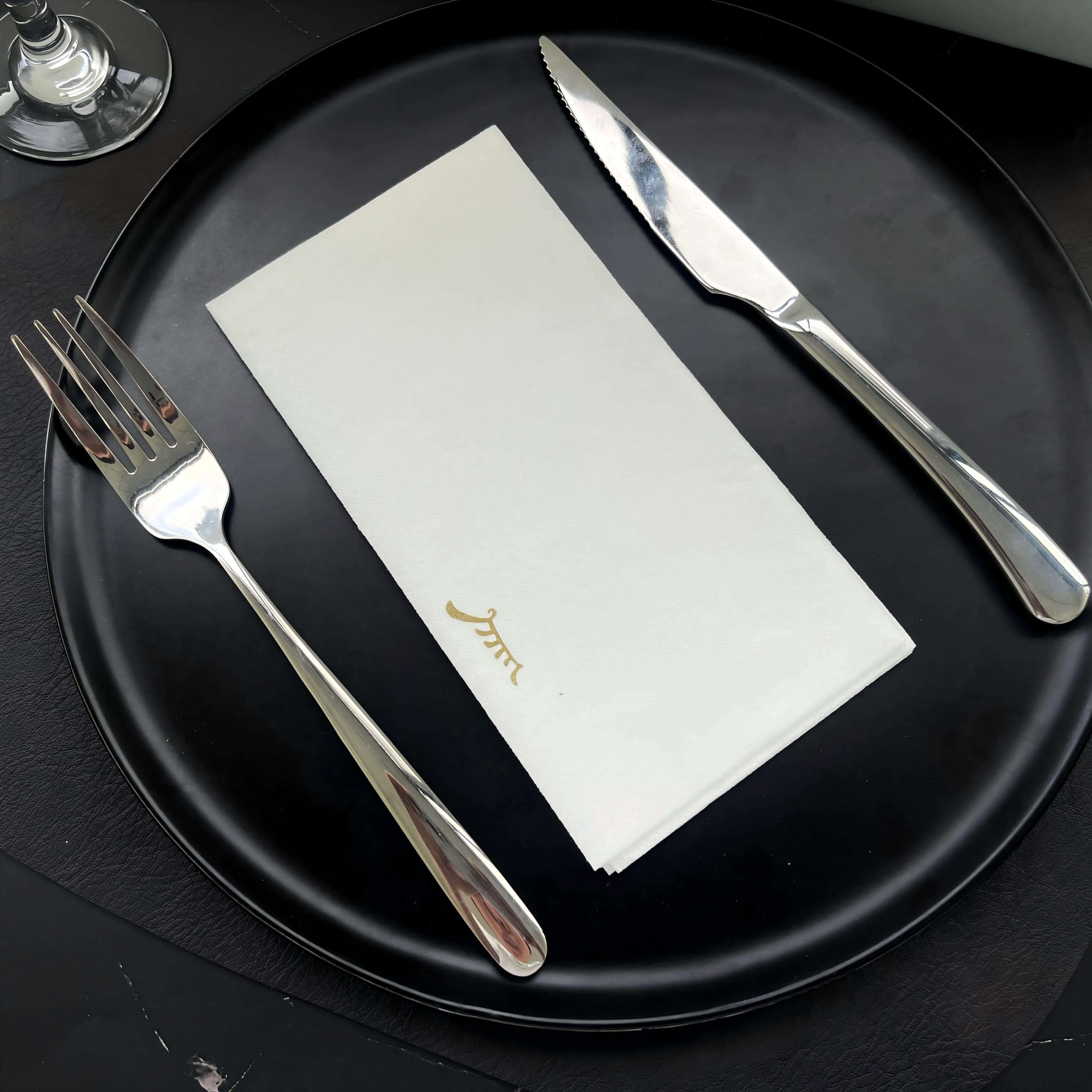
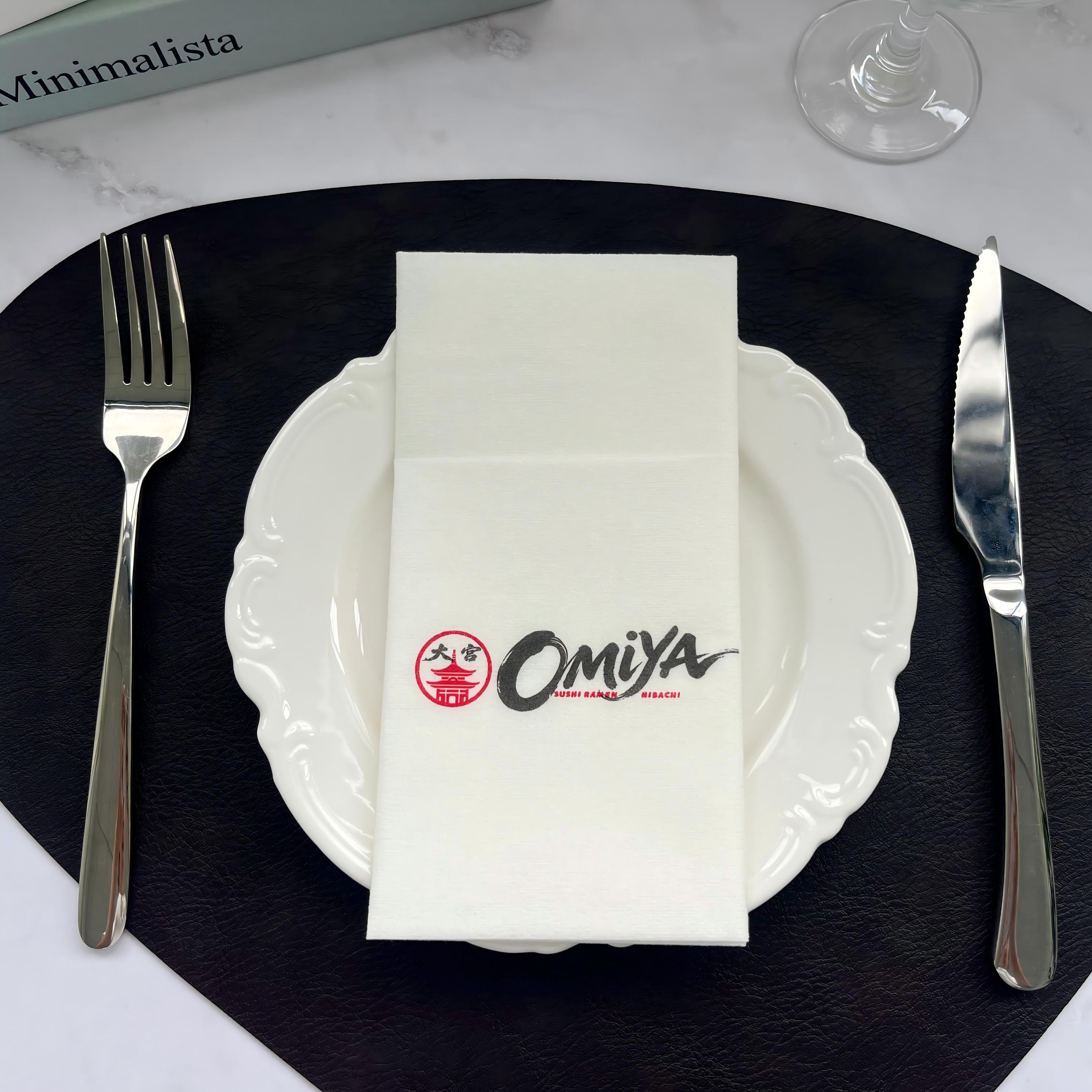
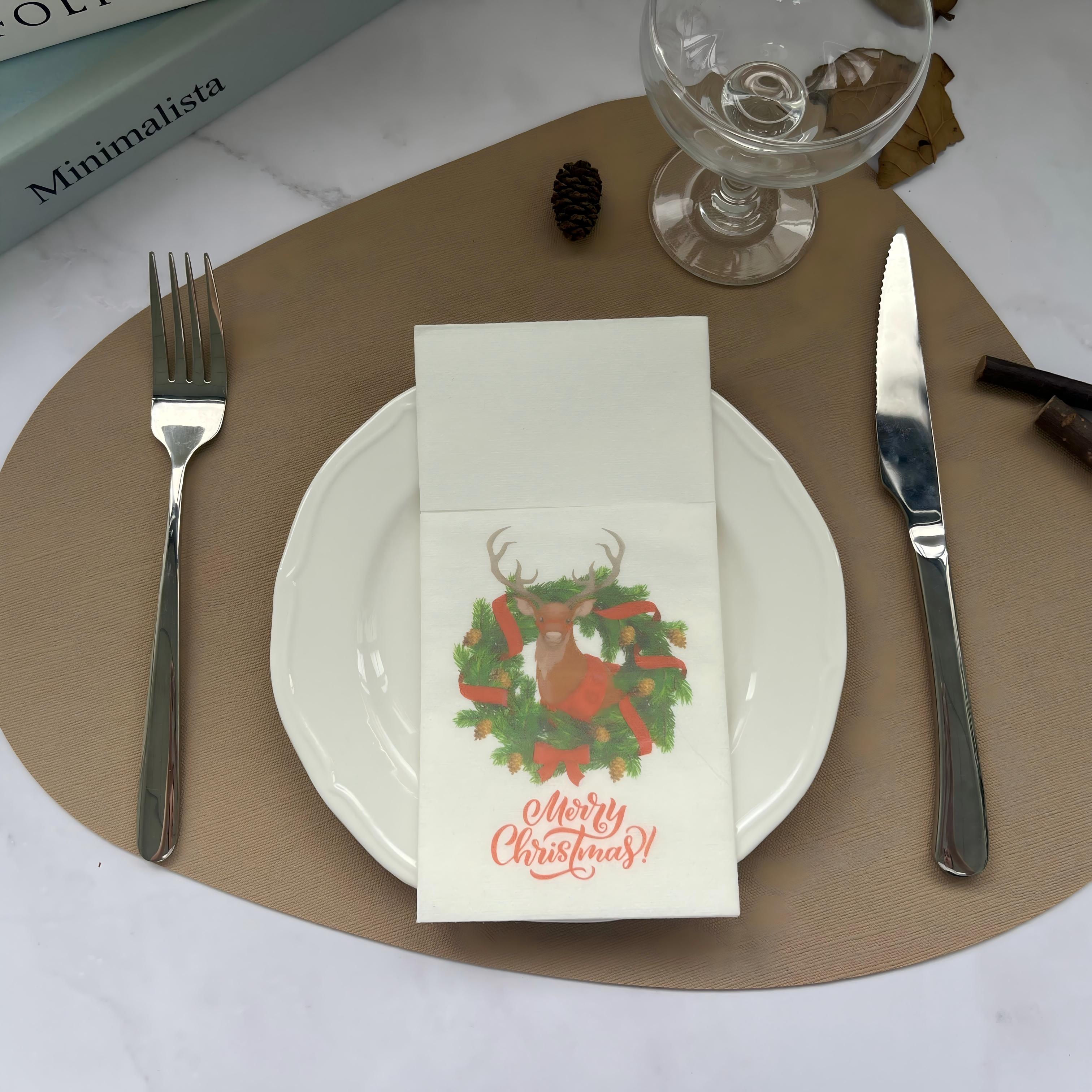
Dinner napkins are typically made of cloth and come in larger sizes, making them perfect for formal dining occasions. They serve not only a functional purpose but are also used to enhance the table setting. They are often folded in a variety of decorative styles, adding a touch of elegance to the meal.
Functionality of Lunch Napkins
Lunch napkins, smaller than dinner napkins but larger than cocktail napkins, are used for light meals, snacks, or lunch in more casual settings. They provide a balance of size and absorbency, perfect for wiping up spills or using as a makeshift surface for meals that are not too messy.
Popular Materials for Napkins
Cocktail napkins and other paper napkins come in a variety of materials. While cloth napkins offer luxury and can be reused, paper napkins are more cost-effective and convenient for disposable purposes. Cocktail napkins are typically made from paper, but cloth versions are available for more upscale events.
Common Paper Types:
- 1-ply paper: Thinner, less absorbent, and ideal for single-use.
- 2-ply paper: Thicker and more absorbent, providing a more durable napkin for use with drinks or snacks.
- 3-ply paper: The thickest option, offering the most absorbency and strength, used in premium settings.
Conclusion
In conclusion, cocktail napkins, paper napkins, and other types of napkins all serve their respective purposes in different settings. Cocktail napkins are smaller, more decorative, and ideal for serving drinks or light snacks, making them perfect for casual gatherings and parties. On the other hand, larger napkins like lunch and dinner napkins offer more coverage and are designed for more substantial meals and formal occasions.
By understanding the differences in size and function, you can select the most appropriate napkin for your event, ensuring that guests have everything they need for a comfortable and enjoyable experience.
FAQ
1. What are the typical uses for cocktail napkins?
Cocktail napkins are used for drinks and light snacks at informal gatherings like cocktail parties or bars.
2. What are the sizes of dinner and lunch napkins?
Dinner napkins are typically 8"" x 8"" or larger, while lunch napkins are usually 6.5"" x 6.5"".
3. Are cocktail napkins only available in paper?
While paper cocktail napkins are most common, cloth versions are also available for upscale events.
4. Can cocktail napkins be used for formal events?
Cocktail napkins are typically for informal settings, but they can be used for elegant, themed parties or cocktail hour during formal events.
5. What is the difference between 1-ply and 2-ply napkins?
1-ply napkins are thinner and less absorbent than 2-ply napkins, which are thicker and more durable.

- Contact
-
+86-18205820793lydia@shuangjiepaper.comPhone
- Get Connected

