
 English
  Español


What Are the Key Benefits of Airlaid Napkins Over Other Disposable Options?
Content
The growing demand for sustainable, high-performance, and convenient disposable products has led to the rise of airlaid napkins. These nonwoven, highly absorbent napkins have become increasingly popular in the food service and hospitality industries, outperforming other disposable options in various aspects.
Introduction
Disposable napkins are essential in various settings, including restaurants, hotels, events, and catering services. They provide convenience and hygiene, essential in high-volume environments. Among the many types of disposable napkins available in the market, airlaid napkins have gained attention due to their superior qualities. This article delves into the unique features of airlaid napkins and their advantages over other disposable napkin alternatives, such as paper, spunlace, and tissue napkins.
What Are Airlaid Napkins?
Airlaid napkins are made from airlaid nonwoven fabric, a process that involves using air to disperse fibers, which are then bonded together to create a thick, soft, and highly absorbent material. This process ensures that the napkins possess high strength and durability, offering an ideal option for both absorbency and aesthetic appeal.
Key Benefits of Airlaid Napkins
Superior Absorbency and Performance
Airlaid napkins are renowned for their absorbency, which outperforms many traditional paper napkins. The airlaid process allows for a more even distribution of fibers, creating a dense, uniform texture that absorbs liquids effectively. This makes airlaid napkins particularly ideal for high-traffic settings like restaurants and catering events, where spills and messes are frequent.
| Feature | Airlaid Napkins | Paper Napkins | Spunlace Napkins |
|---|---|---|---|
| Absorbency | High | Moderate | Moderate |
| Softness | Soft | Varies | Soft |
| Durability | High | Moderate to Low | Moderate to High |
Enhanced Comfort and Softness
Unlike other disposable napkins that may feel rough or stiff, airlaid napkins are known for their luxurious softness. This texture is particularly appreciated in settings like fine dining or events, where guest comfort is a priority. The smooth surface makes them ideal for wiping the face and hands, ensuring a pleasant experience for guests.
Eco-friendly Option
In an age where sustainability is crucial, airlaid napkins offer an eco-friendly advantage. Made from wood pulp or recycled fibers, these napkins are biodegradable and can break down more quickly than synthetic materials. The absence of chemical bonding agents, commonly found in other disposable napkin types, adds to their environmentally friendly nature. Many manufacturers are also focusing on increasing the percentage of recycled materials used, making airlaid napkins a top choice for eco-conscious businesses.
Durability and Strength
Airlaid napkins are designed to be durable, often stronger than paper or spunlace napkins. This makes them suitable for tasks that require more than just simple absorption. Whether it’s cleaning up liquid spills, wiping greasy hands, or even handling wet surfaces, airlaid napkins provide a sturdier option without tearing easily, unlike paper napkins that can fall apart with minimal effort.
Variety of Designs and Customization
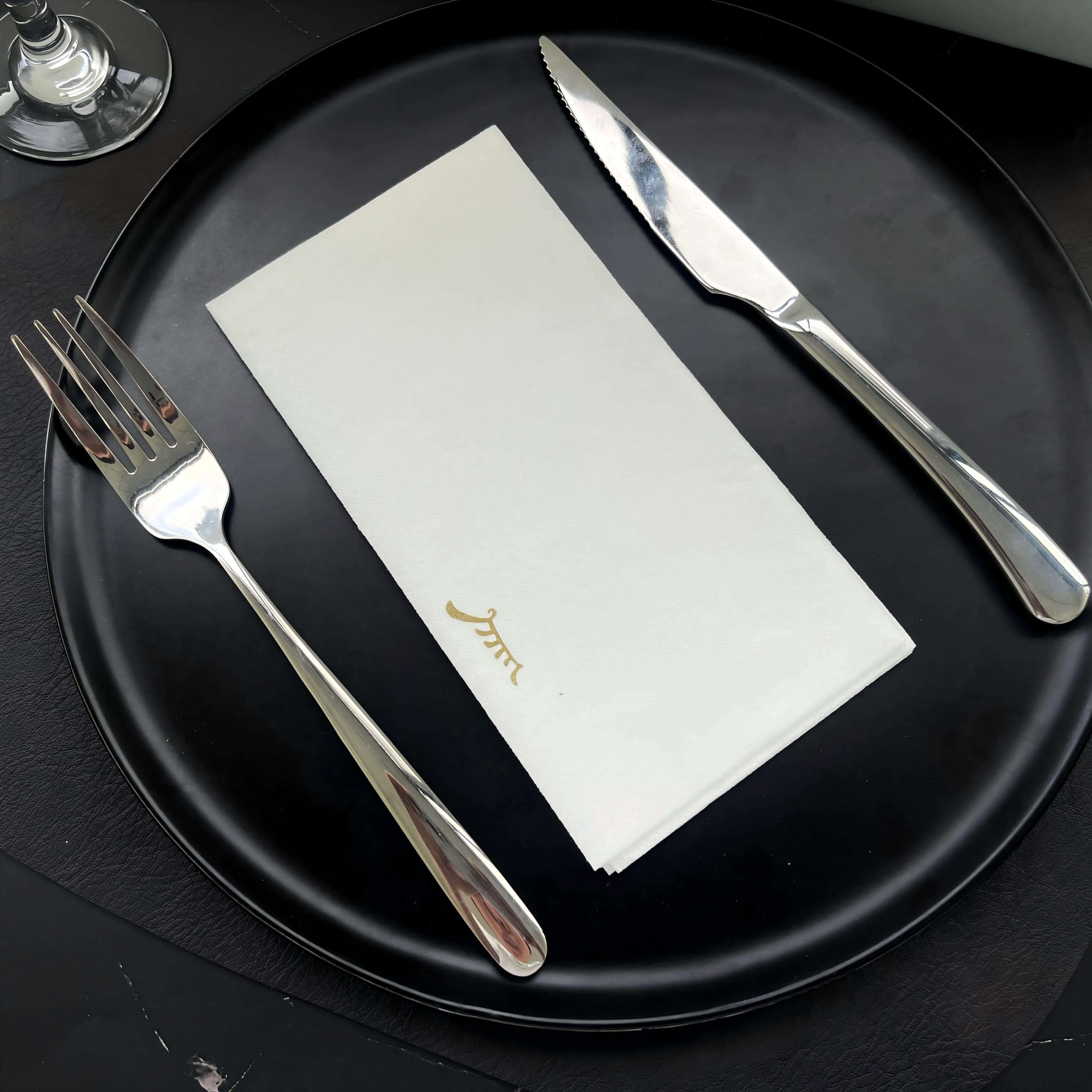
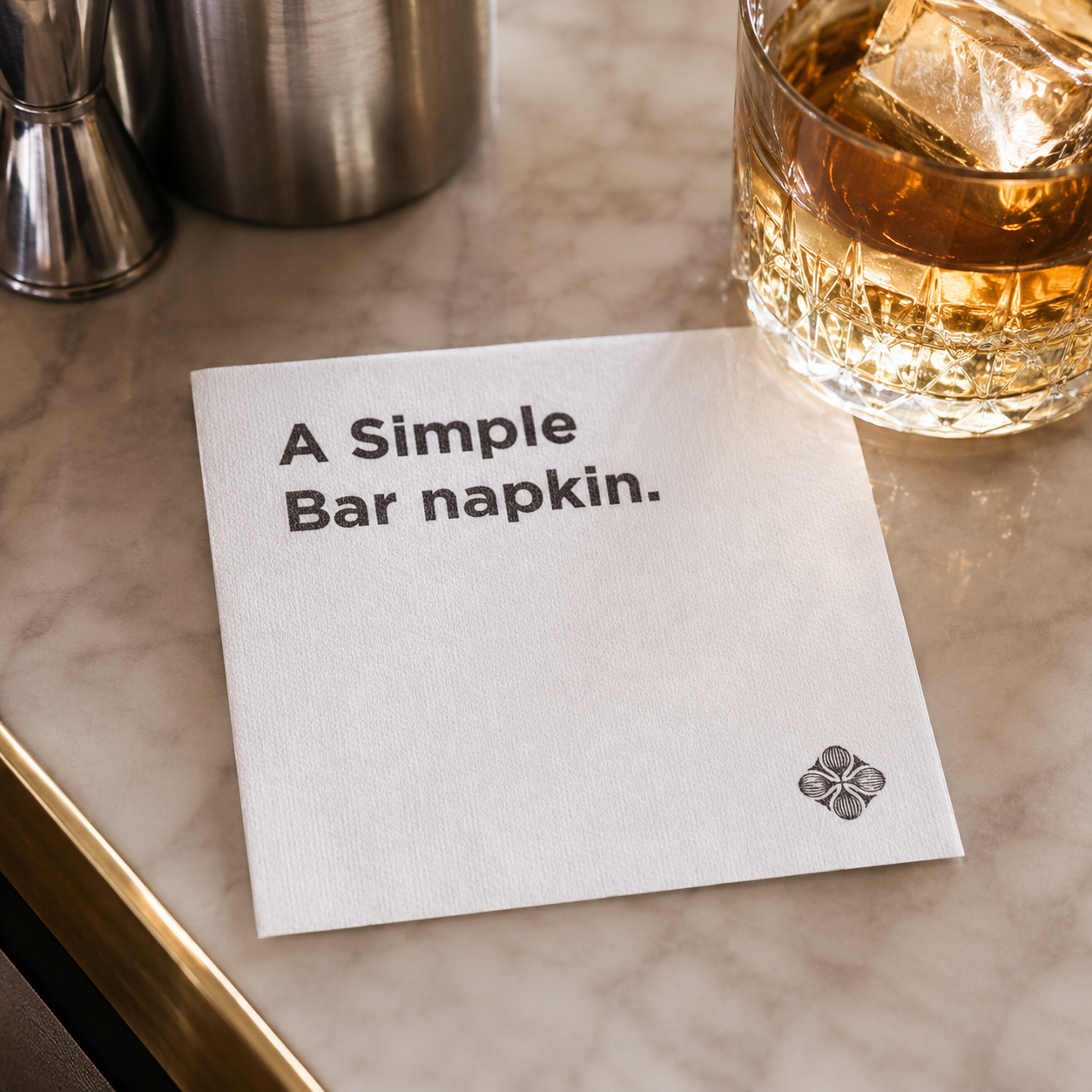
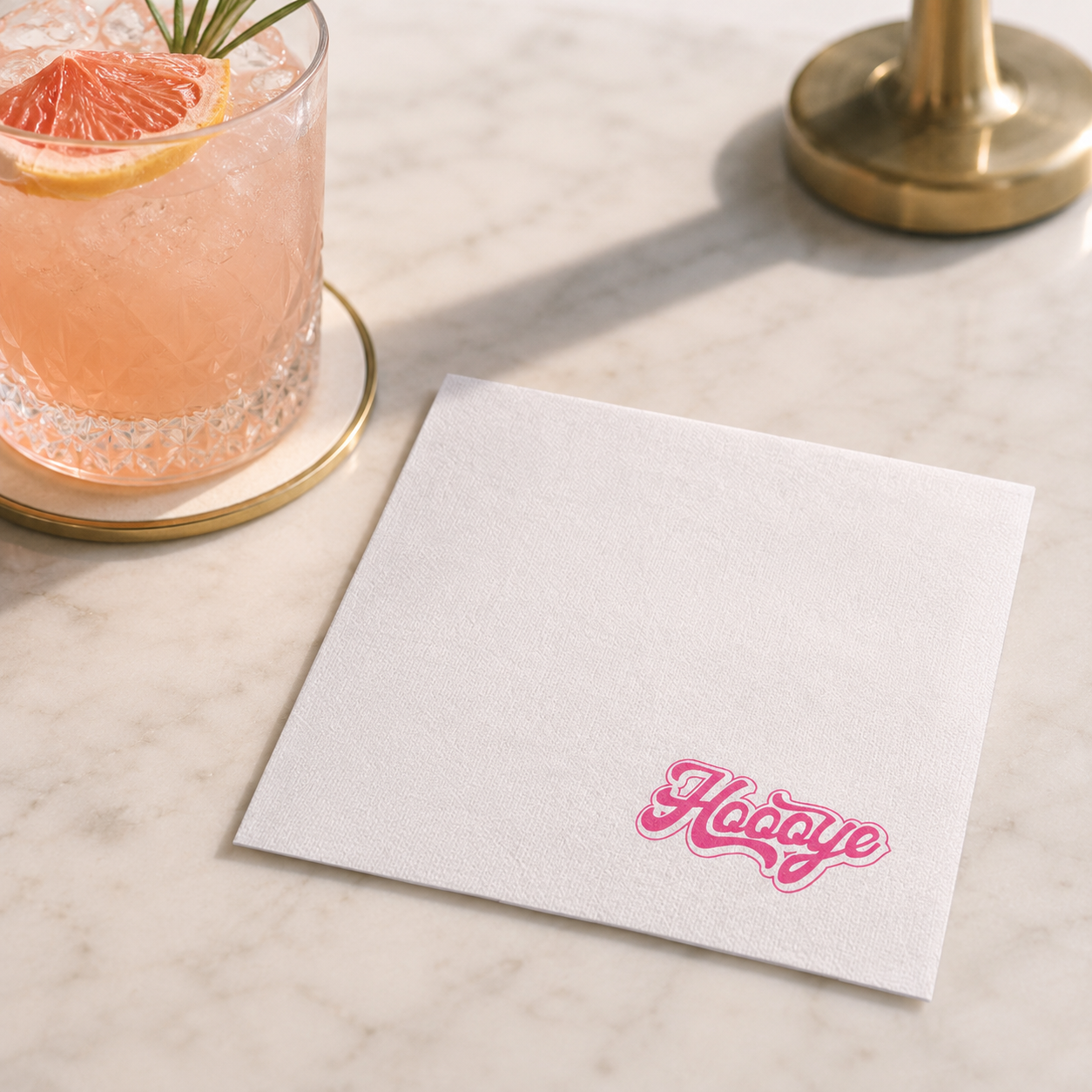
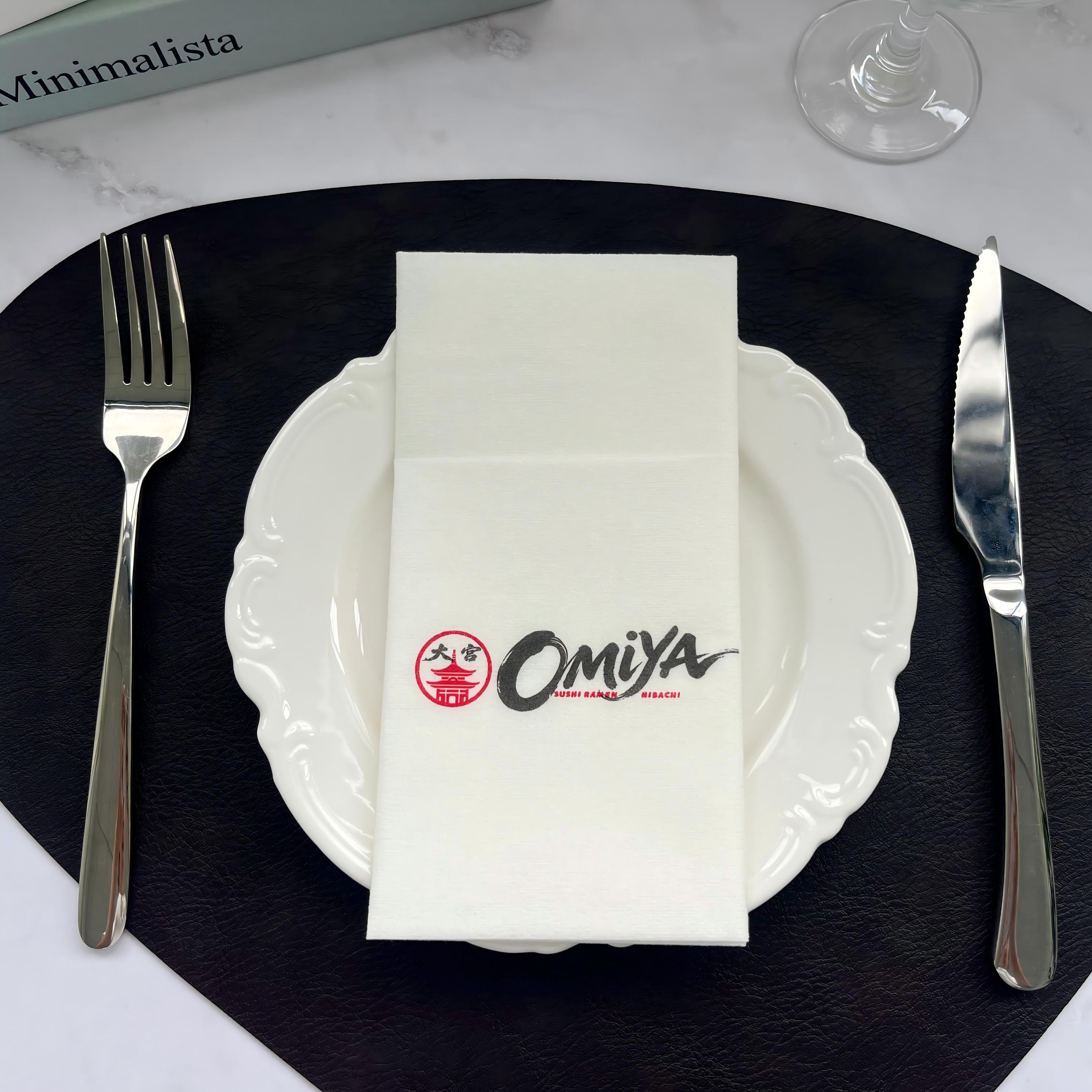
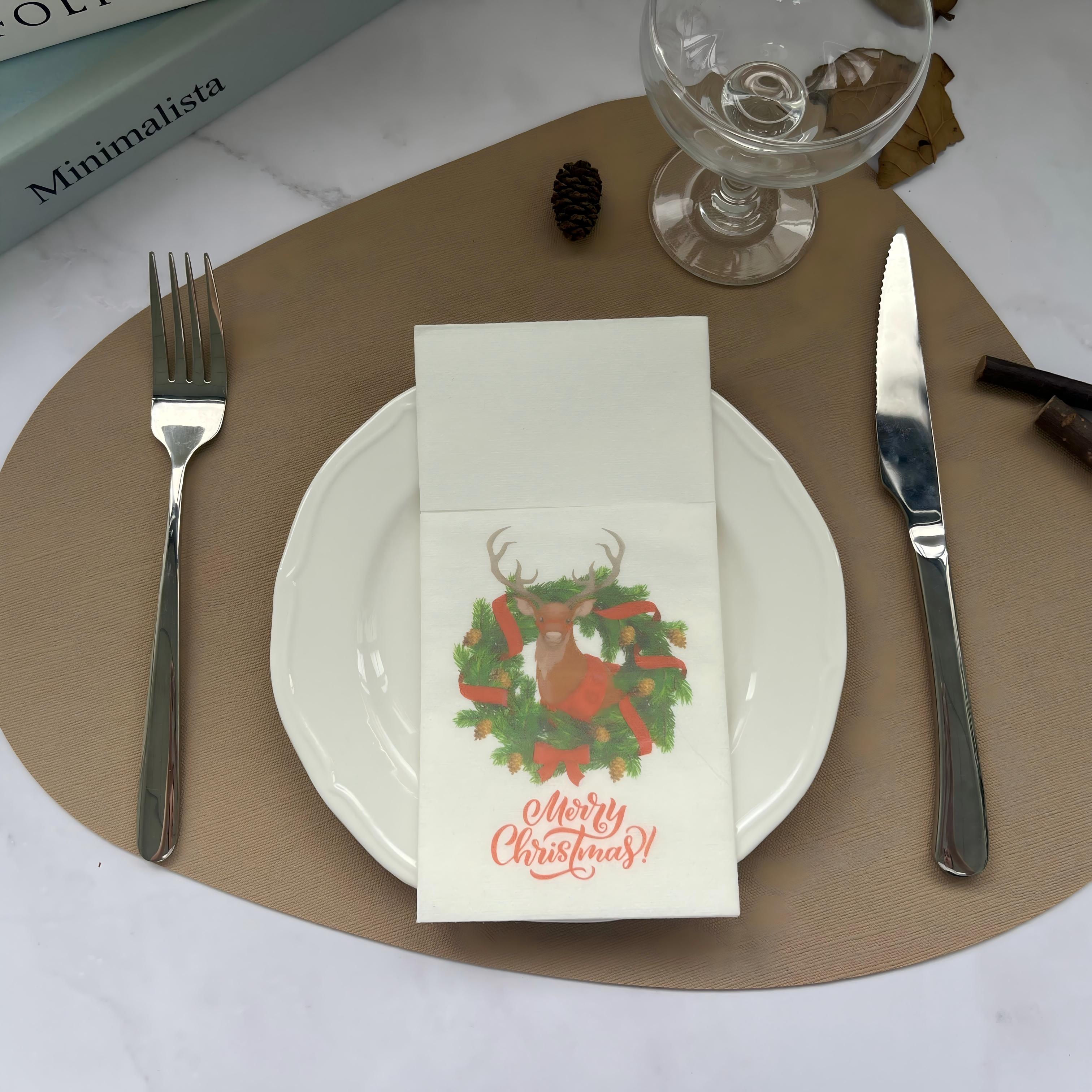
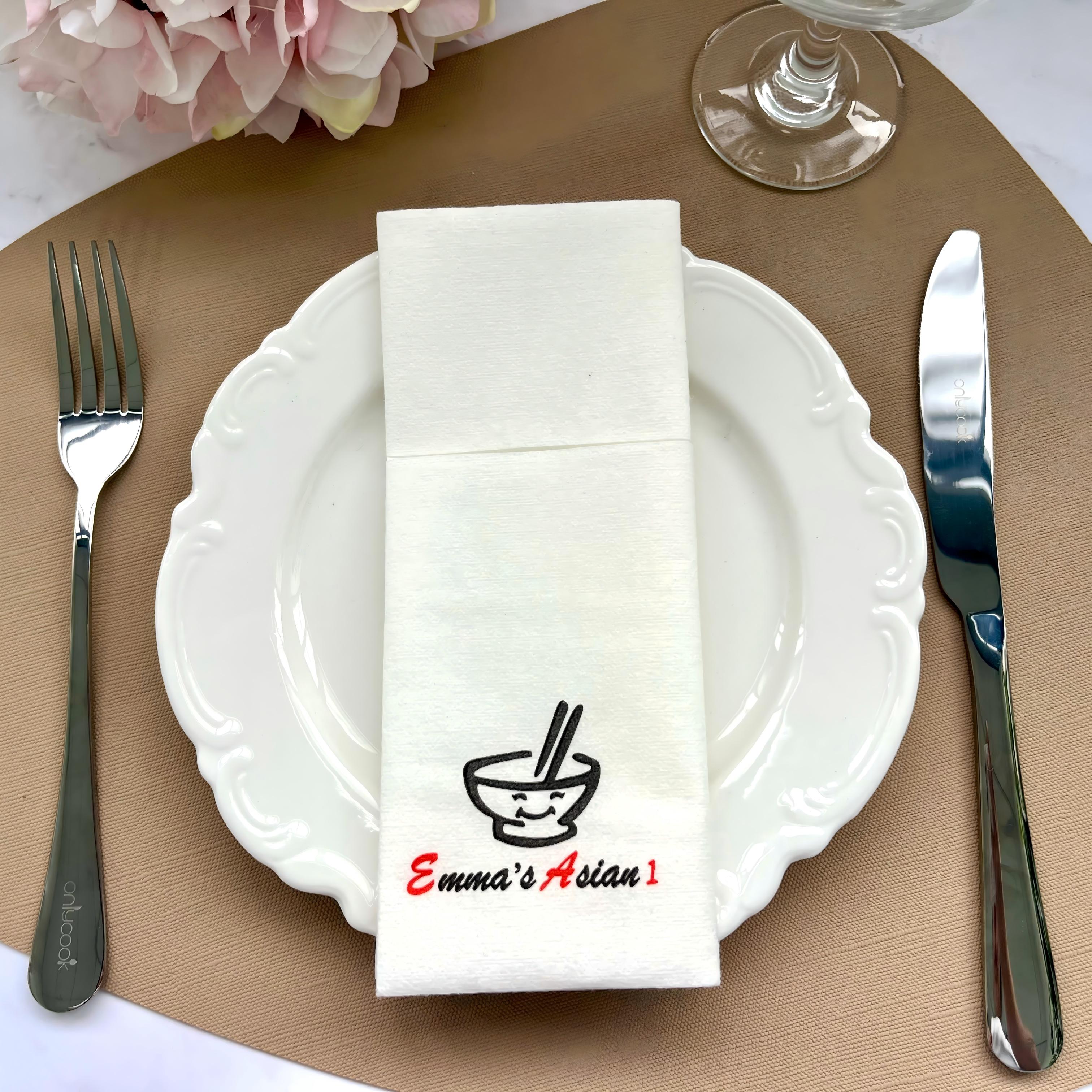
One of the key selling points of airlaid napkins is their ability to be customized. Manufacturers can easily produce napkins in various colors, textures, and designs, allowing businesses to create a distinct brand identity. Whether used in a formal dining setting or a casual event, airlaid napkins can be adapted to meet the aesthetic needs of the establishment, adding an elegant touch to any table setting.
Hygienic and Safe
Airlaid napkins are an excellent option for foodservice businesses, where hygiene standards are strict. The nonwoven structure minimizes the chances of bacteria growth, as the fibers do not trap moisture in the same way that woven materials might. Furthermore, airlaid napkins are often manufactured in clean, controlled environments, ensuring they are free of contaminants, making them a safe and hygienic choice for customers.
Cost-Effectiveness in the Long Run
Though airlaid napkins might have a higher initial cost compared to other disposable napkins, they can prove to be more cost-effective in the long run. Their durability means they are less likely to tear or wear out during use, reducing the frequency of replacement. Moreover, the enhanced absorbency ensures that fewer napkins are required for a task, ultimately reducing overall consumption.
Airlaid Napkins vs. Other Disposable Napkins
To fully understand the advantages of airlaid napkins, it’s important to compare them with other common types of disposable napkins available on the market.
Paper Napkins
Traditional paper napkins are widely used due to their low cost and widespread availability. However, they are often less absorbent and can tear easily. Paper napkins may also have a stiffer feel, which can be less comfortable compared to airlaid napkins. While biodegradable, paper napkins often require more napkins per task, making them less efficient than airlaid options.
Spunlace Napkins
Spunlace napkins are made by bonding fibers together through a water-based process. They offer a softer feel than paper napkins and are generally more durable. However, airlaid napkins still have the edge in terms of absorbency and strength, making them the preferred option for more demanding applications. Spunlace napkins can also be more expensive than paper napkins, though they are still generally more affordable than airlaid napkins.
Tissue Napkins
Tissue napkins are another popular disposable option, commonly used in fast-food chains and other casual dining establishments. They are lightweight, but they often lack the absorbency and strength of airlaid napkins. Additionally, tissue napkins can disintegrate quickly when wet, making them less effective for cleaning or wiping up large spills.
Environmental Considerations
With environmental concerns becoming more pressing, many industries are shifting towards more sustainable products. Airlaid napkins, made from renewable resources like wood pulp, are biodegradable and decompose faster than plastic-based napkins. The lack of toxic chemicals used in production further enhances their eco-friendly credentials. As a result, airlaid napkins are becoming the go-to option for businesses aiming to reduce their environmental impact.
Applications of Airlaid Napkins
Airlaid napkins are versatile and can be used in a wide range of settings:
- Restaurants: Ideal for both casual dining and high-end restaurants, airlaid napkins enhance the dining experience with their softness and absorbency.
- Catering: Airlaid napkins are highly practical for catering services, as they offer both durability and aesthetic appeal for events of all sizes.
- Hotels: In hotels, airlaid napkins are often used in buffets, room service, and special events, providing both comfort and elegance.
- Corporate Events: For conferences, meetings, and corporate events, airlaid napkins add a touch of professionalism while maintaining practical functionality.
Conclusion
In conclusion, airlaid napkins offer a range of benefits that make them superior to other disposable napkin options. Their exceptional absorbency, softness, durability, and eco-friendly nature set them apart in the market. Whether used in the food service, hospitality, or event planning industries, airlaid napkins provide an efficient and hygienic solution for businesses aiming to meet both functional and aesthetic needs.
FAQ
1. What makes airlaid napkins different from other disposable napkins?
Airlaid napkins are made from nonwoven fabric, offering superior absorbency, softness, and durability compared to traditional paper, spunlace, or tissue napkins. Their unique manufacturing process ensures a more even distribution of fibers, resulting in a more effective and luxurious product.
2. Are airlaid napkins environmentally friendly?
Yes, airlaid napkins are biodegradable and often made from renewable materials such as wood pulp. They break down faster than plastic-based napkins and are free from harmful chemicals, making them an environmentally responsible option.
3. Can airlaid napkins be customized for different occasions?
Yes, airlaid napkins can be produced in various colors, textures, and designs, allowing businesses to tailor them to specific events, brand identities, or customer preferences.
4. Are airlaid napkins more expensive than other disposable napkins?
While airlaid napkins may have a higher initial cost, their durability and absorbency make them more cost-effective in the long run. Fewer napkins are required for each task, and they are less likely to tear during use, reducing overall consumption.
5. Where are airlaid napkins commonly used?
Airlaid napkins are widely used in restaurants, hotels, catering services, and corporate events due to their superior absorbency, comfort, and aesthetic appeal.



- Contact
-
+86-18205820793lydia@shuangjiepaper.comPhone
- Get Connected

