
 English
  Español


What Features Should You Look for When Choosing Cocktail Napkins?
Content
- 1 The Bottom Line: Performance and Feel Come First
- 2 Material Types: Paper, Airlaid, or Cloth?
- 3 Ply Count: How Many Layers Are Sufficient?
- 4 Size and Proportions: The Standard Matters
- 5 Absorbency and Wet Strength: Real-World Performance
- 6 Aesthetic Design: Visual Impact Matters
- 7 Side-by-Side Comparison: Paper vs. Airlaid vs. Cloth
- 8 Decision Flowchart: Choosing the Right Napkin
- 9 Frequently Asked Questions
The Bottom Line: Performance and Feel Come First
When choosing cocktail napkins, prioritize absorbency, ply count, material type, and folded size in that order. These four factors directly determine whether a napkin efficiently wicks condensation, holds up to appetizers, and feels pleasant in hand. For most hosting scenarios, a 2-ply or 3-ply paper napkin in the standard 5×5 inch folded format offers the ideal balance of cost, function, and convenience. For upscale events, airlaid napkins provide a premium, cloth-like texture with superior wet strength, while reusable cloth napkins remain the gold standard for formal, eco-conscious table settings.
Material Types: Paper, Airlaid, or Cloth?
The material defines the napkin's tactile experience, durability, and overall performance. Each option suits distinct hosting environments.
Standard Paper Napkins
These are the most widely used cocktail napkins, available in 1-ply, 2-ply, and 3-ply constructions. 2-ply is the industry baseline, providing adequate absorbency for drink service at a cost-effective price. 3-ply napkins enhance absorbency and structural integrity, making them a smarter choice for outdoor gatherings or heavy appetizer service where guests may need a more robust wipe.
Airlaid Napkins
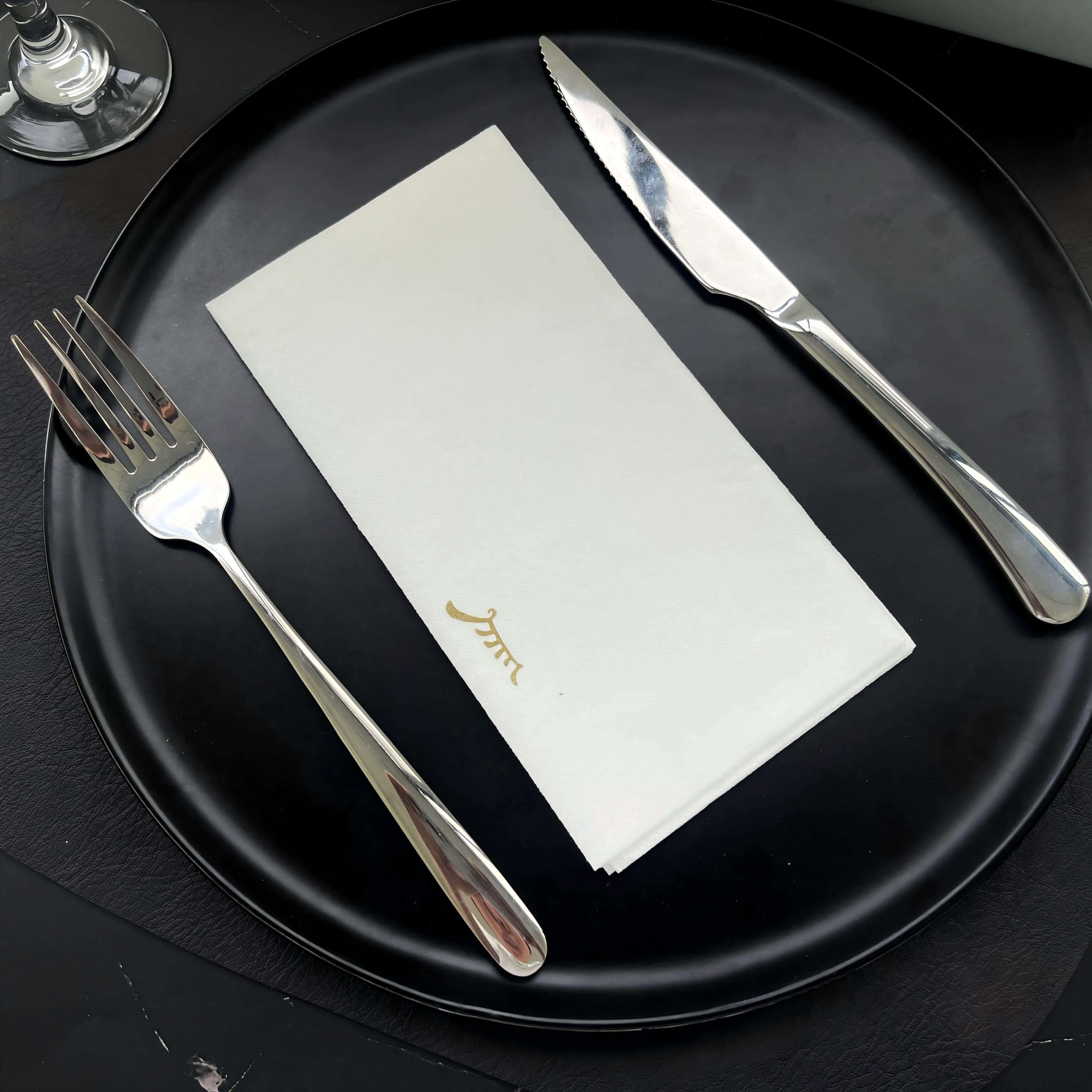
Manufactured through an air-drying process that binds fibers without water, airlaid napkins deliver a luxuriously soft, fabric-like texture that rivals linen. They are highly absorbent and maintain their strength even when wet, resisting tearing and linting far better than standard paper. This makes airlaid napkins the preferred choice for fine dining, catered events, and any setting where presentation and feel are paramount.
Cloth Napkins (Linen & Cotton)
Cloth napkins offer unmatched tactile richness, reusability, and timeless elegance. They are ideal for formal dinners, weddings, and environmentally conscious hosts willing to manage laundering. However, they require a higher upfront investment and ongoing maintenance compared to disposable alternatives.
Ply Count: How Many Layers Are Sufficient?
Ply count is a straightforward indicator of a napkin's quality and functional capacity.
- 1-ply: Lightweight and budget-friendly, but lacks the absorbency and durability required for most cocktail settings; prone to tearing when damp.
- 2-ply: The most common choice for cocktail napkins. Offers dependable absorbency and a good feel at an economical price point, easily handling condensation and light food service.
- 3-ply: Delivers maximum absorption and superior wet strength, ideal for high-traffic bars, outdoor parties, or events with hearty finger foods. Three-ply napkins provide a noticeably more substantial, premium hand-feel.
For standard cocktail service, 2-ply napkins offer the sweet spot between cost and performance. For events where spills are more likely or where guests may use one napkin throughout the evening, 3-ply is the more reliable investment.
Size and Proportions: The Standard Matters
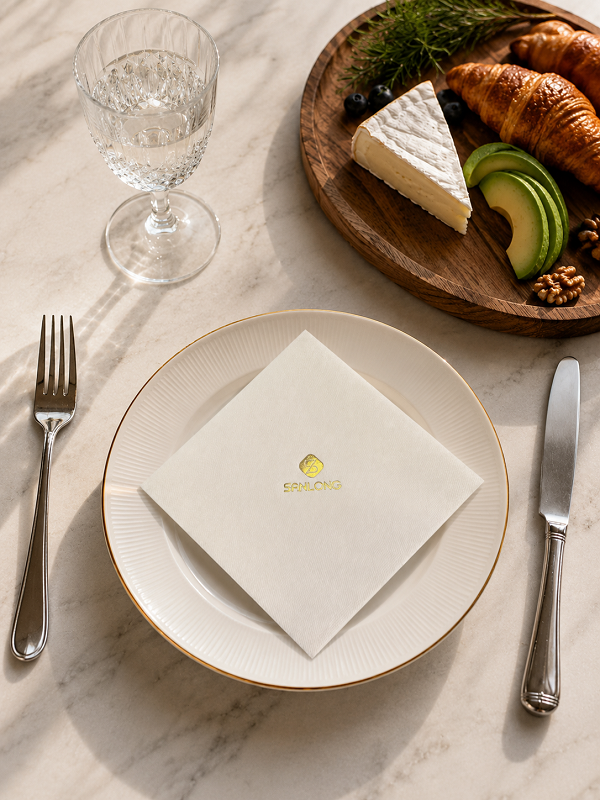
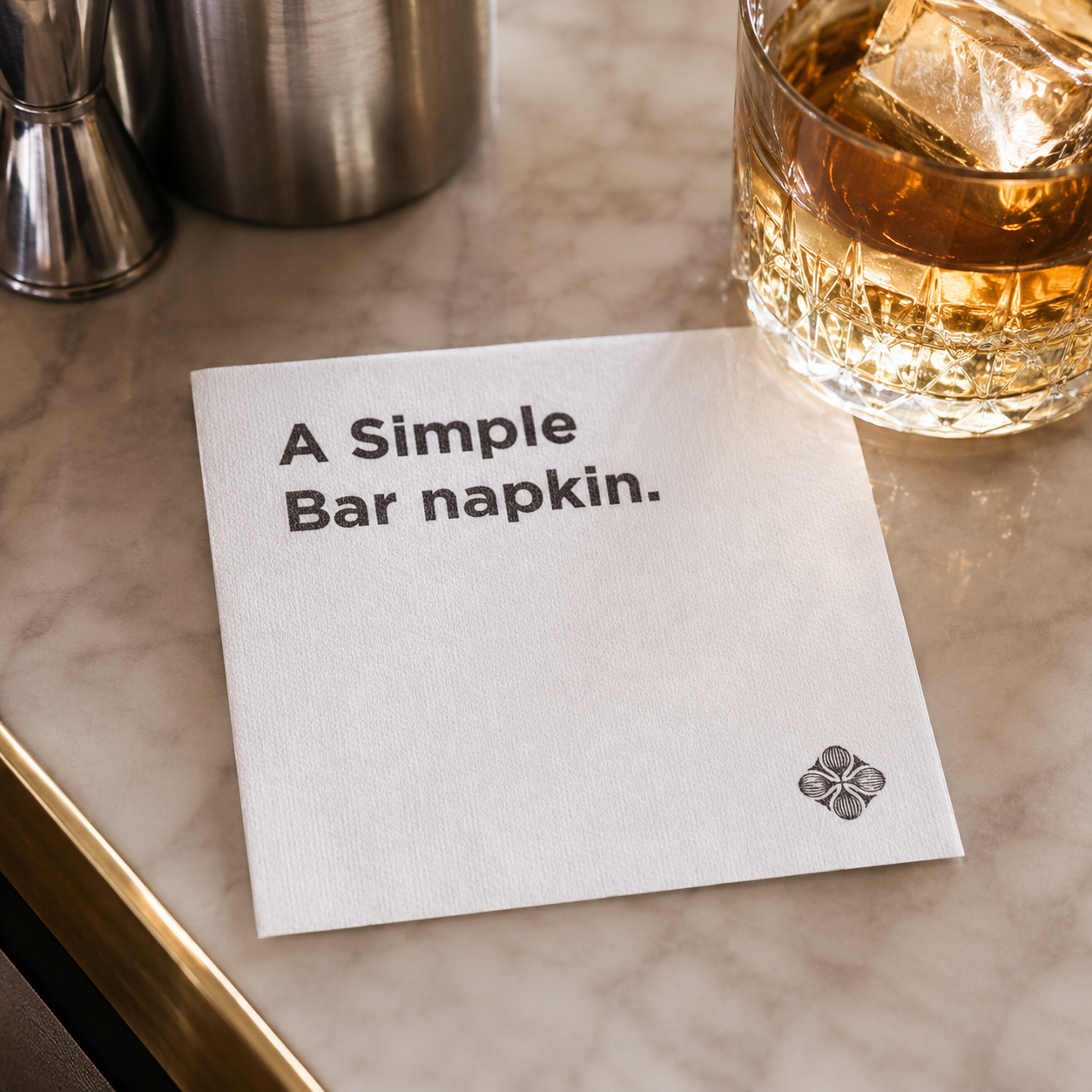
Cocktail napkins are distinctly compact. The industry standard folded size is 5×5 inches (unfolded: 10×10 inches or roughly 25×25 cm). This dimension is specifically designed to cradle a tumbler or rocks glass comfortably while providing enough surface to dab fingers or catch drips.
In contrast, lunch napkins typically unfold to 13×13 inches, and dinner napkins range from 16 to 21 inches. Selecting the correct size is critical—oversized napkins overwhelm a small cocktail table and feel awkward, while undersized napkins fail to effectively manage condensation, leading to sticky surfaces and guest inconvenience.
Absorbency and Wet Strength: Real-World Performance
A cocktail napkin's primary functional duty is moisture management. Superior napkins rapidly absorb condensation and minor spills without disintegrating.
Airlaid and high-ply paper napkins lead in absorption metrics. The airlaid process produces a denser, more porous structure that absorbs up to 30–40% more liquid than equivalent-weight standard paper while maintaining integrity when saturated. For paper options, wet strength additives and higher ply counts directly correlate to less linting and fewer tears, ensuring a single napkin suffices for the entire drink service.
Aesthetic Design: Visual Impact Matters
Beyond utility, cocktail napkins function as a subtle yet powerful decorative accent that anchors your table setting and reflects your event's personality.
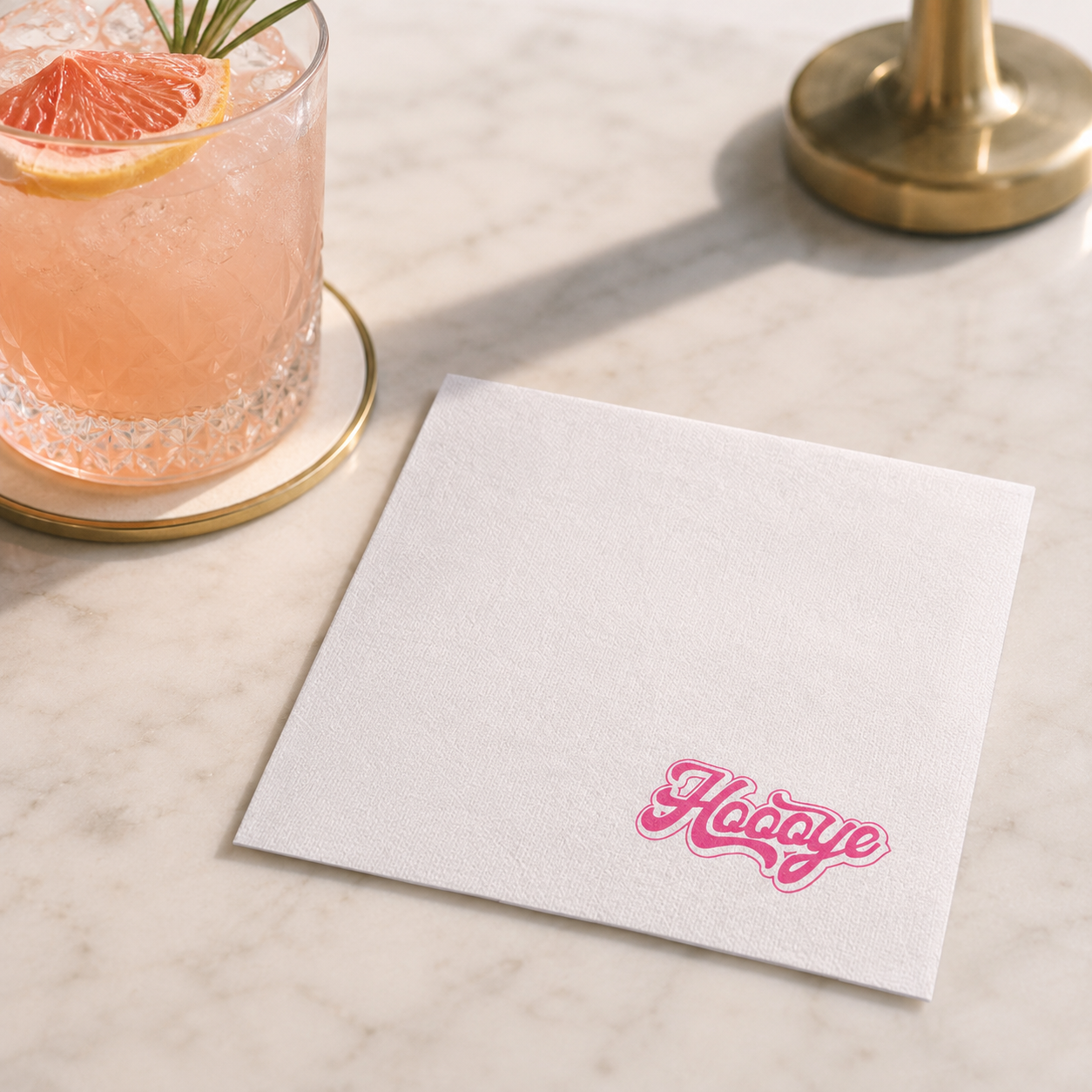
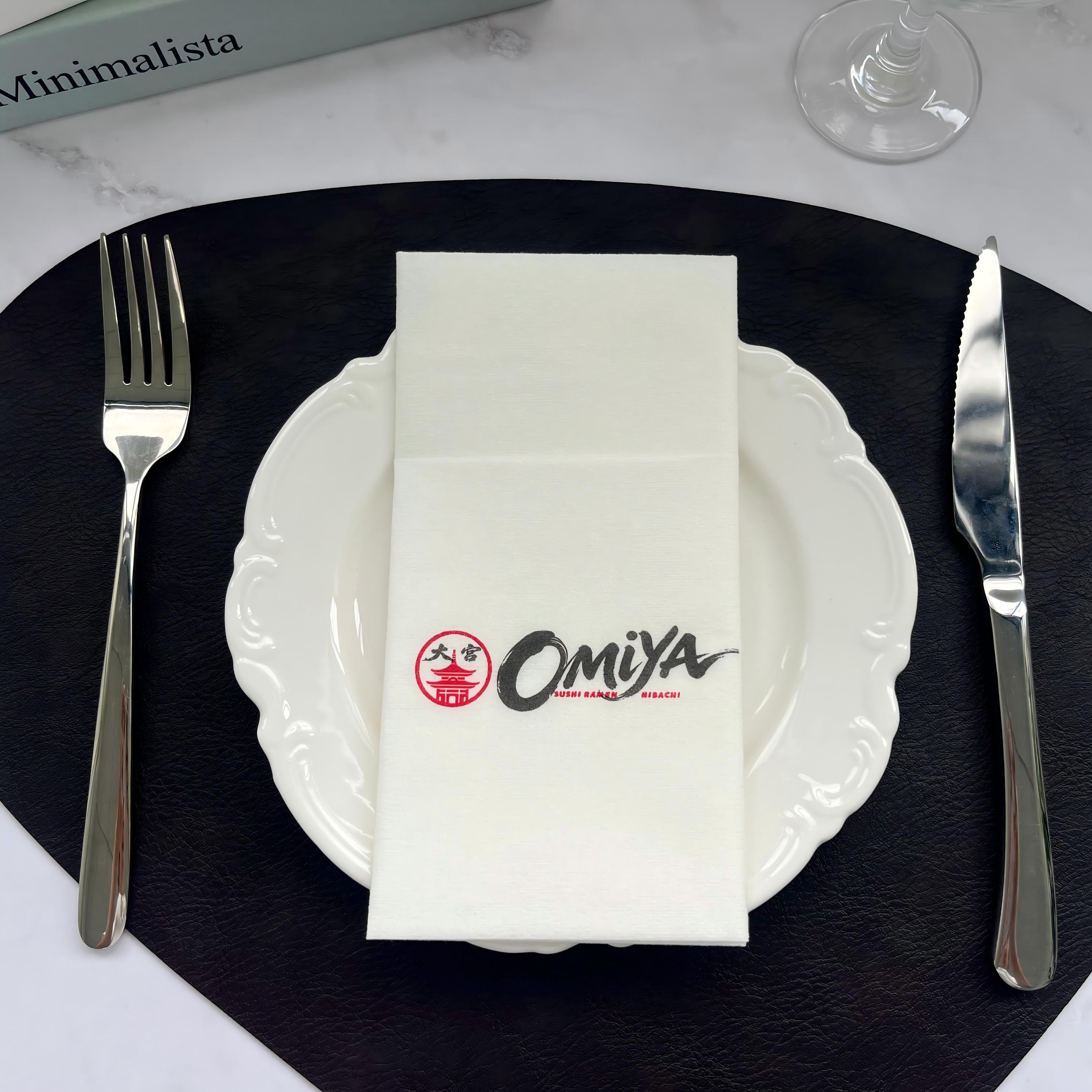
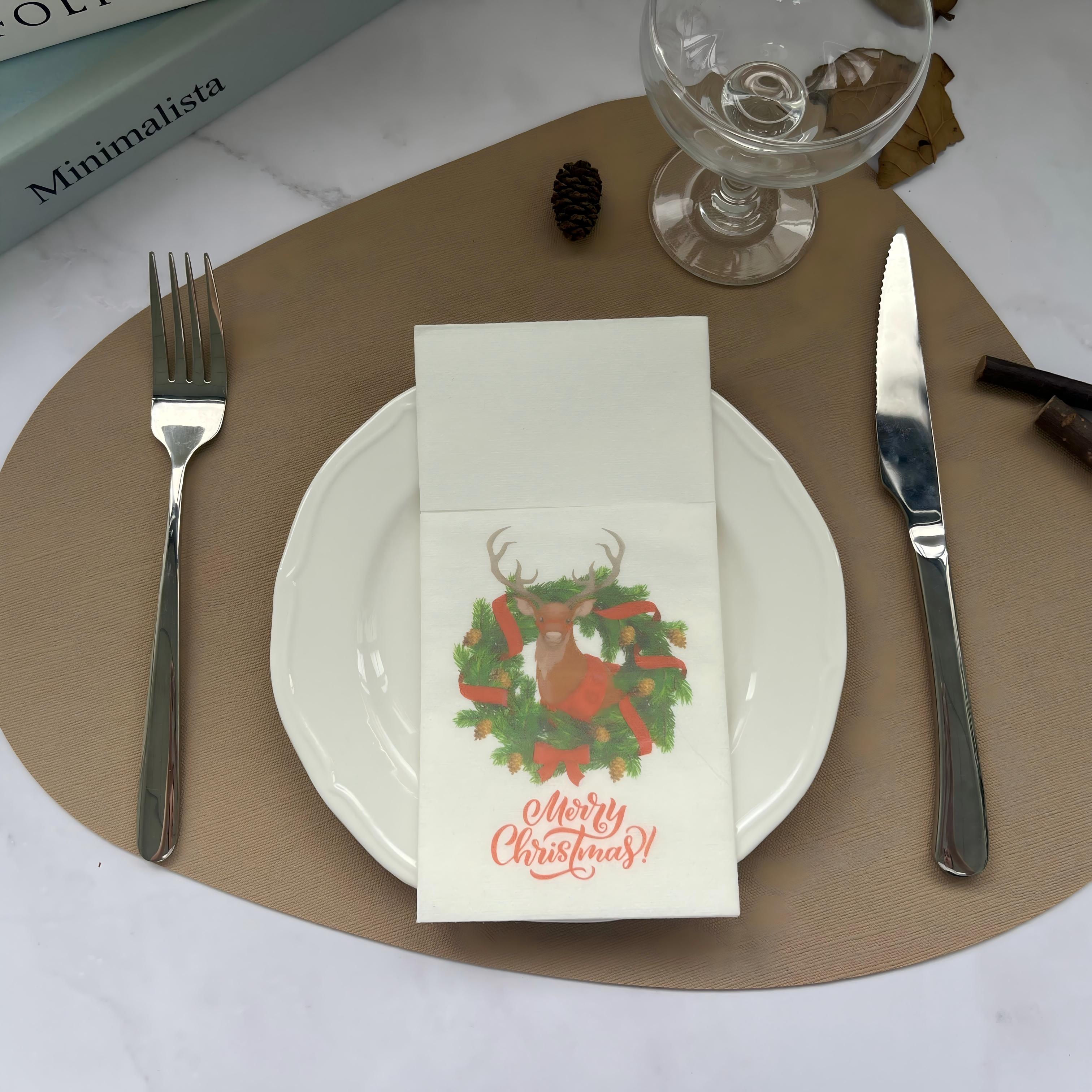
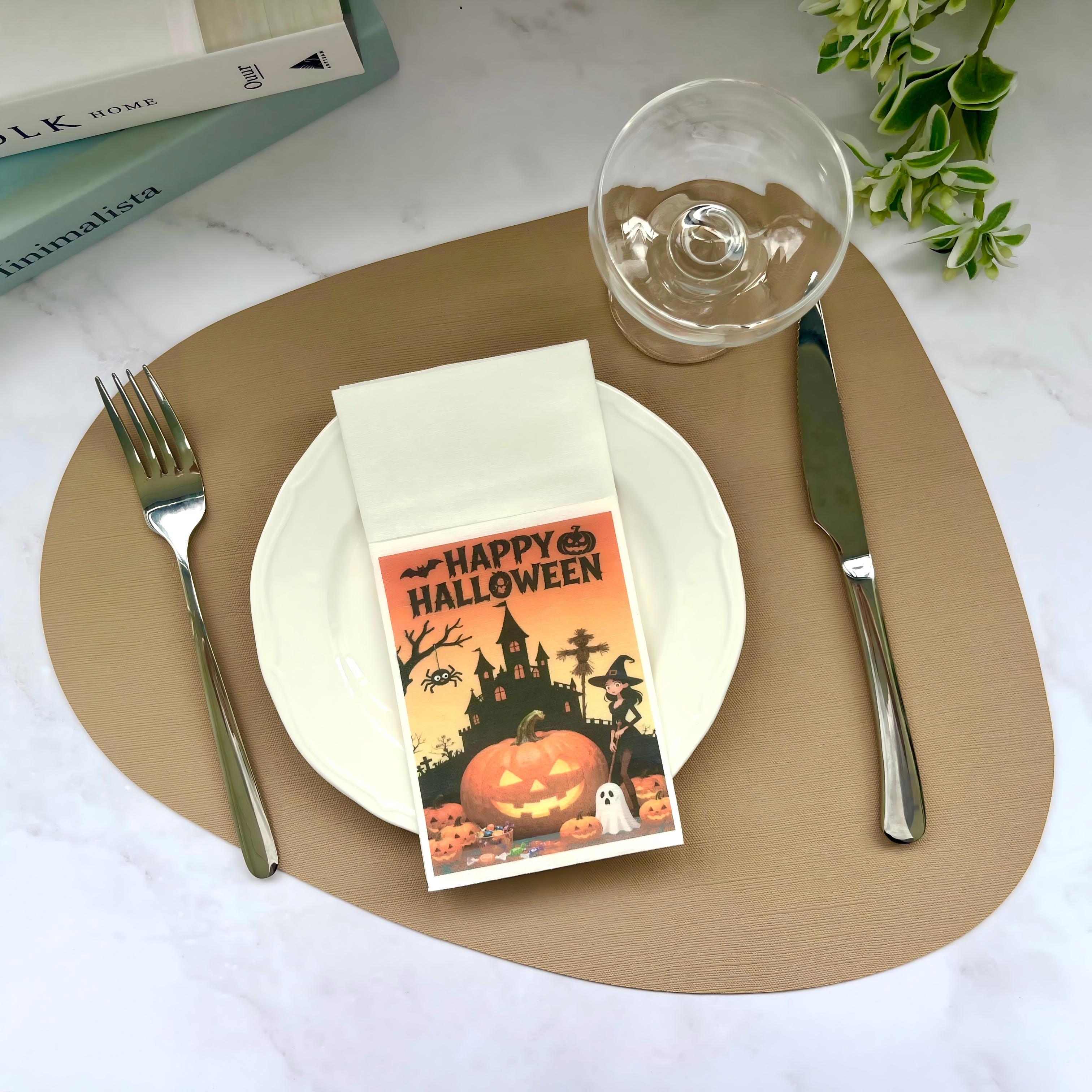
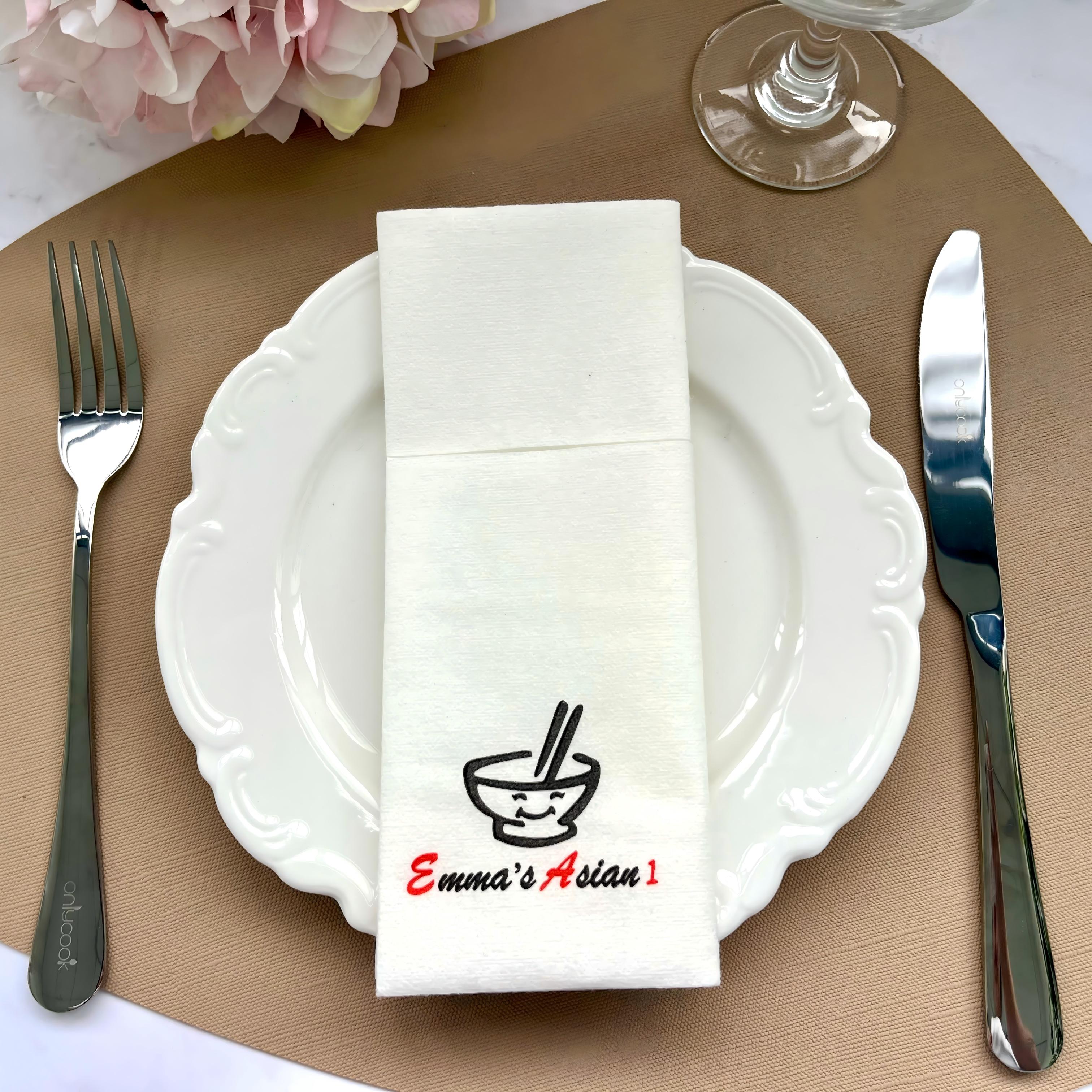
From embossed textures and metallic foil accents to vibrant prints, watercolor motifs, and classic monograms, the design possibilities are extensive. Soft pastels and botanical patterns align beautifully with spring or garden parties, while bold geometrics or metallic foils elevate evening receptions. The right design choice transforms a mundane necessity into a memorable guest touchpoint, sparking conversation and reinforcing the visual harmony of your event.
Side-by-Side Comparison: Paper vs. Airlaid vs. Cloth
| Feature | Paper (2–3 ply) | Airlaid | Cloth (Linen/Cotton) |
|---|---|---|---|
| Absorbency Rate | Good to High | Very High | Moderate to Good |
| Wet Strength | Moderate to Strong | Exceptional | Strong (when laundered) |
| Texture & Feel | Standard paper | Cloth-like, ultra-soft | Natural, crisp fabric |
| Reusability | Single-use | Single-use | Reusable (washable) |
| Best Use Case | Casual daily use, large crowds | Upscale dinners, premium bars | Formal events, sustainable hosting |
Decision Flowchart: Choosing the Right Napkin
- What is your event type?
- ↓
- Formal / Sit-down Dinner Casual / Cocktail Party
- ↓
- Cloth Napkins Airlaid or 3‑ply Paper
- ↓
- Prioritize reusability & elegance Prioritize absorbency & convenience
Frequently Asked Questions
What is the actual unfolded size of a standard cocktail napkin?
The standard unfolded measurement is 10×10 inches (approximately 25×25 cm), which folds neatly to 5×5 inches.
Why is 2-ply the most recommended ply count?
2-ply offers the optimal balance—it provides sufficient absorbency and structural integrity for typical drink service while remaining cost-effective for large quantities.
What makes airlaid napkins superior to regular paper?
Airlaid napkins are produced via a dry-forming process that creates a softer, denser, and more absorbent material with a cloth-like tactile quality and exceptional wet strength that standard water-pressed paper cannot match.
Are cloth napkins always the better choice?
Not necessarily. Cloth napkins excel in formal, reusable settings but require laundering and higher initial investment. Paper and airlaid options offer unmatched convenience and hygiene for high-turnover events.
How does absorbency differ between ply counts?
Each additional ply significantly boosts liquid retention and tear resistance. A 3-ply napkin can absorb roughly 50% more moisture than a 1-ply napkin of the same base weight, ensuring a dry, comfortable guest experience.

- Contact
-
+86-18205820793lydia@shuangjiepaper.comPhone
- Get Connected

