
 English
  Español


-
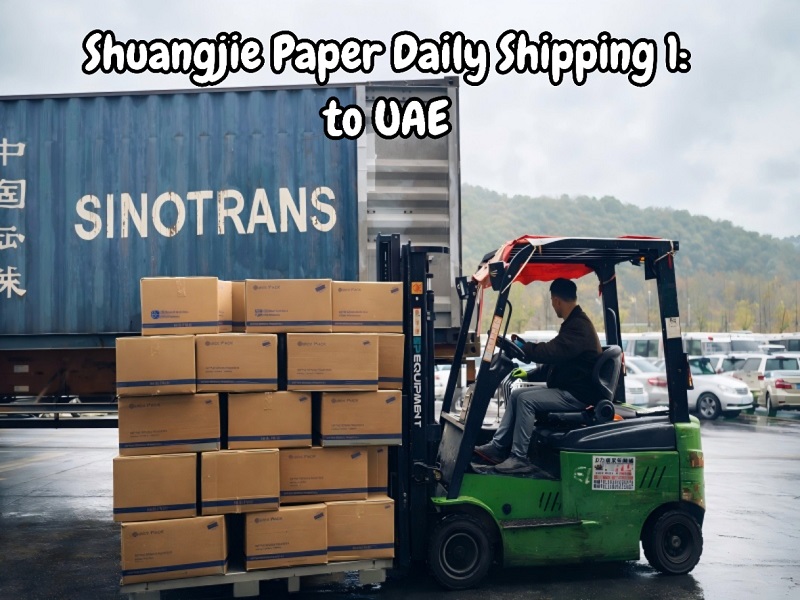 View moreShuangjie Paper Ships Full Container of Airlaid Napkins to UAE from Ningbo PortShuangjie Paper Company, a source factory and professional manufacturer of airlaid napkins, has successfully completed the loading and dispatch of a full container shipment of airlaid napkins to the UAE. The shipment departed from Ningbo Port on December 24, 2025, and is scheduled to arrive at Jebel Ali Port on January 14, 2026. This successful shipment further demonstrates Shuangjie Paper’s strong capabilities in airlaid napkin manufacturing, bulk order fulfillment, and international export logistics, reinforcing its reputation as a reliable global supplier. Reliable Export of Airlaid Napkins to the UAE The container is loaded with high-quality airlaid napkins, carefully packed and fully documented to ensure safe transportation and compliance with international shipping standards. As a trusted airlaid napkin source factory, Shuangjie Paper maintains strict control over packaging, labeling, and export documentation to meet the requirements of overseas markets. This shipment fulfills a major order for a long-term partner in the Middle East, highlighting the company’s ability to handle large-volume airlaid napkin orders efficiently and consistently. Efficient Container Loading and Quality-Controlled Production “The smooth container loading and on-time departure reflect our team’s dedication to operational excellence and strict quality control,” said Mr. Meng, General Manager of Shuangjie Paper. “We understand that timely delivery is critical for our customers, and we are committed to maintaining high standards from production to shipment.” Backed by an ISO 9001 certified quality management system, Shuangjie Paper implements comprehensive quality control throughout the entire production process—from raw material inspection and in-process monitoring to final inspection before shipment—ensuring stable quality and reliable performance for every batch of airlaid napkins. Optimized Global Logistics and Supply Chain Management To support efficient global deliveries, Shuangjie Paper continuously invests in supply chain optimization and international logistics partnerships. By collaborating with experienced freight forwarders and using advanced shipment tracking systems, the company provides full visibility and proactive management throughout the shipping process. These capabilities enable Shuangjie Paper to deliver airlaid napkins safely and on schedule to customers across the Middle East, Europe, North America, and Asia. Your Trusted Airlaid Napkin Manufacturer and Export Partner With extensive experience in airlaid napkin manufacturing, OEM and ODM services, and global export, Shuangjie Paper remains focused on delivering value through high-quality products and dependable service. The company continues to strengthen its position as a preferred airlaid napkin supplier for international markets. For more information about Shuangjie Paper airlaid napkins, OEM customization options, or export cooperation, please visit www.shuangjiepaper.com or contact info@shuangjiepaper.com2025-12-29+
 -
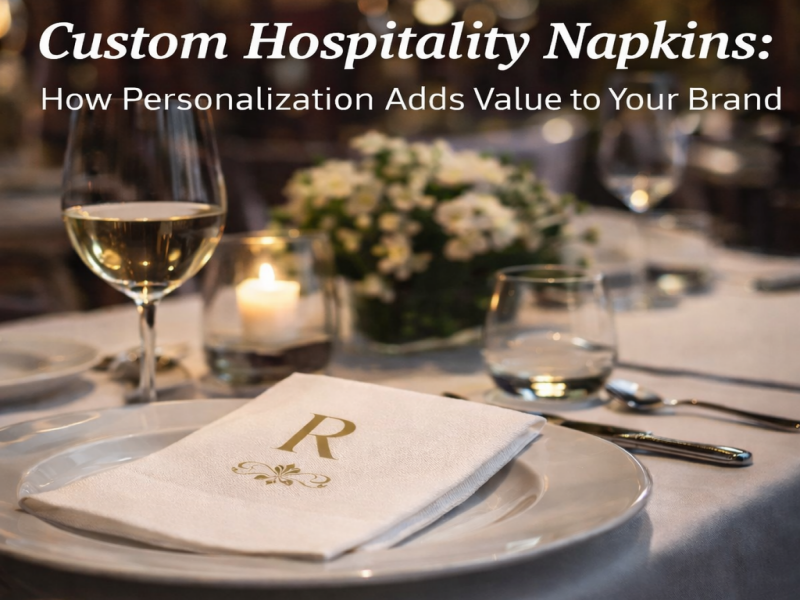 View moreCustom Hospitality Napkins: How Personalization Adds Value to Your BrandIn the competitive world of hospitality, every small detail counts, from the ambiance to the dining experience. Among the myriad of factors that contribute to creating an exceptional atmosphere, one often overlooked element is the napkin. A simple yet powerful tool, hospitality napkins play an integral role in elevating the dining experience and adding value to your brand. This article explores how custom hospitality napkins, particularly airlaid napkins, enhance the brand identity, improve customer satisfaction, and contribute to operational efficiency. The Importance of Custom Hospitality Napkins Hospitality napkins, especially when personalized, are more than just functional items—they are a visual representation of your establishment’s commitment to quality and attention to detail. Whether you are running a restaurant, hotel, or event venue, napkins are often the first point of contact with the guests. Custom hospitality napkins offer a unique opportunity to align your brand’s values with the overall guest experience. The customizations offered in hospitality napkins can range from logos and brand colors to intricate patterns and monograms. The napkin, despite its seemingly modest role, can reflect the personality and professionalism of your business. By incorporating personalization, you not only ensure that your brand stands out, but also create a memorable and cohesive dining experience for your guests. Understanding Airlaid Napkins and Their Advantages When discussing premium hospitality napkins, airlaid napkins stand out as a preferred choice for businesses that seek both sophistication and functionality. Airlaid napkins are made using a non-woven fabric process where air is used to bond fibers together, resulting in a product that mimics the softness and texture of linen but with the added benefits of durability and practicality. Key Advantages of Airlaid Napkins: Softness and Elegance: Airlaid napkins offer a linen-like softness, making them a more luxurious alternative to traditional paper napkins. This elevated feel contributes to a high-end guest experience. Durability: Unlike traditional paper napkins, airlaid napkins are more resistant to tearing and are highly absorbent, making them ideal for both food service and cleanliness. Highly Customizable: Airlaid napkins are ideal for customization, offering a wide range of colors, textures, and patterns. Brands can imprint logos, monograms, or unique designs on these napkins, enhancing brand visibility. Eco-friendly Options: Many airlaid napkins are made from recyclable materials, offering an environmentally responsible choice for businesses conscious about their sustainability impact. Cost-effective: While airlaid napkins offer a premium feel, they are often more affordable than linen napkins, providing a cost-effective solution for businesses that want luxury without the high price tag. Personalization Techniques for Hospitality Napkins Personalizing your napkins offers a strategic way to enhance your brand image while making a lasting impression on your guests. The process of customization can vary depending on the type of napkin and the desired effect. Common techniques for personalizing hospitality napkins include: Embossing and Debossing Embossing and debossing are techniques that involve raising or pressing a design into the napkin fabric, creating a textured pattern. This method is commonly used for logos, monograms, and intricate designs. Embossed napkins give a subtle, refined touch, adding an air of exclusivity to your brand. Screen Printing Screen printing is a popular method for printing designs on napkins, especially for larger orders. This technique allows for high-quality designs with vibrant colors and sharp details. It is especially effective for bold logos and branding elements. Digital Printing For businesses looking to produce intricate or multi-colored designs, digital printing is an excellent choice. This modern printing technology allows for high-definition prints, making it perfect for complex designs or smaller batch runs. Foil Stamping Foil stamping uses heat to transfer a metallic foil onto the napkin, creating a shiny, attention-grabbing effect. This is often used for premium designs, such as gold or silver logos, monograms, or branding messages. The Role of Wholesale Hospitality Napkins in Cost Efficiency Wholesale hospitality napkins provide an efficient solution for establishments looking to purchase large quantities of high-quality napkins at a reasonable price. By buying in bulk, businesses can reduce per-unit costs while still maintaining the high standards necessary to create a memorable guest experience. Bulk purchases also streamline inventory management, ensuring that businesses are well-stocked for events, peak seasons, and day-to-day operations. Furthermore, purchasing wholesale hospitality napkins often opens up the option for customization. Suppliers may offer personalized services for bulk orders, allowing businesses to add their logos, colors, or design elements without the added cost of individual customization. Material Considerations: Choosing the Right Napkin for Your Brand When selecting hospitality napkins, it is important to consider not only the aesthetic appeal but also the material’s suitability for your business. There are several materials available in the market, each with distinct properties: Material Benefits Best For Airlaid Napkins Soft, durable, eco-friendly Fine dining, events, hotels Paper Napkins Cost-effective, disposable Quick-service restaurants Linen Napkins Luxurious, reusable High-end venues, weddings Spunlace Napkins Soft, highly absorbent Catering, large events Airlaid napkins offer a perfect balance of quality and cost-effectiveness, making them an ideal choice for mid-to-high-end establishments. Their soft texture and strength make them suitable for both casual dining and upscale experiences, while their eco-friendly appeal aligns with the increasing demand for sustainable hospitality products. Incorporating Airlaid Napkins into Your Brand Strategy To maximize the impact of your custom hospitality napkins, it’s important to integrate them into your broader brand strategy. From the design of your napkins to the way they are presented, the details matter. Here are some tips for incorporating airlaid napkins into your brand’s identity: Consistency in Design: Ensure that the napkins reflect your brand’s colors, logo, and overall aesthetic. Consistency across all touchpoints, from menus to napkins, reinforces your brand’s identity. Customer Experience: Use napkins as an opportunity to engage your customers. Whether it’s through personalized messages, seasonal designs, or unique textures, your napkins can create an additional layer of customer engagement. Seasonal or Event-Based Customization: Consider refreshing your napkin designs based on the seasons or special events. Customized napkins for holidays, local festivals, or restaurant anniversaries can make guests feel more connected to the experience. Sustainability as a Selling Point: Highlight the eco-friendly aspects of your airlaid napkins. Many guests appreciate when businesses prioritize sustainability, and showcasing your commitment through eco-friendly napkins can boost your reputation. The Environmental Impact and Sustainability As businesses become more aware of their environmental footprint, sustainability has become a significant factor in product choices. Airlaid napkins, being made from recyclable materials, represent a step in the right direction toward minimizing waste. These napkins are not only biodegradable but are also available in eco-friendly packaging, ensuring that your sustainability efforts extend beyond the product itself. By choosing airlaid napkins that are responsibly sourced and recyclable, businesses can contribute to environmental preservation while offering a premium product. This commitment to sustainability can also be a strong selling point, especially as customers increasingly seek businesses that align with their values. Conclusion: Why Custom Hospitality Napkins Matter Custom hospitality napkins, especially high-quality options like airlaid napkins, are an investment in both branding and customer experience. By selecting the right materials, personalization options, and customization techniques, businesses can elevate their brand image, enhance guest satisfaction, and differentiate themselves in a competitive market. Whether through subtle embossing, eye-catching digital prints, or eco-friendly options, napkins are a simple yet effective tool in the broader strategy to create a memorable dining experience.2025-12-25+
 -
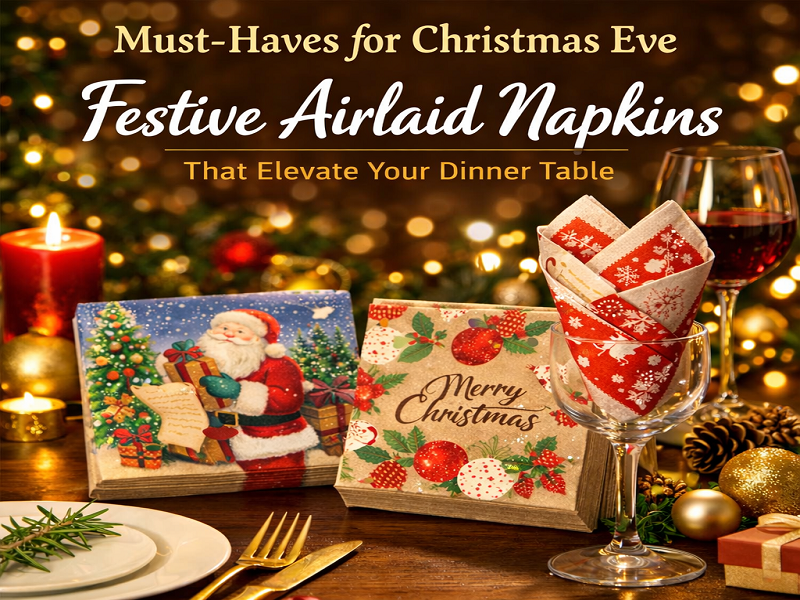 View moreMust-Haves for Christmas Eve: Festive Airlaid Napkins That Elevate Your Dinner TableAs Christmas Eve approaches, many of us start thinking about the essential elements that will make our holiday dinner unforgettable. From the delicious spread of food to the twinkling lights on the tree, every detail contributes to the magic of the evening. Among these details, one item stands out in transforming your dinner table into a festive wonderland: airlaid napkins. What Are Airlaid Napkins? Airlaid napkins are a premium product crafted through a special nonwoven fabric process. Unlike traditional paper napkins, airlaid napkins are made by combining fibers with air, which gives them a soft, cloth-like texture and a level of durability that rivals fabric napkins. These napkins are ideal for special occasions such as Christmas Eve, where the ambiance and dining experience matter just as much as the food. The unique process of manufacturing airlaid napkins also ensures that they are highly absorbent and versatile, making them perfect for both formal and casual settings. Available in various colors, sizes, and textures, airlaid napkins can easily be tailored to complement any table setting, adding an extra layer of elegance to your holiday décor. The Role of Airlaid Napkins in Christmas Eve Celebrations When it comes to hosting a Christmas Eve dinner, every detail counts. Airlaid napkins offer several key advantages that make them an essential addition to your table setting: Aesthetic Appeal The soft, textured surface of airlaid napkins elevates the visual appeal of your table. Whether you’re opting for classic red and green napkins or more sophisticated metallic tones, airlaid napkins contribute to a cohesive and refined look. They are available in various finishes, such as embossed patterns or smooth, satin-like textures, which allow you to choose the perfect style for your dinner table. Durability and Absorbency One of the main reasons airlaid napkins are preferred for high-end events is their durability. Unlike regular paper napkins, which can tear or disintegrate, airlaid napkins maintain their structure, even when damp. This means they can handle the mess of a Christmas dinner—whether it’s gravy, cranberry sauce, or mulled wine—without falling apart. Their superior absorbency ensures that spills and drips are quickly absorbed, keeping your guests comfortable throughout the meal. Eco-Friendly Option Many modern airlaid napkins are made from sustainable materials and are biodegradable, making them an environmentally friendly choice. This is an important consideration for those looking to reduce their environmental footprint during the holiday season. By choosing eco-conscious products like airlaid napkins, you’re contributing to the planet’s well-being without compromising on quality or style. Creative Ways to Use Airlaid Napkins for Christmas Eve Airlaid napkins aren’t just functional—they can also be part of your festive décor. Here are some creative ways to incorporate them into your Christmas Eve dinner table: Elegant Folding Techniques The way you fold your napkins can have a significant impact on the overall look of your table. From simple rectangles to intricate designs such as the “tree fold” or “pocket fold,” airlaid napkins hold their shape beautifully, allowing you to experiment with different folds that suit the theme of your celebration. Personalized Touches Add a personalized touch by writing your guests’ names on the napkins or folding them into shapes like stars or stockings. Not only does this add to the holiday charm, but it also serves as a thoughtful gesture, making your guests feel special and welcome. Layering with Other Décor You can enhance your table setting by pairing airlaid napkins with other festive décor elements like candles, holly, or ornaments. The soft texture of the napkins blends seamlessly with your décor, creating a balanced and welcoming atmosphere. Key Features of Airlaid Napkins Feature Description Material Nonwoven, soft fabric-like texture Durability Strong and absorbent, even when wet Aesthetic Appeal Available in various colors, finishes, and textures Eco-Friendly Options Made from sustainable, biodegradable materials Versatility Suitable for both formal and casual settings Customization Can be personalized through folding or writing FAQ 1. Why are airlaid napkins ideal for Christmas Eve dinners?Airlaid napkins offer the perfect combination of elegance, durability, and absorbency, making them an excellent choice for special occasions like Christmas Eve. They elevate your table setting while also ensuring a clean and comfortable dining experience. 2. Can I use airlaid napkins for other occasions?Yes! Airlaid napkins are versatile and can be used for a wide range of events, from weddings to birthday parties, and even casual family dinners. Their aesthetic appeal makes them a great choice for any celebration. 3. Are airlaid napkins better than traditional paper napkins?Airlaid napkins are much more durable and absorbent than regular paper napkins. While traditional paper napkins can easily tear and lose shape, airlaid napkins retain their structure and offer a cloth-like texture, providing a more sophisticated experience. 4. Are airlaid napkins environmentally friendly?Many airlaid napkins are made from biodegradable, sustainable materials, making them a more eco-friendly option compared to conventional paper napkins. Look for products labeled as environmentally conscious for the best choice. 5. How can I make my airlaid napkins stand out at the table?Experiment with different folding techniques or personalize your napkins by adding festive touches such as guest names or seasonal motifs. The beauty of airlaid napkins is that they can be adapted to any table style or theme.2025-12-18+
 -
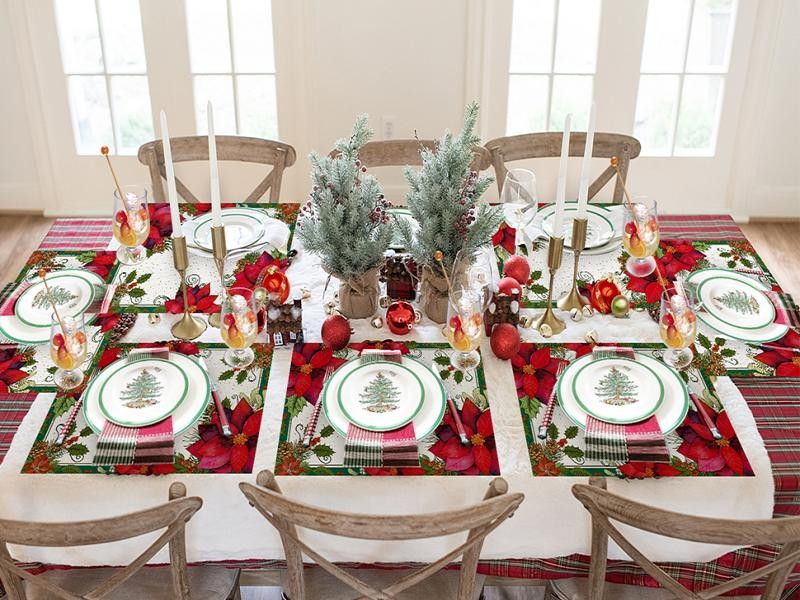 View moreChristmas Table Aesthetics: How to Pair Die-Cut Napkins with Holiday ColorsAs the holiday season approaches, the aesthetic atmosphere surrounding Christmas dining continues to evolve. In recent years, consumer expectations for table décor have shifted from simple functional setups to immersive, design-driven arrangements. Among all festive tabletop elements, die-cut napkins stand out for their distinctive shapes, thematic versatility, and strong visual impact. In the holiday marketplace, printed die-cut napkins in colors have become an essential component of Christmas table styling, offering both decorative value and practical usability. Christmas Table Aesthetics Are Shifting: Shapes and Color Narratives Lead the Trend Holiday table design is undergoing a notable transformation. Whereas traditional settings favored standard square napkins and neutral tones, consumers now expect holiday tables to feel curated and visually expressive. Die-cut napkins enable this shift by combining shape variation, thematic printing, and holiday color stories, creating an object that serves both functional and decorative purposes. The transformation is driven by several aesthetic tendencies: Symbolic visual language: Christmas trees, snowflakes, bells, holly, star shapes, and antlers are among the most recognized motifs used in die-cut napkins. Color-driven narratives: Holiday palettes increasingly tell a story—“Nordic Winter,” “Evergreen Forest,” “Cinnamon Gingerbread,” “Golden Christmas,” and more. Layered table styling: Napkins are now part of multi-layered compositions with table runners, chargers, candles, and small ornaments. Social-media influence: Table styling has become a shareable moment; therefore, die-cut napkins with strong visual identities reappear widely on holiday feeds, boosting demand. These shifts indicate that printed die-cut napkins in colors are no longer purely functional products; they have become seasonal aesthetic tools closely linked to visual storytelling and festive ambiance. Holiday Color Trends: Structured Pairing Strategies for Die-Cut Napkins Color remains central in holiday table design. Matching die-cut napkins with the appropriate Christmas palette influences the emotional tone of the dining experience. Below is a comprehensive table outlining the major Christmas color systems and their ideal pairing with napkin shapes, printing techniques, and usage scenarios. Christmas Color Systems and Recommended Die-Cut Napkin Pairings Color Theme Characteristics Recommended Die-Cut Shapes Printing Style Suggested Scene Classic Red-Green High saturation, iconic festive contrast Christmas tree, wreath, holly leaf, star Strong contrast prints, gold accents Family gatherings, holiday parties Nordic White-Silver Minimalist, cool-toned, metallic hints Snowflake, geometric star, crystal edge Monochrome prints, silver foil details Winter-themed dinners, refined events Gingerbread Warm Tones Brown-orange, nostalgic holiday bakery vibe Gingerbread figure, candy shape, cookie-edge Warm-toned prints, hand-drawn texture Kids’ events, home baking celebrations Evergreen Forest Deep greens, natural woodland tones Pine needle, pinecone, circular wreath Low-saturation prints, natural textures Outdoor settings, nature-inspired tables Gold-Red Luxe Festive glamour with high visual weight Bell, candle silhouette, ornamental crown shapes Gold foil, ornate lines Large holiday banquets, formal celebrations Ice-Lake Blue Blue-white coolness, winter serenity Ice lake outline, frosted edge, winter silhouette Gradient prints, cool-tone linework Foil-served dinners, winter weddings Key Observations from the Table Shape and color work best when narratively aligned—snowflake shapes feel intuitive in silver-white palettes; gingerbread shapes thrive in warm browns. printed die-cut napkins in colors can introduce depth via metallic accents, gradient layers, or hand-sketched textures. A harmonious color scheme creates a strong effect, especially when napkins are paired with decorative items, table runners, and wine glasses. How to Use Die-Cut Napkins to Build a Cohesive Christmas Table To support both designers and end-users, the following sections outline structured styling models using the most popular Christmas themes. Classic Red-Green Christmas Table: Rich, Festive, and Symbolic Best napkin shapes: Christmas tree, wreath, stars, holly clusters Styling Strategy: Use red and green as base colors, complemented by touches of gold or warm white. Select die-cut napkins printed with botanical motifs, berries, or star details. Combine with candles, classic ornaments, and layered tablecloths to enhance the festive depth. printed die-cut napkins in colors allow more dynamic combinations—such as red napkins with green branches or green napkins with red snowflakes. This setup is highly engaging, appealing to homes with strong traditional holiday rituals. Nordic Minimalist Winter Table: Cool, Clean, Photogenic Best napkin shapes: snowflake, geometric stars, frosted edges Styling Strategy: Base palette includes matte white, silver gray, and glacier blue. Choose napkins with delicate outlines that capture light, especially intricate snowflake cuts. Printing should remain monochromatic, thin-lined, or negative-space oriented. Pair with frosted glassware, linen textures, and metallic cutlery for a cohesive minimal aesthetic. This style photographs exceptionally well, making it popular for modern interior environments. Gingerbread Warm Table: Nostalgic, Cozy, and Family-Friendly Best napkin shapes: gingerbread figure, candy cane, scalloped cookie shapes Styling Strategy: Build a warm tonal palette using browns, creams, and light orange. Use printed die-cut napkins in colors featuring hand-drawn edges, dashed stitching, or cookie-like texture. Pair with wooden utensils, soft fabric runners, and warm lighting to intensify the homey feel. Ideal for families, children’s tables, and small festive gatherings. From Design to Production: Emerging Trends in Die-Cut Napkin Manufacturing As aesthetic expectations rise, the production side of holiday paper goods is undergoing technical, material, and form-related upgrades. Material Innovation: Touch, Structure, and Sustainability Current material trends include: Higher-gsm paper for improved dimensional stability, especially for complex die-cut shapes. Soft-touch napkin surfaces for family gatherings and comfort-oriented dining. Biodegradable and renewable materials aligned with sustainability demands. Embossed textures that add depth to printed die-cut napkins in colors, improving both tactile and visual appeal. Material quality has become a decisive factor in high-end seasonal table décor. Printing Techniques Favor Subtlety and Artful Details Holiday printing trends are moving away from overly bold patterns and toward: Hand-sketched lines Gradient transitions Metallic accents applied sparingly Slight translucency for winter-themed motifs This elevates napkins from functional products to artistic components of the table. Shape Design Focuses on Geometry and Iconic Simplification Manufacturers increasingly refine shape composition through: Geometric enhancement: cleaner star structures, symmetrical snowflakes, balanced holly silhouettes. Symbol simplification: stylized icons that remain expressive yet versatile across various décor themes. Layered edges: multi-level cut edges create a three-dimensional feel. These improvements help die-cut napkins maintain structure and visual clarity during table placement. Scenario-Based Product Lines Are Rising in Importance Holiday products are moving toward complete table-setting solutions rather than single items. Growing product formats include: Multi-size napkin sets (dinner + cocktail sizes) Coordinated die-cut napkin collections in unified motifs Matching table mats, coasters, and menu cards Differentiated product lines for home, hospitality, and event venues This market evolution strongly favors suppliers who offer integrated seasonal styling packages. FAQ What is the main difference between die-cut napkins and standard square napkins? Die-cut napkins feature custom-cut shapes created through precise cutting processes, giving them stronger decorative impact and making them ideal for themed events and holiday table styling. What occasions are printed die-cut napkins in colors best suited for? They are suitable for all themed celebrations—especially Christmas, winter parties, birthday events, and seasonal gatherings that require cohesive visual design. How do I choose the right napkin shape for a Christmas color palette? Select shapes that naturally match the theme: snowflakes for white-silver palettes, gingerbread shapes for warm-tone settings, and wreath or tree shapes for classic red-green arrangements. Can die-cut napkins be mixed with standard napkins? Yes. Mixing sizes or color tones adds a layered effect to the table, enhancing depth without overwhelming the composition. Should napkins be placed inside the plate or outside when styling a Christmas table? Both methods work. Inside placement emphasizes shape and motif; outside placement highlights table layering and coordination with other décor elements.2025-12-12+
 -
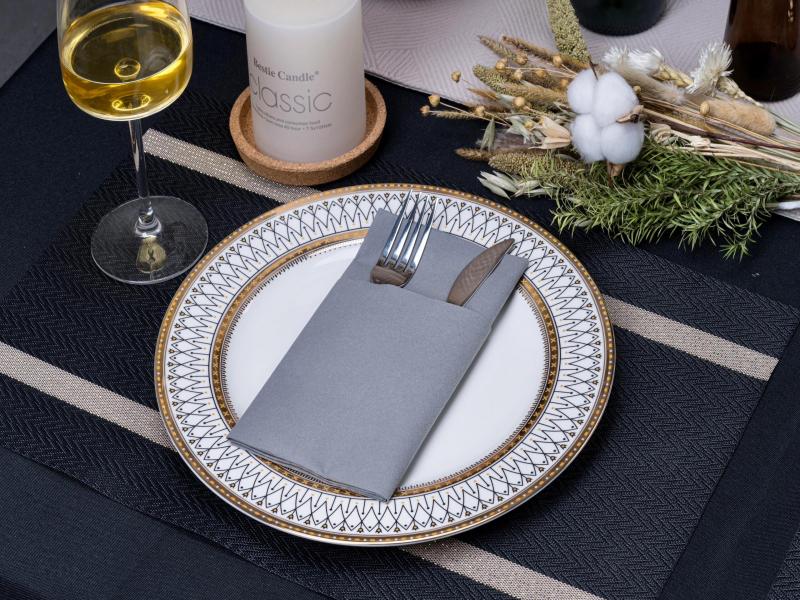 View moreHow to Choose the Right Disposable Colored Airlaid Napkins for Your Party?Selecting the right disposable colored airlaid napkins is an essential step in preparing a well-organized, visually appealing, and hygienic party environment. As consumer expectations rise and hosting styles diversify, airlaid napkins have become a preferred option due to their cloth-like texture, premium absorbency, and wide range of colors. Understanding the Material Characteristics of Airlaid Napkins Airlaid material is produced through a dry-laid process in which cellulose fibers are bonded using air instead of traditional water-based methods. This manufacturing technique creates a soft yet strong structure that differentiates airlaid napkins from ordinary paper napkins. Key features include: Enhanced absorbency suitable for table settings, beverages, and food service. Cloth-like softness that improves guest comfort. High tensile strength, even when wet, ensuring durability during use. Rich color saturation, giving disposable colored airlaid napkins high visual impact. These qualities make airlaid table napkins a reliable choice for parties that require both functionality and aesthetics. Evaluating Color and Theme Compatibility For parties, color selection carries the same importance as functional performance. Choosing the right hue enhances the overall atmosphere and aligns with the event style. Match Napkin Color to Event Theme For formal dinners, opt for muted tones such as ivory, dark green, wine red, or navy. For birthday parties, brighter colors like orange, pink, turquoise, or yellow add energy. For seasonal events, coordinate with holiday palettes — for example, gold and red in winter celebrations or pastel shades in spring gatherings. Consider Table Decor Elements Napkins should complement: Tablecloth materials Dinnerware colors Centerpiece flowers Beverage glasses and cutlery To maintain visual consistency, disposable colored airlaid napkins should not overpower the table but enhance it. Choosing the Right Size and Folding Style Different party settings require specific napkin sizes and fold types. Size influences convenience, display style, and functionality. Common Napkin Sizes Napkin Type Typical Size Suitable Scenarios Notes Cocktail Napkin 25×25 cm Beverage stations, appetizers Ideal for drinks and finger food Lunch Napkin 33×33 cm Casual gatherings, outdoor events Balanced size for multi-purpose use Dinner Napkin 40×40–45×45 cm Formal meals, banquet parties Best for elevated table setups Large Dinner or Premium Napkin 50×50 cm Luxury dining themes Suitable for premium airlaid table napkins Folding Options Flat fold: Practical for high-volume service and quick setup. Pocket fold: Ideal for placing cutlery, enhancing table presentation. Standing fold: Adds visual height to formal table settings. Event organizers should choose the proper folding type to match the tone and workflow of the party. Assessing Absorbency and Texture Absorbency plays a crucial role in maintaining table cleanliness and guest experience. Airlaid napkins typically outperform conventional paper napkins due to their fiber density. Absorbency Requirements For buffet-style events, high absorbency prevents spills during food handling. For wine or cocktail parties, napkins must efficiently absorb moisture from glasses. For children-themed parties, extra absorbency minimizes accidental mess. Texture and Guest Comfort The surface feel influences user perception: Smooth textures provide a premium touch for dinner parties. Slightly embossed patterns enhance grip and visual detail. Softer textures improve comfort for direct skin contact, such as wiping hands or faces. When selecting disposable colored airlaid napkins, hosts should balance absorbency with tactile quality. Thickness, Layering, and Durability Airlaid napkins are typically single-ply but engineered to perform like multi-ply tissue through fiber density. Factors to consider: Basis weight (gsm): Higher gsm means greater strength and durability. Wet strength: Crucial for preventing tearing during meal service. Compression level: Affects softness and rigidity. When hosting larger gatherings, a sturdier napkin helps maintain performance from start to finish. Environmental Considerations Sustainability increasingly influences purchasing decisions for disposable products. While airlaid napkins are single-use, they offer several eco-friendly advantages over traditional materials. Biodegradable Fiber Composition Airlaid napkins are made from cellulose fibers, making them more environmentally compatible than synthetic materials. Reduced Resource Requirements Dry-laid production consumes less water than standard tissue manufacturing, offering a lower environmental footprint. Responsible Disposal Suitable for composting in facilities that accept fiber-based products. Breaks down more readily than laminated or coated tissues often used in party napkin supplies. Coordinating Napkins With Table Settings and Food Service Style The right napkin enhances the presentation of meals and beverages by complementing the serving method. Buffet or Self-Service Larger napkins with high absorbency offer better practicality. Vibrant colors help guests identify napkin stations quickly. Sit-Down Dinners Dinner-sized airlaid napkins create a sophisticated dining experience. Folding options contribute to the overall table aesthetics. Outdoor and Picnic Events Choose thicker napkins with strong fiber structure to handle wind and outdoor conditions. Consider colors that match natural surroundings such as green, tan, or sky blue. Key Performance Indicators for High-Quality Airlaid Napkins To help purchasers identify optimal products, the following table outlines essential performance parameters: Product Feature Comparison Table Feature Importance Level Evaluation Method Notes Absorbency High Use test with water droplets Must handle oily and liquid spills Texture Softness Medium Manual touch assessment Impacts guest comfort Color Fastness High Rubbing and moisture test Prevents color transfer Thickness/GSM High Product specification check Affects durability Embossing Quality Medium Visual inspection Adds decorative appearance Foldability Medium Manual folding test Determines presentation style This table provides buyers with a clearer understanding of what to prioritize when selecting disposable colored airlaid napkins for diverse settings. Matching Napkins With Party Size and Guest Demographics Different groups of guests have different expectations for table accessories. Small Family Celebrations Choose colors that match home décor. Opt for medium-size napkins with balanced softness. Corporate or Formal Events Select refined colors and larger dinner-size napkins. Prioritize elegant foldability and embroidered-like embossing. Children’s Parties Durable napkins with fun, bright colors. Higher absorbency reduces maintenance throughout the event. Understanding guest characteristics helps optimize napkin selection and enhance overall satisfaction. Storage and Handling Before the Event Proper storage preserves the visual quality and performance of airlaid napkins. Recommendations: Keep napkins in a cool, dry environment away from direct sunlight. Avoid stacking heavy items on top to maintain shape and prevent deformation. For large quantities, store each color separately to avoid accidental mixing. This ensures napkins remain fresh, clean, and ready for decoration. Conclusion Choosing the right disposable colored airlaid napkins involves evaluating several essential aspects: material quality, absorbency, color coordination, durability, size options, environmental impact, and suitability for different event types. By understanding these factors and matching them with the specific needs of the party—whether formal dinners, casual gatherings, or outdoor celebrations—hosts can create a polished and enjoyable dining atmosphere. Airlaid napkins offer a unique combination of functionality and visual appeal, making them a versatile solution for modern parties. Through careful selection, hosts can enhance overall table presentation, improve guest experience, and streamline event preparation.2025-12-04+
 -
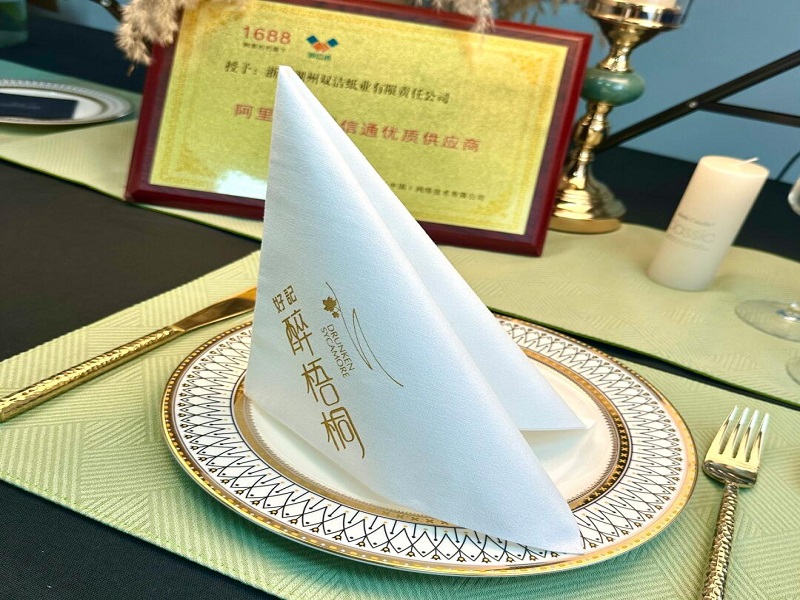 View moreHow Airlaid Paper Napkins Elevate Christmas Table Decor?Introduction As the global consumer market gears up for the annual surge in seasonal dining products, the spotlight increasingly turns toward materials that enhance both the functionality and aesthetic appeal of Christmas table settings. Among these products, airlaid paper napkins have quickly become a preferred choice across hospitality environments, household celebrations, and large-scale holiday events. Their combination of textile-like texture, absorbency, and design versatility aligns seamlessly with the elevated expectations of Christmas gatherings. This industry trend signals a broader shift toward premium disposable tableware, particularly during holiday seasons when convenience must coexist with elegant presentation. As demand grows, airlaid paper napkins manufacturers are intensifying their focus on performance-driven materials, sustainable sourcing, and decorative adaptability tailored to seasonal themes. Rising Demand for Premium Dining Materials During Christmas Christmas remains one of the most decoration-intensive periods of the year, influencing categories from homeware to event supplies. The dining table, often the centerpiece of holiday gatherings, requires solutions that balance practicality with visual impact. Airlaid paper napkins are uniquely positioned to meet this demand. The material—produced through a process that binds fibers without traditional water-based papermaking—delivers a soft, cloth-like feel while remaining fully disposable. This characteristic offers a middle ground between traditional tissue napkins and expensive textile linens, making them ideal for festive occasions where style and convenience are both essential. The holiday season also drives an uptick in themed tableware, including patterned napkins, embossed textures, and coordinated color palettes. Airlaid material accommodates these variations effectively, enabling manufacturers to expand seasonal product lines without compromising structural integrity or tactile quality. Material Characteristics That Enhance Christmas Table Decor The appeal of airlaid paper napkins during Christmas celebrations is rooted in the material’s inherent characteristics. These properties enable elevated table styling while supporting functional needs such as absorbency and durability. Cloth-Like Texture for Premium Presentation The distinct softness of airlaid material enhances the sensory experience of holiday dining. Compared with standard paper napkins, airlaid options convey a more refined and luxurious impression, aligning with the elevated aesthetic often sought for Christmas dinners and festive banquets. Structural Integrity for Festive Folding Designs Christmas table decor frequently incorporates folded napkin shapes, place-setting structures, or layered arrangements. Airlaid paper napkins hold form more effectively than conventional tissue napkins, allowing them to maintain crisp lines and decorative shapes throughout the event. High Absorbency for Practical Holiday Dining Holiday meals often involve rich gravies, sauces, and beverages. The absorption capacity of the airlaid structure ensures that guests experience both comfort and cleanliness without requiring multiple napkins. Compatibility with Seasonal Printing and Embossing Airlaid paper supports detailed printing and embossing, enabling manufacturers to produce Christmas-themed patterns such as snowflakes, holly leaves, or festive color gradients. These decorative options contribute significantly to the overall holiday atmosphere. Industry Trends Shaping Holiday Tableware Selection The rise of airlaid paper napkins reflects broader market trends that extend beyond the Christmas season but become especially pronounced during holiday peaks. Growing Preference for Premium Disposable Tableware Consumers increasingly prioritize convenience during seasonal events, but without compromising the sense of occasion. This has driven heightened interest in products that offer linen-like quality with the ease of disposability. Enhanced Focus on Sustainable Production As environmental awareness spreads across global markets, manufacturers are shifting toward eco-friendlier production processes and fiber sourcing. Christmas-oriented product lines are now commonly expected to include recyclable or biodegradable attributes, making the airlaid method particularly relevant. Expansion of Customized and Decorative Holiday Designs Brands and retailers are expanding their holiday catalogs to meet consumer demand for personalized or themed tableware. Airlaid paper napkins accommodate intricate color application, pattern design, and embossing techniques, positioning them as a versatile medium for seasonal creativity. Growth of Hospitality and Event-Driven Purchases Restaurants, hotels, event planners, and catering services see significant traffic increases during Christmas. Their shift toward high-efficiency, visually appealing tableware reinforces the demand for premium napkin solutions that require no laundering or maintenance. Product Specification Overview The following table provides a concise comparison of typical characteristics found within the holiday-focused segment of airlaid napkin products. Values are descriptive rather than numeric, aligning with the requirement to avoid unnecessary data. Specification Category Airlaid Performance Description Relevance to Christmas Table Decor Material Density Medium to high structural firmness Supports decorative folding and premium presentation Surface Texture Soft, textile-like finish Enhances comfort and festive luxury Absorbency Level Strong absorption with quick uptake Ideal for rich holiday meals and beverages Print Compatibility High suitability for multi-color and embossing Enables seasonal patterns and coordinated thematic sets Sustainability Features Often recyclable or biodegradable Meets growing eco-friendly holiday product preferences Available Sizes Cocktail, lunch, dinner formats Provides options for diverse Christmas dining setups This specification overview reflects the typical range of features offered by airlaid paper napkins manufacturers, especially within holiday-targeted product lines. How Airlaid Paper Napkins Enhance Christmas Table Atmosphere Elevated Aesthetic Appeal Christmas table decor often revolves around layers of coordinated elements—plates, centerpieces, candles, runners, and thematic accents. Airlaid napkins complement these arrangements by adding depth, texture, and color. Their premium appearance reinforces the warmth and celebratory nature of holiday gatherings. Improved Guest Experience Holiday dining experiences rely heavily on comfort and ambiance. The smooth, fabric-like feel of airlaid napkins contributes to a more enjoyable tactile interaction compared with thin tissue alternatives. Guests perceive an upgraded dining experience without the cost or upkeep associated with cloth napkins. Seamless Integration with Seasonal Color Palettes Airlaid napkins are frequently available in traditional Christmas tones such as crimson, forest green, metallic gold, snow white, and deep navy. Their ability to hold vibrant color enhances the visual coherence of holiday table arrangements, allowing hosts and event planners to craft memorable environments. Functional Efficiency for Large Gatherings Christmas celebrations often involve multiple courses, varied dishes, and prolonged dining periods. Airlaid napkins maintain form and performance throughout the event, reducing consumption rates and ensuring that tables remain orderly. Support for Decorative Creativity Airlaid material enables decorative folding techniques frequently used in Christmas settings, such as: Tree-shaped folds Layered fan arrangements Ribbon-wrapped napkin rolls Centerplate accent structures Their stability ensures that these designs remain intact throughout the meal. Manufacturing Priorities Under Holiday Demand Airlaid paper napkins manufacturers face intensified production cycles leading up to the Christmas period. Several priorities guide their operations during this seasonal peak: Consistency in Texture and Absorbency Uniformity is essential to maintain visual appeal across bulk orders, especially when used in hotels, banquet halls, and catered events. Flexible Production for Diverse Holiday Designs Manufacturers must accommodate a wide range of seasonal patterns, colors, and sizes, often requiring rapid changeovers in printing and embossing lines. Sustainability Standards As eco-friendly holiday purchases increase, production lines prioritize materials and processes that meet recycling or biodegradability requirements. Enhanced Quality Control for Decorative Products Holiday-themed printing demands precise alignment, color accuracy, and edge consistency. Quality control teams play an important role in ensuring each batch meets aesthetic expectations. Scalable Output to Meet Seasonal Peaks Christmas demand often surpasses regular consumption levels. Manufacturers adapt by expanding capacity, streamlining logistics, and optimizing packaging for efficient distribution. Future Outlook: The Growing Role of Airlaid Materials in Holiday Dining Market projections indicate that the adoption of premium disposable tableware will continue to expand as global consumers prioritize both convenience and presentation during festive periods. Airlaid napkins are expected to gain further traction due to: enhanced production capabilities improved sustainability profiles expanding customization options increasing hospitality-sector reliance rising demand for premium tactile experiences Christmas, as one of the most decoration-intensive holidays worldwide, will remain a major driver of growth. The ability of airlaid napkins to elevate festive atmosphere without requiring post-event cleanup ensures that they retain a strong competitive advantage. Conclusion Airlaid paper napkins have reshaped expectations for Christmas table decor by offering a combination of style, functionality, and festive adaptability. Their soft texture, structural reliability, and decorative versatility enable hosts, event organizers, and hospitality professionals to elevate holiday dining experiences with ease.2025-11-27+
 -
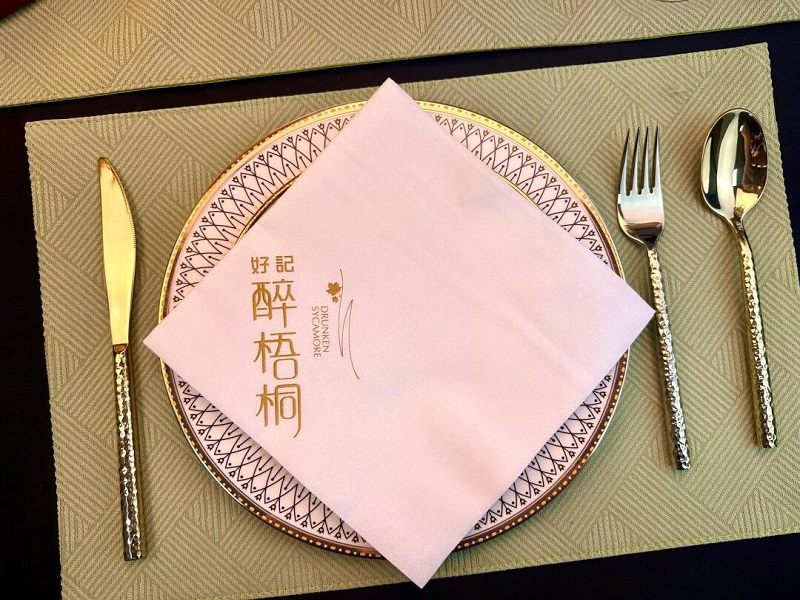 View moreUnderstanding Airlaid Napkins: Material, Applications, and Market InsightsIntroduction Airlaid napkins have emerged as a preferred choice in both professional and casual dining settings due to their unique combination of softness, absorbency, and durability. Unlike traditional paper napkins, airlaid napkins are manufactured using a specialized process that allows fibers to be bonded without extensive water usage, resulting in a thicker, more resilient product. Airlaid napkins offer advantages over conventional tissue paper or disposable cloth alternatives. They are soft to touch, highly absorbent, and capable of maintaining structural integrity even when wet. These features make them particularly suitable for restaurant operations, high-end events, and environments requiring disposable yet premium-quality napkins. Material and Manufacturing Process Airlaid napkins are primarily composed of natural pulp fibers, which are dispersed using an air-laid process to create a uniform, fluffy web. Unlike wet-laid paper products, airlaid fibers are deposited through a controlled air stream, which reduces water consumption and results in a bulkier sheet without compromising strength. The manufacturing process may include several key stages: Fiber Preparation: Pulp fibers are refined to the desired length and consistency. Additives may be included to improve softness, absorbency, or environmental sustainability. Airlaid Formation: Fibers are suspended in an air stream and deposited onto a moving belt, forming a uniform web. Bonding: Thermal or chemical bonding is applied to stabilize the fiber network, ensuring durability. Finishing: The sheets may undergo embossing, cutting, or folding to achieve the final napkin size, texture, and pattern. Compared to traditional paper napkins, airlaid napkins demonstrate superior thickness and bulk without increasing weight. They also provide a soft tactile experience, which is essential for dining and catering applications. Physical Properties and Performance Airlaid napkins are engineered to deliver multiple functional benefits that are critical in professional and high-volume settings: Absorbency: The bulkier structure allows airlaid napkins to absorb liquids more effectively than conventional paper napkins. Softness: They maintain a gentle feel, suitable for sensitive skin and formal dining environments. Durability: The fiber bonding ensures napkins do not tear easily, even when soaked, making them reliable during meals. Versatility: Airlaid napkins can be produced in various thicknesses, sizes, and finishes to suit different dining scenarios. High-end Appearance: Luxury variants mimic cloth napkins in feel and visual appeal, providing an upscale dining experience. These characteristics make airlaid napkins adaptable across diverse settings, including everyday dining, formal events, and specialized hospitality contexts. Applications and Use Cases Airlaid napkins are utilized across multiple industries and occasions due to their unique combination of performance and appearance. The following outlines typical use cases: Restaurants and Cafés: Standard airlaid napkins offer durability and softness for table service. Banquets and Events: Luxury airlaid dinner napkins provide a premium touch for weddings, corporate functions, and formal gatherings. Cocktail Parties: Thin, disposable cocktail napkins are convenient for handling small beverages and snacks. Bulk Supply for Catering: Large-scale catering operations benefit from airlaid napkins available in bulk packs, ensuring consistency and cost-effectiveness. Eco-conscious Settings: Environmentally friendly airlaid napkins cater to organizations seeking biodegradable and sustainable disposable options. Airlaid Napkins Types and Applications Type Thickness Absorbency Typical Use Case Key Feature Standard Airlaid Napkins Medium High Restaurants Durable & soft Luxury Dinner Napkins Thick Very high Banquets & Hotels Premium feel Cocktail Napkins Thin Medium Parties Cost-effective, disposable Eco-friendly Napkins Medium High Catering & Restaurants Biodegradable The table illustrates how different product types address specific operational needs while maintaining the inherent advantages of airlaid materials. Market Trends and Sustainability The market for airlaid napkins has evolved in response to consumer preferences and industry requirements. Several trends shape this sector: Increased Demand for Sustainability: Eco-friendly airlaid napkins are gaining traction as organizations prioritize biodegradable and recyclable materials. Premiumization: High-end dining establishments increasingly adopt luxury airlaid dinner napkins to elevate the guest experience. Bulk and Institutional Procurement: Hotels, restaurants, and catering services favor bulk orders of standardized napkins to maintain consistency and reduce operational costs. Customization and Branding: Embossed or printed airlaid napkins offer aesthetic enhancement and brand differentiation in hospitality environments. These trends suggest that airlaid napkins are not only a functional necessity but also a strategic element in enhancing dining quality and sustainability. Buying Guide and Selection Tips Selecting the appropriate airlaid napkin involves evaluating multiple factors related to application, performance, and cost: Purpose and Setting: Determine whether napkins are for casual dining, formal events, or bar/cocktail use. Material Specifications: Choose appropriate thickness and absorbency to match expected liquid handling and usage duration. Size and Fold: Napkin dimensions and folding style influence both presentation and practicality. Softness and Appearance: Consider tactile quality and visual appeal, especially for luxury or event-focused applications. Sustainability Considerations: Evaluate eco-friendly options to meet organizational sustainability goals. Bulk Ordering Efficiency: For large-scale operations, bulk packs reduce costs and streamline inventory management. By considering these factors, procurement teams can ensure optimal selection for both functional performance and user experience. Conclusion Airlaid napkins combine material innovation, functional performance, and versatility, making them a preferred choice across restaurants, catering, and event management. Their softness, absorbency, durability, and potential for luxury presentation set them apart from traditional paper or cloth alternatives. Selecting the right airlaid napkin requires an understanding of material characteristics, intended use, and operational requirements. By leveraging the unique benefits of airlaid napkins, organizations can enhance dining experiences, support environmental goals, and ensure efficient operations.2025-11-20+
 -
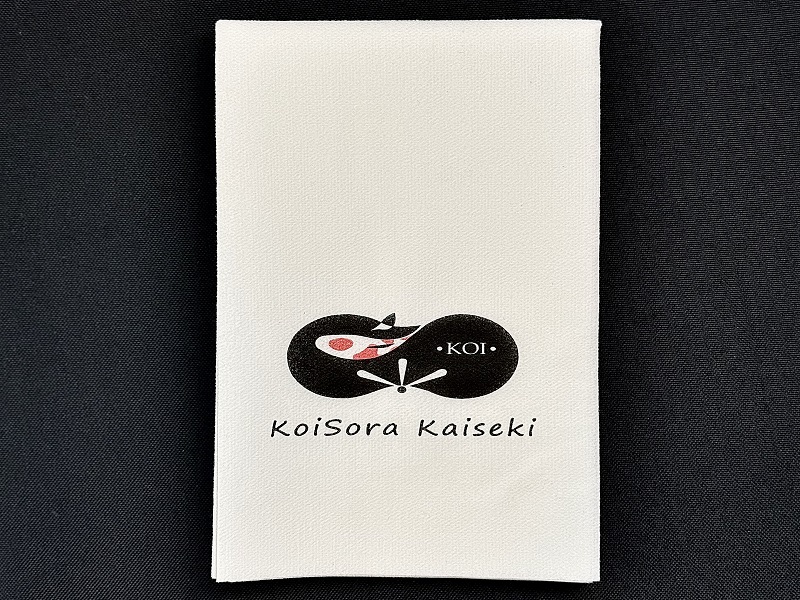 View moreAirlaid Napkins vs Regular Napkins: What Works Best for Thanksgiving?Thanksgiving is a time when families gather to share meals, celebrate gratitude, and create memories. While many focus on the menu, decorations, and table setting, one often-overlooked aspect is the choice of napkins. Choosing the right napkin is essential not only for functionality but also for aesthetics. Understanding Napkin Types Napkins serve the dual purpose of maintaining hygiene and enhancing the dining experience. Traditionally, napkins are made from tissue paper, cloth, or more advanced materials like airlaid paper. Airlaid paper napkins are a relatively modern innovation in the disposable napkin market. Produced by airlaid paper napkin manufacturers, they combine the softness and absorbency of cloth with the convenience of disposable paper. In contrast, regular paper napkins are typically made through conventional paper pressing methods and may lack certain premium qualities. Key Differences Between Airlaid and Regular Napkins Feature Airlaid Paper Napkins Regular Paper Napkins Material Non-woven airlaid fibers Pulp-based tissue Absorbency High, similar to cloth Moderate, may require multiple sheets Texture Soft, smooth, elegant Coarse, less refined Strength Strong when wet Weak when wet, may tear easily Appearance Crisp, luxurious finish Standard finish Usage Special occasions, upscale gatherings Everyday use, casual meals As the table shows, airlaid paper napkins offer several advantages over regular napkins, especially for occasions that demand a touch of sophistication, such as Thanksgiving dinners. Advantages of Airlaid Paper Napkins for Thanksgiving Superior Absorbency One of the most critical factors in napkin selection is absorbency. During Thanksgiving, meals often involve rich sauces, gravies, and drinks. Airlaid paper napkins are designed with a non-woven fiber structure, allowing them to absorb liquids efficiently without tearing. This feature ensures that guests can use a single napkin for multiple purposes, reducing waste and improving convenience. Enhanced Presentation The texture and thickness of airlaid paper napkins contribute to a more elegant table setting. They maintain a crisp shape, allowing for elaborate folding techniques, which enhances the overall visual appeal of the table. Unlike regular napkins, which may appear flimsy or uneven, airlaid napkins convey a sense of luxury that complements holiday decorations. Strength and Durability Airlaid paper napkins are stronger than conventional paper napkins, even when wet. This quality reduces the risk of tearing during use and makes them ideal for serving meals with sauces, soups, or messy items such as turkey with gravy. Their durability allows hosts to confidently set a table that is both practical and visually pleasing. Variety of Sizes and Colors Airlaid paper napkin manufacturers often offer a wide range of sizes, colors, and patterns, making it easy to coordinate with Thanksgiving themes. From classic white and beige to seasonal colors like pumpkin orange or cranberry red, these napkins can seamlessly integrate into any table décor. Environmental Considerations Many consumers are increasingly concerned about environmental impact. While both airlaid and regular napkins are disposable, airlaid paper napkins are often designed to be eco-friendly. Some manufacturers use biodegradable fibers and avoid harmful chemicals, making them a better choice for environmentally conscious households. Comparison Table: Environmental Impact Aspect Airlaid Paper Napkins Regular Paper Napkins Biodegradability Often biodegradable Usually biodegradable but may include bleaches Chemical Usage Minimal, some brands eco-friendly Varies, often includes bleaching and additives Recyclability Limited, depending on composition Limited, paper recycling possible if clean Waste Reduction Higher efficiency reduces number of napkins used May require multiple sheets per use As shown, while neither napkin type is entirely without environmental impact, airlaid paper napkins provide advantages in terms of efficiency and reduced waste. Considerations When Purchasing Airlaid Paper Napkins When selecting airlaid napkins for Thanksgiving, hosts should consider several factors: Size: Napkins come in various sizes, including cocktail, luncheon, and dinner sizes. Choose a size appropriate for your meal courses. Texture and Finish: Some airlaid napkins have embossed designs, while others are smooth. The choice affects both aesthetics and tactile experience. Absorbency Rating: Not all airlaid napkins are created equal. Check for absorbency features if serving sauces or liquids. Sustainability: Look for napkins labeled biodegradable or environmentally friendly. By sourcing products directly from airlaid paper napkin manufacturers, buyers can access a wider selection of premium napkins suitable for holiday gatherings. Cost Considerations Airlaid paper napkins are generally more expensive than regular paper napkins due to superior materials, manufacturing processes, and premium finishes. However, this cost can be justified by reduced usage (fewer napkins required per guest) and improved guest experience. For special occasions like Thanksgiving, investing in higher-quality napkins enhances the overall dining ambiance. Cost-Effectiveness Table Factor Airlaid Paper Napkins Regular Paper Napkins Price per Napkin Higher Lower Usage per Meal Fewer needed More needed Guest Experience Premium feel, visually appealing Standard, functional only Waste Reduction Higher Lower Ultimately, hosts should weigh upfront costs against the value provided in comfort, durability, and presentation. Common Myths About Airlaid Napkins “They are only for upscale events”: While premium in appearance, airlaid paper napkins can be used in casual settings where comfort and absorbency matter. “They are not eco-friendly”: Modern airlaid napkins often use biodegradable fibers and minimal chemical processing. “They are difficult to fold or decorate”: In fact, their stiffness and thickness allow for intricate folding techniques, making them versatile for table design. Conclusion: Which Napkin Works Best for Thanksgiving? For Thanksgiving, where the meal is rich, the table setting is significant, and the overall experience matters, airlaid paper napkins provide clear advantages over regular paper napkins. Their superior absorbency, durability, texture, and aesthetic appeal make them the ideal choice for creating a memorable holiday meal. While cost may be higher, the benefits in convenience, reduced waste, and presentation outweigh the expense. By purchasing directly from airlaid paper napkin manufacturers, hosts can access high-quality options that cater to different table designs, color schemes, and meal types. Ultimately, the choice of napkin reflects not just practicality, but also the care and attention given to the Thanksgiving experience.2025-11-13+
 -
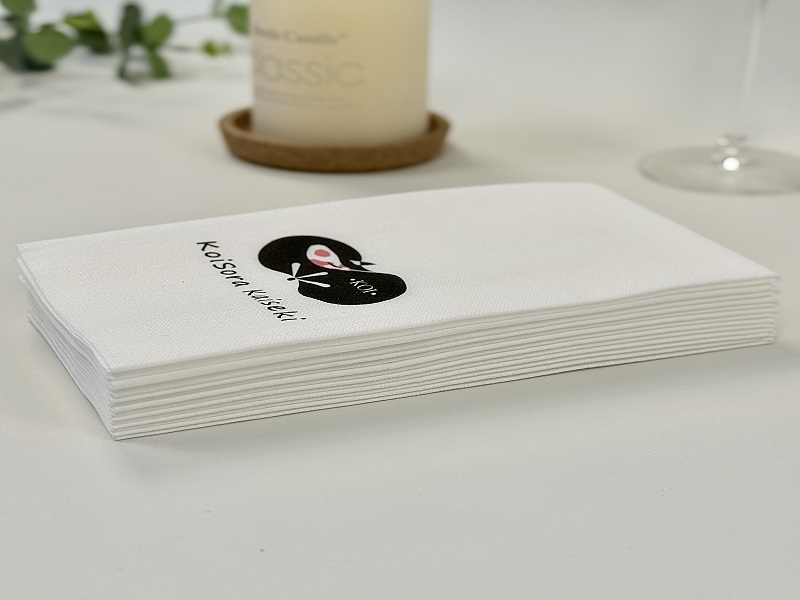 View moreHow to Choose the Best Airlaid Napkins for Your Thanksgiving Celebration?Thanksgiving is a time for family gatherings, delicious meals, and creating memorable experiences around the table. One often overlooked aspect of a perfect Thanksgiving setup is the choice of table napkins. Among the various options available, airlaid paper napkins have emerged as a preferred choice for many households and hospitality settings. Their soft texture, absorbent quality, and elegant appearance make them ideal for festive occasions. But how do you select the best airlaid napkins for your Thanksgiving celebration? Understanding Airlaid Paper Napkins Airlaid paper napkins are crafted using a unique process that blends cellulose fibers with air, resulting in a strong yet soft material. Unlike conventional paper napkins, airlaid napkins combine the convenience of disposable products with the luxury and feel of cloth napkins. They are available in various sizes, textures, and colors, providing versatility for different table settings and themes. One of the key advantages of airlaid paper napkins is their absorbency. They can handle spills effectively without disintegrating, making them ideal for meals that include sauces, gravies, or beverages. Additionally, they maintain a neat appearance even after prolonged use, which is crucial for maintaining the elegance of a Thanksgiving table. Key Factors When Choosing Airlaid Napkins When selecting airlaid paper napkins for Thanksgiving, several factors should guide your decision. These factors ensure that the napkins not only meet functional needs but also enhance the visual appeal of the table. Material and Thickness Airlaid napkins come in varying thicknesses, usually measured in ply. Thicker napkins provide superior absorbency and durability, while thinner options may be suitable for casual gatherings. A thicker napkin also gives a more luxurious feel, similar to cloth, which is ideal for formal Thanksgiving dinners. Material Feature Description Ideal Use for Thanksgiving 2-ply airlaid napkins Moderate thickness, basic absorbency Casual family dinners 3-ply airlaid napkins Thick, soft, highly absorbent Formal dinners, hosting Embossed airlaid napkins Textured surface, adds decorative element Elegant table settings Colored airlaid napkins Available in festive shades, enhances table theme Holiday-specific décor Size and Fold Type The size of the napkin is another critical consideration. Standard sizes include luncheon (33 x 33 cm) and dinner (40 x 40 cm) dimensions, but larger options are available for elaborate settings. Fold type also affects table presentation. Pre-folded napkins save time and maintain a neat appearance, while unfolded napkins offer flexibility for creative folding techniques. Size Category Typical Dimensions Recommended Usage Luncheon 33 x 33 cm Informal meals, buffet setups Dinner 40 x 40 cm Formal Thanksgiving dinners Extra Large 45 x 45 cm or more Special occasions, multiple folds Absorbency and Practicality Airlaid paper napkins are known for their high absorbency. When evaluating napkins for a Thanksgiving table, consider their ability to handle common spills like gravy, cranberry sauce, and wine. Soft, absorbent napkins prevent messes from spreading and ensure that guests remain comfortable throughout the meal. Feature Benefit High absorbency Handles sauces, wine, and liquids efficiently Strong fibers Napkin maintains integrity after multiple uses Soft texture Enhances dining experience and comfort Appearance and Decoration A visually appealing table is central to any Thanksgiving celebration. Airlaid napkins are available in various colors, patterns, and embossing options, allowing you to coordinate with tablecloths, dinnerware, and centerpieces. Choosing festive colors like warm oranges, deep reds, and earthy browns can enhance the seasonal atmosphere. For a more sophisticated look, embossed or textured napkins can add elegance without overwhelming the table design. Eco-Friendly Considerations Sustainability is becoming increasingly important in the choice of disposable products. Many airlaid paper napkins are made from biodegradable materials, allowing households to maintain elegance without compromising environmental responsibility. Choosing eco-friendly airlaid napkins is particularly relevant during holiday seasons, when waste generation is typically higher. Practical Tips for Using Airlaid Napkins at Thanksgiving Coordinate with Theme: Match napkin colors and textures with table linens and centerpiece decorations to create a cohesive and inviting look. Consider Guest Needs: If hosting families with children, opt for thicker, more absorbent napkins to minimize messes. Fold Creatively: Even simple napkins can appear elegant when folded into shapes like fans, pockets, or rolls. Plan for Quantity: Estimate the number of napkins needed per guest, considering courses and potential spills. Bulk packs of disposable airlaid napkins often provide cost efficiency without sacrificing quality. Bulk Purchase and Storage For those planning larger gatherings or multiple events, purchasing airlaid paper napkins in bulk ensures readiness and convenience. Bulk packs typically offer uniform quality and allow hosts to maintain a consistent table presentation. Proper storage is essential; napkins should be kept in a dry environment to preserve softness and prevent damage. Storage Tip Recommendation Dry place Avoid moisture to maintain napkin integrity Original packaging Keeps napkins clean and dust-free Temperature control Store away from extreme heat to prevent warping Summary Choosing the best airlaid napkins for your Thanksgiving celebration involves balancing functionality, aesthetics, and practicality. Key considerations include material thickness, absorbency, size, color, texture, and eco-friendly properties. By selecting the right airlaid paper napkins, hosts can create a festive, comfortable, and memorable dining experience. Whether for casual family gatherings or formal dinners, airlaid napkins provide the perfect combination of elegance and convenience. Their soft texture, superior absorbency, and decorative options make them an essential component of any Thanksgiving table setup. With careful planning and attention to detail, these napkins not only serve a practical purpose but also elevate the overall dining atmosphere, ensuring a successful and enjoyable holiday celebration.2025-11-06+
 -
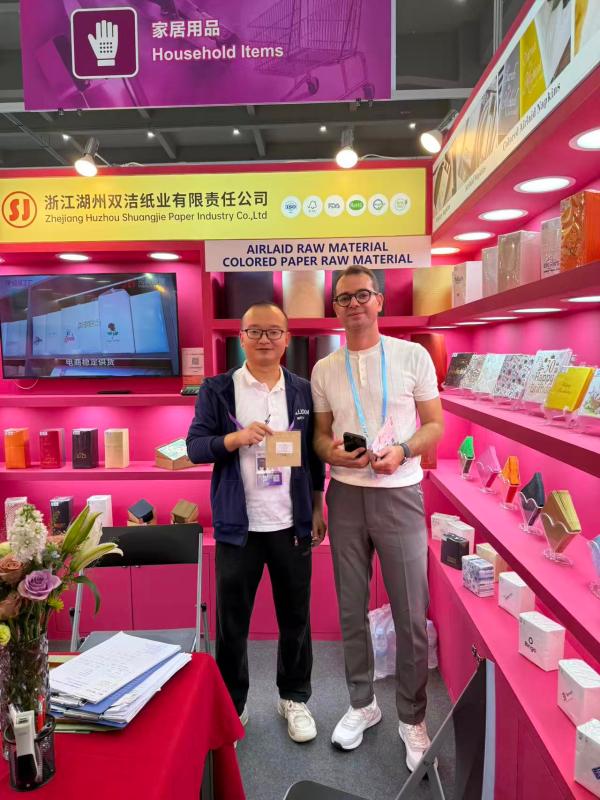 View moreZhejiang Huzhou Shuangjie Paper Co., Ltd. Successfully Participates in the 138th Canton FairZhejiang Huzhou Shuangjie Paper Co., Ltd., a leading source paper company specializing in R&D, production, processing, and airlaid paper napkins, proudly announced its successful participation in the 138th Canton Fair. With a commitment to high-quality products and innovative solutions, the company showcased its latest range of paper products, attracting significant attention from international buyers. Founded with a focus on natural wood pulp as raw materials, Shuangjie Paper specializes in high-end napkins, facial tissues, airlaid paper, and various other tissue products, along with OEM processing services. Leveraging advanced production equipment—including base paper splitting machines and automatic embossing, printing, and folding machines—the company customizes production solutions to meet market demands. Its dedication to technology, quality, and customer satisfaction has enabled long-term partnerships with numerous companies worldwide. The Canton Fair, officially known as the China Import and Export Fair, is one of the largest and most comprehensive trade exhibitions in the world, featuring thousands of exhibitors across diverse industries. The 138th edition of the fair provided an ideal platform for companies to introduce innovative products, explore business opportunities, and strengthen international trade relationships. During the exhibition, Zhejiang Huzhou Shuangjie Paper Co., Ltd. presented a wide variety of products, including high-end napkins, facial tissues, and airlaid paper items, demonstrating the company’s strength in both product quality and production technology. Visitors praised the exquisite design, superior material quality, and environmentally friendly approach of Shuangjie Paper’s offerings. With the principle of “product quality without defect, customer service without complaint,” Shuangjie Paper continues to prioritize customer needs and innovation, ensuring each product meets global standards. The company looks forward to leveraging the success of this exhibition to expand its international market presence and work collaboratively with partners worldwide for mutual growth.2025-10-27+
 -
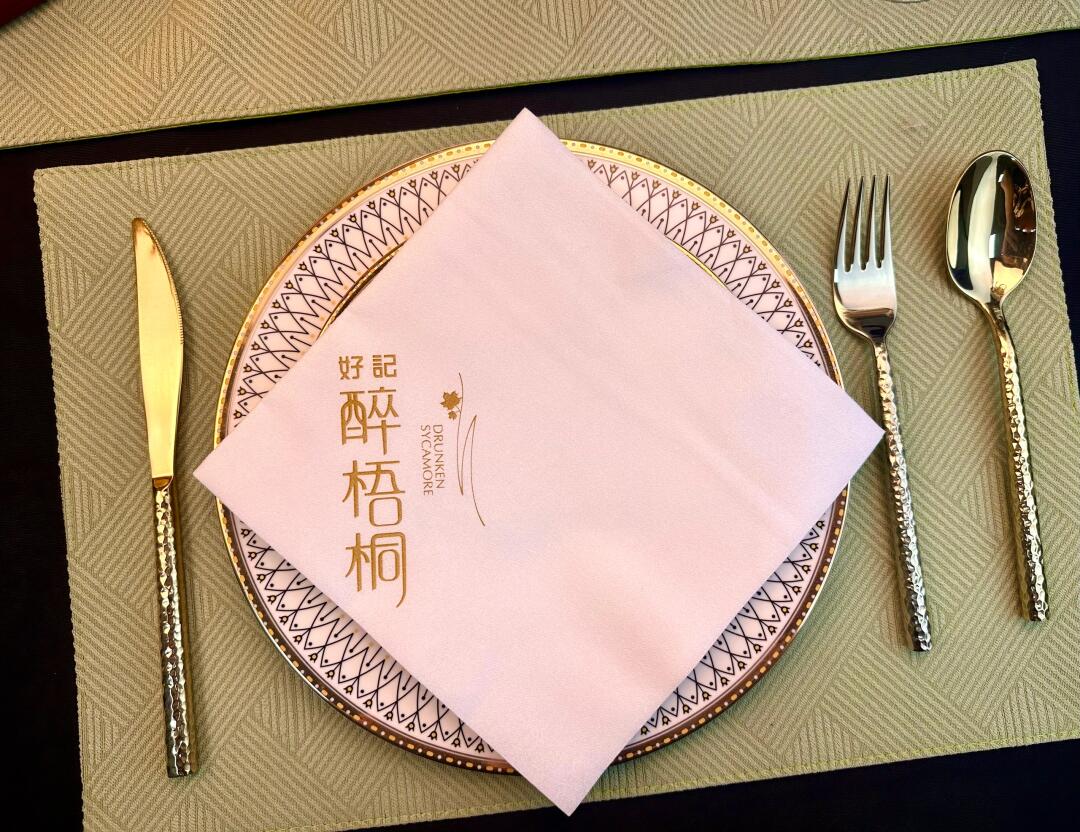 View moreWhat Are Airlaid Napkins?In modern food service and cleaning industries, the quality of napkins is crucial for both hygiene and user experience. Airlaid napkins, known for their unique dust-free properties and ease of use, are increasingly becoming the preferred choice for restaurants, bars, and professional cleaning environments. Definition and Features of Airlaid Napkins Airlaid napkins are a type of paper product manufactured using specialized processes that ensure no lint or tiny particles are released during use. This dust-free property not only enhances user experience but also complies with modern hygiene standards. Key features include: Dust-Free Property: Wipes surfaces or food without leaving paper particles, maintaining cleanliness. Absorbency: Efficiently absorbs liquids, suitable for dining and bar use. Softness and Strength: Combines comfort with tear resistance. Eco-Friendly Material: Some airlaid napkins are made from biodegradable materials, aligning with environmental trends. Performance Comparison of Airlaid Napkins Feature Description Recommended Use Dust-Free No paper particles generated Restaurants, bars, cleaning areas Absorbency Rapid liquid absorption Food service, kitchens, bars Strength & Softness Soft and comfortable, tear-resistant Direct contact with food and beverages Eco-Friendliness Made from biodegradable materials Environmentally conscious settings Airlaid Napkins Manufacturers and Production Process The production of airlaid napkins relies on precise manufacturing techniques. Dust-free napkin manufacturers optimize raw material selection, forming, and cutting processes to ensure minimal lint. Typical production steps include: Raw Material Selection: High-quality wood pulp or airlaid paper. Wet or Dry Forming: Ensures uniform paper density and reduces dust. Surface Treatment: Embossing or coating techniques enhance dust-free properties. Cutting and Packaging: Precision cutting ensures smooth edges. Through these processes, airlaid napkins maintain cleanliness and adapt to diverse usage scenarios such as restaurants, bars, and professional cleaning environments. Cocktail Napkins and Dust-Free Applications In bars and banquet settings, cocktail napkins are indispensable. Using dust-free cocktail napkins improves user experience and prevents contamination of drinks and food by paper lint. Scenario Usage Recommendation Napkin Type Bar Counter Suitable for placing drink cups, quickly absorbs spills Dust-free cocktail napkins Banquet Events Provided for guest hand wiping or drink drip prevention Airlaid napkins Cafés and Restaurants Used alongside table cleaning, enhances hygiene Airlaid napkins Environmental Trends and Biodegradable Napkins As environmental awareness grows, biodegradable napkins are gaining popularity. Some airlaid napkins are made from natural wood pulp or biodegradable materials, preserving dust-free properties while being eco-friendly. These products are ideal for restaurants and events focused on sustainability. Feature Benefits Biodegradability Naturally decomposes, reduces environmental impact Dust-Free Maintains cleanliness and hygiene Comfort Soft to the touch, enhances user experience Multi-Scenario Use Suitable for dining, bars, cleaning, and events Market Trends for Airlaid Napkins With the rapid growth of food service, bars, and professional cleaning sectors, demand for airlaid napkins continues to rise. Consumers increasingly require napkins with dust-free, eco-friendly, absorbent, and soft qualities. Manufacturers are continuously innovating to meet these diverse needs. Emerging trends include: High Absorbency and Quick Drying: Catering to fast-paced dining environments. Biodegradable and Eco-Friendly Materials: Reducing plastic waste and complying with environmental regulations. Multiple Sizes and Uses: Suitable for cocktail napkins, dining napkins, and kitchen towels. Custom Printing and Branding: Providing professional solutions for restaurants and events. Application Value of Airlaid Napkins in Various Scenarios Airlaid napkins are not only important in food service and bars but also play a critical role in cleaning, medical, and laboratory environments. Their dust-free, absorbent, and eco-friendly properties make them a preferred choice across multiple industries. Scenario Benefits Description Restaurants & Bars Enhances customer experience No paper lint, maintains hygiene of drinks and food Kitchens & Food Processing Easy cleaning and wiping Rapid absorption, prevents contamination Medical & Laboratories Provides lint-free wiping material Avoids dust contamination in experiments and procedures Events & Banquets Combines aesthetics and practicality Cocktail napkins offer both dust-free and absorbent properties Conclusion Airlaid napkins, with their dust-free properties, comfortable feel, and eco-friendly advantages, are becoming core products in the food service, bar, and professional cleaning industries. Through precise manufacturing processes by dust-free napkin manufacturers, these napkins offer superior user experience compared to traditional paper products while meeting environmental and hygiene requirements. Innovations in cocktail napkins, biodegradable napkins, and related high-demand products will continue to drive sustainable development in the industry.2025-10-30+
 -
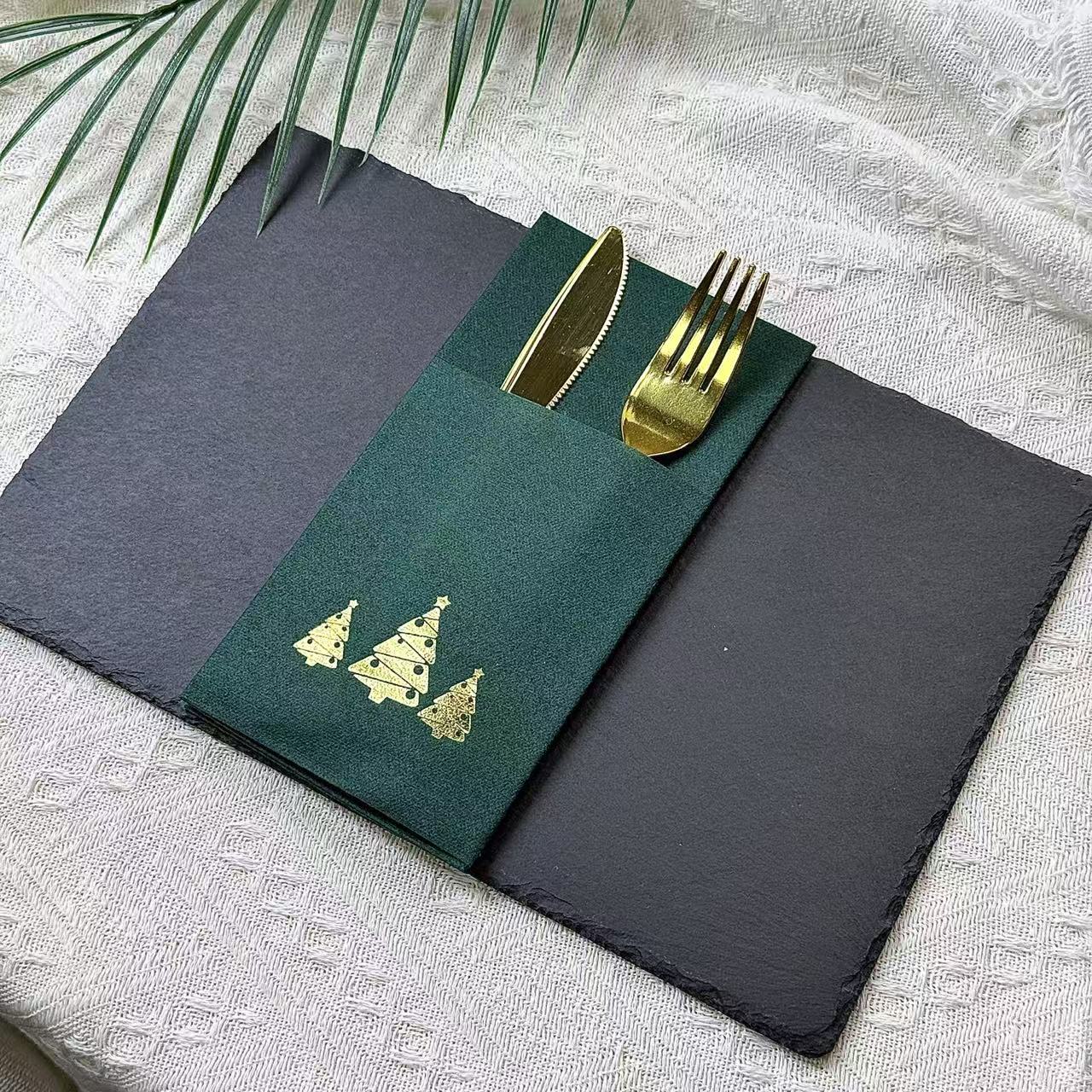 View moreAirlaid Paper Napkins: The Ultimate Guide to Quality, Uses, and Buying TipsIntroduction to Airlaid Paper Napkins The festive season of Christmas brings gatherings, family dinners, and elaborate celebrations where presentation and comfort matter as much as the food itself. During these moments, table settings reflect both elegance and hospitality, making the choice of napkins more significant than most people realize. Among the available options, airlaid paper napkins have become a preferred choice for those seeking both functionality and luxury. Airlaid paper napkins, also known as dry-laid napkins, combine the practicality of disposable napkins with the touch and strength of fabric. Their unique structure and composition make them ideal for occasions that demand both performance and sophistication, particularly during high-demand festive events like Christmas dinners and corporate banquets. What Are Airlaid Paper Napkins? Definition and Manufacturing Process Airlaid paper napkins are produced using a dry manufacturing process that binds cellulose fibers with air instead of water. The fibers are laid onto a forming belt and then bonded through latex or heat treatment, resulting in a soft yet dense nonwoven structure. This process creates a product that bridges the gap between traditional paper and textile fabric. Unlike standard tissue napkins that often tear when wet, airlaid napkins maintain their shape and strength. The absence of water during production also contributes to better fiber bonding and uniform thickness, giving them their signature premium texture and absorbency. Key Characteristics: Absorbency, Softness, and Strength The defining attributes of airlaid paper napkins are their high absorbency, softness, and tensile strength. They can absorb liquid up to ten times their own weight without breaking apart, offering users a fabric-like experience while remaining fully disposable. This combination of traits makes them particularly valuable during Christmas feasts, where rich dishes and beverages often require reliable and elegant tableware solutions. Benefits of Using Airlaid Paper Napkins The advantages of using airlaid paper napkins go beyond their tactile appeal. They offer a balanced mix of performance, comfort, and environmental responsibility, which aligns well with modern festive hospitality values. Feature Description Christmas Use Scenario Absorbency Quickly absorbs liquids without tearing Ideal for wine dinners and festive buffets Softness Feels like linen fabric on the skin Enhances guest comfort at family gatherings Strength Maintains integrity even when wet Suitable for long meals and multi-course events Eco-friendliness Made from biodegradable fibers Supports sustainable holiday celebrations Visual appeal Can be embossed or colored Matches Christmas décor themes Enhanced Absorbency Compared to Traditional Napkins The advanced fiber structure of airlaid paper napkins ensures superior liquid absorption. Whether wiping spilled beverages or holding oily food, they perform consistently without disintegration, unlike conventional tissue napkins. This makes them indispensable during busy festive meals when guests value both efficiency and elegance. Superior Softness and Comfort One of the strongest selling points of airlaid napkins is their linen-like softness. They feel pleasant against the skin, offering a luxurious touch that resonates with the festive spirit. Guests at Christmas dinners appreciate napkins that combine comfort with style, reinforcing the celebratory atmosphere. Durability and Tear Resistance The dense fiber network formed through air bonding grants exceptional tear resistance. Even when wet, airlaid napkins retain their form, making them suitable for multiple uses throughout a single meal. This durability enhances user satisfaction and reduces waste. Eco-Friendly Aspects and Biodegradability Most airlaid paper napkins are produced from sustainably sourced wood pulp and are fully biodegradable. This characteristic makes them an environmentally responsible option during Christmas—a season when waste generation often increases. Consumers seeking green alternatives can choose these napkins without compromising performance. Cost-Effectiveness for Various Applications Although they present a premium appearance, airlaid paper napkins remain cost-effective compared to linen. Their disposable nature eliminates laundering costs while maintaining an upscale feel. This balance of luxury and practicality makes them ideal for catering services, home celebrations, and hospitality venues during the holiday season. Applications of Airlaid Paper Napkins Airlaid paper napkins cater to multiple sectors, adapting seamlessly to both personal and professional settings. During Christmas, they enhance not only the dining experience but also the overall ambiance. In Restaurants and Catering High-quality napkins are a visual and tactile extension of service quality. Upscale Dining: Perfect for festive tasting menus and wine pairings. Casual Restaurants: Offer elegance without increasing operational costs. Catering Events: Maintain hygiene and visual harmony at large gatherings. In Healthcare Even in healthcare facilities that celebrate Christmas, airlaid napkins support hygiene standards while adding comfort to patient meals. Their absorbency ensures cleanliness without compromising on softness. In Hospitality Hotels and resorts often incorporate luxury napkins in their Christmas table settings. Their textile-like texture aligns with the festive décor and enhances the sense of refinement for guests enjoying holiday buffets and private dinners. For Home Use For families, airlaid paper napkins elevate the dining table aesthetic without requiring post-event washing. Everyday Use: Convenient for daily family meals during the holiday season. Special Occasions: Perfect for Christmas Eve dinners and festive brunches. Types of Airlaid Paper Napkins Different types of airlaid paper napkins cater to specific needs and settings. Type Typical Use Suggested Christmas Setting Dinner Napkins Full-course meals Christmas Eve or Christmas Day dinners Luncheon Napkins Light meals Holiday luncheons Cocktail Napkins Drinks and snacks Christmas parties Guest Towels Washroom or buffet use Hotel or home guest bathrooms Custom Printed Napkins Branding or décor Personalized Christmas designs These variations allow consumers to select the most suitable type depending on the event format and design preferences. Factors to Consider When Buying Airlaid Paper Napkins Choosing the right disposable napkins requires understanding several key parameters: Size and Dimensions Standard dinner napkins often range from 40×40 cm to 50×50 cm, while cocktail napkins are smaller, typically around 24×24 cm. Custom sizes are also available for special themes or Christmas table setups. Thickness and Ply Airlaid napkins are usually single-ply yet denser than multi-ply tissue napkins. This structure delivers both absorbency and firmness without the need for layering. Texture and Embossing Embossed textures enhance visual appeal and improve tactile grip. During Christmas, embossed snowflake or star patterns add a festive touch to table décor. Color and Design Options Red, green, gold, and white napkins remain classic Christmas choices. Subtle printing or metallic accents elevate the aesthetic while maintaining refinement. Quantity and Packaging Depending on usage, airlaid paper napkins can be purchased in bulk or individually wrapped for hygiene. Bulk options are suitable for restaurants and events, while home users may prefer smaller packs. Where to Buy Airlaid Paper Napkins Airlaid paper napkins are available through multiple channels: Online Retailers: Offer a variety of designs and quick delivery. Wholesale Suppliers: Ideal for bulk Christmas orders. Restaurant Supply Stores: Provide professional-grade options. Direct from Manufacturers: Enable customization for branding or holiday motifs. Tips for Using and Maintaining Airlaid Paper Napkins Even disposable napkins benefit from proper handling: Storage: Keep in a dry place to maintain softness and shape. Disposal Methods: Dispose of in compostable waste bins if biodegradable. Handling Stains: Light stains can be blotted during use without tearing due to strong fiber bonding. Environmental Considerations Sustainability has become central to modern hospitality practices, especially during high-consumption seasons like Christmas. Sustainability Certifications Many high-quality napkins carry certifications such as FSC or PEFC, ensuring responsible forestry sourcing. Biodegradability and Compostability Airlaid napkins typically decompose naturally, minimizing landfill impact. They can also be composted with organic waste after use. Responsible Sourcing Manufacturers increasingly adopt closed-loop production processes, emphasizing energy efficiency and reduced chemical use. Conclusion Airlaid paper napkins exemplify how disposable products can embody both luxury and responsibility. Their absorbency, softness, and environmental compatibility make them indispensable during Christmas celebrations, where aesthetics and practicality meet. Whether used in homes, restaurants, or hospitality venues, these high-quality napkins combine the elegance of linen with the convenience of disposability. For hosts aiming to impress guests and maintain sustainability during the holiday season, airlaid paper napkins stand as the ideal choice for a refined, eco-conscious Christmas table.2025-10-23+
Message Us Right Now!

Address: Tianyuan Road 18, Baishuiwan Industry Park, Tianhuangping Town,
Anji County,Zhejiang Province
- Contact
-
+86-18205820793lydia@shuangjiepaper.comPhone
- Get Connected

