
 English
  Español


-
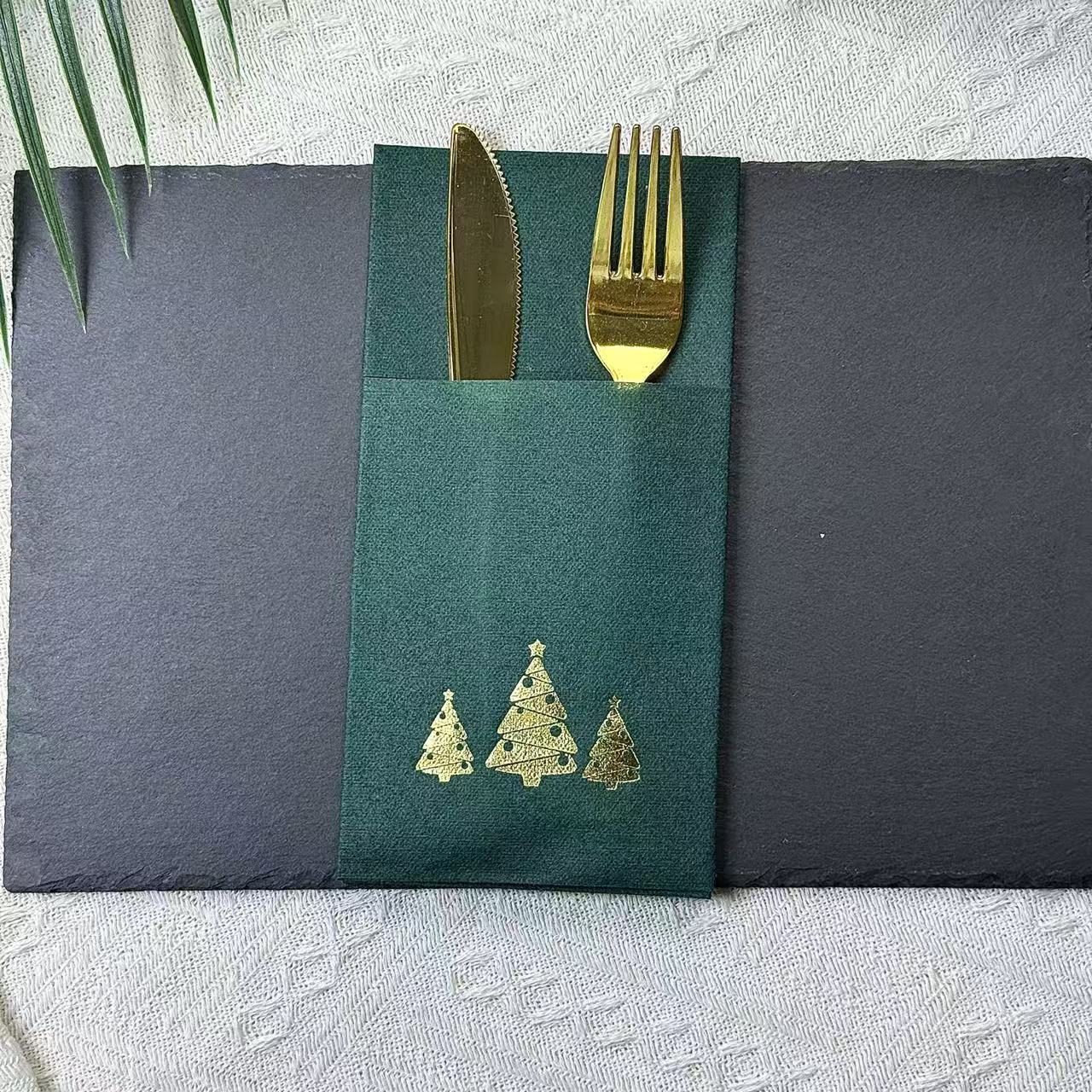 View moreHoliday Dinner Essentials: The Rise of Airlaid Paper NapkinsWhen the festive season approaches, every detail of holiday decoration becomes essential, from the Christmas tree ornaments to the choice of table settings. Among the many elements that define a warm and elegant holiday gathering, airlaid paper napkins stand out for their unique balance between functionality and luxury. Enhanced with details such as silver Christmas tree hot stamping, they not only serve practical purposes but also elevate the visual harmony of any seasonal table. Airlaid Paper Napkins: A Premium Alternative Unlike ordinary tissue napkins, airlaid paper napkins are produced using a special air-laid process, giving them a fabric-like texture without containing any woven fibers. Their advantages include: Higher absorbency compared to standard paper napkins. A thicker, more durable texture that mimics cloth. softness, making them comfortable for guests to use. Suitable for luxury napkins collections in festive dining. The Role of Silver Christmas Tree Hot Stamping One of the most visually appealing features in modern napkin design is the application of silver Christmas tree hot stamping. This decorative method enhances the napkin surface with metallic imprints, giving them a reflective, festive shine.During Christmas banquets and holiday dinners, such designs add: A touch of seasonal identity, connecting directly with Christmas motifs. A luxury aesthetic that complements festive dining arrangements. A durable decorative effect that does not fade easily during use. The silver metallic sheen harmonizes perfectly with candlelight, sparkling glassware, and table ornaments, making it a favorite choice among holiday dinner essentials. Why Choose Airlaid Napkins for Holiday Settings? Choosing the right napkin is more than a question of appearance—it reflects consideration for both guests and the atmosphere of the gathering. Here is a comparative table showing how airlaid paper napkins outperform other options: Feature Airlaid Paper Napkins Standard Paper Napkins Cloth Napkins Texture & Softness Fabric-like, premium Thin, easily torn Durable, reusable Absorbency High Moderate High Decoration Options Hot stamping, embossing Limited prints Embroidery possible Convenience Disposable, eco-friendly Disposable, basic Requires washing Best Use Case Christmas table decoration, festive dining Everyday meals Formal banquets Eco-Friendly and Disposable Luxury As sustainability becomes a growing concern, more hosts are turning to eco-friendly napkins that are both disposable and biodegradable. Airlaid napkins meet this demand by: Reducing the need for water and detergent used in washing cloth napkins. Offering recyclable packaging and biodegradable fibers. Supporting green holiday practices without compromising on luxury. The combination of disposable tableware with premium quality ensures that holiday hosts can save time while maintaining an upscale ambiance. Expanding Beyond Functionality Airlaid napkins are not merely functional—they are part of the entire holiday party supplies experience. They serve as: A decorative accessory that enhances table symmetry. A conversation piece with their silver Christmas tree hot stamping. A cost-effective alternative to cloth while retaining a luxury look. With the addition of premium tissue napkins, hosts can create a seamless flow between Christmas banquet decor and other elements such as centerpieces, candles, and silverware. Trends in Holiday Table Styling Recent trends show that holiday dinner essentials increasingly focus on coordination between tableware, lighting, and napkins. Popular trends include: Using embossed napkins with metallic accents for luxury dinners. Matching napkin designs with Christmas ornaments on the tree. Pairing airlaid napkins with gold or silver chargers for a complete holiday look. The evolution of holiday dining is not just about food; it’s about creating an environment that celebrates togetherness, beauty, and tradition. Airlaid paper napkins, especially those enhanced with silver Christmas tree hot stamping, embody the perfect blend of elegance and practicality. They are soft yet durable, decorative yet eco-conscious, and above all, they capture the festive spirit. As part of Christmas table decoration, these napkins elevate holiday gatherings into memorable experiences, proving that even the smallest details can have the greatest impact.2025-10-16+
 -
 View moreHow Do Airlaid Napkins Deliver Superior Cleanliness and Comfort?The Growing Importance of Airlaid Napkins in Modern Hygiene and Sustainability The demand for higher hygiene standards and sustainable materials has steadily increased across multiple sectors, from food service to healthcare. Within this trend, airlaid napkins have emerged as an important solution that combines cleanliness, softness, and environmental responsibility. Understanding Airlaid Napkins Airlaid napkins, also known as lint-free or fabric-like paper napkins, are specialized tissue products produced using advanced air-forming technology that minimizes fiber shedding. Unlike conventional paper napkins, they are designed to leave no lint, dust, or residue during use. This makes them ideal for professional environments such as restaurants, hotels, laboratories, and medical facilities, where hygiene and presentation standards are critical. The key distinction lies in the production process. Airlaid napkins are made from airlaid paper — a nonwoven material formed without traditional water-based pulping. Instead, cellulose fibers are dispersed through air and bonded with natural or synthetic binders, creating a soft yet durable, cloth-like texture. Key Features of Airlaid Napkins Airlaid napkins are increasingly popular for their balance of comfort, functionality, and hygiene. They provide superior absorbency, tactile comfort, and structural integrity compared to traditional paper napkins. Main features include: High absorbency compared to conventional tissue paper. Cloth-like softness for a premium user experience. Strong fiber bonding, minimizing lint release. Greater thickness and durability, allowing multiple uses during a meal. Feature Traditional Paper Napkins Airlaid Napkins Absorbency Low to moderate High absorbency Texture Thin, easily tearing Cloth-like, durable Fiber Dust Noticeable lint release Virtually lint-free Comfort Basic Soft and premium feel Why Airlaid Napkins Are in Demand The rising popularity of airlaid napkins can be attributed to several key global trends: Enhanced hygiene awareness – Following recent health concerns worldwide, both businesses and consumers prioritize products that reduce contamination risks. Airlaid napkins support higher hygiene standards in every setting. Eco-friendly consumption – Many airlaid napkins are made from biodegradable or recyclable fibers, aligning with the increasing demand for sustainable paper napkins and eco-friendly table napkins. Premium user experience – In the hospitality and catering industries, product quality influences customer perception. Soft-touch napkins made with airlaid technology elevate the dining experience. Industrial versatility – Beyond restaurants, airlaid napkins are also used in laboratories, electronics assembly, and healthcare facilities where dust control and cleanliness are essential. Types of Airlaid Napkins Airlaid napkins can be classified based on their thickness, intended use, and presentation format. Each type serves a specific purpose across various industries. Type Description Typical Usage Single-ply airlaid napkins Lightweight and disposable Fast food, casual dining Multi-ply airlaid napkins Thicker, cloth-like design Fine dining, hotels Printed eco-friendly napkins Custom printed designs Events, branding Medical-grade airlaid napkins Sterile, lint-free Clinics, laboratories Production Process of Airlaid Napkins The manufacturing of airlaid napkins is a technologically advanced process that eliminates the use of water-based pulp formation. Instead, fibers are dispersed through air and bonded using latex or other natural adhesives. This method creates a soft, absorbent, and structurally stable product. Main stages include: Fiber preparation – Cellulose fibers are refined, cleaned, and treated for optimal bonding. Air forming – Fibers are evenly distributed through controlled air streams. Bonding – Latex or natural binders secure fibers, ensuring strength and flexibility. Converting – Sheets are cut, folded, and packaged into napkins of various sizes and designs. This innovative process ensures minimal lint formation and results in napkins with enhanced softness and durability. Environmental Advantages Airlaid napkins are recognized for their environmental benefits. Compared with traditional paper products, they often feature biodegradable and compostable properties, making them ideal for eco-conscious consumers and businesses. Key environmental benefits include: Reduced water consumption during manufacturing. Lower chemical usage due to air-based fiber bonding. Eco-friendly disposal through composting or recycling. By adopting sustainable raw materials from responsibly managed forests, airlaid napkins contribute to a cleaner production cycle and a more circular economy. Practical Applications Across Industries The versatility of airlaid napkins extends beyond the dining table. Their combination of hygiene, strength, and softness enables use in multiple sectors: Hospitality and Catering – Enhance presentation and customer experience in restaurants and hotels. Healthcare – Serve as hygienic wiping materials in clinics and hospitals. Electronics and Laboratories – Prevent contamination in precision workspaces. Airlines and Travel – Provide comfortable and convenient alternatives to cloth napkins. Market Outlook The market for airlaid napkins continues to expand due to increasing hygiene standards, sustainability trends, and rising consumer expectations. Businesses are investing in innovative solutions such as antibacterial coatings, custom printing, and bamboo-based fibers to diversify product offerings. Growth Driver Impact Hygiene awareness High Sustainability trends High Technological advancements Moderate Cost efficiency Variable Consumer preference for premium dining High This steady growth is expected to continue as industries transition toward sustainable and high-performance disposable products. Future Developments The next generation of airlaid napkins will focus on combining advanced materials with eco-conscious manufacturing. Future trends may include: Using renewable raw materials such as bamboo or recycled cellulose. Introducing biodegradable coatings to improve environmental safety. Enhancing multi-functional performance, such as antibacterial or moisture-control features. Such innovations will further establish airlaid napkins as the benchmark for hygiene, comfort, and environmental responsibility in both commercial and medical applications. Conclusion Airlaid napkins represent a modern evolution in the pursuit of hygiene, softness, and sustainability. Their unique air-forming production process creates napkins that are absorbent, durable, and eco-friendly—meeting the growing demands of diverse industries.2025-10-09+
 -
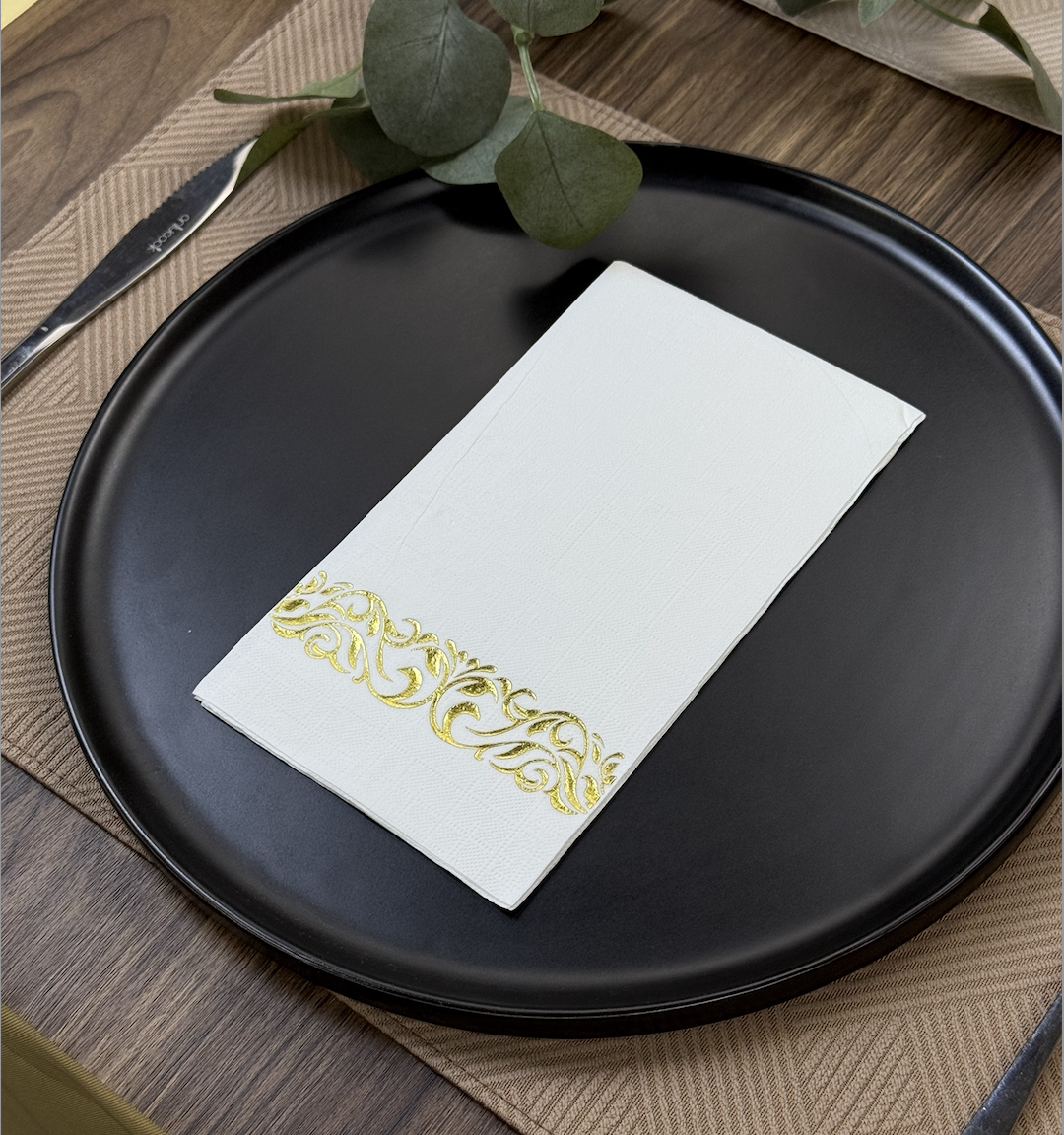 View moreWhat Makes Paper Napkins with Hot Stamping a Premium Choice for Hospitality?The hospitality and event planning sectors have witnessed a growing demand for premium table accessories. Among these, paper napkins with hot stamping have emerged as a focal point for customization and luxury presentation. These napkins, characterized by the application of metallic or colored foil designs, offer both aesthetic appeal and a subtle reflection of brand or event identity. As businesses and individuals seek more personalized dining experiences, hot stamped napkins are increasingly regarded as an essential element in upscale environments. The Rising Popularity of Hot Stamped Paper Napkins The trend toward paper napkins with hot stamping is driven by a desire for distinctive and elegant tableware. Unlike traditional printed napkins, hot stamping allows for metallic foils, embossing effects, and intricate designs that are impossible to achieve through conventional printing methods. This level of customization not only elevates the visual appeal of the napkin but also enhances the overall perception of an event or venue. Weddings and corporate events often leverage personalized hot stamped paper napkins to create memorable impressions. Event planners highlight these napkins as small yet impactful details that contribute to a cohesive design language. Key Features of Paper Napkins with Hot Stamping Several factors define the quality and appeal of paper napkins with hot stamping. Among them, the material, stamping technique, and foil quality are particularly significant. The table below summarizes the main characteristics: Feature Description Benefits Material High-quality, absorbent paper Ensures durability and functionality Stamping Technique Foil stamping, embossing Adds luxury and tactile appeal Foil Type Metallic, matte, or holographic Enhances visual impact Customization Personalized logos or designs Strengthens brand recognition Size & Fold Standard cocktail or dinner sizes Versatile for different table settings These features collectively position paper napkins with hot stamping as a premium alternative to traditional napkins, particularly in upscale dining, hospitality, and event settings. Advantages Over Conventional Paper Napkins Paper napkins with hot stamping offer several advantages over conventional printed napkins. Firstly, the foil stamping technique produces a more refined and professional appearance, which is difficult to replicate with standard printing. Secondly, these napkins provide a tactile quality that enhances the guest experience. Thirdly, hot stamping allows for customization at both small and large scales, accommodating bespoke designs for weddings, corporate events, or restaurant branding. Moreover, the durability of hot stamped napkins ensures that the designs remain intact even during rigorous use, a significant benefit for events where presentation and quality are critical. Applications Across Industries The applications of paper napkins with hot stamping are diverse. Restaurants and luxury hotels use these napkins to reinforce their brand image and provide an elevated dining experience. Event planners and wedding coordinators employ custom hot stamped napkins to match event themes and color palettes. Additionally, catering services utilize them as part of high-end table setups to create a cohesive and memorable presentation. Highlights common uses and associated benefits: Application Benefit Example Use Weddings Adds elegance and personalization Custom foil design with couple’s initials Corporate Events Enhances branding and professionalism Company logo stamped in metallic foil Fine Dining Elevates guest experience Matching napkin color with table setting Parties Creates cohesive decor Thematic foil stamping for special occasions Sustainable Options and Material Considerations Sustainability is increasingly influencing the choice of tableware. High-quality paper napkins with hot stamping can be sourced from recycled or eco-friendly paper materials. While foil stamping traditionally involves metallic foils, manufacturers are innovating with biodegradable or water-based foils, reducing environmental impact while maintaining premium aesthetics. Material selection plays a crucial role in balancing luxury and sustainability. Napkins must retain absorbency and durability, while the stamping process should not compromise eco-friendly certifications. Customization Trends in Paper Napkins with Hot Stamping Customization remains a key driver for the popularity of hot stamped napkins. Modern consumers and businesses are looking for napkins that reflect personal or corporate identities. The possibilities include metallic foils in gold, silver, or rose gold, embossed textures, and intricate patterns that coordinate with overall event themes. Typical customization options: Customization Type Description Ideal Application Metallic Foil Gold, silver, or holographic foils Weddings, corporate branding Embossing Raised patterns or textures Luxury dining, event decor Printed Design Subtle logos or motifs Branded events, parties Color Variations Coordinated with theme Weddings, seasonal events Future Outlook The market for paper napkins with hot stamping is expected to grow, driven by demand for premium tableware and personalization. Innovations in sustainable materials, foil technology, and production techniques will likely expand their applications. As consumers increasingly value both aesthetics and environmental responsibility, high-quality, customizable napkins will continue to redefine the standards of luxury and professionalism in dining and event settings. Paper napkins with hot stamping have transcended their traditional role as disposable table accessories, becoming symbols of elegance, personalization, and brand identity. By combining functionality with design sophistication, they cater to the evolving expectations of modern consumers and hospitality professionals. Whether in fine dining, corporate events, or weddings, the appeal of these napkins lies in their ability to provide a subtle yet significant enhancement to the overall experience.2025-10-02+
 -
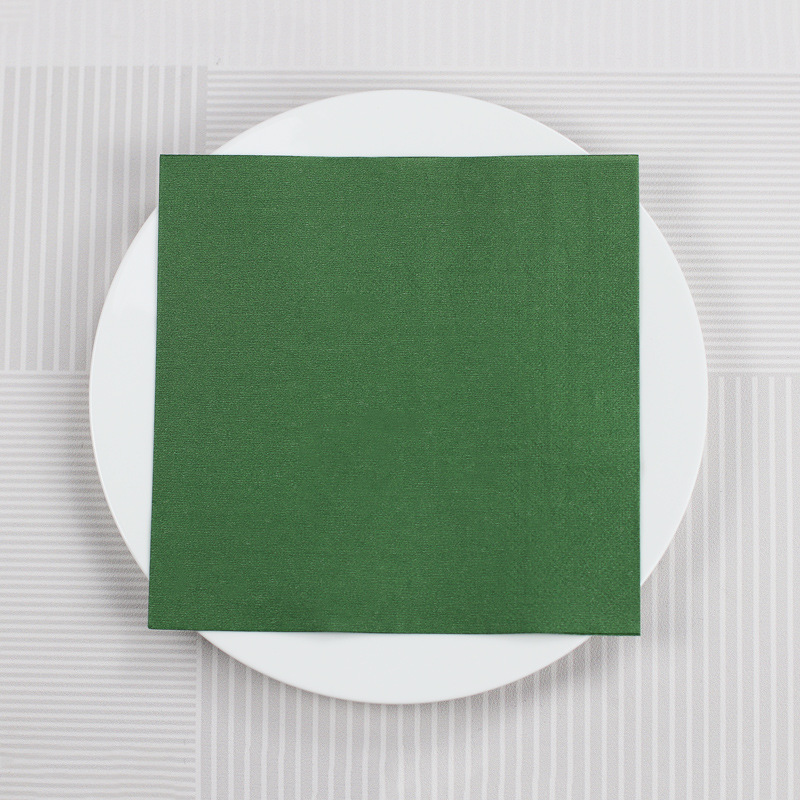 View moreEco-Friendly and Custom Cocktail Napkins: A New Era for Bars and PartiesIn modern dining and social settings, cocktail napkins have become an indispensable detail. They not only serve practical functions but also enhance the overall aesthetic of an event. In recent years, the diversity and customization of colored paper napkins have been driving industry growth, alongside increasing demand for personalized, eco-friendly, and premium applications. Material Diversity One of the key features of cocktail napkins is their material. Traditional paper napkins are widely used due to their low cost and mass production capabilities. However, as consumers demand higher quality and better experiences, material diversity has become a major trend. Today, the market offers a variety of cocktail napkin materials, including: Recycled paper: Eco-friendly and biodegradable, aligning with sustainability goals. Premium non-woven fabric: Soft to the touch, suitable for weddings or upscale bars. Two-tone embossed paper: Adds visual depth, ideal for parties and festive events. Material diversity not only meets different functional requirements but also provides more creative options for custom printed cocktail napkins. Material Comparison Table Material Type Features Suitable Settings Recycled Paper Eco-friendly, cost-effective Bars, home gatherings Premium Non-Woven Soft, durable Weddings, business events Two-Tone Embossed Attractive, high-design Parties, festive events Color and Design Trends The color richness of colored paper napkins is a major factor in attracting consumers. Modern dining and party scenes emphasize personalized experiences, and color coordination plays a key role in enhancing the event atmosphere. Cocktail napkins now offer not only basic colors but also the option to combine designs or messages in custom printed cocktail napkins, meeting specific themes and branding needs. Common Color Applications Color Category Typical Use Advantage Bright Colors Birthday parties, holidays Vibrant and eye-catching Neutral Colors Upscale bars, corporate events Elegant, versatile Themed Colors Weddings, brand events Harmonizes overall visual style Customization and Personalization The rise of custom printed cocktail napkins has transformed them from purely functional products into a medium for conveying brand or event identity. Companies, wedding planners, and event organizers increasingly value customization, including logo printing, pattern design, and color matching. Customization Comparison Table Custom Type Typical Use Benefits Logo Printing Corporate events, business dinners Enhances brand visibility Event-Themed Patterns Parties, festive occasions Creates immersive atmosphere Personalized Text Weddings, birthday parties Adds unique commemorative value Eco-Friendly and Sustainable Options Eco-friendly cocktail napkins are gaining attention in the modern dining industry. Biodegradable paper materials, sustainable manufacturing processes, and recyclable designs allow cocktail napkins to meet practical needs while aligning with environmental responsibility. This trend also supports the widespread adoption of colored paper napkins in both commercial and home settings. Eco-Friendly Material Comparison Table Material Type Environmental Performance Suitable Settings Recycled Paper Biodegradable, resource-saving Home, bars, restaurants Biodegradable Paper Rapid decomposition, eco-friendly Outdoor events, parties Chlorine-Free Paper Non-toxic, low pollution High-end venues Diverse Application Scenarios The range of applications for cocktail napkins further drives the development of colored paper napkins. From upscale bars to home parties, from weddings to festive events, cocktail napkins contribute both visually and functionally. Their diverse materials and colors make them adaptable to various themes and event requirements. Application Scenarios Table Scenario Type Material Choice Color Choice Customization Needs Upscale Bar Premium Non-Woven Neutral Colors Logo Printing Wedding Reception Premium Paper or Non-Woven Themed Colors Personalized Text Birthday Party Colored Paper Bright Colors Event Patterns Festive Events Recycled Paper Themed Colors Logo or Themed Designs Conclusion Cocktail napkins have evolved from a basic utility to an essential element in dining and social events, driven by material diversity, color richness, and customization options. Colored paper napkins, custom printed cocktail napkins, and eco-friendly cocktail napkins enable wide applications across multiple scenarios. From upscale bars to home gatherings, from weddings to festive events, the value of cocktail napkins lies not only in function but also in aesthetics, personalization, and sustainability.2025-09-25+
 -
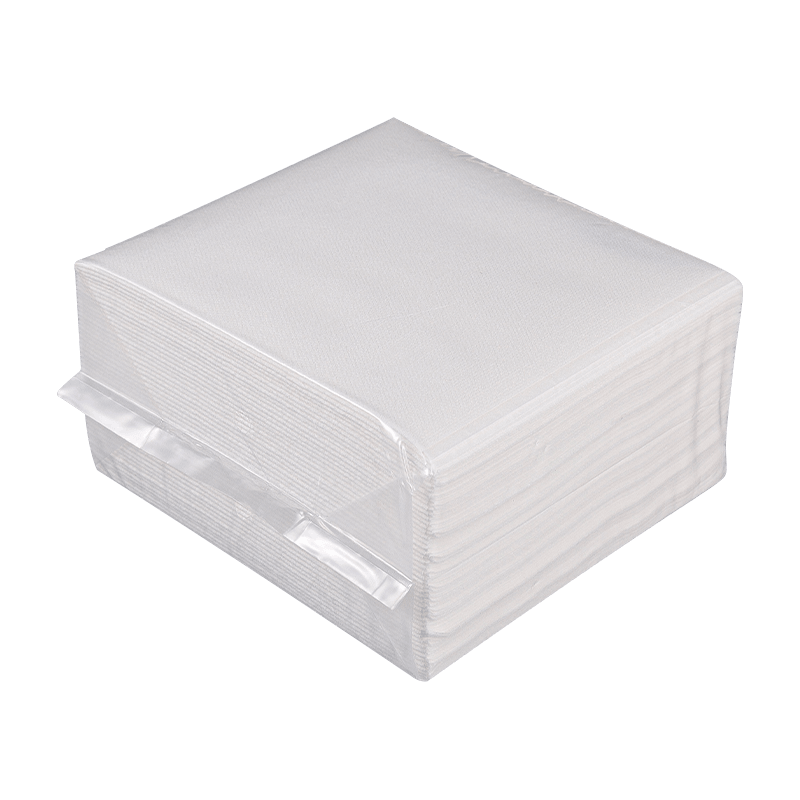 View moreHow Material Innovation Shapes the Hospitality Napkins Industry?The hospitality industry continually seeks solutions that combine functionality, aesthetics, and sustainability. One product that plays a crucial yet often overlooked role is hospitality napkins. Their material composition, durability, and environmental impact significantly influence operational efficiency and guest satisfaction. With rising demand for eco-conscious products, the focus has shifted toward high-quality materials that meet both performance and environmental standards. Wholesale hospitality napkins are increasingly chosen not only for cost efficiency but also for their adaptability to diverse hospitality environments. Material Choices for Hospitality Napkins The choice of material directly affects the napkin’s texture, absorbency, and overall usability. Hospitality napkins are primarily available in cloth and paper formats, each catering to different service levels. Cloth napkins are associated with luxury settings, offering durability and a premium feel, whereas paper napkins prioritize convenience and cost-effectiveness. Material Type Key Features Suitable Applications Average Lifespan Cotton Soft, highly absorbent, durable Hotels, fine dining, banquet events 100+ washes Polyester blend Resistant to stains, retains shape Restaurants, catering 50+ washes Biodegradable paper Eco-friendly, disposable Cafes, casual dining Single use Recycled paper Sustainable, cost-effective Fast-casual restaurants Single use Sustainability Trends in Hospitality Napkins Environmental consciousness has become a key criterion in purchasing decisions. Biodegradable and recycled paper napkins are gaining traction as they reduce the ecological footprint of hospitality operations. Similarly, cloth napkins made from organic cotton are favored for their renewability and reduced chemical usage. By investing in sustainable napkin solutions, hotels and restaurants can demonstrate commitment to environmental stewardship while enhancing guest experience. The adoption of eco-friendly hospitality napkins is further supported by regulatory trends and consumer expectations. Guests increasingly associate sustainable practices with higher service quality, making material choice not only a functional decision but also a strategic branding opportunity. Wholesale Procurement Benefits Purchasing hospitality napkins in bulk offers significant operational advantages. Wholesale hospitality napkins reduce per-unit cost and ensure a consistent supply across multiple outlets. Bulk orders also facilitate standardized quality control, which is particularly important for large-scale events and hotels with high turnover. Procurement Option Advantages Considerations Wholesale orders Lower cost per unit, consistent quality Requires storage space, upfront investment Retail purchases Flexible, smaller quantities Higher cost per unit, inconsistent availability Subscription services Scheduled delivery, reduced stock management Limited customization, subscription fees By leveraging wholesale options, hospitality businesses can streamline their inventory processes, reduce procurement complexity, and maintain uniformity in guest service standards. Design and Functionality Considerations Beyond material, the design of hospitality napkins influences both aesthetic appeal and operational efficiency. Size, fold type, and absorbency are critical parameters for different service environments. For instance, a banquet setting may require larger, elegantly folded napkins, while a casual cafe may prioritize compact, disposable options. Custom-printed napkins are also becoming popular, allowing restaurants and hotels to incorporate branding elements subtly. Such designs enhance visual appeal while reinforcing the establishment’s identity, especially during events and high-profile gatherings. Feature Recommended Options Benefits Size Standard (16x16 in), Large (20x20 in) Versatility, accommodates different service types Fold Square, Tri-fold, Fan Presentation quality, easy handling Print Logo, Pattern Branding, aesthetic enhancement Texture Soft, textured Enhanced guest comfort, improved absorbency Future Outlook The hospitality napkins market is projected to grow steadily, driven by the increasing demand for sustainable and premium service solutions. Innovations in materials, such as biodegradable composites and stain-resistant fabrics, are expected to expand options for bulk procurement while meeting environmental and operational standards. Wholesale hospitality napkins will continue to serve as a strategic choice for establishments aiming to balance cost efficiency with quality and sustainability. Adopting advanced materials and innovative designs allows hospitality providers to meet evolving consumer expectations while optimizing operational workflows. As the market evolves, establishments that integrate these solutions effectively are likely to gain competitive advantages, offering guests both functionality and elevated service experiences. Hospitality napkins, once a simple accessory, now serve as a reflection of operational quality, sustainability commitment, and aesthetic standards. Selecting the right material, design, and procurement strategy is essential for optimizing both cost and guest satisfaction. Wholesale hospitality napkins offer a practical solution for large-scale operations, ensuring consistent quality and efficiency.2025-09-18+
 -
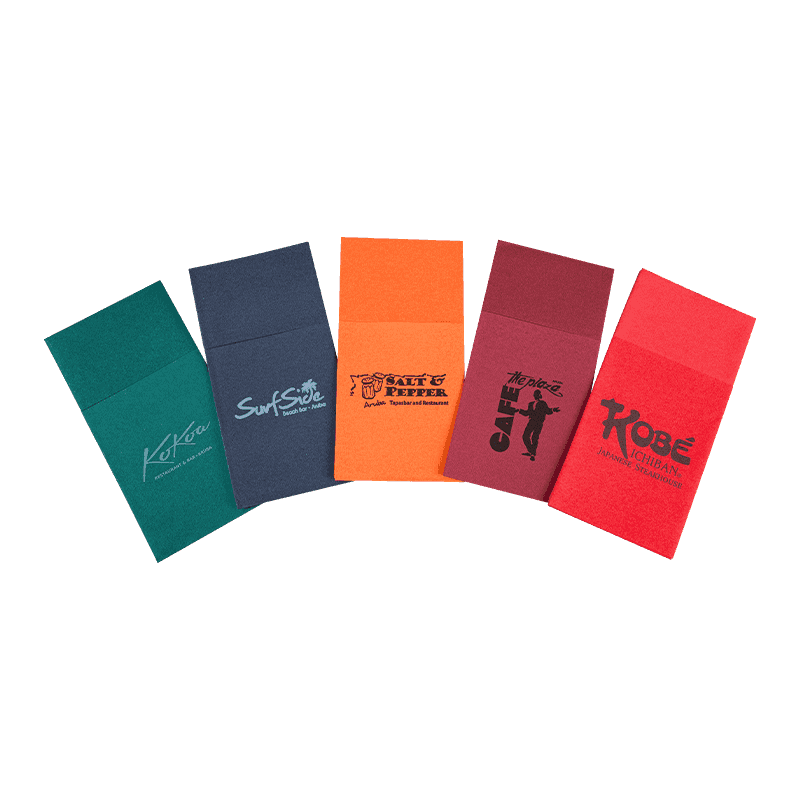 View moreHow the cutlery pocket function enhances the value of colored airlaid napkins with pocket?In the modern dining and hospitality industry, details increasingly define the quality of the overall experience. Among disposable table products, colored airlaid napkins with pocket stand out not only for their soft texture and rich colors, but more importantly for their built-in cutlery pocket function. Compared with traditional napkins, this innovative design combines functionality and aesthetics, reshaping the standards of table settings across restaurants, banquets, and private gatherings. Cutlery Pocket as the Core Feature Conventional napkins or cloth alternatives often rely on folding techniques to present cutlery. In contrast, colored airlaid napkins with pocket integrate a ready-made compartment that securely holds forks, knives, or spoons in place. This eliminates the need for elaborate folding while ensuring a neat arrangement. By keeping utensils organized, the product not only enhances the look of the dining table but also elevates the sense of formality. This functional-meets-design approach aligns perfectly with today’s demand for both convenience and elegance. Aesthetic and Functional Integration The pocket design is not merely practical; it also carries strong decorative value. Luxury colored airlaid napkins with cutlery pockets create visual harmony by merging utensils and napkins into a cohesive presentation. The wide range of colors allows them to match tablecloths, dishware, or event themes, contributing to a coordinated dining atmosphere. For hotels, restaurants, and banquets, such details play an important role in crafting a refined setting where function and beauty coexist seamlessly. Convenience in Application Efficiency is crucial in professional food service, and this is where airlaid pocket napkins for cutlery prove their worth. Pre-arranged with utensils, they simplify table setup and reduce preparation time for staff. For guests, the convenience is equally significant: all necessary cutlery is immediately accessible without confusion. This streamlined process saves labor costs for venues while delivering a smoother dining experience for customers. Hygiene and Safety Assurance In addition to aesthetics and convenience, dinner napkins with cutlery pocket also enhance hygiene. Since cutlery is enclosed within the napkin pocket prior to placement on the table, direct exposure is minimized, reducing the risk of contamination. This design reflects modern standards of food safety and hygiene, responding to the rising health awareness among consumers. By combining cleanliness with practicality, the product addresses one of the industry’s most pressing priorities. Sustainability and Resource Efficiency As environmental responsibility becomes a central theme, eco-friendly colored airlaid napkins with pockets present dual benefits. Produced with biodegradable materials, they align with sustainability goals while reducing the need for additional holders or accessories. This dual role in functionality and eco-consciousness makes them an attractive option for venues that prioritize responsible consumption without compromising on style or performance. Expanding Market Demand The demand for airlaid table napkins with pocket fold is expanding beyond traditional hospitality. Large-scale banquets, weddings, and hotel buffets continue to drive growth, but private celebrations and home gatherings are also increasingly adopting the product. Moreover, the rise of customization creates new opportunities. Custom printed airlaid napkins with pocket allow businesses or individuals to imprint logos, patterns, or thematic designs, turning napkins into a medium of personal expression or branding. The combination of pocket function and customization significantly broadens the product’s appeal. Driving Industry Advancement The success of colored airlaid napkins with pocket highlights a broader industry trend: consumer expectations are rising, and service providers must respond with innovation in even the smallest details. By evolving from a basic cleaning tool to a multifunctional table element, napkins exemplify how thoughtful design can enhance customer satisfaction and redefine industry standards. This shift also encourages producers to integrate utility, design, and sustainability into product development. Future Development Directions The evolution of soft airlaid napkins with pocket will likely focus on several dimensions: Material innovation: Maintaining softness while increasing eco-friendliness and durability. Color diversity: Expanding seasonal or trend-driven palettes to suit various themes. Functional extensions: Exploring alternative pocket shapes or folds to maximize decorative effects. Customization services: Offering tailored printing and branding options to meet diverse needs. By pursuing these directions, the product can continue to adapt to dynamic market trends while reinforcing its role as a premium choice in disposable tableware.2025-09-11+
 -
 View moreHow disposable printed napkins are revolutionizing sustainable dining?The global disposable tableware market has witnessed significant innovation in recent years, with printed napkins taking center stage as both a functional and aesthetic element. Among various features that consumers and businesses consider, material composition has emerged as a decisive factor influencing purchasing decisions, sustainability practices, and brand perception. From restaurants to events, disposable printed napkins are no longer just utilitarian items—they are a reflection of quality, environmental responsibility, and design versatility. The Growing Demand for Printed Napkins In the modern hospitality and consumer goods sectors, the demand for printed napkins has expanded beyond simple utility. Event planners, hotels, and restaurants increasingly require products that can convey brand identity or complement themed décor. The integration of high-quality prints onto disposable paper has made these napkins a unique marketing and design tool. Additionally, the rise of printed napkins OEM services has allowed businesses to customize napkins at scale, embedding logos, patterns, or event-specific designs. OEM manufacturing has democratized access to high-quality printed products, ensuring consistency and enabling brands to meet global standards efficiently. Material Matters: Paper Types and Sustainability The selection of material is arguably the most critical aspect of disposable printed napkins. Different paper grades affect not only absorbency and durability but also the quality of printed patterns. The global market increasingly emphasizes environmentally responsible materials, as consumers demand products that are both functional and sustainable. The most common paper types for printed napkins include: Virgin paper: Soft and highly absorbent, suitable for premium applications. Recycled paper: Eco-friendly, appeals to sustainability-conscious consumers. Bamboo fiber: Innovative, renewable, and biodegradable alternative. Sugarcane pulp: Increasingly popular in Europe and North America for its compostable properties. The choice of material influences both the printing process and the overall consumer experience. High-quality prints require smooth surfaces, while eco-friendly options often require special inks and coatings compatible with the material’s characteristics. Material Comparison Table for Printed Napkins Material Type Absorbency Print Quality Sustainability Typical Usage Virgin Paper High Excellent Low Premium restaurants, hotels Recycled Paper Medium Good High Casual dining, events Bamboo Fiber Medium Good Very High Eco-friendly events, cafes Sugarcane Pulp Medium Moderate Very High Large-scale disposable catering Printing Techniques and Their Implications The quality of printed patterns depends heavily on the chosen printing technique. Traditional offset printing offers precise and vibrant results, making it ideal for intricate designs and logos. Flexographic printing, widely used for mass production, ensures cost-efficiency while maintaining acceptable print fidelity. For disposable printed napkins, the ink selection is equally important. Food-safe, non-toxic inks are mandated for items that may come into contact with food. Additionally, water-based inks align with eco-conscious manufacturing practices, especially when paired with sustainable materials such as recycled paper or bamboo fiber. Customization Trends in the Global Market The increasing availability of printed napkins OEM services has shifted market expectations. Businesses no longer settle for generic designs; they demand products that align with brand colors, themes, and messaging. Disposable printed napkins can now be tailored for corporate events, weddings, holidays, and marketing campaigns. Customization extends beyond visual design. Businesses often request variations in napkin size, ply count, and texture to enhance perceived quality. Two-ply recycled paper napkins may be more appealing to environmentally conscious event planners, while triple-ply virgin paper napkins offer a more luxurious feel. Market Insights and Consumer Preferences Consumer preference increasingly leans toward products that balance performance and sustainability. High-quality absorbency, soft texture, and vibrant prints remain non-negotiable, but the environmental impact of printed napkins is now equally critical. Restaurants and event planners are exploring biodegradable options, as regulatory pressure and consumer awareness rise in North America and Europe. In terms of marketing potential, printed napkins serve as subtle yet effective branding tools. The visual impression they create can enhance table aesthetics and reinforce brand identity, especially when the product features a logo or unique pattern. Opportunities for OEM Manufacturers OEM manufacturers are uniquely positioned to capitalize on these trends. By offering flexible production runs, material options, and printing techniques, they cater to a diverse range of clients seeking printed napkins. Key opportunities include: Eco-friendly materials: Developing high-quality prints on recycled or compostable substrates. Personalization services: Providing small batch runs for boutique events or corporate clients. Premium finishes: Introducing embossing, foil stamping, or textured paper to enhance consumer experience.2025-09-04+
 -
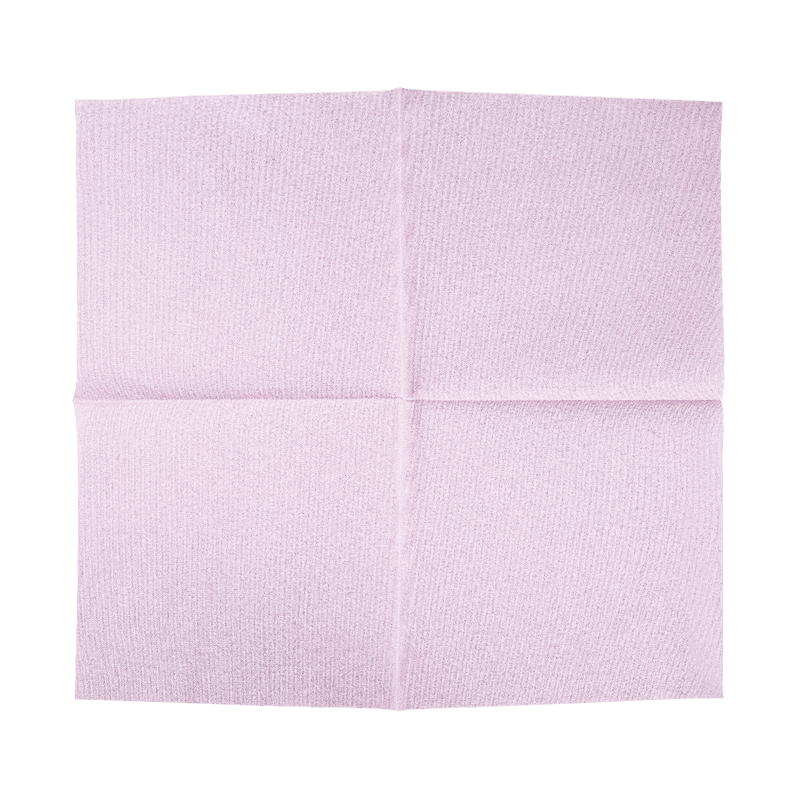 View moreLinen-Colored Airlaid Paper Napkins: A Stylish Aesthetic Between Foldslinen-like colored airlaid napkins disposable demonstrate precise consideration of practical applications in their size and folding design. Each napkin measures 40x40 cm, meeting basic dining needs while providing ample space for folding. Pre-folded into a quarter-size, they easily adapt to any table setting, from casual family gatherings to formal banquets. This folding method not only simplifies use, allowing for quick access without additional organization, but also creates a visually organized aesthetic on the table, adding a touch of sophistication to the overall dining experience. Superior Material PropertiesThe napkins are made from premium airlaid paper, a material that far surpasses standard paper towels in performance. The airlaid process creates a unique fiber structure, giving the napkins exceptional strength, making them less prone to breakage and able to withstand the rigors of dining. This structure also significantly enhances absorbency, quickly absorbing liquids and keeping hands and surfaces dry. More importantly, the airlaid paper mimics the luxurious texture of linen, feeling soft and comfortable to the touch, giving you the same experience as using high-end linen napkins. However, its disposable nature eliminates the tedious steps of washing and tidying, making post-meal cleanup quick and convenient. The Unique Charm of ColorLinen has an inherently elegant and natural quality, adding a unique touch to any table setting. This understated yet textured color complements a variety of tableware, tablecloths, and dining themes. Whether for a romantic wedding, a lively party, a formal corporate event, or an intimate holiday dinner, linen-like colored airlaid napkins disposable blend seamlessly into any setting, enhancing the overall elegance of the dining experience. While less eye-catching than bright colors, their subdued quality creates a harmonious and comfortable atmosphere, allowing guests to subtly sense the exquisite care and attention paid to the dining experience. A Concrete Reflection of Environmental ProtectionIn today's world of sustainable development, napkins excel in environmental protection. Made from environmentally friendly and biodegradable materials, these napkins gradually decompose in the natural environment after use, leaving no long-term environmental impact. They are an ideal sustainable alternative to traditional linen napkins. For conscious consumers focused on reducing waste and environmental protection, choosing linen-like colored airlaid napkins disposable not only meets dining needs but also embodies environmental protection, achieving a perfect combination of practicality and environmental friendliness, demonstrating a responsible attitude towards the ecological environment. High-Quality User ExperienceThe airlaid structure not only ensures maximum absorbency, but also its soft linen texture provides a luxurious feel. Whether wiping grease from the corners of your mouth or cleaning water stains from your hands, these napkins easily handle the task, providing a comfortable, non-irritating feel. This premium user experience allows guests to appreciate the host's thoughtfulness, enhance their overall dining experience, and make every meal a truly enjoyable one. The Practical Value of DurabilityAlthough these napkins are disposable, their durability should not be underestimated. Its special material and craftsmanship give it high strength, allowing it to maintain good condition and resist tearing even with frequent use during dining and drinking. This means that a single napkin can usually meet guests' basic needs throughout the meal, avoiding the need for frequent changes due to napkin damage. This not only reduces waste but also ensures the consistency and neatness of the dining process. It can function reliably in various dining scenarios, demonstrating its practical and efficient value.2025-08-28+
 -
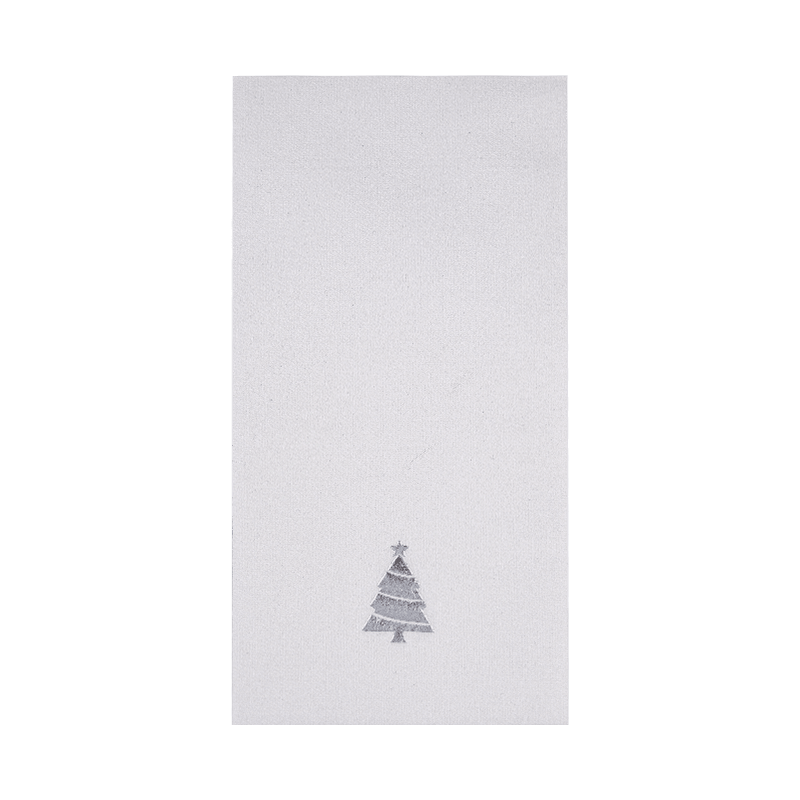 View moreSilvery Texture: The Festive Charm of Thick Airlaid Paper NapkinsThe exceptional performance of thick airlaid paper napkins stems primarily from the high-quality airlaid material they utilize. This material utilizes a unique production process that randomly arranges and reinforces fibers, creating a paper structure that combines a soft touch with a solid feel. Compared to traditional tissues, their significantly thicker texture not only delivers a delicate, fabric-like feel but also offers breakthroughs in absorbency and durability. They resist tearing and tearing even after repeated use, eliminating the common issues with traditional tissues.Design Aesthetics: Silver Hot Stamping Creates a Festive AtmosphereThe product's visual presentation features a stylish silver hot stamping design, imbued with a premium feel through a sophisticated hot stamping process. Silver, a classic holiday color, evokes the pure spirit of winter while complementing the festive atmosphere of holiday celebrations. The shimmering texture created by the hot stamping technology not only enhances the napkin's decorative appeal but also perfectly complements the sophisticated ambiance of holiday parties and winter dinners. This design is more than just a visual embellishment; through the integration of materials and craftsmanship, napkins become a key element in table settings, connecting practicality with ambiance.Size Advantage: Balancing Practicality and AdaptabilityThe large size of thick airlaid paper napkins is a key consideration in achieving both practicality and decorative appeal. Their ample surface area effectively absorbs stains during everyday dining, fulfilling practical needs. Furthermore, in table settings, large napkins can be folded into various shapes, creating a decorative accent around plates. Whether neatly displayed at a buffet or meticulously arranged at a wedding banquet, their size adapts to various settings, eliminating the decorative limitations of smaller napkins and the hassle of frequent changes for special occasions, achieving a balance between functionality and ambiance.Environmental Benefits: A Sustainable ApproachBeyond quality, thick airlaid paper napkins demonstrate environmental value. Made from recyclable materials and biodegradable, they naturally blend into the environment after their lifecycle, reducing ecological impact. This feature perfectly aligns with today's consumer pursuit of a sustainable lifestyle, particularly during holiday shopping. It satisfies people's need for a sense of ritual while avoiding the environmental impact of traditional disposable items. It balances a refined experience with environmental responsibility, offering an option that aligns with the values of eco-conscious consumers.Gift Value: A Carrier of Quality and ThoughtThe exquisite packaging elevates thick airlaid paper napkins beyond mere daily necessities, making them a stylish gift. For recipients who enjoy holiday tablescapes or appreciate a refined lifestyle, their combination of functionality and design creates a practical yet aesthetically pleasing gift. Compared to more common gifts, napkins, as frequently used items, allow recipients to appreciate the gifter's thoughtfulness at every meal. This combination of practical value and emotional expression makes them a unique and thoughtful holiday gift.2025-08-21+
 -
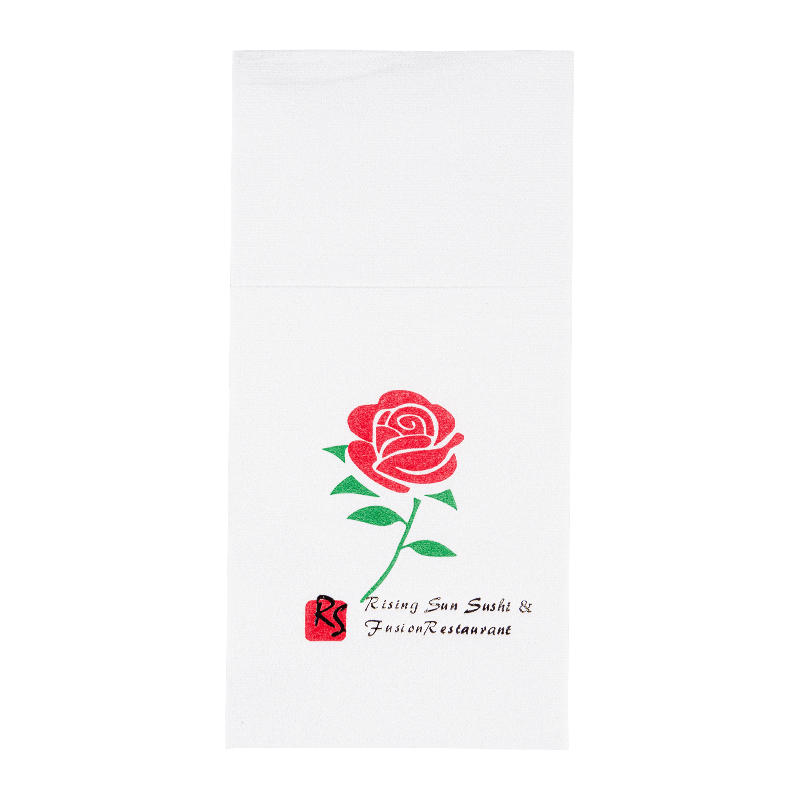 View moreAirlaid Paper Napkins: An Innovative Choice for Table SettingFor dining and events of all kinds, the quality and style of a table setting are crucial. As a key element, napkins directly impact the overall atmosphere and practicality. Soft, airlaid paper napkins with pockets offer unique advantages, making them a premium, elegant solution for restaurants, hotels, banquets, and events.Unique Material: Soft yet DurableAirlaid paper napkins are manufactured using advanced air-laid technology. During this process, airflow evenly distributes and deposits fibers onto a moving belt, creating a unique fiber structure. Unlike traditional papermaking processes, air-laid technology eliminates the need for chemical binders, resulting in napkins with a cloth-like softness and exceptional durability. The high-quality air-laid paper used ensures a comfortable softness while remaining strong enough to withstand the demands of dining, such as wiping stains and handling spills. Even after repeated use, they remain durable, comparable to traditional cloth napkins.Sophisticated Design: Pocket Enhances Practicality and DisplayThe pocket design is a key feature of this type of napkin. The pocket greatly enhances the functionality of the napkin, easily accommodating small items like silverware, cutlery, and even napkin rings. In practical use, this design not only provides convenience and prevents spills, but also effectively enhances the cleanliness and aesthetics of the table. From a display perspective, the pocket adds a three-dimensional and layered feel to the table, adding a touch of sophistication and elegance to the overall setting. Whether it's a formal business dinner or a romantic wedding dinner, it perfectly enhances the dining experience.Excellent Performance: Soft and AbsorbentDespite being made of paper, airlaid paper napkins exhibit exceptional absorbency. This is due to their unique fiber structure, which quickly absorbs liquid and locks it between the fibers, ensuring a dry surface. Furthermore, their soft texture is gentle on the user's skin, making them suitable even for those with sensitive skin. This soft, absorbent nature makes it versatile for a variety of occasions, from casual gatherings to formal banquets, providing diners with a delightful dining experience.Wide Applications: Suitable for a Variety of ScenariosAirlaid paper napkins are versatile and are a great addition to any social or business event. At weddings, their elegant appearance and sophisticated design complement the romantic atmosphere, creating a warm and inviting dining environment for couples and guests. Restaurants can enhance their service while offering a comfortable and convenient dining experience, attracting more diners. At parties, a variety of colors and patterns can be coordinated to suit the theme, adding a festive atmosphere. At banquets and corporate events, their practicality and aesthetics meet the needs of large-scale dining, showcasing the professionalism and quality of the event.Environmental Advantages: Contributing to Sustainable DevelopmentWith growing environmental awareness, airlaid paper napkins are particularly environmentally friendly. They are fully biodegradable and compostable, breaking down quickly in the natural environment without the long-term environmental pollution associated with traditional plastic products. For companies and individuals who value environmental protection, choosing airlaid paper napkins is not only a pursuit of product quality, but also a positive contribution to environmental protection. It conforms to the concept of sustainable development and helps promote the green development process of the entire society.2025-08-14+
 -
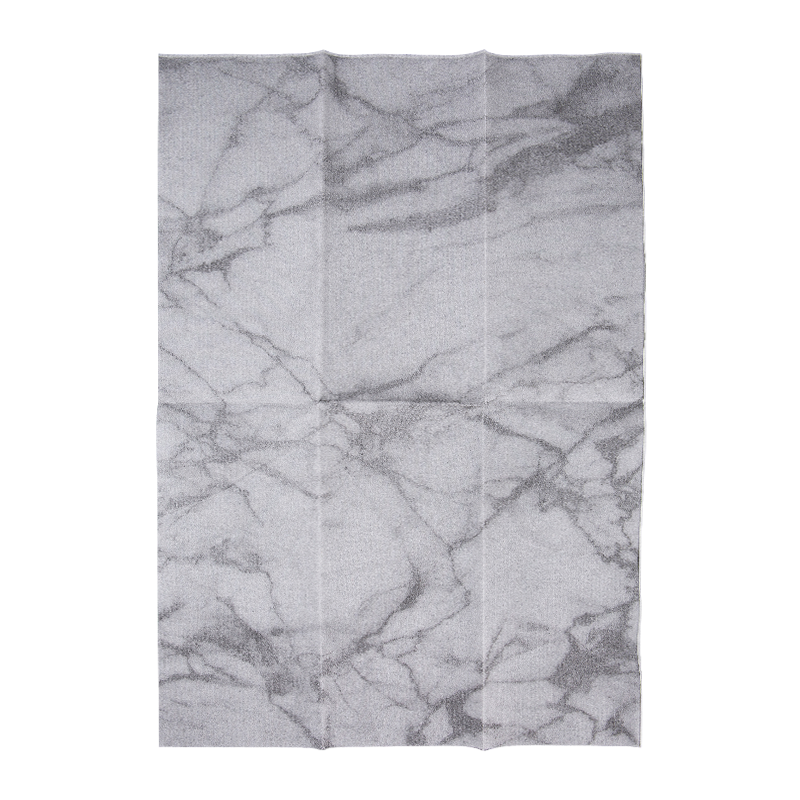 View moreGrey Full Printing Airlaid Napkins: A Sustainable New Approach to Disposable NapkinsGrey full printing airlaid napkins are made entirely from biodegradable natural ingredients. From the selection of plant fibers to the use of processing aids, no harmful chemicals are added. This material decomposes quickly in the natural environment, eliminating the long-term pollution associated with plastic products and reducing the burden on the ecosystem at the source. Furthermore, the production process prioritizes energy conservation and emission reduction, optimizing processes to reduce energy consumption and wastewater discharge, ensuring that the entire supply chain meets green development standards. This commitment to environmentally friendly materials ensures that napkins not only meet basic needs but also achieve a harmonious coexistence with the natural environment.Large Size: Versatile SuitabilityGrey full printing airlaid napkins feature a wide design, making them far more practical than ordinary napkins. Whether for a formal banquet or a casual family gathering, they provide excellent coverage, effectively protecting clothing and tabletops from stains. In formal settings, its flexible form complements exquisite tableware, enhancing the overall elegance of the setting. In casual settings, its generous surface area allows for a variety of uses, such as serving as a placemat or wrapping small items. This versatility eliminates the need for frequent product changes depending on the occasion, reducing both operating costs and resource consumption, further embracing the concept of sustainable development.Printing Technology: A Fusion of Personality and Quality AssuranceThe printing technology behind these fully printing airlaid napkins is key to their aesthetic and practicality. This technology accurately reproduces a wide variety of patterns and logos, showcasing everything from intricate wedding motifs to restaurant logos and corporate event themes with vivid detail. The printed colors are durable and durable, resisting wiping or water fading, ensuring consistent visual appeal throughout use. Furthermore, the printing pigments used are environmentally friendly, free of heavy metals and hazardous volatiles, ensuring safety for human contact and preventing soil and water contamination upon disposal. This fusion of personalized expression and environmental protection ensures a product that meets the decorative needs of diverse settings while maintaining a sustainable foundation.Performance: A Practical Balance of Toughness and SoftnessFully printing airlaid napkins achieve an excellent balance of toughness and softness in terms of physical properties. Their material is resilient and tear-resistant, maintaining its shape even when wet, eliminating awkwardness and waste during use. Furthermore, their surface feels soft and delicate, without any roughness on the skin, enhancing comfort. Their excellent absorbency is another key advantage, quickly absorbing liquids and effectively cleaning tabletops and hand stains, ensuring a clean and tidy dining experience. This combination of toughness, softness, and absorbency makes them just as practical as traditional napkins, while their environmentally friendly nature further enhances their contemporary value, truly striking a balance between quality and sustainability.Comprehensive Value: Creating Long-Term Benefits for Commercial CustomersFor chain restaurants, takeout packaging, or the food processing industry, grey full-printed airlaid napkins are not just hygiene products; they are also a key component of branding and sustainable operations. It strikes a balance between practicality, aesthetics and environmental protection, helping companies establish a green and responsible image. At the same time, it responds to the global trend of reducing disposable plastics and promotes the green transformation of the industry.2025-08-07+
 -
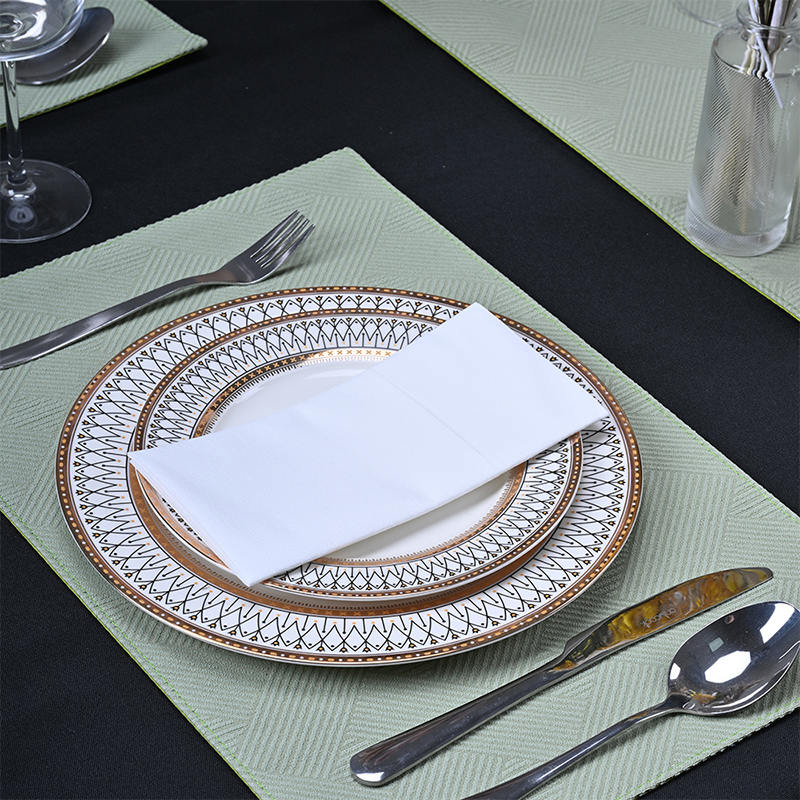 View moreThe Perfect Fusion of Elegance and Practicality: White Airlaid Napkins DisposableWhite airlaid napkins disposable uses a substrate made of high-quality air-laid web technology. The fibers are evenly spread through air combing technology to form a delicate texture similar to linen fabric. It feels soft and elastic when touched, completely getting rid of the roughness and thinness of ordinary paper towels. The material itself has natural fluffiness, which ensures a comfortable experience when in contact with the skin, and achieves excellent structural stability through the close bonding between fibers. Even when repeatedly wiped or in contact with soup, it can maintain its shape intact and avoid the embarrassment of breaking or falling off. White, as the basic color, is not a simple color choice, but a pure and uniform visual effect presented through a special bleaching process. It can not only highlight the neatness of the dining environment, but also naturally integrate into various table settings, becoming an implicit link between tableware and decorative styles.Functional design: the integration of functionality and aesthetic valueIn terms of functional design, the built-in pocket structure of the napkin is its iconic innovation. This seemingly simple design contains a detailed consideration of the dining scene. It can neatly store tableware such as knives, forks and spoons, reduce the placement time during pre-meal preparation, and improve the overall coordination of the dining table through a unified storage form. The edge of the pocket has been specially pressed to maintain the stability of the structure, forming a natural pleated beauty, so that the tableware presents an orderly display effect. The high water absorption of the material itself comes from the natural hydrophilicity of the fiber, which can quickly absorb liquid and lock in moisture to avoid leakage during the meal. Its durability is reflected in its tear resistance. Even if it is subjected to a certain amount of tension or friction, the connection between the fibers is still tight, ensuring that it always maintains its complete shape throughout the entire dining process.Scene adaptation: universal performance across spaceThe adaptation scene of white airlaid napkins disposable is extremely inclusive, whether it is a formal occasion or a private party, it can show an appropriate sense of presence. In commercial places such as restaurants and hotels, its pure white color can be coordinated with the decoration style of various theme restaurants. From simple and modern to classical and elegant environments, its integration can enhance the overall texture of the dining space. For large-scale events such as weddings and banquets, its batch use not only ensures the uniformity of hygiene standards, but also reduces the complexity of venue layout through neat appearance, making preparations more efficient. In private gatherings, it can enhance the ritual sense of family dining with just the right sense of refinement, while saving the trouble of washing traditional cloth napkins.Environmental attributes: practical expression of sustainable conceptsThe environmental protection concept has been deeply implemented in the design of white airlaid napkins disposable, rather than a simple additional attribute. The selection of its raw materials follows the principle of biodegradability, and it can be gradually decomposed by microbial action in the natural environment, reducing the burden on the ecosystem. The low-energy consumption process is used in the production process to reduce energy consumption and carbon emissions, and implement environmental protection commitments from the source. Although it is a disposable product, its durability enables it to fully function in a single use, avoiding the waste of resources caused by frequent replacement. This combination of environmental protection and practicality responds to the current demand for sustainable dining methods, meets the convenience of immediate use, and takes into account the long-term responsibility for the environment.2025-07-31+
Message Us Right Now!

Address: Tianyuan Road 18, Baishuiwan Industry Park, Tianhuangping Town,
Anji County,Zhejiang Province
- Contact
-
+86-18205820793lydia@shuangjiepaper.comPhone
- Get Connected

