
 English
  Español


Cloth Napkins: Why Reusables Are Outperforming Paper in Commercial & Home Dining
Content
- 1 What’s a Cloth Napkin?
- 2 What Is the Best Fabric for Cloth Napkins?
- 3 What Is a Good Size for Cloth Napkins?
- 4 How to Select Fabric Colors and Patterns for Table Settings
- 5 Proper Placement and Layering (With Runners & Chargers)
- 6 Washing and Maintenance: Do You Wash Cloth Napkins After Every Use?
- 7 Durability: How Often Do You Need to Replace Fabric Napkins?
- 8 What Can You Do With Old Cloth Napkins?
- 9 Where To Buy Eco-Friendly Cloth Napkins?
- 10 FAQ
In the evolving landscape of sustainable dining, the debate between disposable paper and reusable textiles continues to intensify. Industry data suggests that a cloth napkin is no longer just a formal accessory but a long-term cost-saving tool for both households and hospitality businesses.
What’s a Cloth Napkin?
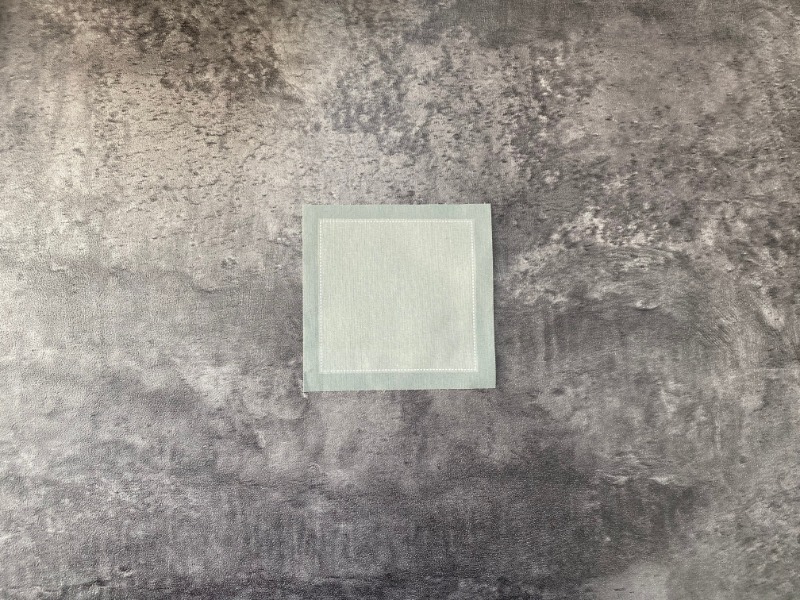
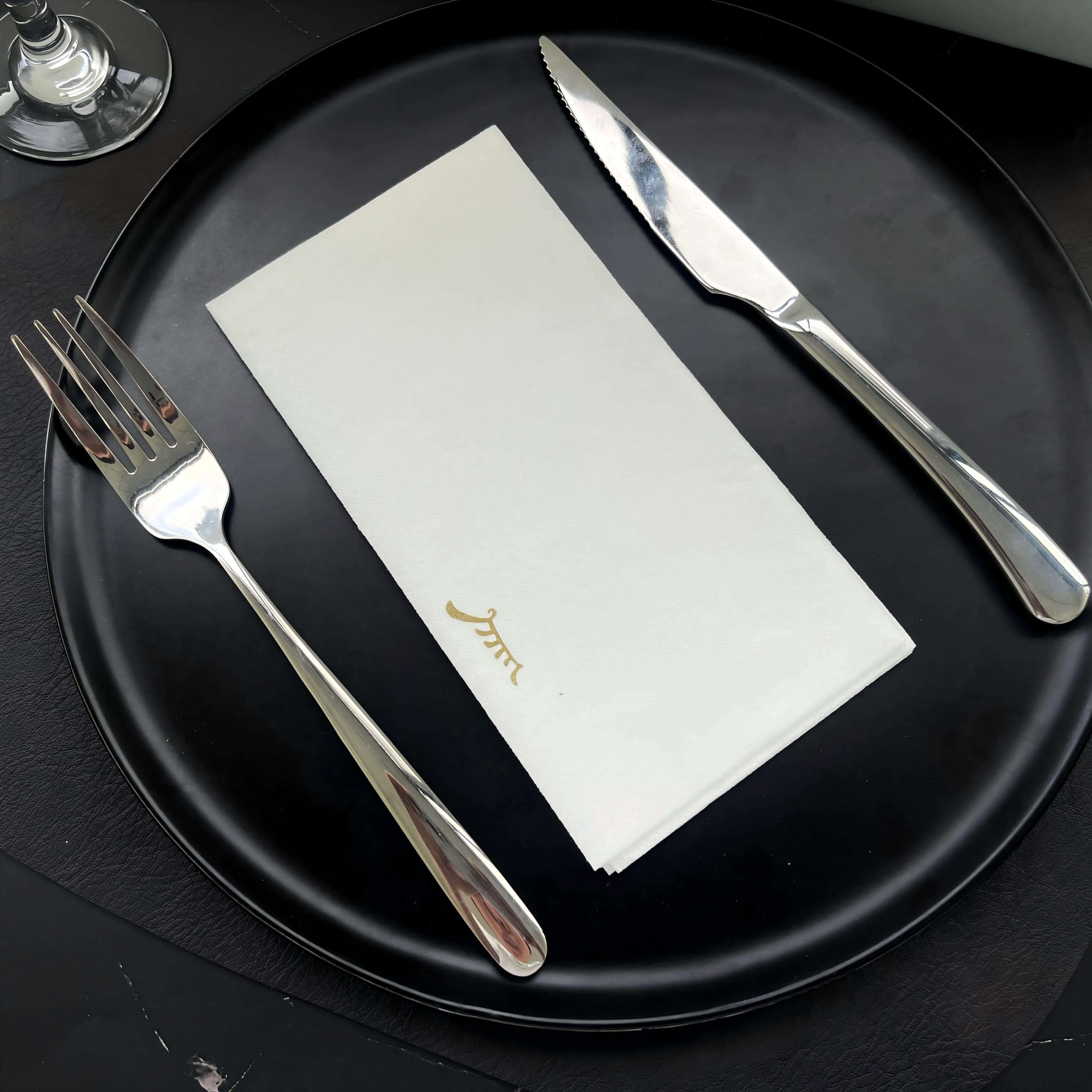
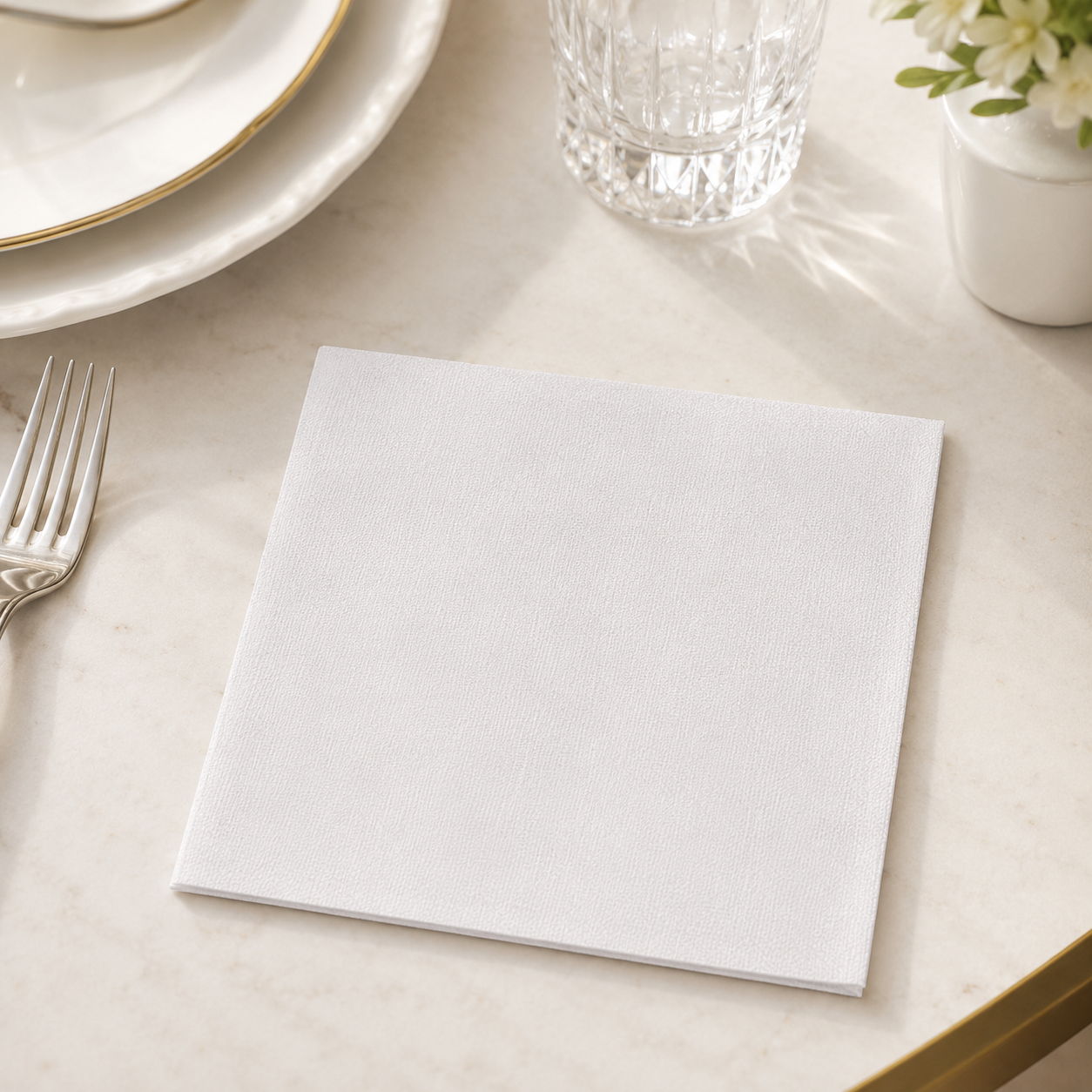
A cloth napkin is a reusable piece of fabric designed for wiping hands and mouth during meals. Unlike disposable paper options, a cloth napkin is soft, absorbent, and intended for long-term use. Typically made from materials such as linen, cotton, or polyester, cloth napkins range in size based on function: a dinner cloth napkin can measure around 19 inches square, while a cocktail cloth napkin for holding glasses typically ranges between 5 and 10 inches square. In both home and commercial settings, the cloth napkin serves not only a practical purpose but also an aesthetic one, instantly elevating the dining experience.
What Is the Best Fabric for Cloth Napkins?
When selecting a cloth napkin, the fabric dictates absorption and durability. While linen and polyester blends are available, cotton napkins remain the industry standard for daily use.
- Cotton: Highly absorbent, pleasant against the skin, and cost-effective.
- Polyester: Less absorbent and environmentally taxing.
- Organic Cotton: The most eco-friendly option with the lowest environmental impact.
For commercial settings (restaurants or catering), 100% cotton offers the best balance between absorbency and resistance to frequent washing.
What Is a Good Size for Cloth Napkins?
Size directly affects functionality. Using the wrong size can disturb the table setting.
| Type of Napkin | Recommended Size (Square) | Best Use Case |
|---|---|---|
| Dinner Napkin | 19 x 19 inches | Formal events, heavy meals |
| Luncheon Napkin | 14–16 inches | Casual daily dining, office meals |
| Cocktail Napkin | 5–10 inches | Beverage service, small snacks |
The ideal size for dinner cloth napkins is typically around 19x19 inches, providing enough fabric to protect clothing without excessive bulk.
How to Select Fabric Colors and Patterns for Table Settings
Colors and patterns should harmonize with existing tableware. If your dinnerware has patterns, solid-colored napkins are a safe choice. Conversely, if the tablecloth is a solid color, a printed cloth napkin adds visual depth.
Note on matching: Should napkins be the same color as the tablecloth?
- Formal dining: Matching neutral colors creates a cohesive look.
- Casual dining: Contrasts or complementary colors are encouraged for a fun aesthetic.
Proper Placement and Layering (With Runners & Chargers)
Placement affects guest convenience. Fold and place napkins to the left of the forks for easy access. For formal layering:
Lay the tablecloth or runner as the base (6–12 inch drop).
Position the charger plate 2 inches from the table edge.
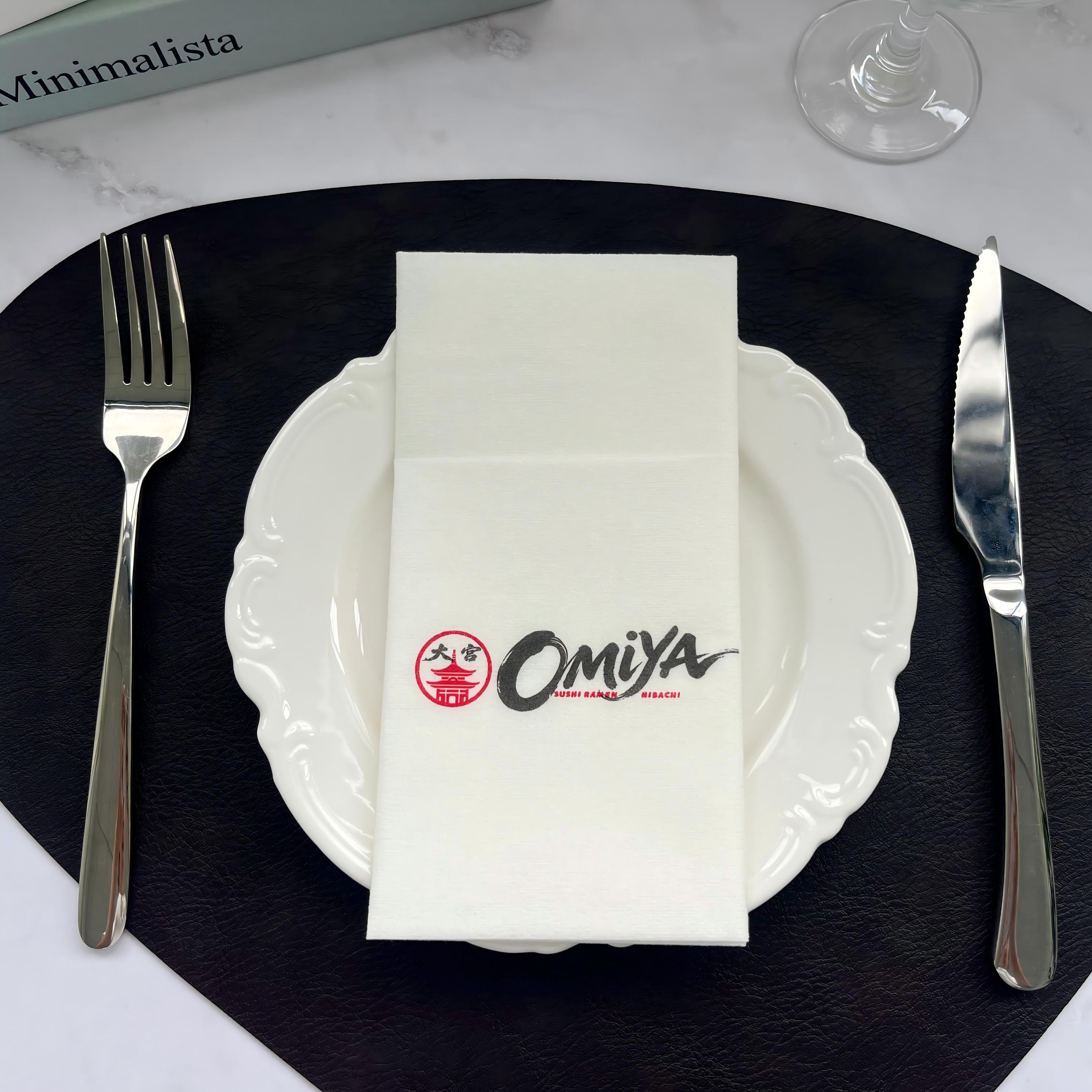
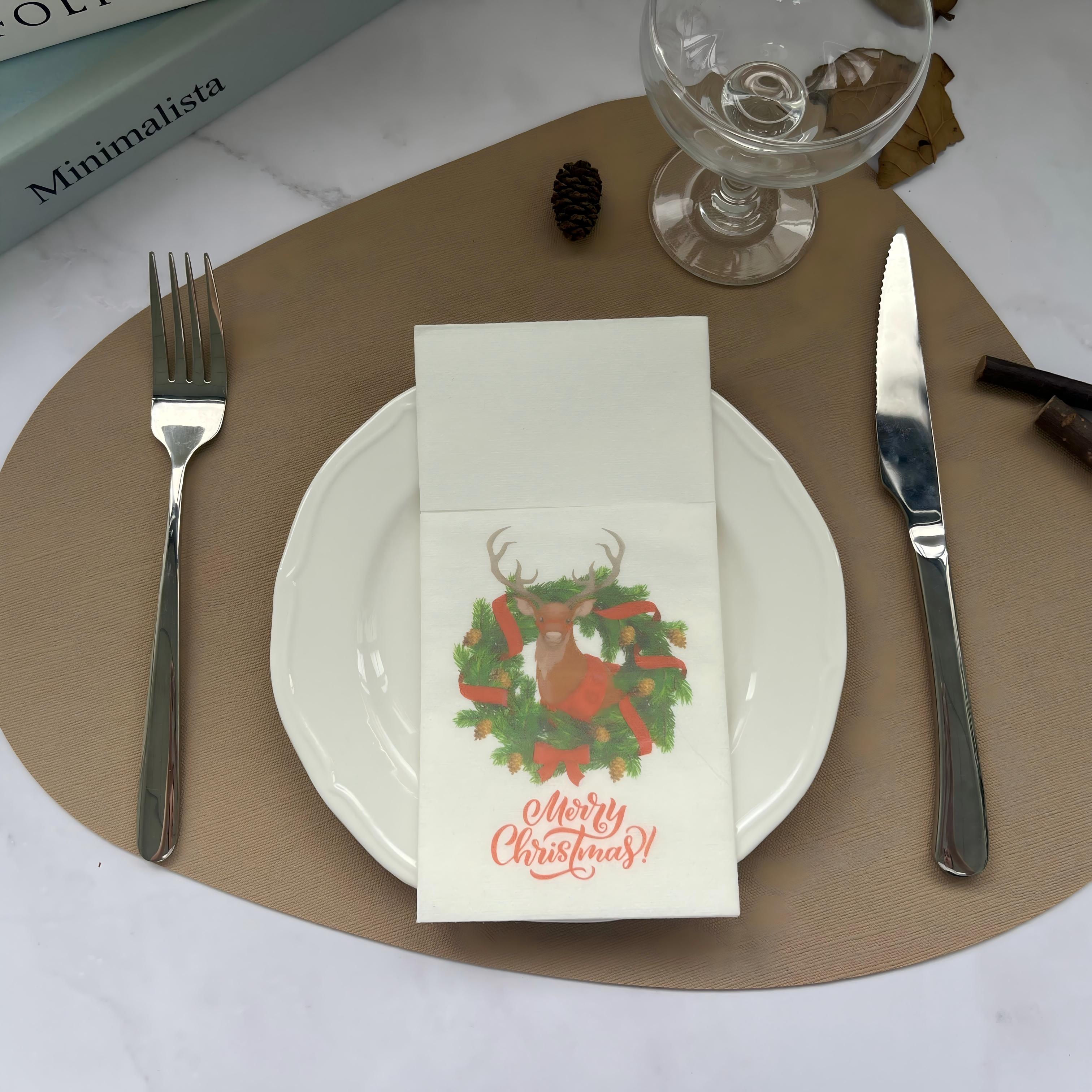
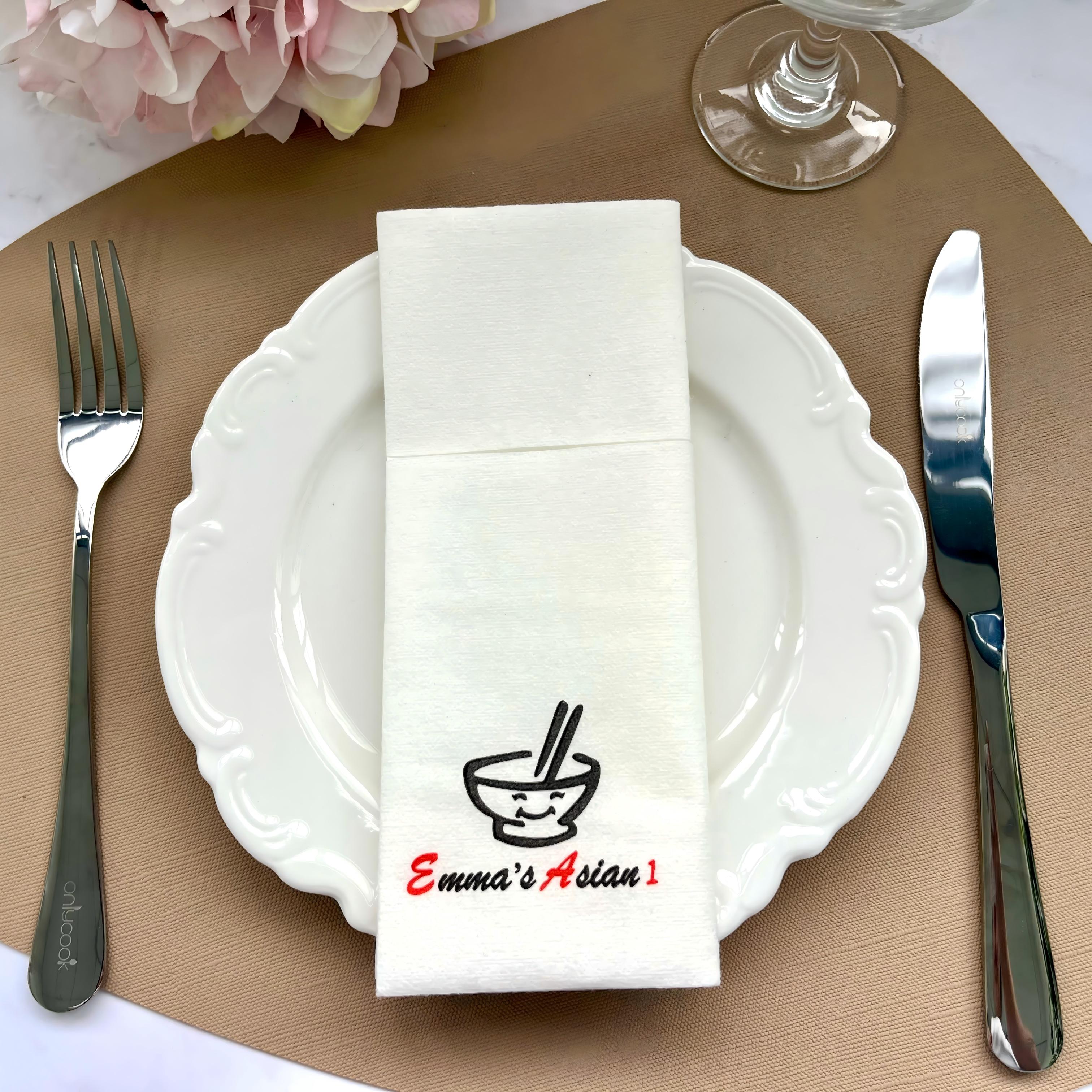
Place the cloth napkin on the dinner plate or left of the forks.
When you layer napkins with runners and chargers, maintain symmetry. For instance, pairing a neutral runner with cotton napkins creates a textured, inviting table without requiring placemats.
Washing and Maintenance: Do You Wash Cloth Napkins After Every Use?
Yes, it is a good practice to wash napkins after each use. Regular washing prevents stains from setting in. However, for lightly used napkins, folding and reusing by the same person is acceptable in busy environments.
How to Wash Cotton Cloth Napkins (Industry Protocol)
To extend the life of your cotton napkins:
- Water temperature: Cold water with mild detergent.
- Drying: Air-dry flat away from direct sunlight (UV rays cause fading).
- Avoid: Fabric softeners, as they ruin absorbency.
- Stain removal: Pre-treat oil or wine spills with baking soda, soak for 10–15 minutes, then wash as usual.
Should fabric napkins be ironed? Ironing is optional but enhances the polished table appearance. To avoid ironing, remove napkins from the dryer while slightly damp and lay them flat.
Durability: How Often Do You Need to Replace Fabric Napkins?
With proper care, high-quality cotton napkins can last for years, often becoming softer with each wash. You only need to replace them when you see signs of excessive wear, thinning fabric, or stubborn stains that won’t come out.
For households using reusable napkins daily, rotating several sets reduces strain on any single batch and extends their lifespan.
What Can You Do With Old Cloth Napkins?
Even after serving their dining purpose, old napkins can be repurposed. They make excellent reusable cleaning cloths, sewing patches, or crafting materials. This aligns with eco-friendly dining principles by keeping textiles out of landfills.
Where To Buy Eco-Friendly Cloth Napkins?
Zhejiang Huzhou Shuangjie Paper Co., Ltd. understands that the shift toward reusables requires not just the right product but also efficient production lines. As a specialized manufacturer, we focus on the R&D, production, and processing of cloth napkins alongside advanced paper converting equipment. Our machinery solutions—from automatic embossing to printing and folding machines—enable businesses to produce high-quality textiles and papers at scale.
If your business is considering moving from paper to organic cotton napkins, having the right converting equipment ensures consistency in size, edge finishing, and fold types.
FAQ
1. Are cloth napkins worth it compared to paper?
Yes. While paper might seem cheaper upfront, a cloth napkin can be reused for 2–3 years with proper maintenance, making them more cost-effective long-term.
2. What is the etiquette for cloth napkins in formal dining?
Place the napkin on your lap as soon as you are seated. Use it to dab your mouth. When finished, fold it neatly and place it to the left of your plate—never on top of the plate itself.
3. Do I need to wash cloth napkins after every single use?
Ideally, yes. However, in real-life scenarios, lightly used napkins can be folded and reused by the same person. For hygiene, keep a clean stack nearby for replacements.
4. Can I use fabric softener on cotton napkins?
No. Avoid fabric softeners as they coat the fibers and ruin the fabric’s absorbency. Use only mild detergent and cold water.
5. How do I choose the right cloth napkin for my business?
Focus on the best fabric for cloth napkins (100% organic cotton for eco-points), standard sizes (19x19 for dinner), and ensure you have a washing protocol that prevents fading.


- Contact
-
+86-18205820793lydia@shuangjiepaper.comPhone
- Get Connected

