
 English
  Español


Why Are Airlaid Napkins Becoming Popular in High-End Table Settings?
Content
- 1 Introduction
- 2 What Are Airlaid Napkins?
- 3 Why Airlaid Napkins Are Becoming Popular in High-End Settings
- 4 How Airlaid Napkins Are Made
- 5 Material Advantages of Airlaid Technology
- 6 Applications in High-End Table Settings
- 7 Aesthetic Value in Modern Table Design
- 8 Hygiene and Safety Benefits
- 9 Sustainability Considerations
- 10 Cost Efficiency and Value Perspective
- 11 Performance Comparison with Other Napkin Types
- 12 Role in Modern Hospitality Trends
- 13 Conclusion
- 14 FAQ
Introduction
In modern hospitality and dining culture, table presentation has evolved into an essential part of the overall guest experience. Beyond food quality, visual aesthetics and tactile comfort now play a decisive role in shaping perceptions of luxury and refinement. Within this transformation, airlaid napkins have emerged as a preferred choice in high-end table settings.
Unlike conventional paper alternatives, airlaid napkins combine softness, strength, and fabric-like texture, offering a premium feel without the complexity of textile maintenance. As restaurants, hotels, catering services, and event organizers increasingly prioritize both elegance and efficiency, demand for airlaid napkins continues to rise steadily.
What Are Airlaid Napkins?
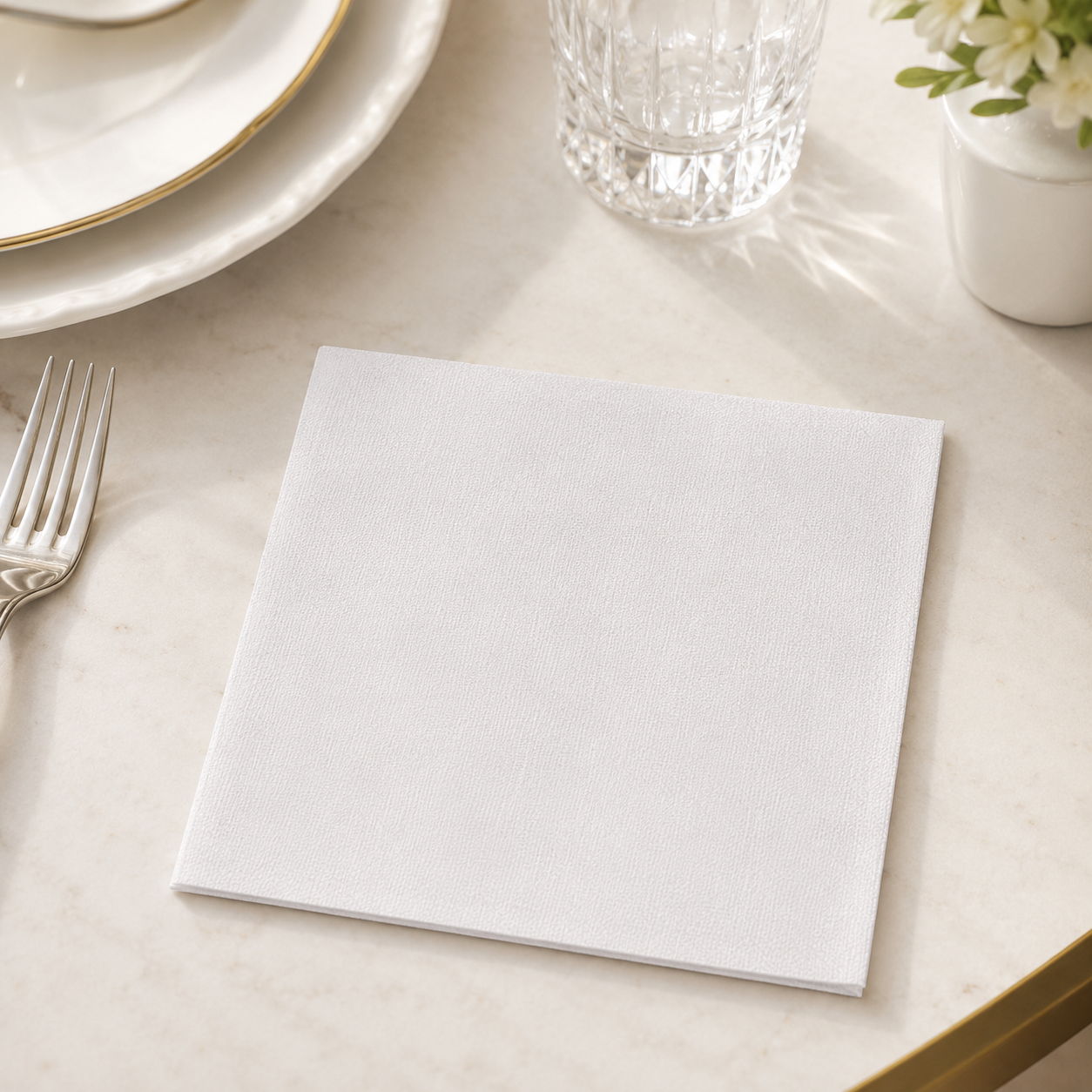
Airlaid napkins are a type of non-woven disposable napkin produced using airlaid technology. Instead of water-based paper formation, fibers are bonded using air and bonding agents, creating a thicker, softer, and more textile-like material.
They are widely regarded as a premium alternative to traditional paper napkins due to their enhanced absorbency, durability, and appearance.
Key Characteristics of Airlaid Napkins
| Feature | Description |
|---|---|
| Texture | Cloth-like, soft, and smooth |
| Absorbency | High liquid absorption capacity |
| Strength | Resistant to tearing when wet |
| Appearance | Elegant and structured finish |
| Usage Type | Disposable premium tableware |
These features make airlaid napkins highly suitable for formal dining environments where presentation and functionality must coexist.
Why Airlaid Napkins Are Becoming Popular in High-End Settings
The growing demand for airlaid napkins is driven by several interrelated factors tied to aesthetics, practicality, and customer expectations.
Premium Visual Appeal
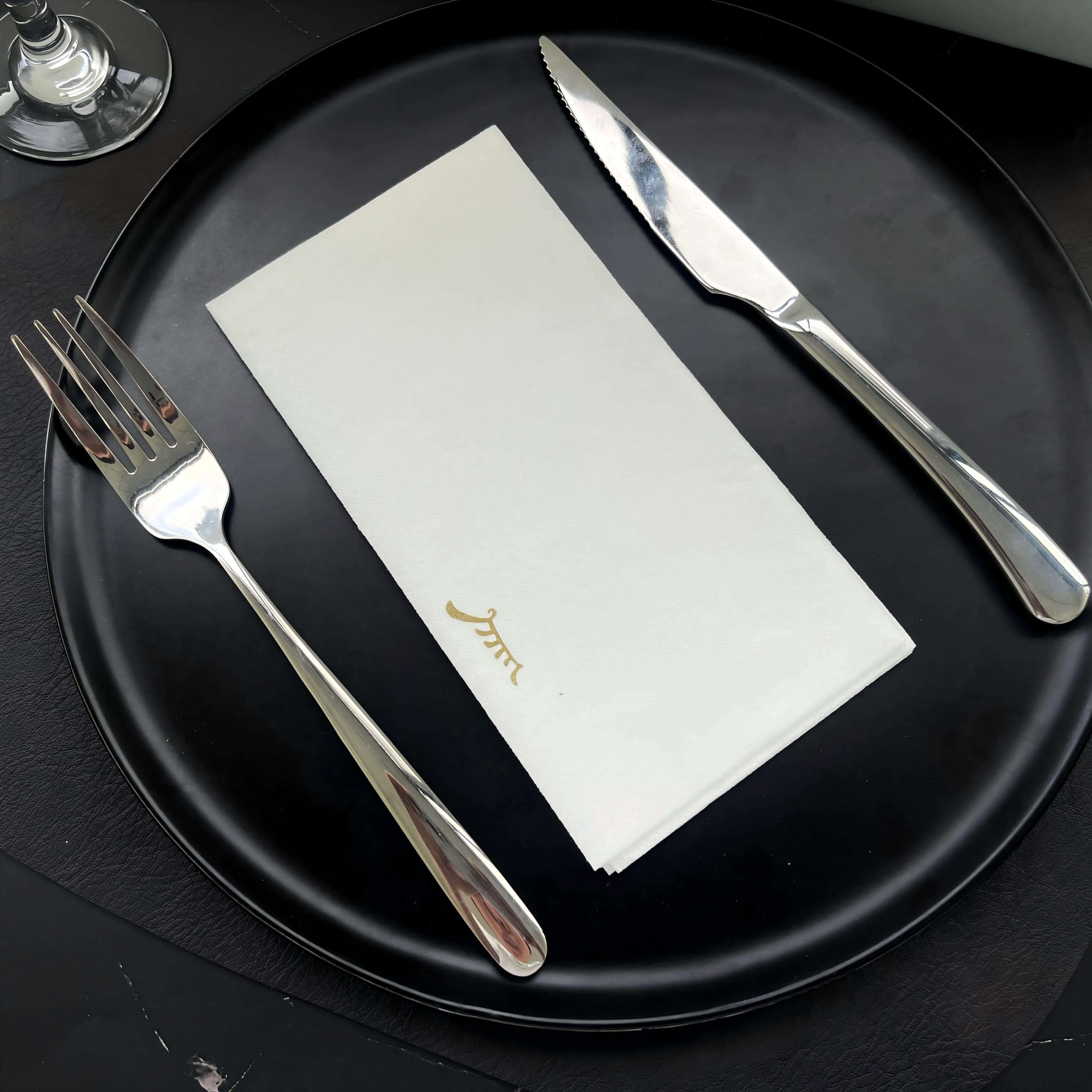
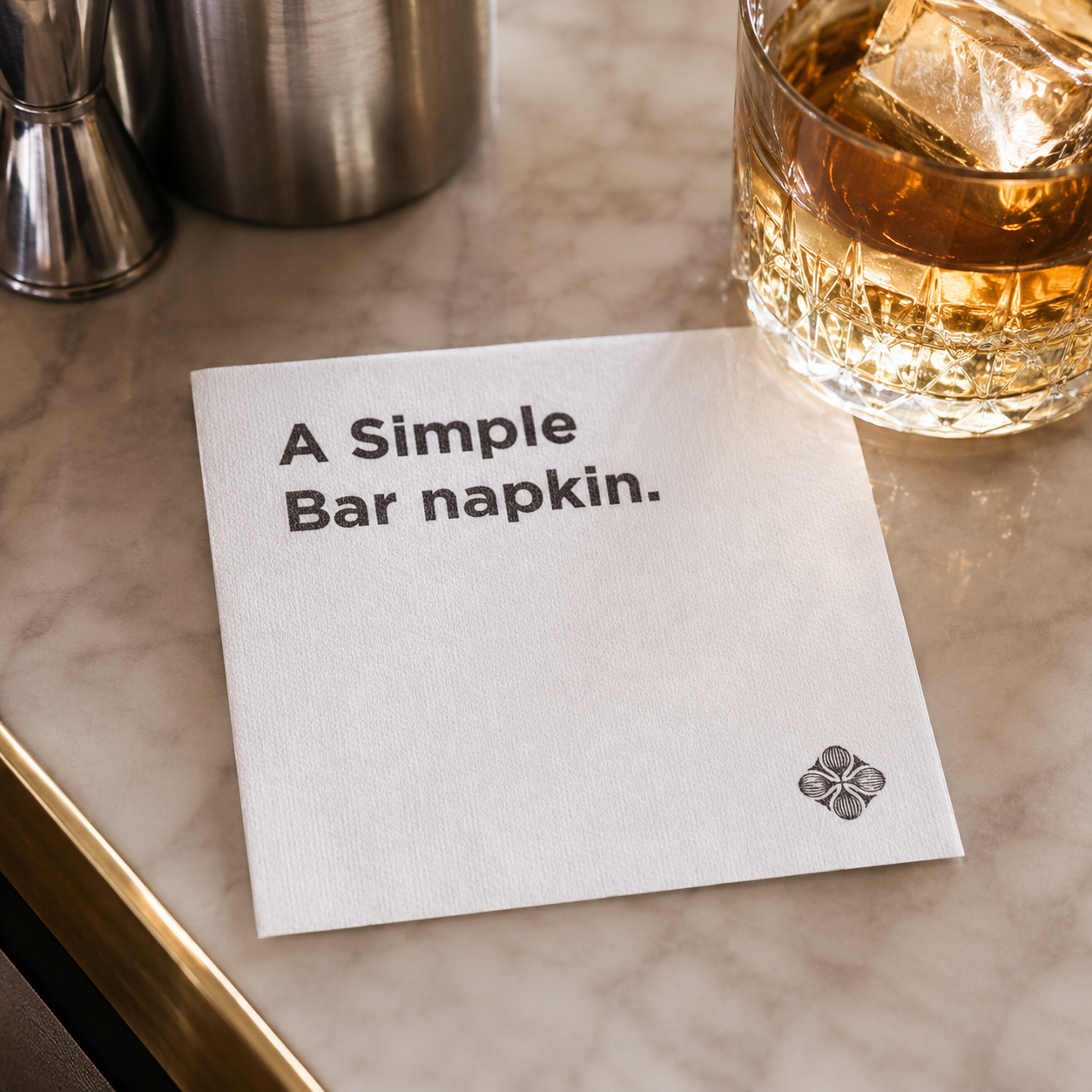
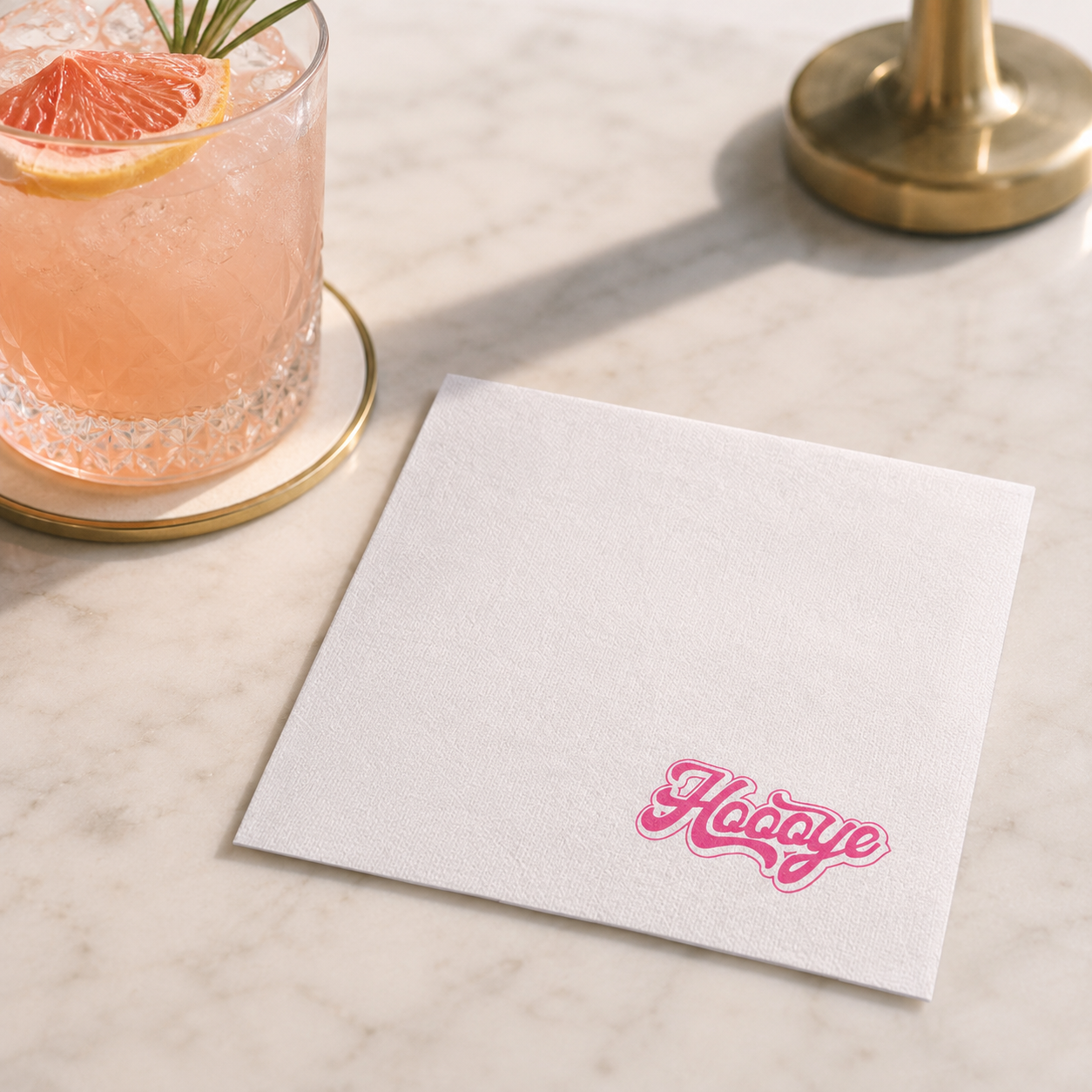
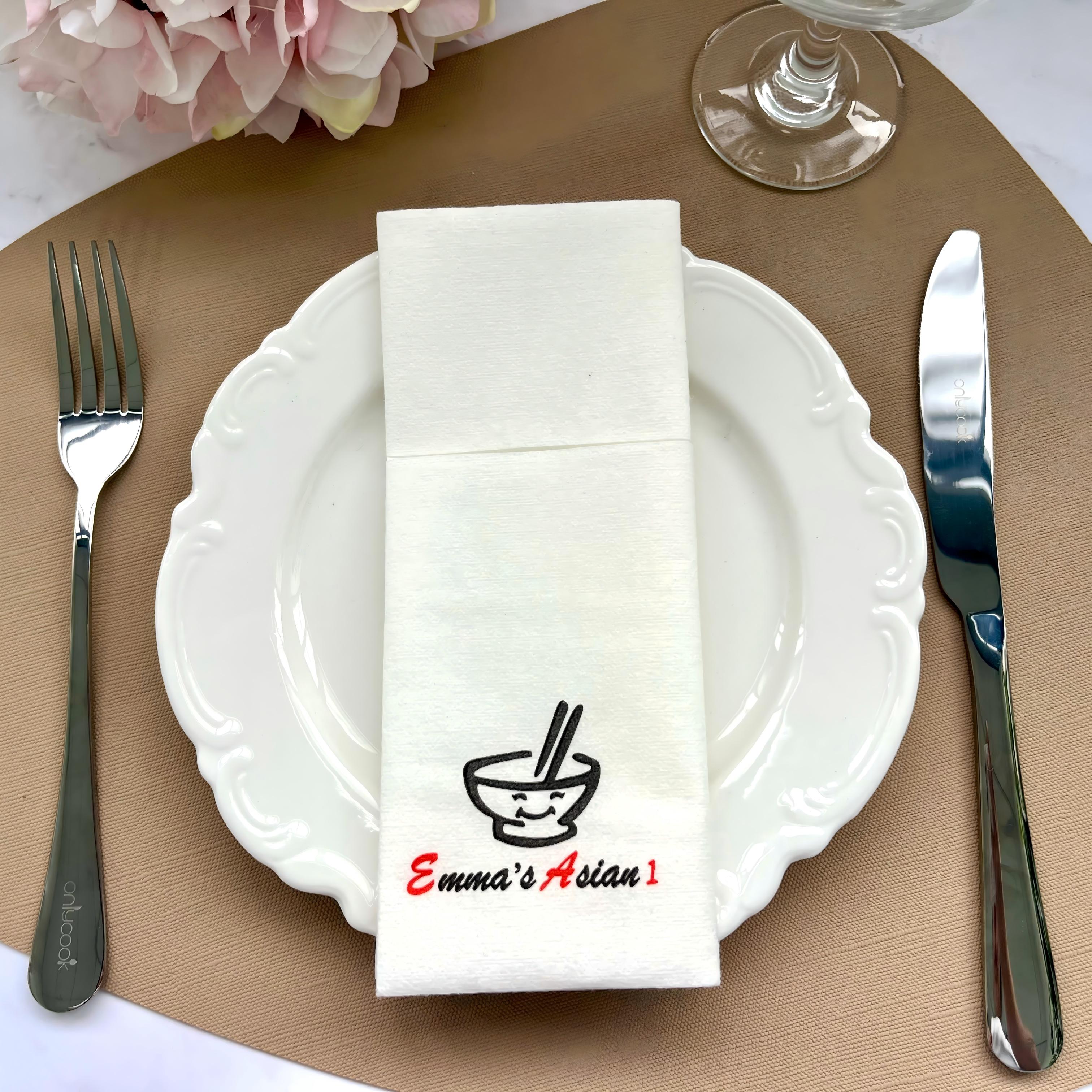
High-end dining emphasizes presentation. Airlaid napkins provide a structured and elegant appearance that mimics linen fabric. This visual upgrade enhances table styling without requiring laundering or ironing.
Superior Comfort and Texture
Guests increasingly expect tactile comfort in dining environments. Airlaid napkins offer a soft, textile-like feel that significantly outperforms traditional paper alternatives.
Hygiene and Single-Use Advantage
In modern hospitality environments, hygiene standards are critical. Disposable premium napkins reduce contamination risks while maintaining a refined look.
Operational Efficiency
Unlike cloth napkins, airlaid napkins eliminate the need for washing, folding, and maintenance. This reduces operational workload while ensuring consistent presentation quality.
Versatility Across Events
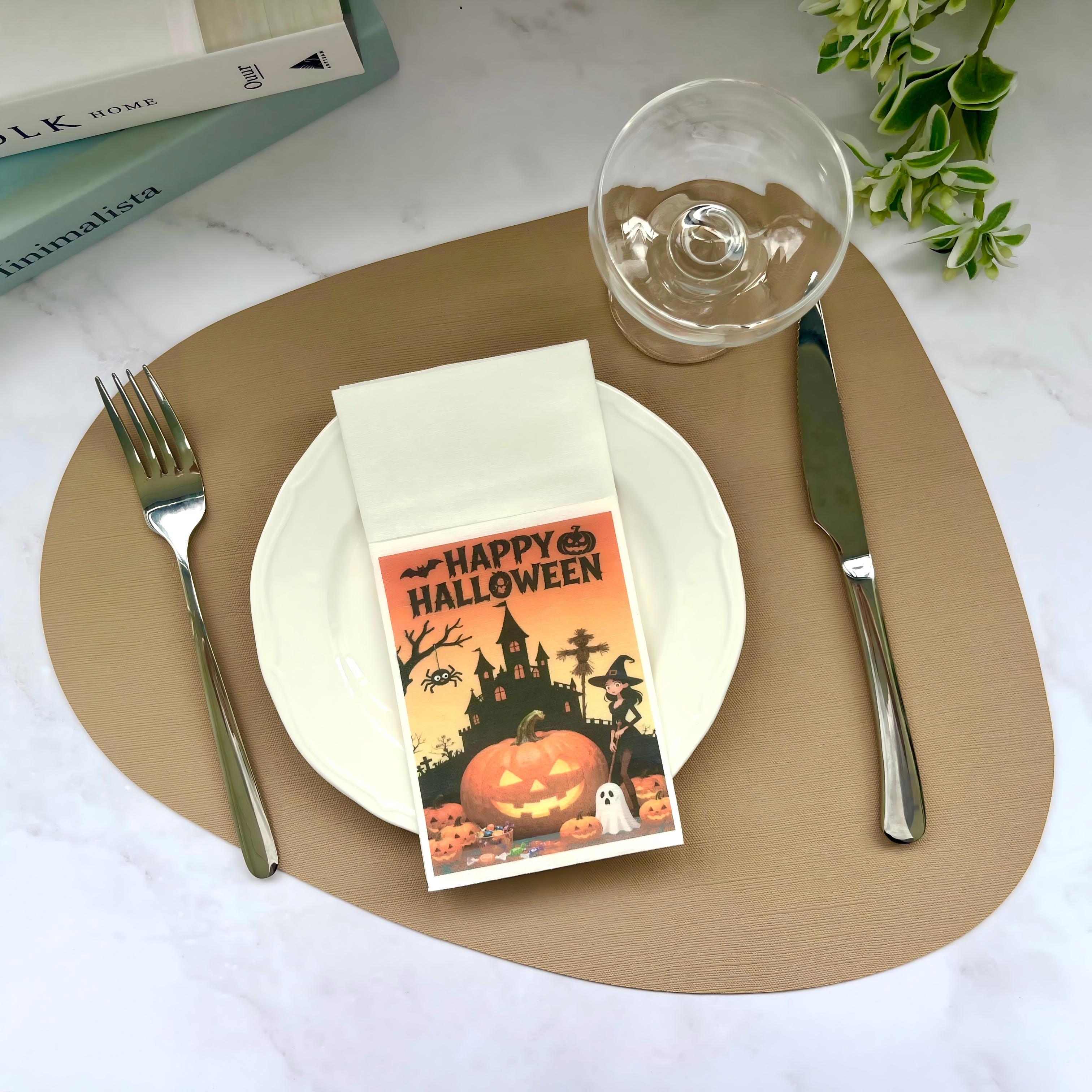
From fine dining restaurants to weddings and corporate events, airlaid napkins adapt seamlessly to various themes and table designs.
How Airlaid Napkins Are Made
The production process of airlaid napkins is a key factor behind their performance and quality.
Manufacturing Overview
| Stage | Process Description |
|---|---|
| Fiber Preparation | Wood pulp fibers are selected and processed |
| Air Formation | Fibers are dispersed using air technology |
| Bonding | Fibers are bonded using latex or thermal agents |
| Sheet Formation | Continuous non-woven sheets are formed |
| Embossing & Cutting | Sheets are textured and cut into napkin sizes |
| Folding & Packaging | Finished products are folded for use |
This air-based formation process ensures uniform density and a soft yet strong structure.
Material Advantages of Airlaid Technology
Airlaid technology is what differentiates these napkins from standard paper products.
Core Material Benefits
- High fiber loft for softness
- Uniform thickness across the sheet
- Improved wet strength
- Better absorbency compared to tissue paper
- Stable structure for folding and styling
These properties make airlaid napkins especially suitable for premium hospitality environments where both aesthetics and function matter.
Applications in High-End Table Settings
Airlaid napkins are widely used across various upscale environments due to their adaptability.
Application Overview
| Setting Type | Usage Purpose |
|---|---|
| Fine Dining Restaurants | Enhancing table presentation |
| Luxury Hotels | Guest dining and room service |
| Wedding Events | Decorative table styling |
| Corporate Banquets | Formal dining arrangements |
| Catering Services | Portable premium tableware |
Their versatility allows them to blend seamlessly into both minimalist and elaborate table designs.
Aesthetic Value in Modern Table Design
Modern table settings are increasingly design-driven. Airlaid napkins contribute significantly to this trend.
Design Advantages
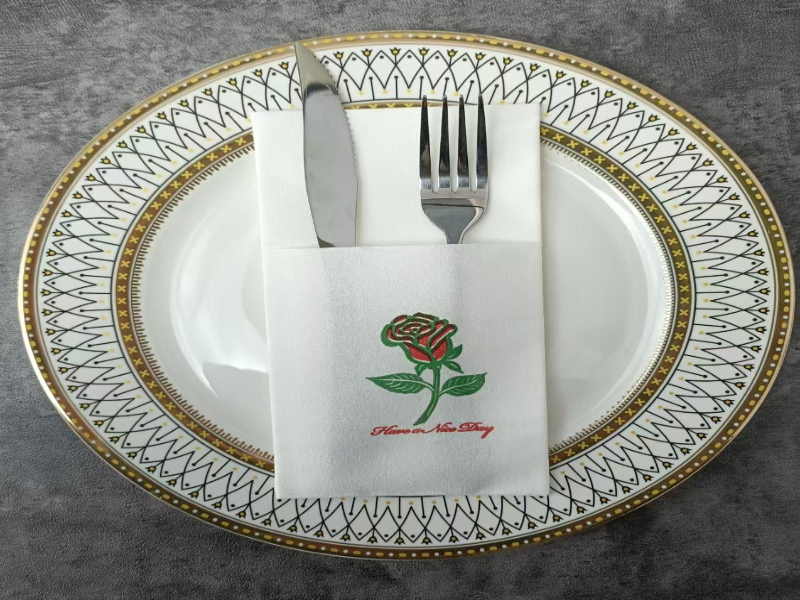
- Available in multiple folding styles
- Compatible with color-themed table arrangements
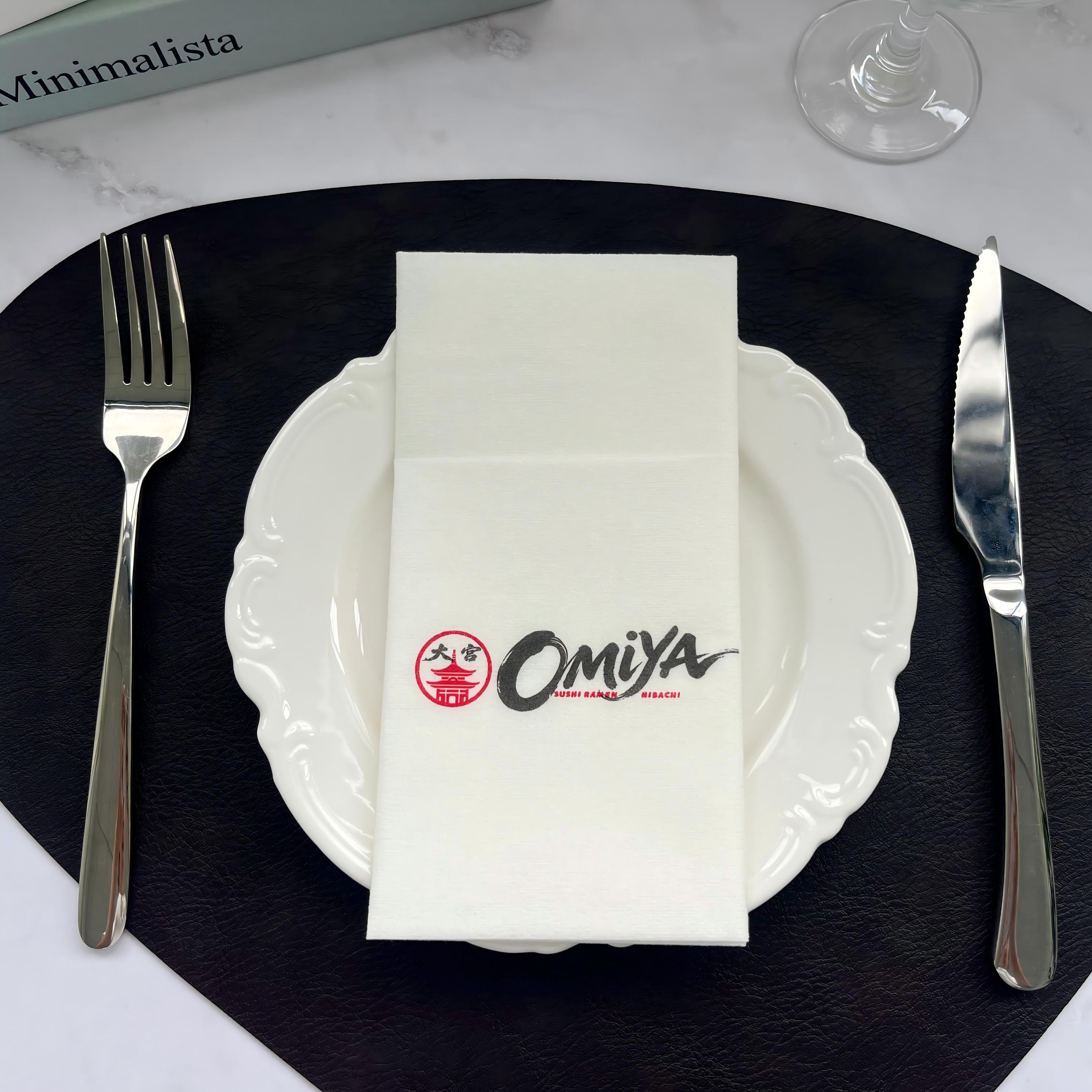
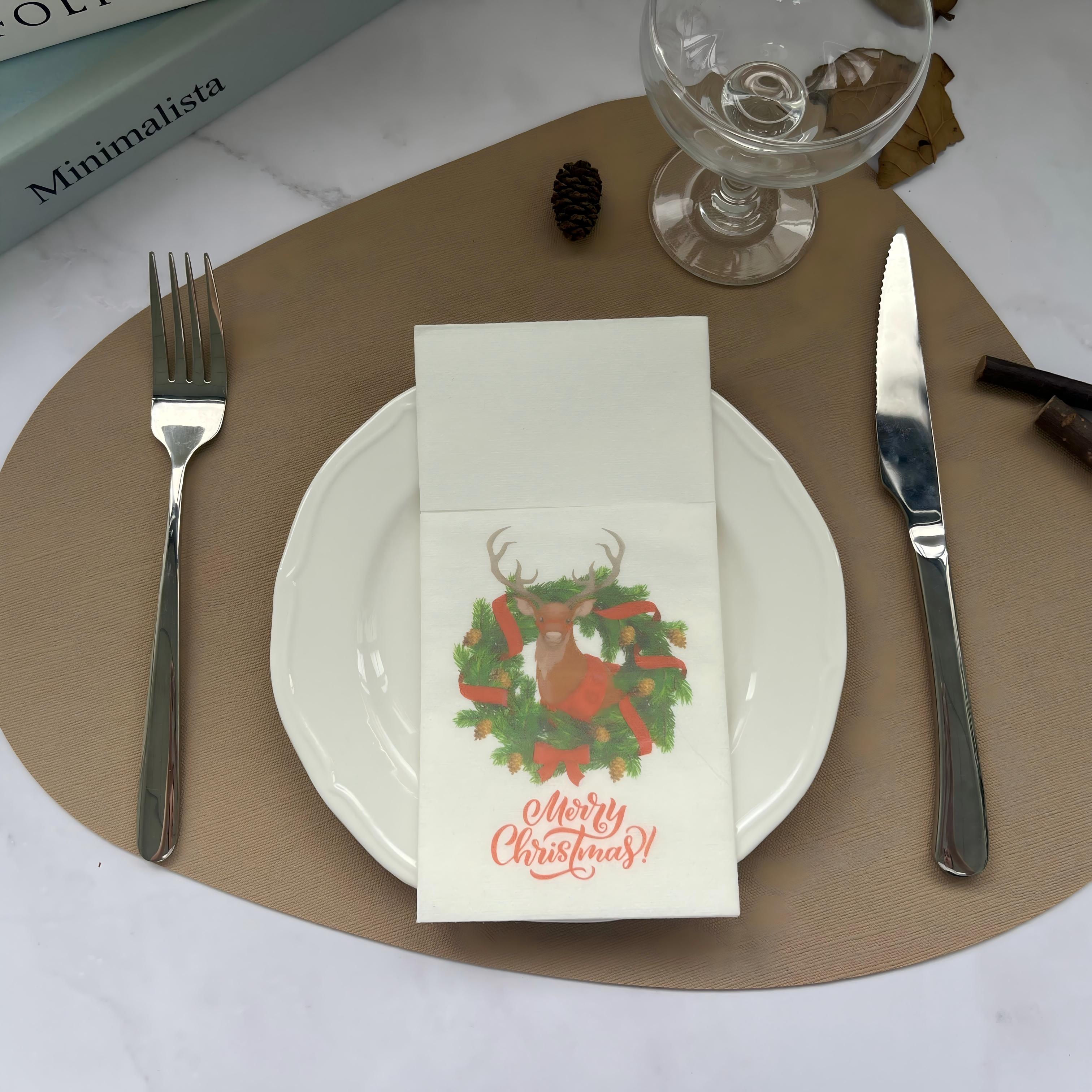
- Maintains structure for decorative folding
- Enhances symmetry and visual balance
Table Design Impact Comparison
| Aspect | Traditional Paper Napkins | Airlaid Napkins |
|---|---|---|
| Shape Retention | Low | High |
| Decorative Folding | Limited | Excellent |
| Visual Texture | Flat | Fabric-like |
| Premium Appearance | Moderate | High |
This ability to elevate table aesthetics is a major reason behind their rising adoption.
Hygiene and Safety Benefits
Hygiene is a central concern in modern dining environments, particularly in high-traffic or formal service settings.
Hygiene Advantages of Airlaid Napkins
- Single-use design reduces contamination risks
- No laundering required
- Individually clean and pre-packed options available
- Consistent hygiene standards across all uses
Compared to reusable cloth options, airlaid napkins provide a controlled and predictable hygiene solution without compromising visual quality.
Sustainability Considerations
Sustainability has become a significant factor in product selection for hospitality businesses.
Airlaid napkins contribute to environmental considerations in several ways:
- Efficient fiber utilization during production
- Reduced water usage compared to textile laundering
- Lightweight structure reduces transportation impact
- Options for biodegradable fiber compositions
While still disposable, they offer a more resource-efficient alternative compared to traditional cloth maintenance systems.
Cost Efficiency and Value Perspective
Although airlaid napkins are positioned as a premium product, their operational value extends beyond unit cost.
Value Considerations
- Reduced laundry and labor expenses
- Lower water and detergent consumption
- Time savings in preparation and cleanup
- Consistent presentation without maintenance variability
From a lifecycle perspective, disposable premium napkins often provide cost efficiency in high-volume hospitality environments.
Performance Comparison with Other Napkin Types
To better understand their positioning, it is useful to compare airlaid napkins with alternative options.
Performance Overview Table
| Criteria | Standard Paper Napkins | Cloth Napkins | Airlaid Napkins |
|---|---|---|---|
| Softness | Low | High | High |
| Durability | Medium | High | High |
| Maintenance | None | High | None |
| Hygiene | High | Medium | High |
| Visual Appeal | Low | High | High |
This balance of performance factors explains their increasing adoption in premium environments.
Role in Modern Hospitality Trends
The hospitality industry is shifting toward hybrid solutions that combine luxury presentation with operational efficiency. Airlaid napkins align perfectly with this trend.
Key industry drivers include:
- Demand for consistent guest experience
- Rising labor cost pressures
- Increased focus on hygiene standards
- Growth of event-based dining experiences
As a result, non-woven napkins are becoming a standard component of modern table service design.
Conclusion
Airlaid napkins have established themselves as a key element in modern high-end table settings due to their unique combination of elegance, functionality, and hygiene. Their fabric-like texture, strong absorbency, and disposable convenience make them an ideal solution for hospitality environments that demand both efficiency and refined presentation.
FAQ
1. What makes airlaid napkins different from regular paper napkins?
Airlaid napkins are produced using air-based fiber technology, giving them a thicker, softer, and more fabric-like texture compared to standard paper napkins.
2. Are airlaid napkins suitable for formal dining events?
Yes, they are widely used in high-end dining, weddings, and corporate events due to their elegant appearance and premium feel.
3. Do airlaid napkins absorb liquids well?
Yes, they have high absorbency and maintain strength even when wet, making them more effective than traditional paper options.
4. Are airlaid napkins environmentally friendly?
They are more resource-efficient than cloth alternatives in terms of water and energy use, and some versions are made with biodegradable fibers.
5. Why are airlaid napkins preferred in hospitality settings?
They combine hygiene, convenience, and premium aesthetics, reducing operational workload while maintaining a high-quality guest experience.

- Contact
-
+86-18205820793lydia@shuangjiepaper.comPhone
- Get Connected

