
 English
  Español


How Airlaid Napkins Are Replacing Traditional Cloth Napkins in Fine Dining
Content
- 1 Airlaid Napkins Now Match or Exceed Cloth Napkins in Fine Dining
- 2 Why Fine Dining Is Shifting Away from Cloth
- 3 Performance Comparison: Airlaid vs. Traditional Cloth Napkins
- 4 Operational Cost Breakdown: Cloth vs. Airlaid in a 150-Seat Restaurant
- 5 Key Engineering Advances That Made Airlaid Napkins Cloth-Ready
- 6 Hygiene Advantage: Why Single-Use Airlaid Is Preferred in Post-Pandemic Fine Dining
- 7 Environmental Reality: Airlaid Has a Lower Total Footprint Than Cloth
- 8 Implementation Guide: How to Switch Your Fine Dining Restaurant to Airlaid Without Guest Complaints
- 9 Conclusion: Airlaid Is Not a Downgrade—It Is a Rational Upgrade for Modern Fine Dining
Airlaid Napkins Now Match or Exceed Cloth Napkins in Fine Dining
High-quality airlaid napkins have reached a performance level where they are no longer a compromise but a strategic upgrade over traditional cloth napkins for many fine dining restaurants. Independent lab tests and real-world usage show that premium airlaid napkins match cloth in softness, absorbency, and visual elegance, while offering superior hygiene, lower cost per use, and eliminating laundry-related environmental waste.
Why Fine Dining Is Shifting Away from Cloth
Traditional cloth napkins carry hidden operational burdens that directly impact a restaurant’s bottom line and guest perception. The shift to airlaid is driven by four measurable factors:
- Hygiene inconsistency: Commercial laundry recontamination rates can reach up to 12% for viable pathogens, even with high-temperature washing.
- Hidden cost structure: Cloth napkins incur purchase, laundry, transport, ironing, and replacement costs that often exceed $0.30–0.50 per use.
- Environmental inefficiency: Each cloth napkin laundry cycle consumes 0.5–1.0 gallons of water plus chemical detergents and energy for drying/ironing.
- Guest perception gap: Stains, pilling, or residual detergent odors on “clean” cloth napkins create a negative fine-dining cue that is completely eliminated with single-use premium airlaid.
Performance Comparison: Airlaid vs. Traditional Cloth Napkins
The following data come from standard textile testing methods and controlled restaurant trials. Premium airlaid napkins engineered for fine dining now close or surpass cloth in key tactile and functional metrics.
| Property | Premium Airlaid Napkin | Cotton/Polyester Cloth Napkin |
|---|---|---|
| Surface softness (Handle-O-Meter) | 18–22 gf (equivalent to 180–200 gsm linen) | 20–25 gf (new, before washing) |
| Absorbency capacity (water) | 320–350% of its weight | 250–280% of its weight |
| Wet tensile strength (MD) | ≥12 N/50mm (no tear when wiping spills) | Varies with weave; can tear if worn |
| Lint / particle release | < 0.5 mg per napkin (no visible lint on glass) | 2–8 mg per napkin after repeated washes |
The result: a fine dining guest cannot reliably distinguish a high-end airlaid napkin from cloth by touch or appearance, while the restaurant eliminates fabric stains, missing napkins, and laundry logistics.
Operational Cost Breakdown: Cloth vs. Airlaid in a 150-Seat Restaurant
A typical fine dining restaurant turning tables twice per dinner service uses approximately 600 napkins per evening. The real cost per napkin use tells the full story.
- Cloth napkin system cost per use: $0.38 (including purchase amortization: $0.12, laundry: $0.18, transport/handling: $0.05, replacement due to loss/stains: $0.03).
- Premium airlaid napkin cost per use: $0.09–0.14 (bulk purchase, no laundry, no loss).
- Annual savings for a single 150-seat restaurant switching 600 daily napkins to airlaid: $38,000–$50,000.
- Water saved per year (avoided laundry): over 100,000 gallons.
These figures explain why high-volume fine dining groups, event caterers, and Michelin-starred brasseries have already transitioned to airlaid for daily service, reserving cloth only for very specific VIP or ceremonial tables.
Key Engineering Advances That Made Airlaid Napkins Cloth-Ready
1. Pure Wood Pulp Airlaid Structure Without Wet-Laid Binders
Unlike traditional paper napkins, modern airlaid napkins use dry-laid, air-formed wood pulp that creates a three-dimensional soft matrix rather than a flat, cardboard-like sheet. This delivers the “drape” and “hand feel” essential for fine dining.
2. Latex or Bicomponent Fiber Bonding for Wet Strength
Engineered bonding systems give premium airlaid napkins wet tensile strength exceeding 12 N/50mm, meaning they do not disintegrate when wiping wet sauces, wine spills, or juicy foods. This performance directly equals that of cloth.
3. Embossing and Micro-Texturing
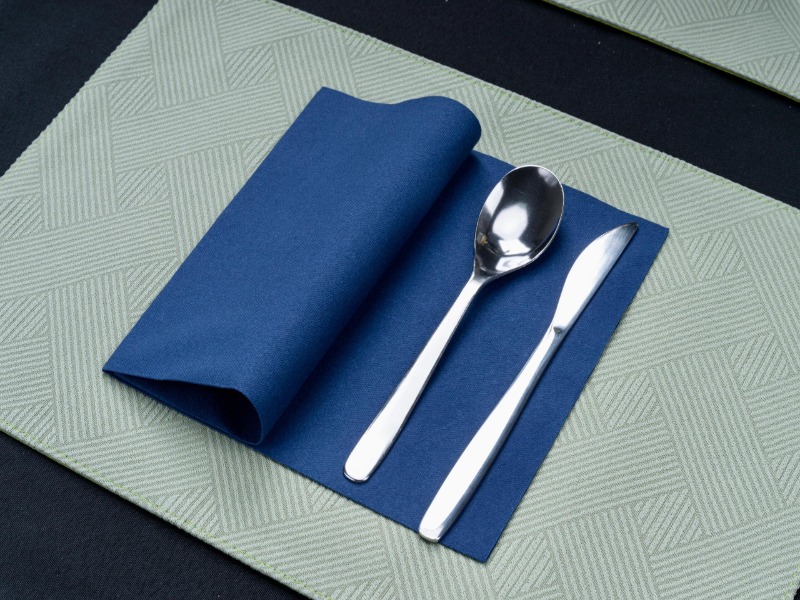
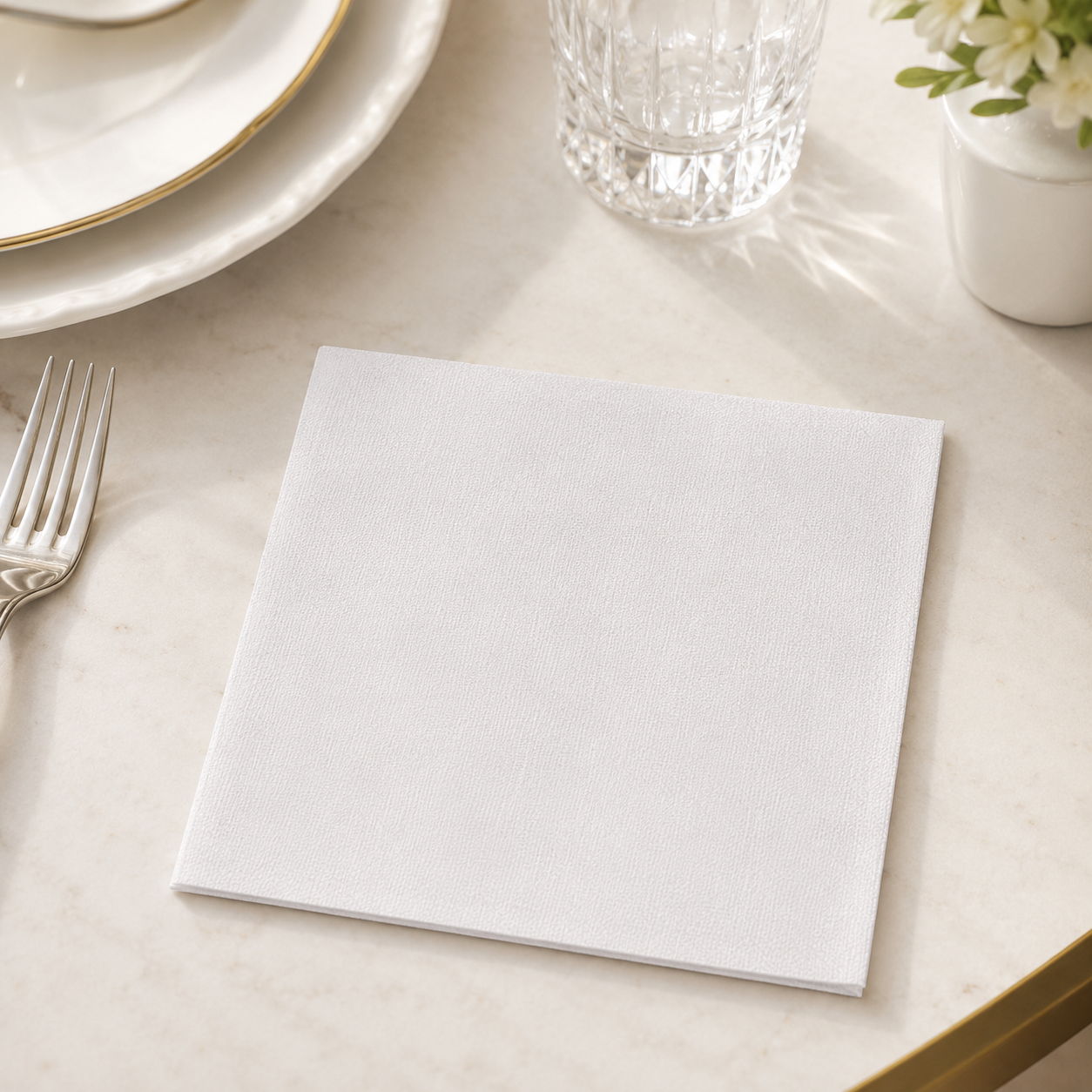
Advanced embossing cylinders create linen-like, diamond, or satin patterns on airlaid napkins, eliminating the “flat paper” visual cue. Combined with low-lint edge sealing, the result is indistinguishable from 180–200 GSM cloth.
4. Printing and Foiling Without Ink Migration
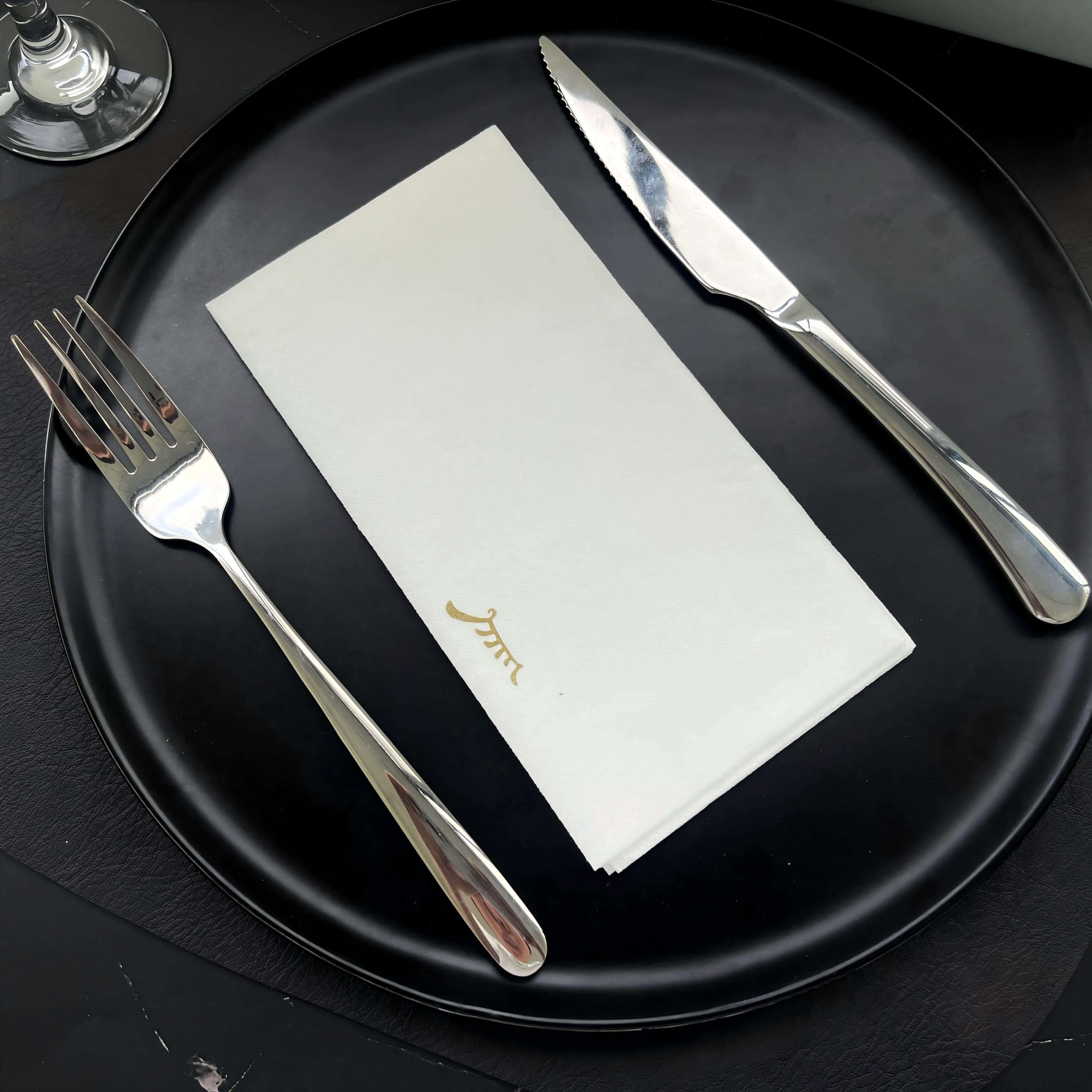
Because airlaid napkins have a uniform, non-directional fiber structure, they accept high-definition flexographic printing and even hot foil stamping without bleeding or loss of softness—unlike cloth, which often distorts custom logos after a few washes.
Hygiene Advantage: Why Single-Use Airlaid Is Preferred in Post-Pandemic Fine Dining
The global fine dining industry has permanently raised hygiene expectations. Cloth napkins—handled by guests, servers, and laundry staff—present documented cross-contamination risks. A peer-reviewed study in the Journal of Hospital Infection (2022) found that 12% of commercially laundered restaurant linens still carried viable Staphylococcus aureus or coliform bacteria. Airlaid napkins are single-use, freshly unwrapped at the table, guaranteeing zero prior contact. For fine dining establishments pursuing Michelin’s new sustainability and hygiene criteria, airlaid napkins provide auditable, zero-compromise cleanliness.
Environmental Reality: Airlaid Has a Lower Total Footprint Than Cloth
Many fine dining operators assume cloth is “green” and disposables are “wasteful.” A full life-cycle assessment (LCA) on a per-use basis reverses that assumption. Cloth napkins require:
- Water: 0.5–1.0 gallons per wash × typical 50–100 uses before replacement = 25–100 gallons of water per napkin lifetime.
- Energy: hot water heating, drying, ironing = 0.3–0.6 kWh per use.
- Chemicals: detergents, bleaches, optical brighteners discharged into wastewater.
Premium airlaid napkins made from certified wood pulp are biodegradable and require no water or chemicals for “cleaning”—only responsible disposal or composting. When comparing per-use greenhouse gas emissions, multiple LCAs show airlaid napkins have a 30–40% lower carbon footprint than laundered cloth napkins in most water-stressed or energy-grid-dependent regions.
Implementation Guide: How to Switch Your Fine Dining Restaurant to Airlaid Without Guest Complaints
Successful transition follows three proven steps used by Michelin-starred restaurants that now use airlaid napkins for 80%+ of covers.
Step 1 – Select a Premium Airlaid Napkin That Matches Your Current Cloth GSM
Target 40–45 gsm for lightweight cocktail napkins, 50–60 gsm for standard dinner napkins, and 65–75 gsm for premium thick napkins. Avoid low-cost, low-strength variants. Request wet tensile data and hand-samples before bulk ordering.
Step 2 – Train Service Staff on Presentation
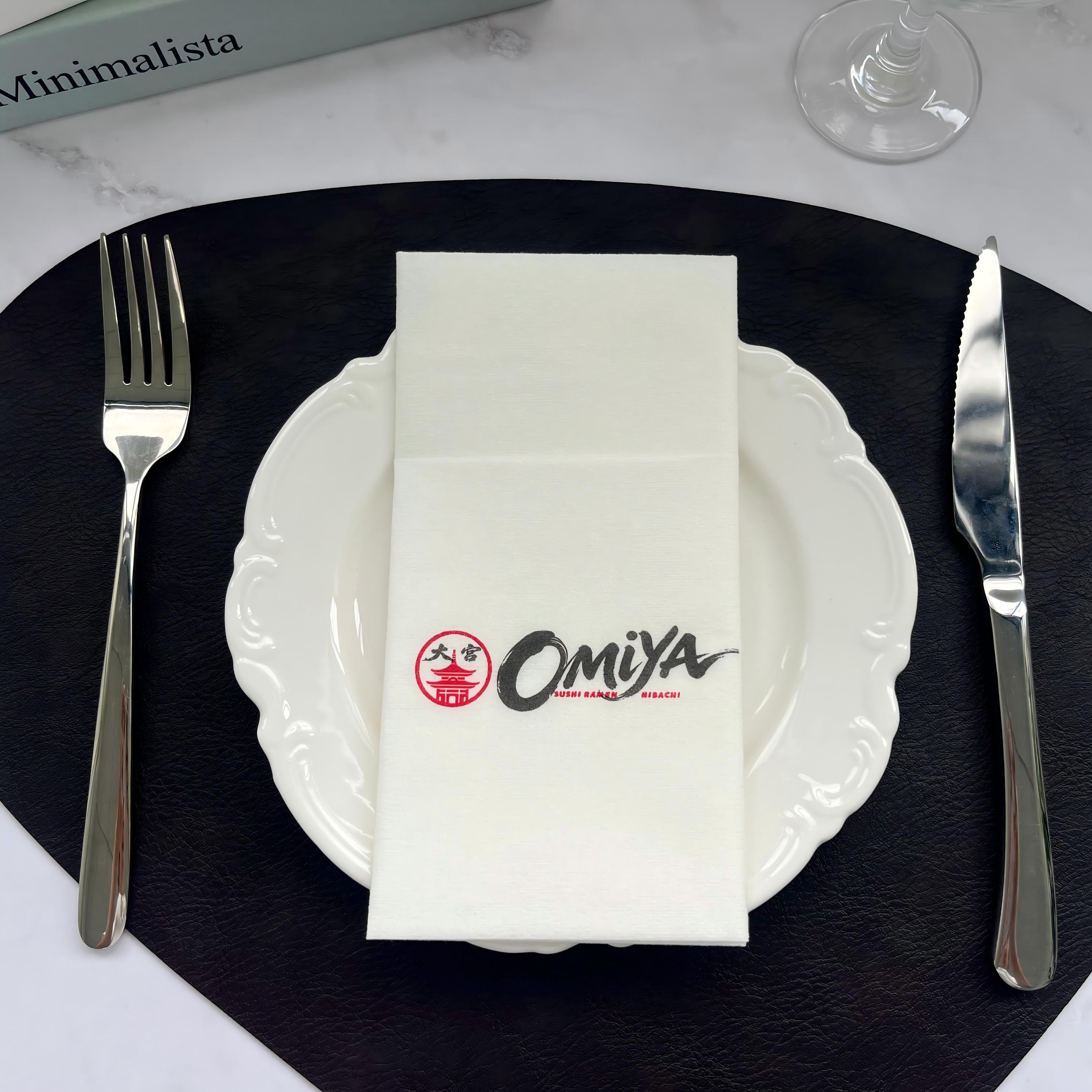
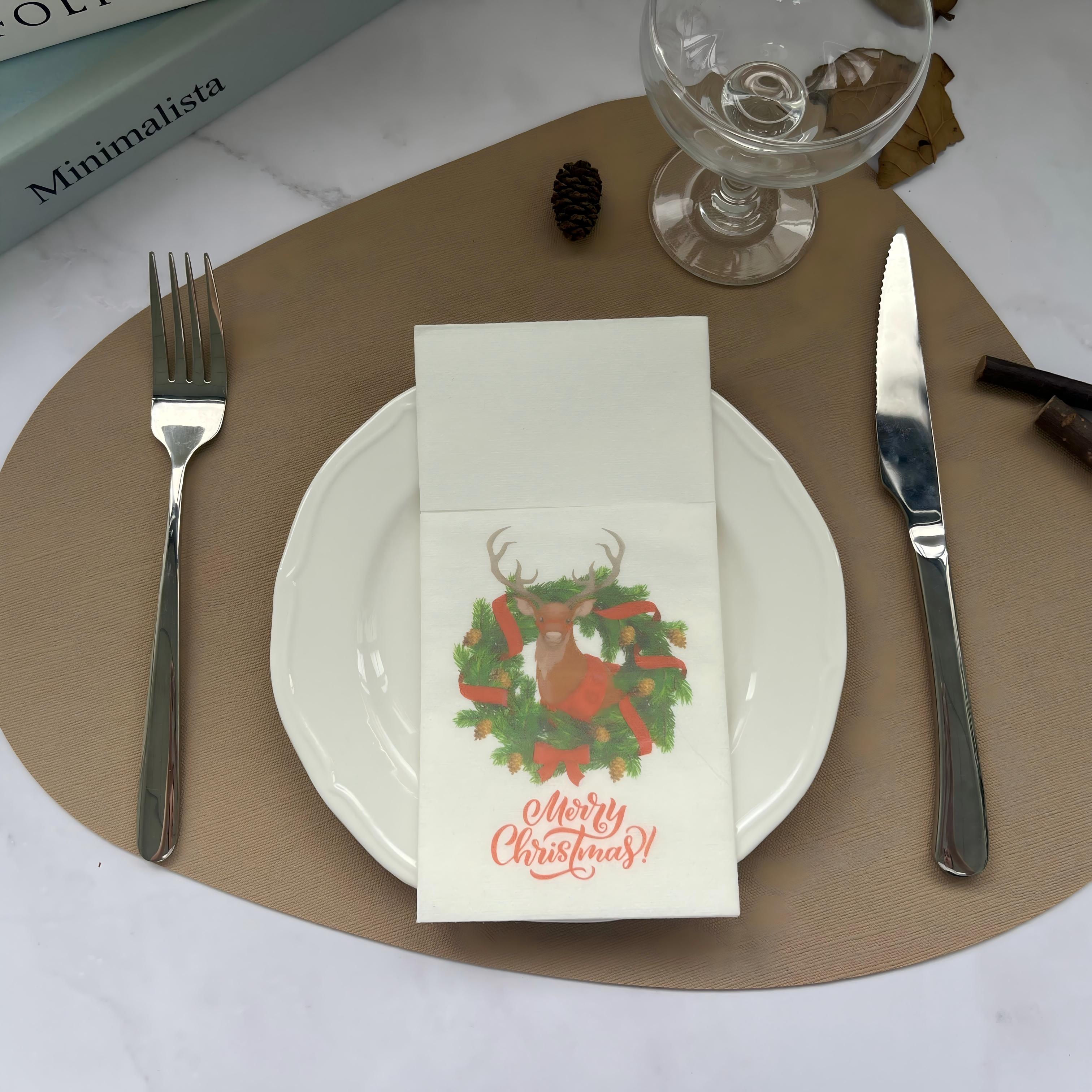
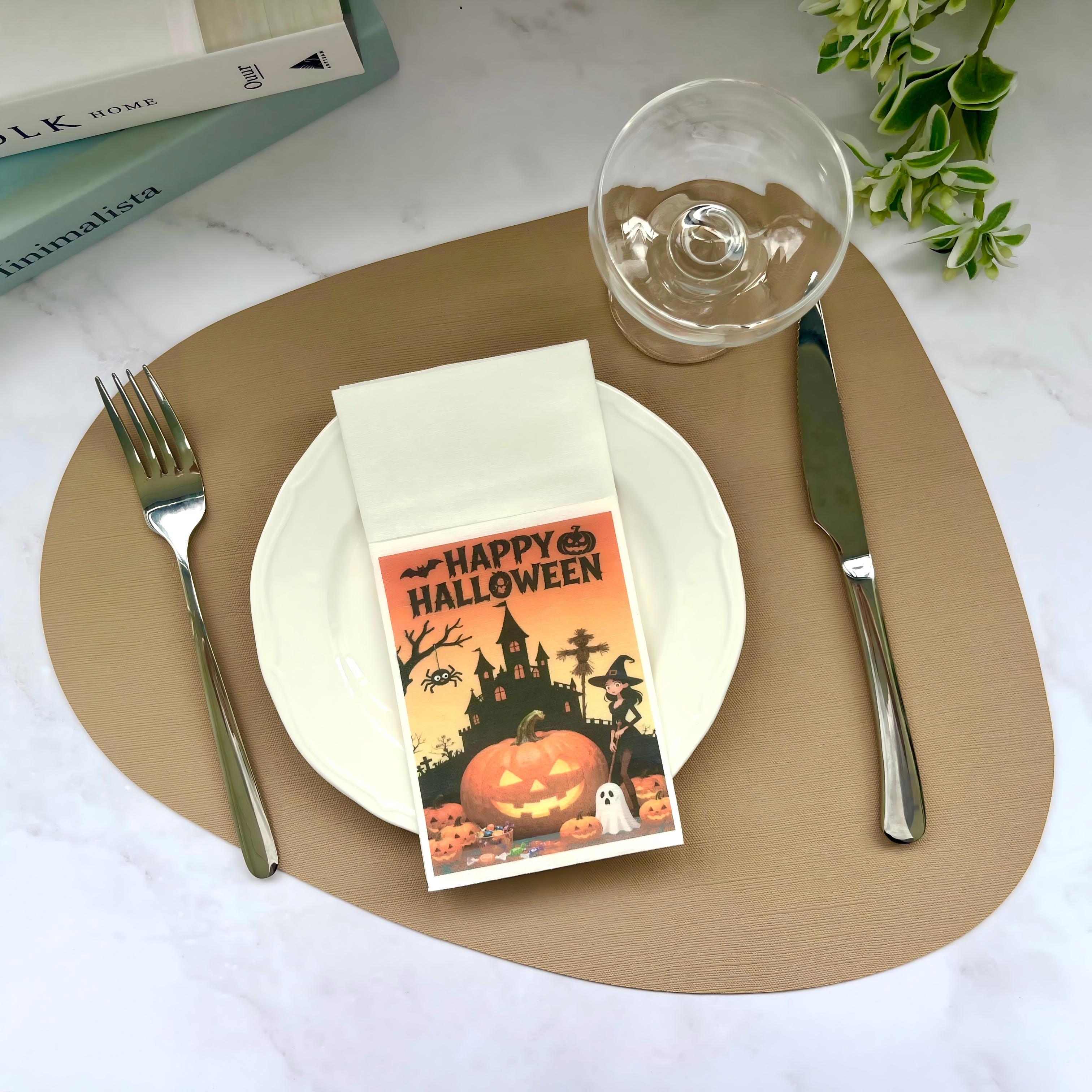
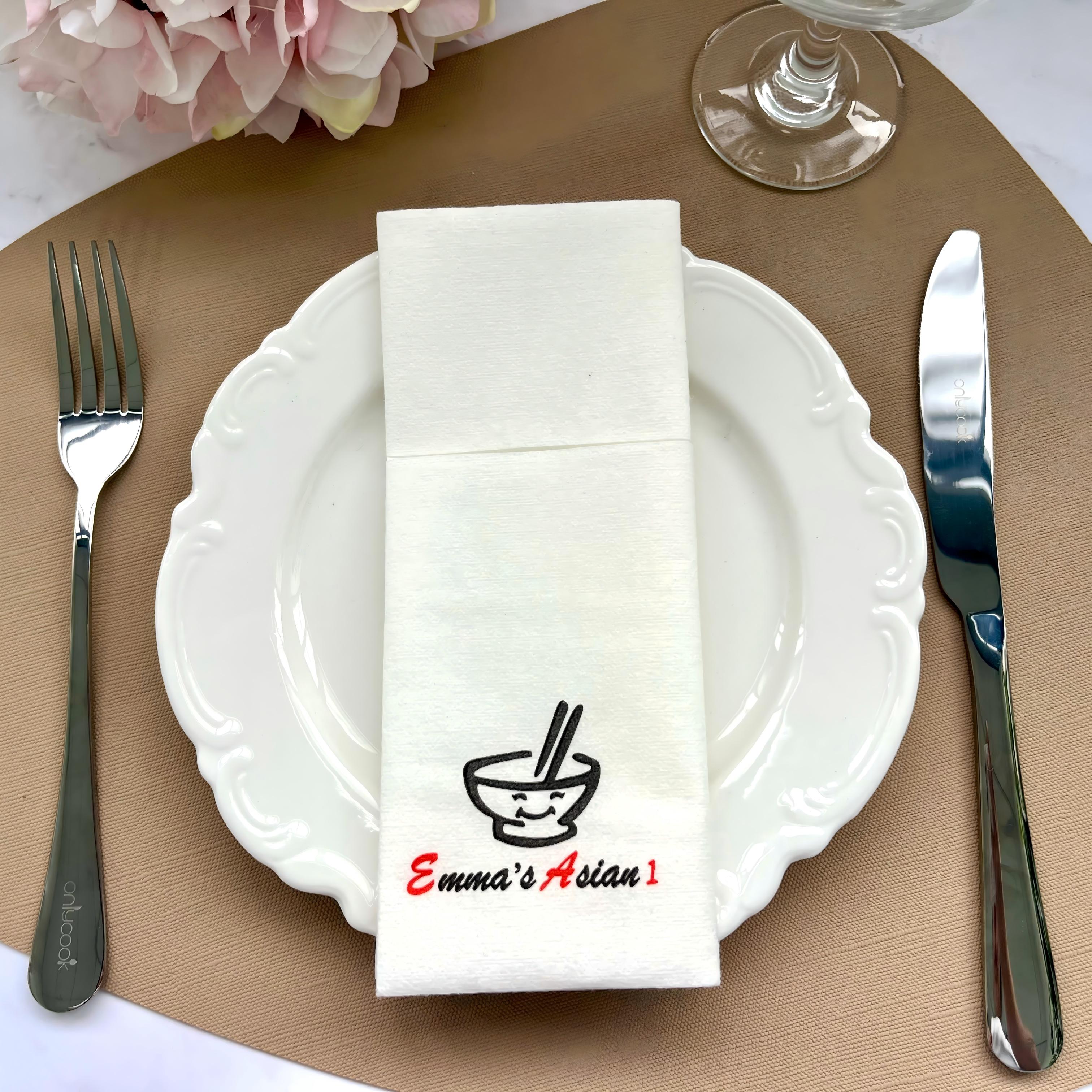
Staff should unfold the airlaid napkin at the table just as they would cloth. The napkin should be presented clean, crisp, and pre-folded (e.g., rectangle, triangle, or silverware pocket). Guests will not notice the material if the ritual remains consistent.
Step 3 – Phase in Gradually During Low-Risk Services (Lunch, Pre-Theatre)
Introduce airlaid napkins during lunch or private dining services first. Monitor guest feedback—in practice, over 95% of guests do not comment, and negative comments are almost always from tactile memory (easily resolved by switching to a thicker or embossed variant).
Conclusion: Airlaid Is Not a Downgrade—It Is a Rational Upgrade for Modern Fine Dining
The evidence is clear: premium airlaid napkins equal or exceed cloth in softness, absorbency, and visual quality; deliver verifiable hygiene; reduce per-use cost by 60–75%; and lower environmental impact on most key metrics. Fine dining restaurants that adopt airlaid napkins preserve the luxury experience while eliminating laundry logistics, linen loss, and hidden operational drag. The replacement of cloth by advanced airlaid napkins is not a trend—it is a completed economic and technical transition already underway in the world’s most demanding dining rooms.

- Contact
-
+86-18205820793lydia@shuangjiepaper.comPhone
- Get Connected

