
 English
  Español


Innovating the Modern Table: How Next-Gen Napkins are Redefining Hospitality Aesthetics
Content
- 1 The Spectrum of Tabletop Design: Disposable vs. Reusable
- 2 Material Comparison at a Glance
- 3 Structural Artistry: The Role of Napkin Folding Styles
- 4 Strategic Selection: Matching Material to Venue
- 5 Frequently Asked Questions (FAQ)
- 5.0.1 What is airlaid paper napkin material, and how does it compare to standard paper?
- 5.0.2 How do I choose between cotton vs linen napkins for weddings?
- 5.0.3 Why does ply-count matter when purchasing disposable napkins for restaurants?
- 5.0.4 What are the main benefits of using a pocket fold napkin design?
In the competitive landscape of hospitality, event planning, and catering, every detail matters. From grand galas to intimate bistros, the elements that grace a tabletop dictate the overall guest experience. Among these, the humble napkin has evolved from a mere utility into a central design piece. Today’s restaurateurs and event specialists are looking beyond basic functionality, seeking high-quality textures, sustainable materials, and structural versatility to elevate their event aesthetics.
Whether designing for high-end wedding tablescapes or fast-casual dining, understanding the nuances of modern tableware production is essential for a flawless presentation.
The Spectrum of Tabletop Design: Disposable vs. Reusable
Choosing between single-use and fabric options depends heavily on the event format, venue conditions, and brand identity. While informal dining thrives on efficiency, upscale gatherings demand a tactile sense of luxury.
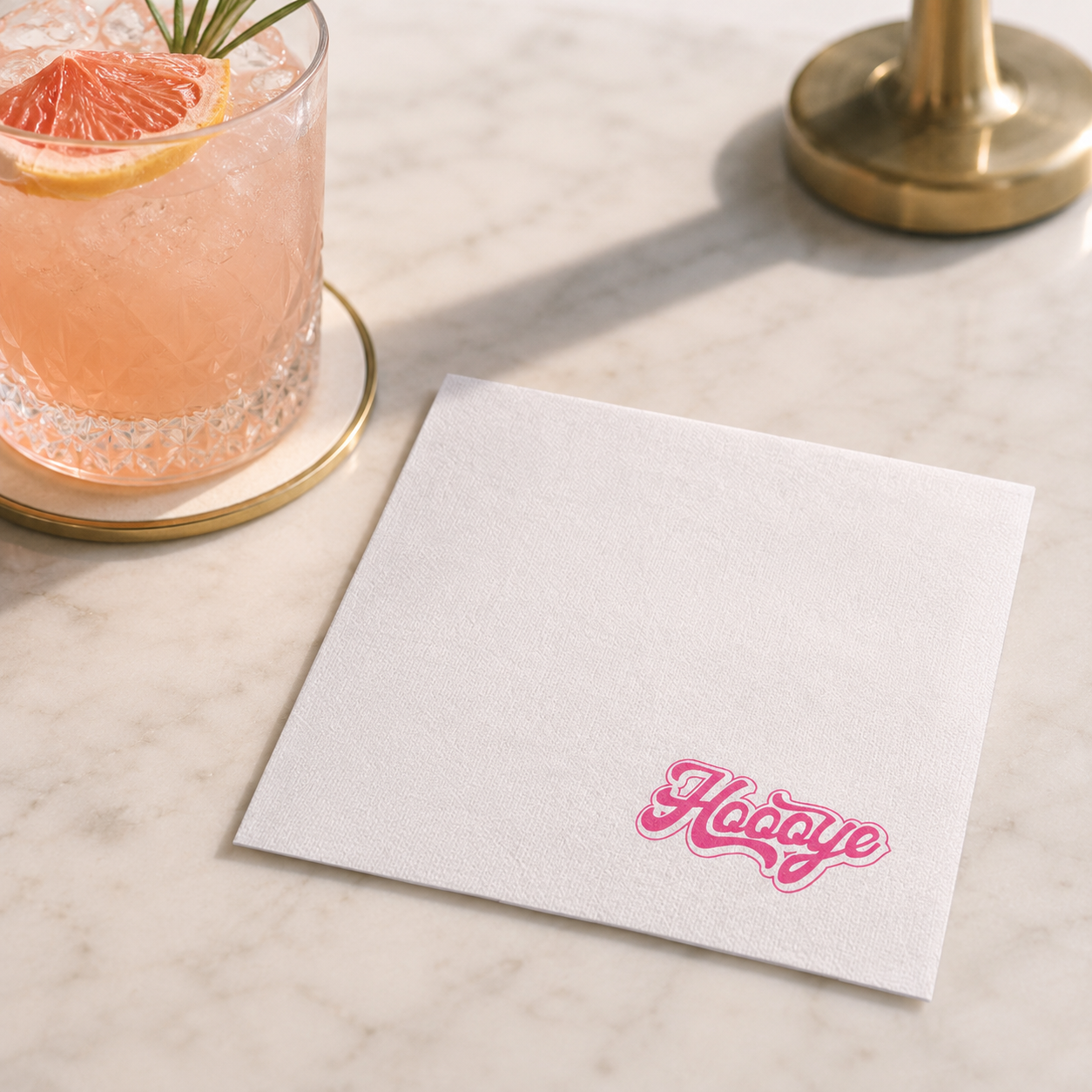
Brightly printed motifs can inject personality into casual luncheons, whereas muted earth tones remain the gold standard for formal dinner napkins. Below is a foundational look at how different napkin categories align with specific environments.
The Evolution of Premium Paper Napkins
For casual events and high-volume foodservice establishments, premium paper napkins offer the perfect balance of convenience and aesthetic appeal. However, not all single-use products are created equal. The overall performance relies heavily on ply-count and manufacturing techniques, which directly dictate softness and absorbency.
While standard options exist, advanced production methods have introduced superior alternatives for commercial use:
- Micropoint Technology: Featuring an embossed pattern of tiny dots along the edges, these napkins offer a subtle elegance. Typically available in higher ply-counts, the embossing requires a thicker material, making them excellent for contemporary indoor dining.
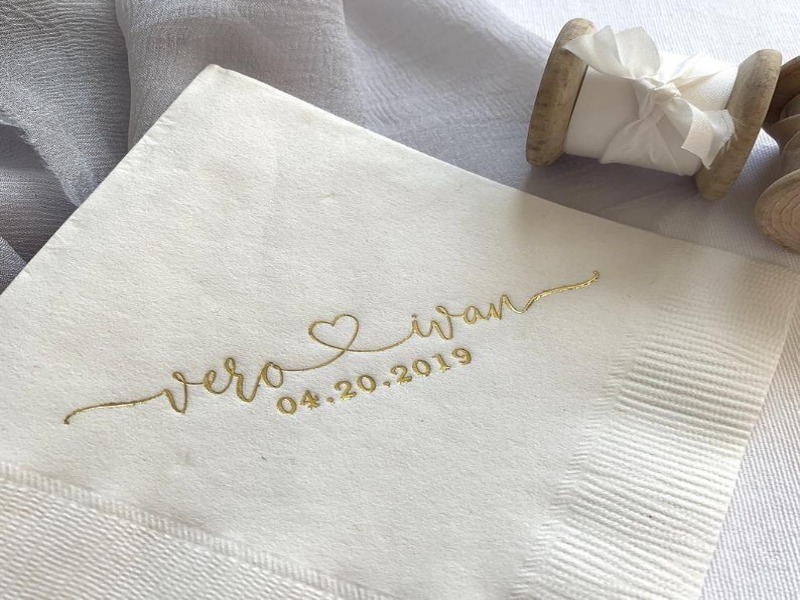
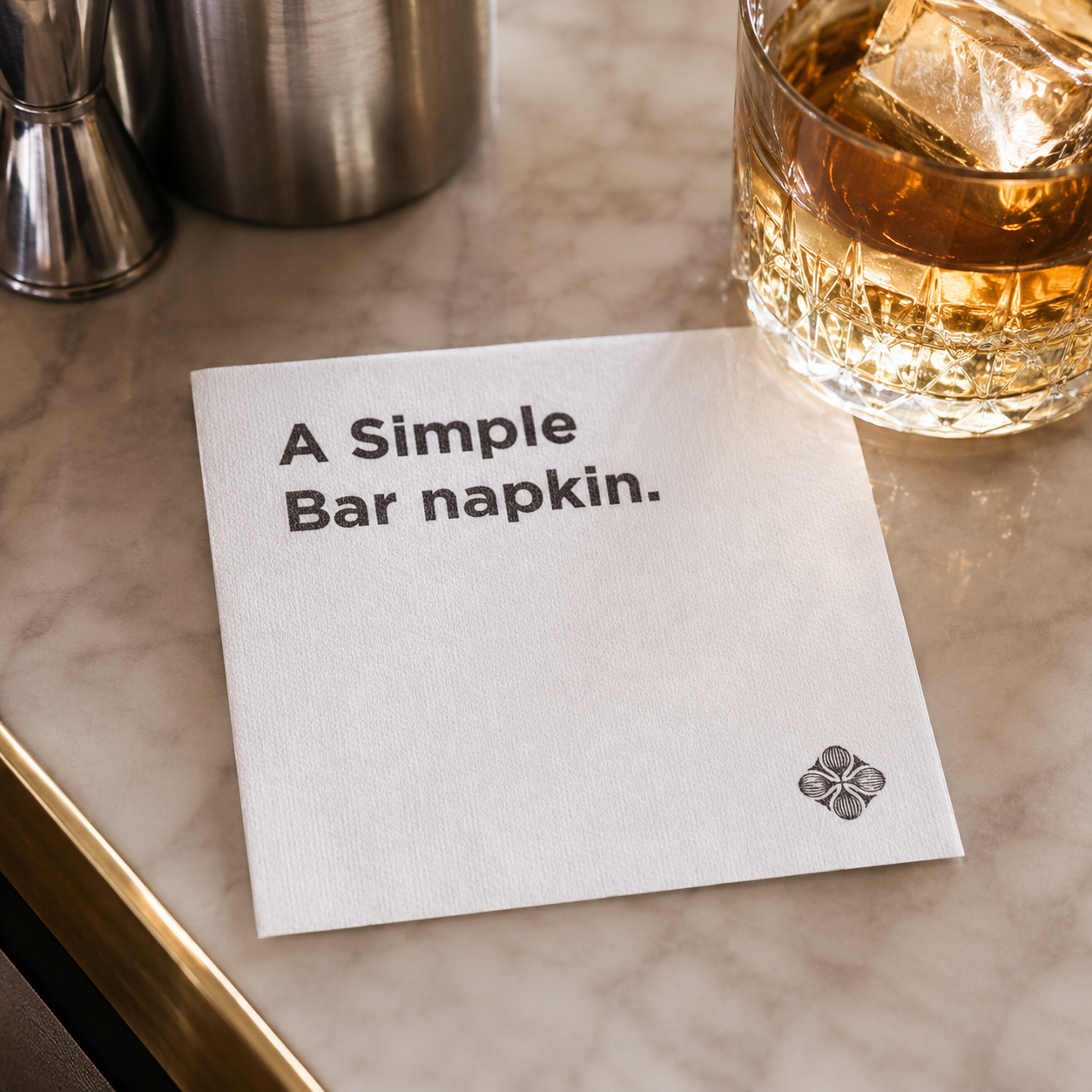
- Airlaid Innovation: Manufactured without water, airlaid paper utilizes air to bond wood pulp fibers. This unique process creates a remarkably soft, linen-like feel. They are exceptionally absorbent and ideal for capturing complex dyes, making them top-tier printed napkins for premium catering.
- Recycled Materials: For businesses prioritizing sustainable options, eco-friendly recycled paper napkins made from sugarcane fibers or reused wood pulp offer an excellent way to reduce environmental impact without sacrificing strength.
The Luxury of Reusable Cloth
For milestone celebrations and high-profile corporate galas, fabric options are frequently requested by clients to deliver a memorable dining experience. Upgrading from paper to cloth instantly transforms a standard table setting into a premium visual statement, though it introduces the operational requirement of thorough laundering between uses.
- Cotton: Known for being exceptionally thick and absorbent, cotton is flexible, naturally soft, and hypoallergenic. For events demanding premium quality without the logistical hassle of cleanup, disposable cotton napkins offer an innovative, high-end alternative.
- Linen: Lightweight and highly breathable, linen offers a distinct, textured aesthetic. While it features inherent water-resistant qualities that allow it to dry rapidly, its stiffer structure ensures it wrinkles less over time, making it the premier choice for outdoor events and summer weddings.
Material Comparison at a Glance
To optimize your procurement strategy, consider how different materials stack up in terms of texture, primary environment, and performance.
| Material Type | Texture & Feel | Primary Advantage | Best Suited For |
|---|---|---|---|
| Micropoint Paper | Embossed, structured | Subtle edge detailing, cost-effective | Casual indoor restaurants |
| Airlaid Paper | Soft, linen-like | High absorbency, premium dye retention | Outdoor catering, upscale casual |
| Recycled Paper | Earthy, organic | Minimal environmental footprint | Eco-conscious dining, daily foodservice |
| Woven Cotton | Plush, heavy, flexible | Maximum absorbency, hypoallergenic | Fine dining, indoor galas |
| Classic Linen | Crisp, textured, stiff | Breathable, maintains shape well | Summer weddings, outdoor banquets |
Structural Artistry: The Role of Napkin Folding Styles
The structural presentation of a napkin serves as the visual backdrop for your table setting’s cutlery. The choice of fold impacts both the spatial layout of the table and the speed of event setup.
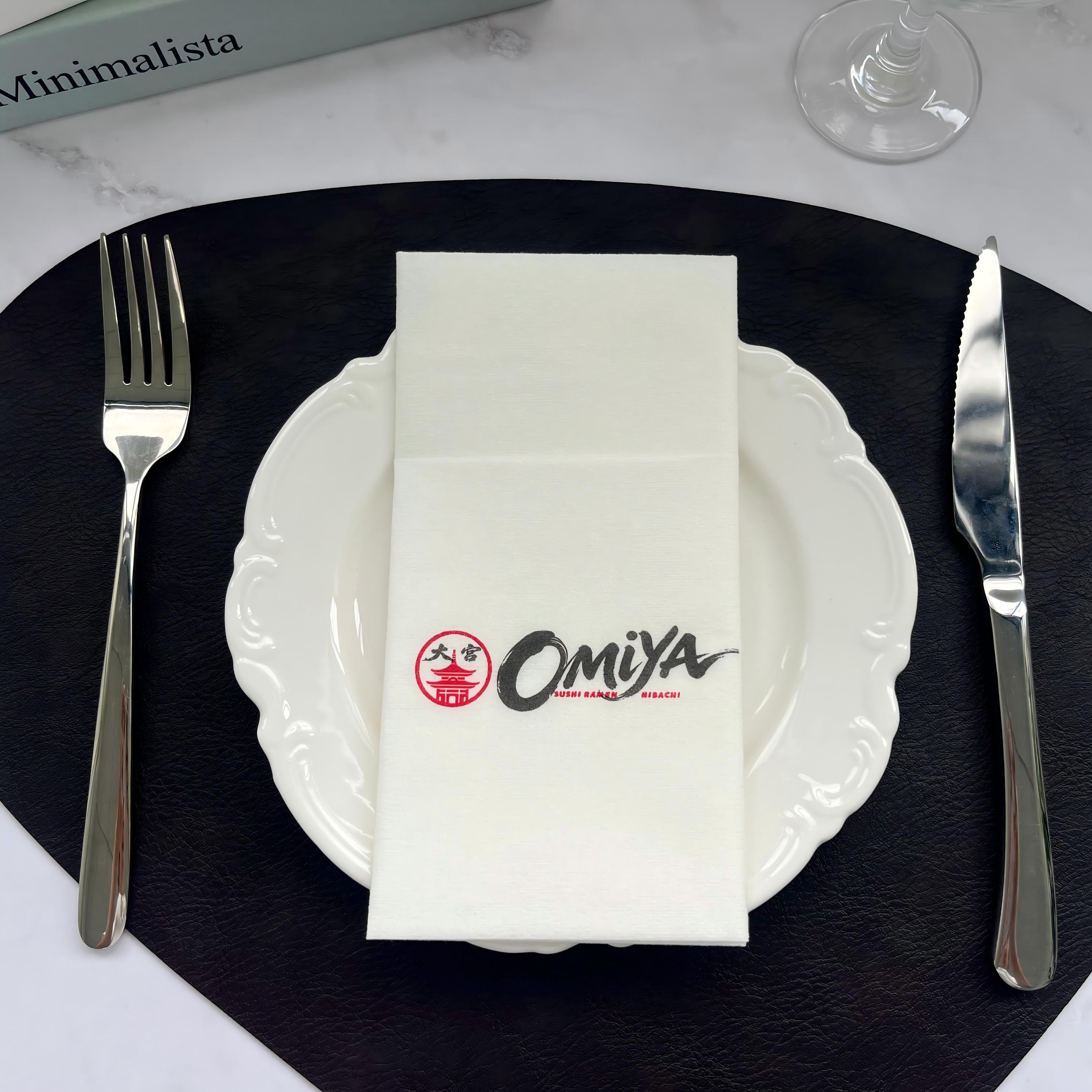
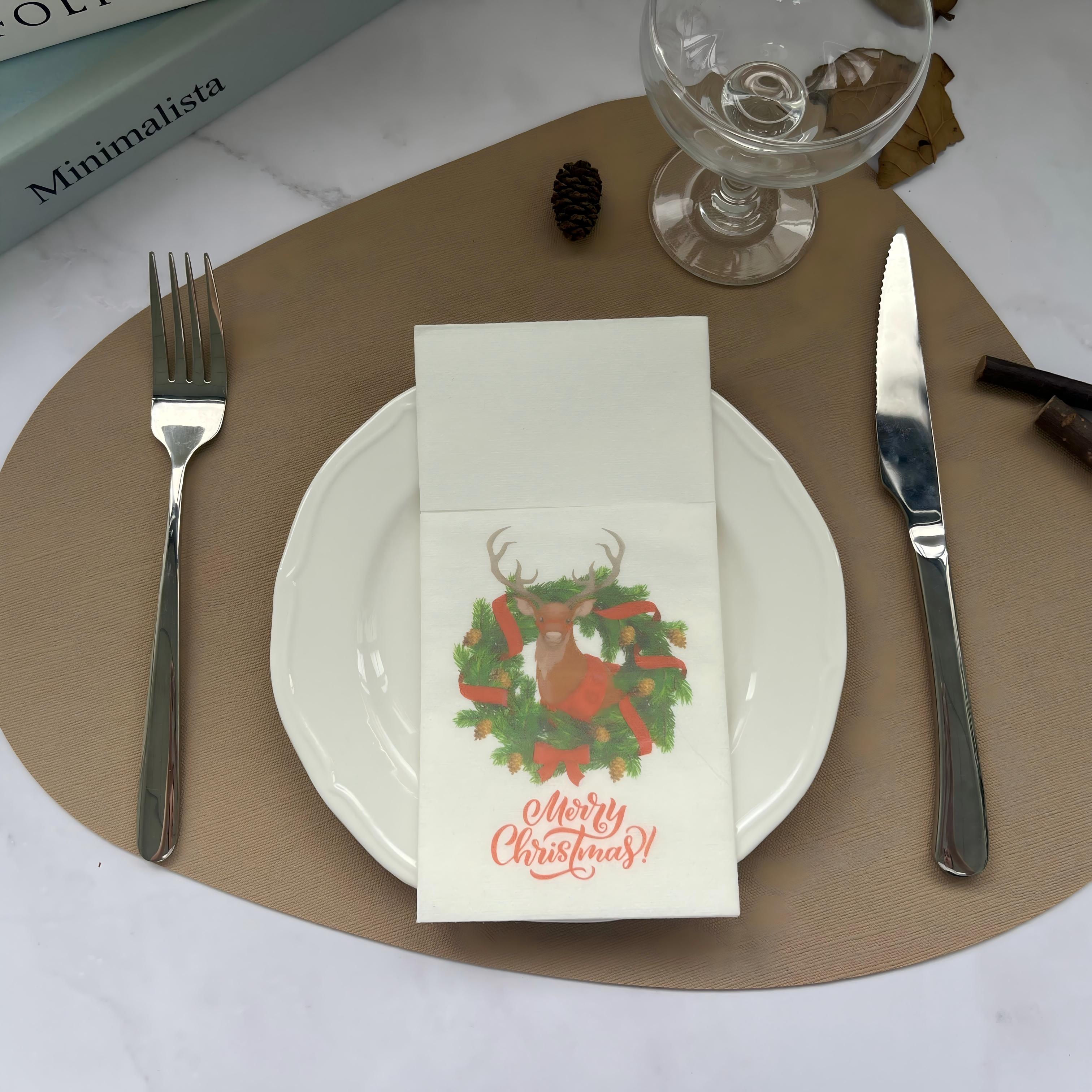
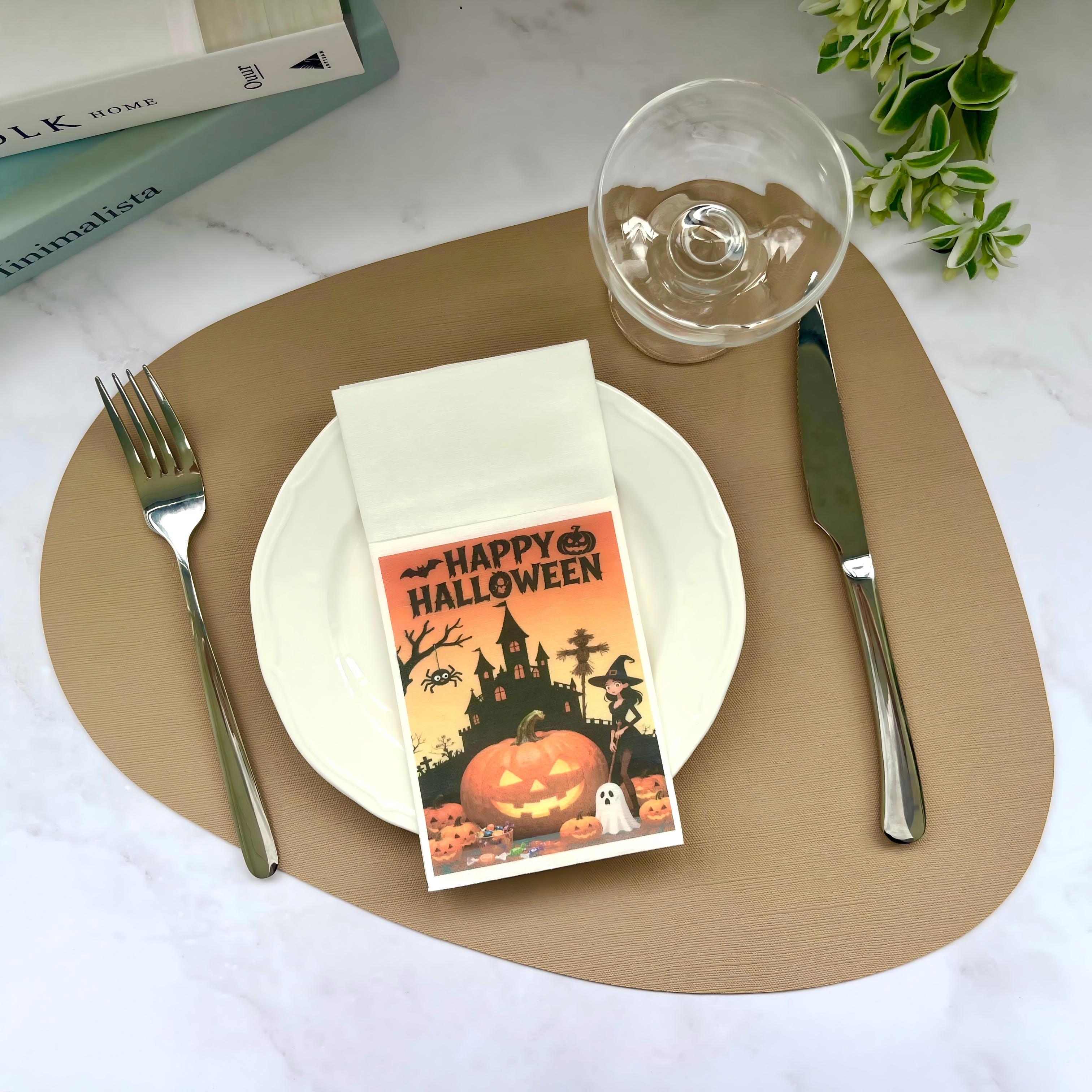
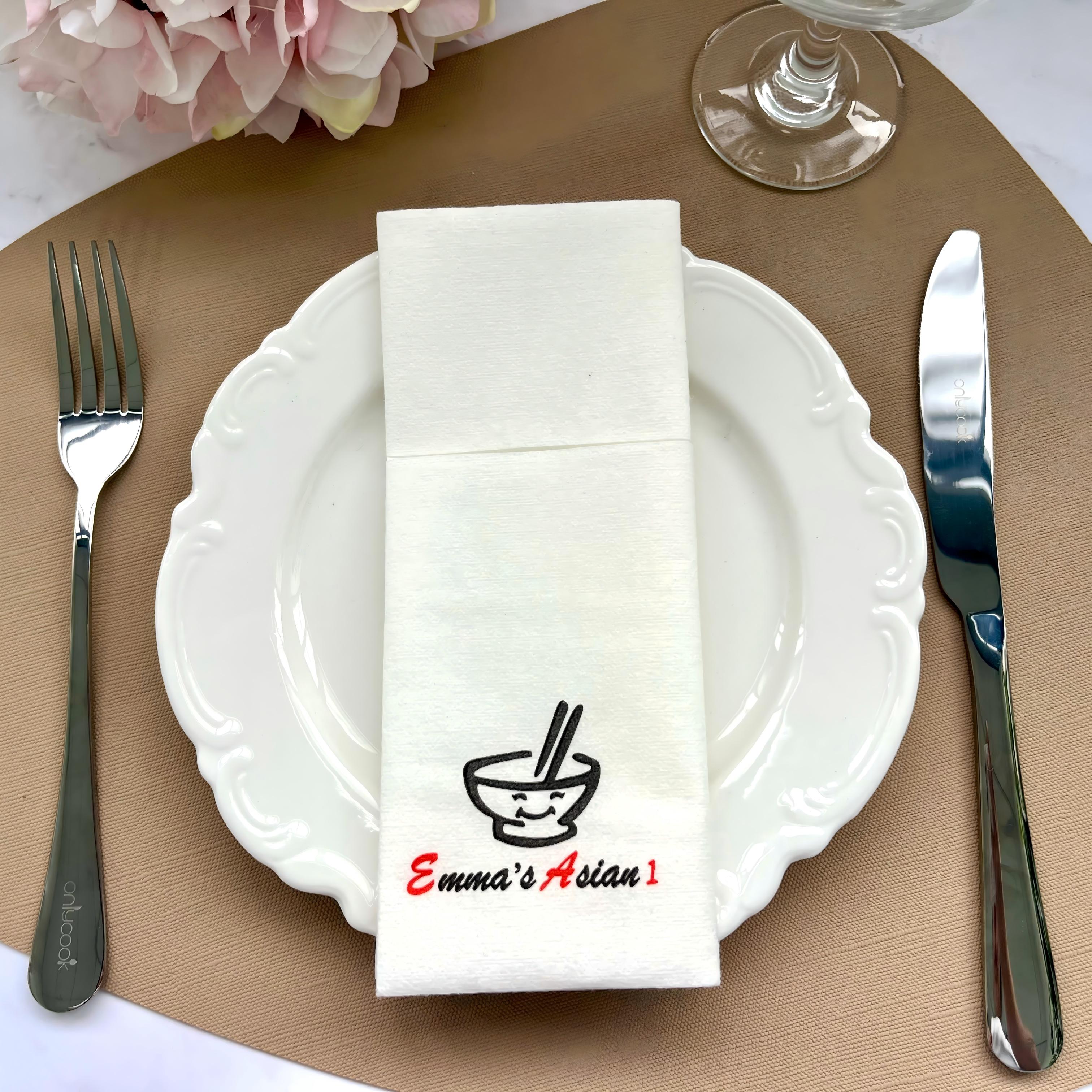
- Pocket Fold (1/2 Fold): Pre-folded with a dedicated slot, making it ideal for sleekly storing cutlery and saving table space.
- Flat Pack: Delivered completely crease-free, offering a blank canvas for custom, complex artisan folds.
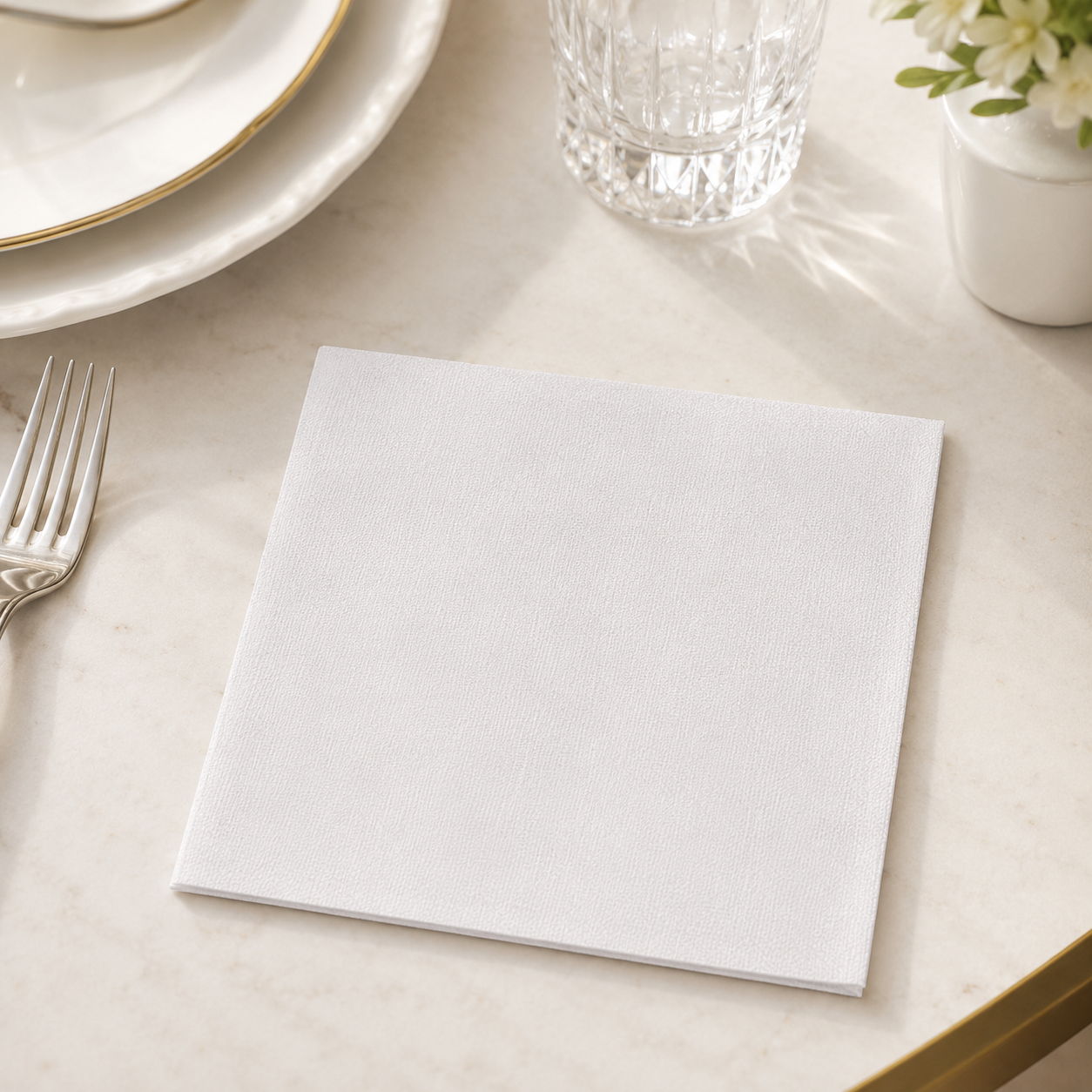
- 1/4 Fold: Folded once vertically and once horizontally, creating a clean square baseline for casual or modern setups.
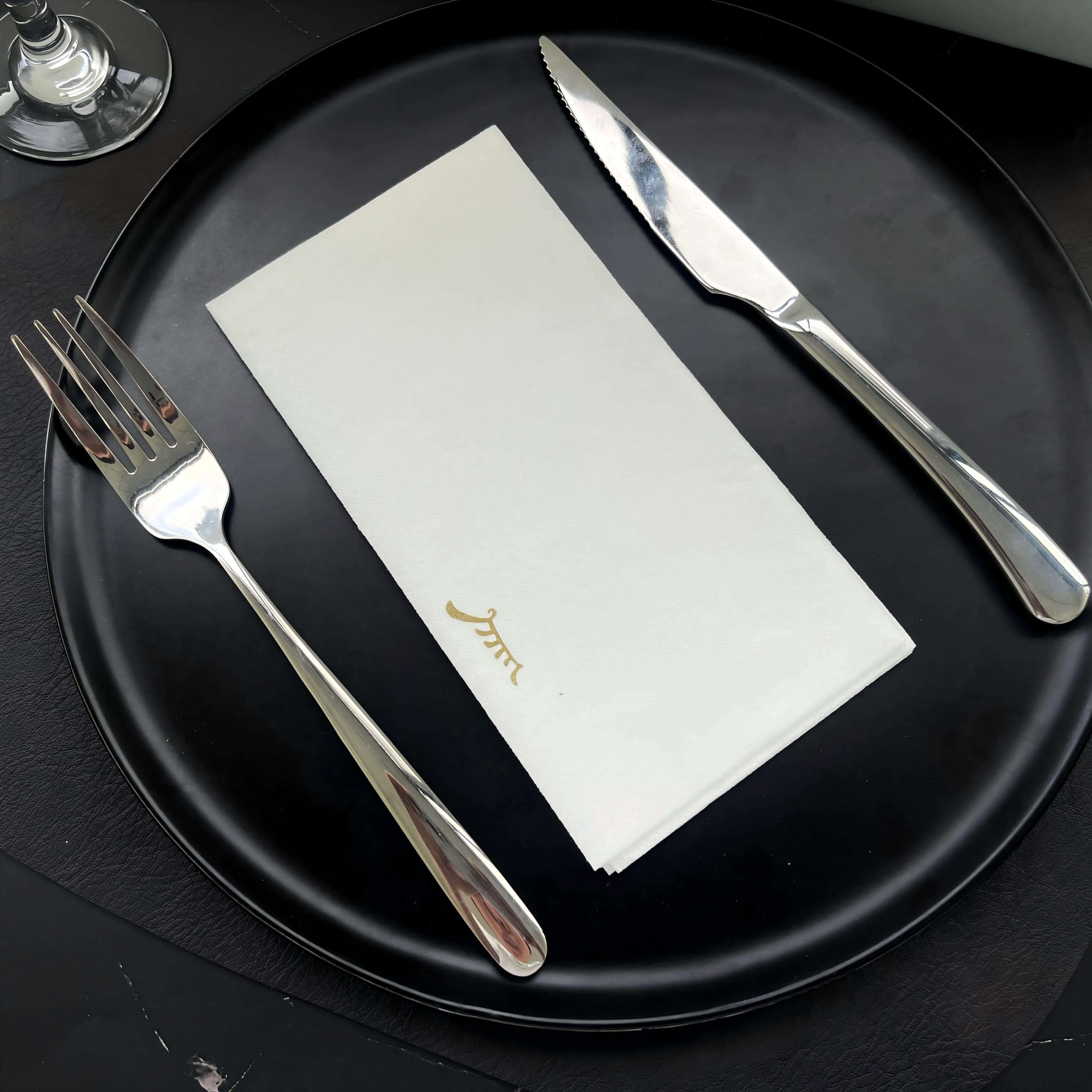
- 1/8 Fold: A multi-folded rectangle that delivers a elongated, traditional look, frequently utilized in classic fine dining layouts.
Strategic Selection: Matching Material to Venue
To ensure seamless execution, event planners must align their textile choices with the specific restrictions and atmospheres of the venue:
Formal Indoor Galas - Cotton or Micropoint Napkins
Primary Benefit: Provides a thick, absorbent, and pristine presentation that perfectly complements heavy silverware and formal multi-course menus.
Casual Dining & High-Volume Halls - Disposable Paper Napkins
Primary Benefit: Allows for rapid table turnover and convenient cleanup while keeping overhead costs manageable.
Summer Outdoor Weddings - Linen or Airlaid Paper Napkins
Primary Benefit: Highly breathable and moisture-resistant, these lightweight options hold up beautifully against humidity and outdoor breezes.
By intentionally coordinating fabric weights, folding styles, and sustainability metrics, hospitality businesses can craft cohesive spaces that leave a lasting impression on every guest.
Frequently Asked Questions (FAQ)
What is airlaid paper napkin material, and how does it compare to standard paper?
An airlaid paper napkin is manufactured using air rather than water to transfer and bond wood pulp fibers. This specific process gives the material a distinct linen-like feel and extreme absorbency, making it significantly softer and stronger than standard multi-ply paper options.
How do I choose between cotton vs linen napkins for weddings?
Cotton is thicker, softer to the touch, and highly absorbent, making it excellent for formal, indoor multi-course dinners. Linen is more lightweight, structured, and highly breathable, featuring a textured look that holds its shape well against wind, which makes it ideal for outdoor events or summer weddings.
Why does ply-count matter when purchasing disposable napkins for restaurants?
Ply-count refers to the number of layers in the paper. Higher ply-counts, such as 2-ply or 3-ply, offer superior absorbency and a plusher feel. Investing in higher ply-counts ensures that fewer napkins are wasted per guest during spills, balancing upfront procurement costs with operational efficiency.
What are the main benefits of using a pocket fold napkin design?
A pocket fold or 1/2 fold napkin provides a pre-fabricated sleeve that cleanly houses cutlery. This style enhances table organization, protects flatware from exposure, and significantly speeds up table setting times for catering staff during large-scale events.

- Contact
-
+86-18205820793lydia@shuangjiepaper.comPhone
- Get Connected

