
 English
 Español


How to Choose Paper Napkins: A Practical Guide to Materials, Sizes, and Designs
Content
- 1 Why Paper Napkins Deserve a Closer Look
- 2 What Are Paper Napkins?
- 3 Why Choose Paper Napkins?
- 4 Choosing the Right Paper Napkins: Materials, Sizes, and Designs
- 5 Custom OEM Paper Napkins for Your Business
- 6 Paper Napkins for Different Occasions
- 7 Frequently Asked Questions (FAQ)
- 7.0.1 Q1: Are paper napkins safe for people with sensitive skin or allergies?
- 7.0.2 Q2: Can paper napkins be used for crafts or DIY projects?
- 7.0.3 Q3: How do I choose paper napkins for outdoor events or picnics?
- 7.0.4 Q4: What are the most common paper napkin sizes?
- 7.0.5 Q5: Are eco-friendly paper napkins durable?
- 8 Final Thoughts
Why Paper Napkins Deserve a Closer Look
Paper napkins sit at the intersection of function and presentation. They clean hands, protect tables, and quietly signal the tone of a meal, whether it is a quick weekday lunch or a formal reception. Choosing the right paper napkins enhances both everyday dining and special occasions, combining practicality, comfort, and style.
This guide covers the factors that matter most in real purchasing decisions: material quality, size selection, design preferences, ply and thickness, eco-friendly options, and customization for businesses. Each section is built around practical criteria you can apply immediately, whether you are stocking a restaurant, planning an event, or buying for a household.
What Are Paper Napkins?
Paper napkins are absorbent pieces of processed paper fibers used to clean hands, face, and table during meals. They are typically made from virgin or recycled pulp, embossed for softness or absorbency, and folded into standard shapes for dispensing.
The category spans a wide range of products. Disposable napkins dominate food service and everyday home use because they eliminate laundering costs and reduce cross-contamination risk. Party napkins and restaurant napkins often carry printed designs or brand marks. Outdoor and picnic formats tend to be heavier and more wind-resistant.
| Context | Typical Napkin Type | Primary Priority |
|---|---|---|
| Home everyday meals | 1-2 ply, 33x33 cm | Softness and cost |
| Restaurant service | 2-3 ply, 40x40 cm | Absorbency and look |
| Parties and events | Printed, themed designs | Visual coordination |
| Outdoor and picnics | Heavyweight, compact pack | Wind resistance and portability |
Why Choose Paper Napkins?
Paper napkins remain the default table accessory across most food service settings for several practical reasons. Understanding these benefits helps buyers justify specification choices and defend budgets.
Convenience
Paper napkins are ready to use and easy to dispose of after a meal. There is no collection, sorting, or laundering cycle, which simplifies operations in high-turnover environments.
Hygiene
Single-use napkins minimize contamination risk because each guest receives a new, uncontaminated napkin. This matters in clinical, catering, and shared-dining contexts where cross-contact is a concern.
Affordability
Unit costs are low relative to linen, and there are no hidden laundry, replacement, or storage costs. The format scales from small households to large institutional buyers without changing the core product logic.
Versatility
Available in many sizes, textures, colors, and themes, paper napkins adapt to casual snack service or formal plated dinners. The same category covers a 1-ply dispenser napkin and a 3-ply embossed dinner napkin.
Customization
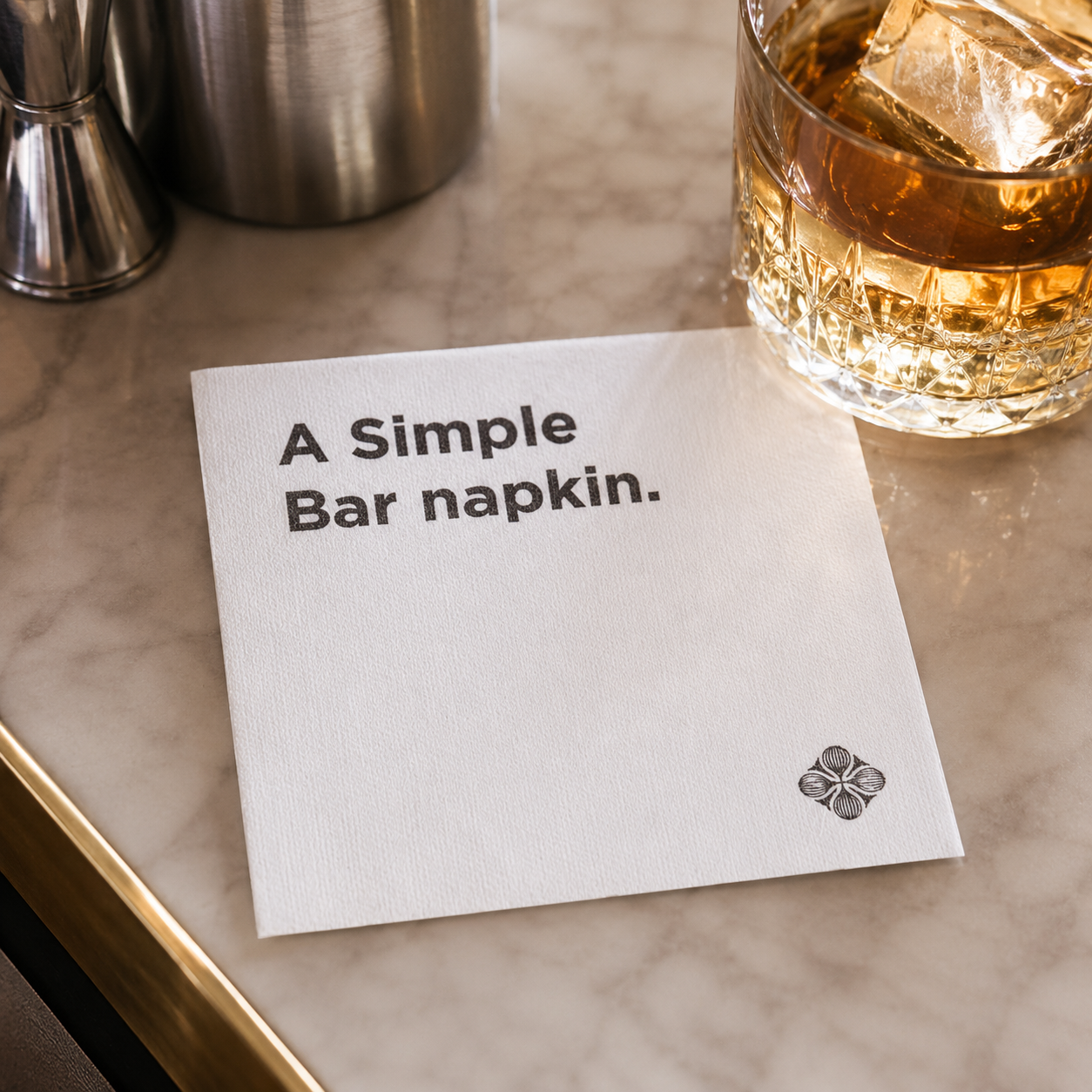
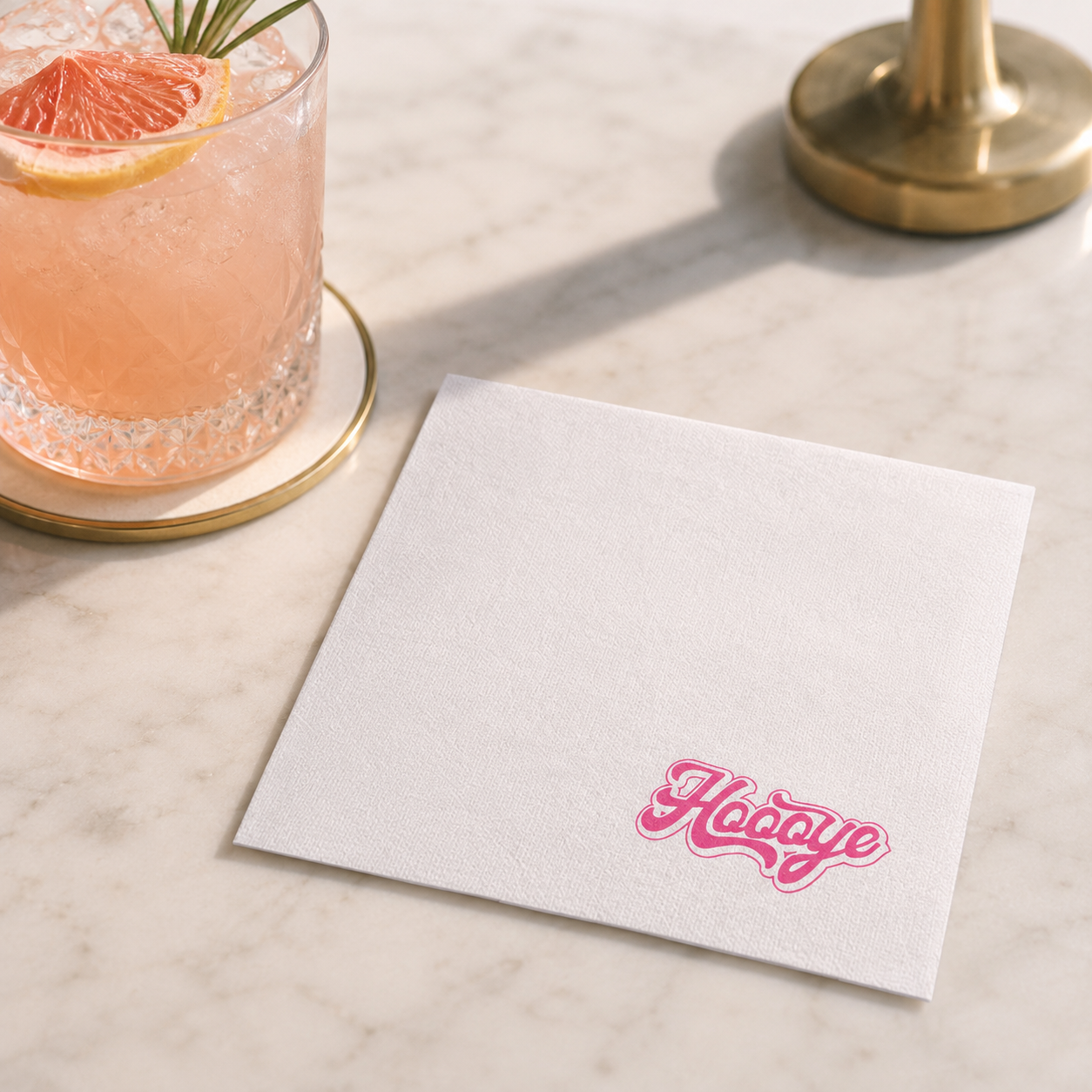
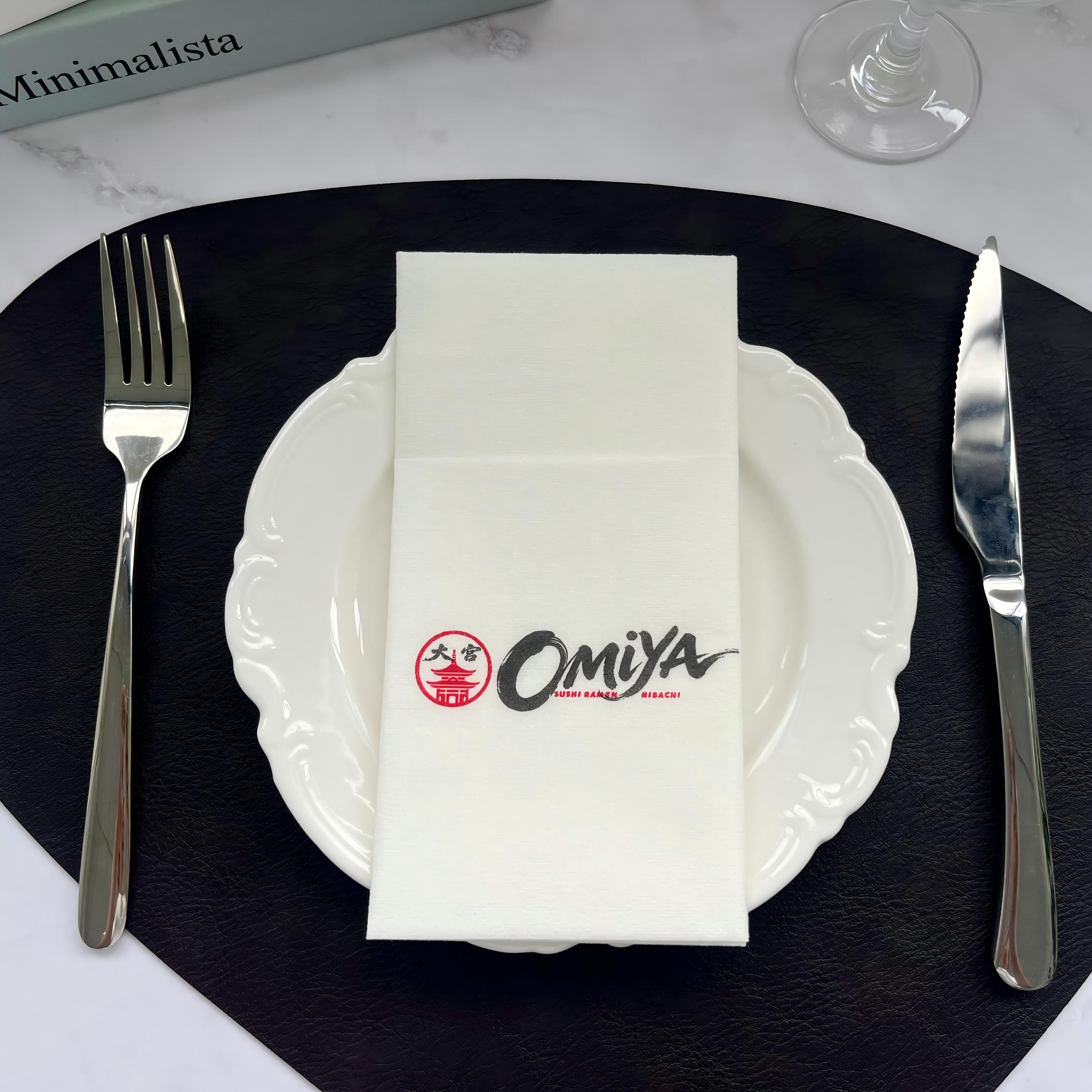
Custom napkins enable companies and event planners to present logos, themes, or names. Printing transforms a commodity item into a branding touchpoint at weddings, corporate events, and restaurant tables.
- No laundering infrastructure required
- Consistent presentation across locations
- Easy to pair with seasonal or campaign themes
- Predictable per-unit budgeting
Choosing the Right Paper Napkins: Materials, Sizes, and Designs
The choice of paper napkins must be based on functionality, quality, and appearance. Buyers who evaluate all three dimensions avoid the common mistake of over-specifying appearance while under-specifying absorbency or durability.
Material Quality
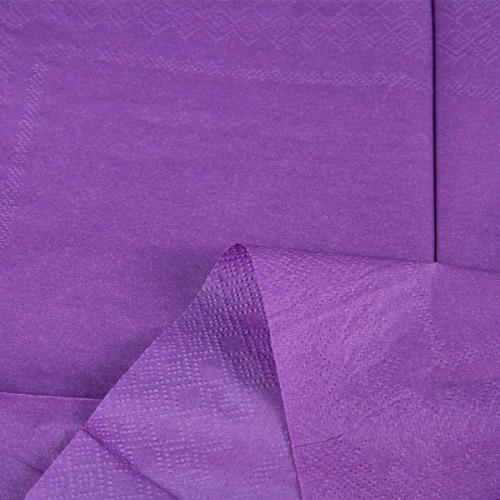
Napkin materials vary in softness, absorbency, and wet strength. Virgin pulp generally delivers the softest hand feel and fastest absorption. Recycled pulp offers a lower environmental footprint and is suitable for most general uses. Embossing patterns increase surface area and improve wipe performance.
When assessing paper napkin material quality, check three signals: how quickly a drop of water is absorbed, whether the sheet holds together when wet, and whether the surface feels rough against skin. These practical tests matter more than nominal weight alone.
Size Selection
The size of the napkin determines utility, appearance, and usability for different dining settings. A napkin that is too small forces guests to use multiple sheets, while an oversized napkin can feel wasteful at casual counters.
| Setting | Typical Size Range | Notes |
|---|---|---|
| Lunch and casual dining | 30x30 cm to 33x33 cm | Balanced cost and coverage |
| Dinner and formal service | 40x40 cm and above | Supports folding and lap coverage |
| Cocktail and reception | 24x24 cm to 27x27 cm | Compact for standing service |
| Snacks and takeaway | 20x20 cm or smaller | Square portable formats work well |
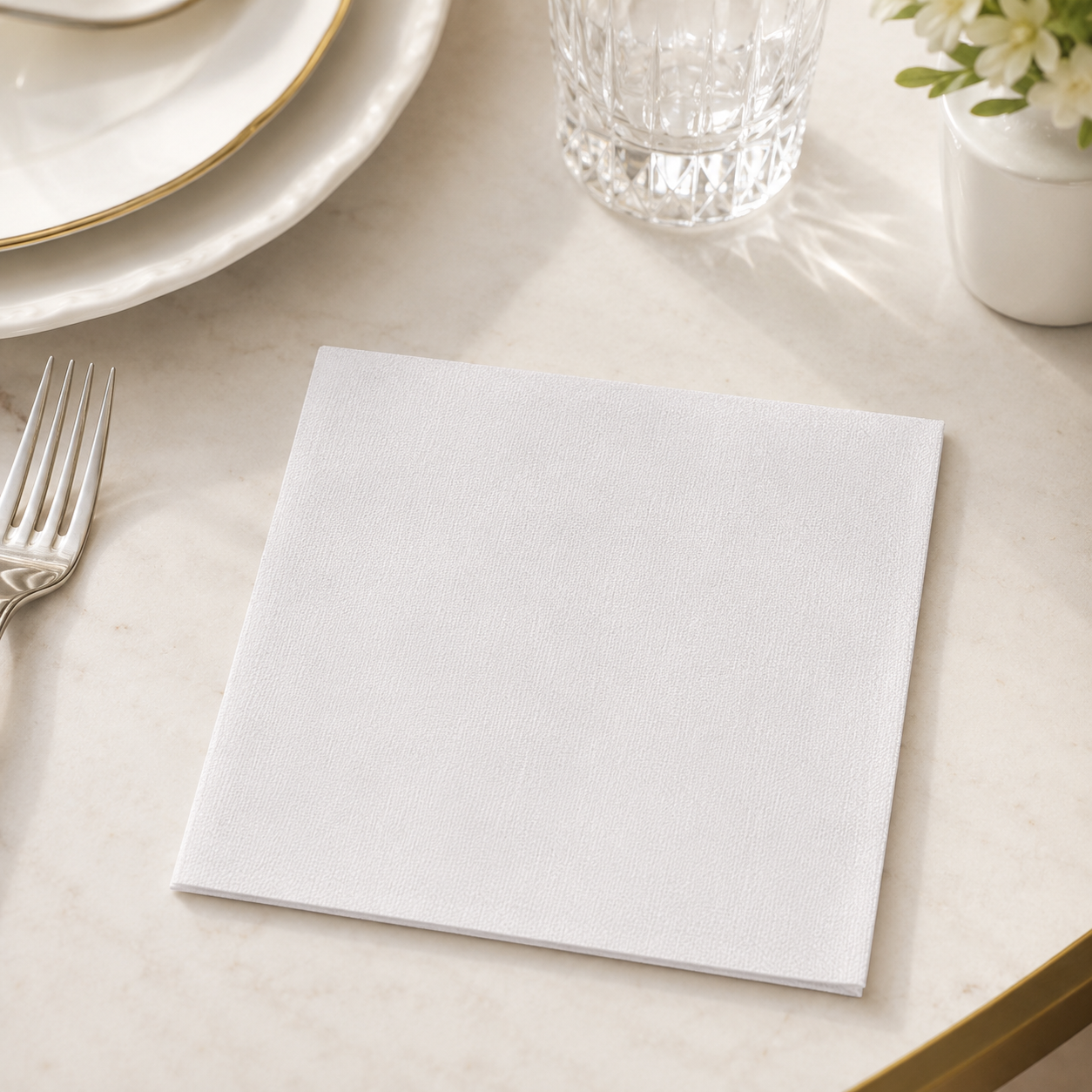
Square portable paper napkins are especially useful for delivery orders, food trucks, and outdoor service where space is limited. For napkin size selection, match the footprint to the plate size and the number of courses served.
Design Preferences
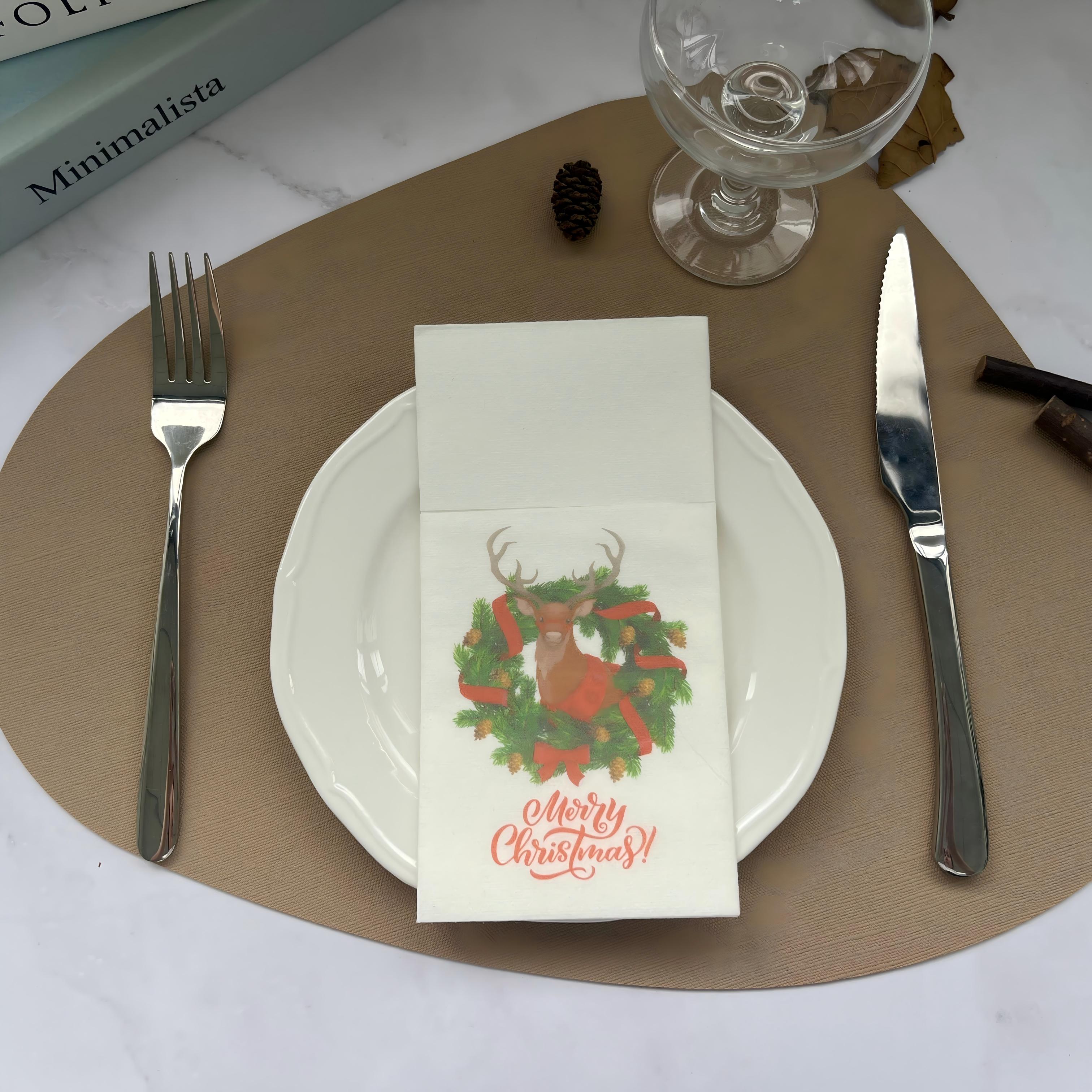
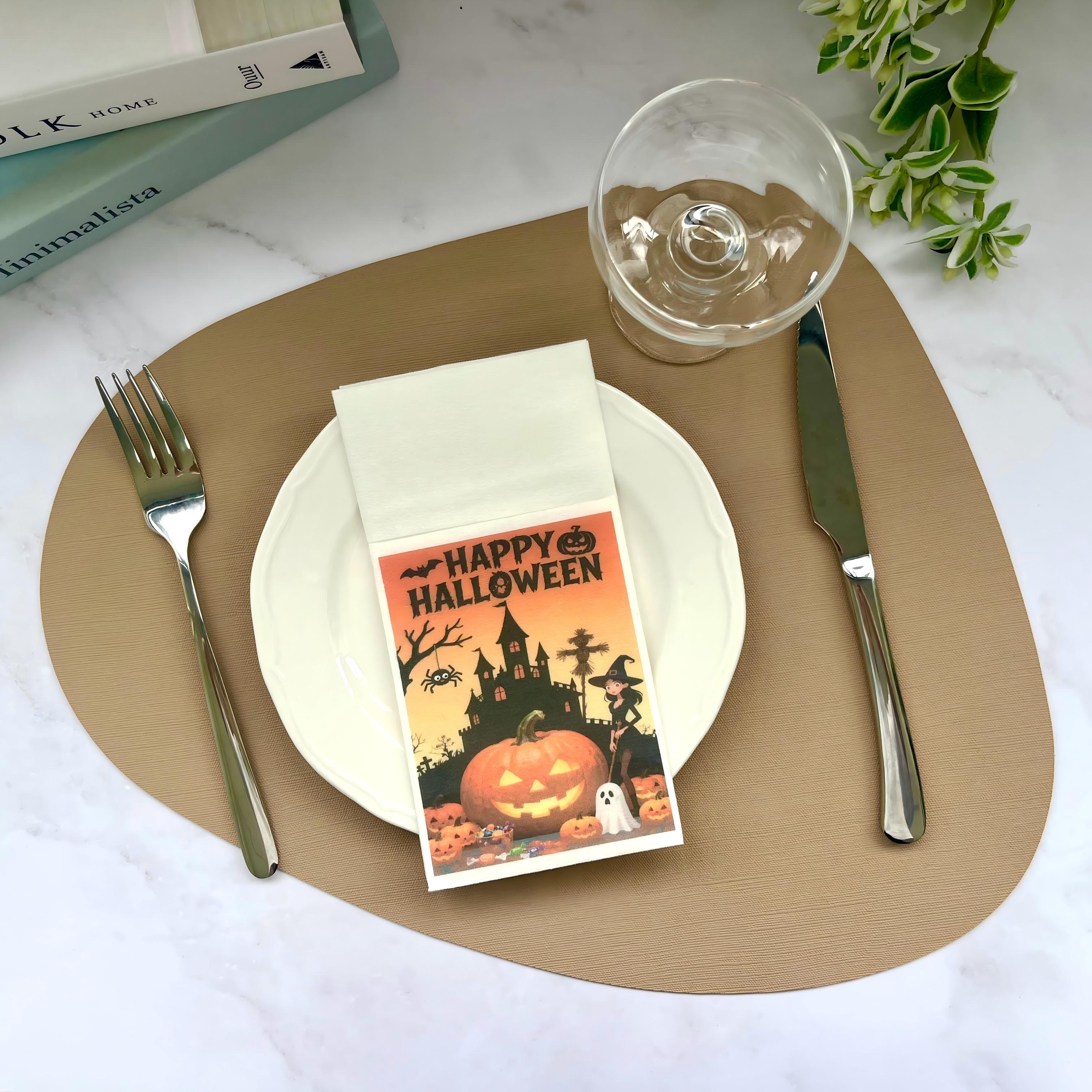
Napkin designs range from plain solids to seasonal themes, geometric patterns, and full custom printing. Solid colors simplify inventory and match most table settings. Themed designs add visual interest for holidays and events.
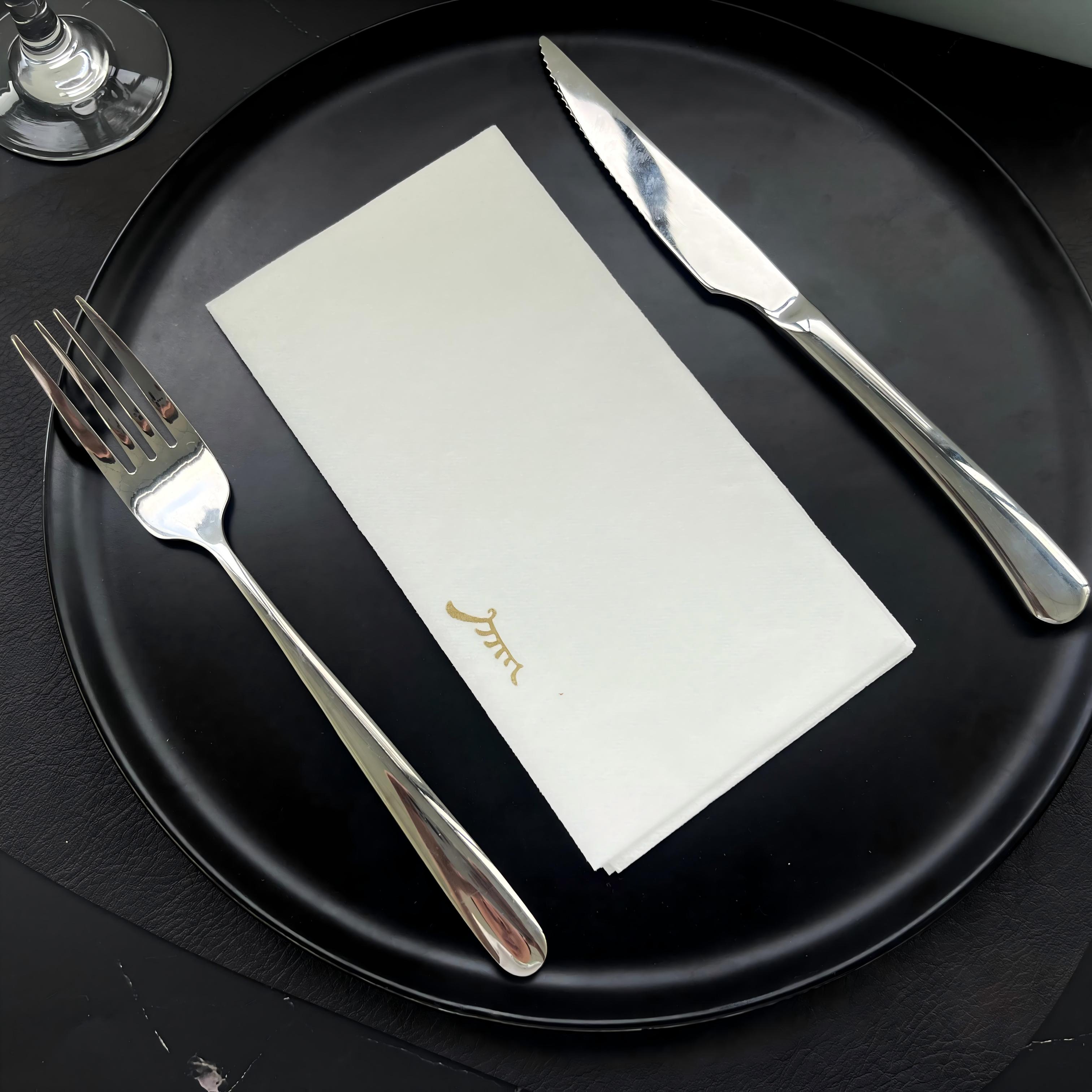
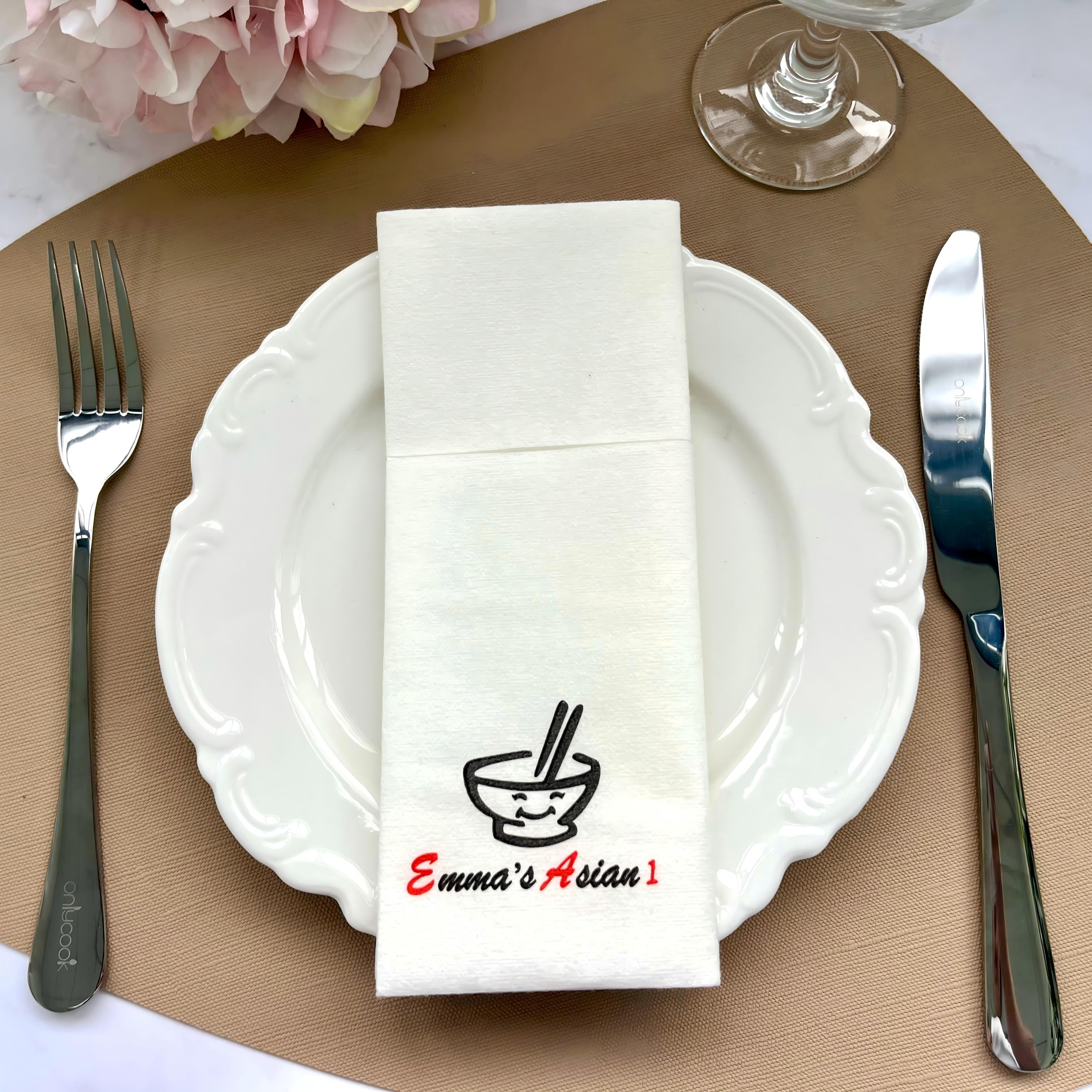
Custom printed paper napkins for branding are common in restaurants, cafes, and corporate catering. Printing methods differ in color fidelity and setup cost, so buyers should confirm minimum order quantities before committing to a design.
Ply and Thickness
Ply refers to the number of paper layers bonded together. Higher ply counts mean more durable napkins, while lower plies suit quick or casual environments. Two-ply is a common middle ground for general dining. Three-ply supports heavier use and repeated wiping.
- 1-ply: dispenser and high-turnover casual use
- 2-ply: general dining and everyday home use
- 3-ply and above: formal service and heavy wiping
Eco-Friendly Options
Eco-friendly napkins have a smaller environmental footprint because they use recycled fibers or plant-based materials. Buyers can choose from several credible routes, each with different performance trade-offs.
Recycled paper
Diverts waste from landfill and performs well for general use.
Bamboo fibers
Fast-growing input with good strength and a soft hand feel.
Unbleached stock
Avoids chlorine bleaching and appeals to natural-look settings.
Compostable lines
Designed to break down in appropriate composting systems.
For eco-friendly paper napkin options, confirm certifications and disposal guidance rather than relying on general claims. Sustainable napkins do not compromise functionality or quality while supporting responsible consumption habits.
Custom OEM Paper Napkins for Your Business
For B2B buyers, customization is often the deciding factor. Custom napkins enable companies and event planners to present logos, themes, or names. The production route matters as much as the design itself: OEM manufacturing allows buyers to specify dimensions, ply, embossing, and print colors under their own requirements.
When sourcing custom OEM paper napkins, clarify four points early: minimum order quantity, print method and color limits, lead time for artwork approval, and packaging format. Square portable formats are popular for delivery and takeaway because they fit compact dispensers and reduce waste per order.
| Sourcing Point | What to Confirm |
|---|---|
| Print method | Color count and edge-to-edge capability |
| Artwork approval | Proofing stages and revision limits |
| Packaging | Bulk cartons vs retail-ready packs |
| Compliance | Food-contact and fiber sourcing documentation |
Buyers exploring the paper napkins collection should match the customization level to the use case: a logo on a 2-ply dinner napkin serves a different purpose than a themed print on a cocktail napkin. For branding programs, custom printed paper napkins for branding work best when the design stays legible at small sizes and the base material supports the ink.
Paper Napkins for Different Occasions
Different occasions impose different demands on absorbency, appearance, and handling. The following categories cover the most common purchasing scenarios.
Wedding napkins
Wedding napkins usually prioritize design coordination with table linens, florals, and invitations, often in 2-ply or 3-ply formats.
Party napkins
Party napkins lean toward themed prints and bright colors, with compact sizes suited to standing reception service.
Restaurant napkins
Restaurant napkins must balance absorbency, wet strength, and presentation consistency across hundreds of covers per day.
Outdoor events and picnics
For open-air service, heavier and more wind-resistant formats are preferred. When selecting the best paper napkins for outdoor events, favor compact packs and heavier stock that resist tearing and blowing away.
Frequently Asked Questions (FAQ)
Q1: Are paper napkins safe for people with sensitive skin or allergies?
The majority of hypoallergenic paper napkins contain soft fibers and little dyes, which is why they are safe to use with sensitive skin. Buyers with known sensitivities should favor unbleached or undyed options and check fiber sourcing documentation.
Q2: Can paper napkins be used for crafts or DIY projects?
Yes. Paper napkins are widely used in decoupage, collage, and table decor projects because the printed layers separate easily and conform to curved surfaces. Lower ply counts are usually easier to work with for crafts.
Q3: How do I choose paper napkins for outdoor events or picnics?
Choose heavier, wind-resistant napkins that are easy to carry and better suited for outdoor use. Compact packs and weighted dispensers further reduce loss from wind during open-air service.
Q4: What are the most common paper napkin sizes?
Common sizes include 20x20 cm and 24x24 cm for snacks and cocktails, 30x30 cm to 33x33 cm for lunch and casual dining, and 40x40 cm and above for dinner and formal service. Square portable formats are common in takeaway settings.
Q5: Are eco-friendly paper napkins durable?
Sustainable napkins do not compromise functionality or quality while supporting responsible consumption habits. Recycled and bamboo-based stocks can match conventional absorbency when ply and embossing are specified correctly.
Final Thoughts
Choosing the right paper napkins enhances both everyday dining and special occasions, combining practicality, comfort, and style. Start with the functional basics, material, size, and ply, then layer in design and sustainability according to the setting.
For buyers ready to move from specification to sourcing, browse the paper napkins collection to compare formats, or start an inquiry for custom OEM paper napkins tailored to your business requirements.

- Contact
-
+86-18205820793lydia@shuangjiepaper.comPhone
- Get Connected

