
 English
  Español


What Makes Environment Friendly Printed Airlaid Napkins a Smarter Choice for Modern Hospitality Brands?
Content
- 1 Understanding Airlaid Napkins and Why Material Matters
- 2 How Air-Forming Reduces Environmental Impact
- 3 Customized Patterns: What Full-Surface Printing Makes Possible
- 4 Where Printed Airlaid Napkins Perform Best
- 5 Evaluating a Manufacturer for Custom Printed Napkins
- 6 Preparing Artwork for Printed Airlaid Napkins
- 7 Frequently Asked Questions
Understanding Airlaid Napkins and Why Material Matters
Buyers searching for environment friendly printed airlaid napkins are usually trying to solve a practical problem: they need a table product that looks refined, performs well under real use, and supports a sustainability message without raising costs or slowing down procurement. Before comparing suppliers, it helps to understand what airlaid material is and how it differs from the tissue and paper napkins most people already know.
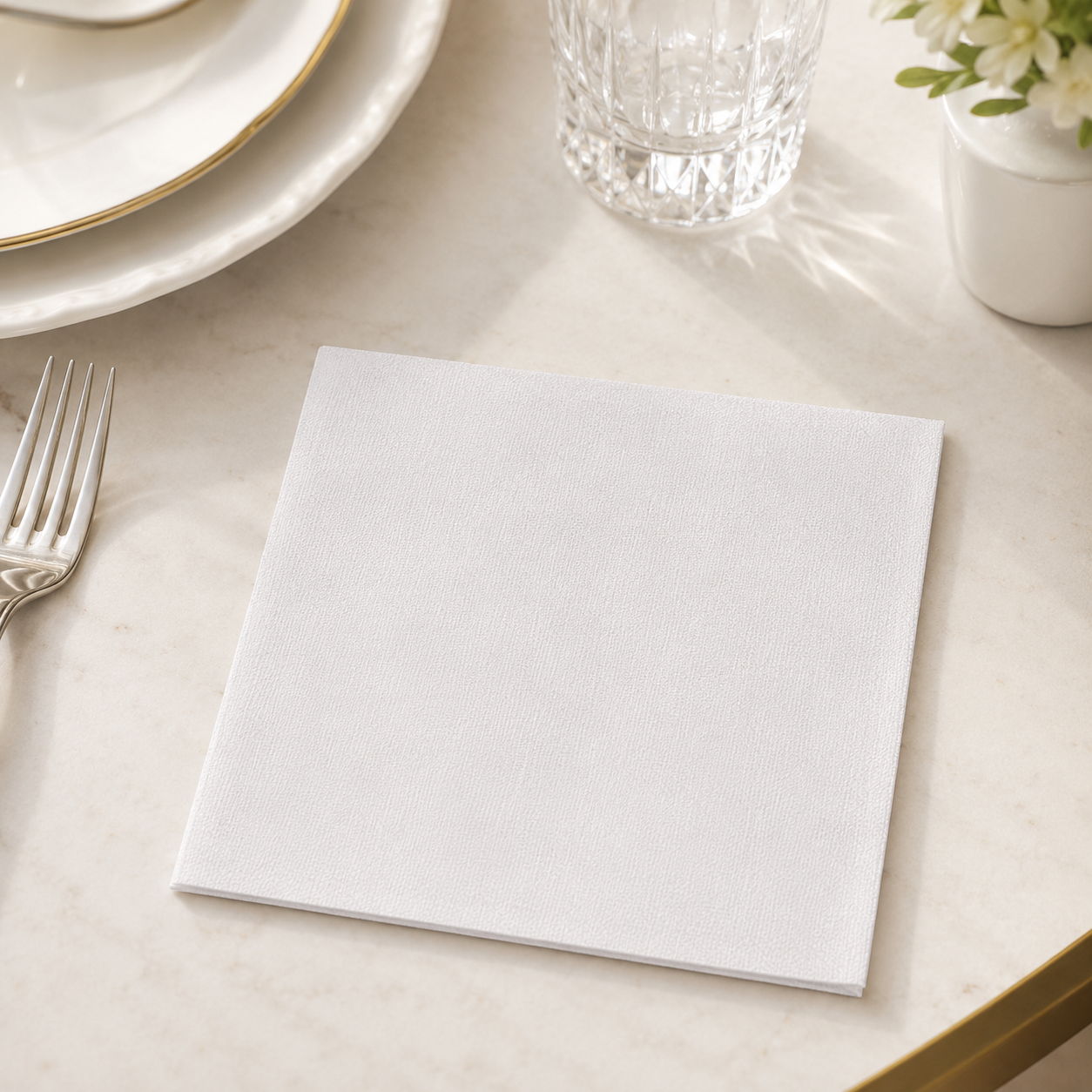
Airlaid is a nonwoven fabric made by air-forming short cellulose fibers, usually wood pulp, and bonding them together with a small amount of binder. Because the fibers are distributed by air rather than water, the process uses far less water than traditional wet-laid papermaking. The result is a sheet with a soft, textile-like surface, good absorbency, and enough wet strength to handle sauces, condensation from glassware, and light cleaning.
Key takeaway: Airlaid napkins combine the tactile comfort of cloth with the hygiene and cost efficiency of single-use products, which is why they are widely specified for banquets, restaurants, and branded events.
Core Material Characteristics
| Property | Airlaid Napkin | Standard Paper Napkin |
|---|---|---|
| Surface Feel | Soft, cloth-like | Smooth, thin |
| Absorbency | High | Moderate |
| Wet Strength | Strong when wet | Weakens quickly |
| Print Surface | Full-coverage possible | Limited |
How Air-Forming Reduces Environmental Impact
The sustainability case for airlaid rests on process as much as on material. Wet-laid papermaking requires large volumes of water to suspend fibers, followed by energy-intensive drying. Air-forming replaces most of that water step with mechanical air streams, which lowers water consumption and reduces the energy needed for drying. Because the fibers are predominantly natural cellulose, finished products can be biodegradable under suitable composting conditions.
Practical Sustainability Benefits
- Lower water use during sheet formation compared with wet-laid methods
- Natural cellulose content that supports biodegradability
- Reduced drying energy, which lowers the production footprint
- Greater durability per sheet, so fewer napkins are needed per guest
Customized Patterns: What Full-Surface Printing Makes Possible
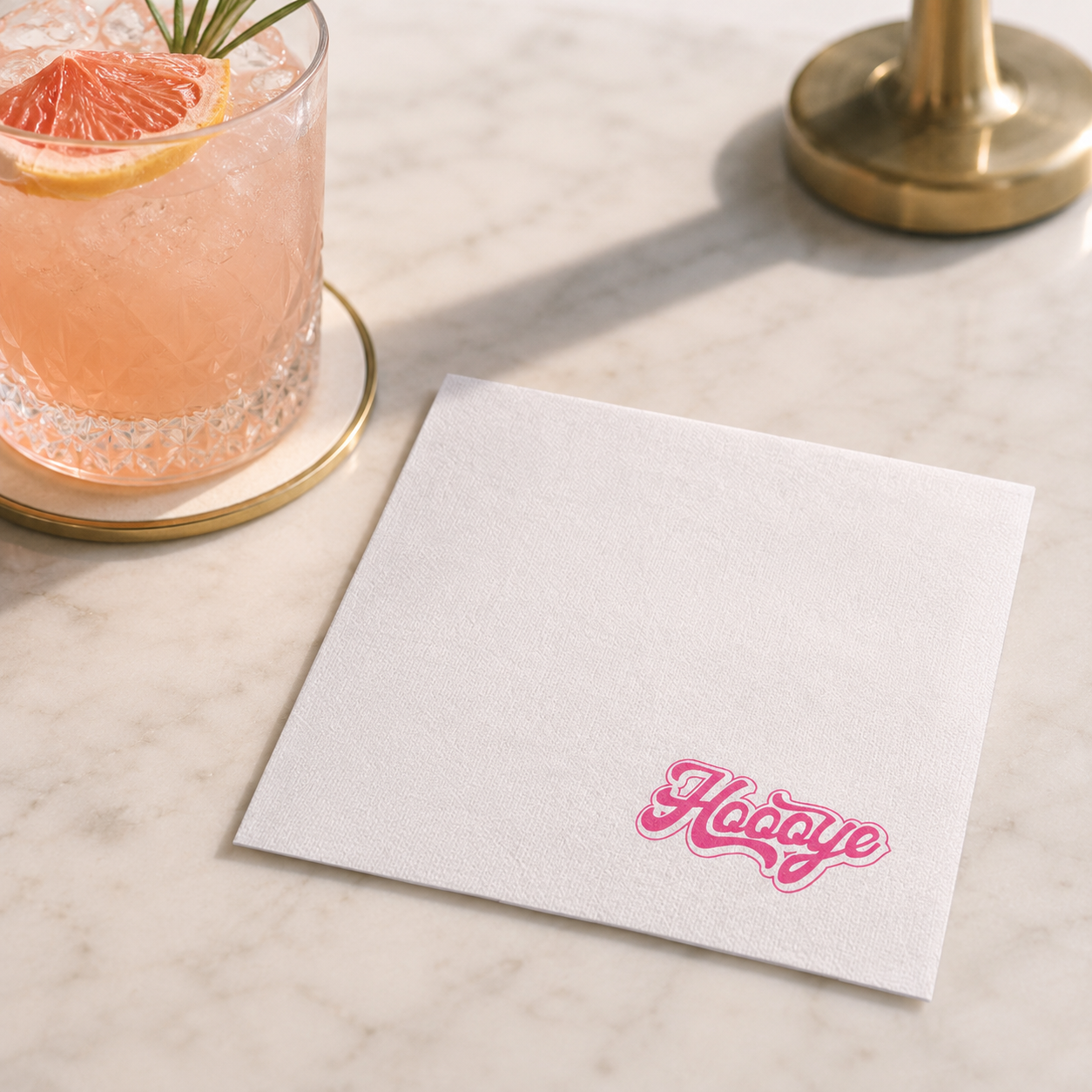
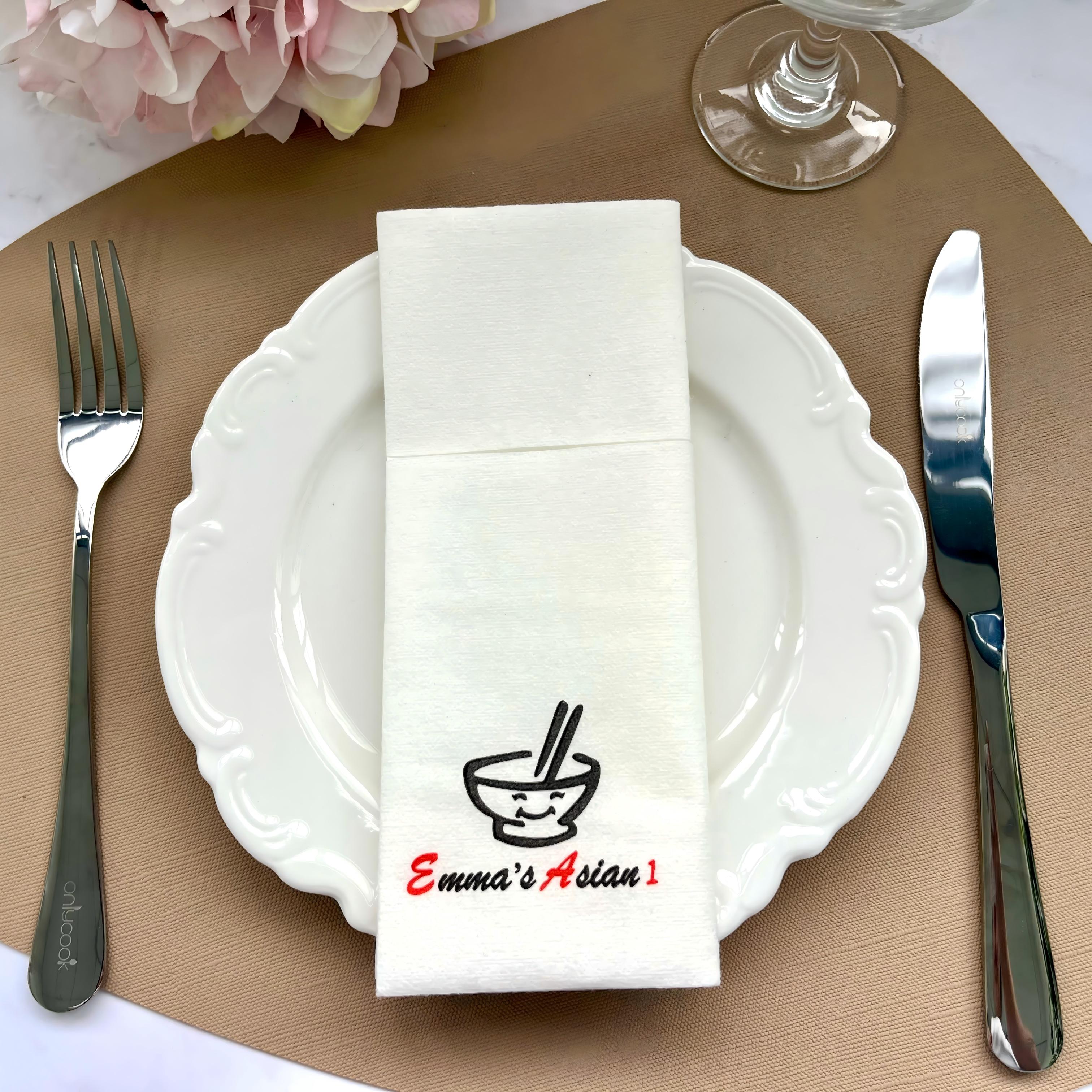
When buyers look for customized patterns on airlaid napkins, they are often comparing what is technically achievable with what is merely advertised. Full-surface printing applies ink across the entire napkin, so logos, borders, and repeating motifs can be reproduced without being cut off by fold lines or trimming tolerances. The soft, absorbent substrate accepts ink differently from coated paper, so color planning and ink selection matter.
Common Customization Methods
- Full-color digital or offset printing for photographic images and gradients
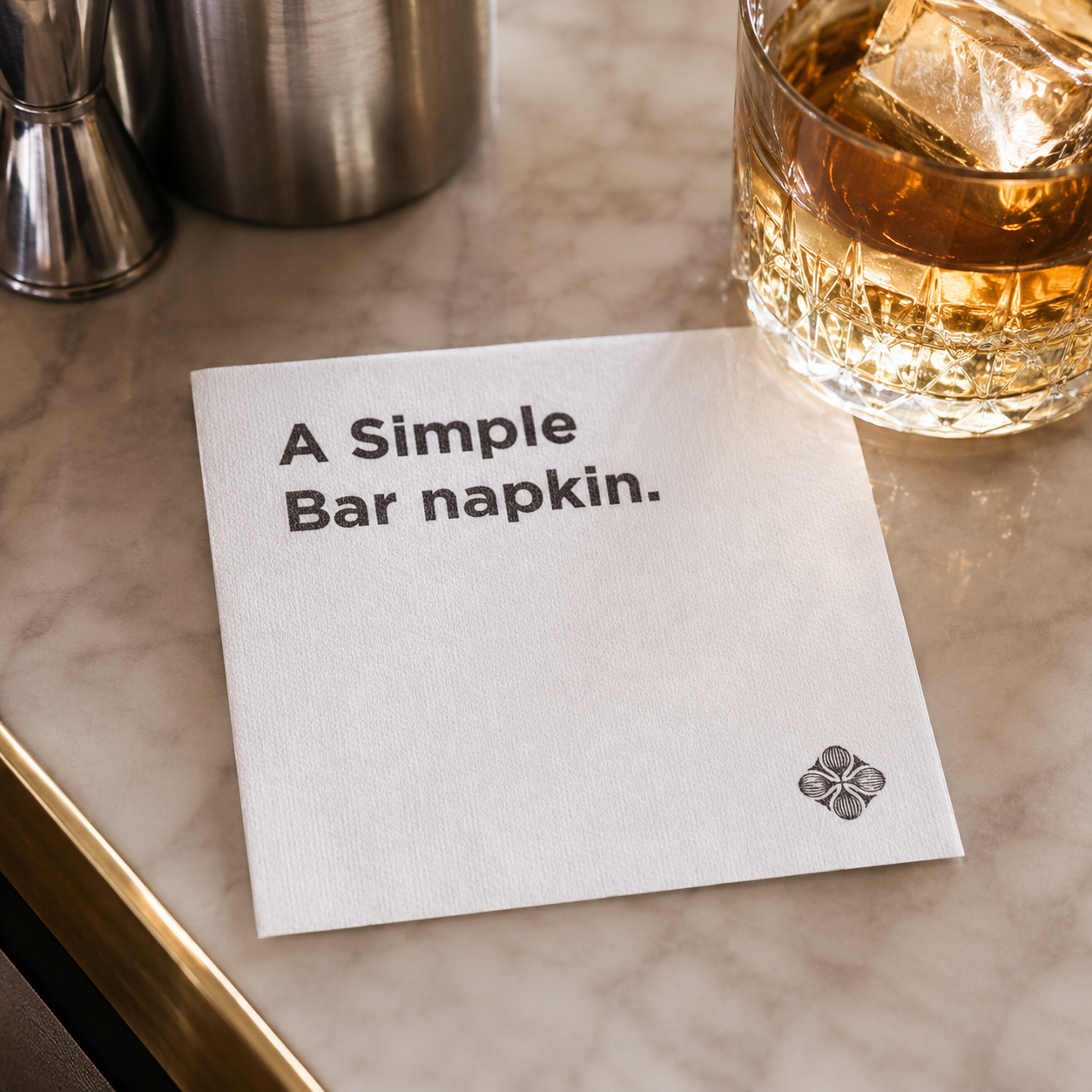
- Single-color or two-color printing for cost-effective brand consistency
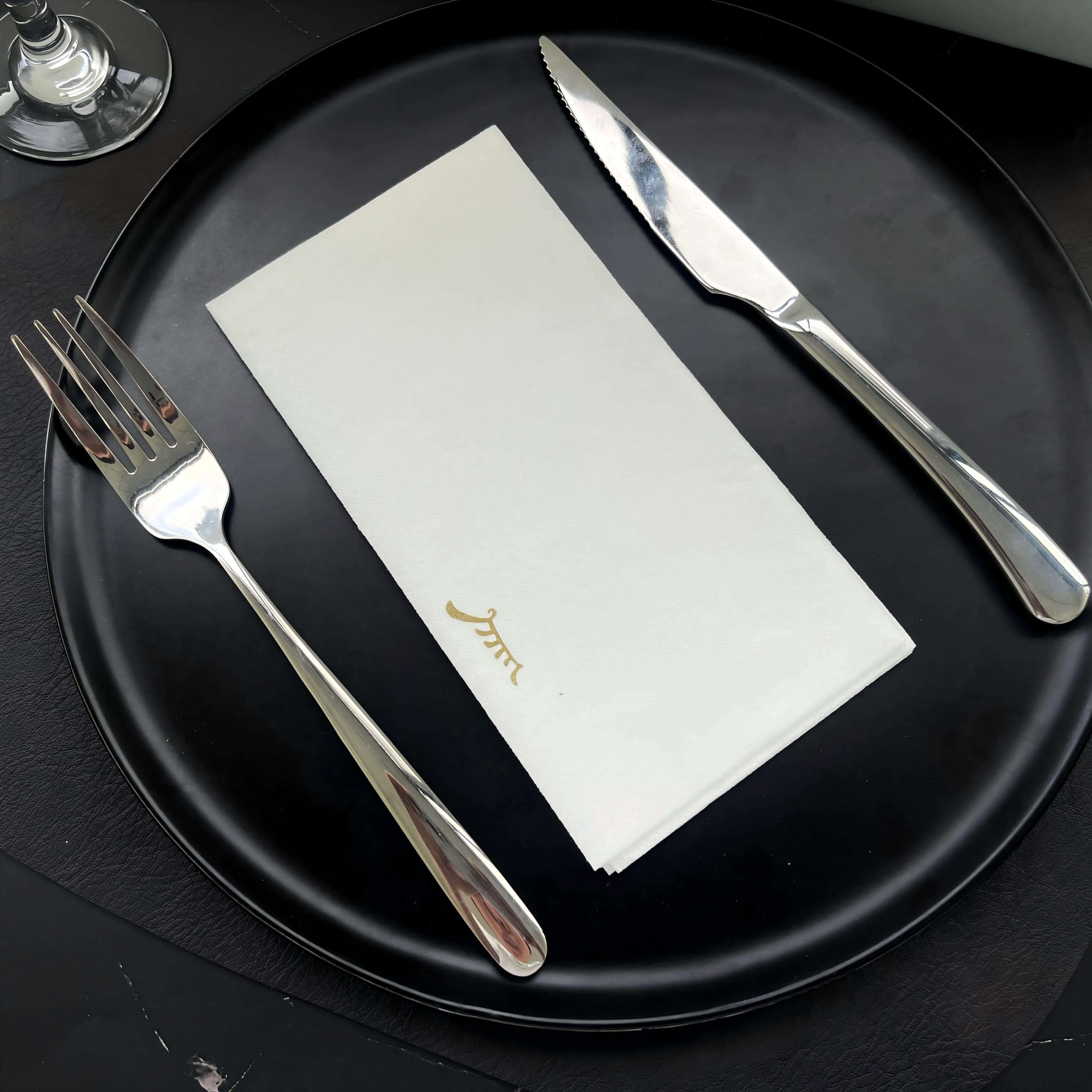
- Hot foil stamping for metallic accents on selected areas
- Embossing to add tactile detail to logos or monograms
- Custom sizing, folding, and packaging formats to match table settings
A well-designed pattern should be checked for color density, repeat alignment, and fold position before mass production, since these three factors determine whether the final napkin looks deliberate or accidental.
Where Printed Airlaid Napkins Perform Best
Different venues place different demands on a napkin, so the best specification depends on use. The table below outlines typical scenarios and the features that matter most in each.
| Application | Priority Feature | Typical Design Approach |
|---|---|---|
| Hotel Dining | Soft feel and absorbency | Subtle tone-on-tone pattern |
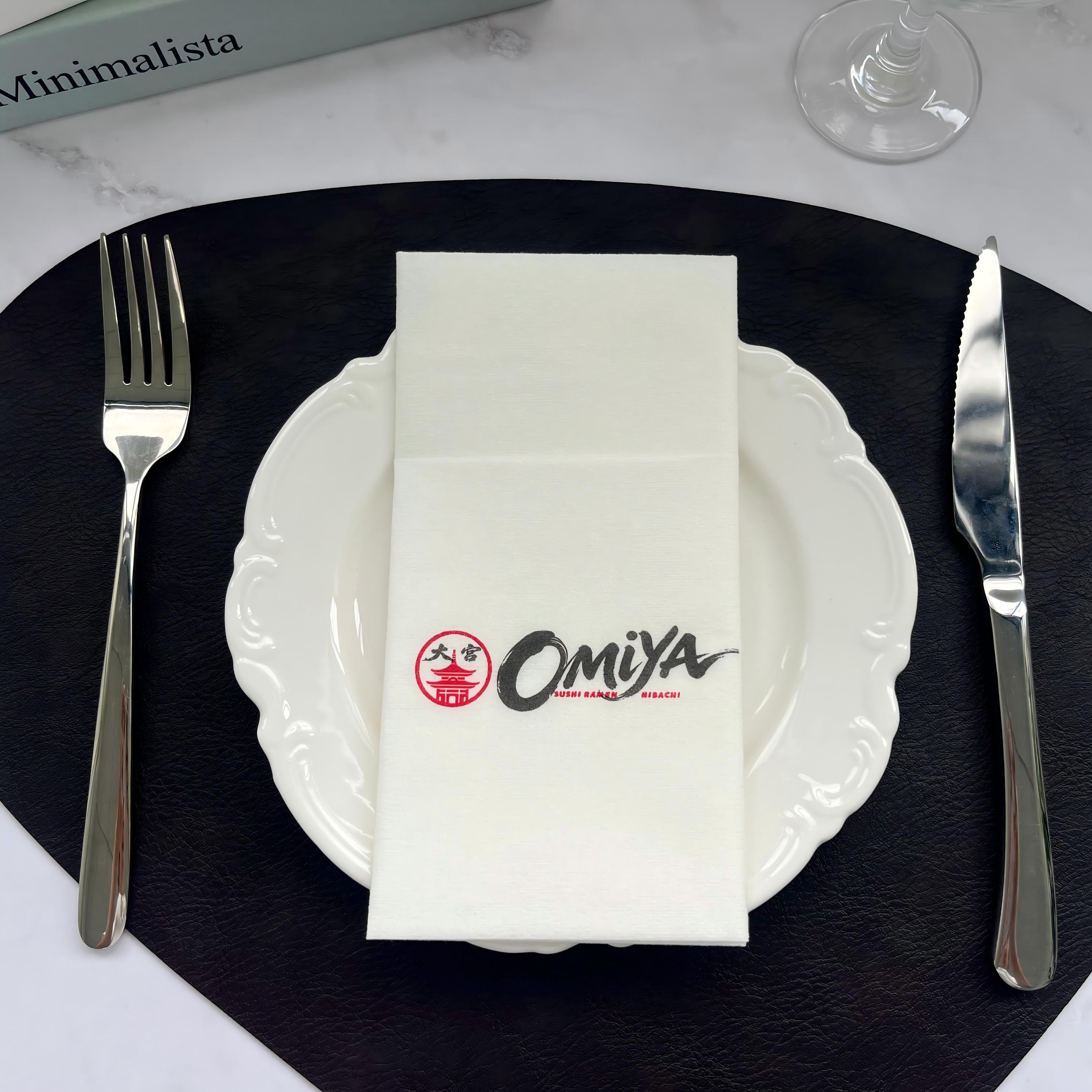
| Restaurant Service | Durability with sauces | Bold logo placement |
| Wedding Receptions | Elegant appearance | Floral or monogram motifs |
| Corporate Events | Brand visibility | Full-color logo and slogan |
Matching Design to Venue Atmosphere
A boutique hotel may prefer muted patterns that complement linen and ceramic, while a trade show may benefit from high-contrast graphics that remain readable at a distance. Designers often build a small set of pattern variations so the same napkin can be adapted across seasons and campaigns without rebuilding the entire product line.
Evaluating a Manufacturer for Custom Printed Napkins
Procurement teams often focus on unit price first, but the real cost of a custom napkin program includes proof approval, reprint risk, and delivery reliability. A capable manufacturer can explain the production chain clearly, from raw material sourcing to finishing and packing.
Supplier Evaluation Checklist
- Ability to reproduce full-surface artwork with consistent registration
- Documented quality management, such as an ISO 9001 system
- Clear minimum order quantities for both standard and custom designs
- Proof and sample process before full production begins
- Experience shipping export containers with proper palletizing
A useful test is to request a physical sample printed with your own artwork. The sample reveals ink saturation, edge sharpness, and how the surface feels, details that a screen image cannot show accurately.
Preparing Artwork for Printed Airlaid Napkins
Good printing results begin with well-prepared artwork. Designers should keep critical elements away from fold lines, use vector files for logos, and convert color to the printing standard the supplier recommends.
Frequently Asked Questions
Q1: Are airlaid napkins biodegradable?
Most airlaid napkins are made primarily from wood pulp and natural cellulose, so they can biodegrade under suitable composting conditions. Binder content and any synthetic additives affect the final rate, so buyers should confirm material specifications with the supplier.
Q2: Can full-surface patterns be printed on airlaid material?
Yes, full-surface printing is commonly available. The soft, absorbent substrate requires appropriate ink selection and proof testing to ensure color accuracy and edge clarity.
Q3: How should buyers start a custom napkin order?
Begin by sharing artwork, target size, quantity range, and intended use. A supplier can then recommend printing methods, provide a proof, and quote based on your specification.
Q4: How do airlaid napkins compare with linen for events?
Airlaid offers a similar soft texture and strong absorbency while remaining disposable and easier to store. Linen suits formal settings with reuse programs, while airlaid suits high-volume events where hygiene and logistics matter.

- Contact
-
+86-18205820793lydia@shuangjiepaper.comPhone
- Get Connected

