
 English
  Español


Airlaid Napkins for Restaurants: GSM, Fold Styles, Costs, and Sourcing Guide
Content
- 1 Why Airlaid Napkins Outperform Standard Paper and Cloth in Restaurant Service
- 2 How Restaurant Operators Should Specify Airlaid Napkins
- 3 Manufacturing Process of Airlaid Napkins
- 4 Matching Airlaid Napkins to Restaurant Segments
- 5 Sourcing and Supply Chain Considerations
- 6 Sustainability Profile of Airlaid Napkins
- 7 Frequently Asked Questions
- 7.0.1 Q1: What GSM airlaid napkin is best for restaurants?
- 7.0.2 Q2: Are airlaid napkins more expensive than standard paper napkins?
- 7.0.3 Q3: Can airlaid napkins be customized with a restaurant logo?
- 7.0.4 Q4: Are airlaid napkins compostable?
- 7.0.5 Q5: How many airlaid napkins does a restaurant need per day?
- 7.0.6 Q6: Do airlaid napkins work with cutlery pockets?
Airlaid napkins have moved from a niche disposable product to a standard specification in restaurant table settings. Unlike standard paper napkins, airlaid material is engineered through a dry-laid process that blends cellulose fibers with latex binders, producing a fabric-like structure that absorbs liquids quickly, resists tearing, and feels soft against the skin. For restaurants, this translates into fewer napkins per table, less breakage, and a more premium guest experience without the laundry burden of cloth.
But choosing the right airlaid napkin for a restaurant is not simply a matter of picking a color and size. Operators must weigh GSM, fold style, embossing, cutlery pocket design, customization options, and supply reliability. This guide provides a technical, practical framework for specifying, sourcing, and deploying airlaid napkins across fine dining, casual service, bars, and catering operations.
Why Airlaid Napkins Outperform Standard Paper and Cloth in Restaurant Service
Airlaid napkins are not simply thicker paper. Their nonwoven structure gives them a distinct performance profile that directly addresses common restaurant pain points: absorbency, tear resistance, hygiene, and labor. To understand where they fit, it helps to compare them side by side with the two most common alternatives: standard 2-ply paper napkins and laundered cloth napkins.
| Metric | Standard 2-Ply Paper | Airlaid | Cloth |
|---|---|---|---|
| Absorbency | Moderate | High | Low when dry |
| Tear resistance | Low | High | Very high |
| Laundry cost | None | None | High |
| Laundry logistics | None | None | Complex |
| Guest perception | Basic | Premium | Traditional |
| Customization | Limited | Full-color print, emboss, hot stamp | Embroidery, limited |
| Typical GSM | 18-25 | 50-70 | 180-250 |
| Cost per use | Low | Moderate | High amortized |
The table shows that airlaid occupies a middle ground: it costs more than basic paper but far less than the fully loaded cost of cloth when laundry, replacement, and labor are included. For high-turnover restaurants, the operational savings often outweigh the higher unit price.
Material Structure and Absorbency Mechanics
Airlaid material is produced by suspending cellulose fibers in an air stream, then depositing them onto a moving belt to form a uniform web. A binder, typically a latex emulsion, is sprayed or printed onto the web and cured to lock the fibers together. The result is a porous, three-dimensional network with millions of tiny capillaries. When a liquid contacts the surface, capillary action pulls it into the core of the material, spreading it laterally rather than letting it pool on the surface.
This structure explains why airlaid napkins can absorb several times their weight in liquid without disintegrating. Standard paper napkins rely on compacted wood pulp with limited void space, so they saturate quickly and tear when wiped. Cloth napkins, by contrast, absorb slowly because the yarns are tightly woven and often treated with sizing agents that repel water until the fabric is fully wetted.
Cost and Operational Efficiency Comparison
Restaurant operators often focus on the unit price of a napkin, but the total cost of ownership tells a different story. A standard paper napkin may cost a fraction of an airlaid napkin, but servers frequently use two or three paper napkins per guest because they tear or saturate. Airlaid napkins usually require only one per guest for a meal, and they can be reused by the guest for multiple wipes without falling apart.
Operational data point: A 120-seat casual dining restaurant serving 300 covers per day can reduce napkin consumption from 450 paper napkins to 300 airlaid napkins per day. At an average cost difference of 3 cents per napkin, the daily savings in waste and labor can reach 15 to 20 percent of the napkin budget, even before accounting for reduced breakage and fewer complaints.
Cloth napkins introduce a different cost structure. Laundry, replacement, and sorting require staff time and utilities. A single cloth napkin may be laundered 50 to 100 times before it is retired, but each wash consumes water, detergent, and energy. For restaurants without an on-premise laundry, the logistics of pickup and delivery add another layer of complexity. Airlaid eliminates those costs entirely.
Guest Perception and Hygiene
Guests notice napkins. A thin paper napkin that shreds on contact signals a lower level of service, while a soft, substantial airlaid napkin communicates care and quality. The linen-like texture of embossed airlaid napkins closely mimics the feel of woven fabric, but without the risk of stains or previous use.
Hygiene is another factor. Single-use airlaid napkins are sealed in packaging and discarded after use, so there is no cross-contamination risk between guests. Cloth napkins, even when properly laundered, can carry traces of detergent or allergens, and a missed stain can damage the guest experience. For restaurants that serve vulnerable populations or operate under strict food safety protocols, single-use airlaid is often the safer choice.
How Restaurant Operators Should Specify Airlaid Napkins
Specifying the right airlaid napkin requires matching material weight, size, and fold to the service style. The following framework helps operators build a specification sheet that suppliers can quote accurately.
GSM, Size, and Fold Standards
GSM stands for grams per square meter, a measure of material density. Airlaid napkins for restaurants typically range from 45 GSM to 70 GSM. Lighter weights suit cocktail and café service, while heavier weights are better for dinner and banquet use. Size and fold determine how the napkin sits on the table and how easily guests can unfold it.
| Restaurant Type | Recommended GSM | Size | Fold | Special Features |
|---|---|---|---|---|
| Fine dining | 60-70 | 40x40 cm | 1/8 or pocket | Embossing, linen-like texture |
| Casual dining | 50-60 | 33x33 cm | 1/4 | Custom print, 2-3 colors |
| Cafes | 45-55 | 25x25 cm | 1/4 | Hot stamping, logo |
| Bars | 55-65 | 20x20 cm | 1/4 or 1/8 | Black, hot stamping, high absorbency |
| Banquet and catering | 60-70 | 40x40 cm | Cutlery pocket, tear resistant | |
| Event and wedding | 55-65 | 33x33 or die-cut | Custom | Die-cut shapes, gold foil |
For fine dining, a 1/8 fold creates a tall, elegant presentation that stands upright on the plate. Pocket folds are increasingly popular because they hold cutlery, freeing servers from wrapping silverware manually. For bars, a 20x20 cm cocktail napkin is standard, and a darker color hides stains from spilled drinks.
Embossing, Printing, and Cutlery Pockets
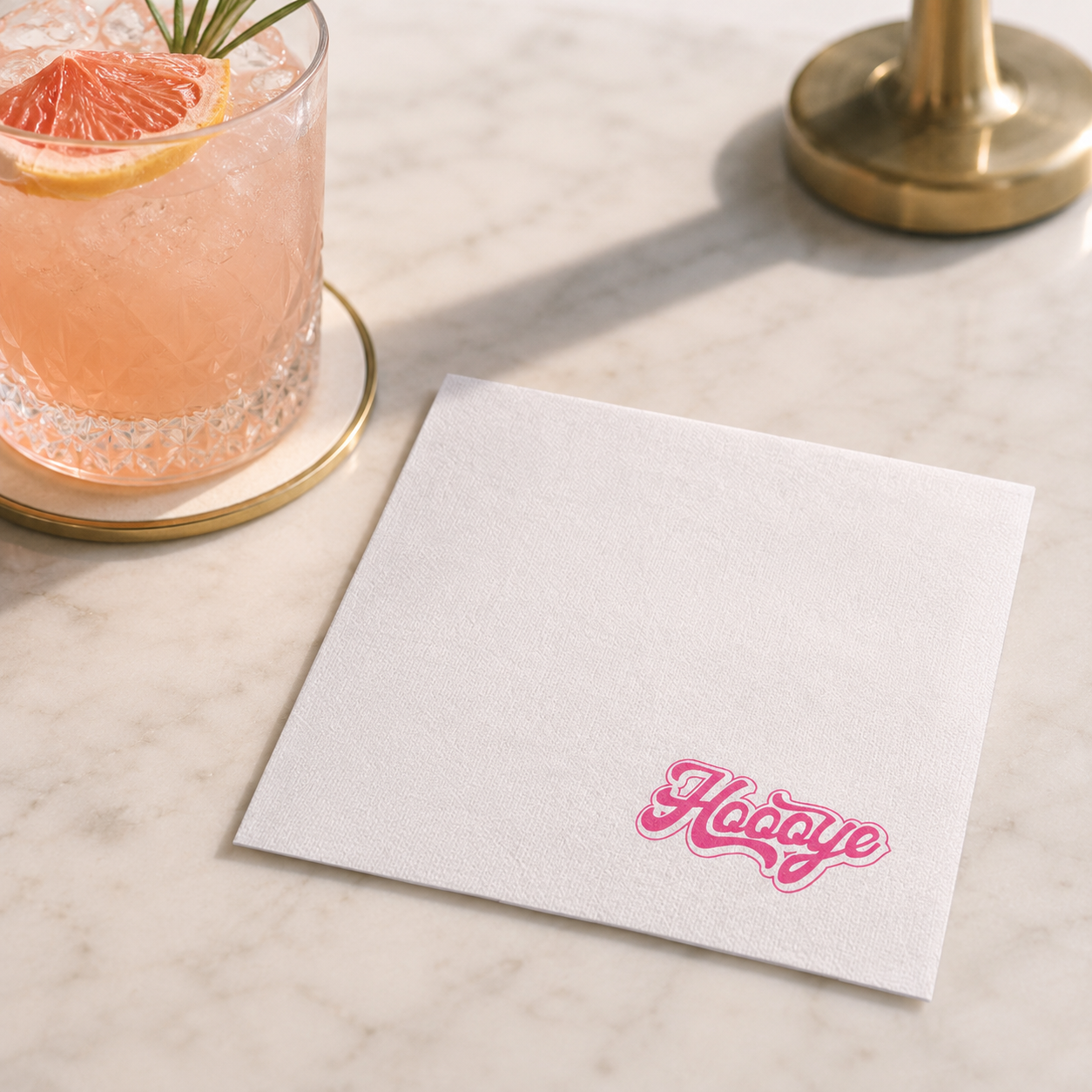
Embossing adds texture and visual interest without ink. A simple linen emboss pattern can make an airlaid napkin feel more expensive, while a diamond or rope emboss creates a classic hotel look. Printing allows restaurants to display their logo, tagline, or a decorative pattern. Flexographic printing is cost-effective for large runs, while digital printing supports short runs and complex artwork with no plate charges.
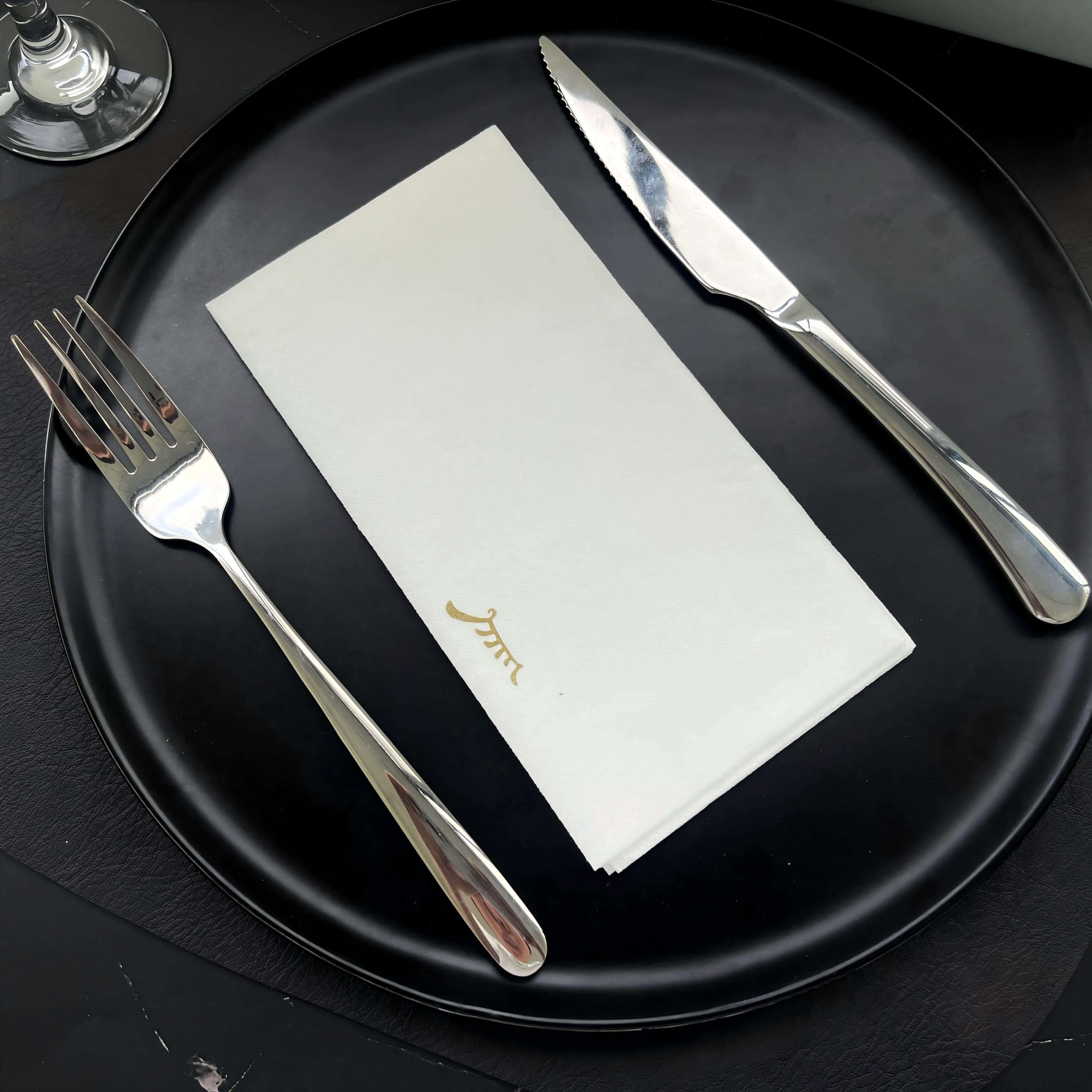
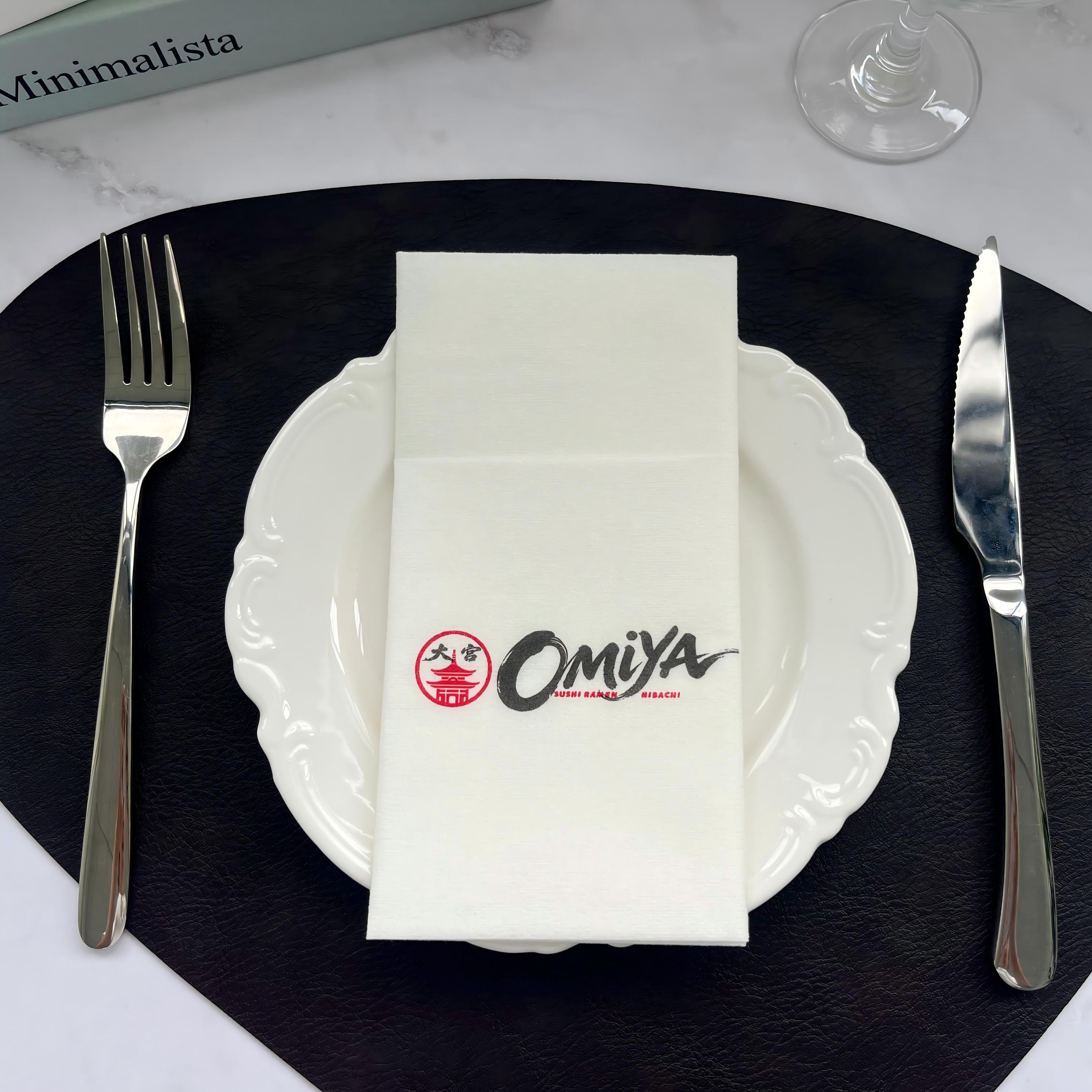
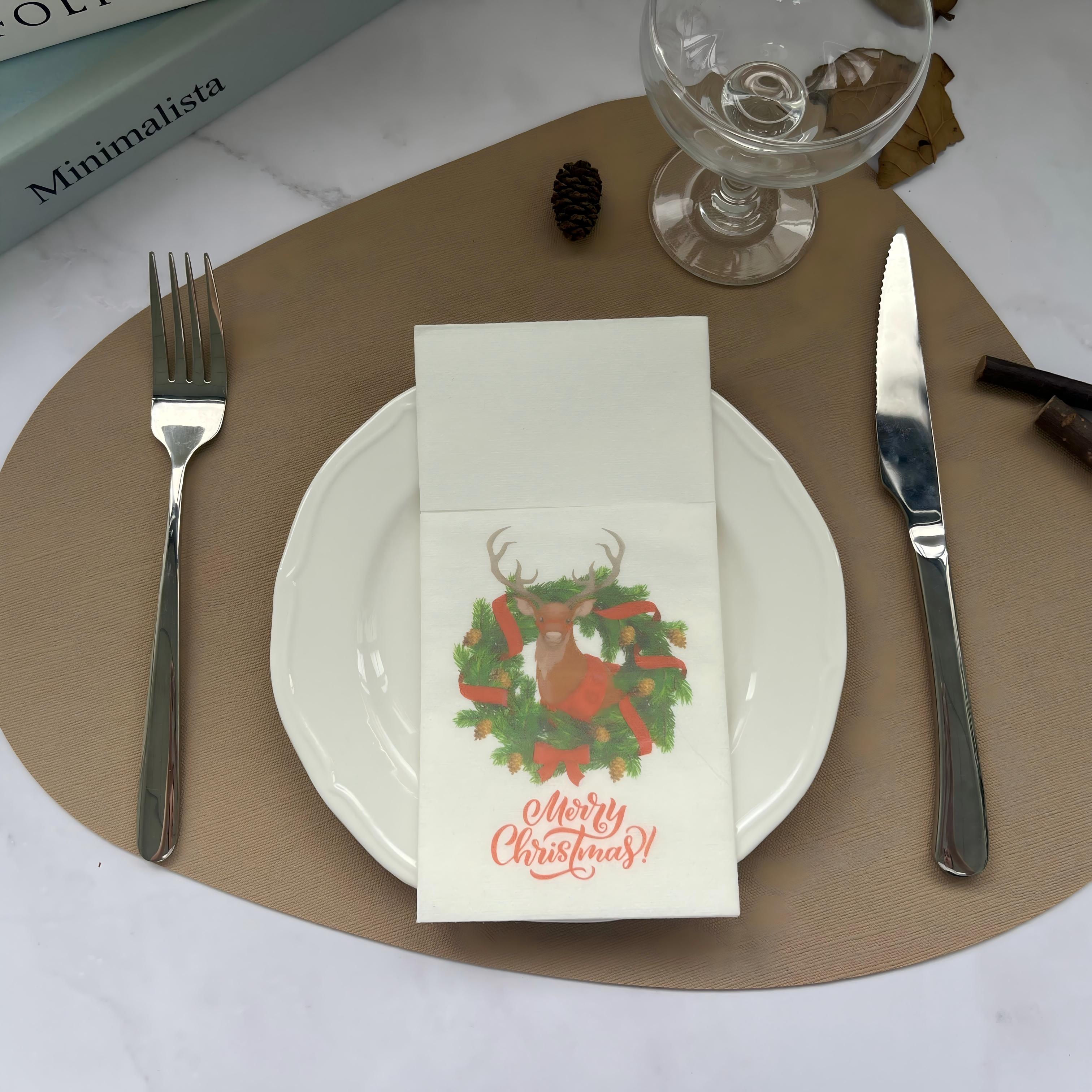
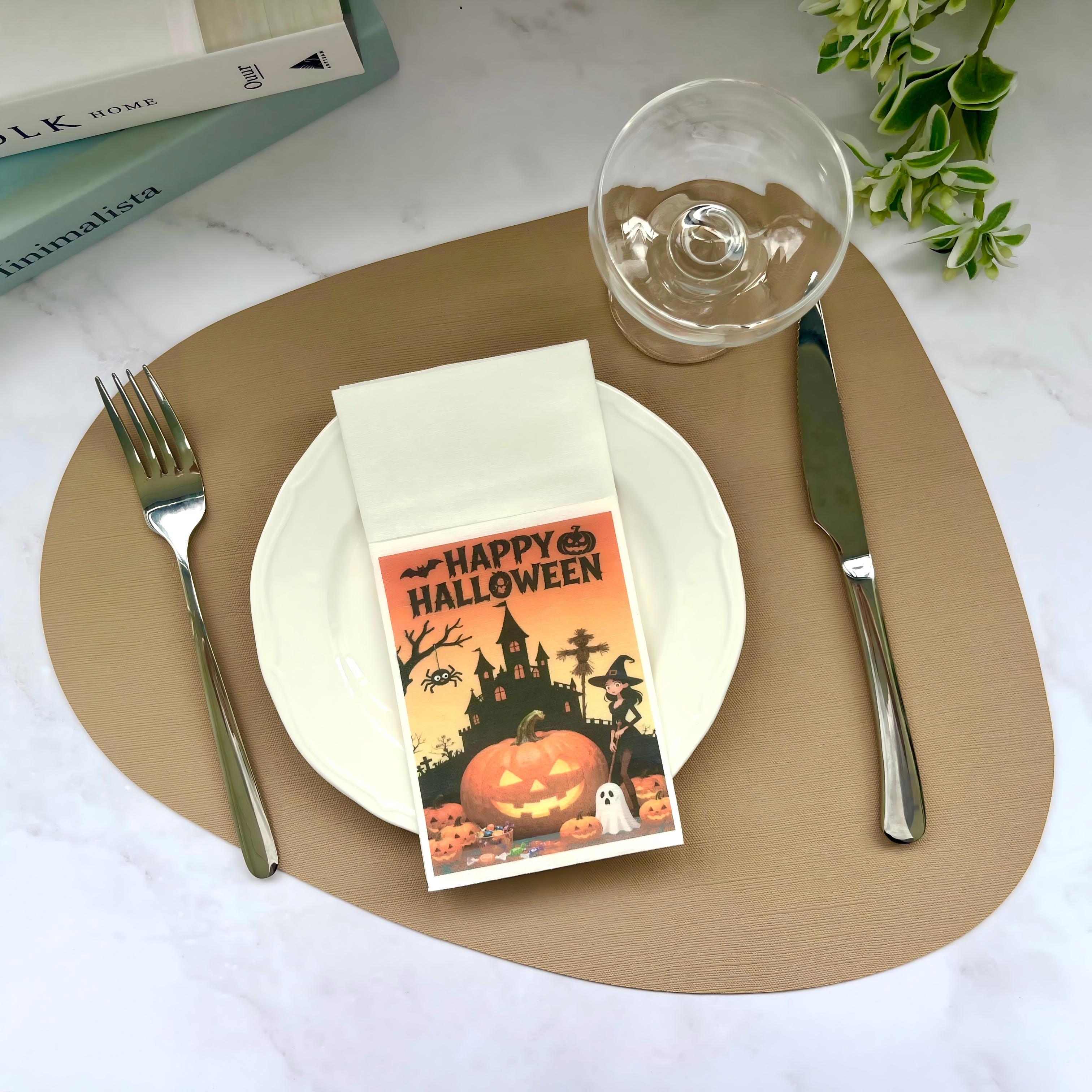
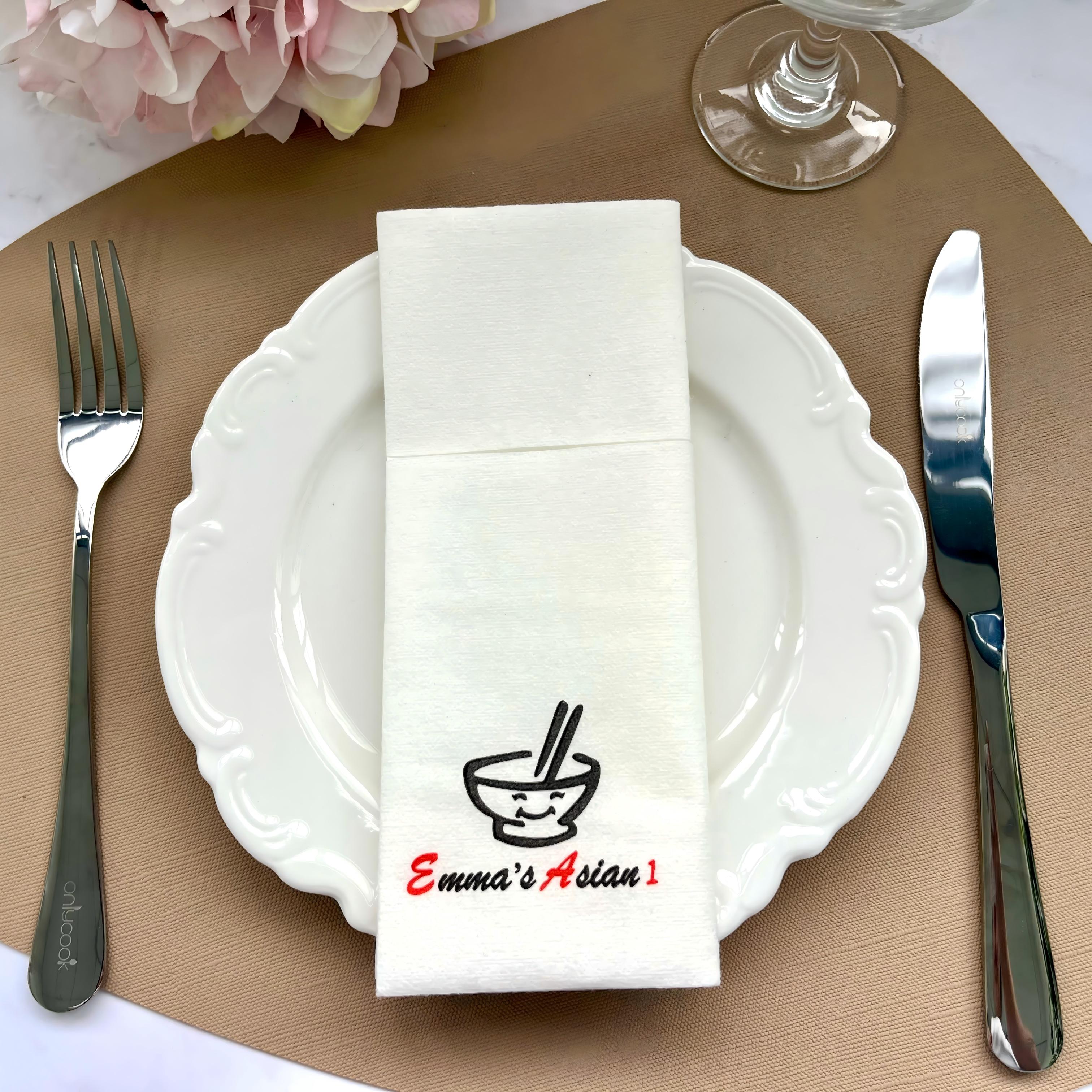
Hot stamping applies metallic foil to the napkin surface using heat and pressure. Gold, silver, and rose gold foils are popular for upscale restaurants and event napkins. Cutlery pockets are a functional upgrade: the napkin is folded with a slit or pocket that holds a fork, knife, and spoon. This reduces setup time, keeps cutlery sanitary, and creates a tidy table setting.
Color Matching and Brand Consistency
Restaurants that use colored airlaid napkins need consistent color across orders. Airlaid accepts dye well, but slight variations can occur between production batches. To maintain brand consistency, provide a color reference number or a physical sample and ask the supplier to confirm a color tolerance. Dark colors such as black, navy, and burgundy are popular for bars and steakhouses, while pastels and brights work well for cafes and family restaurants.
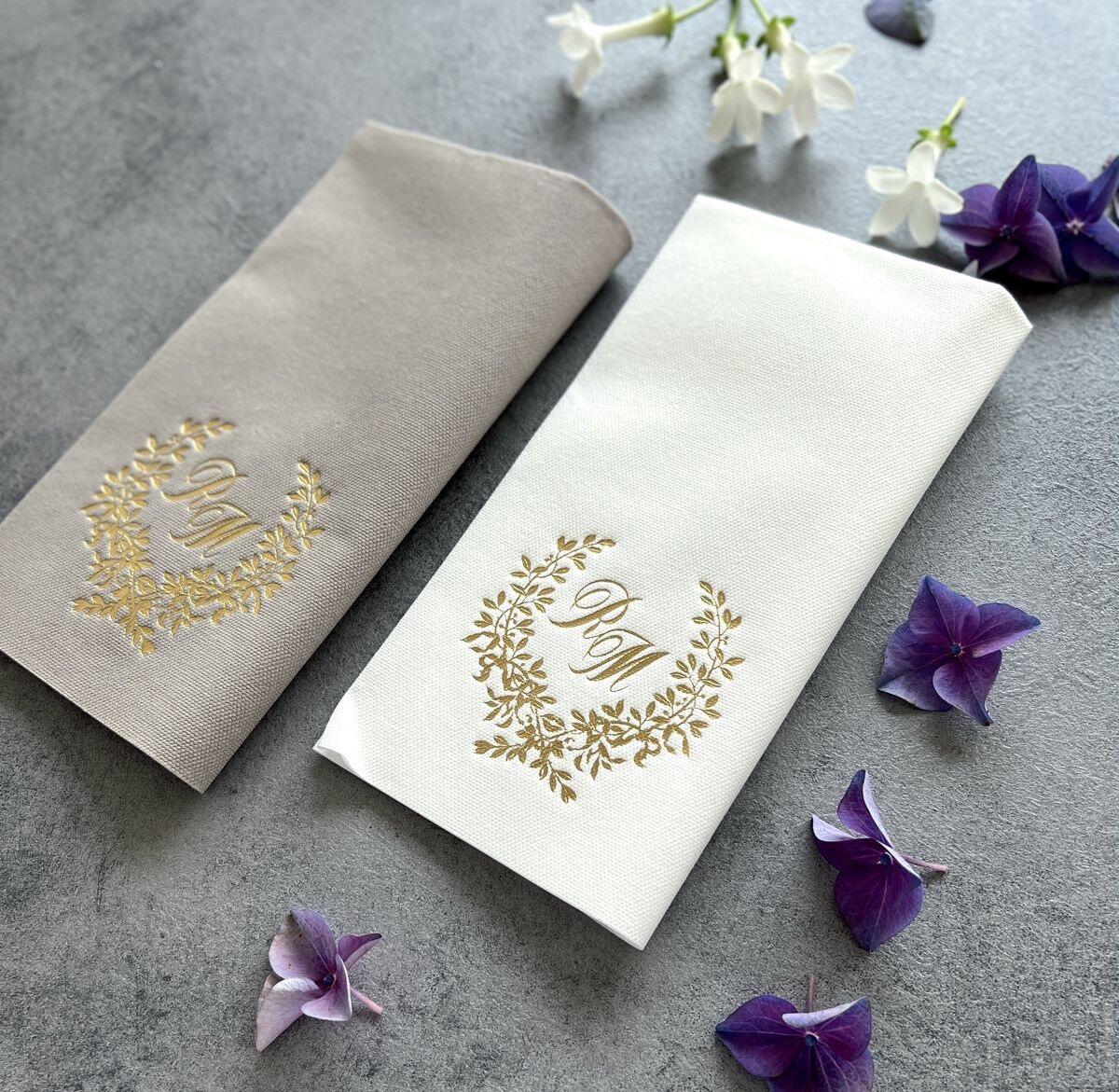 Premium Colored Airlaid Napkins with Silverware PocketsThese colored airlaid napkins include pockets for silverware, offering a soft, absorbent, cloth-like option for restaurants and bars. They support custom colors and branding while helping maintain consistent table settings.View Product →
Manufacturing Process of Airlaid Napkins
Understanding how airlaid napkins are made helps operators evaluate supplier capabilities and identify where quality can vary. The process is continuous and highly automated, but each step influences the final feel, absorbency, and print quality.
The flow above shows the main stages. After curing, the material can be embossed, printed, folded, and cut to size. Quality control typically checks web uniformity, binder distribution, GSM, print registration, and fold precision.
From Fiber to Finished Napkin
Raw cellulose fiber, often from wood pulp, is opened and separated into individual fibers. These fibers are then mixed with a binder in an air stream and deposited onto a forming wire. The web is bonded using heat or pressure, which activates the binder and locks the fibers at their intersections. The bonded web is then passed through embossing rollers, printed if required, and transported to folding and cutting stations. Finally, the napkins are stacked, counted, and packaged.
Quality Control Checkpoints
- Web uniformity: Variations in thickness cause weak spots that tear during use.
- Binder content: Too little binder makes the napkin dusty; too much makes it stiff.
- GSM consistency: Batches outside the target GSM range affect absorbency and feel.
- Print registration: Misaligned logos or patterns look unprofessional.
- Fold accuracy: Poor folds cause napkins to jam in dispensers or look messy on the table.
Matching Airlaid Napkins to Restaurant Segments
Different restaurant segments have different priorities. A cocktail bar cares about small, absorbent, dark-colored napkins, while a banquet hall needs large, tear-resistant napkins with cutlery pockets. The following guidance helps operators choose the right specification.
Fine Dining
Fine dining establishments should select 60-70 GSM airlaid napkins with a linen-like emboss. A 40x40 cm size in a 1/8 fold or pocket fold creates an elegant presentation. White, ivory, and soft grey are the most common colors, with optional gold or silver hot stamping for the restaurant logo. The napkin should feel substantial but not bulky, and it should unfold smoothly without cracking.
Casual Dining and Cafes
Casual dining and cafes benefit from 50-60 GSM napkins in 33x33 cm or 25x25 cm sizes. Full-color printing allows restaurants to reinforce their brand on every table. Digital printing is ideal for cafes that change their menu or seasonal promotions frequently. Bright colors and playful patterns work well in family-oriented venues.
Bars and Cocktail Service
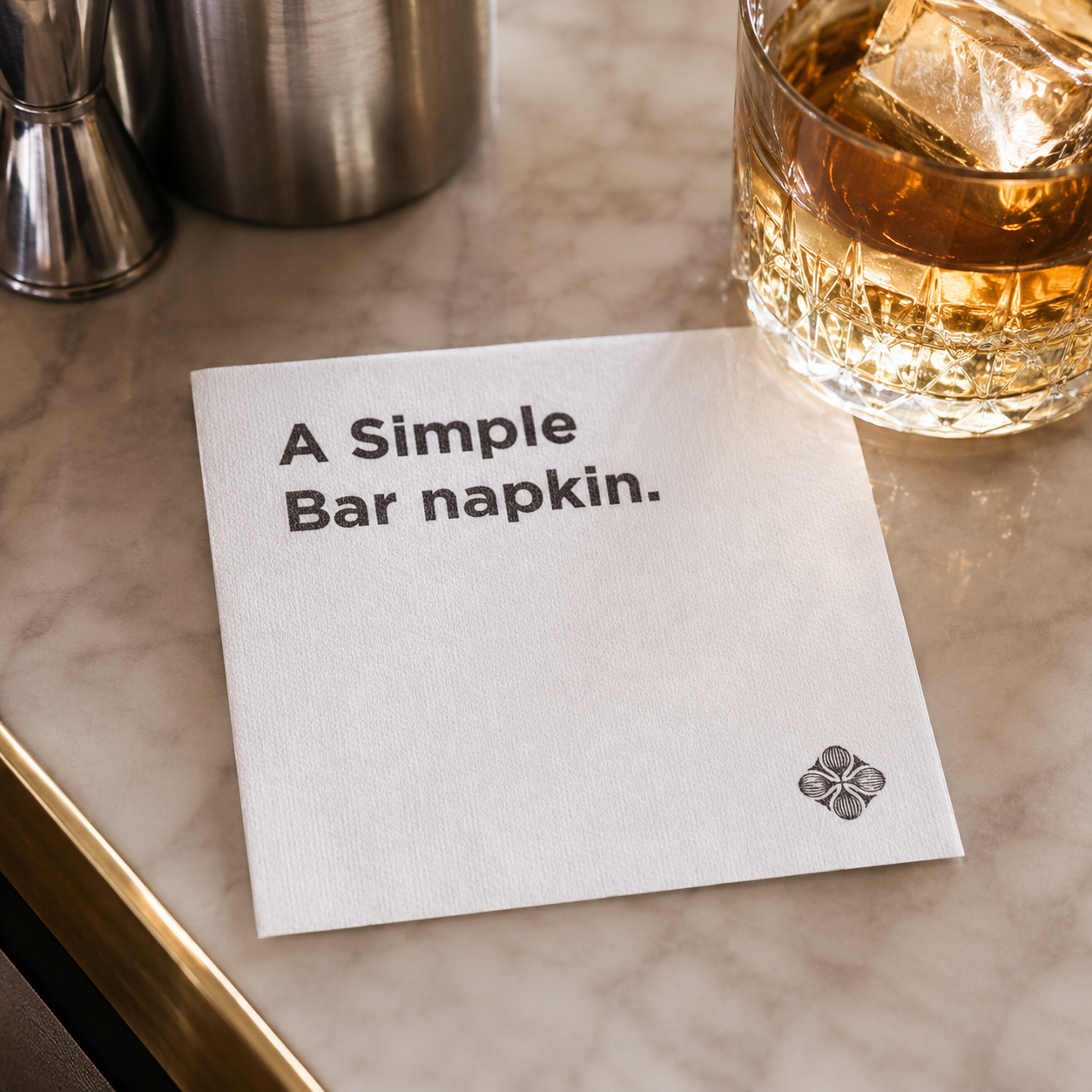
Bars should use 20x20 cm cocktail napkins with 55-65 GSM. Black is the most popular color because it hides spills and looks sophisticated under low lighting. Hot stamping with gold or silver foil adds a premium touch. High absorbency is critical for bars, as napkins often sit under drinks for extended periods.
Banquet and Catering
Banquet and catering operations need 40x40 cm napkins with 60-70 GSM and a cutlery pocket. Tear resistance is essential because guests handle cutlery and plates simultaneously. Bulk packaging reduces waste and speeds up table setup. Neutral colors such as white and cream are versatile across different event themes.
Sourcing and Supply Chain Considerations
Once the specification is clear, the next step is finding a reliable supplier. Airlaid napkins are manufactured on specialized lines, so not every paper converter can produce them. Operators should evaluate suppliers on customization capability, certifications, lead times, and packaging options.
MOQ and Customization
Minimum order quantities vary by supplier and customization method. Flexographic printing typically requires larger runs because of plate setup, while digital printing allows lower MOQs and faster turnarounds. If a restaurant wants a custom emboss pattern, the supplier may need to produce a custom embossing roller, which adds lead time and cost. For standard white or colored napkins, MOQs are usually lower.
Certifications and Compliance
Restaurants should ask for food-contact safety documentation and certifications such as forest certification for fiber sourcing, quality management certification, and compostability certifications if sustainability claims are important. These documents confirm that the napkins are safe for food service and that the supplier follows recognized manufacturing standards.
Lead Times and Packaging
Typical lead times for airlaid napkins range from 15 to 30 days for standard products and 30 to 45 days for custom printed or embossed orders, depending on the supplier and shipping destination. Packaging options include bulk cartons, poly-bagged stacks, and individual wrappers. Bulk packaging is the most economical for high-volume restaurants, while individually wrapped napkins suit catering and room service.
Operators should also confirm whether the supplier can provide consistent color matching across repeat orders and whether they keep inventory of popular specifications. A supplier that manufactures its own converting equipment can often adapt faster to custom fold or pocket requirements, which is an advantage for restaurants with unique table settings.
Sustainability Profile of Airlaid Napkins
Sustainability is a growing concern for restaurants, and airlaid napkins offer a mixed but generally favorable profile compared to cloth and standard paper. The key is to look at the full life cycle, from fiber sourcing to disposal.
Raw Material Sources
Most airlaid napkins are made from cellulose fibers derived from wood pulp. Suppliers that source from responsibly managed forests can provide forest certification. Some airlaid products also incorporate recycled fibers or alternative fibers such as bamboo or bagasse, though these may affect color and strength. The binder is typically a synthetic latex, but bio-based binders are becoming more common.
Disposal and Composting
Airlaid napkins are biodegradable and compostable in commercial composting facilities. However, they should not be placed in recycling bins because the fibers are too short to be recycled into new paper. Restaurants with access to commercial composting can divert airlaid napkins from landfill. In areas without composting infrastructure, airlaid napkins still break down faster than plastic-lined paper napkins.
Comparison with Laundered Cloth
Cloth napkins are often promoted as more sustainable because they are reusable. However, the laundry process consumes significant water, energy, and detergent. The table below compares estimated resource use per use for a typical cloth napkin and an airlaid napkin.
| Resource | Cloth Napkin (per use) | Airlaid Napkin (per use) |
|---|---|---|
| Water usage | 2-3 liters | 0.1-0.2 liters |
| Energy usage | High | Moderate |
| Detergent | Yes | None |
| Solid waste | Low until retirement | Biodegradable waste |
| Logistics | Pickup and delivery | None |
The trade-off is clear: cloth uses more water and energy per use, while airlaid produces a small amount of solid waste that can be composted. For restaurants in water-scarce regions, airlaid may be the more sustainable choice. For restaurants with robust composting programs, airlaid closes the loop effectively.
Frequently Asked Questions
Q1: What GSM airlaid napkin is best for restaurants?
The best GSM depends on the service style. Fine dining usually uses 60-70 GSM for a substantial feel. Casual dining and cafes do well with 50-60 GSM. Bars typically use 55-65 GSM for cocktail napkins. Banquet and catering operations often choose 60-70 GSM for tear resistance and cutlery pockets.
Q2: Are airlaid napkins more expensive than standard paper napkins?
Airlaid napkins have a higher unit price than standard 2-ply paper napkins. However, the cost per use is often lower because guests need fewer airlaid napkins per meal. Airlaid napkins do not tear or saturate as quickly, so servers use one instead of two or three. When waste, labor, and guest satisfaction are included, airlaid can be cost-competitive.
Q3: Can airlaid napkins be customized with a restaurant logo?
Yes. Airlaid napkins can be printed using flexographic or digital methods, embossed with a custom pattern, or hot stamped with metallic foil. Digital printing is suitable for short runs and complex designs, while flexographic printing is more economical for large orders. Hot stamping is ideal for upscale logos and event napkins.
Q4: Are airlaid napkins compostable?
Many airlaid napkins are compostable because they are made from cellulose fibers and a binder that breaks down in commercial composting conditions. Restaurants should check for specific compostability certifications, as formulations vary by supplier. Airlaid napkins should not be placed in paper recycling bins.
Q5: How many airlaid napkins does a restaurant need per day?
A typical restaurant uses 1.2 to 1.5 napkins per guest for dinner service. For banquets, the ratio can be closer to 2 napkins per guest because guests often take a fresh napkin for each course. Bars may use 2 to 3 cocktail napkins per guest during peak hours. Operators should track usage for a few weeks to build an accurate forecast.
Q6: Do airlaid napkins work with cutlery pockets?
Yes. Cutlery pocket designs are common in airlaid napkins. The pocket holds a fork, knife, and spoon, reducing labor for table setup and keeping cutlery sanitary. Pocket napkins are especially popular in banquet and catering operations, where speed and consistency are critical.

- Contact
-
+86-18205820793lydia@shuangjiepaper.comPhone
- Get Connected

