
 English
  Español


Airlaid Napkin vs Paper Napkin: Performance, Cost, and Best Buying Guide
Content
- 1 Why the Airlaid Napkin vs Paper Napkin Decision Begins with Use, Not Price
- 2 Material and Manufacturing Differences: What Happens Before the Fold
- 3 Performance Comparison: Absorbency, Strength, and Guest Perception
- 4 Cost Per Use and Total Cost of Ownership
- 5 Best Use Cases by Venue and Event Type
- 6 Specification Checklist for B2B Napkin Purchasing
- 7 Sustainability and Waste: Reading the Fine Print
- 8 Quality Control, Customization, and Supply Reliability
- 9 Frequently Asked Questions
- 9.0.1 Q1: Is an airlaid napkin stronger than a paper napkin when wet?
- 9.0.2 Q2: Are airlaid napkins worth the higher unit cost?
- 9.0.3 Q3: Can paper napkins match the look of airlaid napkins?
- 9.0.4 Q4: Which napkin size should a restaurant choose?
- 9.0.5 Q5: Are airlaid napkins suitable for custom printing and logos?
- 9.0.6 Q6: How should buyers compare total cost between airlaid and paper napkins?
Why the Airlaid Napkin vs Paper Napkin Decision Begins with Use, Not Price
Buyers often compare napkins by unit price, but the better starting point is the job the napkin must do. A fast-casual restaurant may need a low-cost, high-volume paper napkin that feels clean and disposable. A hotel dining room, wedding venue, or upscale cafe may need a napkin that holds a fold, absorbs spills, resists tearing when damp, and supports a branded table setting. Those are different performance briefs.
Airlaid napkins and paper napkins are both disposable, yet they are not interchangeable. Paper napkins are made from tissue paper, usually built from one or more thin plies. Airlaid napkins are nonwoven structures made from wood pulp fibers bonded into a cloth-like web. The difference affects absorbency, wet strength, texture, printability, packing, and the number of napkins a guest actually uses.
For B2B buyers, the practical question is not which napkin is universally better. The practical question is which napkin gives the best result per table setting at an acceptable cost per guest. That answer changes by venue, event type, service style, and brand standard.
Material and Manufacturing Differences: What Happens Before the Fold
Paper napkins begin with tissue paper. Pulp fiber is formed into thin sheets, dried, embossed, printed, and folded. Standard paper napkins may be 1-ply, 2-ply, or 3-ply. The plies add bulk, softness, and absorbency, but the structure remains a layered paper product. When standard paper gets wet, fibers can separate, the sheet can weaken, and the napkin may tear or leave lint on glassware and hands.
Airlaid napkins use a different production route. Wood pulp fibers are distributed in an air stream and bonded with a binder to create a nonwoven web. The result is a dense, flexible material that behaves more like a lightweight textile than a tissue sheet. Airlaid can be embossed, printed, hot stamped, folded, die-cut, and combined with pocket designs. It is also available in white, black, pastel, and saturated colors, which makes it useful for branded table settings.
Fiber Structure and Layer Construction
- Paper napkins: layered tissue plies; lower wet strength; low to moderate absorbency; wide range of print and emboss options; usually the lowest unit cost.
- Airlaid napkins: bonded nonwoven web; higher wet strength; high absorbency; linen-like hand feel; strong fold retention; higher unit cost than standard paper.
- Cloth napkins: woven reusable fabric; highest upfront cost; requires laundering; premium table image; not a direct replacement in high-volume disposable service.
The construction difference explains why airlaid napkins often feel thicker and more substantial. A 50 gsm to 70 gsm airlaid napkin can deliver a cloth-like experience without the laundering cycle. Paper napkins can also be improved with extra plies, embossing, and better pulp, but they still follow a different performance curve when exposed to moisture.
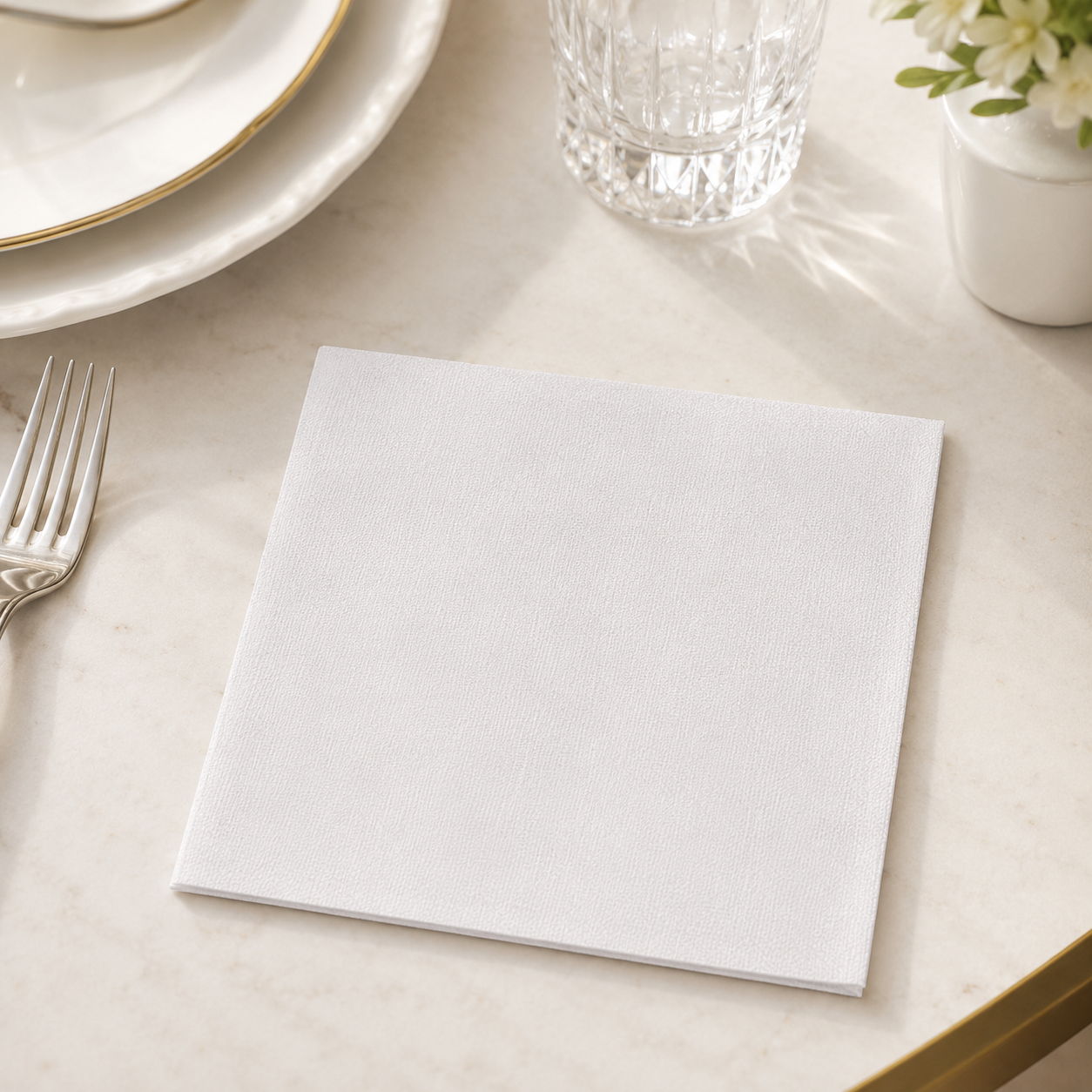
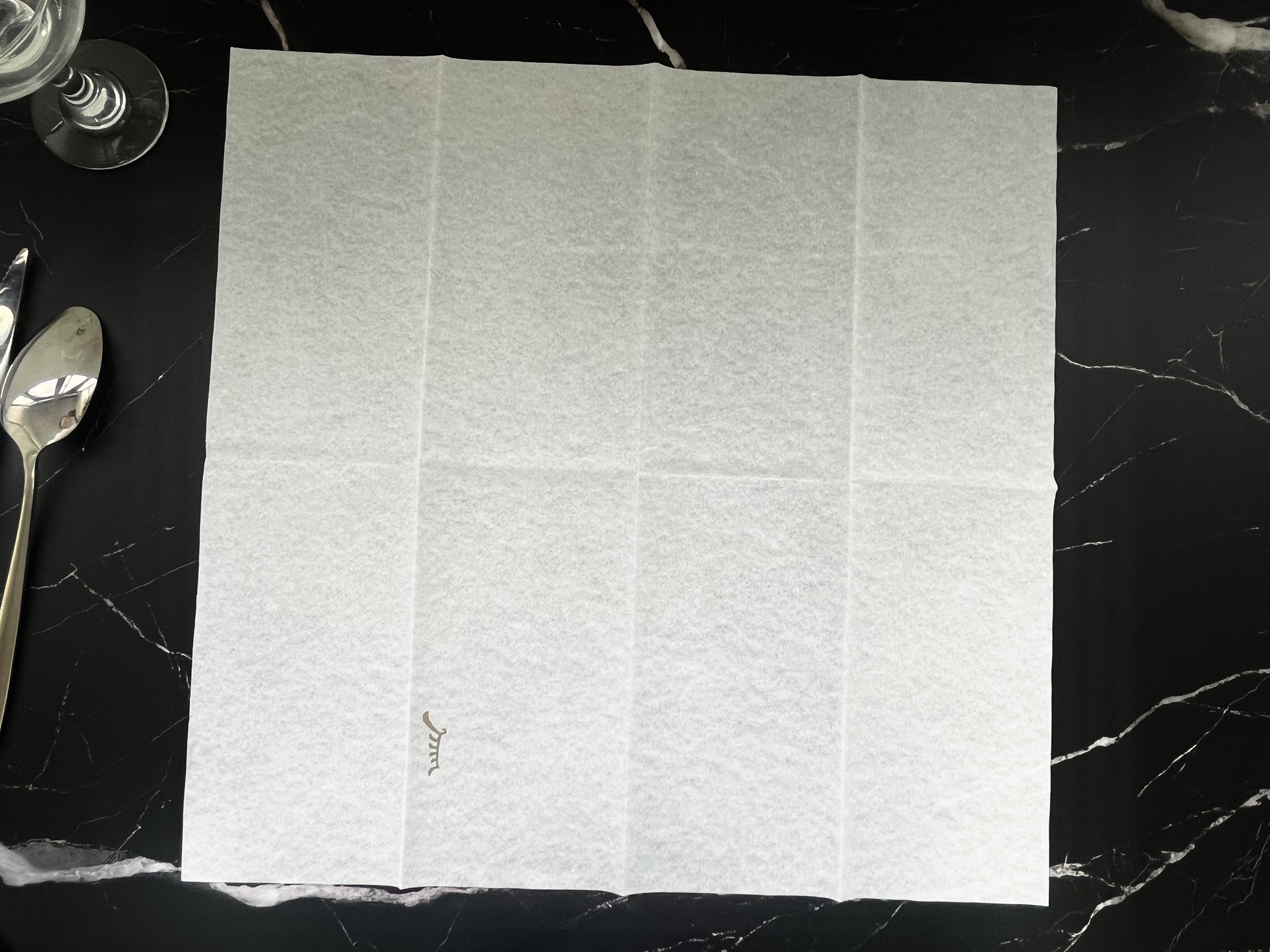 70 GSM White Airlaid Paper Napkins for Weddings and PartiesHigh-weight white airlaid napkins with a cloth-like feel and strong absorbency, suited to hotel, catering, wedding, and party tables. Bulk packs of 50 support easy storage and service.View Product →
For buyers who need a white, high-absorbency airlaid option for hotel, catering, or restaurant use, high-weight airlaid constructions are often the first specification to review. The added weight supports a more substantial feel and better spill control during service.
Performance Comparison: Absorbency, Strength, and Guest Perception
The table below compares the two categories on the dimensions that matter most in commercial buying decisions. The right column translates each technical difference into a practical effect on service, cost, and guest experience.
| Attribute | Airlaid Napkin | Standard Paper Napkin | Practical Buyer Impact |
|---|---|---|---|
| Base structure | Bonded nonwoven wood pulp web | Thin tissue plies | Airlaid holds shape better under use |
| Absorbency | High | Low to moderate | Airlaid handles drinks, grease, and sauces with fewer pieces |
| Wet strength | Strong | Weak to moderate | Paper may tear when damp; airlaid resists breakdown |
| Texture | Cloth-like, soft, linen feel | Paper feel, varies by ply | Airlaid supports upscale table settings |
| Lint | Low lint in normal use | Higher lint risk when wet | Airlaid is better near glassware and dark apparel |
| Fold retention | Excellent | Moderate | Airlaid keeps fan, pocket, and cutlery folds longer |
| Print and branding | Strong results on embossed and colored surfaces | Good results, especially on white tissue | Both can be branded, but airlaid feels more premium |
| Relative unit cost | Higher | Lower | Airlaid must be justified by fewer replacements and better presentation |
In service, the strongest advantage of airlaid is not simply absorbency. It is consistency. A paper napkin may work well for a quick lunch, but it can fail when a guest uses it on a wet glass, a greasy plate, or a spilled cocktail. Airlaid keeps its structure, so servers replace fewer napkins during a meal and guests perceive a more polished table.
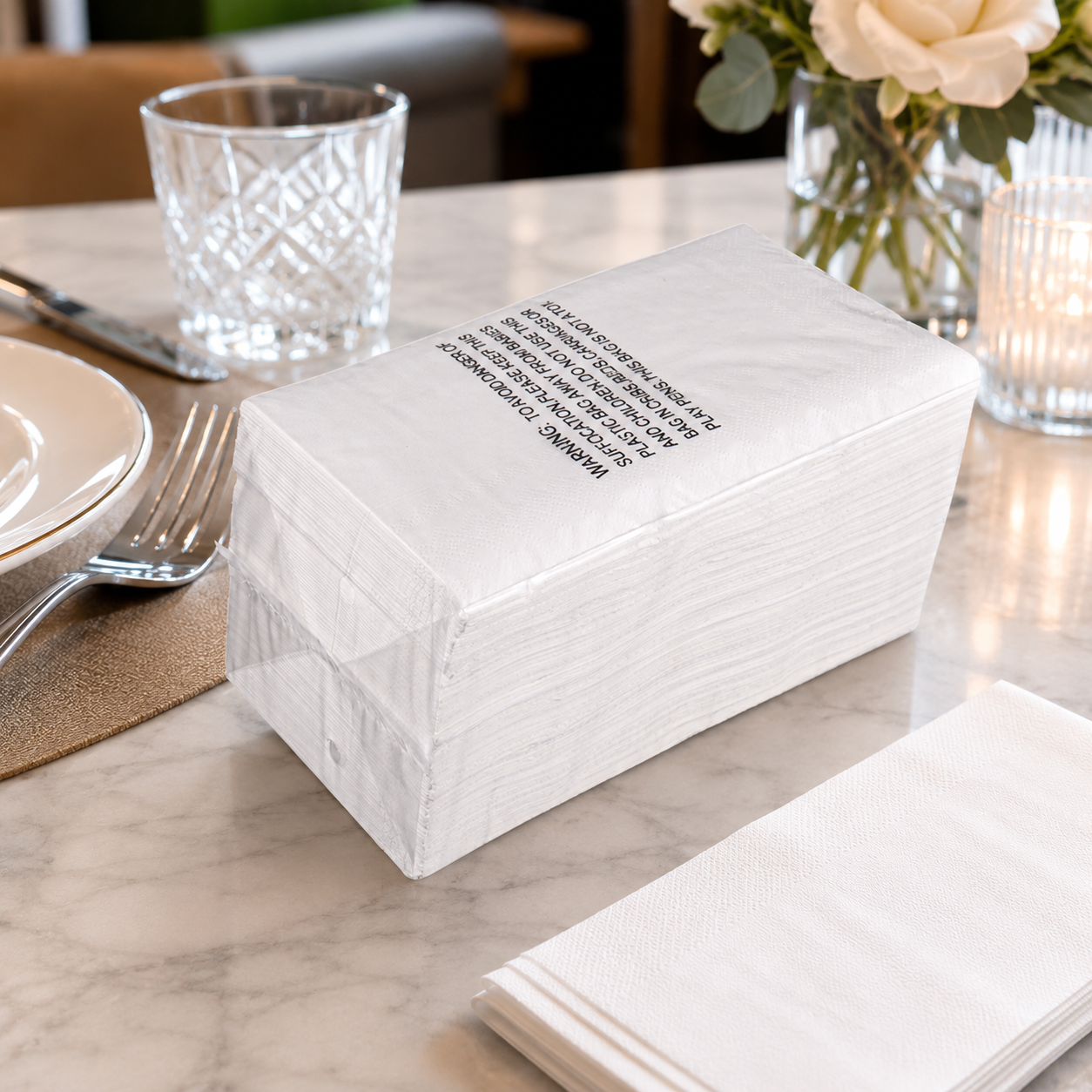 Premium 3-Ply White Dinner Napkins for Restaurants and CateringThese 3-ply white dinner napkins use virgin wood pulp and are biodegradable for direct food contact. They suit high-volume restaurants, banquets, and catering where cost control and easy disposal matter.View Product →
Paper napkins still have a clear place. A premium 3-ply white dinner napkin can serve high-volume restaurants, banquets, and catering lines where cost control and easy disposal matter more than cloth-like hand feel. The key is to match ply count and embossing to the service level rather than buying a single napkin for every venue.
Cost Per Use and Total Cost of Ownership
Unit price is only one part of the calculation. A lower-cost paper napkin can become expensive if it tears, requires double-ups, or creates a poor first impression. An airlaid napkin costs more per piece, but it may reduce waste and replacement during service. The correct comparison is cost per guest, not cost per napkin alone.
- Purchase price: Standard paper napkins usually cost less per unit. Airlaid napkins sit between paper and cloth on upfront cost.
- Waste rate: Thin paper napkins are more likely to be discarded after one small use. Stronger airlaid napkins often last through an entire course.
- Replacement rate: If a paper napkin tears when wet, staff may bring another. That hidden replacement raises the real cost per guest.
- Labor and table reset: Fewer replacements and fewer lint issues reduce server time. In high-turnover venues, small time savings add up.
- Brand value: A napkin is one of the few items every guest touches. A cloth-like airlaid napkin can support a premium price point without the laundering cost of cloth.
For high-volume quick service, standard paper often wins on pure economics. For hotels, restaurants, caterers, and event venues with a defined brand standard, airlaid can be the more efficient choice because it performs reliably across a wider range of foods, drinks, and service moments. Buyers should calculate cost per 100 guests using expected waste and replacement rates, not just the invoice price.
Best Use Cases by Venue and Event Type
No single napkin fits every setting. The table below maps common commercial scenarios to the material that usually performs best, along with the reason behind the recommendation.
| Use Case | Recommended Material | Why It Works |
|---|---|---|
| Fine dining and hotel dining rooms | Airlaid or premium 3-ply paper | Airlaid offers cloth-like feel; premium paper balances cost and presentation |
| Casual restaurants and cafes | 2-ply or 3-ply paper | Low unit cost, easy disposal, suitable for high turnover |
| Hotel guest rooms and resorts | White airlaid or embossed paper | Clean appearance, soft feel, and reliable absorbency |
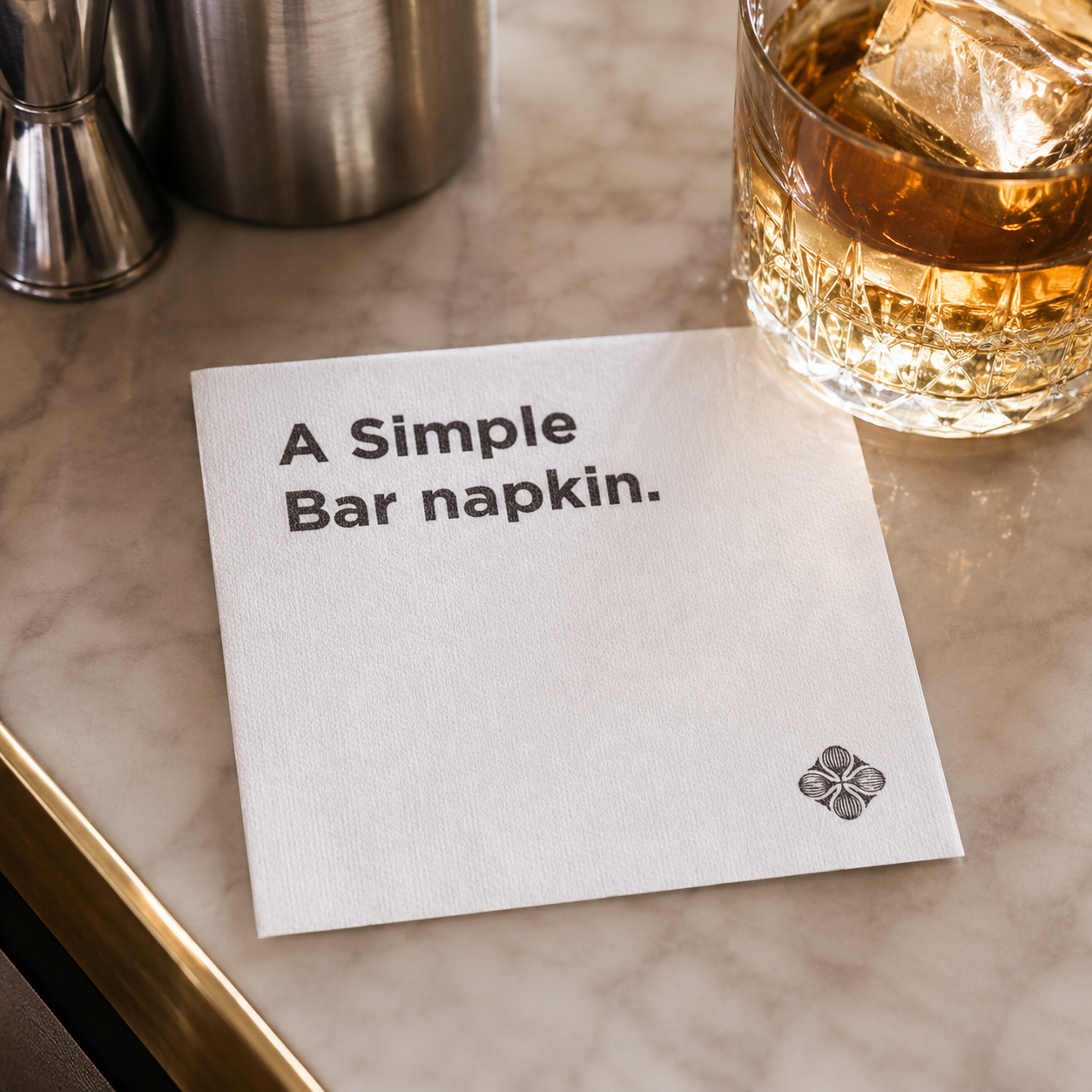
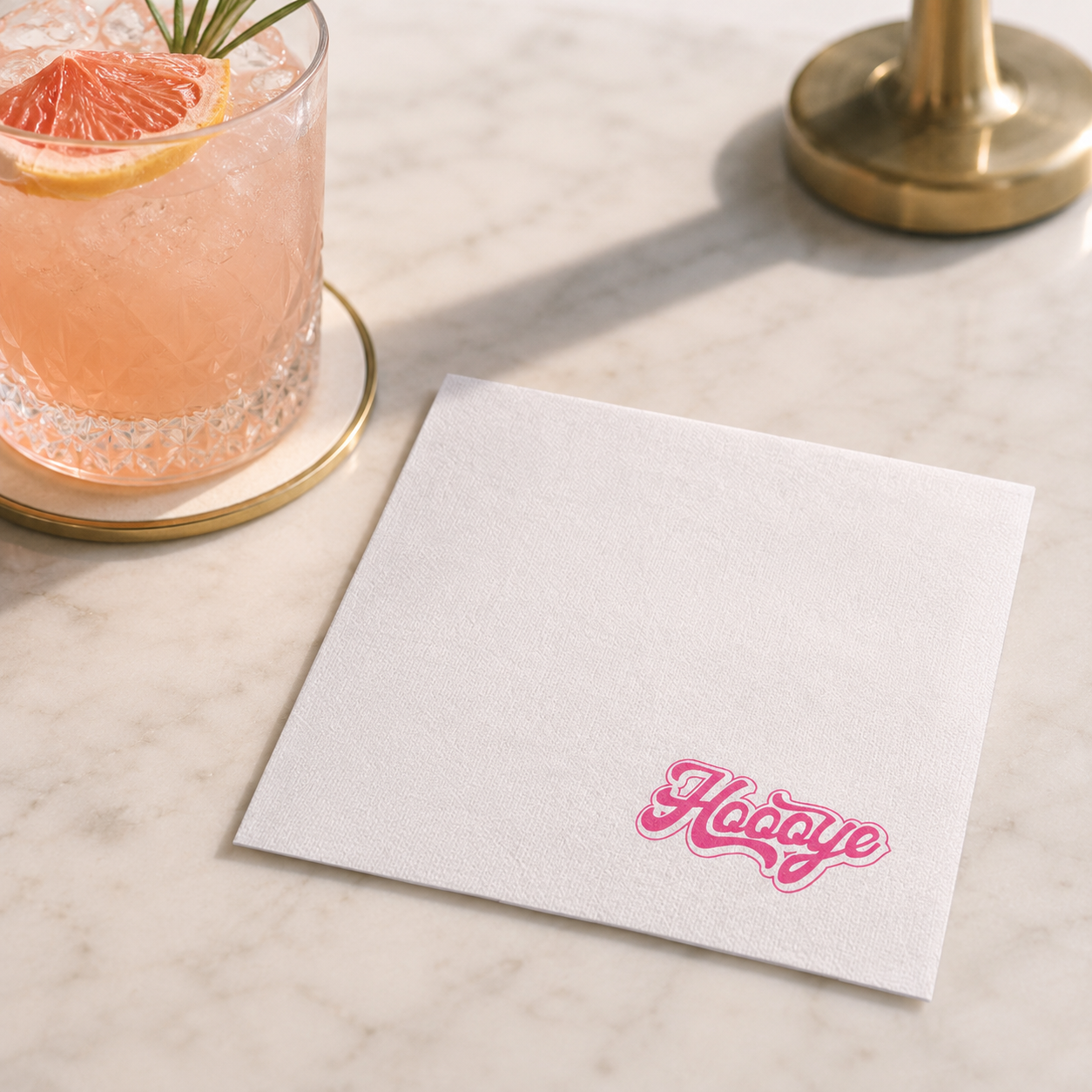
| Bars and cocktail service | Small airlaid or colored paper | Airlaid handles condensation; dark colors hide stains |
| Weddings and banquets | Colored or die-cut airlaid | Strong fold retention, premium texture, custom print options |
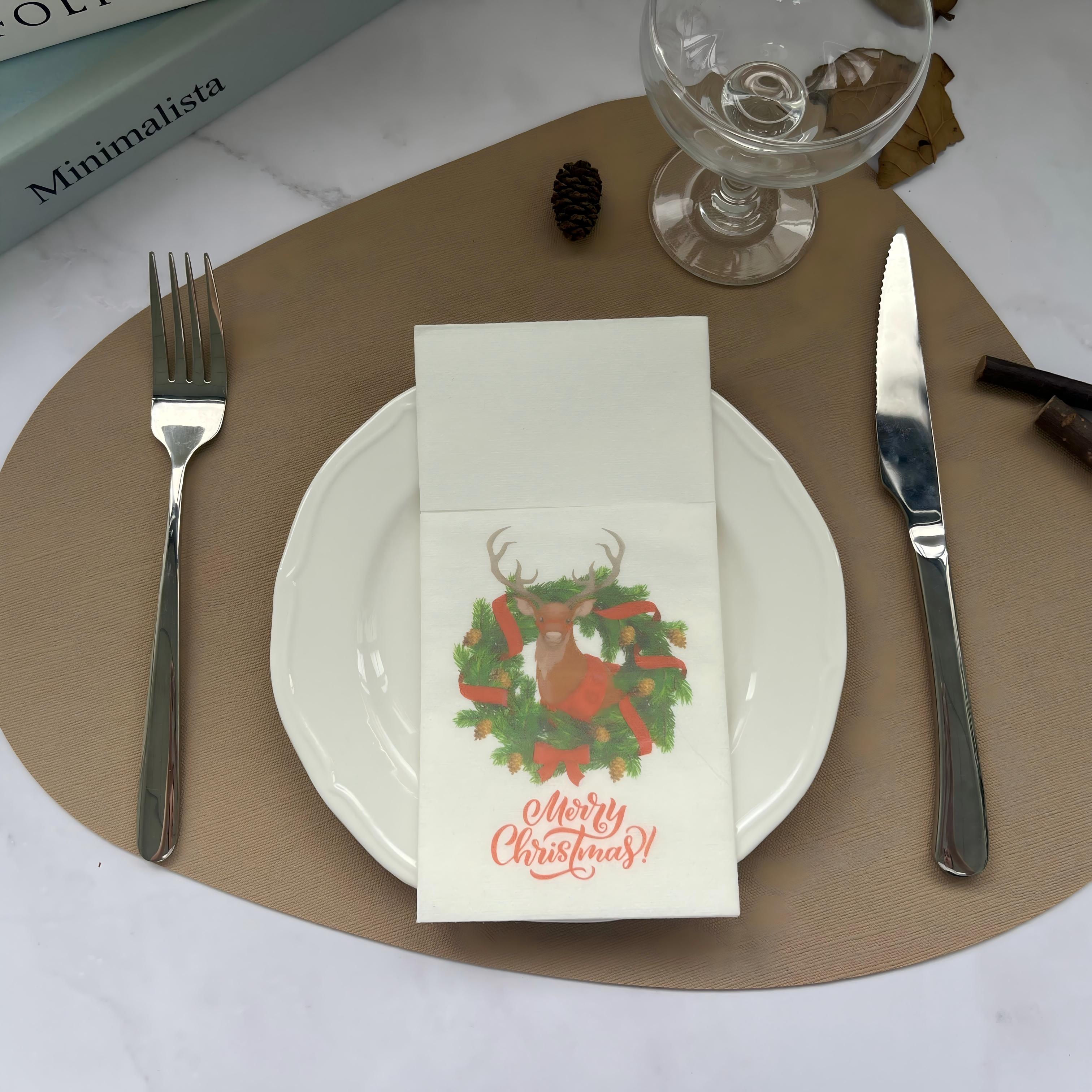
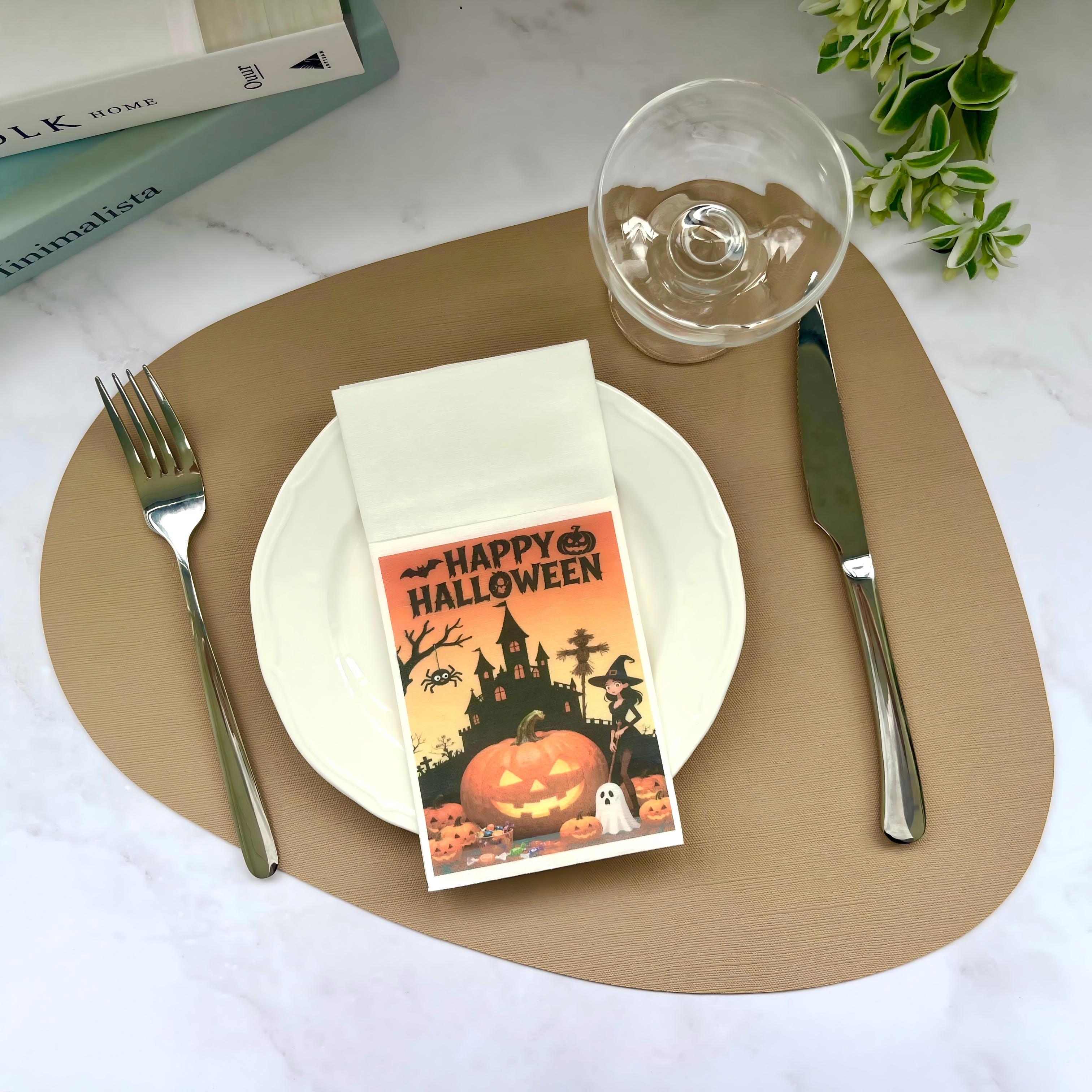
| Holiday parties and themed events | Die-cut airlaid or printed paper | Shape, color, and foil details create table impact |
| Outdoor picnics and casual catering | 2-ply paper or lightweight airlaid | Paper controls cost; airlaid adds strength for messy foods |
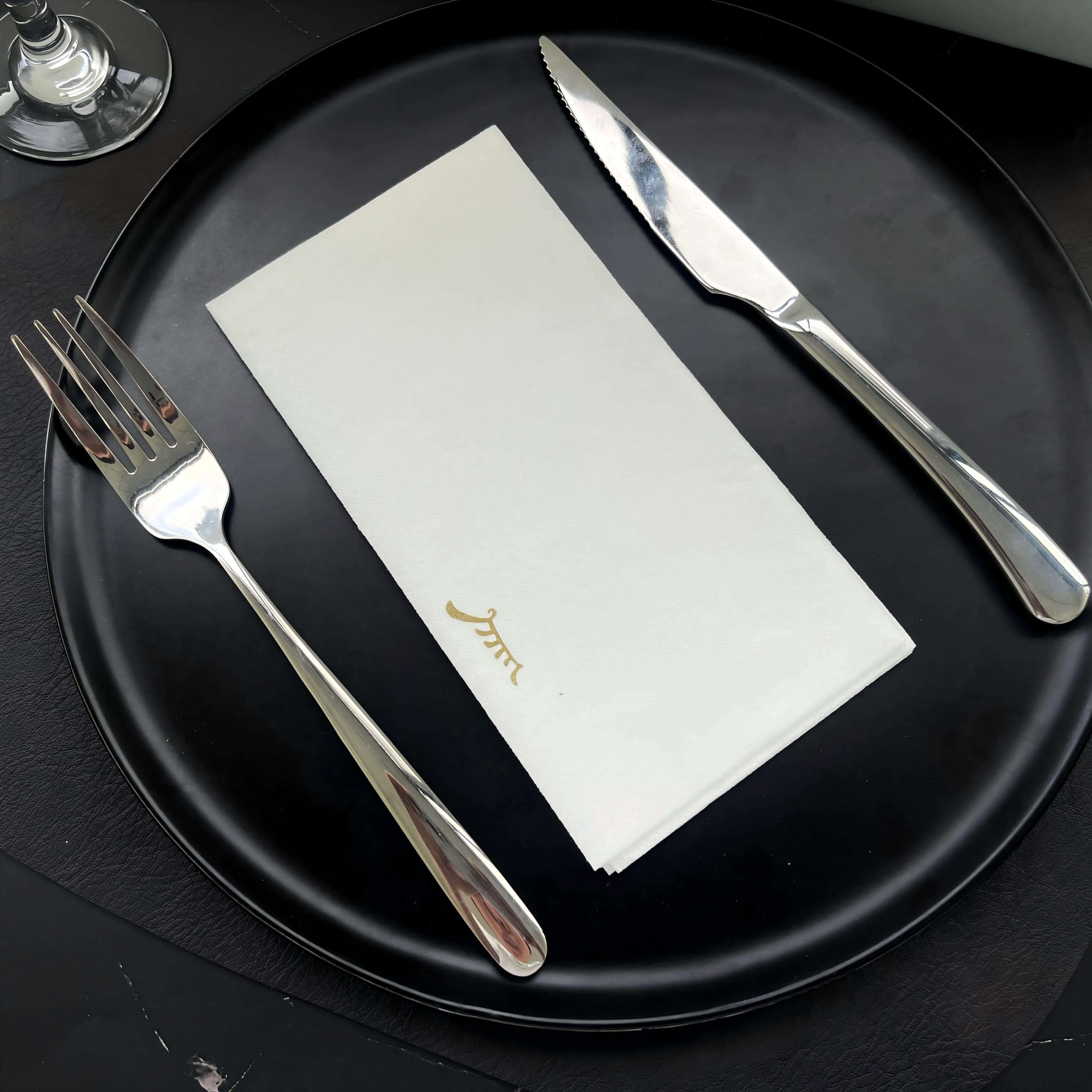
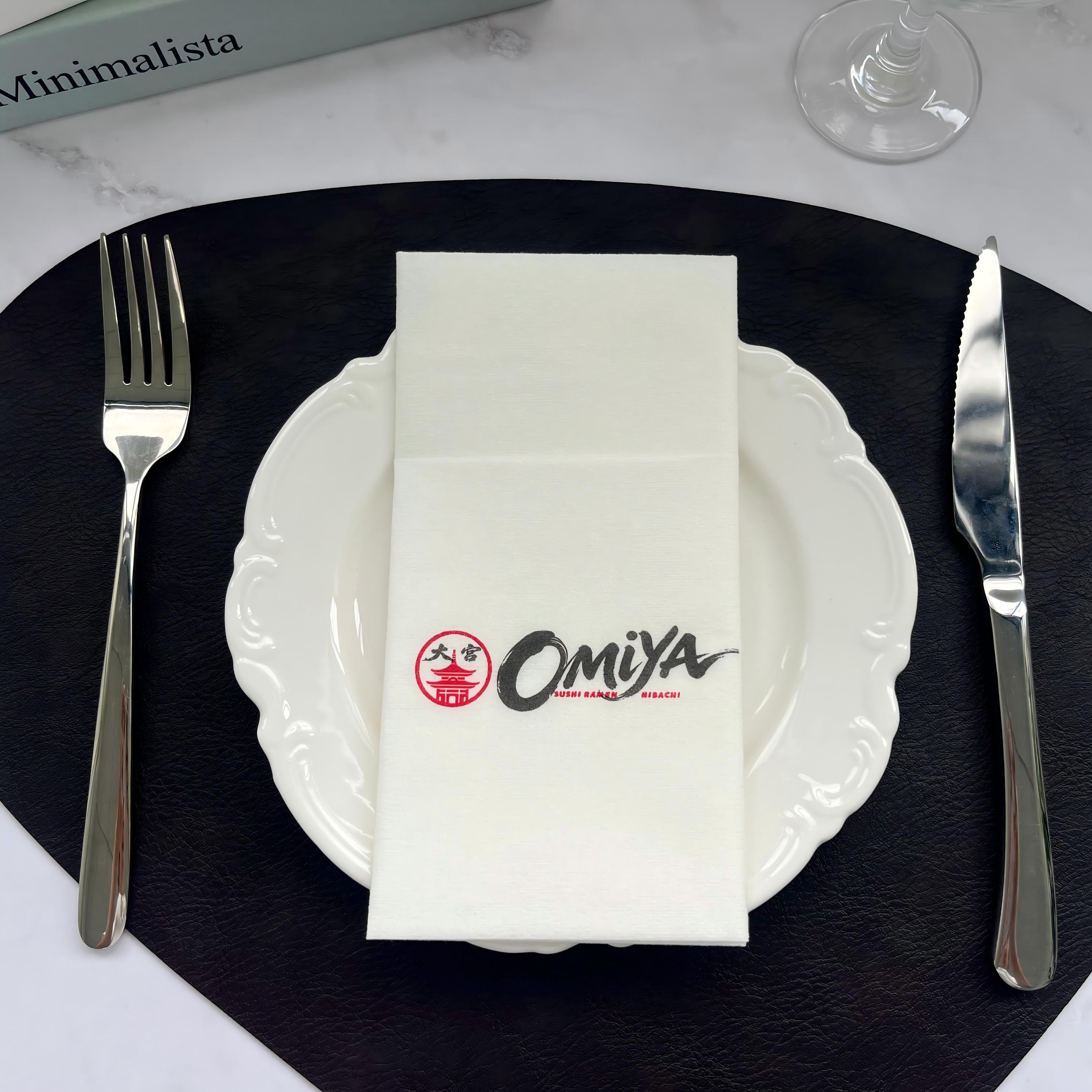
Event planners often choose airlaid when the napkin is part of the table design. A colored airlaid napkin with a linen-like finish can carry a brand color, a monogram, or a seasonal motif while still being disposable. For catering teams, pocket airlaid napkins are especially useful because they hold cutlery and reduce handling steps during setup.
Colored linen-like airlaid napkins give planners a middle path between single-use paper and expensive cloth. They can be coordinated with placemats, coasters, and table runners while avoiding laundry logistics after the event.
Specification Checklist for B2B Napkin Purchasing
Professional buyers should turn the material comparison into a written specification before requesting samples. The checklist below helps align procurement, operations, and brand teams around the same requirements.
- Material: airlaid, standard paper, or premium paper based on absorbency and feel.
- Size: cocktail, lunch, dinner, or large banquet dimensions. Review the airlaid napkin size guide for caterers when planning mixed table settings.
- Fold: 1/4 fold, 1/8 fold, pocket fold, or custom fold for cutlery and presentation.
- Weight or ply: airlaid weight in gsm; paper napkins by ply count and embossing level.
- Color and print: white, black, brand color, hot stamp, foil, or full-color print.
- Packaging: bulk, poly bag, dispenser pack, or guest amenity pack.
- Compliance: food-contact suitability, material sourcing, and buyer-specific documentation.
Sampling is essential. A napkin that looks substantial in a catalog may feel thin in the hand, and a print that looks sharp on screen may lose detail on an embossed surface. Buyers should test fold retention, absorbency, wet strength, and print clarity under real service conditions before committing to a large order.
Sustainability and Waste: Reading the Fine Print
Sustainability claims around napkins require careful reading. Paper napkins may use virgin wood pulp, recycled fiber, or alternative fibers. Airlaid napkins are typically wood pulp based, but the binder and production process affect the final environmental profile. Neither category is automatically sustainable simply because it is disposable or contains natural fiber.
- Material sourcing: Ask whether pulp comes from responsibly managed sources and whether certification documents are available.
- Basis weight: A heavier napkin uses more material, but it may replace two lighter napkins. The real impact depends on use rate.
- Waste stream: Check local composting and recycling infrastructure. Many commercial venues send napkins to general waste.
- Packaging: Reduced plastic, recyclable cartons, and right-sized packs can lower total waste.
- Laundering comparison: Cloth napkins are reusable, but they require energy, water, and detergent. The break-even point depends on laundering efficiency and the number of reuses.
For many venues, the most effective sustainability step is matching napkin size and weight to actual use. Oversized napkins are often discarded after minimal use. A right-sized airlaid or paper napkin can reduce material consumption while maintaining service quality.
Quality Control, Customization, and Supply Reliability
Napkin quality is not only about the finished appearance. It also depends on fiber consistency, embossing pressure, print registration, folding accuracy, and packaging discipline. A weak fold or inconsistent size can disrupt table setting, especially when napkins are pre-folded with cutlery or inserted into pocket designs. Buyers should request samples from multiple production runs and inspect them for dimensional consistency, color match, and edge cleanliness.
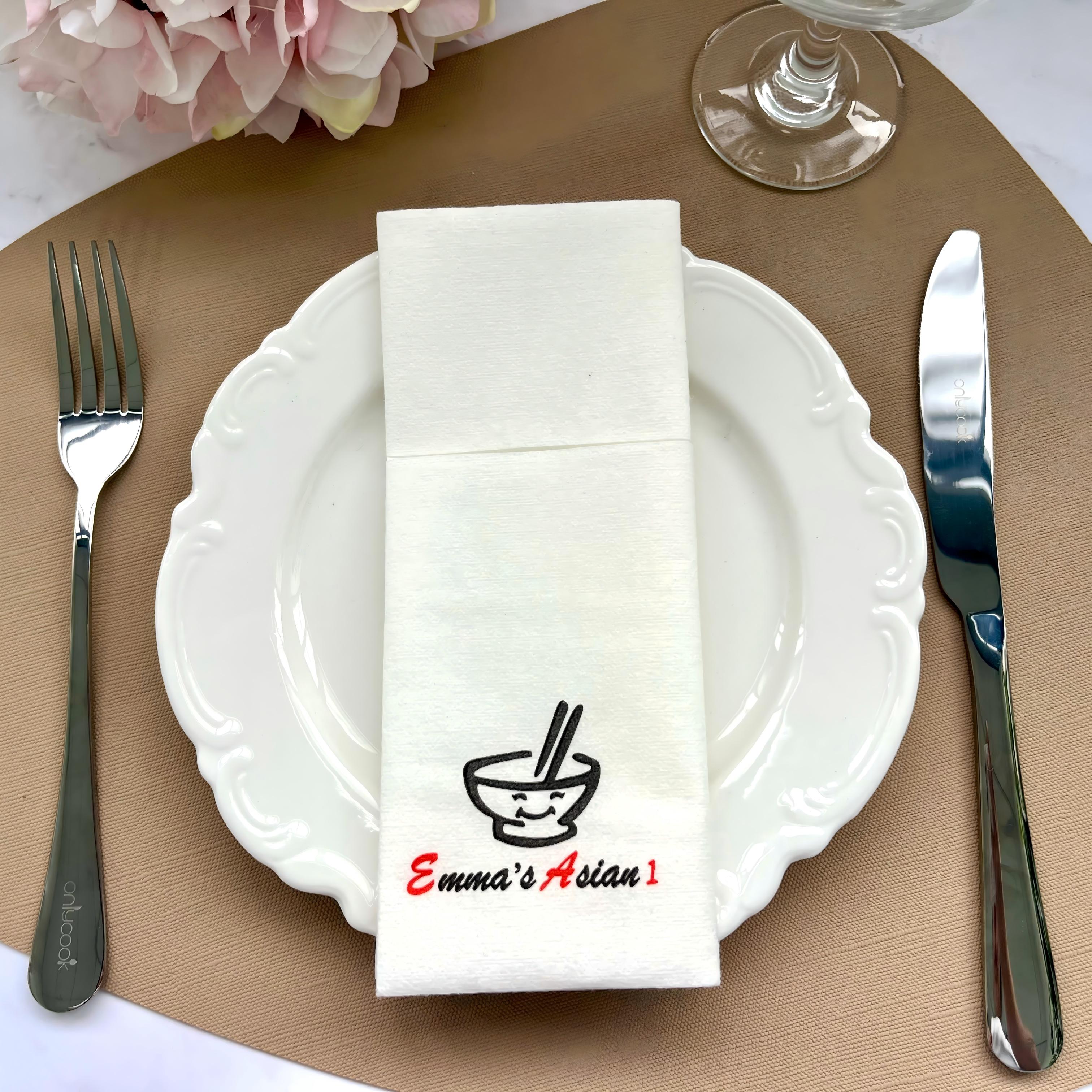
Customization has become a major differentiator for hospitality brands. Restaurants, hotels, and event planners increasingly use napkins to carry logos, monograms, seasonal artwork, and color themes. Airlaid accepts embossing, printing, and hot stamping well, while paper napkins remain cost-effective for high-volume branded service. Before ordering, confirm artwork files, color references, fold direction, and packing method. A well-managed supplier should provide clear approval samples and maintain documented quality checks.
Supply reliability matters as much as product quality. Commercial buyers should review production capacity, lead times, packaging options, and export documentation. For businesses that require verified production standards, reviewing supplier certified production standards can support a more confident sourcing decision. It is also wise to confirm how the supplier handles repeat orders, color consistency, and changes in material availability.
Frequently Asked Questions
Q1: Is an airlaid napkin stronger than a paper napkin when wet?
Yes, in most cases. Airlaid napkins use bonded nonwoven fibers, so they resist tearing and breakdown better than standard tissue paper napkins when exposed to water, grease, or sauces. Premium 3-ply paper napkins are stronger than thin 1-ply or 2-ply options, but they still usually fall below airlaid on wet strength.
Q2: Are airlaid napkins worth the higher unit cost?
They can be worth it when presentation, absorbency, and replacement rate matter. In fine dining, hotels, weddings, and branded events, one airlaid napkin may replace multiple paper napkins and support a more premium guest experience. In high-volume quick service, standard paper napkins often remain the more economical choice.
Q3: Can paper napkins match the look of airlaid napkins?
Paper napkins can look elegant with high ply counts, embossing, and full-color printing, but they rarely match the linen-like texture and fold retention of airlaid. For casual dining and catering, premium paper can be a strong visual option. For upscale table settings, airlaid usually has the edge.
Q4: Which napkin size should a restaurant choose?
Cocktail napkins are common for bars and drinks. Lunch napkins suit cafes and casual service. Dinner napkins are standard for restaurants and hotels. Larger banquet napkins are used for formal events and generous place settings. The right size depends on menu style, table size, and whether the napkin will hold cutlery.
Q5: Are airlaid napkins suitable for custom printing and logos?
Yes. Airlaid surfaces accept embossing, printing, and hot stamping. They are commonly used for logo napkins, colored event napkins, and pocket designs. Print clarity depends on artwork detail, material color, and the printing method, so an approval sample is recommended before mass production.
Q6: How should buyers compare total cost between airlaid and paper napkins?
Compare cost per guest rather than cost per napkin. Include expected waste, replacement rate, labor time, and brand impact. If a paper napkin tears and requires a replacement, the effective cost rises. If an airlaid napkin performs through the meal without replacement, the higher unit price may be justified.

- Contact
-
+86-18205820793lydia@shuangjiepaper.comPhone
- Get Connected

