
 English
  Español


Make Your Festive Parties Stand Out with Themed Die-Cut Napkins
Content
- 1 Why Die-Cut Napkins Matter for Your Event
- 2 Key Advantages of Choosing Themed Napkins
- 3 Design Customization and Production Standards
- 4 Perfect Applications for Themed Napkins
- 5 Production Capabilities and Supply Chain Considerations
- 6 Paper Quality and Material Specifications
- 7 Developing Your Custom Napkin Design
- 8 Maximizing Value in Your Napkin Investment
- 9 Sustainable Practices in Napkin Production
- 10 Frequently Asked Questions
- 10.0.1 Q1: What minimum order quantities apply to custom napkin production?
- 10.0.2 Q2: How long does custom napkin production typically require?
- 10.0.3 Q3: Can I combine multiple colors in a single napkin design?
- 10.0.4 Q4: What paper weights work best for different applications?
- 10.0.5 Q5: Are custom printed napkins suitable for outdoor events?
- 10.0.6 Q6: How can I ensure design accuracy during production?
- 10.0.7 Q7: What design elements should I avoid in custom napkin graphics?
- 10.0.8 Q8: Can I order different shapes for different events?
Why Die-Cut Napkins Matter for Your Event
When planning a memorable celebration, attention to detail makes all the difference. Your choice of table accessories speaks volumes about the thought invested in the event. Die-cut napkins represent far more than functional table linens—they serve as visual anchors that tie your entire celebration together with style and sophistication.
The distinctive shapes and customized designs of quality napkins create an immediate visual impact that guests notice and appreciate. Whether hosting an intimate dinner, corporate celebration, or family milestone, the right napkin choice transforms ordinary moments into polished, memorable experiences. Professional venues and event planners consistently rely on these products because they deliver tangible results in aesthetic presentation and guest satisfaction.
Key Advantages of Choosing Themed Napkins
Understanding the benefits of investing in quality napkins helps justify their role in your event budget. Let's examine the primary advantages:
- Enhanced Visual Appeal: Custom shapes and designs create an elegant table setting that photographs beautifully and leaves lasting impressions
- Brand Consistency: Printed designs maintain visual cohesion throughout your event, reinforcing your party theme or corporate identity
- Quality Perception: Premium napkin choices signal attention to detail, elevating guest perceptions of your overall event
- Practical Functionality: Durable construction ensures napkins perform their intended purpose while maintaining appearance throughout the meal
- Flexibility in Design: From classic patterns to contemporary graphics, customization options accommodate virtually any aesthetic preference
- Cost-Effective Solution: Wholesale availability makes premium napkins accessible for events of any size or budget
Design Customization and Production Standards
Understanding Die-Cut Specifications
The manufacturing process for quality napkins involves precise technical specifications. The die-cutting process creates specific shapes through mechanical pressure, transforming standard paper stock into distinctive forms. This process requires calibrated equipment and experienced operators who understand the relationship between paper weight, cutting pressure, and final product quality.
Professional manufacturers maintain strict quality controls throughout production. Paper composition, moisture content, and ink adhesion all receive careful attention to ensure consistent results across production runs. These technical considerations directly impact the durability and appearance of finished napkins.
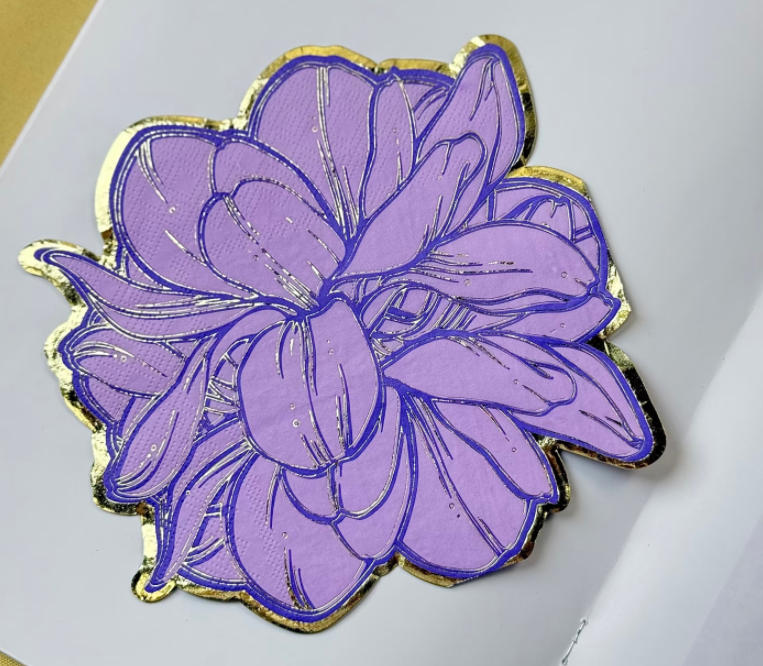
Custom Printed Die-Cut Napkins
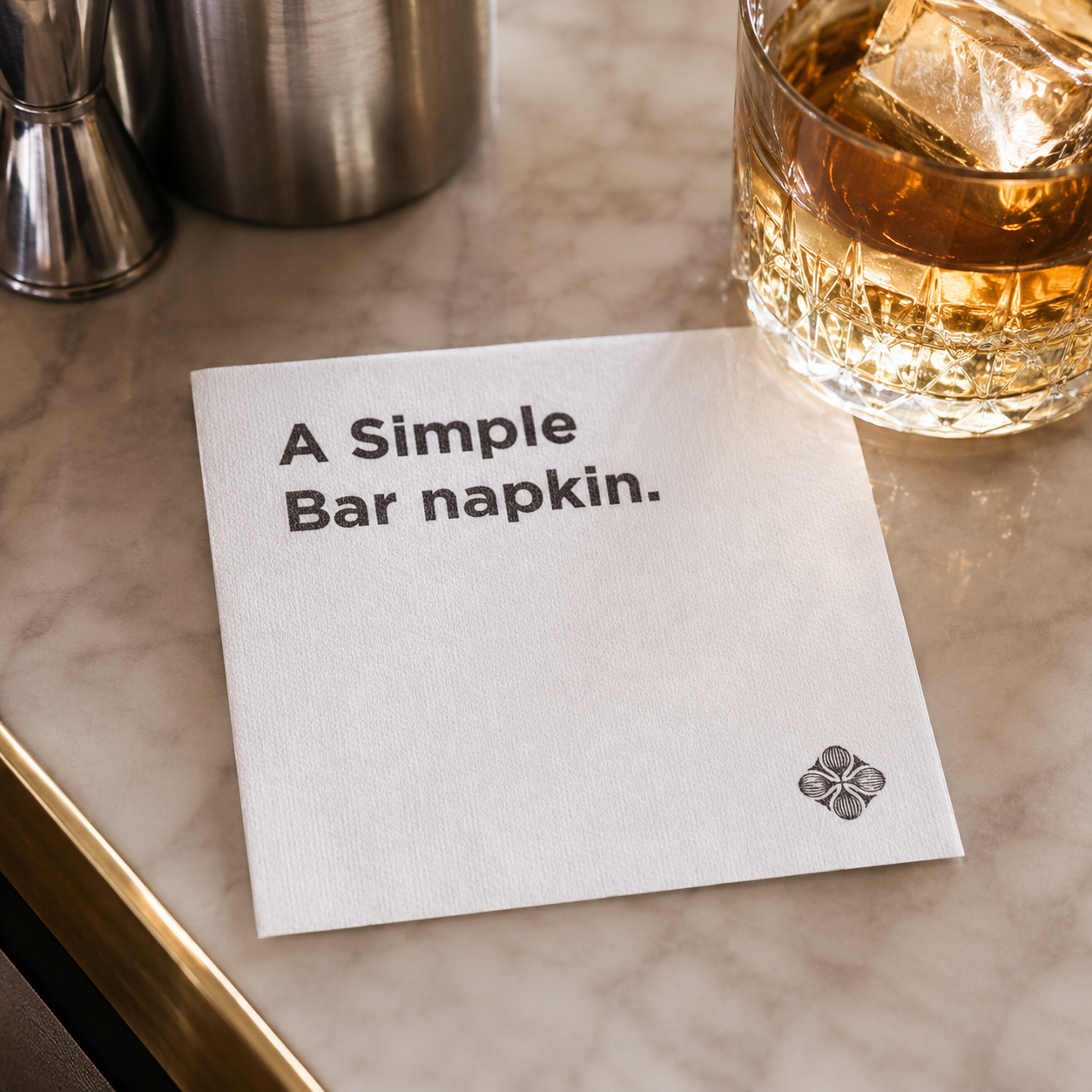
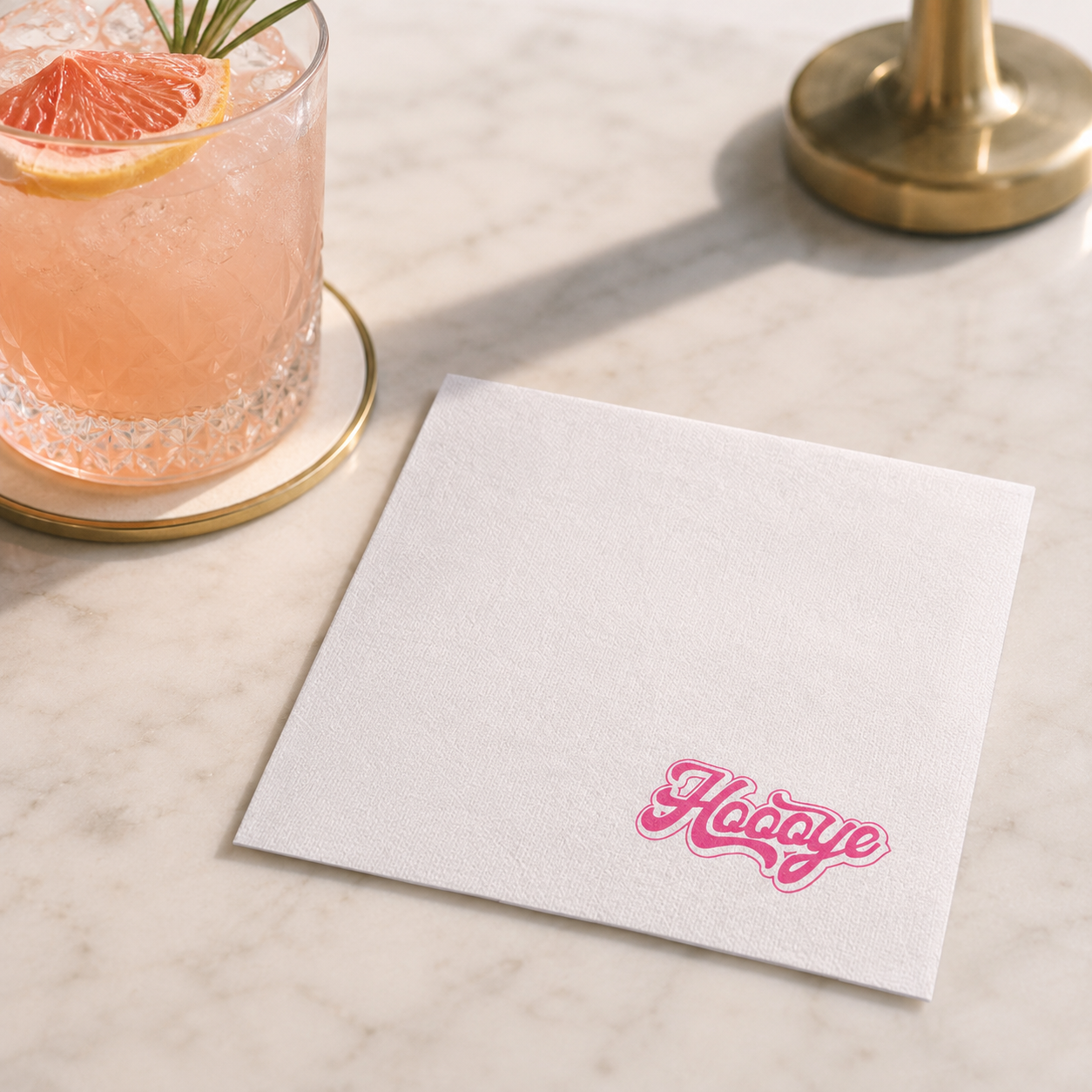
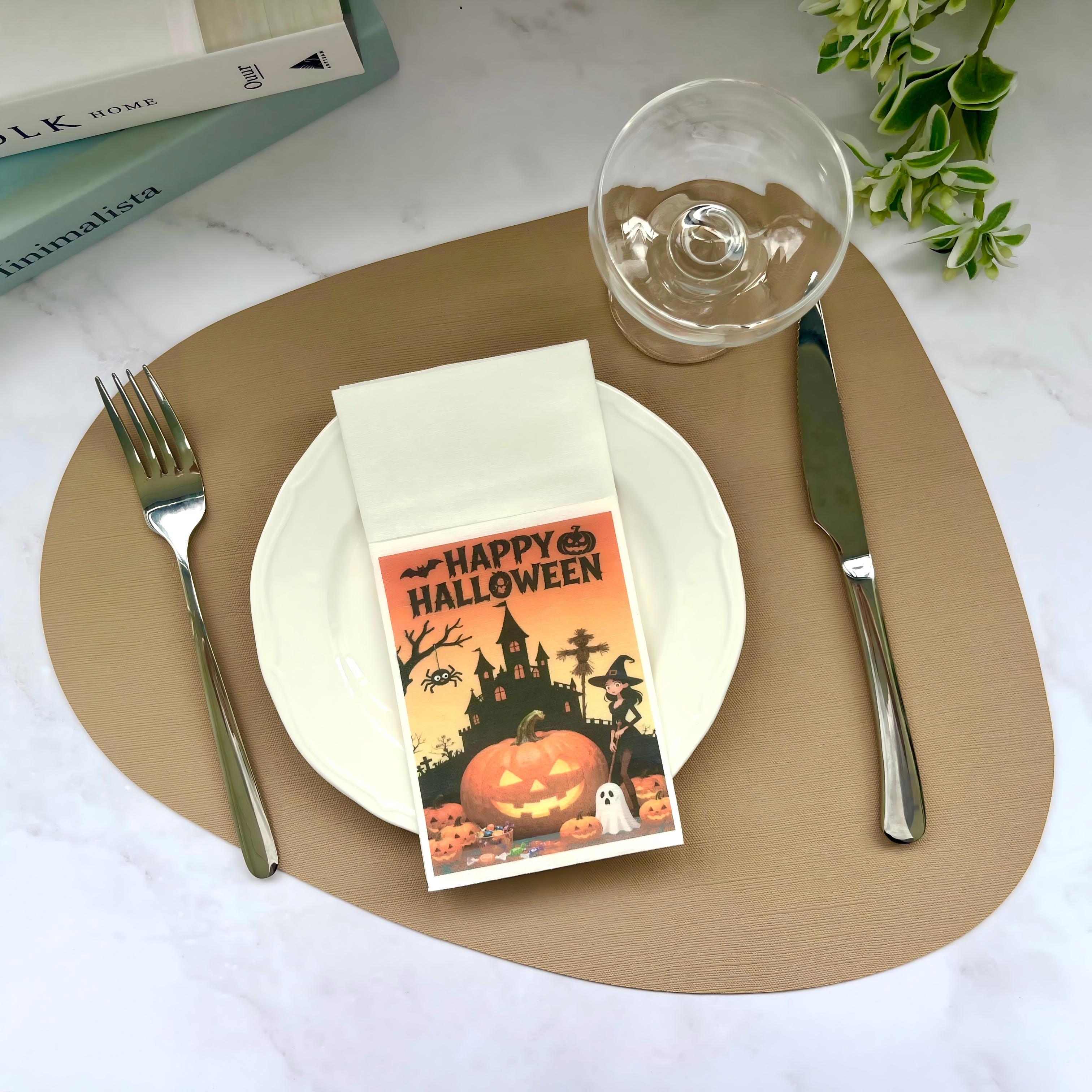
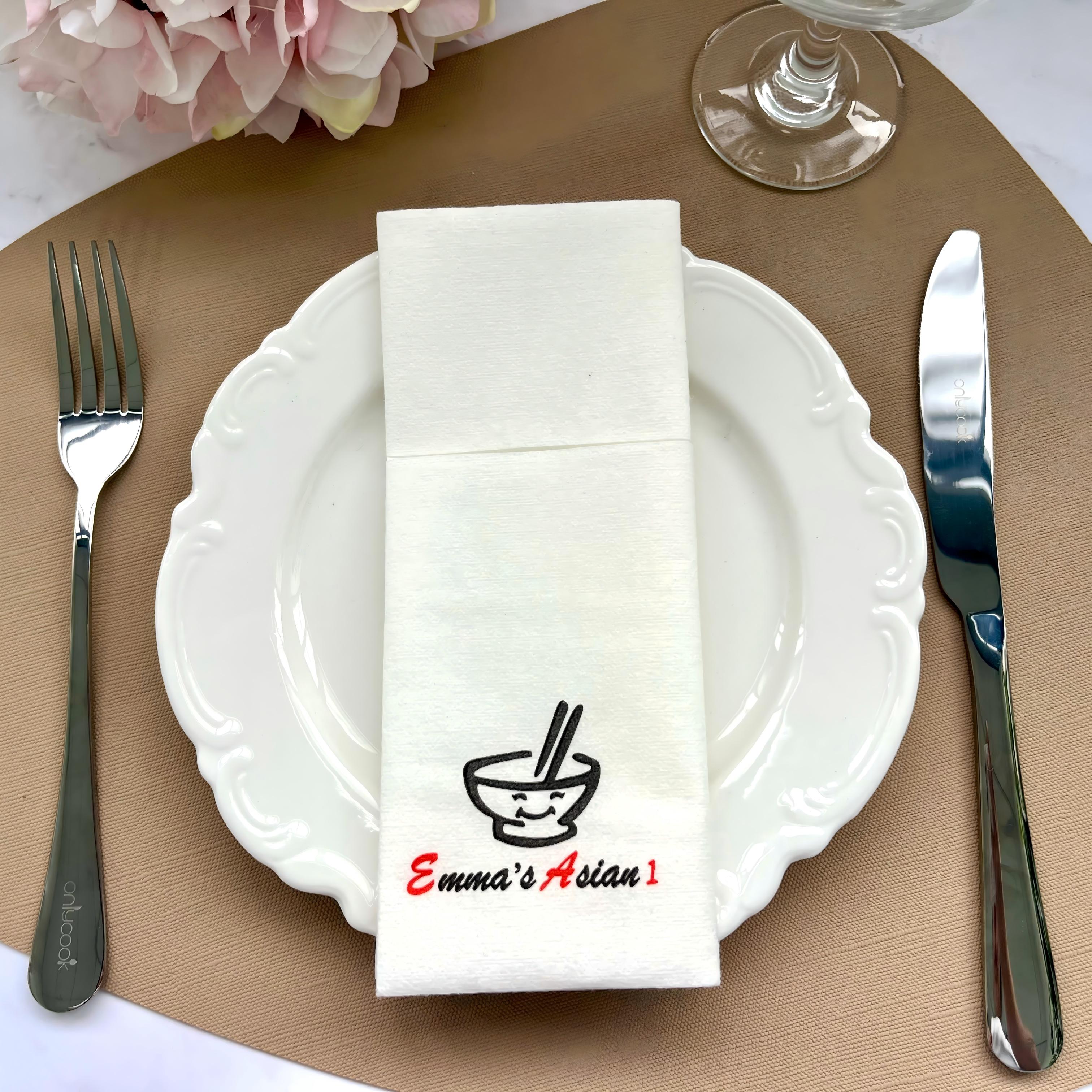
Printed die-cut napkins in colors allow for sophisticated design implementation. Modern printing technologies enable photographic quality reproduction on napkin surfaces, accommodating everything from simple solid colors to complex multi-color graphics. The integration of printing with die-cutting requires coordinated production sequencing to maintain design integrity through each manufacturing stage.
Shape and Design Versatility
Professional producers offer extensive shape options beyond standard rectangular formats. Heart shapes, scalloped edges, snowflake patterns, and custom silhouettes enable thematic expression that generic napkins cannot provide. Each shape option carries different production implications, affecting pricing and lead times, so selecting shapes early in the planning process ensures alignment with budget and timeline requirements.
Perfect Applications for Themed Napkins
Different occasions benefit from specific napkin characteristics. Recognizing how napkin selection impacts various event types helps guide purchasing decisions:
| Event Type | Ideal Napkin Characteristics | Design Considerations |
|---|---|---|
| Wedding Celebrations | Elegant shapes, premium quality, sophisticated colors | Monograms, dates, coordinated color palettes |
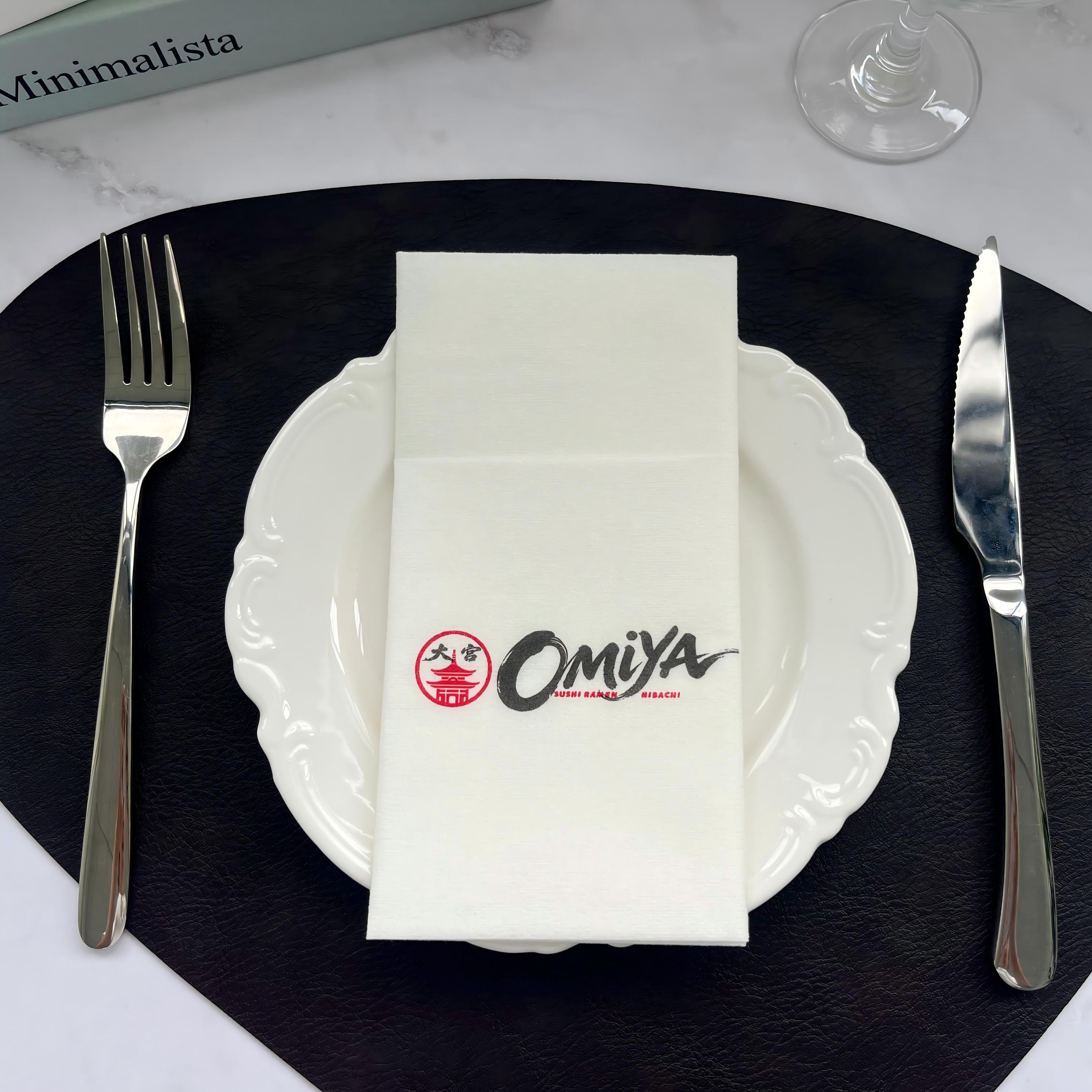
| Corporate Events | Professional appearance, durable construction, branded options | Company logos, corporate colors, minimalist aesthetics |
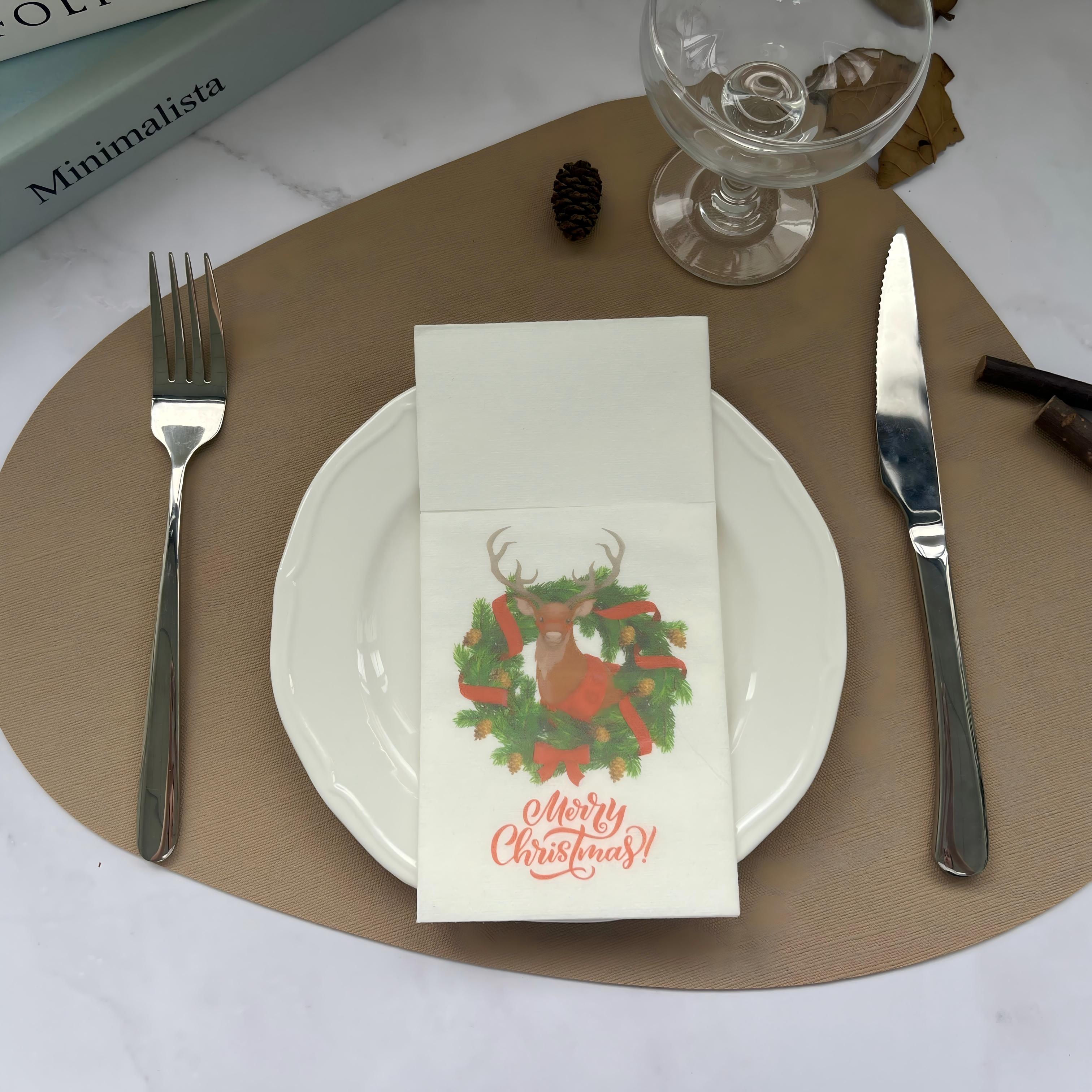
| Holiday Gatherings | Festive shapes, thematic colors, seasonal graphics | Snowflakes, holly patterns, metallic accents, traditional hues |
| Birthday Celebrations | Playful shapes, vibrant colors, personalized options | Custom ages, favorite colors, themed graphics |
| Baby Shower Events | Gentle shapes, pastel options, charming designs | Animal motifs, gender-neutral patterns, delicate illustrations |
Production Capabilities and Supply Chain Considerations
Understanding Manufacturer Capabilities
Professional production facilities maintain various equipment configurations to accommodate different volume requirements and customization levels. Smaller manufacturers might specialize in short-run custom orders, while larger operations handle high-volume wholesale productions. Understanding these distinctions helps align your project with appropriate production partners.
Lead times typically vary based on design complexity, quantity, and current production schedules. Simple designs in standard shapes might require two to three weeks from order placement to delivery, while complex custom designs could extend to four to six weeks. Planning accordingly prevents last-minute complications.
Quality Assurance in Manufacturing
Reputable producers implement comprehensive quality protocols throughout production. Random sampling verifies print quality, color accuracy, and structural integrity. Edge cutting consistency receives particular attention, as uneven cuts or fraying damage the professional appearance that justifies custom production costs.
Many manufacturers now hold sustainability certifications that address environmental concerns. FSC certification indicates responsible forestry practices, while other certifications verify production standards and worker conditions. These credentials provide confidence that your purchases align with ethical sourcing principles.
Wholesale Opportunities and Bulk Ordering
Wholesale purchasing offers significant value for businesses, event planners, and organizations managing multiple celebrations annually. Volume discounts typically apply at established thresholds, making per-unit costs substantially lower than retail ordering. Understanding minimum order quantities and available discount structures enables budget optimization.
Some manufacturers provide flexible payment terms for established wholesale accounts, improving cash flow management for frequent purchasers. Building relationships with reliable suppliers ensures access to priority production scheduling and consistent quality across multiple orders.
Paper Quality and Material Specifications
Weight and Durability Considerations
Napkin durability depends significantly on paper weight, typically measured in grams per square meter (gsm). Lighter weights offer economical options suitable for casual gatherings, while heavier stocks provide premium feel and superior performance during actual use. The relationship between weight and user experience directly impacts perceived value and satisfaction.
Higher gsm ratings typically offer improved absorption capacity, reducing the number of napkins guests require throughout the meal. This counterintuitive economics means premium napkins may actually reduce overall consumption costs despite higher per-unit pricing. Event planners increasingly recognize this value proposition when calculating total event expenses.
Finish Options and Texture
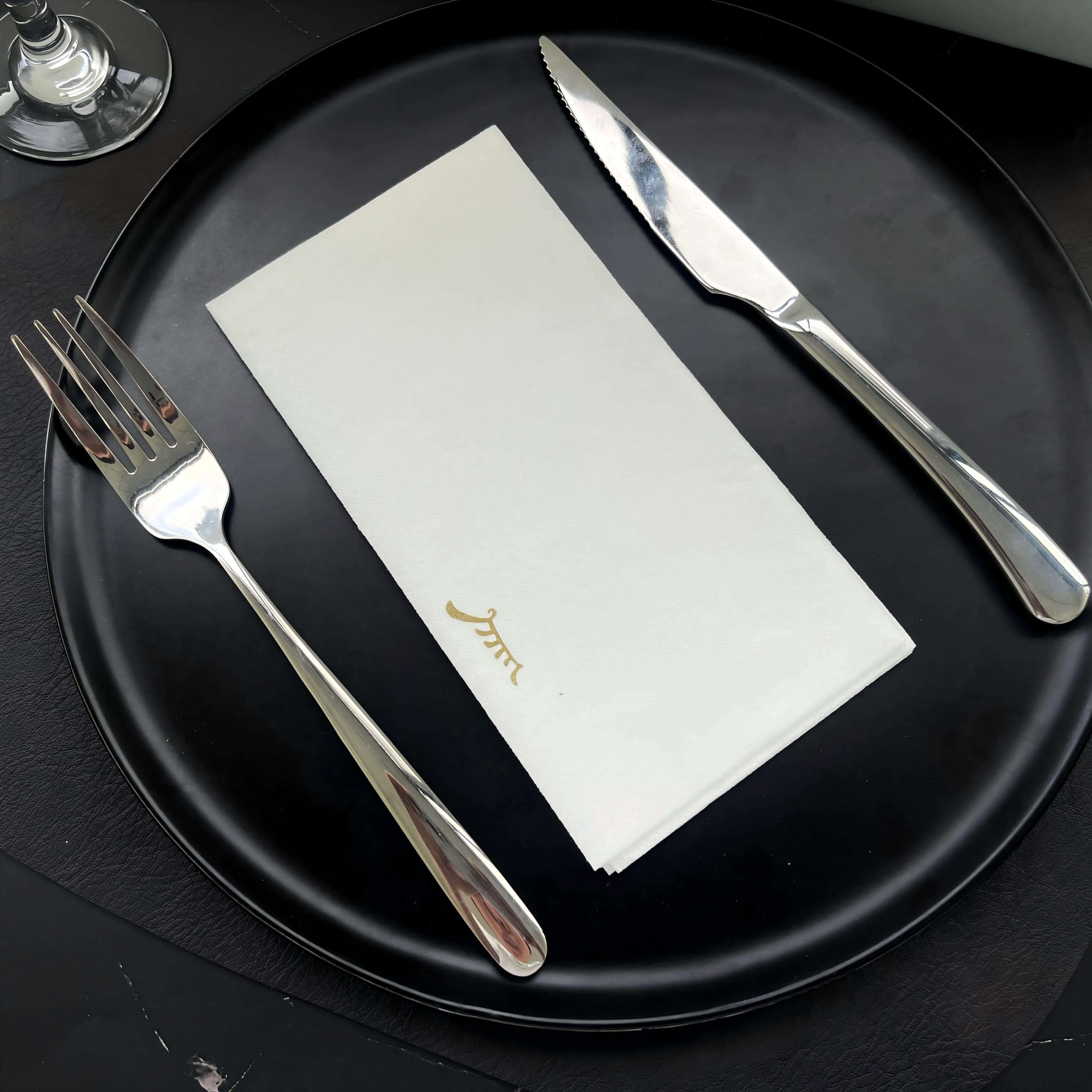
Manufacturers offer various finish options including smooth, embossed, and textured surfaces. Embossed finishes create visual depth and tactile appeal, enhancing the premium perception of custom napkins. The embossing process adds production complexity and cost but delivers disproportionate visual impact that justifies the investment for formal events.
Texture selection should harmonize with your overall event aesthetic. Smooth finishes convey contemporary elegance, while subtle textures suggest traditional sophistication. This seemingly minor detail influences how napkins integrate with table settings and overall ambiance.
Color Accuracy and Print Technology
Modern printing technologies enable accurate color reproduction that matches approved design samples. Digital printing allows for photographic quality at reasonable scales, while traditional flexographic printing offers superior results for extremely large volume runs. Understanding the trade-offs between these technologies helps align production methods with project requirements.
Color matching protocols ensure consistency across production runs. Most manufacturers maintain spectrophotometer equipment that quantifies color specifications, preventing variations that create obvious differences between napkins received in different shipments.
Developing Your Custom Napkin Design
Design Workflow and Timeline Management
Successful custom napkin projects begin with clear design direction. Gathering visual references and articulating your vision helps manufacturers understand your objectives. Professional designers can interpret concepts and transform them into production-ready files that account for technical limitations and printing capabilities.
Providing detailed design briefs accelerates the approval process. Specifying color requirements, text elements, and desired shapes enables manufacturers to proceed efficiently without repeated revision cycles. Digital mockups allow visualization before production commitment, reducing surprises during final delivery.
Technical File Preparation
Print-ready files require specific formatting to ensure accurate reproduction. Vector-based graphics maintain quality across all scales, while high-resolution raster images prevent quality degradation. Understanding bleed allowances and safe-printing zones prevents important design elements from being cut away during finishing.
Manufacturers typically provide detailed technical specifications that guide file preparation. Adhering to these specifications eliminates back-and-forth revisions and prevents production delays. Many offer complimentary file review services to identify potential issues before production begins.
Approval and Production Authorization
Most professional manufacturers require formal approval before initiating production. Physical samples or digital proofs verify that the final product will meet expectations. This verification step, though seemingly bureaucratic, prevents costly mistakes and ensures satisfaction with finished napkins.
Some manufacturers offer free sample production runs at minimal cost, allowing you to evaluate quality firsthand before committing to full production quantities. This investment in verification typically proves worthwhile, particularly for first-time orders or larger commitments.
Maximizing Value in Your Napkin Investment
Budget Planning and Quantity Decisions
Determining appropriate quantities requires realistic assessment of consumption patterns. Industry estimates suggest approximately one napkin per person per course during formal dining, though casual gatherings typically show higher consumption. Building in modest overage accounts for unexpected guests and usage beyond table settings.
Purchasing slightly more than minimum requirements often results in negligible per-unit cost increases due to volume discount structures. The incremental cost of additional napkins pales in comparison to the expense of rapid reordering at premium rates should supplies run short.
Timing and Seasonal Pricing
Ordering during off-peak periods sometimes yields better pricing than last-minute rush orders. Holiday-adjacent timeframes typically see increased demand and reduced availability, driving up costs. Planning ahead allows flexibility in scheduling production during manufacturer slow periods.
Seasonal considerations also affect design freshness. Ordering holiday-themed napkins well in advance ensures stock availability if additional quantities prove necessary. This advance ordering also enables gradual stocking for businesses and organizations managing multiple annual events.
Comparing Alternatives and Making Decisions
While standard disposable napkins offer minimal cost, the marginal investment in custom options delivers disproportionate aesthetic and psychological value. Guests notice thoughtful details, and these observations influence their overall event perception. This ROI extends beyond immediate event success to affect attendee satisfaction and willingness to recommend future events.
Evaluating multiple manufacturers ensures competitive pricing without sacrificing quality. Written quotes should specify quantity, design specifications, delivery timeline, and payment terms. This documentation facilitates comparison and prevents misunderstandings that could complicate the ordering process.
Sustainable Practices in Napkin Production
Environmental Responsibility and Certification
Growing environmental consciousness influences purchasing decisions across consumer categories. FSC certification indicates that paper sources come from responsibly managed forests where environmental practices receive priority alongside economic considerations. This certification provides assurance for environmentally conscious event planners seeking alignment between purchasing decisions and personal values.
Chlorine-free bleaching processes reduce environmental impact during paper manufacturing. Manufacturers implementing these practices demonstrate commitment to sustainability that extends throughout the production chain. These considerations become increasingly important for organizations with corporate social responsibility commitments.
Recyclability and End-of-Life Considerations
Most napkins prove recyclable through standard municipal programs, though printed varieties should be checked against local guidelines. Communicating this recyclability to guests encourages proper disposal practices that minimize landfill impact. Small messaging on napkins themselves reinforces environmental values and extends sustainability communication beyond the event itself.
Some manufacturers now explore alternative materials including bamboo and agricultural waste products that reduce reliance on traditional forest sources. These innovations expand options for environmentally conscious purchasers while maintaining performance standards that define quality napkins.
Frequently Asked Questions
Q1: What minimum order quantities apply to custom napkin production?
Minimum order quantities vary by manufacturer and production method. Digital printing often accommodates smaller runs starting around 1,000 units, while traditional flexographic printing typically requires minimums of 5,000 to 10,000 units. Requesting specific minimum information from your manufacturer ensures alignment with your project scope. Some suppliers offer tiered pricing that rewards larger orders without imposing rigid minimums, providing flexibility for budget-conscious purchasers.
Q2: How long does custom napkin production typically require?
Standard production timelines range from three to six weeks depending on design complexity, quantity, and current manufacturing capacity. This duration includes design approval, die creation if custom shapes are involved, printing, quality assurance, and packaging. Rush options exist but typically involve premium fees and may not be available for complex custom designs. Beginning the ordering process at least six to eight weeks before your event ensures comfortable scheduling without emergency costs.
Q3: Can I combine multiple colors in a single napkin design?
Yes, modern printing technology enables multi-color designs with photographic quality reproduction. The number of colors technically unlimited, though complexity increases production costs and timelines. Manufacturers typically discuss color strategies during the design phase, recommending approaches that balance visual impact against production efficiency. Full-color photographic designs are entirely feasible for both digital and traditional printing methods.
Q4: What paper weights work best for different applications?
Casual outdoor gatherings function perfectly with 1-ply napkins weighing around 20-30 gsm, offering cost efficiency and adequate functionality. Formal dining typically calls for 2-ply napkins in the 40-50 gsm range, providing premium feel and superior absorption. Very formal events sometimes feature even heavier options at 60 gsm or higher. Your manufacturer can recommend appropriate weights based on your event type and anticipated usage patterns.
Q5: Are custom printed napkins suitable for outdoor events?
Weather conditions present challenges for printed napkins in outdoor settings. Wind can scatter loose napkins, while moisture damages most standard napkin materials. However, heavyweight options and appropriate protective measures make outdoor use feasible. Packaging design that protects napkins from weather, combined with table arrangements that minimize wind exposure, enables successful outdoor events. Consult your manufacturer about materials specifically formulated for outdoor durability if this application is central to your needs.
Q6: How can I ensure design accuracy during production?
Professional manufacturers provide digital proofs or physical samples before full production begins. Carefully reviewing these materials against your original design specifications prevents costly mistakes. Requesting high-resolution photos or in-person evaluation of samples, if possible, allows thorough assessment. Most manufacturers welcome this verification step and build it into standard ordering procedures without additional cost.
Q7: What design elements should I avoid in custom napkin graphics?
Extremely fine lines or thin text may not reproduce clearly due to printing process limitations and the small napkin canvas. Photographic backgrounds with detailed gradients sometimes produce unexpected results on printed napkins. Consulting with your manufacturer about design limitations ensures your vision translates accurately to the final product. Professional designers experienced with napkin production can guide you toward designs that print beautifully while maintaining your aesthetic objectives.
Q8: Can I order different shapes for different events?
Yes, selecting varied shapes for different occasions is entirely practical. Each shape requires its own die, creating separate production costs. Understanding these cost implications helps budget appropriately when planning multiple events with different themes. Ordering shapes that serve multiple purposes extends their value across several events, reducing per-use costs while maintaining thematic consistency.

- Contact
-
+86-18205820793lydia@shuangjiepaper.comPhone
- Get Connected

