
 English
  Español


What Are the Benefits of Using Colored Airlaid Napkins in Hospitality and Catering?
Content
- 1 The Evolution of Dining Aesthetics in Professional Hospitality
- 2 Understanding Airlaid Napkin Technology and Construction
- 3 Superior Performance Characteristics of Colored Airlaid Napkins
- 4 Aesthetic and Brand Identity Advantages
- 5 Sustainability and Environmental Considerations
- 6 Economic Advantages for Hospitality Operations
- 7 Diverse Applications Across Hospitality Sectors
- 8 Selecting the Right Colored Airlaid Napkins for Your Venue
- 9 Implementation Best Practices and Service Protocols
- 10 Frequently Asked Questions
- 10.0.1 Q1: How do colored airlaid napkins compare to traditional paper napkins in terms of durability?
- 10.0.2 Q2: Can colored airlaid napkins be customized with restaurant logos or specific designs?
- 10.0.3 Q3: What environmental benefits do colored airlaid napkins provide compared to reusable linen alternatives?
- 10.0.4 Q4: Are colored airlaid napkins suitable for outdoor catering events?
- 10.0.5 Q5: How should I select the appropriate napkin color for my hospitality venue?
- 10.0.6 Q6: What are the cost advantages of switching from linen to colored airlaid napkins?
- 10.0.7 Q7: How can I ensure consistent color quality across multiple napkin orders throughout the year?
- 10.0.8 Q8: Are colored airlaid napkins appropriate for fine dining establishments?
The Evolution of Dining Aesthetics in Professional Hospitality
The dining experience extends far beyond the plate. Every detail, from tablecloths to napkins, contributes to the overall impression guests form about an establishment. In contemporary hospitality, the choice of table linens has become a strategic decision that reflects brand values and operational efficiency. Colored airlaid napkins represent a significant shift in how restaurants, catering companies, and hospitality venues approach their table service standards.
Professional dining establishments recognize that visual presentation and functional performance must work in harmony. The napkin, often overlooked, serves as both a practical tool and a visual statement. When selected thoughtfully, it can elevate the entire dining atmosphere while simultaneously addressing practical operational concerns.
Understanding Airlaid Napkin Technology and Construction
What Are Airlaid Napkins?
Airlaid napkins represent a technological advancement in disposable table linens. Unlike traditional paper napkins created through a wet-laid process, airlaid napkins are manufactured using a dry-laid process where fibers are suspended in air before being bonded together. This fundamental difference in production creates distinctive performance characteristics that professional hospitality venues value.
The Manufacturing Process
The airlaid process begins with cellulose fiber that is dispersed into a controlled air stream. These fibers settle onto a moving screen where they form a web. Binders are then applied to lock the fiber structure in place, creating a unified sheet material. This process allows manufacturers to control fiber alignment and density precisely, resulting in napkins with superior absorbency and structural integrity compared to conventional tissue products.
Why Color Integration Matters
Colored airlaid napkins integrate pigments during or immediately after the fiber web formation stage. This integration ensures that color remains stable throughout the product lifecycle, resisting fading from washing, sunlight exposure, or repeated use. The color becomes part of the napkin's structure rather than a surface treatment, providing durability that enhances the perceived quality of the product.
Superior Performance Characteristics of Colored Airlaid Napkins
Absorbency and Liquid Retention
Airlaid napkins demonstrate absorbency rates significantly higher than traditional paper napkins. The open fiber structure created during the airlaid manufacturing process provides numerous pathways for liquid absorption. In practical hospitality settings, this means fewer napkins are required per table, reducing both consumption rates and waste disposal costs. A single airlaid napkin often performs the function of two to three traditional paper napkins.
Strength and Durability
The bonding process in airlaid manufacturing creates exceptional wet and dry strength. Guests can use these napkins for extended wiping without experiencing tearing or degradation. This durability proves particularly valuable in casual dining and outdoor catering events where napkins encounter rough handling or multiple uses throughout a meal service.
Linen-Like Texture and Premium Feel
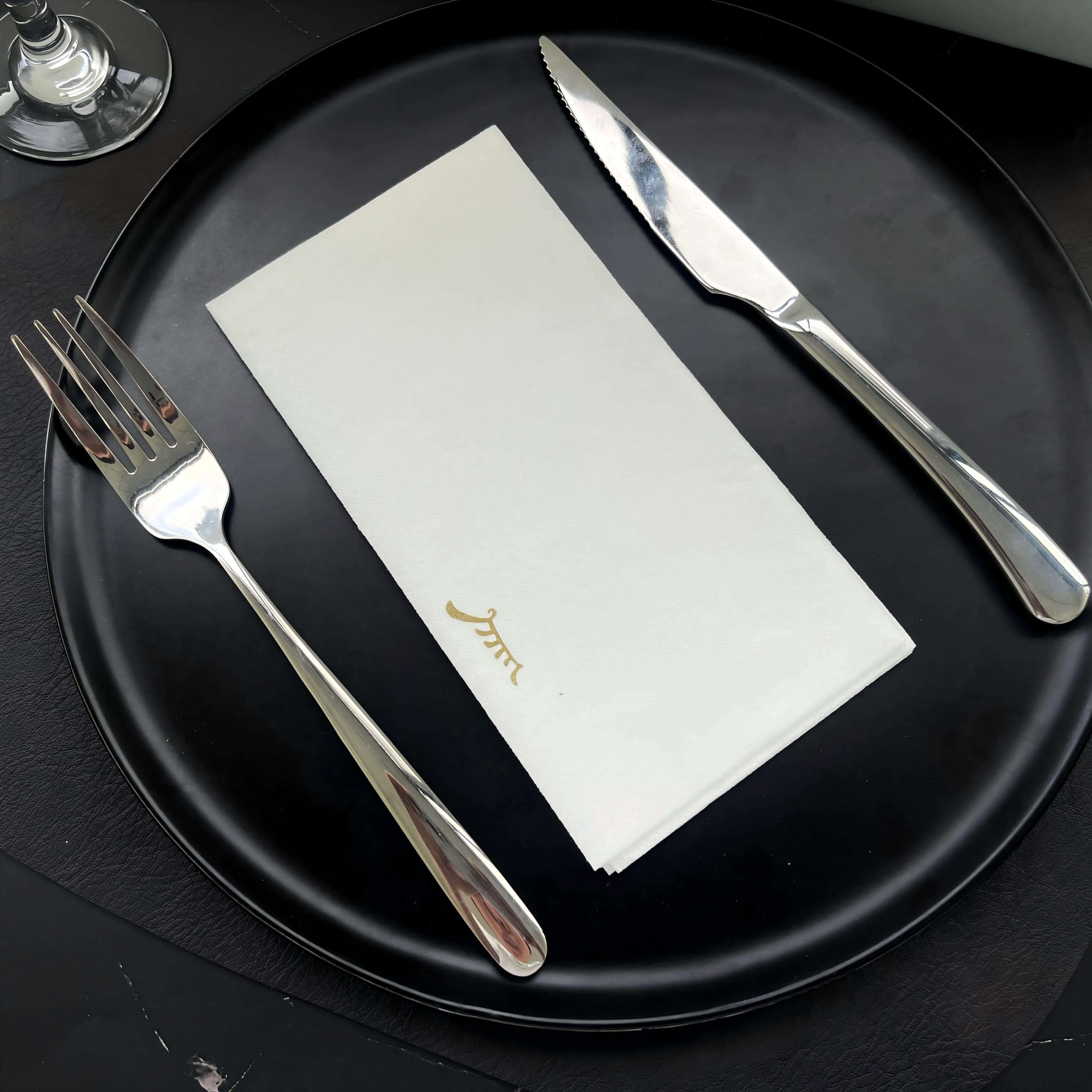
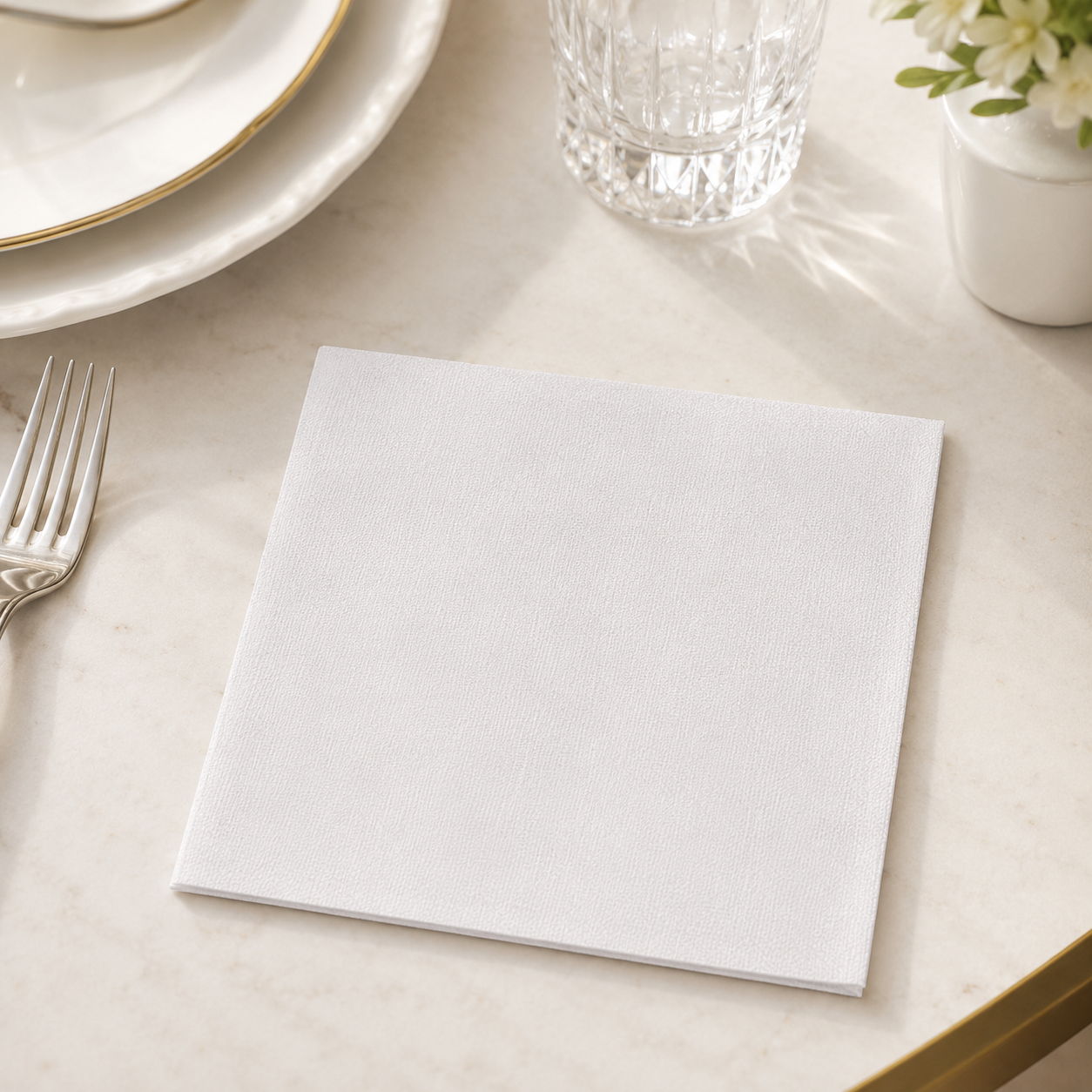
One of the most distinctive advantages of airlaid construction is its inherent linen-like texture. Many premium hospitality venues prefer disposable options that replicate the appearance and tactile quality of fabric linens without requiring industrial laundering. Colored airlaid napkins achieve this aesthetic while maintaining the practical benefits of single-use products, including sanitation compliance and no maintenance requirements.
Key Performance Insight
Colored airlaid napkins retain absorbency even when wet, preventing the matted appearance that compromises the aesthetic of traditional paper napkins during use.
Aesthetic and Brand Identity Advantages
Color Consistency and Professional Appearance
Colored airlaid napkins provide consistent color throughout production runs, enabling hospitality venues to maintain unified table presentations. This consistency matters significantly in high-volume catering operations where multiple orders must maintain identical visual standards. The color stability ensures that tables set hours apart still present a cohesive appearance when guests arrive.
Design Flexibility for Branding
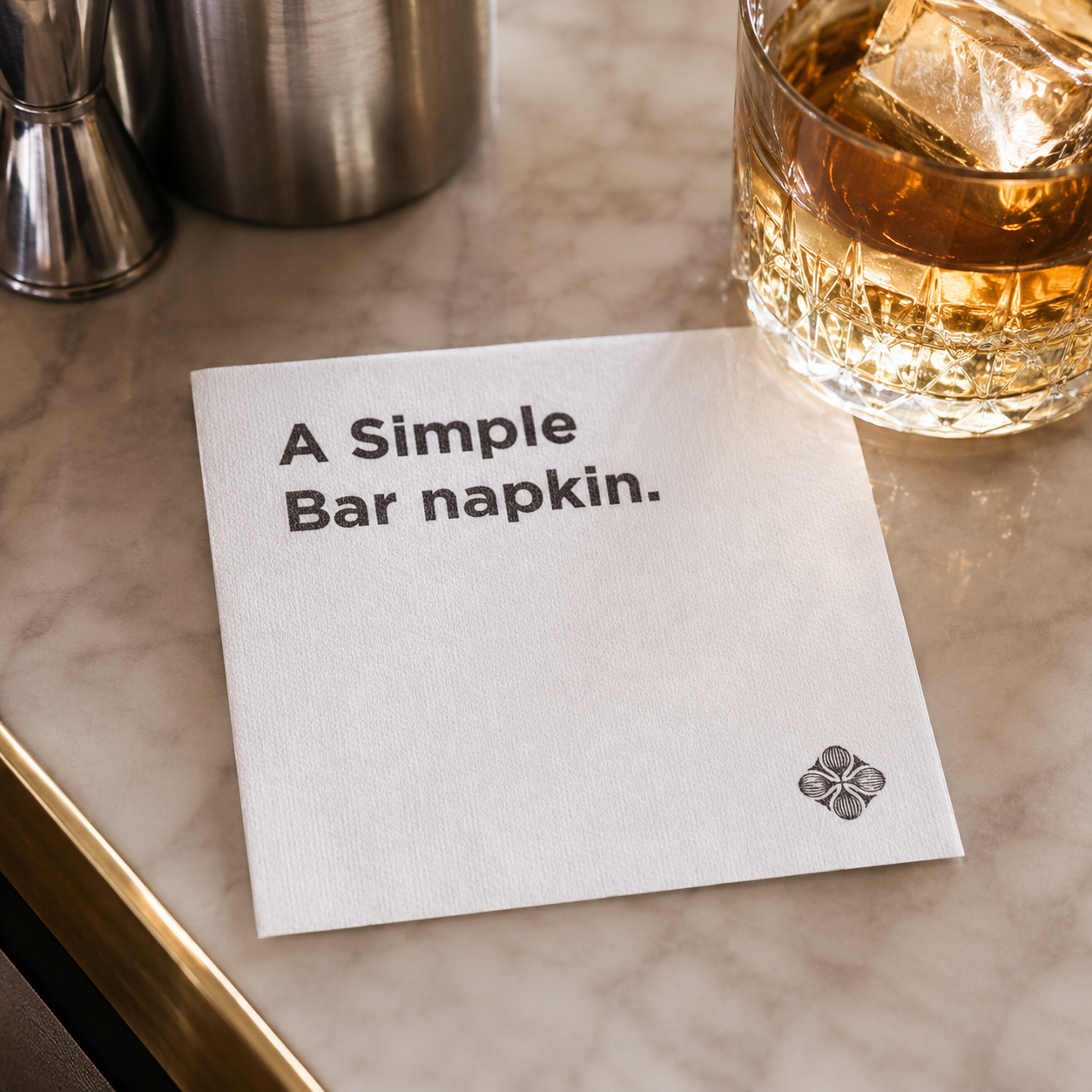
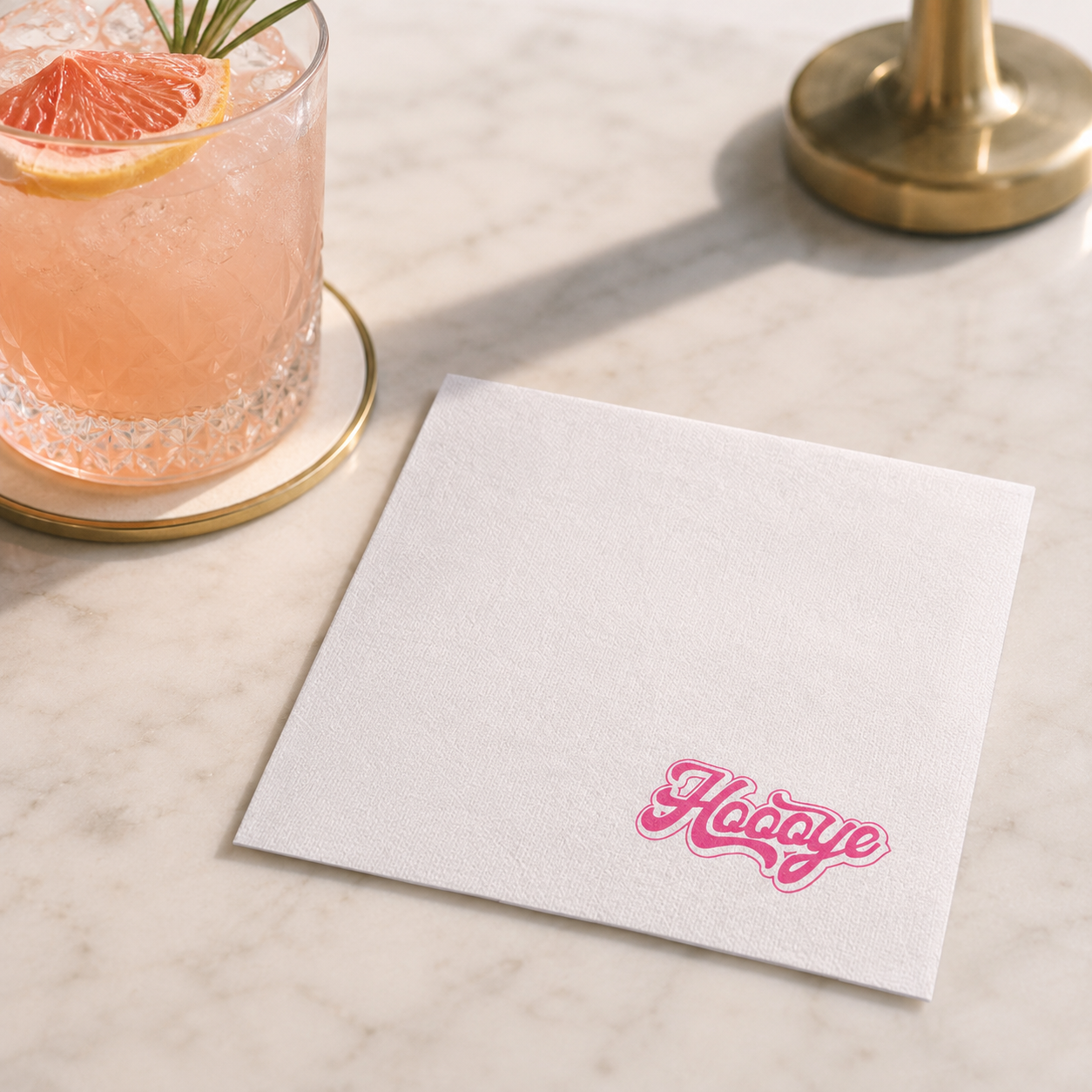
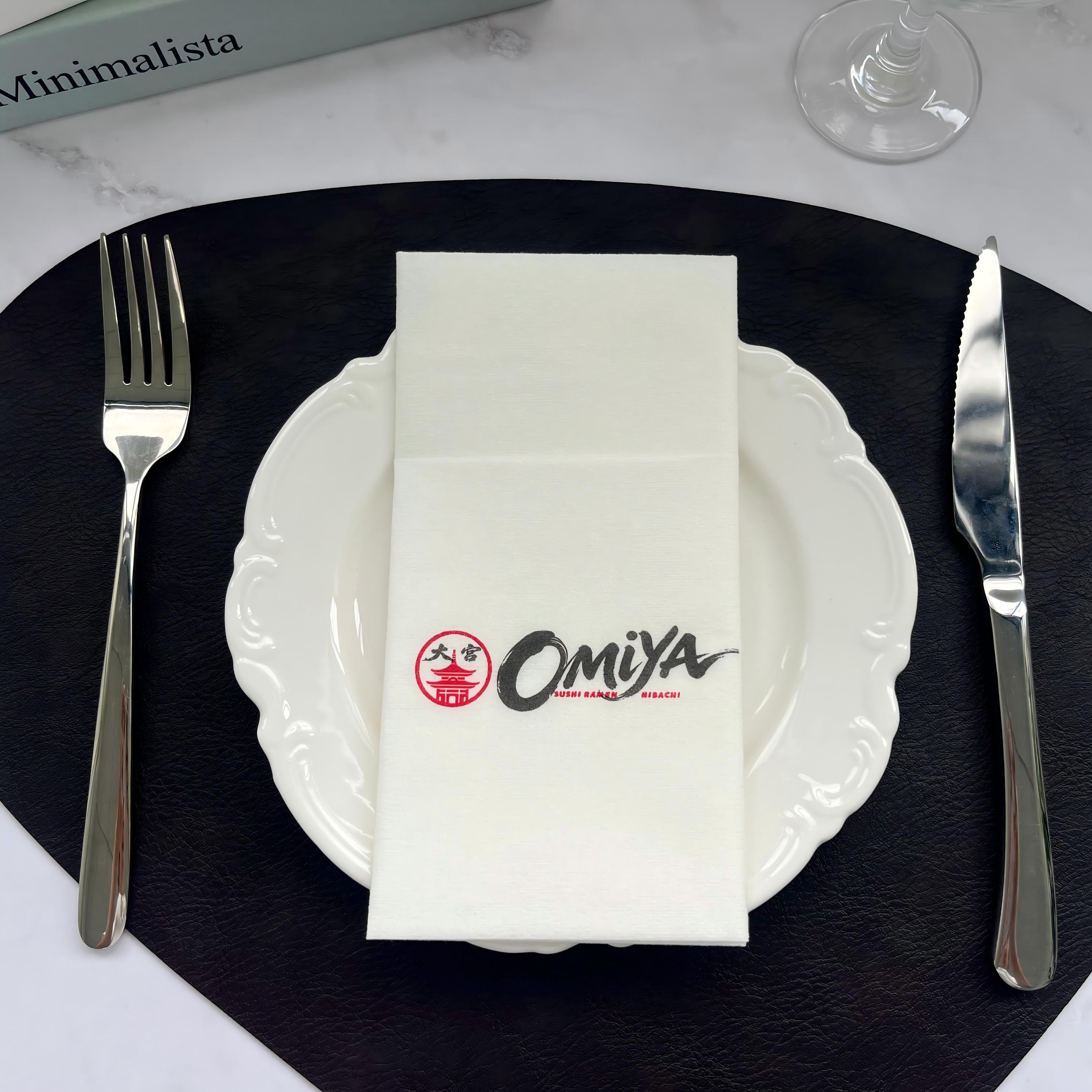
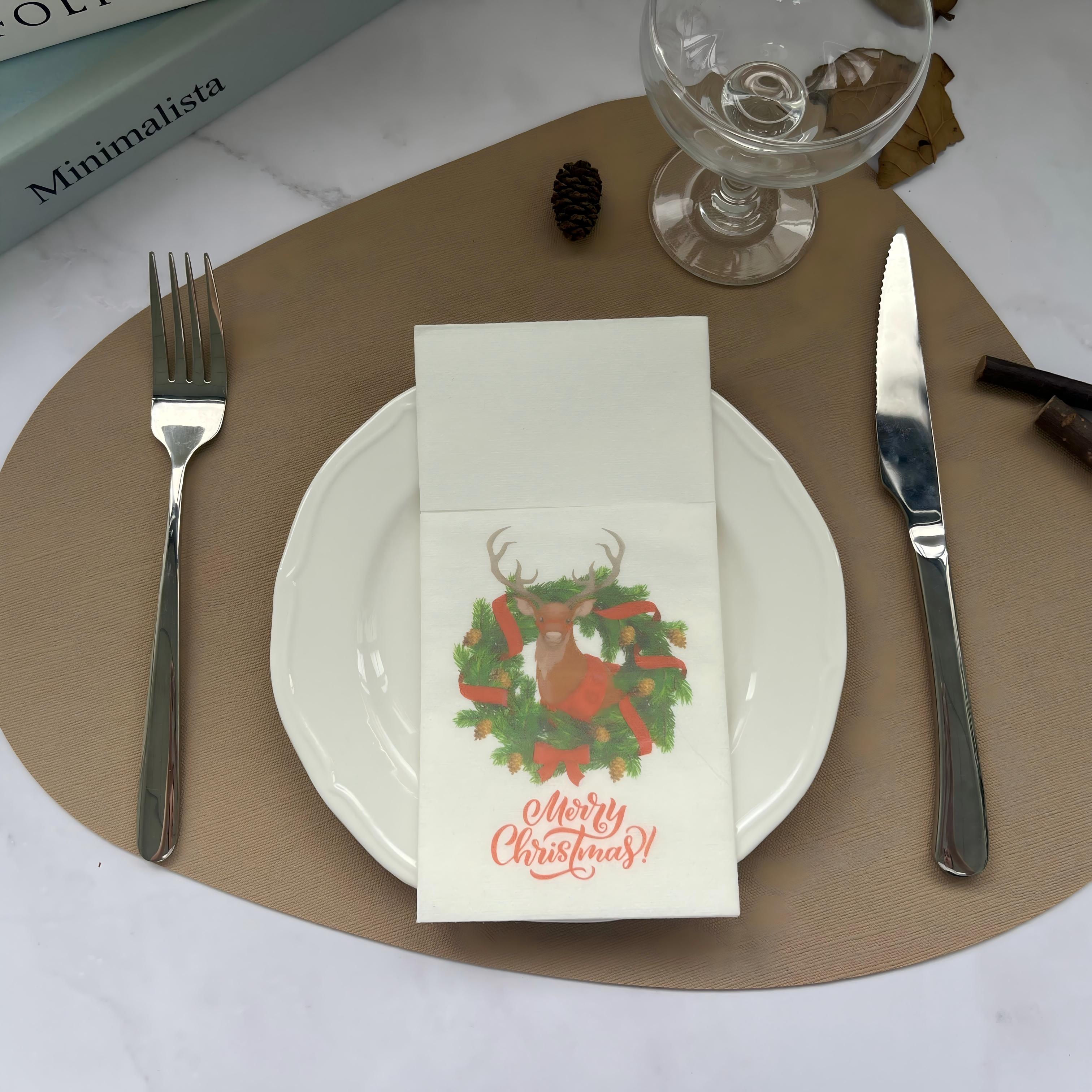
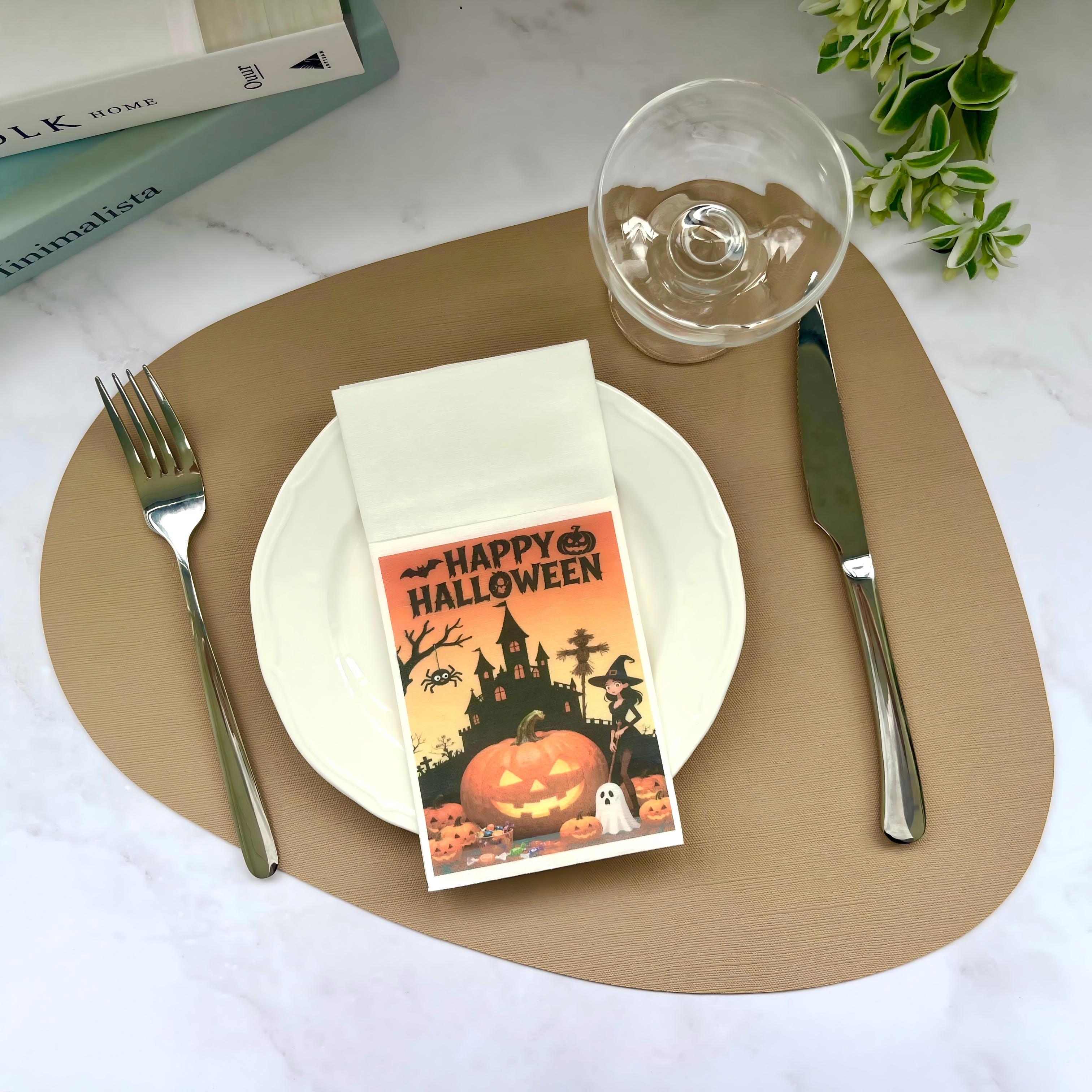
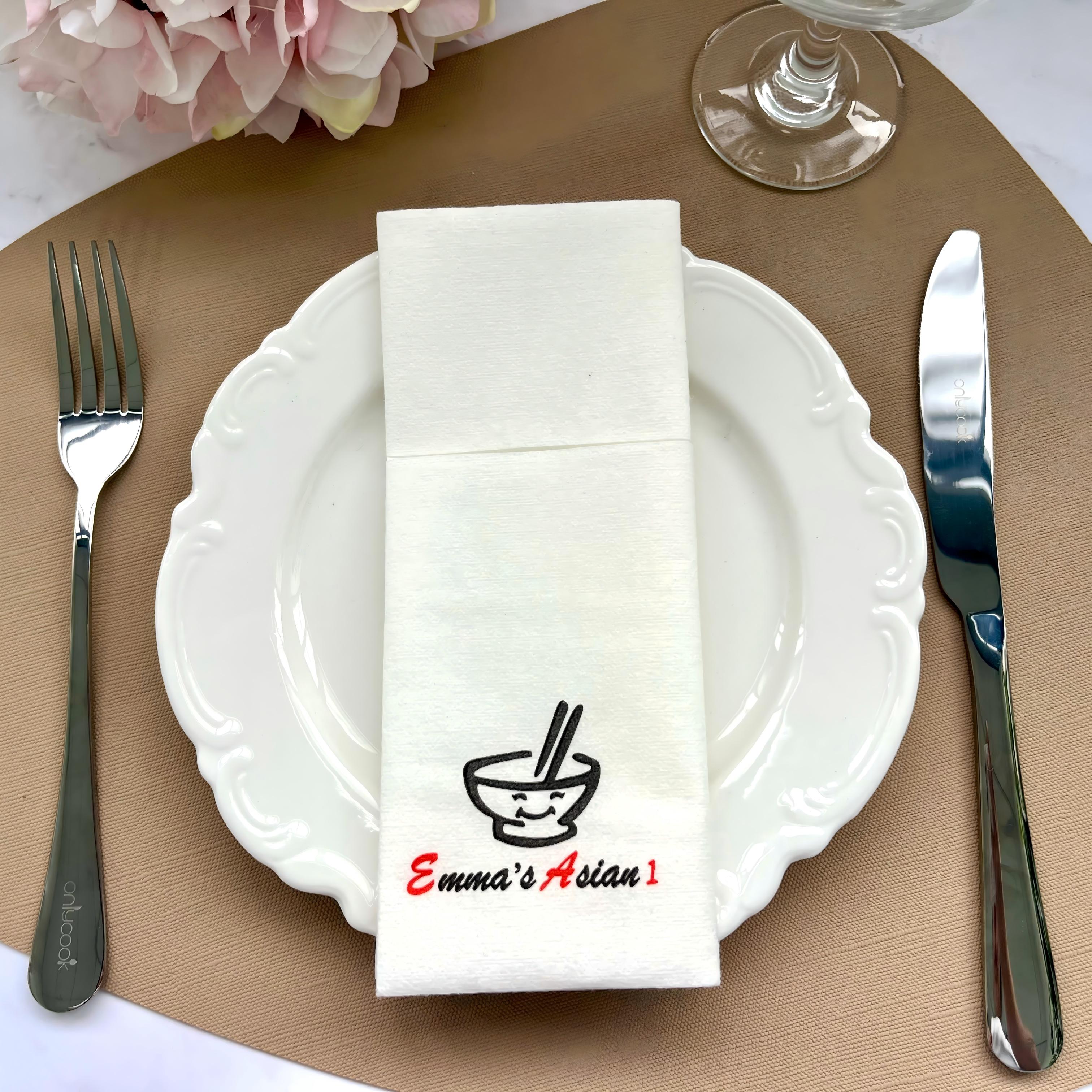
Beyond solid colors, colored airlaid napkins can be customized with logos, patterns, or multi-color designs. Catering companies and restaurants leverage this capability to reinforce brand identity at every table. The customization extends the napkin from a purely functional item into a branding element that subtly reinforces the establishment's aesthetic and values throughout the dining experience.
Color Psychology in Hospitality
Different colors evoke distinct psychological responses in diners. Warm colors like rose or burgundy create intimate, sophisticated atmospheres suitable for fine dining. Cool tones like silver or gray project modern elegance appropriate for contemporary establishments. Earth tones convey warmth and approachability ideal for casual venues. By selecting appropriate napkin colors, hospitality managers strategically influence the overall dining ambiance without costly renovations to permanent fixtures.
Sustainability and Environmental Considerations
Reduced Water Consumption
Compared to traditional linen napkins requiring industrial laundering, colored airlaid napkins eliminate water consumption associated with washing, rinsing, and processing cycles. A single service cycle for reusable napkins consumes approximately 15 to 20 liters of water per dozen napkins. For high-volume hospitality operations serving hundreds of guests daily, selecting disposable alternatives represents a meaningful reduction in water usage.
Energy Efficiency in Operations
Industrial laundry operations require significant energy for washing machines, drying equipment, and pressing machinery. By transitioning to colored airlaid paper napkins, hospitality venues reduce their operational energy consumption substantially. This reduction contributes to lower utility costs while simultaneously decreasing the establishment's overall carbon footprint from energy-intensive laundry services.
Responsible Fiber Sourcing
Modern airlaid napkin manufacturers increasingly source cellulose fiber from sustainably managed forests or recycled content. Progressive hospitality venues can partner with suppliers committed to responsible forestry practices, aligning their operational choices with environmental stewardship values. This transparency in sourcing becomes a marketing advantage when communicated to environmentally conscious guests.
| Factor | Linen Napkins | Airlaid Napkins |
|---|---|---|
| Water per dozen | 15-20 liters | 0 liters |
| Laundry energy | High | Minimal |
| Chemical detergent use | Significant | None |
| Storage requirements | Climate-controlled | Standard |
Economic Advantages for Hospitality Operations
Reduced Operational Costs
The elimination of laundry services represents one of the most significant cost savings in hospitality operations. Linen management services involve service contracts, transportation costs, chemical processing, and replacement of worn items. Colored airlaid napkins eliminate these recurring expenses entirely. The simple acquisition and disposal model reduces administrative overhead while providing predictable per-unit costs that facilitate accurate budget planning.
Labor Efficiency and Reduced Complexity
Linen napkin management requires dedicated staff time for inventory management, linen sorting, quality inspection, and coordination with laundry service providers. Airlaid napkins eliminate these labor-intensive processes. Staff can focus on core hospitality functions rather than managing complex linen logistics. For establishments with multiple locations or high-volume catering operations, this simplification produces substantial labor cost reductions.
Consistency in Product Quality
Linen napkins experience variability in condition based on wash cycles and wear patterns. Some napkins become thin and transparent while others lose their shape or develop discoloration. Colored airlaid napkins provide consistent quality from the first service through the last use. This uniformity enhances the perceived value of the service and prevents the visual degradation that occurs with reusable linens over time.
Scalability for Growth
When hospitality businesses expand operations or temporarily increase capacity for events, linen inventory becomes a constraint. Colored airlaid napkins enable instant scalability without requiring capital investment in additional linen inventory. Businesses can increase napkin quantities proportionally to demand, paying only for what they use without maintaining excess inventory for infrequent peak periods.
Diverse Applications Across Hospitality Sectors
Fine Dining Establishments
Premium restaurants leverage colored airlaid napkins that coordinate with their design aesthetic while offering the sophisticated presentation expected by discerning diners. The premium feel of airlaid construction rivals fabric linens at a fraction of the cost and complexity. Custom logos embossed on colored backgrounds reinforce brand identity while maintaining the refined elegance that fine dining guests expect.
Casual Dining and Family Restaurants
Casual establishments benefit from the practical advantages of colored airlaid napkins, including their absorbency and durability. Bright, cheerful colors enhance the welcoming atmosphere while withstanding the robust use patterns typical in family dining environments. The easy disposal model aligns with the efficient service model these establishments require.
Catering and Event Services
Professional catering operations face unique challenges managing diverse venues with varying table settings. Colored airlaid napkins eliminate the logistical complexity of coordinating linen delivery, quality assurance, and return services across multiple event locations. Caterers can stock colored options to match any client color scheme without maintaining massive linen inventories.
Banquets and Conference Events
Large-scale events require massive napkin quantities prepared in advance. Colored airlaid napkins provide the capability to source appropriate quantities with custom branding, creating a cohesive visual presentation across banquet halls seating hundreds or thousands of guests. The napkins remain in pristine condition throughout the event despite hours of exposure.
Hotel Services and Room Dining
Hotels offering in-room dining benefit from airlaid napkins that provide a quality experience while eliminating the complexity of collecting soiled napkins from guest rooms. Room service operations can include appropriately colored napkins matching the meal presentation without worrying about subsequent processing or replacement.
Selecting the Right Colored Airlaid Napkins for Your Venue
Assessing Color Requirements
Begin by evaluating your establishment's design palette and the ambiance you intend to create. Consider how napkin colors coordinate with tablecloths, table runners, and overall decor. Test color options against your actual table settings in your venue's lighting conditions, as colors may appear differently under various lighting environments. Request samples to evaluate the actual product quality and color appearance rather than relying solely on digital representations.
Evaluating Absorbency Standards
Different hospitality applications require varying absorbency levels. Fine dining may prioritize aesthetic appeal and modest absorption needs, while casual venues require napkins capable of handling substantial liquid absorption. Suppliers typically provide absorbency specifications measured in grams per square meter or similar metrics. Communicate your venue's specific usage patterns to ensure product selection aligns with actual operational requirements.
Considering Size and Dimensions
Napkin dimensions affect both functionality and presentation. Larger napkins provide better coverage and a more generous feel, while smaller napkins suit casual venues and reduce waste. Standard hospitality sizes typically range from 16 inches to 20 inches in length. Select dimensions that match your table setting style and the formality level of your service model.
Exploring Customization Options
Many suppliers offer customization including logo printing, multi-color designs, and special finishes. Evaluate customization costs relative to volume requirements. Minimum order quantities for custom designs may influence your selection decision. For smaller establishments, solid color options may represent better value than pursuing custom branding.
Quality and Supplier Considerations
Evaluate suppliers based on reliability, consistency, and customer service responsiveness. Request references from other hospitality venues using their products. Verify that suppliers maintain consistent color matching across multiple production runs, as this consistency matters significantly for establishments reordering napkins periodically throughout the year.
Implementation Best Practices and Service Protocols
Proper Napkin Folding and Presentation
Colored airlaid napkins present beautifully when properly folded. Train staff on appropriate folding techniques that complement your service style. Simple folds enhance the napkin's visual appeal while maintaining functionality. More elaborate folds work well for formal events, while casual folds suit everyday service. The linen-like texture of airlaid napkins allows folds to maintain their shape throughout the meal service.
Table Setting Integration
Position colored napkins intentionally within your table setting to maximize visual impact. Napkins can be placed on the plate, across the lap, or arranged decoratively at place settings. Consider how the napkin color interacts with plate colors, glassware, and other table elements. Thoughtful placement demonstrates intentionality in your design approach and elevates the overall dining presentation.
Inventory Management
Unlike linen napkins requiring complex management systems, colored airlaid napkins need simple inventory tracking based on consumption rates. Calculate expected usage based on meal volumes and maintain adequate stock to avoid service disruptions. Most suppliers offer flexible ordering models accommodating various purchase frequencies and quantities.
Waste Management and Disposal
Establish efficient collection systems for used napkins. Most colored airlaid napkins are compostable or recyclable depending on supplier specifications and local waste management capabilities. Coordinate disposal methods with your waste management provider to maximize environmental benefits. Communicating your sustainability approach can resonate with environmentally conscious guests.
Frequently Asked Questions
Q1: How do colored airlaid napkins compare to traditional paper napkins in terms of durability?
Colored airlaid napkins significantly outperform traditional paper napkins in both wet and dry strength. The airlaid manufacturing process creates a dense, bonded fiber structure that resists tearing even when wet. Traditional paper napkins often separate or shred when exposed to moisture, while airlaid napkins maintain their integrity throughout extended use. This enhanced durability means fewer napkins are required per guest, reducing overall consumption and waste.
Q2: Can colored airlaid napkins be customized with restaurant logos or specific designs?
Yes, most suppliers offer customization services including logo printing, multi-color designs, and special finishes. Customization typically requires minimum order quantities that vary by supplier. The investment in custom branding is worthwhile for establishments seeking to reinforce brand identity at the table level. Custom napkins create a memorable impression and subtly communicate brand values throughout the dining experience.
Q3: What environmental benefits do colored airlaid napkins provide compared to reusable linen alternatives?
Colored airlaid napkins eliminate water consumption associated with industrial laundering, require no detergent or chemical processing, and reduce energy consumption from laundry equipment. While they are disposable products, their overall environmental impact is lower than maintaining large linen inventories requiring repeated washing cycles. Additionally, many modern airlaid napkins are manufactured from sustainably sourced or recycled cellulose fiber, further reducing environmental impact.
Q4: Are colored airlaid napkins suitable for outdoor catering events?
Yes, colored airlaid napkins are excellent for outdoor events. Their superior absorbency makes them ideal for handling the challenges of outdoor dining where exposure to food, beverages, and atmospheric moisture is common. The colors remain vibrant without fading, even under direct sunlight during extended events. Their durability prevents the degradation that would affect traditional napkins in outdoor settings.
Q5: How should I select the appropriate napkin color for my hospitality venue?
Begin by evaluating your establishment's overall design palette, lighting conditions, and the ambiance you intend to create. Consider how napkin colors coordinate with existing table settings and decor elements. Test color samples against your actual table arrangements in your venue's lighting conditions, as colors may appear differently under various light sources. Request physical samples before making large volume commitments to ensure the colors match your vision.
Q6: What are the cost advantages of switching from linen to colored airlaid napkins?
The cost advantages include elimination of linen service contracts and transportation fees, reduced labor for linen inventory management and sorting, elimination of chemical processing costs, and reduction in capital investment for linen inventory. Additionally, colored airlaid napkins provide predictable per-unit costs that simplify budgeting. For high-volume operations, these cumulative savings often exceed 40% of previous linen-related expenses.
Q7: How can I ensure consistent color quality across multiple napkin orders throughout the year?
Work with suppliers who maintain strict quality control and color matching standards across production runs. Request that the supplier provide color reference samples or specification documentation for your chosen color. Communicate your consistency requirements clearly and request confirmation that they can maintain matching throughout multiple orders. Building a long-term relationship with a single supplier often provides better consistency than switching between multiple sources.
Q8: Are colored airlaid napkins appropriate for fine dining establishments?
Absolutely. The linen-like texture and sophisticated appearance of colored airlaid napkins make them well-suited for fine dining applications. Premium establishments use high-quality airlaid napkins in coordinated colors that elevate the dining experience without requiring the complexity of managing delicate linen napkins. Custom branding on colored napkins adds a refined touch that guests appreciate at the table level.

- Contact
-
+86-18205820793lydia@shuangjiepaper.comPhone
- Get Connected

