
 English
  Español


-
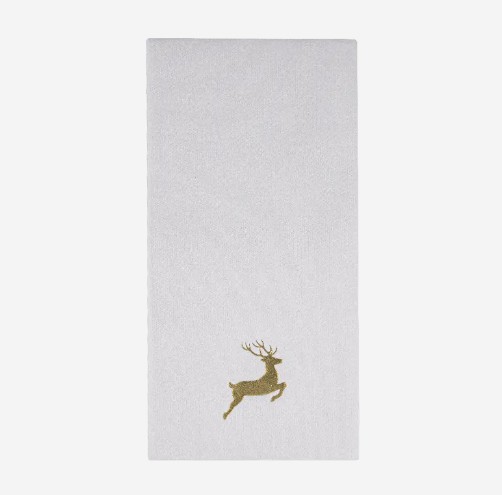
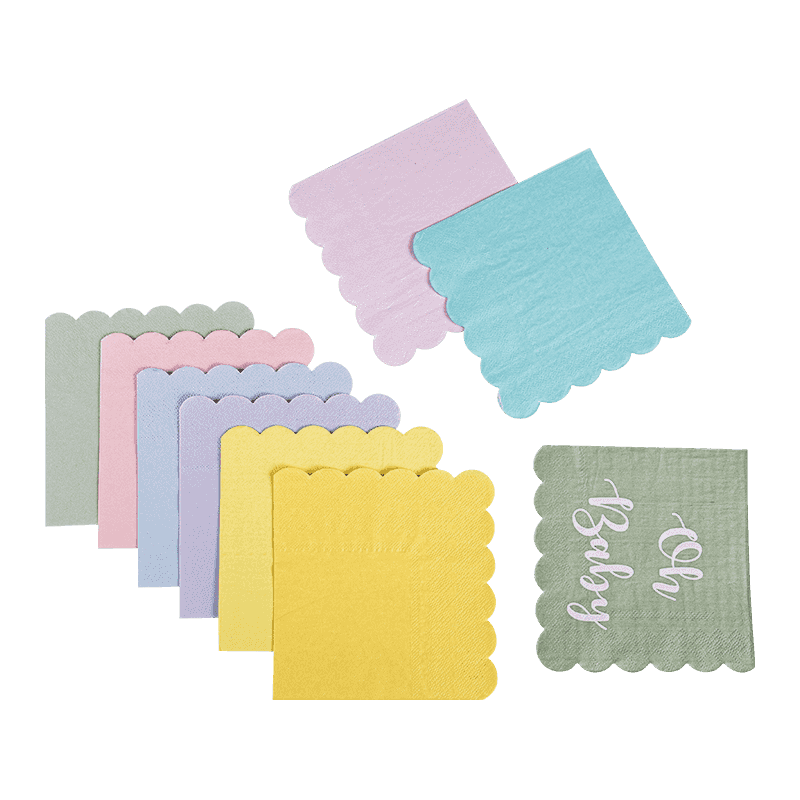 View moreCustomized napkins have become an innovative marketing tool for catering brands, and die-cutting and hot stamping designs lead the trend1. The rise of customized napkins: the key to differentiation of catering brands In recent years, customized napkins have gradually gained favor among restaurants and brands as an emerging trend in the catering industry. Traditional napkins are mostly simple functional, but as consumers' requirements for catering experience increase, catering brands have begun to use napkins as part of brand communication, using various processes to give them a unique sense of design. Embossing Foil Stamping Printed Die-cut Napkins not only provides customers with practical cleaning tools, but also becomes a powerful carrier for brand communication and marketing. Among them, die-cutting technology and hot stamping technology are two key design elements. Die-cutting technology breaks the limitations of traditional rectangles or squares by cutting napkins into different shapes or special patterns, enhancing the artistic sense and uniqueness of napkins. The hot stamping design adds a luxurious gloss and visual impact to the napkins through the hot press transfer of metal foil. The combination of the two can not only improve the overall texture of the napkins, but also visually attract consumers' attention and help brands stand out in the highly competitive catering market. 2. The perfect combination of die-cutting and hot stamping design The combination of die-cutting and hot stamping design plays a particularly prominent role in catering brand marketing. The introduction of die-cutting technology allows napkins to break conventional shapes and create more artistic and creative patterns to meet consumers' needs for uniqueness and personalization. For example, some high-end restaurants may design the shape of napkins according to the theme of the season, festival or brand, such as heart shape, petal shape, or even the shape of the brand logo. This unique design not only enhances the visual effect of the brand, but also brings consumers a unique dining experience. At the same time, the hot stamping design attaches metal foil to the paper surface through hot pressing technology to create a high-end visual effect. Whether it is gold, silver or copper hot stamping design, it can increase the texture of the napkin and make it look more refined. The gloss and luxury of hot stamping can effectively convey the high-end image of the brand, so that consumers can feel the brand's refinement and care every time they dine. 3. Marketing strategy of catering brands: shaping brand image with customized napkins As consumers' requirements for dining experience continue to increase, catering brands have gradually realized that improving customers' dining experience is not just about the menu or the dishes themselves. The atmosphere of the restaurant, the quality of service, and every detail can affect customers' feelings. In this context, customized napkins have become an important tool to enhance brand image and customer satisfaction. First, customized napkins can be part of the personalized expression of the brand. Brand logos, mottos, specially designed patterns and colors can all be conveyed to customers through napkins to enhance brand recognition. When consumers see uniquely designed napkins in restaurants, they often have a sense of identity with the brand, especially in some special occasions or festivals. The customized design of napkins can add a celebratory atmosphere and leave a deep impression on customers. Secondly, while enhancing the brand image, customized napkins can also bring potential social media exposure to catering brands. Many customers like to share their dining experience in restaurants on social media, including the arrangement of plates, exquisite napkins, etc. A uniquely designed and creative customized napkin can often arouse customers' interest in taking photos and sharing, thus bringing free brand publicity to the restaurant. 4. Improve customer experience: details determine success or failure In the fiercely competitive catering market, details determine customer loyalty and brand reputation. As part of the catering brand, customized napkins can make customers feel the brand's care and concern through exquisite design. For high-end restaurants or brands that focus on providing exquisite experience, customized napkins are not only a decoration on the table, but also a medium to enhance customer experience and convey brand value. When customers see a beautifully designed napkin during the meal, they often have a good impression of the brand, and this emotional identification will also affect their consumption behavior. Especially in some important occasions, such as wedding banquets, business banquets or celebrations, customized napkins can bring customers a sense of exclusivity and ritual, further improving the quality of the dining experience. 5. Future Outlook: The broad prospects of customized napkins in the catering industry With the increasing demand for personalized and innovative designs from catering brands, the market prospects of customized napkins are also particularly broad. The combination of die-cutting and hot stamping design provides more creative space for napkins. This trend is expected to expand further in the future and become an important tool for more catering brands to enhance their brand image and customer experience. In addition, with the improvement of environmental awareness, customized napkins in the future may also incorporate the concept of sustainable development and use environmentally friendly materials and processes for production to meet consumers' demand for green consumption. This will provide more innovation opportunities for catering brands and enhance the brand's sense of social responsibility.2025-04-17+
 -
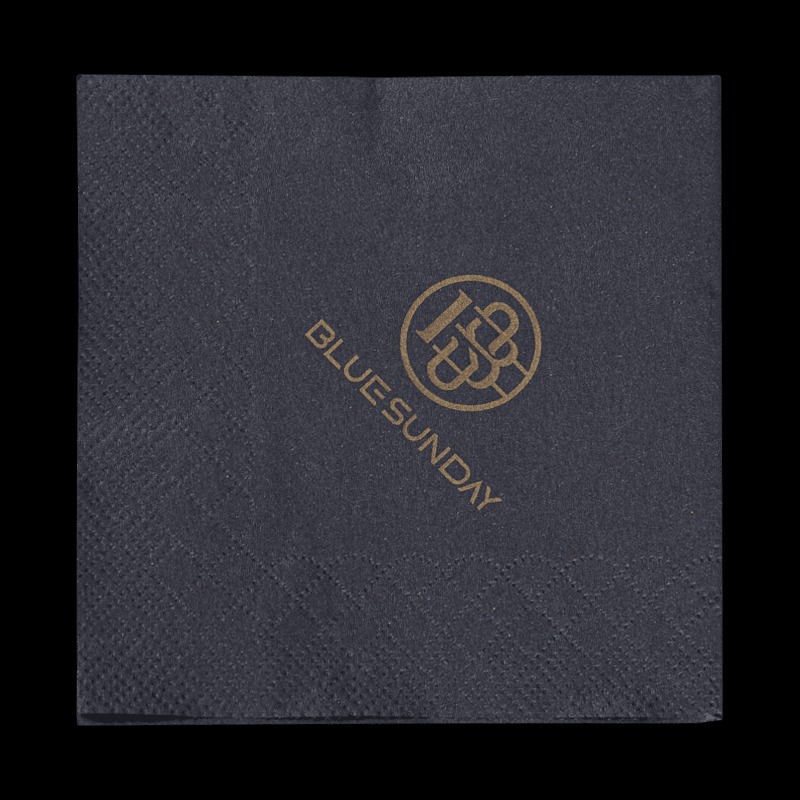
 View moreHot stamping technology empowers the tissue industry to create high-end customized productsWhat is hot stamping technology? Hot stamping is a technology that uses metal foil, hot pressing equipment and stamping molds to transfer patterns or text to the surface of paper through heating and pressure. Unlike traditional printing technology, hot stamping can not only achieve complex pattern effects, but also improve the visual and tactile quality of products through metallic luster, light and shadow changes and other effects without using ink. Hot stamping technology is widely used in many fields such as tissue packaging, gift packaging, brand marketing, etc., and has become a powerful means to improve product grade and attract consumers. Market Application of Paper Napkins with Hot Stamping In the paper towel industry, hot stamping technology has gradually replaced traditional printing methods and become the mainstream trend of high-end paper towel customization. Especially in the fields of hotels, catering, high-end weddings, etc., consumers have higher and higher requirements for the quality and appearance of paper towels. Hot stamping technology can not only give paper towels a more refined appearance, but also convey brand culture and personalized design through special effects, thereby meeting the market demand for high-end paper towels. 1. Enhance brand image Paper Napkins with Hot Stamping not only increases the visual impact of paper towels through exquisite metal printing effects, but also helps brands establish a high-end and professional image. For places such as hotels, catering and high-end shopping malls, customizing paper towels printed with brand logos or exquisite patterns is an important manifestation of their service quality and brand value. The unique effect of hot stamping makes paper towels a high-end consumer product, which can not only enhance the customer experience, but also effectively convey the high quality and uniqueness of the brand. 2. Enhance market competitiveness In a highly competitive market environment, paper towel manufacturers must continue to innovate and increase product added value in order to stand out. The application of Paper Napkins with Hot Stamping technology enables enterprises to provide more personalized customized products according to market demand. Whether it is customized paper napkins for special occasions such as weddings and parties, or paper napkins given to customers as corporate gifts, the unique effect of hot stamping technology can bring a unique visual experience, thereby enhancing the brand's market competitiveness. 3. The trend of personalized customization With the increasing demand of consumers for personalized products, Paper Napkins with Hot Stamping has shown great potential in the personalized customization market. Consumers not only want products to be unique in appearance, but also want to be reflected in the packaging design. Through hot stamping technology, paper napkins can not only be printed with customized logos, patterns, and even texts, but also achieve higher visual effects in terms of color and gloss. This high-end customized service has become an important demand for weddings, festivals, corporate events and other places. Advantages of hot stamping technology 1. High-quality printing effect Hot stamping can create a metallic effect on the surface of paper napkins, giving people a luxurious visual experience. Compared with traditional printing methods, hot stamping patterns are clearer and more delicate, and can present a sense of gloss, making the overall appearance of paper towels more refined, which meets the needs of the high-end market. 2. Environmental protection and energy saving Compared with traditional printing technology, hot stamping does not require the use of ink, so it has more environmental advantages. It does not produce ink waste, has less impact on the environment, and does not involve the use of chemicals, which meets the needs of modern consumers for green and environmentally friendly products. 3. Durability and durability The hot stamping pattern has high wear resistance, is not easy to fade, and can maintain a long-term visual effect. This is especially important for consumable commodities such as paper towels, which can ensure its quality stability during use and enhance the consumer experience. Application prospects of hot stamping in paper towel packaging With the continuous development of the paper towel industry, consumers have higher requirements for the function and appearance of paper towels. The application of hot stamping technology is constantly promoting the innovation of paper towel packaging, making it not only practical, but also artistic and decorative. In the future market, hot stamping will not only stay in the application of traditional paper towel packaging, but may also be expanded in more innovative fields. For example, with the diversification of weddings, birthday parties and other scenes, the demand for personalized customized paper towels will continue to grow, and companies can provide more diverse choices through hot stamping technology to meet personalized consumption trends. At the same time, as consumers pay more attention to environmental protection, Paper Napkins with Hot Stamping, which uses environmentally friendly materials and green production methods, will become an important development direction of the industry.2025-04-10+
 -
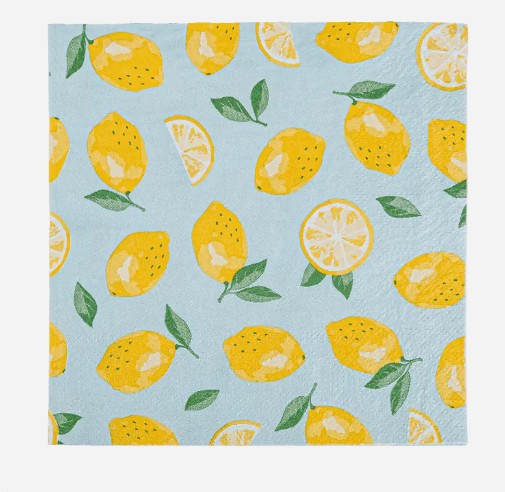
 View moreVersatile Printed Color Paper Napkins enhance the overall experience of the eventIn various events, details determine the success or failure of the overall atmosphere, especially in banquets, weddings, birthday parties and corporate events. As daily necessities, paper napkins not only carry practical functions, but also have an important impact on the beauty and experience of the occasion. In recent years, Printed Color Paper Napkins have gradually become an important element to enhance the overall experience of events with their diverse functions and visual appeal. Printed Color Paper Napkins are highly decorative. The colorful printed patterns on the paper napkins can add highlights to any occasion. Whether it is a wedding, birthday party or corporate celebration, the beautifully designed printed patterns can match the theme and perfectly enhance the overall atmosphere. Compared with traditional single white paper napkins, these colorful paper napkins can bring more visual impact, attract the guests' attention, and make the occasion more dynamic and creative. Whether it is a modern and simple style or a romantic and elegant decoration, the diverse designs of Printed Color Paper Napkins can meet the needs of various events. In addition, Printed Color Paper Napkins are also very functional. They are usually made up of 1 to 3 layers of paper. The multi-layer structure enhances water absorption, making paper towels excellent when cleaning tables, wiping hands or cleaning other surfaces. For events such as banquets and weddings, participants often need to wipe or clean frequently, and these paper towels can efficiently absorb water, oil stains and other liquids to ensure that they remain clean during the event and reduce unnecessary embarrassment. On the other hand, the environmental protection of Printed Color Paper Napkins is also one of the reasons for its popularity. Nowadays, more and more consumers pay more attention to the environmental performance when choosing products. Colored paper towels made of recycled pulp can not only be easily disposed of after use, but also reduce environmental pollution. Even as a disposable product, the biodegradability and use of environmentally friendly materials of Printed Color Paper Napkins still make them highly competitive in the modern society. While meeting the needs of daily use, they also meet the requirements of regulations and the market for environmentally friendly products. Printed Color Paper Napkins also excel in convenience. Event organizers and caterers usually need a large number of paper towels to cope with the cleaning needs of the occasion, especially in large-scale events, where keeping clean and hygienic is particularly important. The disposable nature of these paper napkins means that users don’t have to worry about the trouble of washing or reusing them. After use, they can be simply discarded, which saves time and effort. Moreover, the packaging of paper napkins is usually easy to store and carry, suitable for the needs of different sizes and occasions. In addition to traditional catering occasions, Printed Color Paper Napkins have gradually entered everyday places such as offices and cafes. As office culture changes, many companies have begun to use custom printed paper napkins to enhance the interactive experience of employees and customers. Uniquely designed paper napkins can not only increase the comfort of the office environment, but also add points to the brand image and become part of the corporate culture. Printed Color Paper Napkins have surpassed the role of traditional paper napkins and become one of the details that cannot be ignored in modern activities. Whether it is at a wedding, a party, or a business event, they can enhance the atmosphere of the occasion, ensure the cleanliness of the event, and leave a deep impression on the guests. As consumers continue to increase their requirements for the quality of events, this versatile, visually attractive, environmentally friendly and convenient paper napkin will surely play a more important role in various events in the future.2025-04-02+
 -
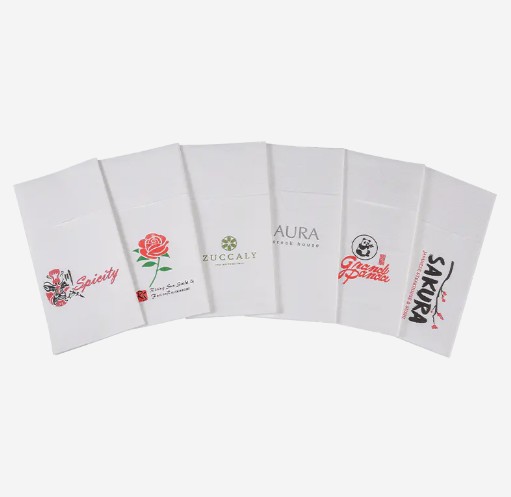
 View moreHow can customized napkins become a secret weapon to enhance the brand image?1. Strengthen the memory point of the brandModern consumers not only rely on the taste of the restaurant's food to judge the dining experience, but also pay more attention to the overall atmosphere and details of the restaurant. Disposable printed napkins, as an item that is often touched by customers on the dining table, naturally become a medium between customers and brands during the dining process. Whenever customers pick up the napkin and use it to wipe their hands or cheeks, the design elements on the napkin begin to connect with their senses, thereby strengthening the brand's memory point in their hearts.This enhancement of memory points is not limited to the experience during the meal, it may also be continuously amplified through the customer's subsequent behavior. Many customers often take pictures of the beautiful napkins on the table during the meal, especially when dining with friends or family, and share these details on social media. Exquisite printed napkins are one of the important elements in this sharing process. 2. The communication effect of social mediaCustomized printed napkins, as a unique design element of the restaurant, often become a highlight when customers share their dining experience. On social platforms, customers indirectly promote restaurants by posting photos with napkins. This spontaneous social sharing by customers can give restaurant brands more exposure opportunities and further strengthen the brand image through word-of-mouth communication.Sometimes, a well-designed napkin pattern can quickly attract customers' attention, arouse their curiosity and desire to share. It is precisely because of this customized and personalized design that restaurants can continuously expand their brand awareness in people's social interactions. Customers share not only the restaurant's food, but also convey the restaurant's culture and taste. This non-mandatory communication method can often gain higher trust and recognition. 3. Deep integration with brand cultureCustomized disposable printed napkins are not just a "decorative" design element, they often have a deep integration with the restaurant's brand culture. Every stroke on the napkin can reflect the concept and style advocated by the restaurant. For example, a restaurant that focuses on natural health may choose design elements related to natural landscapes and green plants, while another restaurant that emphasizes modern innovation may use simple geometric shapes and bold color combinations.This fusion of culture and design not only allows customers to visually feel the personality of the restaurant, but also deepens their impression of the brand. When customers touch the napkins and see the patterns on them, the cultural connotations of the restaurant take root in the hearts of customers through these small but important details and become part of their memories. 4. Improvement of brand identity and loyaltyWell-designed custom napkins not only leave a deep impression on customers in their short-term experience, but also have a long-term impact on their brand identity and loyalty. When customers can feel the restaurant's attention to detail and care while enjoying the food, they tend to have a stronger sense of identity with the brand. This sense of identity not only makes them feel good about the restaurant, but also prompts them to make a decision to visit again in the future.In addition, custom napkins can also establish an association of "quality" in the hearts of customers. When a restaurant carefully designs and provides high-quality napkins on the table, customers usually extend this care to other aspects of the restaurant, including the quality of the dishes, the meticulousness of the service, etc., thereby improving their overall evaluation of the brand.2025-03-18+
 -
 View moreWhy do customized environmentally friendly air-laid napkins bring an extraordinary touch experience?1. The pain of roughness: the troubles of traditional napkinsIn our memories, we may have had such an experience. When dining in a restaurant, pick up the napkin on the table and gently wipe the corners of your mouth, but immediately feel a rough friction. Due to the limitations of material selection and production technology, the surface texture of ordinary napkins is often not uniform. During the production process, the fibers have not been carefully combed and arranged, and they appear in a messy state. When these uneven fibers come into contact with our delicate lips, corners of the mouth and hand skin, they produce a noticeable sense of friction, just like sandpaper. This friction not only fails to bring us a comfortable wiping experience, but long-term use may even cause slight damage to the skin, especially for people with more sensitive skin, this damage is more obvious. In some occasions, rough napkins may also cause embarrassment. For example, in a business banquet, the elegant atmosphere may be greatly reduced due to the discomfort caused by the rough napkins; in a romantic date, the rough touch may also destroy the original good mood. According to relevant surveys, more than 60% of consumers said that they had been affected by the roughness of napkins, which fully shows that the shortcomings of traditional napkins in terms of touch have become a major pain point in the hearts of consumers. 2. Technology empowerment: the birth of customized Eco-Friendly Airlaid napkinsIn order to solve this problem of traditional napkins and meet consumers' pursuit of high-quality dining experience, customized environmentally friendly air-laid napkins came into being. Its birth is inseparable from advanced scientific and technological support. Customized environmentally friendly air-laid napkins use cutting-edge air-laid technology. The core of this technology is the ability to accurately control the distribution of fibers. In the production workshop, the carefully selected fibers are evenly spread and interwoven through a specially designed airflow guide device. This process is like a precise dance. Each fiber is arranged and combined in an orderly manner under the guidance of the airflow, and finally forms an extremely delicate and smooth structure. This structure is in sharp contrast to the rough texture of traditional napkins, bringing consumers a completely different tactile experience. Compared with the traditional napkin making process, air-laid technology is more complex and delicate, requiring a higher level of technology and more advanced equipment support. But it is this persistent pursuit of quality that has made the customized environmentally friendly air-formed napkins reach an unprecedented height in terms of touch. 3. Extraordinary experience: delicate touch lights up dining timeWhen consumers first come into contact with customized environmentally friendly air-formed napkins, they are often amazed by their delicate touch. When you wipe your lips with it, it is like a breeze blowing gently, soft and comfortable, without the slightest sense of roughness. In an elegant Western restaurant, after tasting the exquisite steak, people carefully wipe the oil stains from the corners of their mouths with customized environmentally friendly air-formed napkins. At this time, the delicate touch and the elegant dining environment complement each other, adding a sense of nobility and comfort to the entire dining process. In a lively Chinese restaurant, facing steaming and soupy dishes, people frequently use it to wipe the soup on their hands. Its soft texture does not bring any burden to the skin of the hands, but makes every wipe a kind of enjoyment. Whether it is a family dinner, a gathering of friends or a business banquet, customized environmentally friendly air-formed napkins can create a comfortable and pleasant dining atmosphere for consumers with its excellent touch. A consumer who often eats out said with emotion: "I never thought that the touch of the napkins could have such a big impact on the dining experience. Since using this customized environmentally friendly air-laid napkin, I find that dining has become more enjoyable. The delicate touch makes me feel like I am being treated specially."2025-03-18+
 -
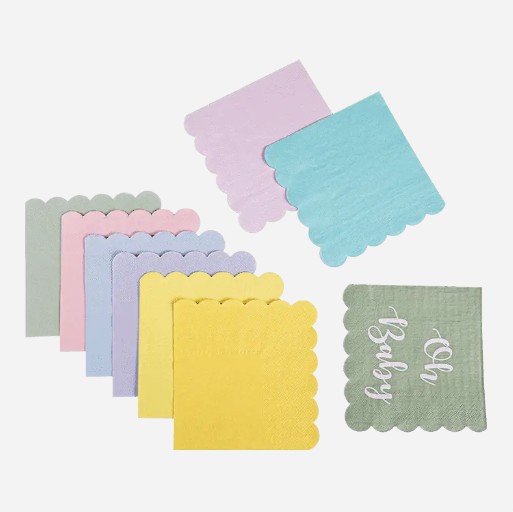 View moreColored die-cut napkins: revealing the art and ingenuity of rough cutting process1. The unique charm of colored die-cut napkinsColored die-cut napkins, with their rich colors, diverse shapes and exquisite designs, have become an indispensable part of modern catering culture. From family gatherings to high-end banquets, from holiday celebrations to theme parties, colored die-cut napkins can always add a touch of color to the table with their unique charm, making every gathering a double feast of vision and taste. And all this beauty is inseparable from the exquisite use of die-cutting technology, especially the key link of rough cutting technology. 2. Rough cutting technology: the cornerstone of die-cut napkinsIn the production process of colored die-cut napkins, rough cutting technology is an indispensable step. It is not only the basis of fine cutting technology, but also the key to whether the entire production process can proceed smoothly. In the rough cutting stage, the mold makes a preliminary cut on the material at a faster speed to form a rough outline. This process seems simple, but it actually contains rich technical details and artistic charm. 2.1 Design and production of moldsThe mold is the core of the rough cutting process. Its design directly determines the shape and outline of the napkin. In the process of mold design, designers need to fully consider the purpose, style and material characteristics of the napkins to ensure that the cutting path of the mold not only meets the design requirements, but also minimizes material waste. At the same time, the material of the mold is also crucial. A high-quality mold should have sufficient hardness and wear resistance to ensure the stability of the shape and the accuracy of cutting during the long-term cutting process. When making molds, high-strength materials such as carbide or steel are usually used. These materials not only have good wear resistance and corrosion resistance, but also maintain high temperature stability during the cutting process, thereby ensuring the stability and consistency of the cutting effect. 2.2 Material preparation and processingBefore rough cutting, the napkin material needs to undergo a series of preparations and processing. First, it is necessary to select high-quality raw materials such as cotton, linen or blended materials. These materials not only have good moisture absorption, breathability and durability, but also maintain the stability of the shape and the brightness of the color during the cutting process. Secondly, the material needs to be pre-treated, including flattening, pre-shrinking treatment, etc. These processing steps can eliminate the stress inside the material and avoid deformation or wrinkling during the cutting process. At the same time, it can also make the material softer and easier to cut, thereby improving cutting efficiency and finished product quality. 2.3 Technical details of the rough cutting processThe rough cutting process seems simple, but it actually contains rich technical details. First, it is necessary to select the appropriate cutting speed and pressure. Cutting speed that is too fast or pressure that is too high may cause material deformation or incomplete cutting; while cutting speed that is too slow or pressure that is too low may reduce cutting efficiency and increase production costs. Therefore, in the rough cutting process, it is necessary to accurately adjust the cutting parameters according to the characteristics of the material and design requirements to ensure the stability and consistency of the cutting effect. The cutting temperature needs to be strictly controlled. During the cutting process, friction heat is generated between the mold and the material, causing the temperature to rise. If the temperature is too high, it may cause the material to burn or deform, affecting the quality of the finished product. Therefore, in the rough cutting process, appropriate cooling measures need to be taken, such as using a cooling system to cool the mold to ensure the stability of the cutting temperature. Attention should be paid to the planning of the cutting path. In the rough cutting stage, the planning of the cutting path directly affects the effect of the subsequent fine cutting stage. Therefore, when planning the cutting path, it is necessary to fully consider the shape, outline and requirements of the fine cutting stage of the napkin to ensure that the cutting path not only meets the design requirements, but also lays a good foundation for the subsequent fine cutting stage. 3. The artistic charm of rough cutting processThe rough cutting process is not only a technical job, but also an art. In the process of making colored die-cut napkins, the rough cutting process adds unlimited possibilities and creative space to the napkins with its unique artistic charm. 3.1 Shape shapingThe rough cutting process can shape napkins of various shapes and outlines. From simple geometric figures to complex natural landscapes, they can be achieved through rough cutting. These napkins of various shapes can not only meet different usage needs, but also add a unique landscape to the dining table. 3.2 Edge processingThe rough cutting process can also process the edges of the napkins. By adjusting the cutting parameters and cutting paths, different styles of edge effects can be created, such as smooth, wavy, serrated, etc. These edge effects can not only enhance the three-dimensional sense and layering of the napkins, but also add a unique artistic atmosphere to the napkins. 3.3 Utilization of materialsThe rough cutting process also demonstrates a high level of artistry in the utilization of materials. Through precise calculation and planning, material waste can be minimized and material utilization can be increased. At the same time, the remaining materials can also be used to make other small ornaments or decorations, achieving diversified utilization and sustainable development of materials.2025-03-18+
 -
 View moreAirlaid Napkins: The perfect fusion of innovation, environmental protection and comfortable lifeI. The origin and development of Airlaid NapkinsAirlaid, or air cushion material, is a non-woven fabric made by air forming technology. This technology originated in the mid-20th century. With the advancement of science and technology and the improvement of people's quality of life, air cushion materials have gradually been applied to various fields, including personal hygiene products, medical supplies, household cleaning products, etc. Airlaid Napkins, as the application of air cushion materials in the field of napkins, has won wide market recognition for its softness, strong water absorption and environmental protection since its launch. In the course of development, Airlaid Napkins has experienced a transformation from single material to composite material, from ordinary thickness to multi-layer stacking, and from simple design to personalized customization. These changes not only meet consumers' pursuit of quality life, but also promote the innovation and development of the napkin industry. II. Manufacturing process of Airlaid NapkinsThe manufacturing process of Airlaid Napkins involves multiple links, including raw material preparation, air forming, reinforcement treatment, surface treatment, cutting and packaging. The following is a detailed introduction to the manufacturing process: Raw material preparation: The main raw materials of Airlaid Napkins are cellulose fibers (such as wood pulp fibers, bamboo pulp fibers) and synthetic fibers (such as polyester fibers, polypropylene fibers). These raw materials are carefully selected and proportioned to ensure the performance and cost-effectiveness of the product.Air forming: The prepared raw materials are fed into the air forming machine. Inside the machine, the fibers are dispersed and formed into a three-dimensional network structure by the action of high-pressure air. This step is the key in the manufacturing process of Airlaid Napkins, which determines the fluffiness and water absorption of the product.Reinforcement treatment: In order to make the formed fiber network more stable, Airlaid Napkins need to be reinforced. Common reinforcement methods include chemical bonding and thermal bonding. Chemical bonding is achieved by adding adhesives to the fiber network; while thermal bonding uses the thermoplasticity of the fiber itself to fuse the fibers together by heating.Surface treatment: In order to improve the touch and performance of Airlaid Napkins, the product is usually surface treated. This includes embossing, softening, waterproofing, etc. Embossing can increase the three-dimensional sense and beauty of the product; soft treatment makes the product softer and more comfortable; waterproof treatment improves the waterproof performance of the product, making it more suitable for outdoor or humid environments.Cutting and packaging: The last step is to cut the processed Airlaid Napkins into the required size and shape and package them. The cutting process usually uses mechanical cutting or laser cutting to ensure the accuracy and consistency of the product. The packaging is customized according to the purpose and sales channel of the product to meet the needs of different customers.3. Advantages and characteristics of Airlaid NapkinsThe reason why Airlaid Napkins can occupy a place in the market is mainly due to its unique advantages and characteristics. The following are several advantages of Airlaid Napkins: Soft and comfortable: Airlaid Napkins is made of air cushion material, which has excellent softness and elasticity. This softness not only improves the comfort of the product, but also makes the product fit the skin better during use, reducing friction and discomfort.Strong water absorption: Because Airlaid Napkins has a three-dimensional network structure, there are a large number of micropores and channels inside it. These micropores and channels can effectively absorb and lock moisture, giving the product excellent water absorption performance. This feature makes Airlaid Napkins excellent in wiping and cleaning.Environmentally friendly and healthy: The raw materials of Airlaid Napkins are mainly derived from natural fibers and recyclable materials, such as wood pulp fibers, bamboo pulp fibers, etc. These raw materials do not produce harmful substances during the production process and are easy to degrade and recycle. In addition, Airlaid Napkins can also use environmentally friendly processes and technologies such as biodegradation, energy saving and consumption reduction during the production process to reduce the impact on the environment.Strong durability: The fiber network structure of Airlaid Napkins gives the product high strength and toughness. This strength and toughness makes the product less likely to break and deform during use, thereby extending the service life of the product.Personalized customization: As consumers' demand for personalization increases, Airlaid Napkins manufacturers have also begun to provide personalized customization services. Consumers can choose the size, shape, color, pattern, etc. of the product according to their needs and preferences to meet different usage scenarios and aesthetic needs.4. Application fields of Airlaid NapkinsAirlaid Napkins has been widely used in many fields due to its unique advantages and characteristics. The following are the main application fields of Airlaid Napkins: Household goods: In the field of household goods, Airlaid Napkins are widely used in table cleaning, kitchen cleaning, baby care and other aspects. Due to its softness, comfort and strong water absorption, Airlaid Napkins has become a powerful assistant for household cleaning and care.Catering places: In catering places, Airlaid Napkins are used as napkins and paper towels. They not only have excellent cleaning performance, but also enhance the grade of the restaurant and the dining experience of customers. In addition, Airlaid Napkins can also be customized according to the theme and style of the restaurant to meet the needs of different restaurants.Medical institutions: In medical institutions, Airlaid Napkins are used as cleaning and care products for patients. Due to its environmental health, softness and comfort, Airlaid Napkins has become an indispensable cleaning and care tool in medical institutions.Tourism and leisure: In the field of tourism and leisure, Airlaid Napkins are widely used in outdoor picnics, camping, travel, etc. They are not only light and easy to carry, waterproof and moisture-proof, but also meet people's needs for cleanliness and comfort in outdoor activities.5. The environmental significance of Airlaid NapkinsToday, when environmental protection has become a global consensus, the environmental significance of Airlaid Napkins has become increasingly prominent. The following are the main contributions of Airlaid Napkins in environmental protection: Resource conservation: The raw materials of Airlaid Napkins are mainly derived from natural fibers and recyclable materials, which can save a lot of water and wood resources during the production process. In addition, Airlaid Napkins are durable and have a long service life, reducing the need for frequent replacement and disposal, thereby saving resources.Reduce pollution: Environmentally friendly processes and technologies such as biodegradation, energy saving and consumption reduction are used in the production process of Airlaid Napkins to reduce the impact on the environment. At the same time, Airlaid Napkins are easy to degrade and recycle during use, reducing the pollution caused by landfill and incineration.Improve environmental awareness: With the popularity and application of Airlaid Napkins, more and more people are beginning to pay attention to environmental issues and actively participate in environmental protection actions. The environmental protection characteristics of Airlaid Napkins not only meet the needs of consumers, but also improve their environmental awareness and promote the sustainable development of society.2025-03-18+
 -
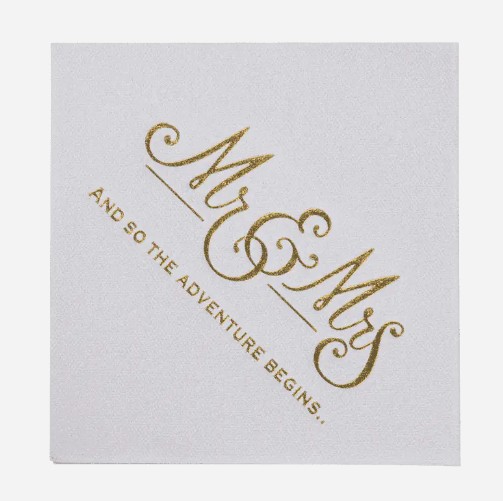 View moreCustomized service trends drive demand growth for Airlaid Napkins with Hot StampingIn recent years, with consumers' pursuit of personalized experiences growing, customized services have rapidly risen in many industries, and the catering and banquet fields are particularly significant. As an important carrier of this trend, air-paved tissues with gold-plated customization function are becoming a popular product in the market, bringing new possibilities to high-end services and brand building. Airlaid Napkins with Hot Stamping combines the superior performance of air-paved tissue with the sophisticated beauty of gold stamping technology, with a unique touch, high water absorption and visual appeal. Due to its flexibility and durability, air-layer tissues perform excellently in high-end occasions such as hotels, catering, weddings and conferences. The gold stamping technology makes it an ideal choice for displaying the brand image and adding scene atmosphere through personalized logos, patterns and text. This innovative combination not only enhances practicality, but also provides customers with a deeply customized experience. According to the latest data from market research firm Technavio, the global personalized services market is expected to maintain a compound annual growth rate of more than 7% over the next five years. As an important promoter of this trend, the catering industry has gradually integrated customized products and services into its core operational strategies. Against this backdrop, demand for Airlaid Napkins with Hot Stamping has seen a significant increase. They not only provide more beautiful and professional service tools for high-end places, but also meet consumers' dual requirements for environmental protection and personalization. Branding is another important factor driving demand for this product. In the increasingly competitive market environment, catering companies are increasingly paying attention to improving customer experience and brand awareness through details. Using gilded tissues with unique brand logos or event themes has become a popular marketing method. Especially in high-end catering venues and important social occasions, consumers' memory of the scene often comes from details, and this exquisite customized design is the key to attracting attention and enhancing brand associations. Advances in policies and technologies also support this trend. With the increasing stricter environmental regulations and the use of traditional plastic products is restricted, the advantages of air-paved paper towels as environmentally friendly products are becoming increasingly prominent. Gold stamping technology is also constantly improving. Through the use of non-toxic metal foils and environmentally friendly production processes, Airlaid Napkins with Hot Stamping has found a balance between aesthetics and environmental protection. This sustainable nature provides additional impetus for its market popularity. Not only that, consumers' demand for personalized products has expanded from a single high-end market to a wider mid-range sector. Although the gold stamping process was initially applied to luxury brands and high-end venues, the technology is becoming more approachable as production costs gradually decline. Small and medium-sized catering companies have also begun to use Airlaid Napkins with Hot Stamping to improve their service quality and market competitiveness. This trend shows that customized services are no longer exclusive to the high-end market, but have become a common demand for the entire industry. Despite the continued growth in demand, the improvement of supply chains is still the key to further expanding the market. Industry experts pointed out that the current market demand for high-quality Airlaid Napkins with Hot Stamping is much higher than supply capacity. Some leading suppliers have begun to increase investment in R&D and production to meet the rapid changes in the market. In addition, providing diversified design solutions, shortening lead times and improving customer service quality are important strategies for suppliers to stand out in the fierce competition. The rise of customized service trends has brought unprecedented development opportunities to Airlaid Napkins with Hot Stamping. This innovative product that combines functionality, environmental protection and aesthetics is changing the industry structure with its unique advantages. In the future, with the further advancement of technology and the continuous expansion of the market, the application of Airlaid Napkins with Hot Stamping in the catering and banquet fields is expected to continue to grow, bringing more value and possibilities to enterprises and consumers.2025-03-18+
 -
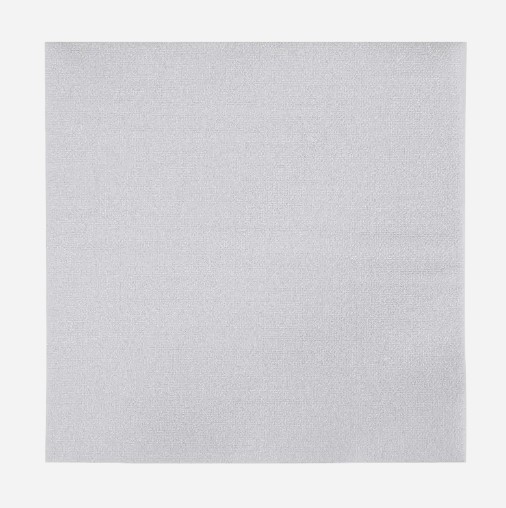 View moreEco-Friendly Airlaid Napkins is favored by the hotel industryIn recent years, with the increasing global emphasis on sustainable development, the hotel industry is actively seeking solutions that balance service quality and environmental responsibility. Against this backdrop, Eco-Friendly Airlaid Napkins quickly emerged and became a popular choice in the hotel industry. Its excellent performance, low environmental footprint and characteristics that cater to consumers' environmental concerns are redefining paper standards in the catering and accommodation sectors. As a new environmentally friendly product, Eco-Friendly Airlaid Napkins uses air laying technology, which has extremely high water absorption, flexibility and durability. Compared with traditional tissues, their production process reduces water and energy consumption, while using renewable or degradable materials, significantly reducing carbon emissions. This not only complies with increasingly strict environmental regulations, but also helps the hotel industry to occupy a moral high ground in a highly competitive market. Changes in consumer demand are an important driving force for this transformation. According to data from international market research firm Statista, the global environmentally friendly product market size is expected to exceed US$150 billion in 2024, and this growth trend is also reflected in the hotel industry. From five-star resorts to boutique hotels, more and more operators realize that the brand image can be enhanced and customer loyalty can be enhanced by adopting environmentally friendly products. Eco-Friendly Airlaid Napkins is one of the notable examples because it is not only environmentally friendly, but also meets the needs of high-end services. The efficient performance of environmentally friendly tissues is also an important reason for their popularity. In the catering services of high-end hotels, tissues are used very frequently and require good water absorption and durability. Traditional tissues often require multiple sheets to achieve the same effect, while tissues made by air laying technology require only one sheet to complete the same task. This not only reduces the actual usage, but also reduces the operating costs of the hotel, while also demonstrating the company's efforts in environmental protection. Policy guidance also supports this trend. Many European countries and some states in the United States have successively issued relevant regulations to restrict the use of disposable plastic products and put forward higher environmental protection requirements for the hotel industry. With its outstanding performance in environmental friendliness, Eco-Friendly Airlaid Napkins has become an important procurement target for major hotel chain brands. In addition, Asian countries such as China and Japan have also taken solid steps in promoting green consumption policies, and regional markets are expanding rapidly. It is worth noting that this trend is not limited to high-end hotels. As production technology matures, the cost of Eco-Friendly Airlaid Napkins is gradually declining, and mid-range and economical hotels are also beginning to include it in their procurement plans. This popularity further demonstrates the broad application potential of air-paved paper towels in the hotel industry. Nevertheless, industry experts remind that when choosing environmentally friendly products, hotels need to comprehensively evaluate the reliability of the supply chain and product certification standards. For example, Forest Stewardship Council (FSC) certification and EU Ecolabel certification are currently recognized by the international market for environmental protection. They can effectively help hotels ensure that the tissues purchased meet sustainable development requirements. In addition, establishing long-term cooperative relationships with suppliers will also help achieve stable supply and continuous environmental improvements. In the post-epidemic era, consumers' attention to health and hygiene has also promoted the further development of environmentally friendly tissues. Hotel managers need to strike a balance between sanitation and environmental protection, and Eco-Friendly Airlaid Napkins meets this need with its hygienic and safe properties, and its unique antibacterial treatment technology further enhances the safety of the product. Eco-Friendly Airlaid Napkins' performance, environmental and economics are driving it to become a key paper-use solution for the hospitality industry. Faced with increasingly strict policy requirements and consumers' environmental expectations, the hotel industry's efforts in promoting sustainable development are not only the trend, but also a reflection of responsibility. In the future, this market is expected to continue to grow, further helping the green transformation of the hotel industry.2025-03-18+
 -
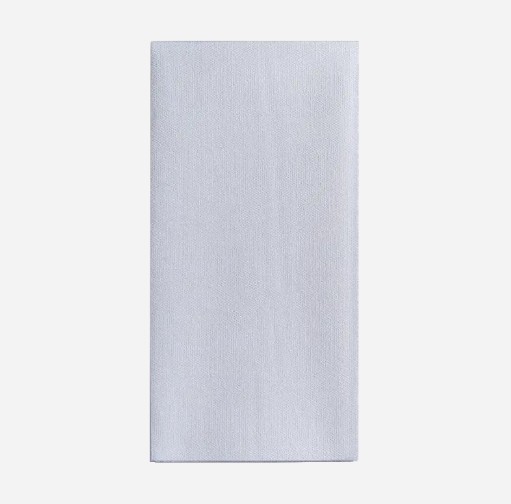 View moreAirlaid Napkins: The Epitome of Luxury, Functionality, and Sustainability in Disposable TablewareIn the realm of disposable tableware, airlaid napkins have emerged as a transformative innovation, bridging the gap between luxury and practicality while championing environmental responsibility. These napkins, crafted from airlaid paper—a nonwoven fabric produced by entangling fibers under air pressure—represent a paradigm shift in how we perceive disposable products. Their rise in popularity across commercial and residential settings underscores a growing demand for solutions that marry elegance with eco-consciousness. At the heart of airlaid napkins lies a sophisticated manufacturing process that sets them apart from conventional paper napkins. Unlike traditional methods that rely on pulp compression, airlaid technology involves suspending wood pulp, biodegradable polymers, or recycled fibers in an air stream. These fibers are then deposited onto a conveyor belt, where high-pressure air bonds them into a cohesive, fabric-like sheet. This process not only imparts a remarkably soft, cloth-like texture but also enhances absorbency and strength. The result is a napkin that mimics the tactile appeal of linen while offering the convenience of disposability. The airlaid process allows manufacturers to tailor napkin properties by adjusting fiber composition and bonding techniques. For instance, incorporating natural fibers like bamboo or hemp can boost biodegradability, while synthetic blends might enhance durability for heavy-duty applications. This versatility has positioned airlaid napkins as a go-to choice for upscale venues seeking to elevate dining experiences without compromising sustainability. Airlaid napkins redefine the standards for disposable tableware with their premium aesthetics and robust functionality. Their thick, plush texture and ability to retain shape even when wet make them ideal for high-end restaurants, hotels, and catering services. Unlike flimsy paper napkins that disintegrate under pressure, airlaid alternatives maintain their structural integrity, ensuring a polished presentation throughout meals. Their visual appeal is equally noteworthy. Available in a spectrum of colors, patterns, and sizes, airlaid napkins can be customized to align with event themes or brand identities. From minimalist monochromes to vibrant prints, these napkins transcend their utilitarian role, becoming an extension of interior design. This adaptability has made them a staple in event planning, where aesthetics and practicality must coexist seamlessly. In an era where environmental impact is a critical consideration, airlaid napkins shine as a beacon of sustainability. Many manufacturers prioritize biodegradable materials, such as compostable fibers derived from renewable resources. These napkins decompose naturally, reducing landfill waste and aligning with circular economy principles. Some formulations even utilize recycled content, further minimizing ecological footprints. The energy-efficient airlaid production process consumes less water and energy compared to traditional paper manufacturing, amplifying its green credentials. For businesses and consumers alike, this dual commitment to performance and planet makes airlaid napkins a responsible choice without sacrificing quality.2025-03-18+
 -
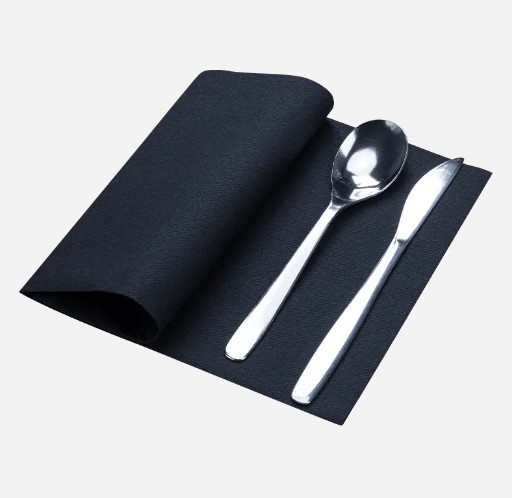 View moreColored Cocktail Napkins: Elevating Event Aesthetics with Functionality and StyleIn the realm of event planning and hospitality, every detail contributes to the overall guest experience. Among these details, colored cocktail napkins emerge as a subtle yet impactful element that bridges practicality and aesthetics. These vibrant accessories are more than mere spill-catchers; they are design tools that enhance ambiance, reflect branding, and elevate the sophistication of any gathering. The foundation of exceptional colored cocktail napkins lies in their material composition. Modern iterations often blend wood pulp and natural fibers, such as bamboo or sugarcane bagasse, to create a fabric that balances absorbency, softness, and eco-friendliness. Unlike early paper napkins, which sacrificed texture for cost, today’s premium options mimic the feel of cloth while maintaining the convenience of disposability. Manufacturers prioritize dual-layer construction to enhance durability, ensuring napkins remain intact even when handling moist foods or beverages. Some brands incorporate water-resistant coatings on the exterior layer, preventing leaks while keeping the inner layer highly absorbent. This innovation not only reduces waste but also aligns with sustainability goals, as many napkins are now biodegradable or compostable. For event planners aiming to minimize environmental impact, these eco-conscious choices offer a guilt-free indulgence in style. The true magic of colored cocktail napkins lies in their ability to transform a space through color. A spectrum of hues—from bold jewel tones to pastel shades—allows planners to tailor the ambiance to match event objectives. For instance:Red and gold evoke opulence, ideal for gala dinners or corporate events.Soft pastels (e.g., blush, mint) create a serene, romantic vibe for weddings or baby showers.Neon or metallic shades inject energy into festivals or modern cocktail parties.Beyond mood, color coordination enhances branding. Restaurants and hotels often use napkins in signature hues to reinforce brand identity, while event planners sync napkin colors with floral arrangements or table runners for cohesive visuals. The psychological impact of color—such as blue promoting calm or yellow stimulating appetite—can subtly influence guest perceptions, making napkin selection a strategic decision. Colored cocktail napkins transcend traditional use cases, adapting seamlessly to diverse settings. In casual picnics or backyard barbecues, bright napkins add a playful touch, while in formal weddings or galas, muted tones exude elegance. Their compact size makes them ideal for appetizers or cocktails, where guests appreciate portability without sacrificing style. For outdoor events, UV-resistant treatments ensure colors remain vibrant under sunlight, while indoor gatherings benefit from textured finishes (e.g., embossed patterns) that add tactile interest. Caterers and venues appreciate their disposability, streamlining cleanup after bustling events. Meanwhile, the rise of DIY event planning has fueled demand for customizable napkins, with options for monograms, logos, or themed illustrations—a trend that empowers hosts to create memorable, personalized experiences. In an era where sustainability drives consumer choices, colored cocktail napkins offer a pragmatic solution. Unlike reusable cloth napkins, which require laundering and storage, disposable options reduce water and energy consumption. For businesses, this translates to lower operational costs without compromising on style. Bulk purchasing further enhances affordability, making premium napkins accessible even for budget-conscious events.2025-03-18+
Message Us Right Now!

Address: Tianyuan Road 18, Baishuiwan Industry Park, Tianhuangping Town,
Anji County,Zhejiang Province
- Contact
-
+86-18205820793lydia@shuangjiepaper.comPhone
- Get Connected

