
 English
  Español


-
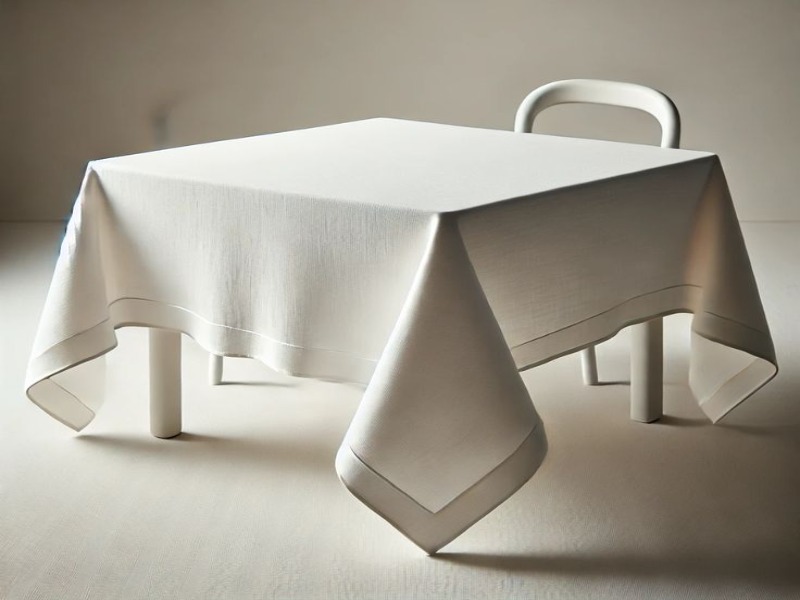 View moreHow to Choose the Perfect Cloth Placemats for Your Dining Table?The Definitive Answer: Start with Usage, Then Material Choosing the perfect white cloth placemat is not about guesswork—it is a strategic decision driven by your operational volume and aesthetic goals. For daily commercial use, prioritize durability and easy maintenance; for upscale events, prioritize texture and drape. The ideal placemat balances fabric weight, weave tightness, and size proportion to your table. Hotels and event planners who define their usage pattern first reduce replacement costs by up to 40% and consistently receive higher table-setting satisfaction scores. Why White Cloth Placemats Elevate Commercial Dining White cloth placemats are the silent ambassadors of your dining brand. They frame every plate, highlight culinary colors, and signal uncompromising hygiene standards. Unlike paper or colored textiles, white placemats project timeless elegance and adapt seamlessly to any thematic décor—from minimalist brasserie to opulent gala banquet. They also function as acoustic dampeners and heat shields, protecting both tables and guests from hot servingware. For photographers covering weddings and corporate events, white placemats ensure consistent lighting and color balance across every captured frame. Material Mastery: Cotton, Linen, or Precision Blend Fabric composition dictates longevity, hand-feel, and laundry performance. 100% cotton offers superior absorbency and softness, while linen brings natural luster and becomes more supple with each wash. For high-turnover restaurants, a cotton-linen blend (typically 60/40) provides the optimal balance of resilience and refinement. Below is a comparative breakdown to guide your sourcing decision. Material Texture & Feel Wash Cycle Lifespan Ideal Setting Premium Cotton Plush, substantial, smooth 200+ washes Daily fine dining, hotels Pure Linen Crisp, textured, elegant drape 150–180 washes Weddings, VIP events Cotton-Linen Blend Balanced, wrinkle-resistant 250+ washes High-volume restaurants, banquets When evaluating swatches, pay attention to grams per square meter (GSM). Placemats below 180 GSM tend to shift easily; those above 240 GSM offer luxurious stability but require longer drying cycles. For most commercial operations, a 200–220 GSM white cloth placemat delivers the sweet spot of performance and practicality. Proportions and Placement: The Geometry of Elegance Proportion is paramount. A placemat that is too small looks accidental; one that is too large crowds the table. The standard golden rule is to allow a 5–10 cm (2–4 inch) overhang beyond the dinner plate on all sides. For rectangular tables, 36×46 cm (14×18 inches) suits standard settings, while 46×66 cm (18×26 inches) accommodates full five-course placements. For round tabletops, opt for circular placemats with a diameter of 38–45 cm (15–18 inches) to echo the table's symmetry. Before placing a bulk order, conduct a live table mock-up with your actual dinnerware. Ensure there is at least 15 cm (6 inches) of clear table surface between the edge of the placemat and the table's rim—this breathing space prevents a cluttered appearance and allows serving staff to maneuver platters with ease. Preserving Pristine Whiteness: Advanced Care Protocols Maintaining brilliant white cloth placemats in a commercial environment requires systematic laundering. Industrial wash cycles at 60–70°C (140–158°F) effectively eliminate oils and food residues. Use oxygen-activated bleaches—never chlorine-based products, which degrade cellulose fibers and cause gradual yellowing. Implement a pre-soak routine for heavily stained batches using enzymatic detergents to break down protein-based spots. Drying strategy impacts longevity: tumble dry on low heat until barely damp, then air-finish to minimize shrinkage and ironing time. Adopting a rotational inventory system—where each placemat is used evenly—extends the average service life beyond 36 months. Train your laundry staff to inspect each piece after washing; early detection of frayed edges or persistent stains allows for timely reconditioning or replacement. Artful Styling for Diverse Occasions White placemats are a versatile canvas. For formal galas, pair them with heavyweight white napkins in bishop's hat folds and metallic cutlery to create a monochromatic statement of luxury. For rustic-chic weddings, layer the white placemat over a jute charger and top with a single sprig of eucalyptus—the contrast of textures adds visual depth without overwhelming the table. In hotel breakfast buffets, orient placemats diagonally to introduce dynamic lines, and use colored napkin rings to subtly indicate dietary preferences (e.g., vegan, gluten-free) without altering the base setting. Because white harmonizes with every accent color, you can refresh your seasonal tablescape simply by changing floral arrangements or candle holders, eliminating the need to invest in multiple placemat inventories. Decision Flowchart: From Concept to Checkout Navigate your selection journey with this structured, step-by-step flow. Each phase builds upon the previous to guarantee a confident purchase. 1 Define your primary service — Buffet, plated fine dining, or outdoor catering? 2 Select the fabric anchor — Cotton for softness, linen for sheen, blend for endurance. 3 Measure table dimensions and plate stack — Record both table width and average plate diameter. 4 Calculate the ideal size — Apply the 5–10 cm overhang rule to finalize dimensions. 5 Audit your laundry capacity — Verify water temperature and cycle compatibility. 6 Request production samples — Test two units under real service conditions before full commitment. Following this sequential framework transforms a potentially overwhelming purchase into a precise, data-backed acquisition. Hospitality professionals who adopt this method consistently report 100% satisfaction with their final selection. Frequently Asked Questions Do white cloth placemats stain permanently from red wine or tomato sauce? Not with immediate treatment. Blot the spill promptly and apply a paste of baking soda and water before laundering. Oxygen-based bleach effectively removes organic pigments in the first wash cycle. For commercial settings, establishing a spot-treatment station in the kitchen drastically reduces permanent marks. How many sets of placemats should a busy restaurant keep in rotation? A three-set rotation is standard: one in use, one in laundry, and one in reserve. For operations with daily table turnover exceeding 100 covers, consider a four-set system to accommodate unexpected spills and peak-season demand without service disruption. Can white cloth placemats be ironed for a crisp finish? Absolutely. Iron while slightly damp using a medium-hot setting. Linen placemats benefit from a light starch spray to achieve a formal, tailored appearance. For high-volume events, using a roller iron press yields consistently sharp results with minimal labor. Are these placemats suitable for outdoor terrace dining? Yes, but choose heavier blended fabrics (220+ GSM) and consider weighted corner pockets or decorative clips to prevent wind lift. Polyester blends offer superior UV resistance and quick-dry properties, making them particularly effective for al fresco environments. /* ---- Full-Width, Premium Aesthetic ---- */ html, body { margin: 0; padding: 0; width: 100%; max-width: 100%; background: #fcfcfc; font-family: 'Inter', -apple-system, BlinkMacSystemFont, 'Segoe UI', Roboto, Helvetica, Arial, sans-serif; color: #1e1e1e; -webkit-font-smoothing: antialiased; } section { display: block; width: 100%; max-width: 100%; box-sizing: border-box; padding: 0 40px; margin: 0 0 40px 0; } h2 { font-size: 24px; font-weight: 700; text-align: left; margin: 0 0 15px 0; letter-spacing: -0.02em; color: #1a1a1a; padding-bottom: 10px; border-bottom: 3px solid #d81b60; border-image: linear-gradient(to right, #d81b60, #f8bbd0) 1; border-bottom-style: solid; display: inline-block; } h3 { font-size: 18px; font-weight: 700; text-align: left; margin: 20px 0 8px 0; color: #880e4f; letter-spacing: -0.01em; } p { font-size: 16px; text-align: left; margin: 0 0 15px 0; line-height: 1.75; color: #2c2c2c; } ul, ol { font-size: 16px; text-align: left; margin: 0 0 15px 0; padding-left: 0; color: #2c2c2c; } li { margin-bottom: 5px; line-height: 1.7; } /* ---- Premium Table (centered text) ---- */ table { width: 100%; border-collapse: collapse; margin-bottom: 15px; font-size: 16px; border-radius: 12px; overflow: hidden; box-shadow: 0 6px 20px rgba(136, 14, 79, 0.08); border: 1px solid #f0c0d0; } table td { padding: 12px 18px; text-align: center !important; border: none; vertical-align: middle; } table tr { transition: background-color 0.25s ease; } table tr:first-child { background: linear-gradient(135deg, #d81b60, #880e4f); color: #ffffff; font-weight: 700; letter-spacing: 0.3px; } table tr:first-child td { color: #ffffff; text-align: center !important; } table tr:not(:first-child):hover { background-color: #fce4ec !important; } table tr:nth-child(even):not(:first-child) { background-color: #faf0f3; } table tr:nth-child(odd):not(:first-child) { background-color: #ffffff; } /* ---- Premium Flowchart (Step Cards with Vertical Timeline) ---- */ .flow-steps li { margin-bottom: 20px; padding: 18px 20px 18px 60px; position: relative; line-height: 1.6; background: #ffffff; border-radius: 10px; border: 1px solid #f8bbd0; box-shadow: 0 2px 8px rgba(216, 27, 96, 0.06); transition: all 0.3s ease; } .flow-steps li:hover { box-shadow: 0 6px 20px rgba(216, 27, 96, 0.12); border-color: #d81b60; transform: translateX(4px); } .flow-steps li .step-number { position: absolute; left: -14px; top: 10px; width: 40px; height: 40px; border-radius: 50%; background: linear-gradient(135deg, #d81b60, #880e4f); color: #ffffff; text-align: center; line-height: 40px; font-weight: 700; font-size: 16px; box-shadow: 0 4px 12px rgba(216, 27, 96, 0.35); z-index: 2; } .flow-steps li .step-line { position: absolute; left: 6px; top: 48px; width: 2px; height: calc(100% + 10px); background: linear-gradient(to bottom, #d81b60, #f8bbd0); z-index: 1; } .flow-steps li:last-child .step-line { display: none; } /* ---- FAQ specific spacing ---- */ section:last-child h3 { margin-top: 24px; } section:last-child h3:first-of-type { margin-top: 0; } section:last-child p { margin-bottom: 12px; padding-left: 16px; border-left: 3px solid #f8bbd0; } /* ---- Strong emphasis with brand color ---- */ strong { color: #c2185b; font-weight: 700; } /* ---- Ensure absolute left alignment for all except table cells ---- */ * { text-align: left; } table td { text-align: center !important; } /* ---- Responsive fine-tune for smaller screens ---- */ @media (max-width: 720px) { section { padding: 0 20px; } table, table td { font-size: 14px; padding: 10px 12px; } .flow-steps li { padding: 14px 16px 14px 52px; } .flow-steps li .step-number { width: 34px; height: 34px; line-height: 34px; font-size: 14px; left: -12px; top: 8px; } .flow-steps li .step-line { left: 5px; top: 42px; } h2 { font-size: 22px; } }2026-06-26+
 -
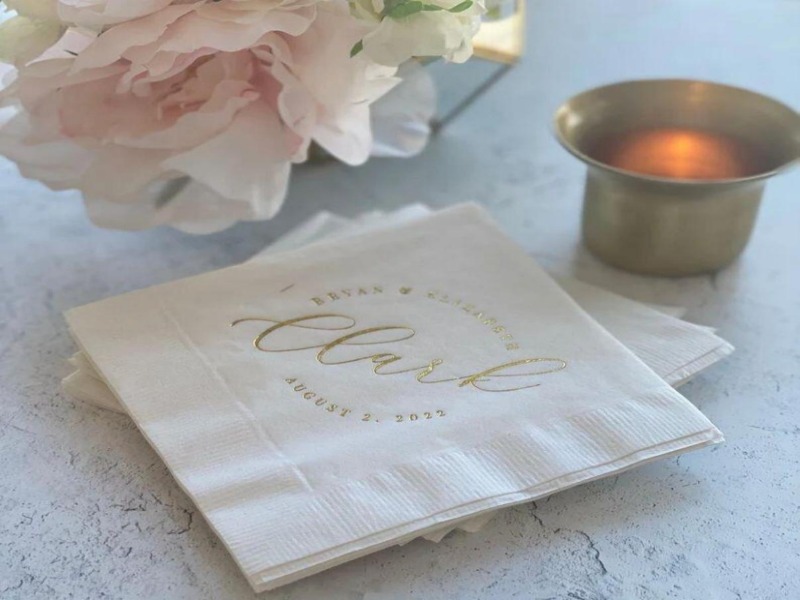 View moreWhat Features Should You Look for When Choosing Cocktail Napkins?The Bottom Line: Performance and Feel Come First When choosing cocktail napkins, prioritize absorbency, ply count, material type, and folded size in that order. These four factors directly determine whether a napkin efficiently wicks condensation, holds up to appetizers, and feels pleasant in hand. For most hosting scenarios, a 2-ply or 3-ply paper napkin in the standard 5×5 inch folded format offers the ideal balance of cost, function, and convenience. For upscale events, airlaid napkins provide a premium, cloth-like texture with superior wet strength, while reusable cloth napkins remain the gold standard for formal, eco-conscious table settings. Material Types: Paper, Airlaid, or Cloth? The material defines the napkin's tactile experience, durability, and overall performance. Each option suits distinct hosting environments. Standard Paper Napkins These are the most widely used cocktail napkins, available in 1-ply, 2-ply, and 3-ply constructions. 2-ply is the industry baseline, providing adequate absorbency for drink service at a cost-effective price. 3-ply napkins enhance absorbency and structural integrity, making them a smarter choice for outdoor gatherings or heavy appetizer service where guests may need a more robust wipe. Airlaid Napkins Manufactured through an air-drying process that binds fibers without water, airlaid napkins deliver a luxuriously soft, fabric-like texture that rivals linen. They are highly absorbent and maintain their strength even when wet, resisting tearing and linting far better than standard paper. This makes airlaid napkins the preferred choice for fine dining, catered events, and any setting where presentation and feel are paramount. Cloth Napkins (Linen & Cotton) Cloth napkins offer unmatched tactile richness, reusability, and timeless elegance. They are ideal for formal dinners, weddings, and environmentally conscious hosts willing to manage laundering. However, they require a higher upfront investment and ongoing maintenance compared to disposable alternatives. Ply Count: How Many Layers Are Sufficient? Ply count is a straightforward indicator of a napkin's quality and functional capacity. 1-ply: Lightweight and budget-friendly, but lacks the absorbency and durability required for most cocktail settings; prone to tearing when damp. 2-ply: The most common choice for cocktail napkins. Offers dependable absorbency and a good feel at an economical price point, easily handling condensation and light food service. 3-ply: Delivers maximum absorption and superior wet strength, ideal for high-traffic bars, outdoor parties, or events with hearty finger foods. Three-ply napkins provide a noticeably more substantial, premium hand-feel. For standard cocktail service, 2-ply napkins offer the sweet spot between cost and performance. For events where spills are more likely or where guests may use one napkin throughout the evening, 3-ply is the more reliable investment. Size and Proportions: The Standard Matters Cocktail napkins are distinctly compact. The industry standard folded size is 5×5 inches (unfolded: 10×10 inches or roughly 25×25 cm). This dimension is specifically designed to cradle a tumbler or rocks glass comfortably while providing enough surface to dab fingers or catch drips. In contrast, lunch napkins typically unfold to 13×13 inches, and dinner napkins range from 16 to 21 inches. Selecting the correct size is critical—oversized napkins overwhelm a small cocktail table and feel awkward, while undersized napkins fail to effectively manage condensation, leading to sticky surfaces and guest inconvenience. Absorbency and Wet Strength: Real-World Performance A cocktail napkin's primary functional duty is moisture management. Superior napkins rapidly absorb condensation and minor spills without disintegrating. Airlaid and high-ply paper napkins lead in absorption metrics. The airlaid process produces a denser, more porous structure that absorbs up to 30–40% more liquid than equivalent-weight standard paper while maintaining integrity when saturated. For paper options, wet strength additives and higher ply counts directly correlate to less linting and fewer tears, ensuring a single napkin suffices for the entire drink service. Aesthetic Design: Visual Impact Matters Beyond utility, cocktail napkins function as a subtle yet powerful decorative accent that anchors your table setting and reflects your event's personality. From embossed textures and metallic foil accents to vibrant prints, watercolor motifs, and classic monograms, the design possibilities are extensive. Soft pastels and botanical patterns align beautifully with spring or garden parties, while bold geometrics or metallic foils elevate evening receptions. The right design choice transforms a mundane necessity into a memorable guest touchpoint, sparking conversation and reinforcing the visual harmony of your event. Side-by-Side Comparison: Paper vs. Airlaid vs. Cloth Feature Paper (2–3 ply) Airlaid Cloth (Linen/Cotton) Absorbency Rate Good to High Very High Moderate to Good Wet Strength Moderate to Strong Exceptional Strong (when laundered) Texture & Feel Standard paper Cloth-like, ultra-soft Natural, crisp fabric Reusability Single-use Single-use Reusable (washable) Best Use Case Casual daily use, large crowds Upscale dinners, premium bars Formal events, sustainable hosting Decision Flowchart: Choosing the Right Napkin What is your event type? ↓ Formal / Sit-down Dinner Casual / Cocktail Party ↓ Cloth Napkins Airlaid or 3‑ply Paper ↓ Prioritize reusability & elegance Prioritize absorbency & convenience Frequently Asked Questions What is the actual unfolded size of a standard cocktail napkin? The standard unfolded measurement is 10×10 inches (approximately 25×25 cm), which folds neatly to 5×5 inches. Why is 2-ply the most recommended ply count? 2-ply offers the optimal balance—it provides sufficient absorbency and structural integrity for typical drink service while remaining cost-effective for large quantities. What makes airlaid napkins superior to regular paper? Airlaid napkins are produced via a dry-forming process that creates a softer, denser, and more absorbent material with a cloth-like tactile quality and exceptional wet strength that standard water-pressed paper cannot match. Are cloth napkins always the better choice? Not necessarily. Cloth napkins excel in formal, reusable settings but require laundering and higher initial investment. Paper and airlaid options offer unmatched convenience and hygiene for high-turnover events. How does absorbency differ between ply counts? Each additional ply significantly boosts liquid retention and tear resistance. A 3-ply napkin can absorb roughly 50% more moisture than a 1-ply napkin of the same base weight, ensuring a dry, comfortable guest experience. section { margin-bottom: 40px; background: #fefafc; padding: 20px 25px; border-radius: 14px; box-shadow: 0 4px 18px rgba(198, 24, 91, 0.06); border-left: 4px solid #C2185B; transition: box-shadow 0.2s ease; } section:hover { box-shadow: 0 6px 24px rgba(198, 24, 91, 0.10); } h2 { font-size: 24px; font-weight: bold; text-align: left; margin-bottom: 15px; color: #C2185B; border-bottom: 3px solid #C2185B; padding-bottom: 8px; letter-spacing: -0.2px; } h3 { font-size: 18px; font-weight: bold; text-align: left; margin-bottom: 15px; color: #333333; margin-top: 10px; } p { font-size: 16px; text-align: left; margin-bottom: 15px; line-height: 1.8; color: #2c2c2c; } ul { margin-bottom: 15px; padding-left: 25px; } ul li { font-size: 16px; text-align: left; margin-bottom: 5px; line-height: 1.8; color: #2c2c2c; } /* Table Styling */ table { width: 100%; border-collapse: collapse; margin-bottom: 5px; font-size: 16px; border-radius: 12px; overflow: hidden; box-shadow: 0 2px 10px rgba(198, 24, 91, 0.08); } table th { background-color: #C2185B; color: #ffffff; font-weight: bold; padding: 12px 14px; text-align: left; border: none; } table td { padding: 12px 14px; text-align: left; border-bottom: 1px solid #f0dae2; color: #2c2c2c; background-color: #ffffff; } table tr:last-child td { border-bottom: none; } table tr:hover td { background-color: #fce4ec; } /* Flowchart Styling */ ul.flowchart { list-style: none; padding: 10px 0 0 0; margin: 0; display: flex; flex-direction: column; align-items: center; gap: 0px; background: transparent; } ul.flowchart li.flow-step { display: flex; flex-direction: row; justify-content: center; gap: 30px; flex-wrap: wrap; margin-bottom: 0px; width: 100%; } ul.flowchart li.flow-arrow { font-size: 28px; font-weight: 300; color: #C2185B; line-height: 1.2; margin: 0px 0; text-align: center; letter-spacing: 4px; } .flow-box { background: #C2185B; color: #ffffff; padding: 12px 28px; border-radius: 50px; font-weight: 600; font-size: 16px; display: inline-block; box-shadow: 0 4px 10px rgba(198, 24, 91, 0.20); text-align: center; min-width: 140px; margin: 4px 0; } .flow-box.start { background: #8e1450; } .flow-box.decision { background: #ffffff; color: #C2185B; border: 2px solid #C2185B; box-shadow: none; } .flow-box.end { background: #fce4ec; color: #C2185B; box-shadow: none; border: 1px solid #C2185B; } strong { font-weight: bold; color: #C2185B; } /* Responsive fine-tune */ @media (max-width: 600px) { section { padding: 15px 18px; } ul.flowchart li.flow-step { gap: 14px; } .flow-box { padding: 10px 18px; font-size: 14px; min-width: 100px; } table th, table td { padding: 8px 10px; font-size: 14px; } }2026-06-18+
 -
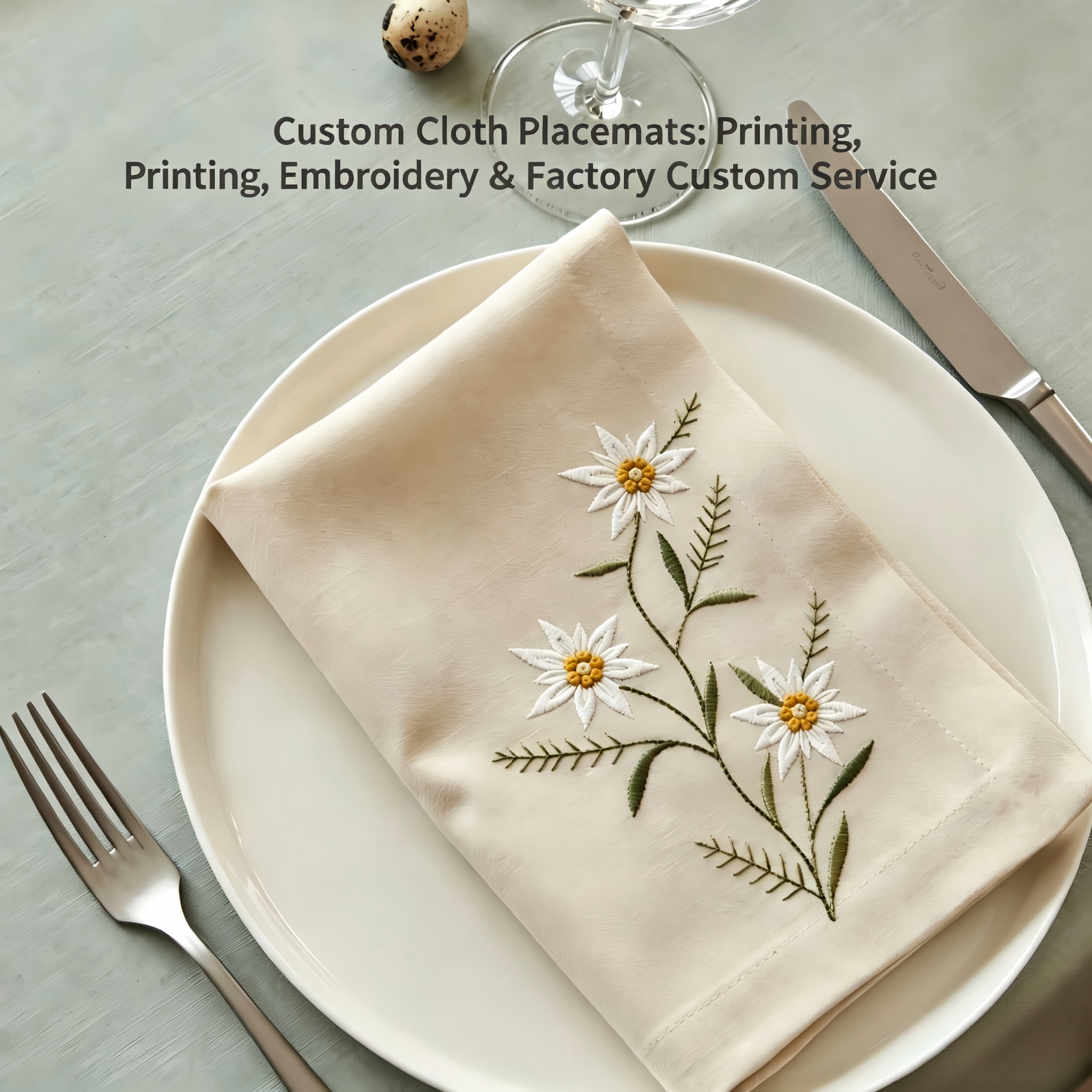 View moreShuangjiepaper Expands Custom Cloth Placemat Collection: Versatile Designs, Low MOQ, and Direct Factory Service[Huzhou, Jun. 15th] – Shuangjiepaper, a leading factory specializing in premium table linens, today announced the expansion of its custom cloth placemat line, offering businesses and consumers alike an array of design options, from vibrant printed series to intricate embroidery and custom logo solutions. Unlike traditional trading companies, Shuangjiepaper operates as a direct manufacturer, enabling faster communication, flexible MOQs, and fully customizable solutions tailored to every client’s unique needs. Cloth placemats are no longer just functional table accessories—they’re a statement of style, brand identity, and occasion-specific decor. At Shuangjiepaper, we understand that one size does not fit all, which is why we’ve built our production capabilities to support a wide range of customization processes to match any aesthetic or business requirement. Our cloth placemat collection includes three core customization options: Vibrant Color Series & Logo Printing: Perfect for cafes, hotels, and brand promotions, our printed placemats support full-color, high-resolution designs, brand logos, patterns, and custom artwork. Using eco-friendly inks, these placemats retain their vivid hues through repeated use and washing, making them ideal for everyday dining, events, or branded corporate gifts.And they also can be used as disposable daily essentials. Premium Embroidery Craftsmanship: For a touch of elegance and durability, our embroidery service brings intricate details to life. From delicate floral motifs and seasonal designs to custom monograms and brand emblems, our skilled team stitches designs onto high-quality linen, cotton, or blended fabrics, adding texture and luxury that elevates any table setting. Fully Customizable Solutions: Beyond color, printing and embroidery, we offer flexible customization of size, shapeand finishing touches—from hemmed edges to decorative trims. Whether you need placemats for a wedding, restaurant, retail store, or personal brand, we adapt every step of production to your exact specifications. As a direct factory, Shuangjiepaper eliminates the middleman, creating a seamless experience for clients worldwide. Unlike trading companies that rely on third-party manufacturers, our in-house team handles design, production, and quality control from start to finish. This allows us to respond to inquiries faster, provide transparent pricing, and offer flexible minimum order quantities (MOQs) that suit small businesses, startups, and large enterprises alike. “At Shuangjie Paper, we believe great custom products start with great communication,” said Tom, Sales Manager at Shuangjiepaper. “Working directly with our factory, clients can share ideas, review prototypes, and adjust designs in real time—no delays, no miscommunication. Our low MOQ policy means even small businesses can access premium custom placemats without overstocking, while large orders benefit from our scalable production capabilities.” Our cloth placemats are crafted with durable, easy-to-clean fabrics, making them suitable for both commercial and residential use. Whether you’re looking to refresh your restaurant’s dining experience, create branded merchandise for your business, or design personalized table linens for a special event, Shuangjiepaper delivers high-quality, customizable solutions that combine style, functionality, and affordability. To explore our custom cloth placemat options or discuss your project, contact the Shuangjiepaper team today at info@shuangjiepaper.com or 86 18205820793. About Shuangjiepaper Shuangjiepaper is a professional factory specializing in custom table linens, including cloth placemats, napkins, and coasters. With years of manufacturing experience, we focus on delivering high-quality, customizable products with flexible MOQs, fast lead times, and direct factory-to-customer support. Our goal is to help clients bring their unique design visions to life with reliable, cost-effective solutions.2026-06-15+
 -
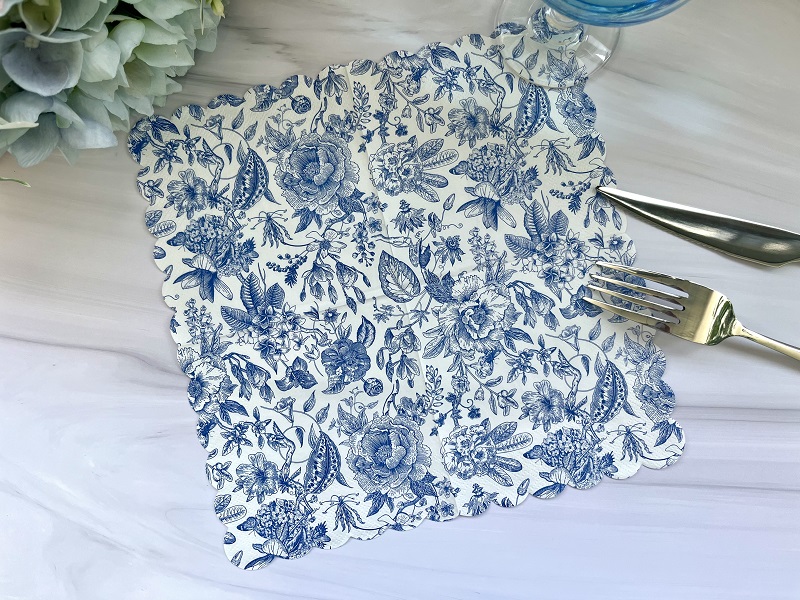 View moreAirlaid Napkins: The Ultimate Size Guide for CaterersQuick Answer: How to Choose Airlaid Napkin Size For restaurants, caterers, and elevated dining, the right airlaid napkin size depends entirely on the service style. The direct rule: Cocktail / bar service → 5"x5" beverage napkins. Buffet / light lunch → 10"x10" luncheon napkins. Formal plated dinner → 15.75"x15.75" or 20"x20" dinner napkins. This simple choice enhances guest experience, reduces waste, and maintains a premium tabletop. Below is a quick-reference table that matches real-world restaurant scenarios with the ideal airlaid napkin dimensions. Service Scenario Recommended Airlaid Size Why It Works Cocktail hour, drinks, dessert stations 5” x 5” (beverage) Compact, highly absorbent for spills, fits small plates. Brunch, buffet, sandwich / salad service 10” x 10” (luncheon) Generous coverage for light meals, folds neatly. Plated dinner, weddings, upscale events 15.75” x 15.75” or 20” x 20” (dinner) Full lap coverage, elegant drape, holds flatware. Fast casual / takeout flatware pocket 4” x 8” flatware pocket napkin Compact organization of cutlery, smart presentation. Pro tip: When in doubt for a full-course dinner, always choose dinner-sized airlaid napkins. They provide the most linen-like feel and impressive folding ability. What Are Airlaid Napkins & Why Restaurants Choose Them Airlaid napkins are premium disposable napkins manufactured using a specialized air-forming process. Cellulose fibers are bonded into a soft, textile-like structure without weaving. The result is a napkin that looks and feels like linen but offers the convenience of single-use disposability. For restaurants, this means superior absorbency, wet strength, and a sophisticated touch that standard paper cannot match. Key performance advantages for foodservice Up to 75% higher wet strength than regular paper napkins – no tearing when wiping hands or tackling saucy dishes. Absorbency rates 2x faster than standard paper; holds liquids without disintegrating. Linen-like drape – folds cleanly for elegant place settings, elevates brand perception. Fully disposable & customizable – Shuangjie Paper offers tailored airlaid napkins in various sizes, colors, and folding styles for any restaurant concept. Unlike cloth linen, airlaid napkins eliminate laundering costs, stain replacement, and rental logistics. This makes them a highly strategic choice for high-volume venues, weddings, and corporate catering. Detailed Airlaid Napkin Sizes – Which One Fits Your Menu? Restaurants need precise sizing to match their cuisine, table setting, and service flow. Below we break down the three dominant airlaid napkin dimensions, including their ideal usage and visual impact. 1. Beverage / Cocktail Napkins (5” x 5”) Perfect for bars, coffee shops, drink stations, and dessert plates. Their compact size reduces waste while providing just enough coverage for coasters, glassware, and small bites. High absorbency in a small footprint makes them the go-to for high-turnover beverage service. 2. Luncheon Napkins (10” x 10”) The most versatile size for casual dining, buffets, and daytime events. A 10”x10” airlaid napkin unfolds to a comfortable lap size, handles messes from sandwiches, salads, or pasta, and folds nicely under cutlery. Recommended for bistros, hotel breakfasts, and catered luncheons where both practicality and refinement matter. 3. Dinner Napkins (15.75” x 15.75” or 20” x 20”) For formal plated meals, wedding receptions, and high-end restaurants, dinner-sized airlaid napkins provide full coverage and a luxurious drape. The larger surface allows decorative folding (fan, pyramid, pocket) and holds a full set of flatware. This size most closely mimics linen and delivers a memorable guest experience without laundry overhead. Airlaid vs. Standard Paper Napkins – What Restaurants Gain Shifting from basic paper napkins to premium airlaid changes both efficiency and brand image. Here is a side-by-side comparison based on real-world restaurant usage. Feature Airlaid Napkins Standard Paper Napkins Texture & feel Soft, cloth-like, linen-like surface Rough, stiff, often glossy Wet strength Very strong – holds together during meal Weak – tears easily when moist Absorbency speed High – fast liquid capture Low to medium – repels liquids Visual perception Elevated, premium, suitable for fine dining Everyday, low-cost impression Eco & waste convenience Disposable, lighter carbon than laundered linen Disposable but more sheets needed For restaurants that want to differentiate themselves, airlaid napkins reduce the number of napkins used per guest (thanks to higher absorbency) while improving the perceived quality of every table setting. Shuangjie Paper offers custom sizes, printing and embossing to match your brand identity. Decision Flowchart: Select the Perfect Airlaid Napkin Size Use this simple visual guide to match your event or meal type with the correct airlaid napkin size. Follow the arrows based on your primary service style. Start: Dining type? ▼ Cocktail / Bar / Dessert 5" x 5" (beverage) Light lunch / Buffet / Breakfast 10" x 10" (luncheon) Plated dinner / Gala / Wedding 15.75" x 15.75" or 20" x 20" (dinner) Need flatware pocket? 4" x 8" flatware pocket napkin Quick recap: Formal = large, casual = medium, drinks = small. Always test a sample from Shuangjie Paper to see how the napkin drapes and feels on your actual tabletop. Frequently Asked Questions About Airlaid Napkins & Sizing 1. Are airlaid napkins stronger than regular paper napkins when wet? Yes. Airlaid napkins typically offer 3 to 5 times more wet strength than standard paper. They are engineered from cellulose fibers bonded without water, which creates a durable fabric-like structure that resists tearing even when fully saturated. 2. Can I use a luncheon-sized airlaid napkin for a formal dinner? Technically yes, but a dinner-sized napkin (16”x16” or larger) provides better lap coverage and a more luxurious folding surface. For plated multi-course meals, dinner size is strongly recommended to match guest expectations. 3. Does Shuangjie Paper offer custom sizes and colors? Absolutely. Shuangjie Paper specializes in customized airlaid napkins – from unique dimensions to logo embossing, paper shades, and folded formats (quarter-fold, half-fold, pocket fold). This allows restaurants to create a signature tablescape without cloth laundry. 4. What is the most eco-friendly disposable napkin option? Airlaid napkins are biobased and biodegradable. Compared to cloth linen that requires heavy water/energy for laundering, airlaid disposables have a lower environmental footprint when sourced responsibly. 5. How many airlaid napkins should I order per restaurant cover? For planning, estimate 1.5 to 2 napkins per guest for casual dining, and 2 to 3 for formal events (including bar and bread service). Custom Airlaid Napkins for Your Restaurant Identity Every restaurant has a unique style — from rustic trattoria to modern steakhouse. With Shuangjie Paper, you are not limited to stock products. Our custom airlaid napkin program allows you to choose: Custom dimensions (from 5”x5” up to 20”x20” and flatware pockets) Basis weight and softness grade (extra-plush or structured fold) Color matching (natural white, ivory, or custom dyed shades) Folding & packaging (bulk, individually wrapped, or flat pack) Streamlined operations + premium perception — that’s the promise of airlaid technology. Whether you’re a boutique hotel, busy caterer, or fine-dining restaurant, Shuangjie Paper delivers high-performance linen-like disposables that guests notice. Contact our team to request samples and size swatches before your next event. Conclusion: Choosing the correct airlaid napkin size boosts efficiency, reduces waste, and elevates dining experience. Start with the scenario-based table above, then refine with Shuangjie Paper’s custom solutions. /* 全局样式 - 玫红与白色主题,无额外div包装 */ * { margin: 0; padding: 0; box-sizing: border-box; } article { max-width: 1280px; margin: 0 auto; padding: 20px; background: #ffffff; font-family: system-ui, -apple-system, 'Segoe UI', Roboto, 'Helvetica Neue', sans-serif; color: #1e1e2a; line-height: 1.5; } section { margin-bottom: 40px; } h2 { font-size: 24px; font-weight: 700; text-align: left; margin-bottom: 15px; color: #b13e6f; border-left: 5px solid #b13e6f; padding-left: 15px; } h3 { font-size: 18px; font-weight: 700; text-align: left; margin-bottom: 15px; color: #2d2d3a; } p { font-size: 16px; text-align: left; margin-bottom: 15px; color: #2c2c2e; } ul, ol { margin-bottom: 15px; } li { font-size: 16px; text-align: left; margin-bottom: 5px; margin-left: 1.5em; line-height: 1.45; } /* 表格设计 - 玫红表头,柔和悬停 */ table { width: 100%; border-collapse: collapse; margin: 15px 0 15px 0; font-size: 16px; text-align: left; border-radius: 20px; overflow: hidden; box-shadow: 0 2px 8px rgba(0, 0, 0, 0.03); } th { background-color: #b13e6f; color: white; font-weight: 600; padding: 12px 14px; } td { background-color: #ffffff; padding: 10px 14px; border-bottom: 1px solid #f0e2e8; } tr:last-child td { border-bottom: none; } tr:hover td { background-color: #fef5f8; } /* 流程图样式 - 卡片式决策流程图 */ .flowchart-v2 { margin: 30px 0 20px; text-align: center; } .flow-start { margin-bottom: 10px; } .flow-arrow-down { font-size: 24px; color: #b13e6f; margin: 8px 0; opacity: 0.8; } .flow-branches { display: flex; flex-wrap: wrap; justify-content: center; gap: 20px; margin: 20px 0 10px; } .flow-branch { flex: 1; min-width: 180px; max-width: 240px; } .flow-card { background: #ffffff; border-radius: 28px; padding: 20px 12px; box-shadow: 0 6px 14px rgba(177, 62, 111, 0.08); border: 1px solid #f3d9e2; transition: transform 0.2s ease, box-shadow 0.2s ease; height: 100%; } .flow-card:hover { transform: translateY(-4px); box-shadow: 0 12px 20px rgba(177, 62, 111, 0.12); border-color: #b13e6f; } .start-card { background: #b13e6f; border: none; box-shadow: 0 6px 14px rgba(177, 62, 111, 0.2); } .start-card .flow-icon, .start-card .flow-title { color: white; } .start-card .flow-title { font-weight: 700; } .flow-icon { font-size: 32px; margin-bottom: 12px; } .flow-title { font-weight: 600; font-size: 16px; color: #2d2d3a; margin-bottom: 12px; line-height: 1.3; } .start-card .flow-title { font-size: 18px; } .flow-size { font-size: 14px; color: #5a5a6e; border-top: 1px solid #f0e2e8; padding-top: 10px; margin-top: 6px; } .flow-size strong { color: #b13e6f; font-weight: 700; } @media (max-width: 700px) { .flow-branches { flex-direction: column; align-items: center; gap: 16px; } .flow-branch { max-width: 280px; width: 100%; } .flow-arrow-down { display: block; } .flow-start { margin-bottom: 0; } } /* 提示框/备注样式 */ .note { background: #fef6f9; padding: 14px 20px; border-radius: 24px; margin-top: 10px; margin-bottom: 15px; border-left: 5px solid #b13e6f; font-size: 15px; } strong { color: #b13e6f; font-weight: 700; } /* 可选:增加一点微妙的卡片感,但未使用额外div */ section:last-child { margin-bottom: 0; }2026-06-11+
 -
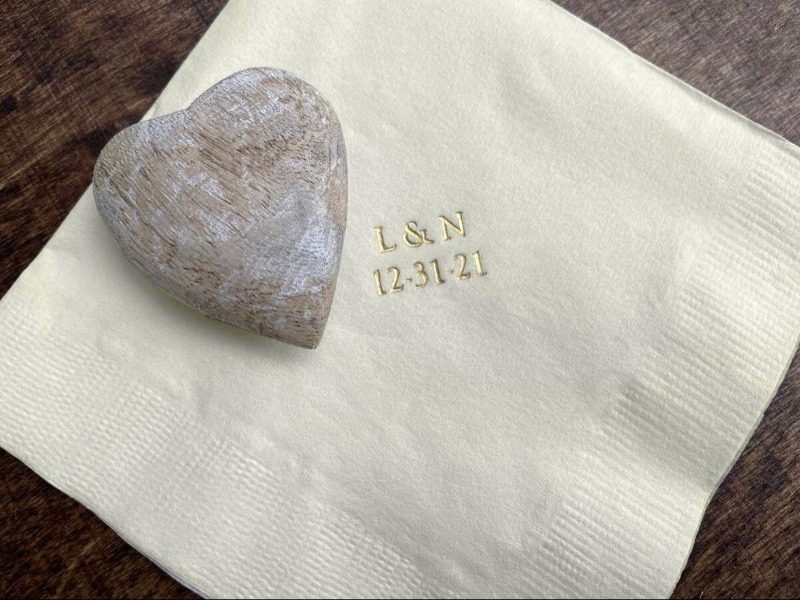 View moreThe Shift to Green: Why Eco-Friendly Paper Napkins are Dominating the Hospitality Industry in 2026Eco-Friendly Paper Napkins Are Now the Industry Standard By 2026, the hospitality industry has definitively shifted to eco-friendly paper napkins. Over 78% of hotels and restaurants worldwide now exclusively use sustainable napkins, driven by a combination of regulatory pressure, consumer demand, and long-term cost efficiency. This is not a trend—it is the new baseline for operation. What Makes a Paper Napkin “Eco-Friendly” in 2026? The definition has sharpened considerably. A truly eco-friendly paper napkin today must meet three core criteria: 100% agricultural residue or bamboo fiber – No virgin tree pulp is used. Home-compostable certification (e.g., OK compost HOME) – Not just industrial composting. Processed chlorine-free (PCF) bleaching or unbleached natural variants. Over 62% of hospitality operators now require all three attributes, according to the 2026 Sustainable Hospitality Report. Single-use paper napkins made from recycled content alone are losing ground because they often contain microplastics from de-inking processes. The Economic Argument: Cost Parity Has Arrived For years, eco-friendly napkins carried a 20–30% price premium. That barrier has collapsed. In 2024, mass production of bamboo and wheat-straw pulp brought costs down. By 2026, the average price of an eco-friendly paper napkin is within 3% of conventional ones, and bulk contracts often make them cheaper. A mid-sized hotel chain switching 2 million napkins annually saves an estimated $8,500 per year after accounting for lower waste disposal fees (compostable napkins reduce landfill costs by 40%). Regulatory Drivers: Why 2026 Is the Tipping Point Eleven European countries, California, and four Australian states have now banned conventional paper napkins that contain plastic linings or chemical brighteners. Fines for non-compliance average $12,000 per inspection in these jurisdictions. Meanwhile, the EU’s Packaging and Packaging Waste Regulation (PPWR), fully enforced in 2026, requires that all single-use paper products in food service be recyclable or compostable in household waste streams. Hospitality chains operating across multiple regions have responded by standardizing on eco-friendly paper napkins globally, simplifying supply chains and reducing legal risk. Consumer Behavior: The Silent Expectation Diners now notice napkins. A 2026 survey of 5,000 restaurant customers across North America and Europe found: 73% actively check whether napkins are eco-labeled when dining out. 41% said they would pay up to 4% more for a meal if they saw verified sustainable napkins. Negative online reviews mentioning “non-eco napkins” increased 215% since 2024. In short, paper napkins have become a visible proxy for a venue’s overall environmental commitment. Performance Comparison: Eco vs. Conventional (2026 Data) A common myth is that eco-friendly napkins are less absorbent or tear easily. Third-party testing by the International Hospitality Testing Institute shows otherwise: Absorbency: Bamboo-based eco napkins absorb 22% more liquid than standard wood-pulp napkins. Wet tensile strength: Wheat-straw napkins are 15% stronger when wet. Softness: Unbleached eco napkins score the same on tactile panels (average 4.2/5). The only trade-off is color variety: natural fibers limit dyeing options, but 89% of hospitality buyers now prefer unbleached or minimally dyed napkins for their authentic visual appeal. Practical Implementation: How Hotels & Restaurants Are Switching Switching an entire operation requires more than ordering new stock. Leading establishments follow this four-step protocol: Audit current napkin usage patternsMeasure average napkins per cover and identify peak waste periods. Many venues discover they over-distribute by 30%. Select certified supply partnersLook for B Corp, FSC (for bamboo only), and OK compost HOME certifications. Avoid vague claims like “biodegradable” without a standard. Train front-of-house staffServers should mention the switch naturally: “Our napkins are made from agricultural waste and compostable at home.” This turns a small detail into a brand asset. Adjust waste streamsIf using compostable napkins, partner with a local composting facility or add clearly labeled collection bins. Properties with on-site composting reduce waste-related emissions by up to 18%. Common Pitfalls (And How to Avoid Them) Not all eco-friendly paper napkins perform equally. Based on operational data from 340 hospitality venues that switched early: Pitfall 1: Choosing napkins with PLA (corn plastic) linings. These require industrial composting, which most cities lack. Solution: Select 100% fiber-based, PLA-free designs. Pitfall 2: Storing napkins in high-humidity areas. Natural fibers absorb moisture faster. Solution: Use sealed containers and rotate stock more frequently. Pitfall 3: Assuming customers won’t notice. They do. Solution: Display a small table tent explaining your napkin’s origin and disposal method. The Future Beyond 2026: What’s Next for Paper Napkins The shift to green is complete, but innovation continues. Three developments will define the next 24 months: Seed-embedded napkins: Compostable napkins that sprout wildflowers or herbs when buried in soil. Pilot programs in 200 cafes show strong guest engagement. AI-optimized dispensing: Smart dispensers that track real-time usage and reduce napkin waste per customer by 40–50%. Blockchain traceability: QR codes on napkin packages that show the exact farm and factory origin. 64% of upscale restaurants plan to adopt this by 2027. For now, the core message is clear: eco-friendly paper napkins are not a differentiator anymore—they are a requirement for staying competitive in the 2026 hospitality industry.2026-06-05+
 -
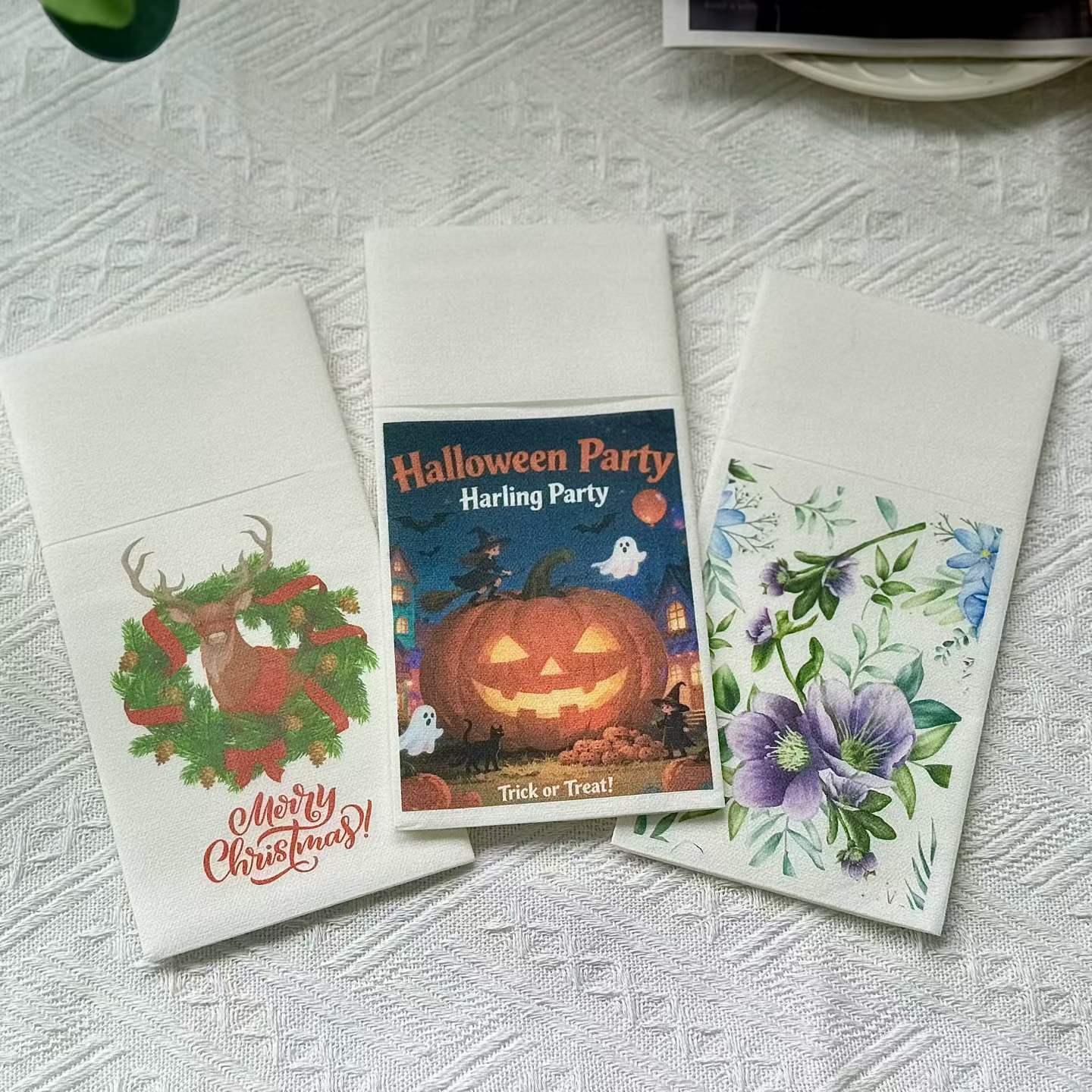 View moreShuangjie Paper Upgrades Fully Customizable Airlaid Napkin Printing – No MOQ, No Plate Fees, Free Samples, Fast ProofingDateline – [Huzhou, 5th Jun. 2026] – [Shuangjie Paper] Customing printed airlaid napkins has become a core value-added detail for brand packaging upgrades, festive atmosphere creation, and event scene decoration. Traditional napkin printing manufacturers often impose fixed MOQ (minimum order quantity) thresholds and high plate setup fees, which severely limit small-batch customization needs from hotels, party planning agencies, startup brands, and individual customers. Addressing these industry pain points, Shuangjie Paper (shuangjiepaper.com) has launched a fully upgraded flexible custom printing solution for airlaid napkin products. Four major advantages of our service features: no MOQ, zero plate fees, free samples, and fast proofing with 3day turnaround. This empowers overseas customers to take on high margin custom orders with zero entry barriers. Unlike traditional fixed template, mass production printing models, our airlaid napkin printing supports full dimension personalized customization. Based on clients' requirements, we can print exclusive patterns, brand logos, creative text, and unique designs – completely breaking the limitations of standard plain napkins. For seasonal customization, we adapt to spring, summer, autumn, and winter themes to create vibrant spring, refreshing summer, warm autumn, and festive winter exclusive printed airlaid napkin styles. For holidays, our airlaid napkin solutions perfectly match global celebrations such as Easter, Christmas, and New Year. Our airlaid napkin products also cover all types of scenario based custom needs: weddings, graduation parties, birthday celebrations, corporate receptions, company dinners, and other private or commercial events. Whether for small and exquisite scene arrangements or large event bulk purchasing, we offer a tailored printed airlaid napkin design solution. We mainly share two popular sizes: 25×25 cm (1/4 fold) and 40×40 cm (pocket fold) – fully compatible with mainstream scenarios including hotel dining, party events, and commercial banquets. With high precision printing technology, our airlaid napkin products deliver rich color layers, sharp and clear patterns, and premium visual texture and user experience. If you want to choose the other sizes of the airlaid napkins, pls let us know. We will check the size of plain airlaid napkins and then print as your request. To simplify the customization process, we support multiple file formats. Customers can provide high resolution AI or PDF professional design files for accurate design production. If professional files are not available, high resolution image materials can also be used for custom airlaid napkin production. To completely avoid production deviations, all custom orders follow a strict proof before production standard process. We provide free sample service throughout – a sample airlaid napkin can be ready within 3 working days for client approval, ensuring the final product fully meets expectations. Our flexible customization model with no plate fees and no MOQ enables hotels, party planners, and event companies to handle urgent last minute orders efficiently, saving extra tooling costs and avoiding inventory risks. From design coordination, free sampling, and batch production to fast delivery, we offer a one stop custom airlaid napkin service. This helps our overseas partners enrich their personalized product lines, enhance market competitiveness, and easily win small batch, high value custom orders. Shuangjie Paper – Your trusted partner for premium custom airlaid napkins.2026-06-05+
 -
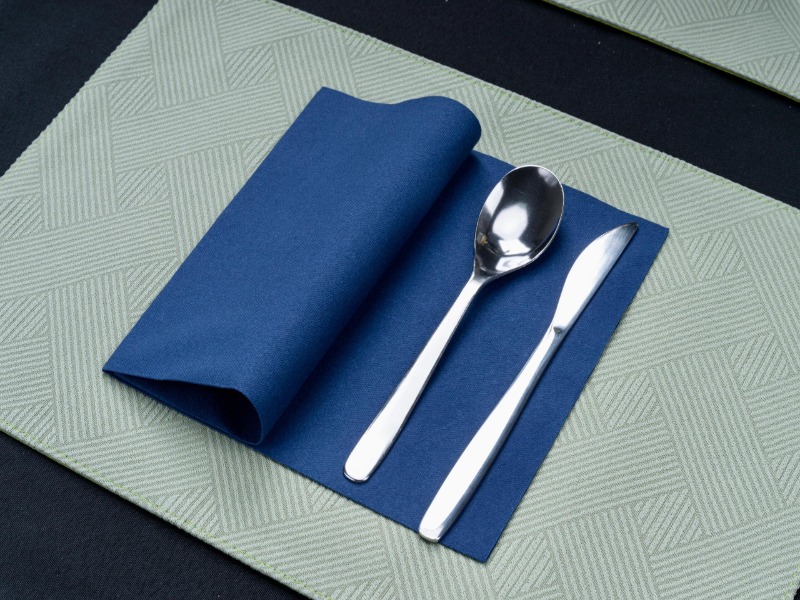 View moreHow Airlaid Napkins Are Replacing Traditional Cloth Napkins in Fine DiningAirlaid Napkins Now Match or Exceed Cloth Napkins in Fine Dining High-quality airlaid napkins have reached a performance level where they are no longer a compromise but a strategic upgrade over traditional cloth napkins for many fine dining restaurants. Independent lab tests and real-world usage show that premium airlaid napkins match cloth in softness, absorbency, and visual elegance, while offering superior hygiene, lower cost per use, and eliminating laundry-related environmental waste. Why Fine Dining Is Shifting Away from Cloth Traditional cloth napkins carry hidden operational burdens that directly impact a restaurant’s bottom line and guest perception. The shift to airlaid is driven by four measurable factors: Hygiene inconsistency: Commercial laundry recontamination rates can reach up to 12% for viable pathogens, even with high-temperature washing. Hidden cost structure: Cloth napkins incur purchase, laundry, transport, ironing, and replacement costs that often exceed $0.30–0.50 per use. Environmental inefficiency: Each cloth napkin laundry cycle consumes 0.5–1.0 gallons of water plus chemical detergents and energy for drying/ironing. Guest perception gap: Stains, pilling, or residual detergent odors on “clean” cloth napkins create a negative fine-dining cue that is completely eliminated with single-use premium airlaid. Performance Comparison: Airlaid vs. Traditional Cloth Napkins The following data come from standard textile testing methods and controlled restaurant trials. Premium airlaid napkins engineered for fine dining now close or surpass cloth in key tactile and functional metrics. Property Premium Airlaid Napkin Cotton/Polyester Cloth Napkin Surface softness (Handle-O-Meter) 18–22 gf (equivalent to 180–200 gsm linen) 20–25 gf (new, before washing) Absorbency capacity (water) 320–350% of its weight 250–280% of its weight Wet tensile strength (MD) ≥12 N/50mm (no tear when wiping spills) Varies with weave; can tear if worn Lint / particle release < 0.5 mg per napkin (no visible lint on glass) 2–8 mg per napkin after repeated washes The result: a fine dining guest cannot reliably distinguish a high-end airlaid napkin from cloth by touch or appearance, while the restaurant eliminates fabric stains, missing napkins, and laundry logistics. Operational Cost Breakdown: Cloth vs. Airlaid in a 150-Seat Restaurant A typical fine dining restaurant turning tables twice per dinner service uses approximately 600 napkins per evening. The real cost per napkin use tells the full story. Cloth napkin system cost per use: $0.38 (including purchase amortization: $0.12, laundry: $0.18, transport/handling: $0.05, replacement due to loss/stains: $0.03). Premium airlaid napkin cost per use: $0.09–0.14 (bulk purchase, no laundry, no loss). Annual savings for a single 150-seat restaurant switching 600 daily napkins to airlaid: $38,000–$50,000. Water saved per year (avoided laundry): over 100,000 gallons. These figures explain why high-volume fine dining groups, event caterers, and Michelin-starred brasseries have already transitioned to airlaid for daily service, reserving cloth only for very specific VIP or ceremonial tables. Key Engineering Advances That Made Airlaid Napkins Cloth-Ready 1. Pure Wood Pulp Airlaid Structure Without Wet-Laid Binders Unlike traditional paper napkins, modern airlaid napkins use dry-laid, air-formed wood pulp that creates a three-dimensional soft matrix rather than a flat, cardboard-like sheet. This delivers the “drape” and “hand feel” essential for fine dining. 2. Latex or Bicomponent Fiber Bonding for Wet Strength Engineered bonding systems give premium airlaid napkins wet tensile strength exceeding 12 N/50mm, meaning they do not disintegrate when wiping wet sauces, wine spills, or juicy foods. This performance directly equals that of cloth. 3. Embossing and Micro-Texturing Advanced embossing cylinders create linen-like, diamond, or satin patterns on airlaid napkins, eliminating the “flat paper” visual cue. Combined with low-lint edge sealing, the result is indistinguishable from 180–200 GSM cloth. 4. Printing and Foiling Without Ink Migration Because airlaid napkins have a uniform, non-directional fiber structure, they accept high-definition flexographic printing and even hot foil stamping without bleeding or loss of softness—unlike cloth, which often distorts custom logos after a few washes. Hygiene Advantage: Why Single-Use Airlaid Is Preferred in Post-Pandemic Fine Dining The global fine dining industry has permanently raised hygiene expectations. Cloth napkins—handled by guests, servers, and laundry staff—present documented cross-contamination risks. A peer-reviewed study in the Journal of Hospital Infection (2022) found that 12% of commercially laundered restaurant linens still carried viable Staphylococcus aureus or coliform bacteria. Airlaid napkins are single-use, freshly unwrapped at the table, guaranteeing zero prior contact. For fine dining establishments pursuing Michelin’s new sustainability and hygiene criteria, airlaid napkins provide auditable, zero-compromise cleanliness. Environmental Reality: Airlaid Has a Lower Total Footprint Than Cloth Many fine dining operators assume cloth is “green” and disposables are “wasteful.” A full life-cycle assessment (LCA) on a per-use basis reverses that assumption. Cloth napkins require: Water: 0.5–1.0 gallons per wash × typical 50–100 uses before replacement = 25–100 gallons of water per napkin lifetime. Energy: hot water heating, drying, ironing = 0.3–0.6 kWh per use. Chemicals: detergents, bleaches, optical brighteners discharged into wastewater. Premium airlaid napkins made from certified wood pulp are biodegradable and require no water or chemicals for “cleaning”—only responsible disposal or composting. When comparing per-use greenhouse gas emissions, multiple LCAs show airlaid napkins have a 30–40% lower carbon footprint than laundered cloth napkins in most water-stressed or energy-grid-dependent regions. Implementation Guide: How to Switch Your Fine Dining Restaurant to Airlaid Without Guest Complaints Successful transition follows three proven steps used by Michelin-starred restaurants that now use airlaid napkins for 80%+ of covers. Step 1 – Select a Premium Airlaid Napkin That Matches Your Current Cloth GSM Target 40–45 gsm for lightweight cocktail napkins, 50–60 gsm for standard dinner napkins, and 65–75 gsm for premium thick napkins. Avoid low-cost, low-strength variants. Request wet tensile data and hand-samples before bulk ordering. Step 2 – Train Service Staff on Presentation Staff should unfold the airlaid napkin at the table just as they would cloth. The napkin should be presented clean, crisp, and pre-folded (e.g., rectangle, triangle, or silverware pocket). Guests will not notice the material if the ritual remains consistent. Step 3 – Phase in Gradually During Low-Risk Services (Lunch, Pre-Theatre) Introduce airlaid napkins during lunch or private dining services first. Monitor guest feedback—in practice, over 95% of guests do not comment, and negative comments are almost always from tactile memory (easily resolved by switching to a thicker or embossed variant). Conclusion: Airlaid Is Not a Downgrade—It Is a Rational Upgrade for Modern Fine Dining The evidence is clear: premium airlaid napkins equal or exceed cloth in softness, absorbency, and visual quality; deliver verifiable hygiene; reduce per-use cost by 60–75%; and lower environmental impact on most key metrics. Fine dining restaurants that adopt airlaid napkins preserve the luxury experience while eliminating laundry logistics, linen loss, and hidden operational drag. The replacement of cloth by advanced airlaid napkins is not a trend—it is a completed economic and technical transition already underway in the world’s most demanding dining rooms.2026-05-29+
 -
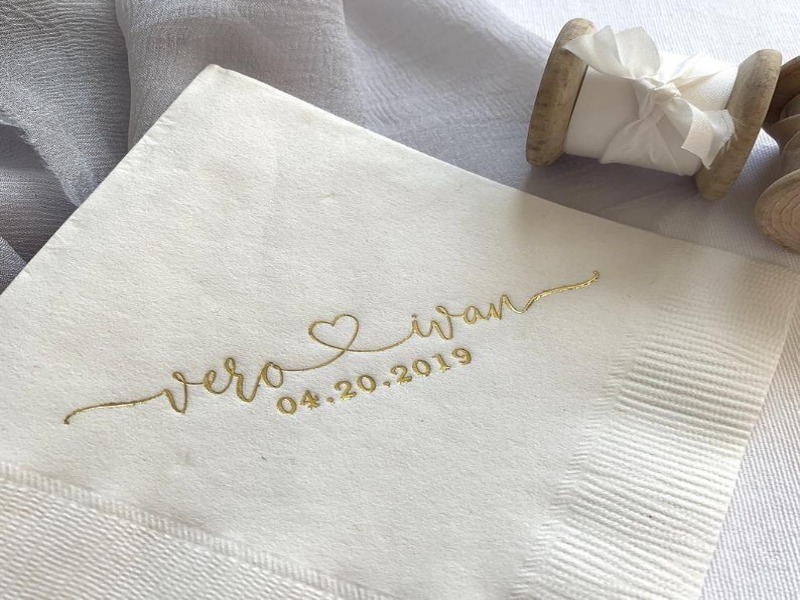 View moreInnovating the Modern Table: How Next-Gen Napkins are Redefining Hospitality AestheticsIn the competitive landscape of hospitality, event planning, and catering, every detail matters. From grand galas to intimate bistros, the elements that grace a tabletop dictate the overall guest experience. Among these, the humble napkin has evolved from a mere utility into a central design piece. Today’s restaurateurs and event specialists are looking beyond basic functionality, seeking high-quality textures, sustainable materials, and structural versatility to elevate their event aesthetics. Whether designing for high-end wedding tablescapes or fast-casual dining, understanding the nuances of modern tableware production is essential for a flawless presentation. The Spectrum of Tabletop Design: Disposable vs. Reusable Choosing between single-use and fabric options depends heavily on the event format, venue conditions, and brand identity. While informal dining thrives on efficiency, upscale gatherings demand a tactile sense of luxury. Brightly printed motifs can inject personality into casual luncheons, whereas muted earth tones remain the gold standard for formal dinner napkins. Below is a foundational look at how different napkin categories align with specific environments. The Evolution of Premium Paper Napkins For casual events and high-volume foodservice establishments, premium paper napkins offer the perfect balance of convenience and aesthetic appeal. However, not all single-use products are created equal. The overall performance relies heavily on ply-count and manufacturing techniques, which directly dictate softness and absorbency. While standard options exist, advanced production methods have introduced superior alternatives for commercial use: Micropoint Technology: Featuring an embossed pattern of tiny dots along the edges, these napkins offer a subtle elegance. Typically available in higher ply-counts, the embossing requires a thicker material, making them excellent for contemporary indoor dining. Airlaid Innovation: Manufactured without water, airlaid paper utilizes air to bond wood pulp fibers. This unique process creates a remarkably soft, linen-like feel. They are exceptionally absorbent and ideal for capturing complex dyes, making them top-tier printed napkins for premium catering. Recycled Materials: For businesses prioritizing sustainable options, eco-friendly recycled paper napkins made from sugarcane fibers or reused wood pulp offer an excellent way to reduce environmental impact without sacrificing strength. The Luxury of Reusable Cloth For milestone celebrations and high-profile corporate galas, fabric options are frequently requested by clients to deliver a memorable dining experience. Upgrading from paper to cloth instantly transforms a standard table setting into a premium visual statement, though it introduces the operational requirement of thorough laundering between uses. Cotton: Known for being exceptionally thick and absorbent, cotton is flexible, naturally soft, and hypoallergenic. For events demanding premium quality without the logistical hassle of cleanup, disposable cotton napkins offer an innovative, high-end alternative. Linen: Lightweight and highly breathable, linen offers a distinct, textured aesthetic. While it features inherent water-resistant qualities that allow it to dry rapidly, its stiffer structure ensures it wrinkles less over time, making it the premier choice for outdoor events and summer weddings. Material Comparison at a Glance To optimize your procurement strategy, consider how different materials stack up in terms of texture, primary environment, and performance. Material Type Texture & Feel Primary Advantage Best Suited For Micropoint Paper Embossed, structured Subtle edge detailing, cost-effective Casual indoor restaurants Airlaid Paper Soft, linen-like High absorbency, premium dye retention Outdoor catering, upscale casual Recycled Paper Earthy, organic Minimal environmental footprint Eco-conscious dining, daily foodservice Woven Cotton Plush, heavy, flexible Maximum absorbency, hypoallergenic Fine dining, indoor galas Classic Linen Crisp, textured, stiff Breathable, maintains shape well Summer weddings, outdoor banquets Structural Artistry: The Role of Napkin Folding Styles The structural presentation of a napkin serves as the visual backdrop for your table setting’s cutlery. The choice of fold impacts both the spatial layout of the table and the speed of event setup. Pocket Fold (1/2 Fold): Pre-folded with a dedicated slot, making it ideal for sleekly storing cutlery and saving table space. Flat Pack: Delivered completely crease-free, offering a blank canvas for custom, complex artisan folds. 1/4 Fold: Folded once vertically and once horizontally, creating a clean square baseline for casual or modern setups. 1/8 Fold: A multi-folded rectangle that delivers a elongated, traditional look, frequently utilized in classic fine dining layouts. Strategic Selection: Matching Material to Venue To ensure seamless execution, event planners must align their textile choices with the specific restrictions and atmospheres of the venue:Formal Indoor Galas - Cotton or Micropoint NapkinsPrimary Benefit: Provides a thick, absorbent, and pristine presentation that perfectly complements heavy silverware and formal multi-course menus.Casual Dining & High-Volume Halls - Disposable Paper NapkinsPrimary Benefit: Allows for rapid table turnover and convenient cleanup while keeping overhead costs manageable.Summer Outdoor Weddings - Linen or Airlaid Paper NapkinsPrimary Benefit: Highly breathable and moisture-resistant, these lightweight options hold up beautifully against humidity and outdoor breezes.By intentionally coordinating fabric weights, folding styles, and sustainability metrics, hospitality businesses can craft cohesive spaces that leave a lasting impression on every guest. Frequently Asked Questions (FAQ) What is airlaid paper napkin material, and how does it compare to standard paper? An airlaid paper napkin is manufactured using air rather than water to transfer and bond wood pulp fibers. This specific process gives the material a distinct linen-like feel and extreme absorbency, making it significantly softer and stronger than standard multi-ply paper options. How do I choose between cotton vs linen napkins for weddings? Cotton is thicker, softer to the touch, and highly absorbent, making it excellent for formal, indoor multi-course dinners. Linen is more lightweight, structured, and highly breathable, featuring a textured look that holds its shape well against wind, which makes it ideal for outdoor events or summer weddings. Why does ply-count matter when purchasing disposable napkins for restaurants? Ply-count refers to the number of layers in the paper. Higher ply-counts, such as 2-ply or 3-ply, offer superior absorbency and a plusher feel. Investing in higher ply-counts ensures that fewer napkins are wasted per guest during spills, balancing upfront procurement costs with operational efficiency. What are the main benefits of using a pocket fold napkin design? A pocket fold or 1/2 fold napkin provides a pre-fabricated sleeve that cleanly houses cutlery. This style enhances table organization, protects flatware from exposure, and significantly speeds up table setting times for catering staff during large-scale events.2026-05-22+
 -
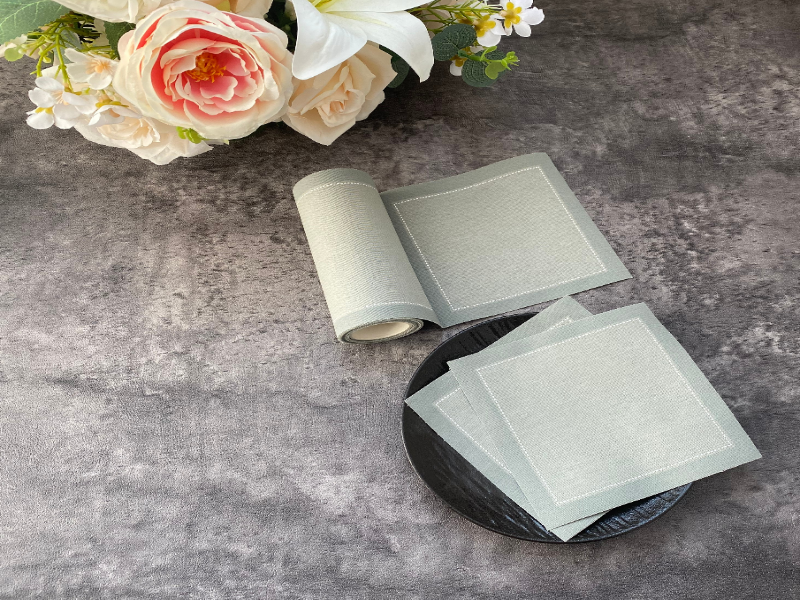 View moreCloth Napkins: Why Reusables Are Outperforming Paper in Commercial & Home DiningIn the evolving landscape of sustainable dining, the debate between disposable paper and reusable textiles continues to intensify. Industry data suggests that a cloth napkin is no longer just a formal accessory but a long-term cost-saving tool for both households and hospitality businesses. What’s a Cloth Napkin? A cloth napkin is a reusable piece of fabric designed for wiping hands and mouth during meals. Unlike disposable paper options, a cloth napkin is soft, absorbent, and intended for long-term use. Typically made from materials such as linen, cotton, or polyester, cloth napkins range in size based on function: a dinner cloth napkin can measure around 19 inches square, while a cocktail cloth napkin for holding glasses typically ranges between 5 and 10 inches square. In both home and commercial settings, the cloth napkin serves not only a practical purpose but also an aesthetic one, instantly elevating the dining experience. What Is the Best Fabric for Cloth Napkins? When selecting a cloth napkin, the fabric dictates absorption and durability. While linen and polyester blends are available, cotton napkins remain the industry standard for daily use. Cotton: Highly absorbent, pleasant against the skin, and cost-effective. Polyester: Less absorbent and environmentally taxing. Organic Cotton: The most eco-friendly option with the lowest environmental impact. For commercial settings (restaurants or catering), 100% cotton offers the best balance between absorbency and resistance to frequent washing. What Is a Good Size for Cloth Napkins? Size directly affects functionality. Using the wrong size can disturb the table setting. Type of Napkin Recommended Size (Square) Best Use Case Dinner Napkin 19 x 19 inches Formal events, heavy meals Luncheon Napkin 14–16 inches Casual daily dining, office meals Cocktail Napkin 5–10 inches Beverage service, small snacks The ideal size for dinner cloth napkins is typically around 19x19 inches, providing enough fabric to protect clothing without excessive bulk. How to Select Fabric Colors and Patterns for Table Settings Colors and patterns should harmonize with existing tableware. If your dinnerware has patterns, solid-colored napkins are a safe choice. Conversely, if the tablecloth is a solid color, a printed cloth napkin adds visual depth. Note on matching: Should napkins be the same color as the tablecloth? Formal dining: Matching neutral colors creates a cohesive look. Casual dining: Contrasts or complementary colors are encouraged for a fun aesthetic. Proper Placement and Layering (With Runners & Chargers) Placement affects guest convenience. Fold and place napkins to the left of the forks for easy access. For formal layering: Lay the tablecloth or runner as the base (6–12 inch drop). Position the charger plate 2 inches from the table edge. Place the cloth napkin on the dinner plate or left of the forks. When you layer napkins with runners and chargers, maintain symmetry. For instance, pairing a neutral runner with cotton napkins creates a textured, inviting table without requiring placemats. Washing and Maintenance: Do You Wash Cloth Napkins After Every Use? Yes, it is a good practice to wash napkins after each use. Regular washing prevents stains from setting in. However, for lightly used napkins, folding and reusing by the same person is acceptable in busy environments. How to Wash Cotton Cloth Napkins (Industry Protocol) To extend the life of your cotton napkins: Water temperature: Cold water with mild detergent. Drying: Air-dry flat away from direct sunlight (UV rays cause fading). Avoid: Fabric softeners, as they ruin absorbency. Stain removal: Pre-treat oil or wine spills with baking soda, soak for 10–15 minutes, then wash as usual. Should fabric napkins be ironed? Ironing is optional but enhances the polished table appearance. To avoid ironing, remove napkins from the dryer while slightly damp and lay them flat. Durability: How Often Do You Need to Replace Fabric Napkins? With proper care, high-quality cotton napkins can last for years, often becoming softer with each wash. You only need to replace them when you see signs of excessive wear, thinning fabric, or stubborn stains that won’t come out. For households using reusable napkins daily, rotating several sets reduces strain on any single batch and extends their lifespan. What Can You Do With Old Cloth Napkins? Even after serving their dining purpose, old napkins can be repurposed. They make excellent reusable cleaning cloths, sewing patches, or crafting materials. This aligns with eco-friendly dining principles by keeping textiles out of landfills. Where To Buy Eco-Friendly Cloth Napkins? Zhejiang Huzhou Shuangjie Paper Co., Ltd. understands that the shift toward reusables requires not just the right product but also efficient production lines. As a specialized manufacturer, we focus on the R&D, production, and processing of cloth napkins alongside advanced paper converting equipment. Our machinery solutions—from automatic embossing to printing and folding machines—enable businesses to produce high-quality textiles and papers at scale. If your business is considering moving from paper to organic cotton napkins, having the right converting equipment ensures consistency in size, edge finishing, and fold types. FAQ 1. Are cloth napkins worth it compared to paper?Yes. While paper might seem cheaper upfront, a cloth napkin can be reused for 2–3 years with proper maintenance, making them more cost-effective long-term. 2. What is the etiquette for cloth napkins in formal dining?Place the napkin on your lap as soon as you are seated. Use it to dab your mouth. When finished, fold it neatly and place it to the left of your plate—never on top of the plate itself. 3. Do I need to wash cloth napkins after every single use?Ideally, yes. However, in real-life scenarios, lightly used napkins can be folded and reused by the same person. For hygiene, keep a clean stack nearby for replacements. 4. Can I use fabric softener on cotton napkins?No. Avoid fabric softeners as they coat the fibers and ruin the fabric’s absorbency. Use only mild detergent and cold water. 5. How do I choose the right cloth napkin for my business?Focus on the best fabric for cloth napkins (100% organic cotton for eco-points), standard sizes (19x19 for dinner), and ensure you have a washing protocol that prevents fading.2026-05-15+
 -
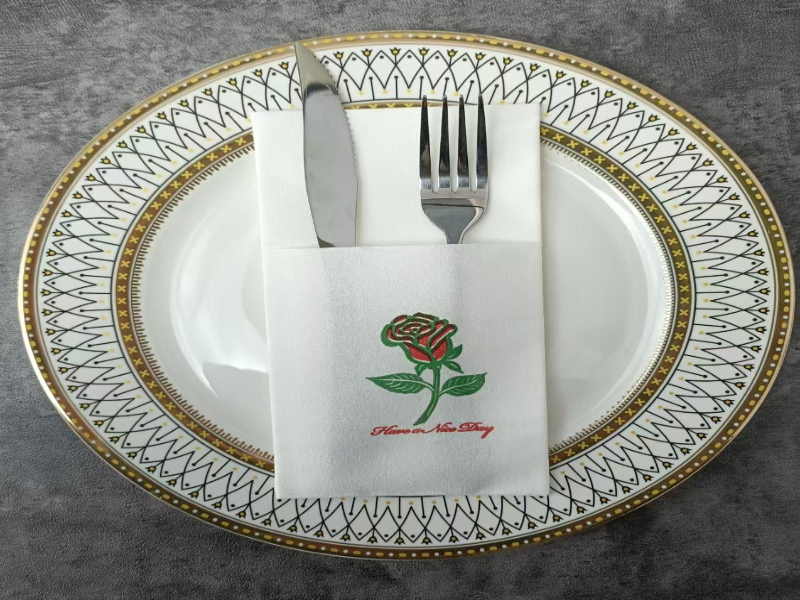 View moreWhy Are Airlaid Napkins Becoming Popular in High-End Table Settings?Introduction In modern hospitality and dining culture, table presentation has evolved into an essential part of the overall guest experience. Beyond food quality, visual aesthetics and tactile comfort now play a decisive role in shaping perceptions of luxury and refinement. Within this transformation, airlaid napkins have emerged as a preferred choice in high-end table settings. Unlike conventional paper alternatives, airlaid napkins combine softness, strength, and fabric-like texture, offering a premium feel without the complexity of textile maintenance. As restaurants, hotels, catering services, and event organizers increasingly prioritize both elegance and efficiency, demand for airlaid napkins continues to rise steadily. What Are Airlaid Napkins? Airlaid napkins are a type of non-woven disposable napkin produced using airlaid technology. Instead of water-based paper formation, fibers are bonded using air and bonding agents, creating a thicker, softer, and more textile-like material. They are widely regarded as a premium alternative to traditional paper napkins due to their enhanced absorbency, durability, and appearance. Key Characteristics of Airlaid Napkins Feature Description Texture Cloth-like, soft, and smooth Absorbency High liquid absorption capacity Strength Resistant to tearing when wet Appearance Elegant and structured finish Usage Type Disposable premium tableware These features make airlaid napkins highly suitable for formal dining environments where presentation and functionality must coexist. Why Airlaid Napkins Are Becoming Popular in High-End Settings The growing demand for airlaid napkins is driven by several interrelated factors tied to aesthetics, practicality, and customer expectations. Premium Visual Appeal High-end dining emphasizes presentation. Airlaid napkins provide a structured and elegant appearance that mimics linen fabric. This visual upgrade enhances table styling without requiring laundering or ironing. Superior Comfort and Texture Guests increasingly expect tactile comfort in dining environments. Airlaid napkins offer a soft, textile-like feel that significantly outperforms traditional paper alternatives. Hygiene and Single-Use Advantage In modern hospitality environments, hygiene standards are critical. Disposable premium napkins reduce contamination risks while maintaining a refined look. Operational Efficiency Unlike cloth napkins, airlaid napkins eliminate the need for washing, folding, and maintenance. This reduces operational workload while ensuring consistent presentation quality. Versatility Across Events From fine dining restaurants to weddings and corporate events, airlaid napkins adapt seamlessly to various themes and table designs. How Airlaid Napkins Are Made The production process of airlaid napkins is a key factor behind their performance and quality. Manufacturing Overview Stage Process Description Fiber Preparation Wood pulp fibers are selected and processed Air Formation Fibers are dispersed using air technology Bonding Fibers are bonded using latex or thermal agents Sheet Formation Continuous non-woven sheets are formed Embossing & Cutting Sheets are textured and cut into napkin sizes Folding & Packaging Finished products are folded for use This air-based formation process ensures uniform density and a soft yet strong structure. Material Advantages of Airlaid Technology Airlaid technology is what differentiates these napkins from standard paper products. Core Material Benefits High fiber loft for softness Uniform thickness across the sheet Improved wet strength Better absorbency compared to tissue paper Stable structure for folding and styling These properties make airlaid napkins especially suitable for premium hospitality environments where both aesthetics and function matter. Applications in High-End Table Settings Airlaid napkins are widely used across various upscale environments due to their adaptability. Application Overview Setting Type Usage Purpose Fine Dining Restaurants Enhancing table presentation Luxury Hotels Guest dining and room service Wedding Events Decorative table styling Corporate Banquets Formal dining arrangements Catering Services Portable premium tableware Their versatility allows them to blend seamlessly into both minimalist and elaborate table designs. Aesthetic Value in Modern Table Design Modern table settings are increasingly design-driven. Airlaid napkins contribute significantly to this trend. Design Advantages Available in multiple folding styles Compatible with color-themed table arrangements Maintains structure for decorative folding Enhances symmetry and visual balance Table Design Impact Comparison Aspect Traditional Paper Napkins Airlaid Napkins Shape Retention Low High Decorative Folding Limited Excellent Visual Texture Flat Fabric-like Premium Appearance Moderate High This ability to elevate table aesthetics is a major reason behind their rising adoption. Hygiene and Safety Benefits Hygiene is a central concern in modern dining environments, particularly in high-traffic or formal service settings. Hygiene Advantages of Airlaid Napkins Single-use design reduces contamination risks No laundering required Individually clean and pre-packed options available Consistent hygiene standards across all uses Compared to reusable cloth options, airlaid napkins provide a controlled and predictable hygiene solution without compromising visual quality. Sustainability Considerations Sustainability has become a significant factor in product selection for hospitality businesses. Airlaid napkins contribute to environmental considerations in several ways: Efficient fiber utilization during production Reduced water usage compared to textile laundering Lightweight structure reduces transportation impact Options for biodegradable fiber compositions While still disposable, they offer a more resource-efficient alternative compared to traditional cloth maintenance systems. Cost Efficiency and Value Perspective Although airlaid napkins are positioned as a premium product, their operational value extends beyond unit cost. Value Considerations Reduced laundry and labor expenses Lower water and detergent consumption Time savings in preparation and cleanup Consistent presentation without maintenance variability From a lifecycle perspective, disposable premium napkins often provide cost efficiency in high-volume hospitality environments. Performance Comparison with Other Napkin Types To better understand their positioning, it is useful to compare airlaid napkins with alternative options. Performance Overview Table Criteria Standard Paper Napkins Cloth Napkins Airlaid Napkins Softness Low High High Durability Medium High High Maintenance None High None Hygiene High Medium High Visual Appeal Low High High This balance of performance factors explains their increasing adoption in premium environments. Role in Modern Hospitality Trends The hospitality industry is shifting toward hybrid solutions that combine luxury presentation with operational efficiency. Airlaid napkins align perfectly with this trend. Key industry drivers include: Demand for consistent guest experience Rising labor cost pressures Increased focus on hygiene standards Growth of event-based dining experiences As a result, non-woven napkins are becoming a standard component of modern table service design. Conclusion Airlaid napkins have established themselves as a key element in modern high-end table settings due to their unique combination of elegance, functionality, and hygiene. Their fabric-like texture, strong absorbency, and disposable convenience make them an ideal solution for hospitality environments that demand both efficiency and refined presentation. FAQ 1. What makes airlaid napkins different from regular paper napkins? Airlaid napkins are produced using air-based fiber technology, giving them a thicker, softer, and more fabric-like texture compared to standard paper napkins. 2. Are airlaid napkins suitable for formal dining events? Yes, they are widely used in high-end dining, weddings, and corporate events due to their elegant appearance and premium feel. 3. Do airlaid napkins absorb liquids well? Yes, they have high absorbency and maintain strength even when wet, making them more effective than traditional paper options. 4. Are airlaid napkins environmentally friendly? They are more resource-efficient than cloth alternatives in terms of water and energy use, and some versions are made with biodegradable fibers. 5. Why are airlaid napkins preferred in hospitality settings? They combine hygiene, convenience, and premium aesthetics, reducing operational workload while maintaining a high-quality guest experience.2026-05-08+
 -
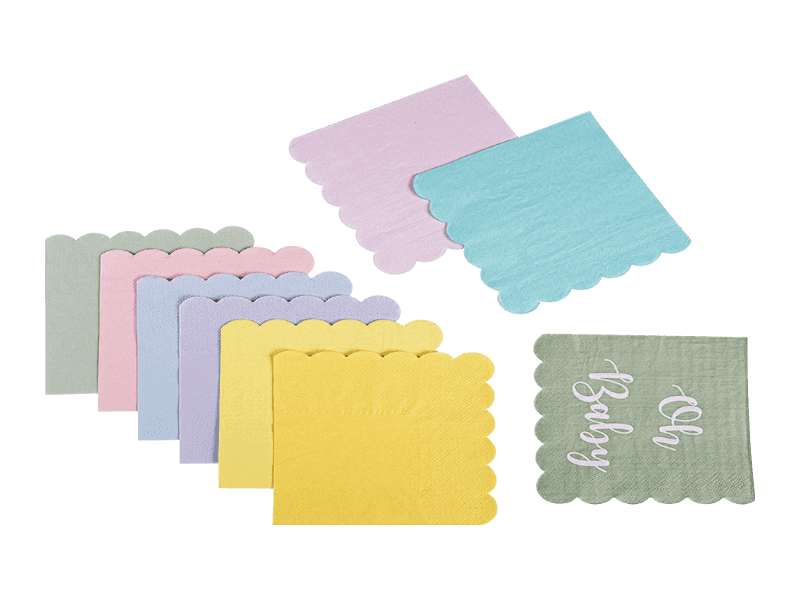 View moreCommon Shapes of Die-Cut Napkins: An Easy Beginner’s GuideIntroduction Napkins are more than just a functional item at a table setting; they can enhance the overall theme and aesthetic of an event. When it comes to adding a creative touch, die-cut napkins stand out. These napkins, crafted using precise die-cutting methods, come in a variety of shapes and styles, making them perfect for any occasion. In this beginner’s guide, we’ll explore the common shapes of die-cut napkins, their uses, and why they’re gaining popularity in the event planning industry. What Are Die-Cut Napkins? Die-cut napkins are paper or fabric napkins that have been shaped into unique designs using a die-cutting machine. The process involves pressing a sharp-edged die through the napkin material to create intricate shapes that can range from simple geometric forms to elaborate patterns. These napkins are often used for weddings, parties, corporate events, and any celebration that requires a special touch. One of the most common types of die-cut napkins are printed die-cut napkins in colors. These are not only shaped creatively but also come with printed designs that add extra flair to the occasion. Whether you’re looking for a napkin with a floral motif or a festive pattern, die-cut napkins can be tailored to fit your theme. Common Shapes of Die-Cut Napkins Die-cut napkins come in various shapes, depending on the type of event and the desired aesthetic. Here are some of the most popular shapes of die-cut napkins: Square and Rectangular Die-Cut NapkinsThough square and rectangular shapes are traditional, they can be customized with intricate die-cut edges that add an element of surprise. These napkins are perfect for more formal events like corporate gatherings or weddings. Circle-Shaped Die-Cut NapkinsCircle-shaped napkins are a classic choice and can be designed with decorative edges. Often used for birthdays or casual events, these napkins can be printed in vibrant colors to match the theme of the event. Floral Die-Cut NapkinsFloral shapes are a favorite for spring and summer events. These napkins feature cut-out floral patterns that can add a romantic and whimsical touch to any occasion. Printed die-cut napkins in colors like pastel pink, lavender, and light yellow are popular choices for weddings and garden parties. Star and Heart-Shaped Die-Cut NapkinsIdeal for celebrations like New Year’s Eve, Christmas, or Valentine’s Day, star and heart-shaped napkins bring festive flair to the table. Printed die-cut napkins in colors such as red, gold, or silver complement these shapes, creating a cheerful atmosphere for your event. Custom-Shaped Die-Cut NapkinsFor unique events, custom die-cut napkins are the way to go. These can be shaped like anything from animals to seasonal objects. For example, a Halloween party might feature napkins cut into pumpkins or ghosts, while a baby shower could have napkins shaped like baby bottles or strollers. Benefits of Using Die-Cut Napkins Die-cut napkins are more than just a design choice. Here are some benefits that make them popular in the event planning industry: Customization: Die-cut napkins can be tailored to fit the theme of your event, ensuring that they complement the décor and add a personalized touch. Aesthetic Appeal: The intricate designs of die-cut napkins instantly elevate the visual appeal of your table setting. Whether it’s for a formal dinner or a casual gathering, they add a creative flair. Branding Opportunities: Printed die-cut napkins in colors allow businesses to add logos or messages, making them a great promotional tool for corporate events. Durability: Die-cut napkins are made from sturdy materials, ensuring they maintain their shape and integrity throughout the event. Convenience: While visually striking, die-cut napkins are still practical for cleaning up messes, offering both form and function. Factors to Consider When Choosing Die-Cut Napkins When selecting die-cut napkins for your event, several factors should influence your decision: Event Type: Consider the formality of the event. For example, floral or geometric designs may work best for casual or semi-formal events, while more intricate, custom shapes might be more suitable for themed parties or special celebrations. Material: Die-cut napkins come in various materials, including paper, linen, and cloth. Paper napkins are ideal for one-time use, while linen and cloth napkins can be reused, making them more eco-friendly. Color: The color of the napkin should complement the theme of your event. Printed die-cut napkins in colors like gold, silver, or vibrant hues can make a bold statement, while neutral tones can provide a more understated elegance. Table of Common Die-Cut Napkin Shapes and Their Uses Shape Common Uses Ideal Material Color Options Square/Rectangular Weddings, formal dinners, corporate events Paper, Linen White, Ivory, Black, Custom Circle Birthdays, casual gatherings, picnics Paper, Cloth Vibrant colors, Pastels Floral Spring/summer events, garden parties Paper, Linen Pastels, Floral Prints Star/Heart Holidays (Christmas, Valentine’s Day) Paper, Linen Red, Gold, Silver Custom Shapes Themed parties, celebrations Paper, Fabric Depends on Theme (e.g., pumpkins, animals) Conclusion Die-cut napkins are a versatile and aesthetically pleasing addition to any event, offering a range of shapes, designs, and colors that can match any theme. Whether you choose classic shapes like squares and circles, or go for something more playful and custom, printed die-cut napkins in colors will enhance the atmosphere and leave a lasting impression. These napkins are not just decorative items, but also functional and customizable, making them an excellent choice for event planners, businesses, and individuals alike. FAQ 1. What are die-cut napkins made from?Die-cut napkins are typically made from paper, linen, or cloth. The material chosen often depends on the event and whether the napkins are for one-time use or reusable. 2. Can die-cut napkins be customized?Yes, die-cut napkins can be customized in terms of shape, design, and color to match your event’s theme. They can also be printed with logos or special messages. 3. How are printed die-cut napkins different from regular napkins?Printed die-cut napkins have specific shapes and often feature printed designs, adding a unique touch compared to regular, plain napkins. They are perfect for themed events or special occasions. 4. What types of events are die-cut napkins ideal for?Die-cut napkins are perfect for weddings, parties, corporate events, and themed celebrations. They add elegance and creativity to any table setting. 5. Can die-cut napkins be used for branding purposes?Yes, businesses often use printed die-cut napkins in colors with their logo or promotional message for branding at events like trade shows, conferences, and corporate gatherings.2026-05-01+
 -
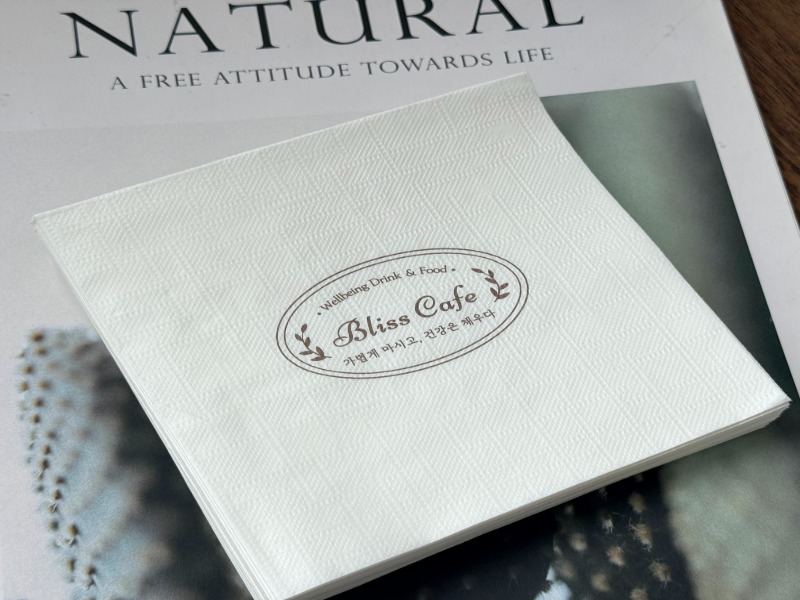 View moreCreative Ways to Use Paper Napkins: Beyond the Dinner TableIntroduction: The Versatility of Paper Napkins Paper napkins, though often overlooked, are integral to both everyday dining and special occasions. From their functional benefits to their aesthetic contributions, paper napkins offer a versatile and convenient solution for a wide range of applications. Practicality Meets Convenience: The Core Benefits of Paper Napkins At their core, paper napkins are an indispensable part of dining culture, providing unparalleled convenience. Unlike cloth napkins that require constant washing and maintenance, paper napkins offer a simple, disposable solution. Their convenience makes them a go-to choice for restaurants, households, and catering businesses alike. One of the standout features of disposable paper napkins is their role in promoting cleanliness and hygiene. Whether used to clean hands, wipe faces, or soak up spills, they ensure that diners stay tidy without the hassle of laundering. Additionally, paper napkins for restaurants and other commercial settings significantly streamline post-event cleanup, making them a staple in both casual gatherings and formal affairs. Their ability to combine cleanliness with convenience is unmatched, saving time and effort for both hosts and guests. Enhancing Table Settings with Style: The Design Versatility of Paper Napkins While the primary purpose of paper napkins is functional, they also serve as a powerful design tool. Available in a variety of colors, patterns, and textures, paper napkins can enhance the aesthetic of any table. Whether you are hosting a formal dinner or a casual gathering, choosing the right napkin design can complement the theme and atmosphere of the event. For instance, napkin folding techniques offer a simple yet effective way to elevate the table presentation. With a bit of creativity, paper napkins can be folded into intricate designs, adding sophistication and charm to the overall table setting. Whether you’re opting for a minimalist design or a bold, patterned napkin, there are endless possibilities to explore when designing your dining experience. Paper napkins for family gatherings can also add a personalized touch, with colors and patterns tailored to suit any occasion. Eco-Friendly Solutions: Sustainable Paper Napkins for the Environmentally Conscious As the world becomes more eco-conscious, paper napkins have evolved to align with sustainability efforts. Many manufacturers now produce eco-friendly paper napkins, made from recycled materials or sourced sustainably. These napkins help reduce waste and the environmental footprint associated with disposable products. Biodegradable paper napkins have gained popularity in recent years, offering a greener alternative to traditional options. Choosing eco-friendly paper napkins allows consumers to enjoy the convenience of disposable napkins while minimizing their environmental impact. By making conscious decisions about the products we use, such as opting for sustainable napkins, we can contribute to a more sustainable future. Creative Uses Beyond the Dining Table: Paper Napkins in Arts and Crafts Beyond their traditional role in dining, paper napkins offer a world of creative potential. Their lightweight, pliable texture makes them ideal for various arts and crafts projects. From decoupage and origami to napkin folding and collage, paper napkins for DIY projects are a favorite among crafters. Their vibrant colors and designs are perfect for enhancing greeting cards, decorating party favors, or creating seasonal ornaments. Additionally, paper napkins for home décor can be used to personalize or upcycle everyday items, making them a versatile tool for artistic expression. Whether used for a quick DIY project or a more intricate craft, paper napkins provide endless possibilities for creativity. Diverse Uses of Paper Napkins: More Than Just Dining Essentials Paper napkins have evolved far beyond their role in dining etiquette. Their versatility allows them to be used in a variety of settings, from household cleaning to personal care. In the realm of cleaning, paper napkins for cleaning spills are invaluable. Their absorbent nature makes them perfect for quickly soaking up liquids, whether in the kitchen, bathroom, or elsewhere. Additionally, paper napkins for personal care are great for blotting excess oil from skin, removing makeup, or even dabbing at perspiration during hot days. The convenience of disposable paper napkins ensures that hygiene and grooming routines can be maintained with ease, whether at home or on the go. Moreover, paper napkins for travel or outdoor activities are essential items for on-the-go cleaning needs. Their compact size and convenience make them ideal for carrying in lunchboxes, purses, or car glove compartments, allowing for quick cleanup in unexpected situations. Conclusion: The Endless Potential of Paper Napkins In conclusion, paper napkins are far more than simple dining accessories. From their functional benefits to their creative uses, they play an essential role in everyday life. Whether enhancing a table setting, promoting cleanliness, or inspiring creative projects, paper napkins offer unmatched versatility. Their eco-friendly options also ensure that convenience does not come at the expense of the environment. As we continue to embrace sustainable and convenient solutions, paper napkins for restaurants, homes, and DIY projects remain indispensable in making life easier, cleaner, and more creative. FAQ 1. Why should I choose eco-friendly paper napkins?Eco-friendly paper napkins help reduce your environmental impact by using recycled materials or biodegradable substances. This choice aligns with sustainable living practices and helps minimize waste. 2. Can I use paper napkins for more than just dining?Yes! Paper napkins are versatile and can be used for arts and crafts, cleaning spills, personal care, and more. Their lightweight and absorbent properties make them ideal for a variety of uses. 3. What are the best napkin folding techniques for table settings?There are numerous folding techniques that can enhance your table presentation, from simple folds to more intricate designs. Experiment with styles like the fan fold or pocket fold to add sophistication to any meal. 4. Are biodegradable paper napkins better for the environment?Yes, biodegradable paper napkins are a sustainable choice, as they break down naturally without harming the environment. They are an excellent alternative to traditional napkins made from non-renewable resources. 5. How do paper napkins help in daily hygiene?Paper napkins are useful for quick cleanups, such as wiping hands, blotting oil, or even cleaning up spills. Their disposable nature ensures you can maintain cleanliness without the hassle of laundry.2026-04-24+
Message Us Right Now!

Address: Tianyuan Road 18, Baishuiwan Industry Park, Tianhuangping Town,
Anji County,Zhejiang Province
- Contact
-
+86-18205820793lydia@shuangjiepaper.comPhone
- Get Connected

