
 English
  Español


The Complete Guide To Airlaid Napkins
Content
- 1 Understanding Airlaid Napkins: The Modern Choice for Sophisticated Events
- 2 The Science Behind Airlaid Napkin Technology
- 3 Strategic Applications Across Event Types
- 4 Comparative Analysis: Why Airlaid Outperforms Alternatives
- 5 Sizing Options and Strategic Selection
- 6 Strategic Selection Criteria for Your Specific Needs
- 7 Comprehensive Benefits of Adopting Airlaid Napkins
- 8 Frequently Asked Questions
- 8.0.1 Q1: How do airlaid napkins maintain strength when completely wet?
- 8.0.2 Q2: Are airlaid napkins environmentally responsible compared to cloth alternatives?
- 8.0.3 Q3: What size napkins should I select for different service types?
- 8.0.4 Q4: How do airlaid napkins compare to standard paper napkins in overall performance?
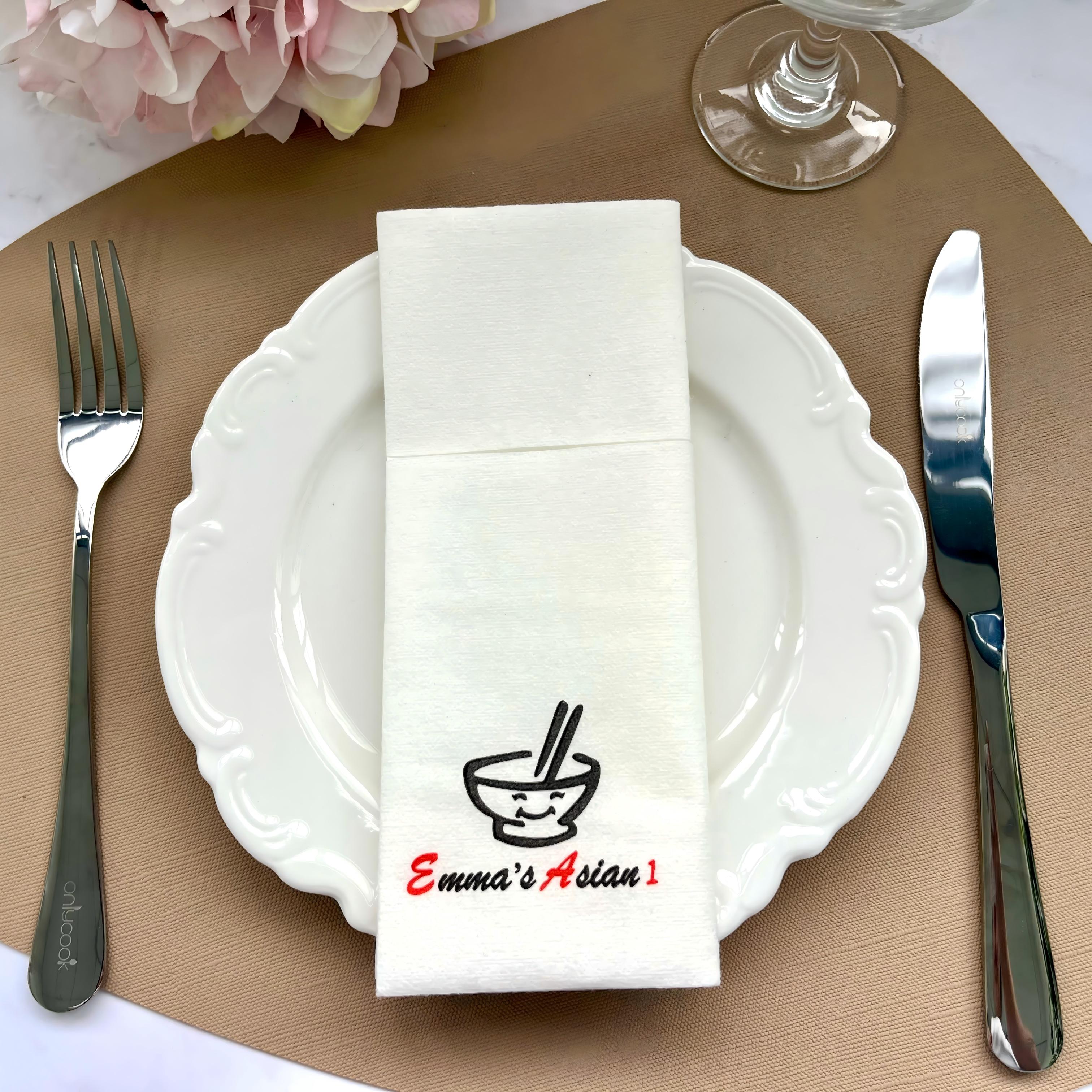
- 8.0.5 Q5: Can I customize airlaid napkins for branded or themed events?
- 8.0.6 Q6: How should I calculate appropriate napkin quantities for my establishment?
Understanding Airlaid Napkins: The Modern Choice for Sophisticated Events
In the world of event catering and hospitality, the choice of table linens speaks volumes about your attention to detail and commitment to quality. Airlaid napkins have emerged as the gold standard for establishments that refuse to compromise between convenience and elegance. These innovative linen-like disposable napkins deliver the sophisticated appearance of traditional cloth while offering the practical advantages of disposable products.
The evolution of napkin technology has been remarkable over the past two decades. What once forced event planners to choose between authentic luxury and practical efficiency is now a false choice entirely. Modern airlaid technology bridges this gap seamlessly, creating products that perform at the highest level while addressing real-world logistical challenges.
The Science Behind Airlaid Napkin Technology
What Makes Airlaid Napkins Different
Airlaid napkins are manufactured using a proprietary process that distinguishes them fundamentally from traditional paper napkins and standard disposables. The production method involves air-laying fibers rather than traditional wet-pulping techniques, which creates a material with superior structural integrity and aesthetic properties.
The result is a napkin that combines three essential qualities: premium appearance, exceptional absorbency, and remarkable strength. When you hold an airlaid napkin, you immediately notice the difference. The fabric-like texture closely mimics linen, yet the material delivers performance characteristics that exceed many traditional cloth options.
Core Advantages of the Airlaid Process
- Enhanced fiber bonding creates superior strength when wet, preventing tearing during use
- Air-layered construction produces a naturally soft, luxurious texture without chemical softeners
- Superior absorbency capacity manages spills and liquid effectively across large surface areas
- Consistent thickness throughout the material eliminates weak points
- Natural drape and fold characteristics that enhance table presentation
Strategic Applications Across Event Types
Premium Dining and Fine Dining Restaurants
Fine dining establishments have particular requirements that extend beyond basic napkin functionality. The dining experience itself is the product, and every element contributes to customer perception and satisfaction. Premium disposable napkins enable restaurants to deliver consistently exceptional service while managing operational costs effectively.
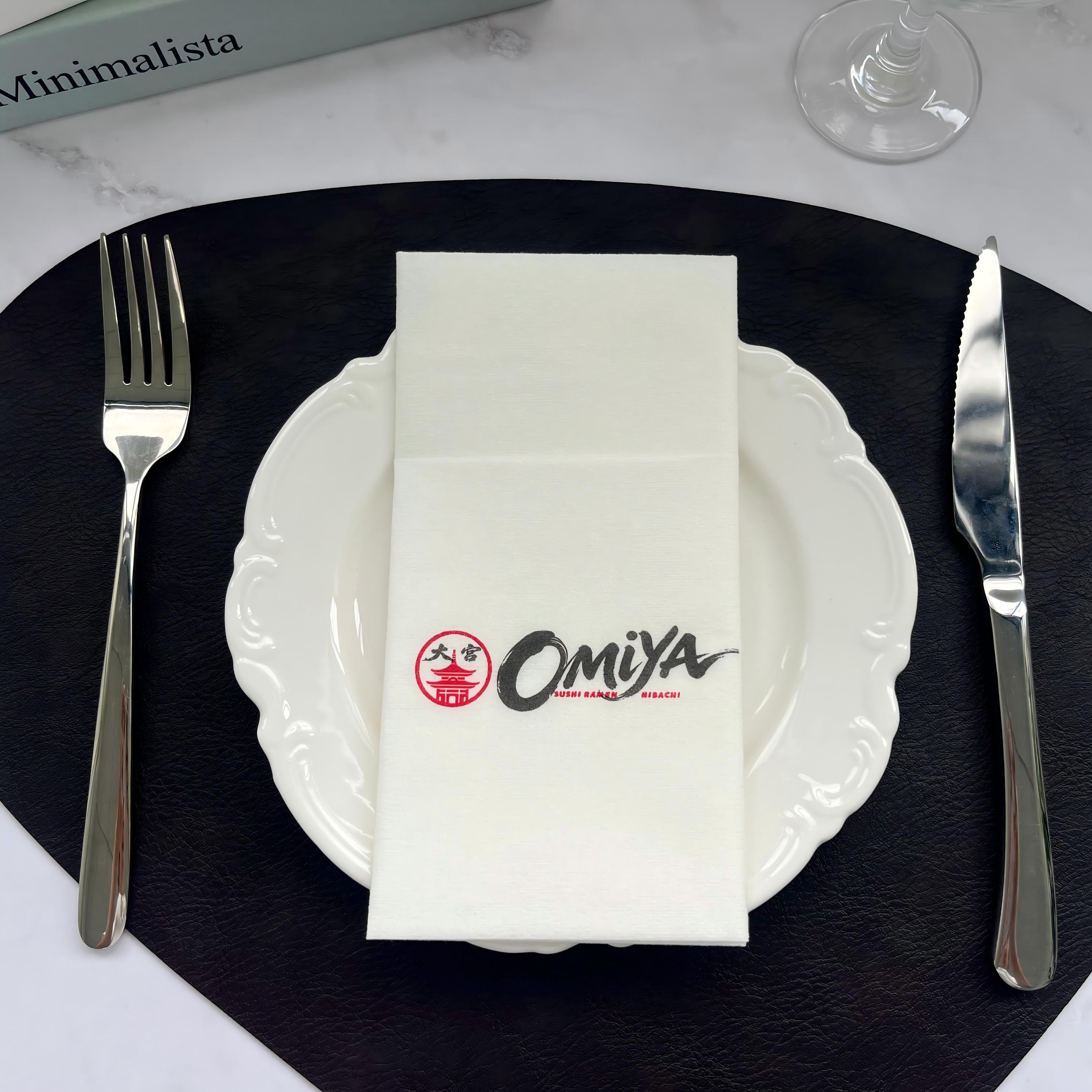
Dinner-size airlaid napkins provide adequate coverage and absorptive capacity for extended courses, while their cloth-like appearance maintains the refined atmosphere essential to fine dining. The napkins perform reliably when folded into sophisticated presentations, holding creases and maintaining visual appeal throughout the meal.
High-Profile Corporate and Gala Events
Corporate events demand visual sophistication and flawless execution. Whether hosting client appreciation dinners, annual galas, or executive conferences, the presentation details matter significantly. Disposable napkins for catering events allow event planners to maintain control over presentation while eliminating the substantial costs and logistical complexities associated with linen rental services.
For corporate settings, consistency is paramount. Every attendee expects the same level of quality and presentation. Airlaid napkins deliver uniform appearance and performance across every place setting, eliminating the variable quality issues that sometimes occur with rented linens.
Wedding and Celebratory Occasions
Weddings represent the ultimate expression of attention to detail. Couples invest considerable thought into every element of their celebration, and table linens factor prominently into the overall aesthetic vision. Airlaid napkins for weddings offer a practical solution that doesn't require sacrificing visual impact or sophistication.
The ability to customize napkins through color selection and sizing options allows coordination with overall design schemes. Cocktail napkins work perfectly for reception areas and bar service, while dinner napkins maintain elegance during seated meals. The consistent quality ensures that months of planning translate into flawless execution.
Catering Operations and Buffet Service
Buffet-style events present unique challenges for napkin selection. Guests move freely, interact with food stations, and may use napkins multiple times throughout the event. Luncheon napkins for buffets require durability, adequate size for practical use, and sufficient absorbency for common buffet situations.
Airlaid napkins excel in these conditions because their strength when wet prevents embarrassing failures during extended use. The generous size accommodates practical needs while the premium appearance maintains the event's visual standards despite the informal service style.
Hospitality and Foodservice Venues
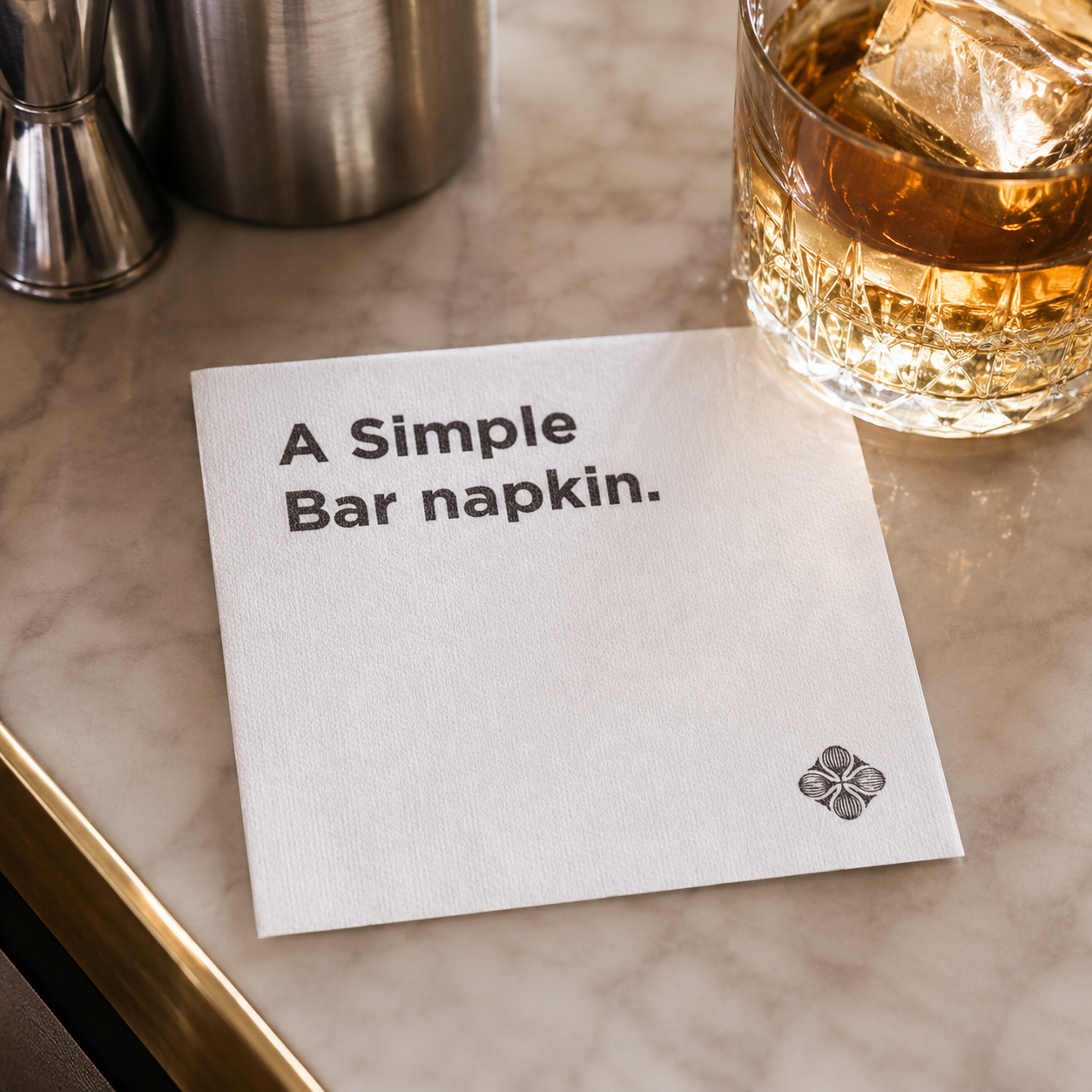
Bars, lounges, cafes, and casual dining establishments benefit significantly from airlaid technology. Cocktail napkins for bars serve multiple functions—they protect surfaces from condensation, provide hand-cleaning capacity, and contribute to overall venue ambiance. The cloth-like appearance elevates the customer experience compared to traditional paper napkins.
Hotels and upscale hospitality venues use airlaid napkins across various service settings, from restaurant dining to banquet functions to casual lounge service. This versatility across different operational contexts makes airlaid napkins a practical standardization choice for multi-purpose facilities.
Comparative Analysis: Why Airlaid Outperforms Alternatives
Airlaid Versus Traditional Paper Napkins
Traditional paper napkins, despite decades of optimization, have fundamental limitations in absorbency and structural integrity. The wet-pulp manufacturing process creates a product that, while functional for basic use, lacks the refinement expected in quality-conscious settings.
| Characteristic | Standard Paper Napkins | Airlaid Napkins |
|---|---|---|
| Wet Strength | Minimal | Exceptional |
| Visual Appearance | Basic Paper Look | Premium Linen-Like |
| Absorbency Capacity | Standard | Superior |
| Durability When Wet | Poor | Strong |
| Presentation Quality | Adequate | Premium |
Airlaid Versus Traditional Cloth Linens
Cloth napkins represent the traditional standard for formal service, yet they introduce significant operational complexities. The laundry process, quality variability, and staining issues create hidden costs that extend far beyond the per-unit expense.
Establishments relying on cloth linens must manage inventory systems, coordinate with laundry services, maintain contingency stock for damage, and manage storage space. Variable color and appearance across multiple washing cycles creates subtle but noticeable inconsistencies in table presentation. Staining—whether from wine, lipstick, or food—creates inventory shrinkage and replacement expenses.
Airlaid napkins eliminate these operational headaches while maintaining the visual sophistication that cloth linens provide. Every napkin appears identical, performs consistently, and requires no complex logistics management beyond standard purchasing and inventory rotation.
Performance When Wet: The Critical Difference
One specific performance metric separates airlaid napkins from inferior alternatives: structural integrity when saturated. This seemingly technical detail has profound practical implications across diverse use scenarios.
A napkin that disintegrates when wet fails its fundamental purpose. Guests experience embarrassing moments when napkins tear during use, creating negative impressions that overshadow other positive elements of the experience. Professional establishments cannot accept this risk.
Airlaid napkins maintain full strength when completely saturated, a characteristic driven by the air-layering manufacturing process. The fiber bonding creates a network that resists separation even under significant moisture stress. This performance characteristic justifies the premium investment in airlaid technology.
Sizing Options and Strategic Selection
Understanding Napkin Sizing Standards
Napkin sizing follows industry conventions that address specific service contexts. Understanding these standards enables informed decisions that balance aesthetic considerations with practical functionality.
Cocktail Size Napkins
Cocktail napkins, typically measuring 9 by 9 inches or slightly smaller, serve specific functions in bar and reception settings. Cocktail napkins for bars protect surfaces from condensation while providing guests with hand-cleaning and lip-wiping capacity. The smaller size enables efficient placement at high-top tables and bar counters while maintaining visual sophistication.
The smaller format doesn't compromise absorbency capacity in proportion to typical use patterns in cocktail service. Guests rarely use a single napkin for extended engagement; instead, they employ napkins for momentary need satisfaction, making the compact size ideal.
Luncheon Size Napkins
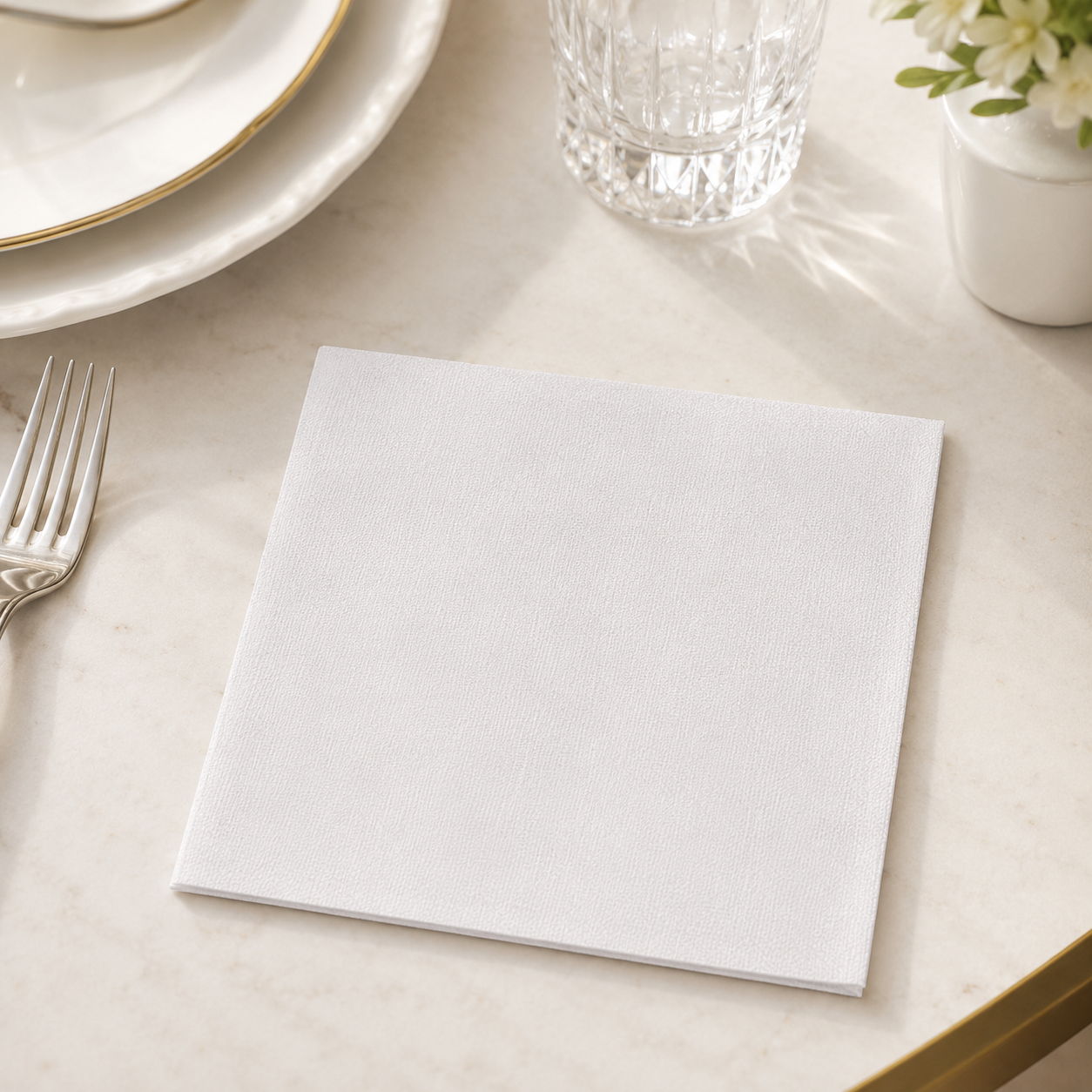
Luncheon napkins, measuring approximately 13 by 13 inches, serve lunch service, buffet scenarios, and casual dining environments. This size balances adequate coverage with practical handling and storage efficiency.
Luncheon napkins for buffets provide sufficient size for diverse use patterns—protecting clothing during buffet navigation, handling hot or messy foods, and managing various spill scenarios common in self-service settings. The moderate size prevents excessive bulk while ensuring adequate functionality.
Dinner Size Napkins
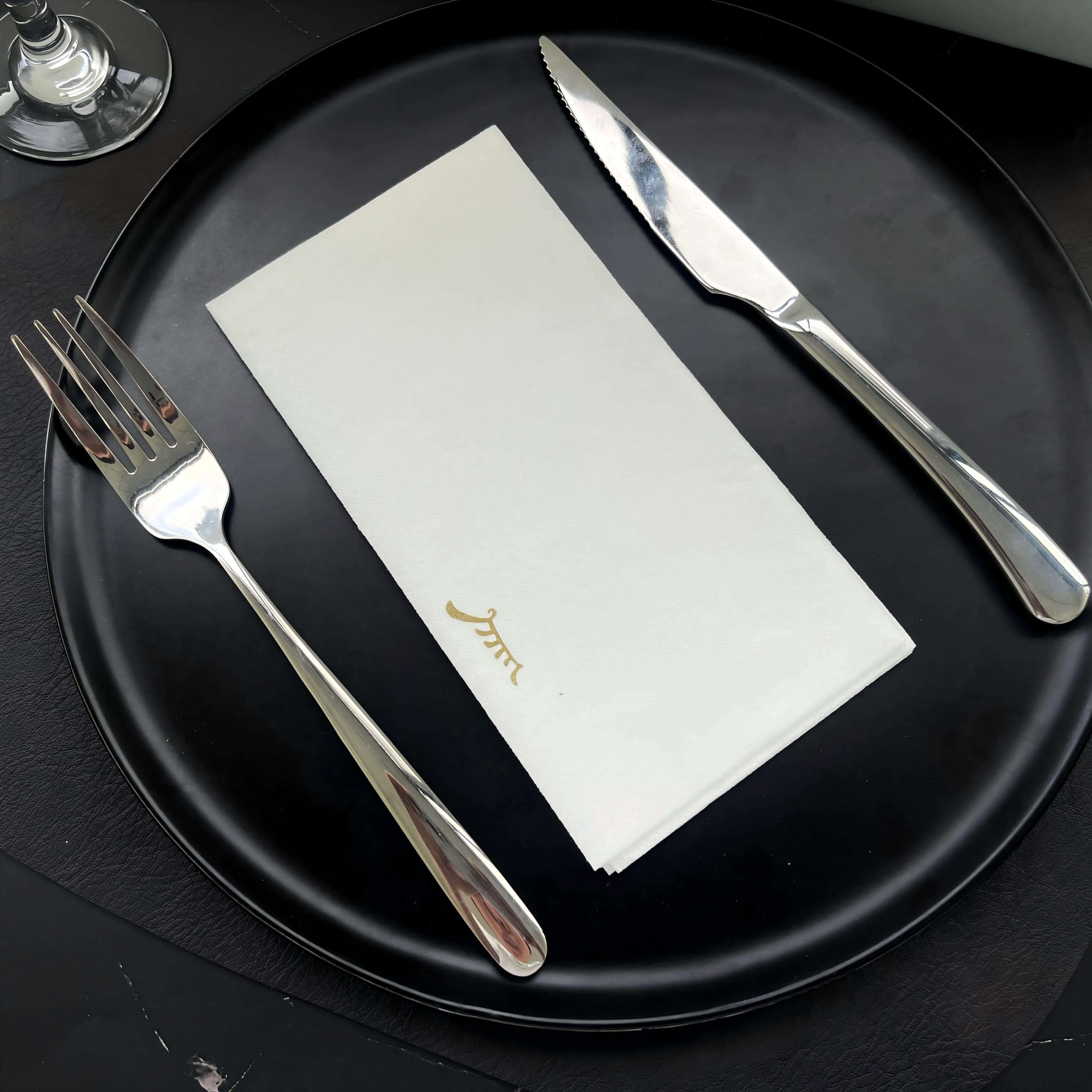
Dinner-size napkins, typically measuring 17 by 17 inches when folded or larger when unfolded, provide premium presentation for formal dining. Dinner size airlaid napkins deliver the coverage and absorptive capacity essential for extended multi-course meals where multiple uses occur during a single service.
The generous dimensions enable sophisticated folding presentations that enhance table aesthetics. Guests appreciate the premium feel of larger napkins, which subconsciously signals quality and attention to detail. The visual impact of a properly folded dinner napkin positioned at each place setting contributes significantly to overall table ambiance.
Strategic Selection Criteria for Your Specific Needs
Assessing Your Service Environment
Different operational contexts impose different requirements on napkin selection. A thoughtful assessment of your specific circumstances ensures optimal results.
Service Style Considerations
- Formal seated dining demands larger napkins with premium presentation potential and extended absorbency capacity
- Buffet and self-service environments require moderate sizing with exceptional wet strength
- Bar and cocktail service benefits from smaller napkins positioned strategically throughout venues
- Multi-course or extended dining experiences require larger napkins capable of sustained performance across multiple uses
Guest Expectations and Market Positioning
Your establishment's market positioning directly influences napkin selection appropriateness. A casual family restaurant operates in a completely different context than an upscale fine dining venue, yet both serve their respective markets effectively with appropriate choices.
Consider what your guests expect based on their experience elsewhere in your establishment. If your venue positions itself as premium, the napkin selection must reinforce that positioning. Conversely, if your establishment serves casual dining markets, the choices should reflect operational realities while maintaining basic quality standards.
Quantity Planning and Storage
Airlaid napkins occupy minimal storage space compared to cloth linens, yet planning appropriate quantities prevents disruptions. Most establishments calculate based on the highest anticipated concurrent occupancy multiplied by typical napkin consumption patterns, then add contingency stock.
For casual service environments, consumption runs approximately 2-3 napkins per guest per visit. For formal dining with multiple courses, consumption can reach 4-6 napkins per guest. These calculations enable accurate purchasing that prevents both stockouts and excessive inventory accumulation.
Comprehensive Benefits of Adopting Airlaid Napkins
Operational Efficiency Advantages
The transition to airlaid napkins streamlines operational processes across multiple dimensions. Unlike cloth linens requiring laundry coordination, airlaid napkins follow simple inventory management protocols—order stock, store appropriately, use, and dispose.
This simplified logistics eliminates coordination with external laundry services, removes the need for contingency inventory to manage damaged linens, and eliminates color variability issues that create inconsistent presentations across service settings.
Cost Structure Realities
While airlaid napkins represent a higher per-unit cost than basic paper napkins, the total cost of ownership actually favors airlaid when accounting for hidden expenses associated with alternatives. Cloth napkin programs require laundry services, replacement inventory for damaged linens, specialized storage facilities, and staffing time for linen management.
Standard paper napkins appear economical on initial assessment, yet their inferior performance and presentation impact generate hidden costs—customer dissatisfaction, damaged materials, excessive consumption, and positioning damage in quality-conscious markets.
Sustainability Considerations
Modern production facilities have optimized airlaid napkin manufacturing for environmental responsibility. The materials are predominantly recyclable, and the manufacturing process has become increasingly efficient. Compared to cloth napkins requiring repeated washing with associated water, energy, and chemical consumption, airlaid napkins present a competitive sustainability profile.
Flexibility and Customization Options
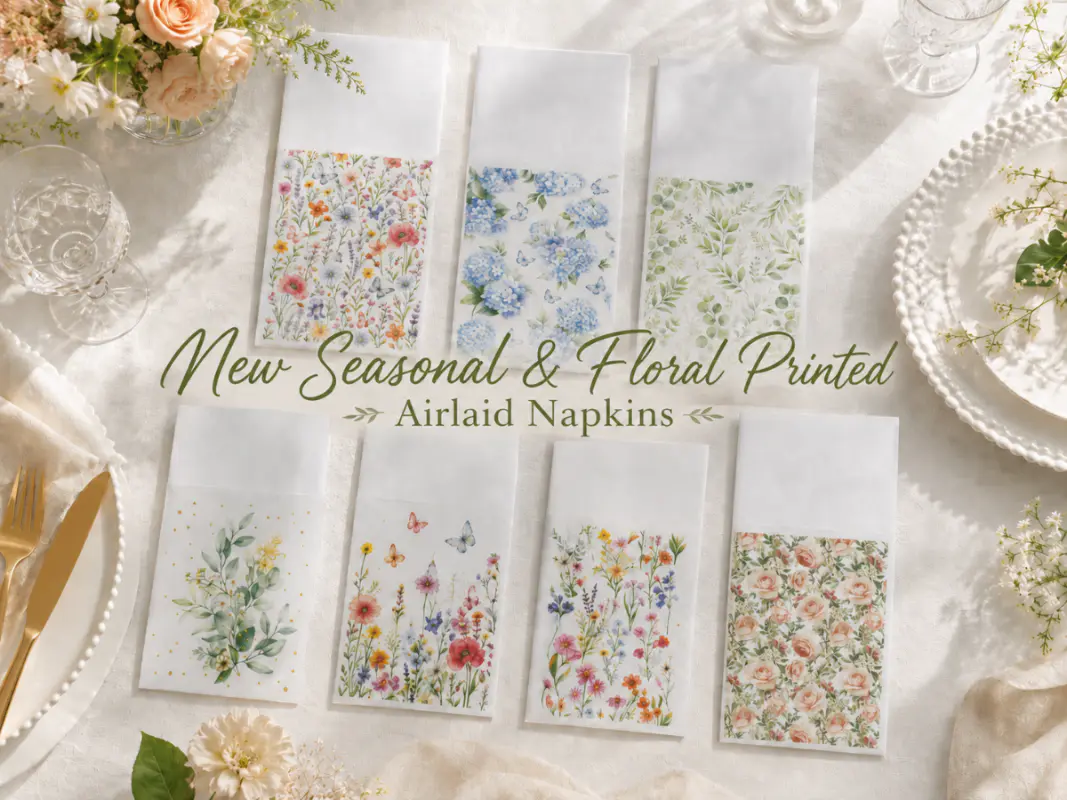
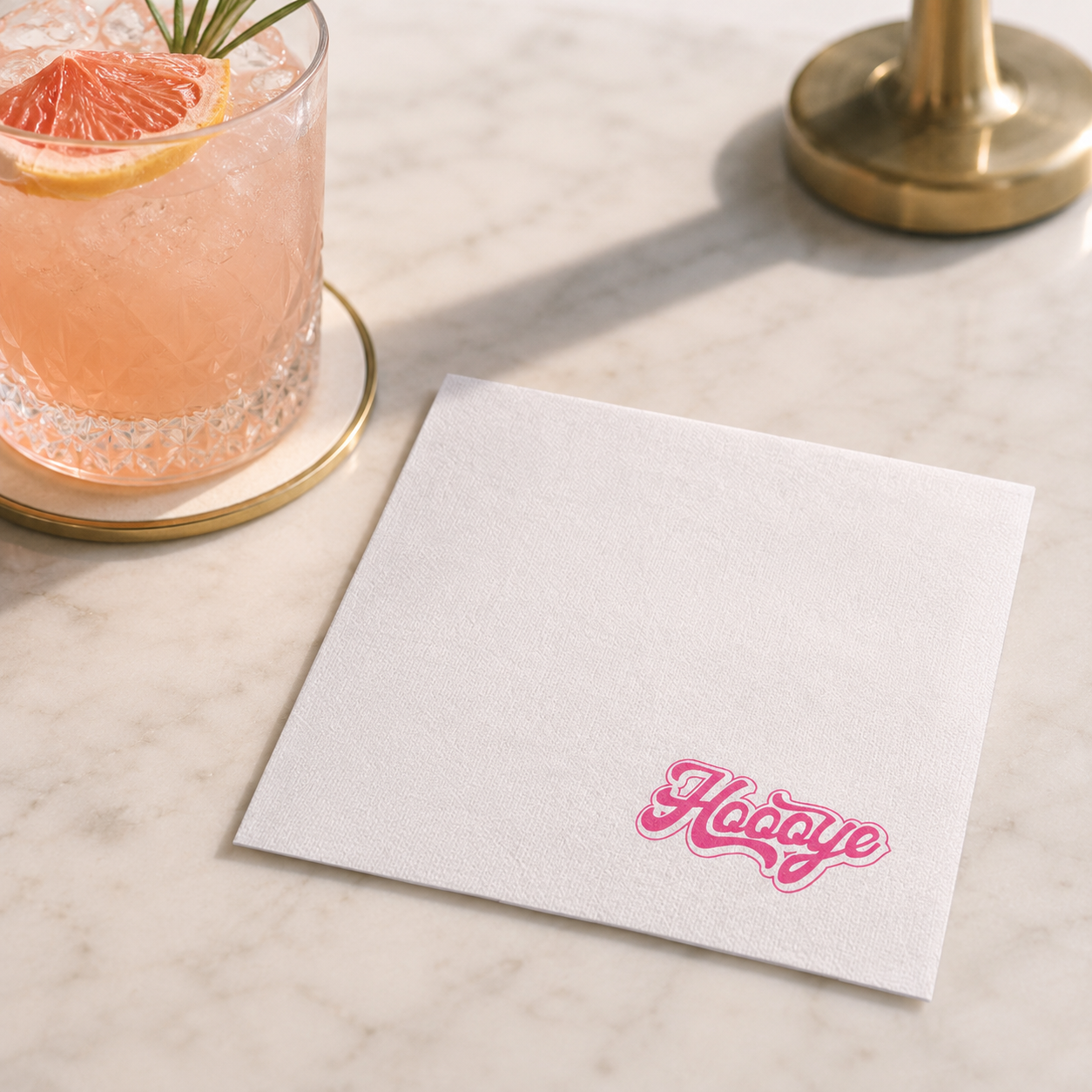
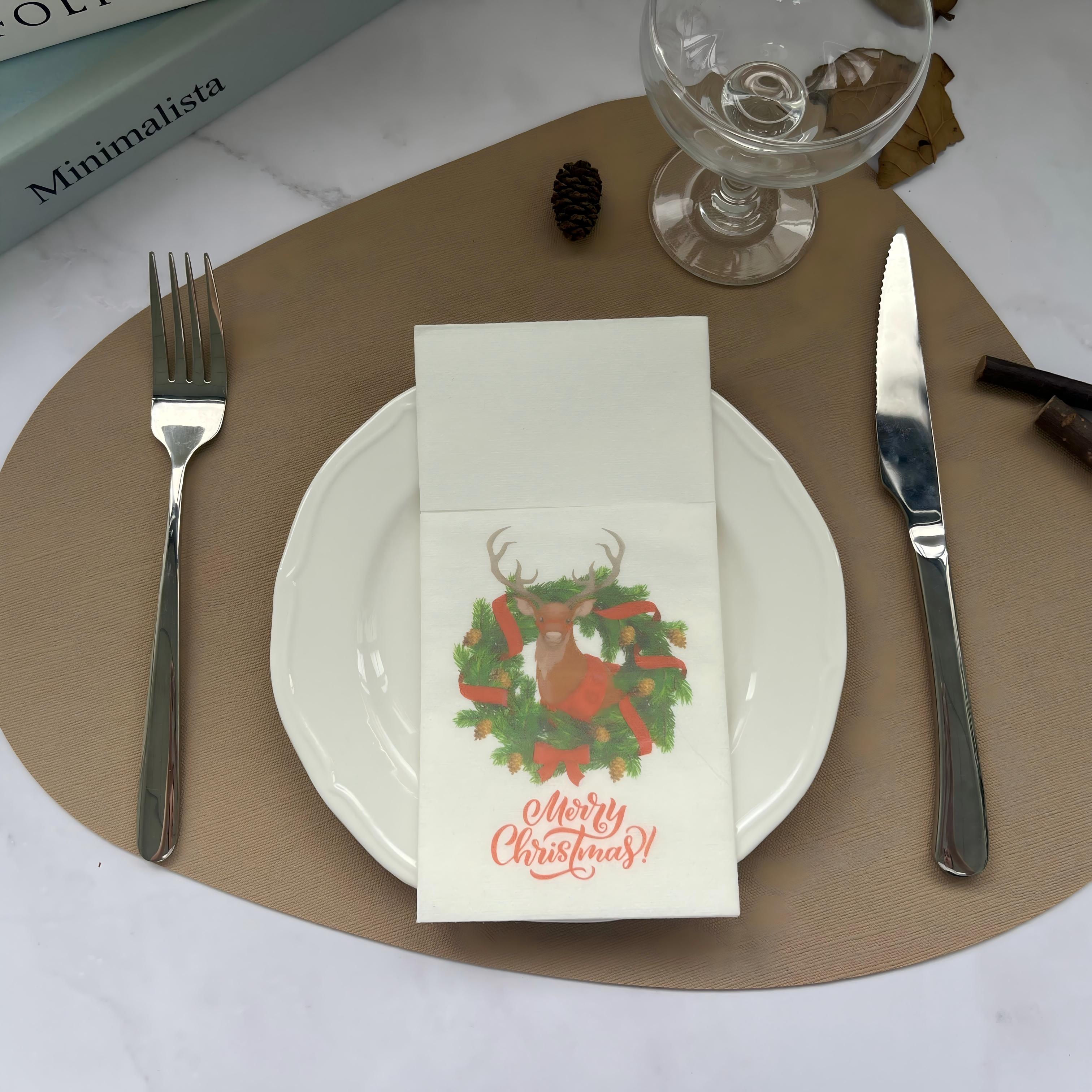
Airlaid napkins can be color-customized to coordinate with specific event themes, restaurant branding, or seasonal presentations. This flexibility enables establishments to enhance visual consistency across service environments or create special presentations for specific events.
Customization options extend to sizing flexibility—establishments can maintain multiple sizes as needed without the complexity that cloth napkin inventory creates. A restaurant might use cocktail napkins for bar service, luncheon napkins for casual dining, and dinner napkins for fine dining service, all stored in minimal space.
Frequently Asked Questions
Q1: How do airlaid napkins maintain strength when completely wet?
The air-layering manufacturing process creates a fiber network with superior bonding compared to traditional wet-pulp napkins. This bonding structure resists separation even under significant moisture stress, a characteristic that becomes apparent during extended use or complete saturation scenarios. The manufacturing technique fundamentally addresses the weakness that limits traditional paper napkins—their tendency to disintegrate when wet.
Q2: Are airlaid napkins environmentally responsible compared to cloth alternatives?
Modern airlaid napkin manufacturing emphasizes recyclability and process efficiency. When comparing full lifecycle environmental impact, the calculation becomes complex—airlaid napkins require single-use disposal, while cloth napkins demand repeated energy-intensive washing processes. Contemporary production methods have substantially reduced environmental impact, making airlaid napkins a competitive sustainability choice, particularly when considering water usage associated with cloth napkin laundry services.
Q3: What size napkins should I select for different service types?
Service type dictates appropriate sizing: cocktail napkins work well for bar and reception settings; luncheon napkins suit casual dining and buffet service; dinner napkins enhance formal dining presentations and multi-course experiences. Select based on anticipated use patterns, coverage requirements, and the experience level you want to communicate through table presentation details.
Q4: How do airlaid napkins compare to standard paper napkins in overall performance?
The comparison across multiple performance dimensions strongly favors airlaid napkins. Superior wet strength prevents embarrassing tearing during use, the linen-like appearance elevates presentation quality, exceptional absorbency handles diverse scenarios effectively, and consistent manufacturing ensures uniform performance across every napkin. These performance advantages justify the premium investment for quality-conscious establishments.
Q5: Can I customize airlaid napkins for branded or themed events?
Yes, many manufacturers offer color customization and sizing options for airlaid napkins. This flexibility enables establishments to coordinate napkins with specific event themes, restaurant branding, or seasonal presentations. Customization options provide creative opportunities for differentiation while maintaining operational simplicity compared to specialized linen services.
Q6: How should I calculate appropriate napkin quantities for my establishment?
Start with your highest anticipated concurrent occupancy and multiply by typical per-guest consumption rates—approximately 2-3 napkins for casual service or 4-6 napkins for formal multi-course dining. Add contingency stock of approximately 20 percent to accommodate higher-than-anticipated consumption and prevent stockouts. This calculation method prevents both inadequate inventory and excessive overstock situations.


- Contact
-
+86-18205820793lydia@shuangjiepaper.comPhone
- Get Connected

