
 English
  Español


How Can You Personalize Cocktail Napkins for Weddings and Corporate Events?
Content
- 1 Understanding the Power of Personalized Cocktail Napkins
- 2 Design Strategies for Maximum Impact
- 3 Customization Techniques and Production Methods
- 4 Tailored Approaches for Different Event Types
- 5 Material Quality and Its Impact on Personalization
- 6 Budget Optimization Without Compromising Quality
- 7 The Design Development Process
- 8 Practical Implementation Strategies
- 9 Contemporary Design Trends and Inspiration
- 10 Sourcing Quality Custom Paper Napkins
- 11 Comparing In-House Customization vs. Professional Production
- 12 Frequently Asked Questions
- 12.0.1 Q1: What is the minimum order quantity for personalized cocktail napkins?
- 12.0.2 Q2: How far in advance should I order custom napkins for my event?
- 12.0.3 Q3: Can napkin designs include photographs or complex images?
- 12.0.4 Q4: What file format should I provide to the manufacturer?
- 12.0.5 Q5: Are eco-friendly napkin options available for custom printing?
- 12.0.6 Q6: How do I ensure color accuracy in printed napkins?
- 12.0.7 Q7: Can I order different napkin designs for different parts of my event?
- 12.0.8 Q8: What should I do if I'm unsatisfied with the final napkin quality?
- 12.0.9 Q9: How should I store custom napkins before my event?
- 12.0.10 Q10: What is the typical cost range for personalized cocktail napkins?
Understanding the Power of Personalized Cocktail Napkins
Cocktail napkins have evolved beyond simple functional items into powerful branding and aesthetic tools for modern events. Whether you're planning an intimate wedding reception or a large corporate gathering, personalized paper napkins serve as subtle yet impactful touchpoints that guests interact with repeatedly throughout the event. These small details create memorable moments and reinforce your event's theme, making them an essential element of comprehensive event planning.
The strategic use of personalized napkins extends far beyond decoration. They act as conversation starters, reinforce brand identity, and provide practical value to guests. In today's competitive event landscape, attention to detail distinguishes exceptional experiences from ordinary ones.
Design Strategies for Maximum Impact
Creating an effective personalized cocktail napkin design requires understanding the balance between visual impact and practical functionality. The design process begins with clear objectives: Are you building brand awareness, celebrating a milestone, or creating an elegant atmosphere?
Essential Design Elements to Consider
- Color psychology and brand consistency alignment
- Typography that remains legible at small scale
- Logo placement that doesn't compromise functionality
- Negative space to prevent overwhelming the design
- High-resolution graphics that maintain quality when printed
- Contrast ratios ensuring visibility on colored napkins
The most effective napkin designs incorporate a focal point—typically a logo, initials, or central graphic—surrounded by complementary secondary elements. This hierarchy prevents visual clutter while ensuring the primary message communicates instantly.
Color Selection and Material Interaction
The relationship between napkin material and ink color directly impacts design visibility. White, cream, and pastel-colored napkins provide maximum contrast for bold designs, while darker napkins demand brighter ink colors or metallic finishes to achieve visual prominence. Consider how your chosen colors interact with lighting conditions at your venue, as overhead lighting can significantly alter color perception.
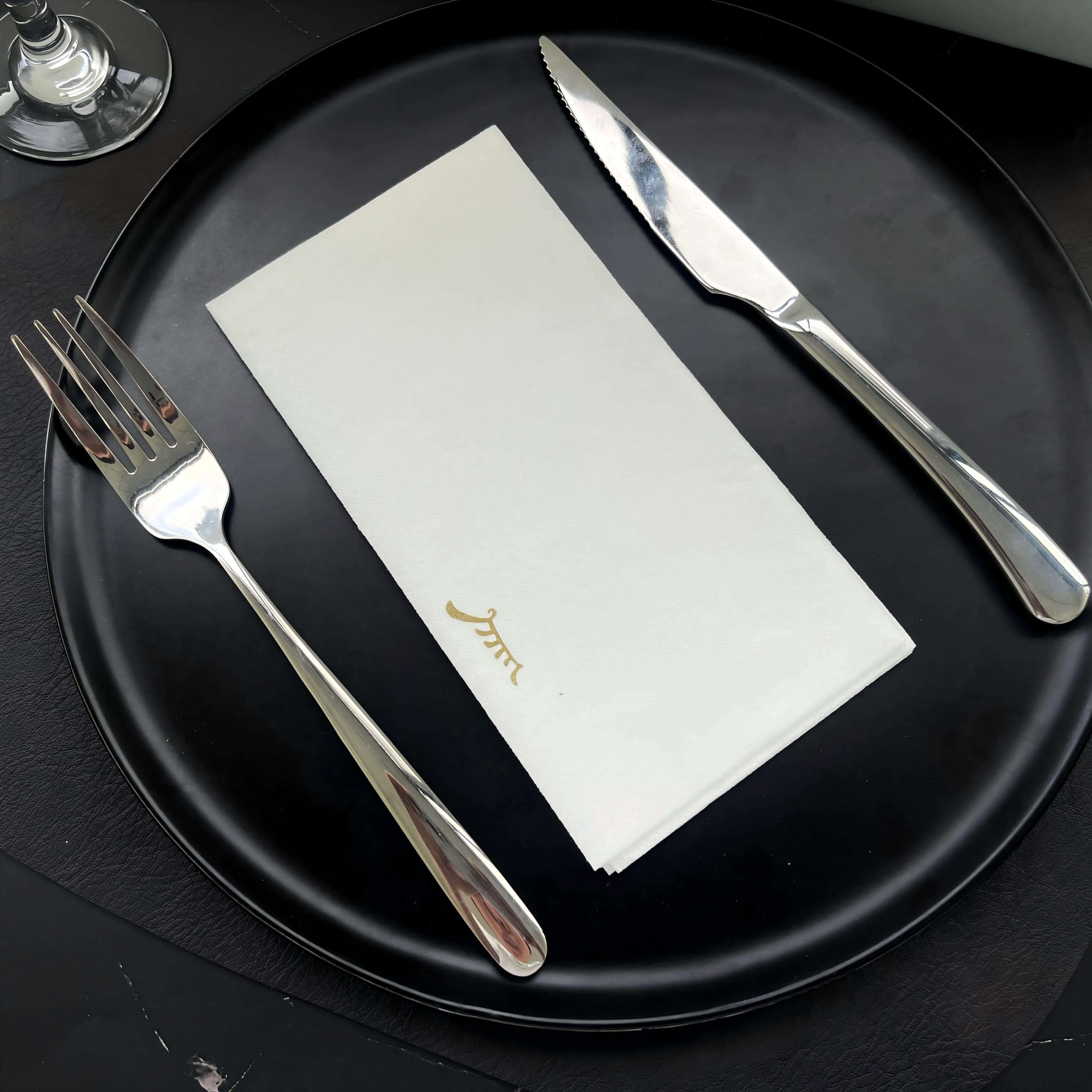
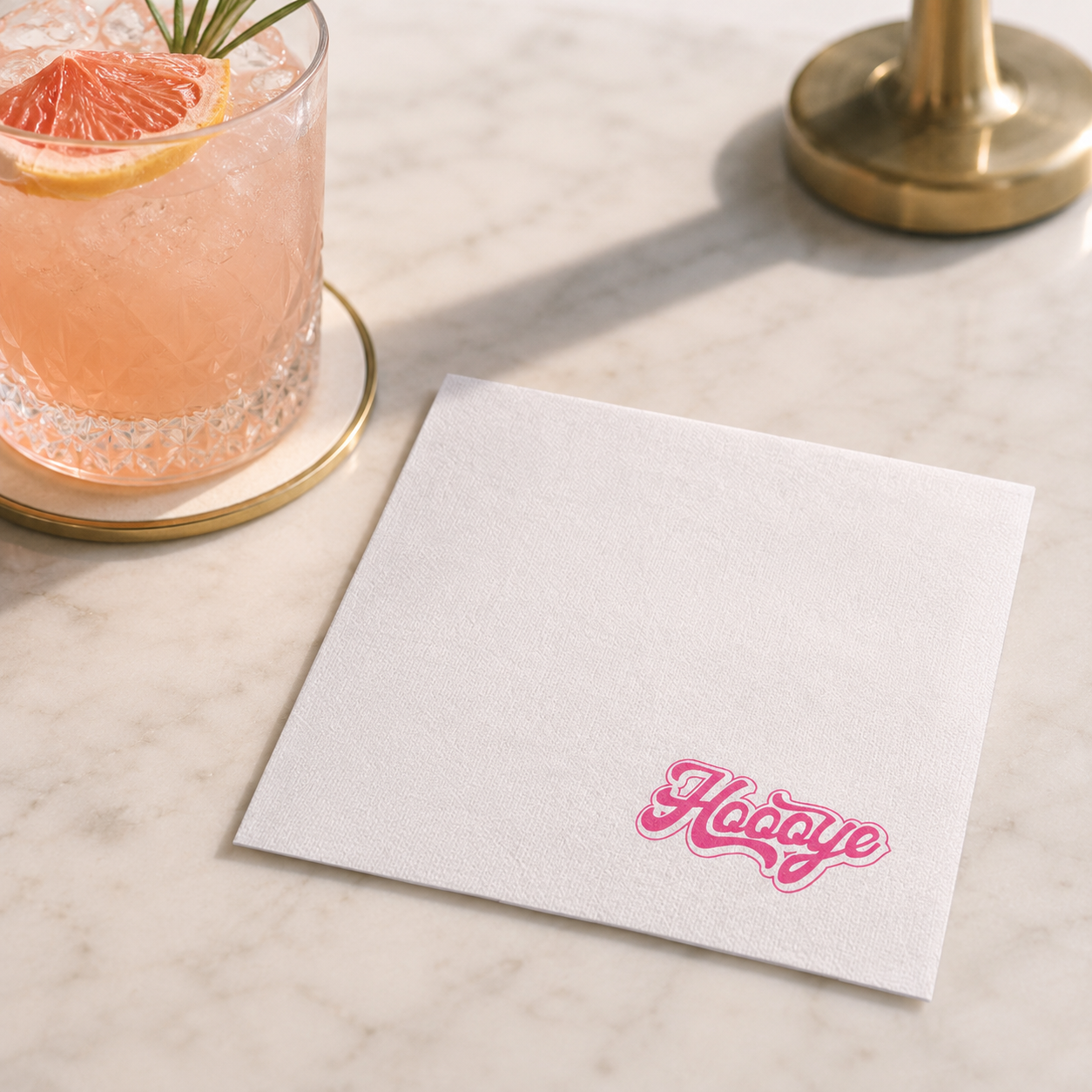
For sophisticated events, consider single-color designs using metallic gold, silver, or rose gold inks on white or kraft-colored napkins. These combinations project elegance without overwhelming the aesthetic space. In contrast, corporate events often benefit from full-color designs that prominently feature company logos and brand colors.
Customization Techniques and Production Methods
Digital Printing vs. Traditional Methods
Modern napkin personalization employs several production techniques, each offering distinct advantages. Digital printing technology enables precise color reproduction, complex multi-color designs, and cost-effective production runs of any size. This method works exceptionally well for designs featuring photography, intricate graphics, or gradient effects.
Traditional flexographic and offset printing remain popular for large volume orders where unit costs become important considerations. These methods deliver vibrant, durable colors and are particularly effective for simpler designs with bold blocks of color.
Special Finishing Touches
Beyond standard printing, several enhancement options elevate personalized paper napkins to premium status:
- Embossing creates tactile dimension, adding sophistication and perceived value
- Foil stamping with metallic finishes produces luxurious shimmer effects
- Thermochromic inks reveal hidden messages when napkins become warm
- Raised printing techniques create dimensional surface interest
- Edge banding with contrasting colors frames the napkin edges
- Scalloped or die-cut edges add decorative appeal beyond standard rectangular shapes
The selection of finishing techniques should align with your event's tone. Formal weddings benefit from subtle embossing or foil stamping, while casual corporate events might embrace playful die-cut shapes or full-color photographic designs.
Tailored Approaches for Different Event Types
Wedding Celebrations
Wedding napkins carry special significance as they commemorate a milestone moment. Personalization should reflect the couple's personality while maintaining the overall aesthetic direction established by invitations, signage, and décor. Popular wedding napkin designs include:
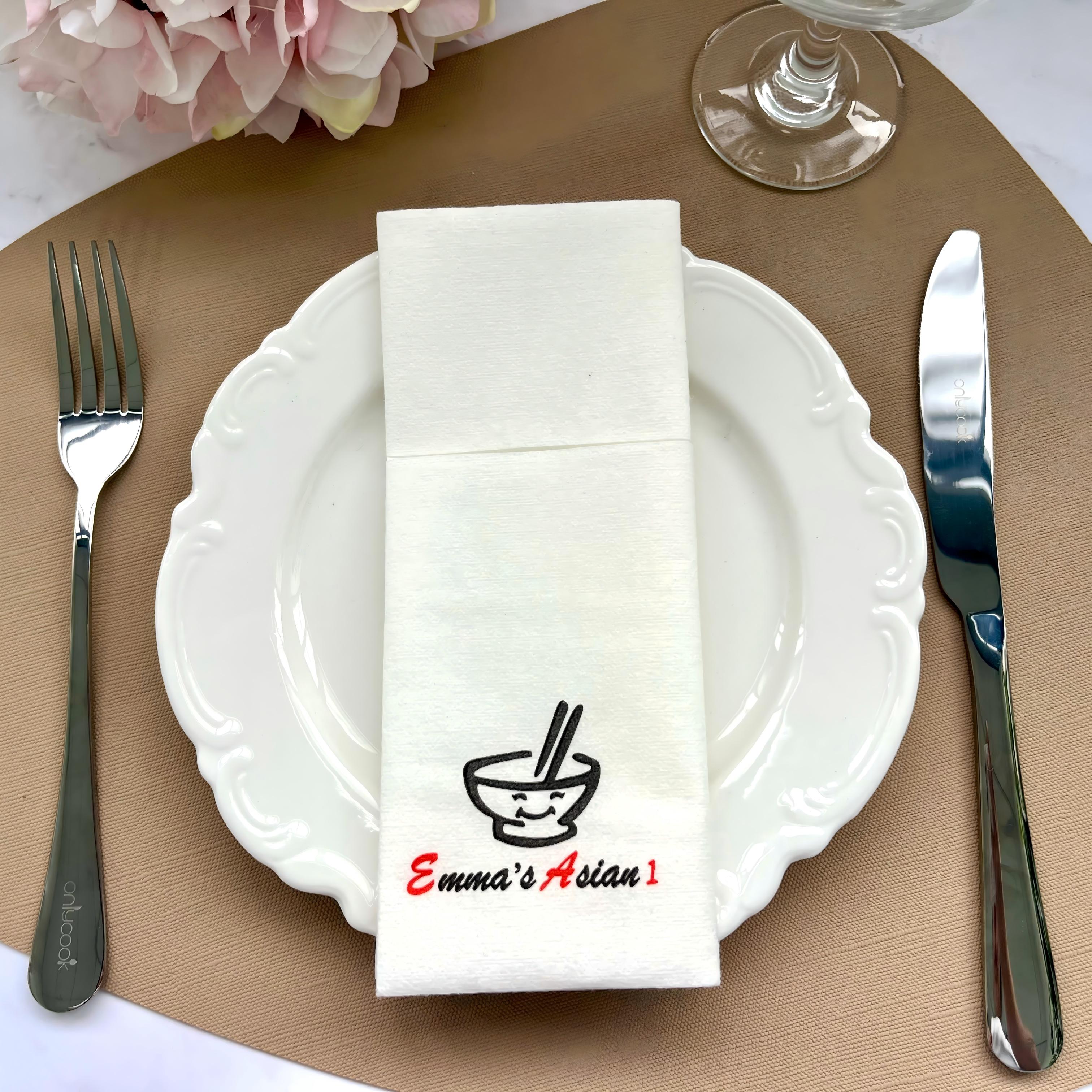
- Monogram designs featuring initials, dates, or couple names
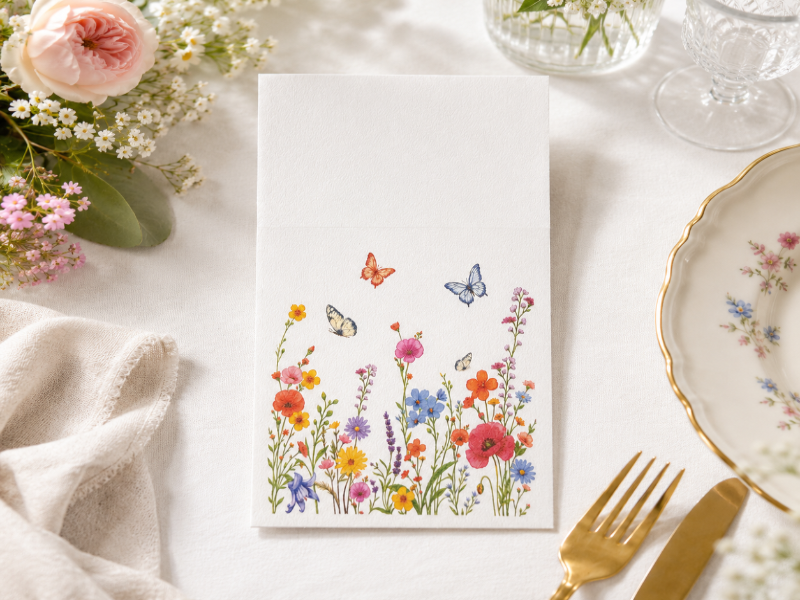
- Motif designs incorporating flowers, geometric patterns, or symbolic elements
- Invitation theme replication creating cohesive visual experience
- Milestone markers like "Mr. & Mrs." or wedding date prominently featured
- Guest names for place card alternatives
- Coordinated napkins across multiple events within the wedding weekend
For wedding applications, premium tissue napkins with superior softness and durability enhance the luxury perception. Many couples select 3-ply or higher-quality paper napkins that provide structural integrity throughout extended receptions. The tactile experience guests have when handling napkins contributes to their overall event impression.
Corporate Events and Brand Activation
Corporate napkin personalization serves strategic marketing objectives. Design approaches typically emphasize brand identity through consistent logo placement, corporate colors, and messaging that aligns with marketing initiatives.
- Product launches benefit from eye-catching graphics and new product imagery
- Conferences and networking events use napkins for subtle brand reinforcement
- Client appreciation events feature personalized messages and appreciation taglines
- Trade shows employ napkins as distributed promotional items enhancing booth visibility
- Annual meetings incorporate company milestones, achievements, or core values
- Team-building events feature motivational messaging or fun brand personality elements
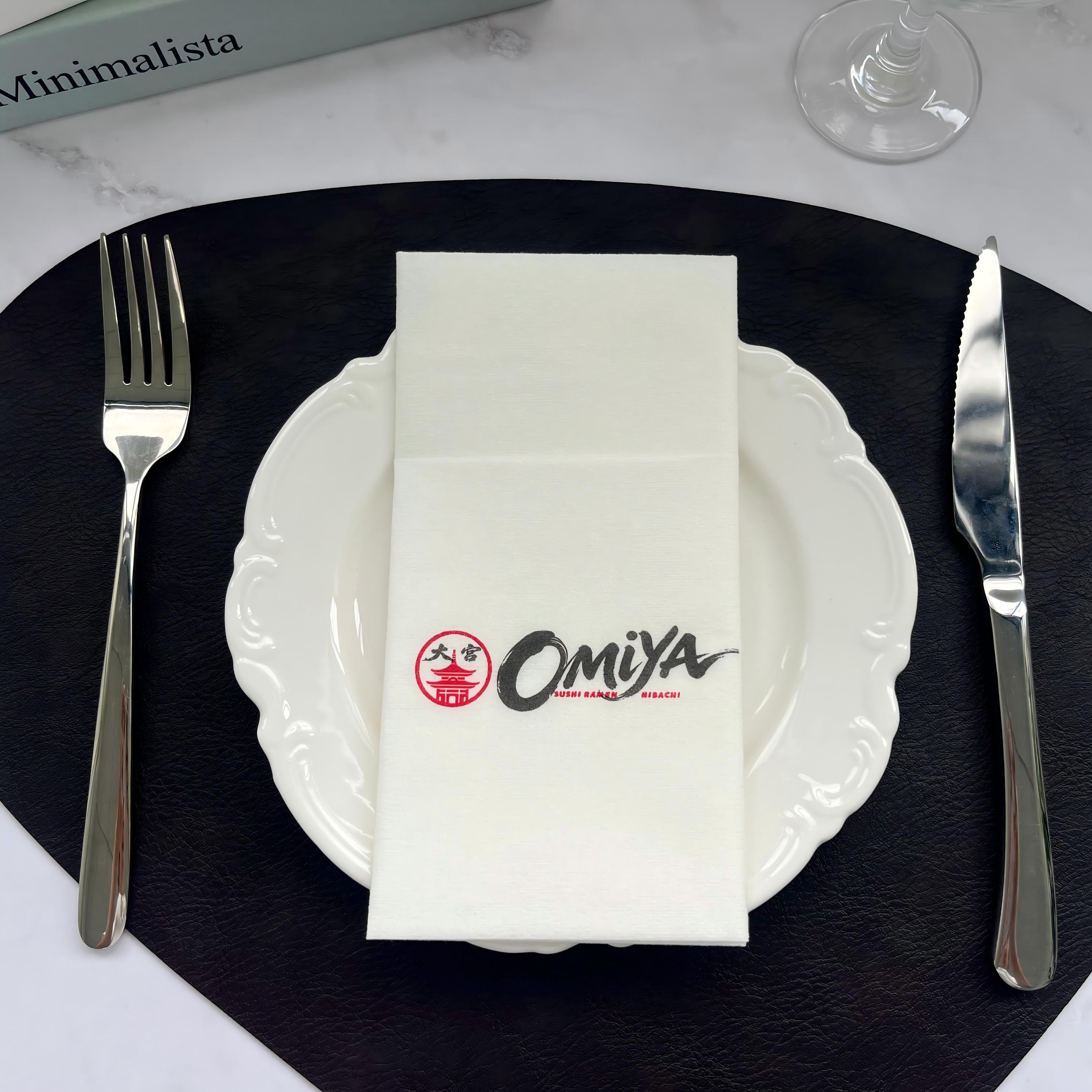
For corporate environments, disposable paper napkins with professional designs deliver cost efficiency without sacrificing quality perception. Many corporations opt for bulk ordering of custom napkins to maintain brand consistency across multiple events and venues throughout the year.
Material Quality and Its Impact on Personalization
Understanding Paper Napkin Grades
The quality of base material dramatically influences how designs appear and how guests perceive the event. Paper napkins vary considerably in composition, ply count, and absorbency characteristics.
| Napkin Type | Ply Count | Best Use Cases | Design Visibility |
|---|---|---|---|
| Standard Tissue | 1-2 Ply | Casual events, high-volume distribution | Excellent for bold, simple designs |
| Premium Grade | 3 Ply | Formal events, upscale venues | Excellent for detailed designs and photography |
| Ultra Premium | 4+ Ply | Luxury events, exclusive functions | Outstanding detail reproduction, exceptional quality feel |
Sustainability Considerations in Material Selection
Modern event planners increasingly consider environmental impact when selecting materials. Eco-conscious choices include:
- Unbleached, natural color paper napkins that require no whitening chemicals
- Recycled content napkins sourced from post-consumer waste
- Sustainably managed forestry-certified paper products
- Biodegradable napkin options that decompose naturally after events
- Water-based inks that reduce chemical environmental impact
Sustainable material selection need not compromise design quality or visual appeal. Many environmentally responsible options deliver excellent printing surfaces and aesthetic results while supporting corporate sustainability initiatives or personal environmental values.
Budget Optimization Without Compromising Quality
Volume and Pricing Dynamics
Understanding the relationship between order quantity and unit cost enables strategic budget allocation. Bulk ordering of paper napkins typically follows predictable pricing tiers that reward larger commitments while recognizing the practicality of smaller event needs.
Consider these budget-friendly strategies when personalizing napkins for events:
- Single-color or two-color designs cost significantly less than full-color printing
- Larger order quantities reduce per-unit costs substantially
- Standard napkin sizes offer better pricing than custom dimensions
- Off-season ordering provides better rates than peak event planning periods
- Combining multiple events or functions into single orders leverages volume discounts
- Simplified design concepts reduce production complexity and associated costs
Cost Comparison: Custom vs. Standard Options
The investment in customization varies based on complexity and order size. A wedding featuring 200 personalized cocktail napkins with simple monogram design might cost significantly less than a corporate event requiring 5,000 napkins with full-color photography. However, per-unit costs often decrease dramatically for larger corporate orders, making bulk personalization more economical than initially apparent.
Working with experienced manufacturers helps identify cost-effective approaches that maintain design integrity while respecting budget constraints.
The Design Development Process
Pre-Production Steps
Successful personalized napkins result from systematic planning and attention to technical specifications. The design workflow should follow these essential steps:
Quality Assurance and Proofing
Professional napkin producers provide digital proofs showing exactly how designs will appear on selected materials. This critical step allows verification of color accuracy, design placement, and overall visual impact before production commences. Request proofs on the actual napkin material you'll be ordering, as color rendering differs across various paper types and finishes.
Typical napkin manufacturers offer revisions at this stage, enabling refinements before expensive production runs begin. Attention to detail during proofing prevents costly reprinting and ensures your personalized napkins meet or exceed expectations.
Practical Implementation Strategies
Design File Preparation
Successful production depends on providing files in formats manufacturers can reliably process. Standard requirements include:
- Vector-based files (AI, EPS, PDF) for logos and text elements ensuring scalability
- High-resolution raster images at 300 DPI for photographs and complex graphics
- CMYK color mode for print production, avoiding RGB that displays differently
- Proper bleed areas extending beyond trim lines preventing white edges
- Text converted to outlines or embedded fonts preventing substitution issues
- Transparent background elements clarified as white or defined colors
Managing Multiple Order Variations
Large events often require multiple napkin variations—perhaps different designs for cocktail hour versus dinner service, or separate napkins for VIP guests. Strategic planning manages these variations efficiently:
- Consolidate quantities across variations into single orders when possible
- Use consistent base design with minimal variations reducing setup costs
- Plan delivery timing ensuring all variations arrive together
- Communicate clearly with manufacturers about quantity breakdowns
- Verify each variation's appearance in separate proofs
Storage and Event-Day Logistics
Properly storing custom napkins maintains their appearance and functionality. Best practices include:
- Keep napkins in original packaging to protect from dust and damage
- Store in climate-controlled environment preventing moisture absorption
- Avoid stacking heavy items atop napkin boxes that could cause compression
- Plan for accessible napkin station placement enabling guest self-service
- Account for higher consumption quantities than expected ensuring adequate supply
- Arrange delivery timing to minimize pre-event storage duration
Contemporary Design Trends and Inspiration
Current Aesthetic Directions
Personalized napkin design increasingly reflects broader design trends seen in modern events and branding initiatives. Contemporary approaches include:
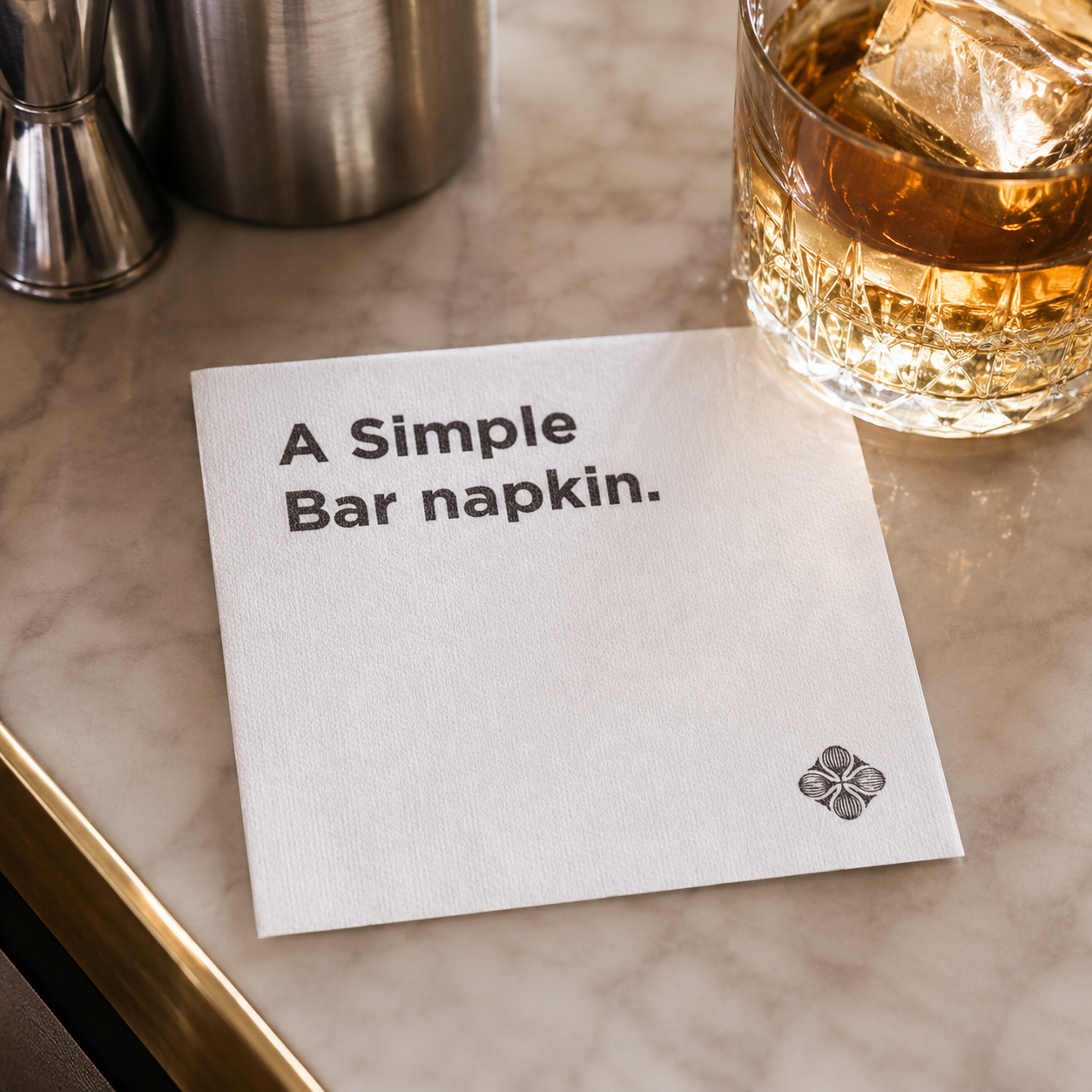
Minimalist Elegance: Clean lines, ample white space, and single focal elements create sophisticated, uncluttered designs that feel modern and refined. Monochromatic color schemes with subtle accent colors deliver premium aesthetics appealing to formal events.
Botanical and Organic Motifs: Nature-inspired designs incorporating florals, leaves, and organic shapes remain popular for weddings and upscale events. These elements work particularly well with softer color palettes and convey natural elegance.
Geometric and Modern Patterns: Angular shapes, tessellating patterns, and geometric abstractions appeal to contemporary events. These designs work effectively for corporate functions and casual celebrations seeking modern visual impact.
Typography-Forward Designs: Bold, distinctive typography serves as the primary design element, with minimal supporting graphics. This approach emphasizes messaging and creates strong visual statements, particularly effective for motivational or messaging-heavy applications.
Personalization Through Data: Incorporating guest names, dates, or custom messages on individual napkins creates remarkable personalization experiences. Modern printing technology makes this economically feasible even for large events.
Seasonal and Occasion-Specific Themes
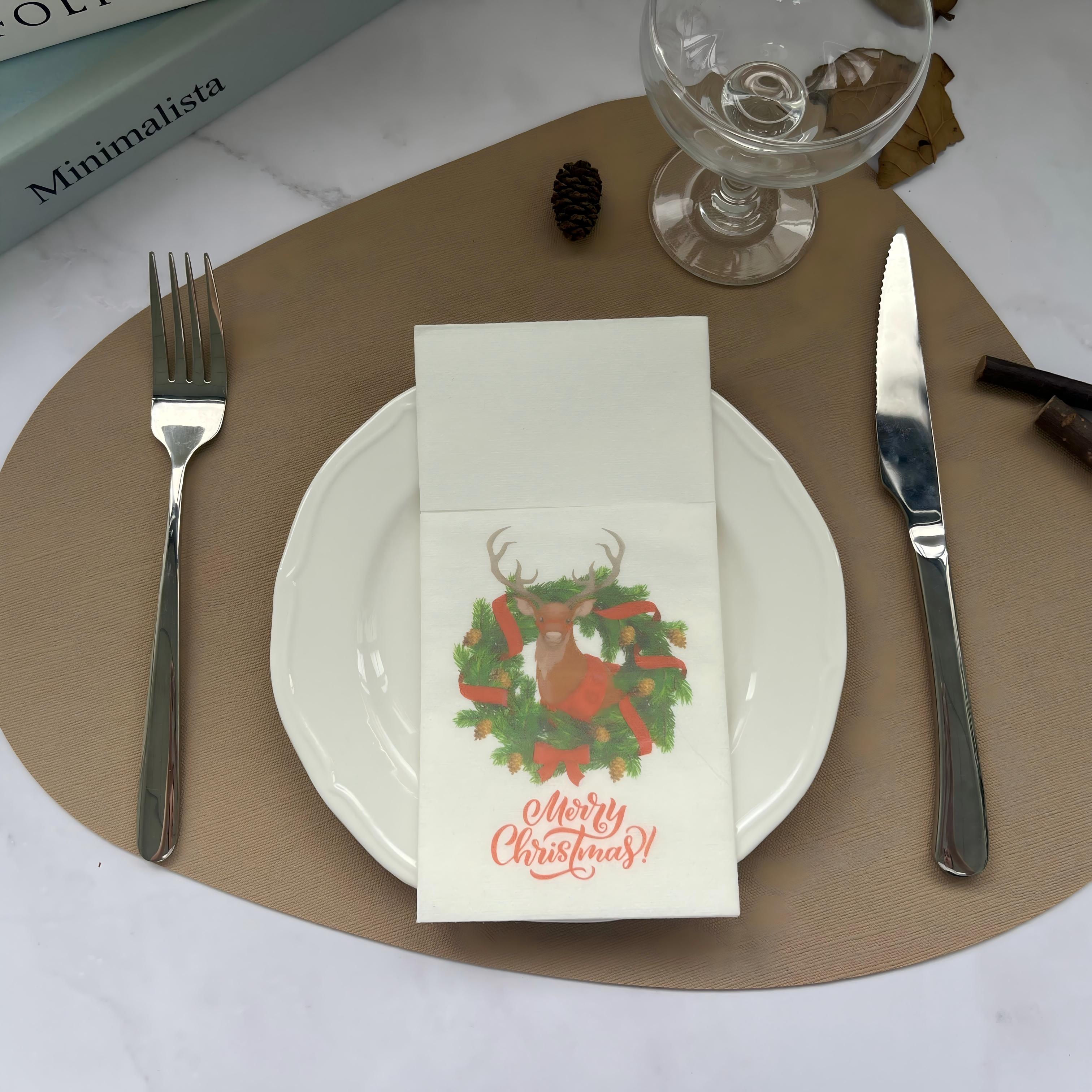
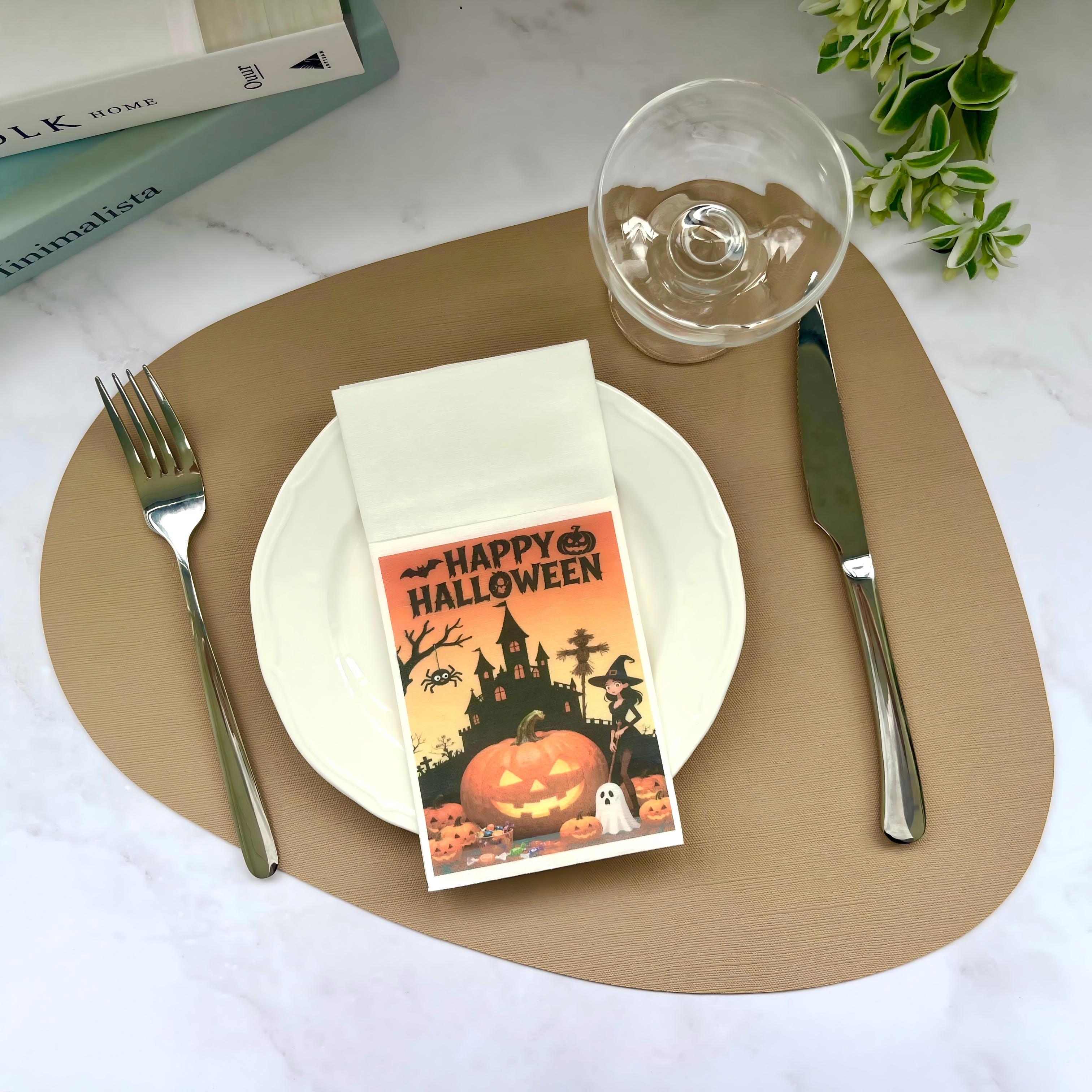
Aligning napkin designs with seasonal elements or specific occasions creates cohesive event experiences. Spring events benefit from pastels and florals, while autumn celebrations embrace warm earth tones and harvest imagery. Holiday events incorporate festive elements appropriate to specific celebrations. Winter occasions leverage elegant silver and cool-tone palettes, while summer events embrace bright, vibrant color schemes.
Sourcing Quality Custom Paper Napkins
Evaluating Manufacturers and Suppliers
Selecting reliable napkin manufacturers ensures consistent quality and successful event outcomes. Key evaluation criteria include:
- Production capability spanning desired quantities and turnaround timelines
- Material selection offering grade options from budget-friendly to premium
- Printing technology supporting your design complexity and color requirements
- Quality control processes ensuring consistent results across production runs
- Customer service responsiveness and willingness to accommodate special requests
- Transparent pricing without hidden setup fees or surcharges
- Portfolio examples demonstrating design capability and production quality
Questions to Ask Potential Suppliers
Thorough vetting conversations with suppliers provide confidence in their ability to deliver satisfactory results:
- What are minimum order quantities, and do volume discounts apply?
- Which file formats and specifications do you require for designs?
- What is your typical turnaround time, and can rush production be accommodated?
- Do you provide digital proofs before production, and are revisions included?
- What quality guarantees do you offer, and how are defects handled?
- Can you provide samples of previous work using similar designs or materials?
- What are your payment terms, and do you require deposits?
- Do you offer eco-friendly material options if sustainability is important?
Comprehensive discussions with potential suppliers reveal their expertise and commitment to customer satisfaction, helping ensure partnerships that deliver quality results.
Comparing In-House Customization vs. Professional Production
When Professional Production Makes Sense
Professional manufacturing offers significant advantages for most event applications. Commercial printing equipment delivers consistent color reproduction, design precision, and durability far exceeding home or office printing capabilities. Professional producers handle bulk quantities efficiently, offer material options unavailable to consumers, and provide finishing options like embossing or foil stamping.
For any event expecting more than 100 guests or featuring prominent napkin placement in event design, professional production justifies its cost through superior quality and event impact.
Limited Applications for DIY Customization
Very small gatherings or highly informal events might justify DIY approaches using desktop printing. This method works best for:
- Intimate events with fewer than 50 guests
- Casual celebrations where perfection isn't paramount
- Last-minute situations where turnaround time is critical
- Budget-constrained scenarios where professional costs aren't feasible
- Experimental designs requiring rapid testing and iteration
However, DIY printed napkins often show quality limitations including color inconsistency, ink smudging, and durability issues. For events where personalization matters—weddings, important corporate functions, client entertainment—professional production delivers substantially superior results.
Frequently Asked Questions
Q1: What is the minimum order quantity for personalized cocktail napkins?
Minimum order quantities vary by manufacturer and production method, typically ranging from 100 to 500 napkins for custom designs. Digital printing facilities often accommodate smaller quantities more flexibly than traditional offset or flexographic printing. Inquiring about specific minimums helps determine whether a particular supplier suits your event needs and budget.
Q2: How far in advance should I order custom napkins for my event?
Planning ahead allows time for design development, proofing, and production without rush fees. Standard timelines suggest ordering at least 4-6 weeks before events, allowing 1-2 weeks for design work, 1-2 weeks for proofing and revisions, and 2-4 weeks for production. Events requiring shorter turnaround can request expedited production, though rush fees may apply.
Q3: Can napkin designs include photographs or complex images?
Yes, modern printing technology accommodates photographic and complex designs beautifully, particularly with digital printing methods. High-resolution images (300 DPI minimum) reproduce well on napkins, though smaller napkin sizes limit detail visibility. Discussing image quality with manufacturers helps ensure satisfactory reproduction of photographic content.
Q4: What file format should I provide to the manufacturer?
Most manufacturers prefer vector-based files (Adobe Illustrator, EPS, or PDF) for logos and text, combined with high-resolution raster files (TIFF or PDF) for photographs. CMYK color mode ensures accurate print reproduction. Confirming specific file format requirements with your chosen manufacturer prevents compatibility issues and revision delays.
Q5: Are eco-friendly napkin options available for custom printing?
Absolutely. Many manufacturers offer napkins made from recycled content, sustainably managed forests, or unbleached natural fibers. Water-based inks provide environmentally responsible printing alternatives to traditional solvent-based inks. Discussing sustainability preferences with suppliers identifies options aligning with environmental values or corporate sustainability initiatives.
Q6: How do I ensure color accuracy in printed napkins?
Request digital proofs on actual napkin material samples rather than standard printing paper, as colors render differently across substrates. Provide color specifications using Pantone or CMYK standards rather than RGB digital colors. Communicating with manufacturers about color expectations and reviewing proofs carefully ensures satisfactory final results.
Q7: Can I order different napkin designs for different parts of my event?
Certainly. Many events feature multiple napkin variations—separate designs for cocktail hour, dinner service, or guest categories. Coordinating these as a single order often qualifies for volume discounts while ensuring all variations arrive together. Clear communication with manufacturers about quantity breakdowns for each design prevents ordering confusion.
Q8: What should I do if I'm unsatisfied with the final napkin quality?
Reputable manufacturers guarantee quality and address defective products through reprinting or refunds. Photograph any quality issues and communicate concerns promptly. Having approved proofs documented protects your interests if production doesn't match agreed specifications. Clear communication about quality expectations before production begins prevents disputes after delivery.
Q9: How should I store custom napkins before my event?
Keep napkins in original packaging in a climate-controlled environment, away from excessive heat or moisture that can damage print quality. Avoid stacking heavy items on top of napkin boxes, and plan storage duration to minimize pre-event duration. Proper storage maintains napkin appearance and ensures guest satisfaction at your event.
Q10: What is the typical cost range for personalized cocktail napkins?
Pricing varies based on quantity, design complexity, material grade, printing method, and finishing options. Simple single-color designs on standard napkins cost significantly less than full-color photography with special finishes. Bulk orders dramatically reduce per-unit costs, making large quantities surprisingly economical. Requesting quotes from multiple suppliers enables informed budget planning and cost comparison.

- Contact
-
+86-18205820793lydia@shuangjiepaper.comPhone
- Get Connected

