
 English
  Español


What Are Airlaid Napkins: Why Buyers Are Switching from Traditional Paper
Content
- 1 Introduction: The Evolution of Table Linens in Professional Dining
- 2 Understanding Airlaid Napkin Technology: Material Composition and Manufacturing
- 3 Core Performance Advantages: Why Purchasing Managers Choose Airlaid
- 4 Specifications and Customization Guide: Tailoring to Your Requirements
- 5 Industry Applications: Where Airlaid Napkins Deliver Maximum Value
- 6 B2B Procurement Guide: Cost Factors and Supplier Selection
- 7 Environmental Credentials and Sustainable Operations
- 8 Implementation and Transition Strategy
- 9 Frequently Asked Questions
- 9.0.1 Q1: Are airlaid napkins truly biodegradable and compostable?
- 9.0.2 Q2: What is the actual cost difference between airlaid and standard paper napkins?
- 9.0.3 Q3: Can airlaid napkins be custom-printed with multiple colors?
- 9.0.4 Q4: What minimum order quantities should I expect?
- 9.0.5 Q5: How do airlaid napkins perform in humid or temperature-variable environments?
- 9.0.6 Q6: Are there regulatory certifications or standards I should request?
- 9.0.7 Q7: What folding options are available beyond standard 1/4 and 1/8 folds?
- 9.0.8 Q8: How should napkins be stored to maintain quality during extended shelf life?
- 9.0.9 Q9: Can airlaid napkins be used in conjunction with existing cloth napkin service protocols?
- 9.0.10 Q10: What should I evaluate in sample napkins before placing large orders?
- 10 Conclusion: Strategic Advantages of Transitioning to Airlaid Napkins
What Are Airlaid Napkins: Why B2B Buyers Are Switching from Traditional Paper
Introduction: The Evolution of Table Linens in Professional Dining
Table presentation matters. In hospitality and food service, the quality of your napkins sends an immediate signal about your establishment's standards. Yet many businesses face a persistent challenge: balancing premium appearance with operational costs and sustainability goals.
Traditional cloth linens require constant laundering, storage, and maintenance. Standard paper napkins, meanwhile, compromise on durability and tactile experience. There's a third option that's been gaining traction among discerning buyers: airlaid napkins.
This guide explores everything B2B purchasers need to know about airlaid napkins—their material composition, performance advantages, customization capabilities, and why they're becoming the preferred choice for hospitality groups, catering operations, medical facilities, and premium dining establishments.
Understanding Airlaid Napkin Technology: Material Composition and Manufacturing
Airlaid napkins represent a distinct category within nonwoven textiles, differentiated by their manufacturing process and resulting performance characteristics.
What Makes Airlaid Different: The Manufacturing Process
Traditional tissue napkins rely on wet-laying technology, where fibers are suspended in water. Airlaid napkins use a completely different approach: dry-laying. Wood pulp fibers and bonding agents are dispersed through air, then bonded together using heat and pressure. This process creates a material with superior structural integrity and absorbency compared to conventional tissue.
The result is a napkin that combines the softness of fabric with the functionality of paper—a product often described as having a "linen-like" tactile experience. This distinction matters significantly in markets where perceived quality influences purchasing decisions.
Fiber Composition and Material Properties
Most airlaid napkins are composed of virgin wood pulp fibers, cellulose derivatives, and bonding agents. Premium grades incorporate higher percentages of virgin fiber, which contributes to:
- Enhanced absorbency rates (typically 300-400% absorption by weight)
- Superior tensile strength when wet or dry
- Reduced linting and fibrillation
- Greater opacity for professional presentation
Core Performance Advantages: Why Purchasing Managers Choose Airlaid
Superior Absorbency and Strength
The absorbency differential directly impacts operational efficiency. Standard 2-ply or 3-ply tissue napkins typically require multiple applications to handle typical dining situations. Airlaid napkins achieve comparable or superior performance with single-sheet use, reducing per-service consumption and waste disposal costs.
Equally important is wet-strength retention. When moistened, traditional tissue begins to disintegrate. Airlaid maintains structural integrity when wet, preventing embarrassing failures during service and reducing waste from premature disposal.
Aesthetic and Tactile Superiority
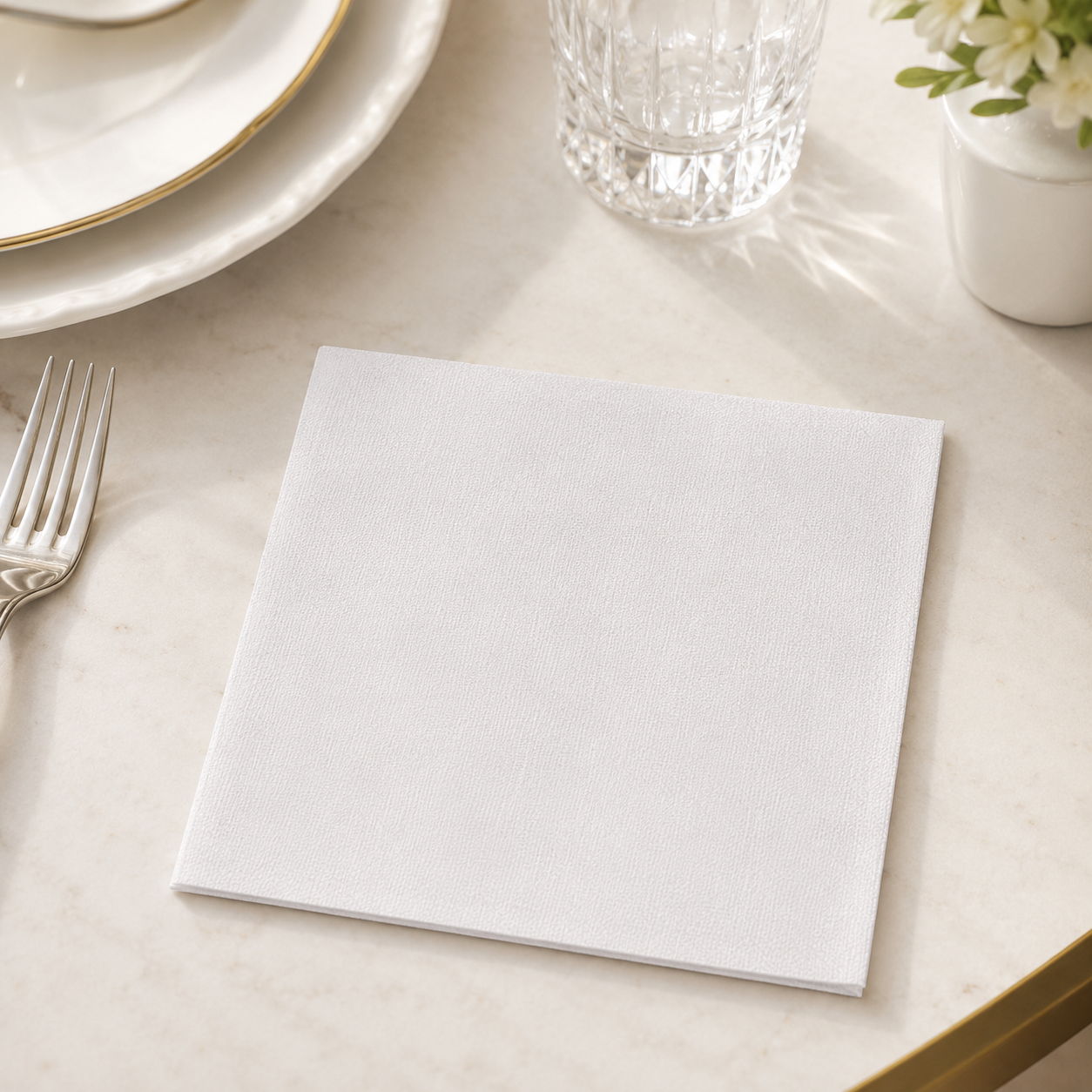
Premium positioning demands corresponding materials. Airlaid napkins deliver a noticeably softer, more luxurious tactile experience compared to standard paper products. The material's density and composition create a subtle drape and feel reminiscent of fine linen cloth—without the maintenance requirements.
This tactile difference influences customer perception. Guests at high-end establishments expect linens that feel substantial and refined. Airlaid napkins bridge the gap between convenience and perception, delivering premium sensation at paper-product pricing.
Hygiene and Safety Standards
Single-use airlaid napkins eliminate cross-contamination risks associated with reusable linens. Manufacturing processes ensure sterile, bacteria-free products. For medical facilities, beauty salons, and food service establishments where hygiene protocols are paramount, this advantage is invaluable.
Environmental and Sustainability Profile
Modern airlaid napkins are engineered for biodegradability. They decompose in appropriate composting environments within 180-365 days, depending on conditions and material specification. This addresses growing regulatory requirements and consumer expectations regarding sustainable operations.
The manufacturing process generates minimal waste compared to tissue alternatives. Additionally, the efficiency advantage (fewer napkins needed per service) reduces overall consumption and disposal volume—creating a compounding sustainability benefit.
Specifications and Customization Guide: Tailoring to Your Requirements
Size and Folding Specifications
Airlaid napkins accommodate diverse operational needs through multiple standard configurations:
| Size (cm) | Unfolded Dimension | Primary Applications |
|---|---|---|
| 30x40 | 1/4 fold to 15x20 | Standard dining, casual service |
| 40x40 | 1/4 or 1/8 fold options | Premium restaurants, hotels |
| 40x60 | Multiple fold variations | Fine dining, events |
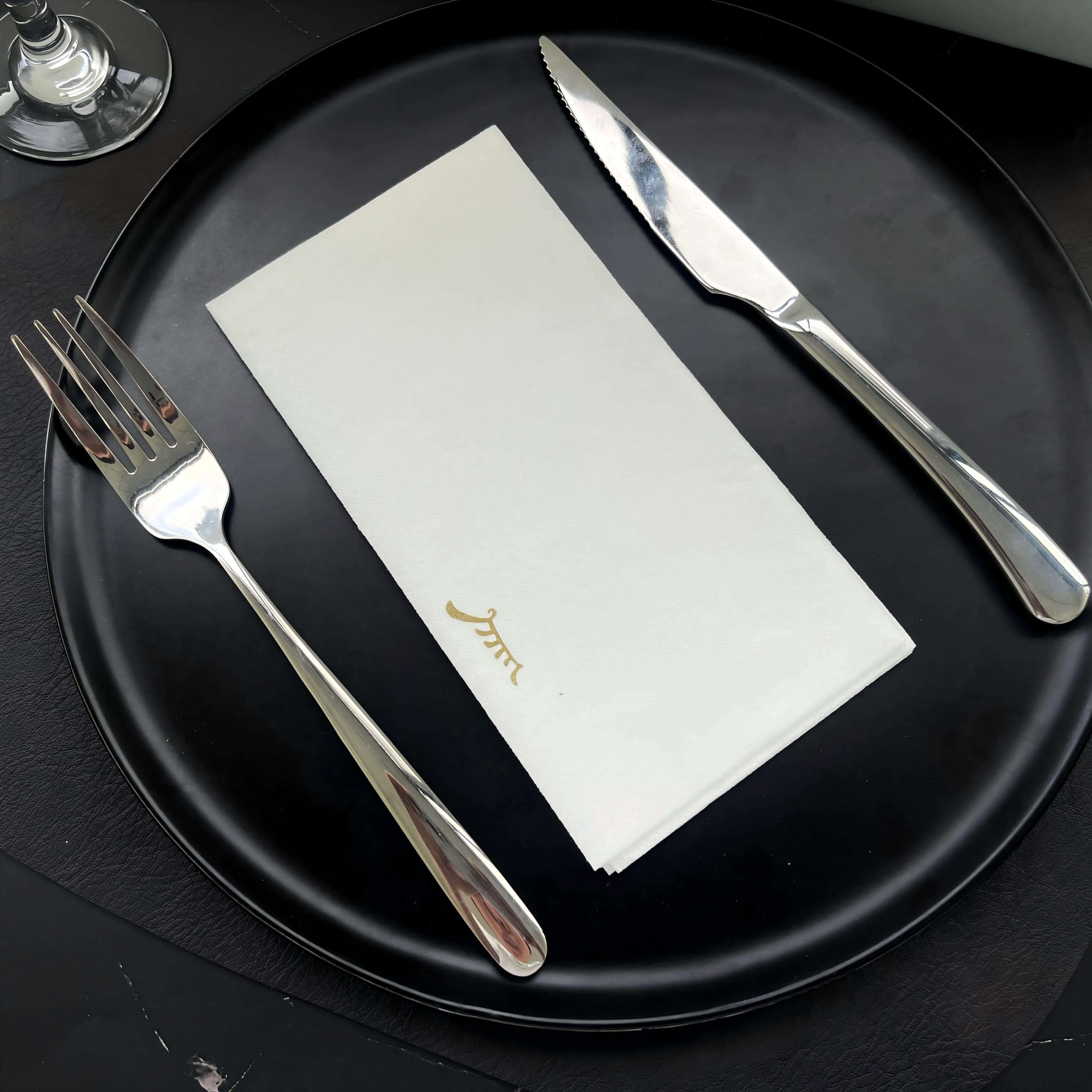
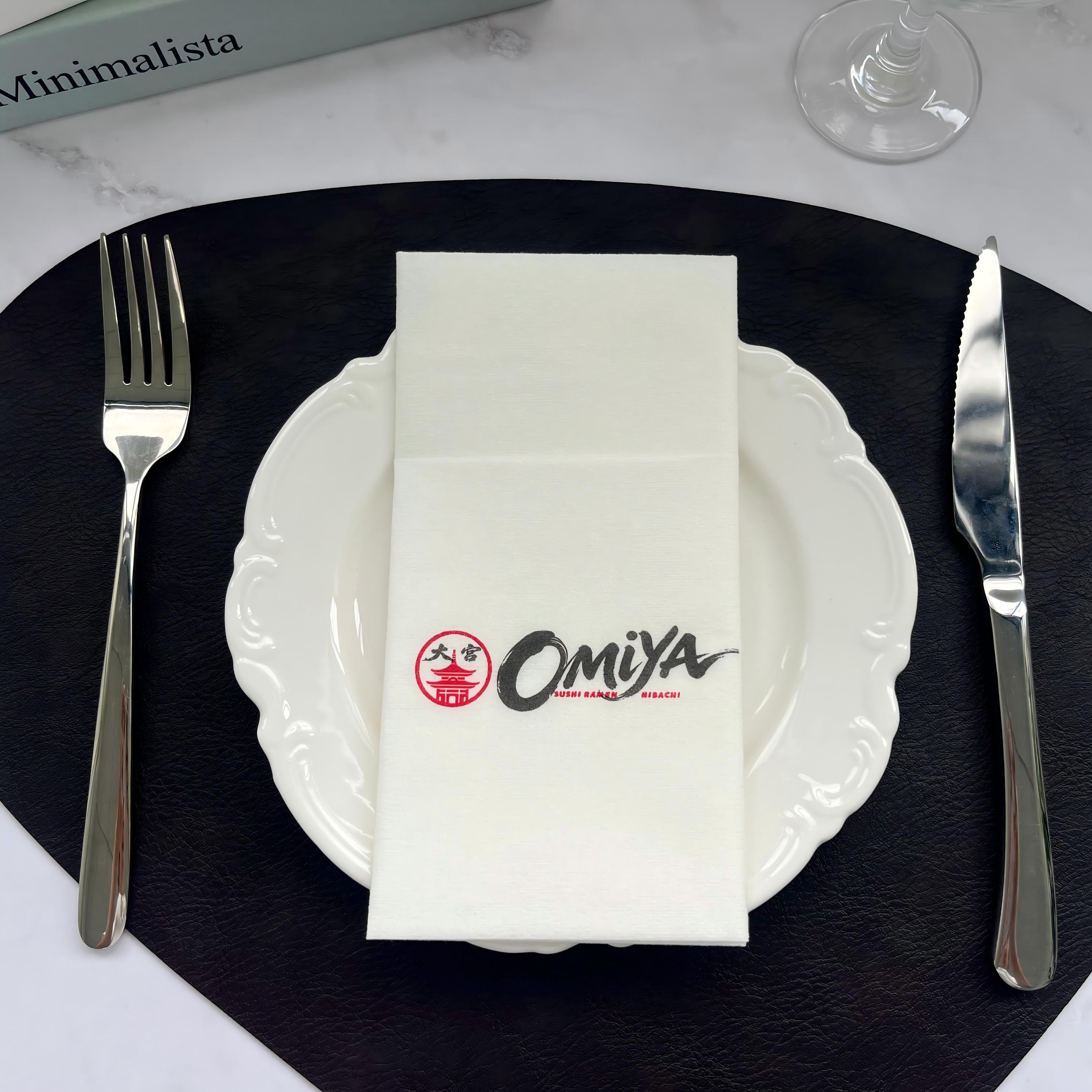
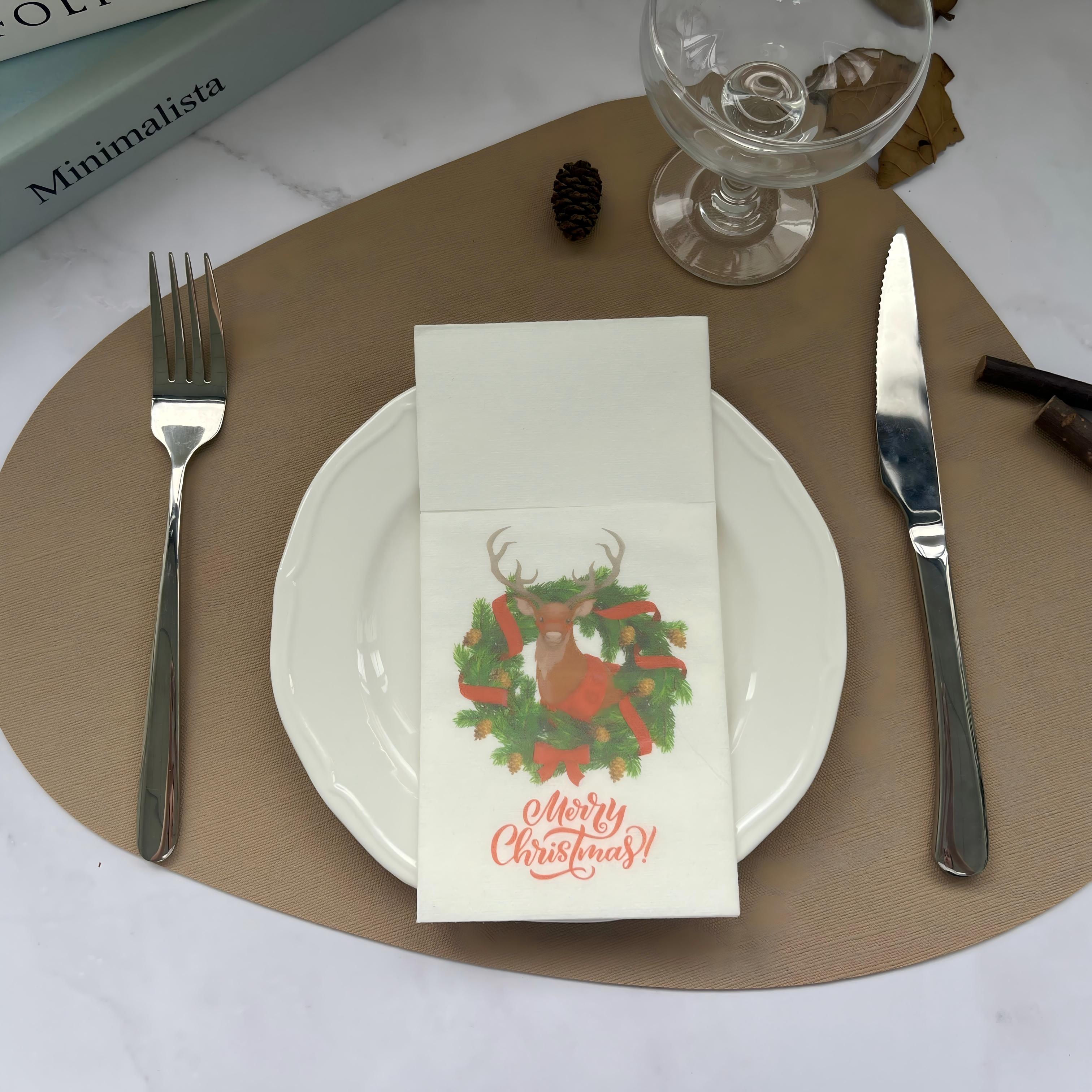
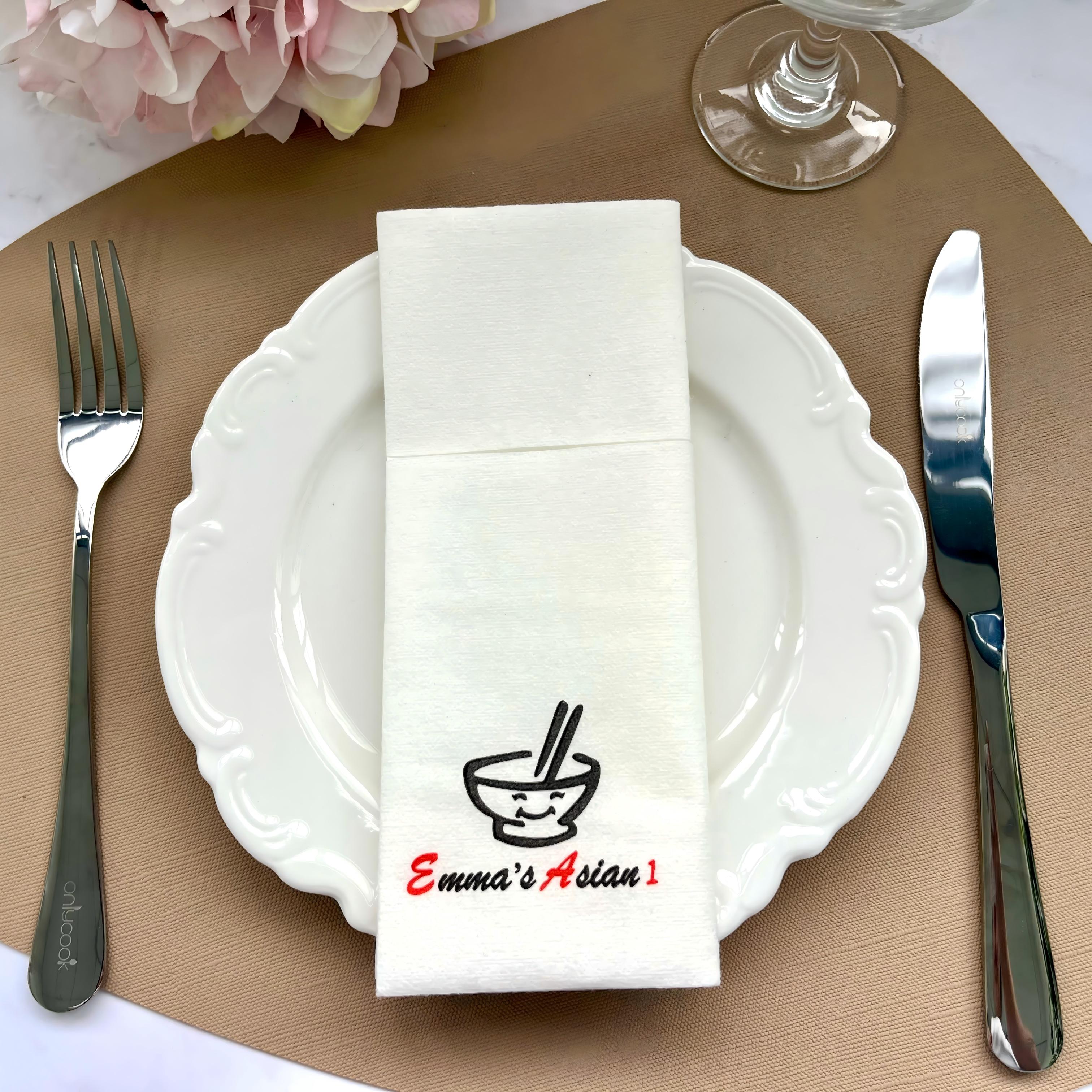
| Special shapes | Napkin rings, knife pockets | Wedding receptions, galas |
Basis Weight and Thickness Considerations
Basis weight (measured in grams per square meter, or gsm) fundamentally influences perceived quality, durability, and cost structure:
- 50 gsm: Entry-level thickness, suitable for cost-sensitive operations with high volume. Adequate for standard food service but limited premium positioning.
- 60 gsm: Mid-range specification offering balanced performance and economics. Recommended for most hospitality applications where quality and cost must be optimized.
- 70+ gsm: Premium specifications delivering maximum perceived luxury, optimal wet strength, and superior performance. Standard for fine dining, aviation, and prestige event catering.
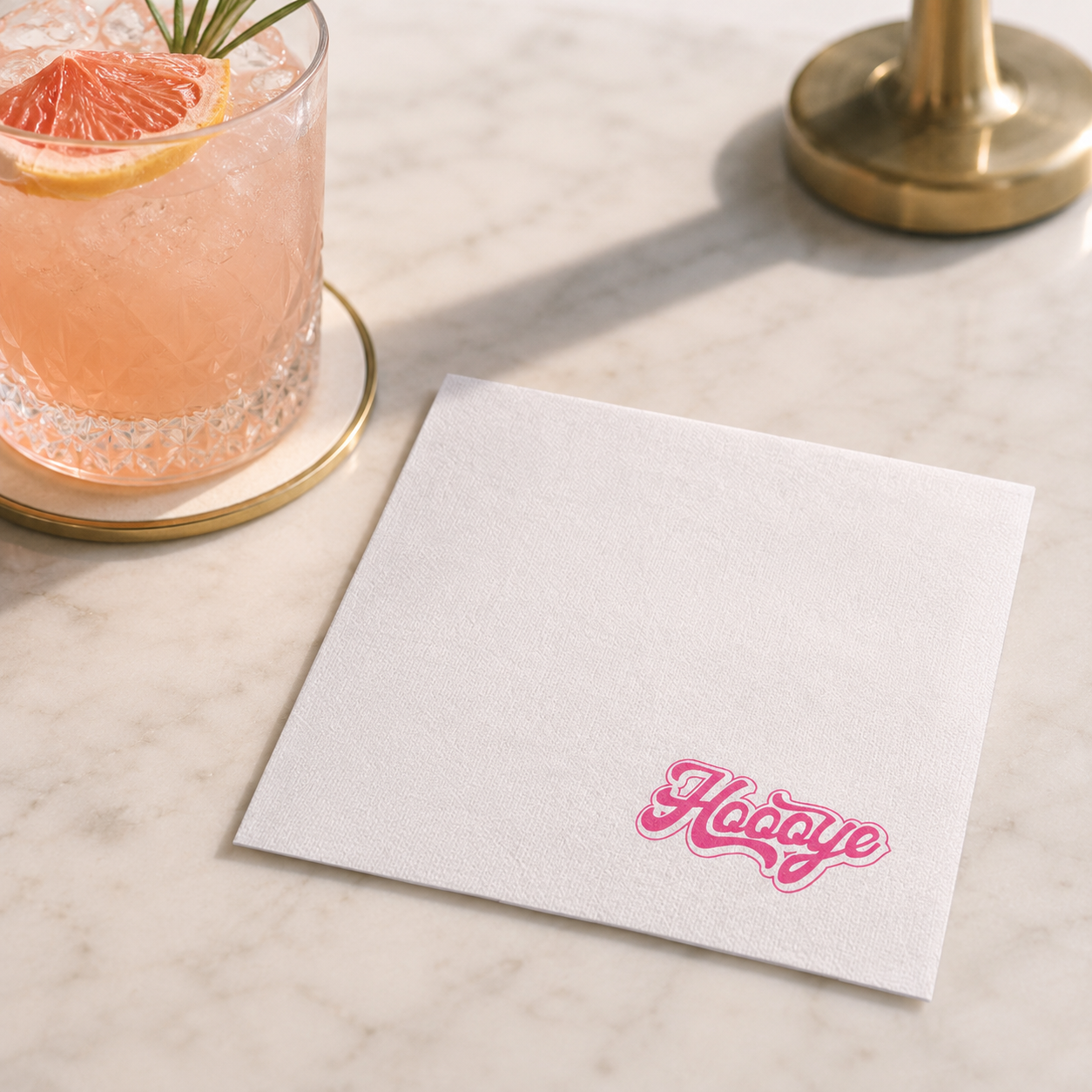
Custom Printing and Branding
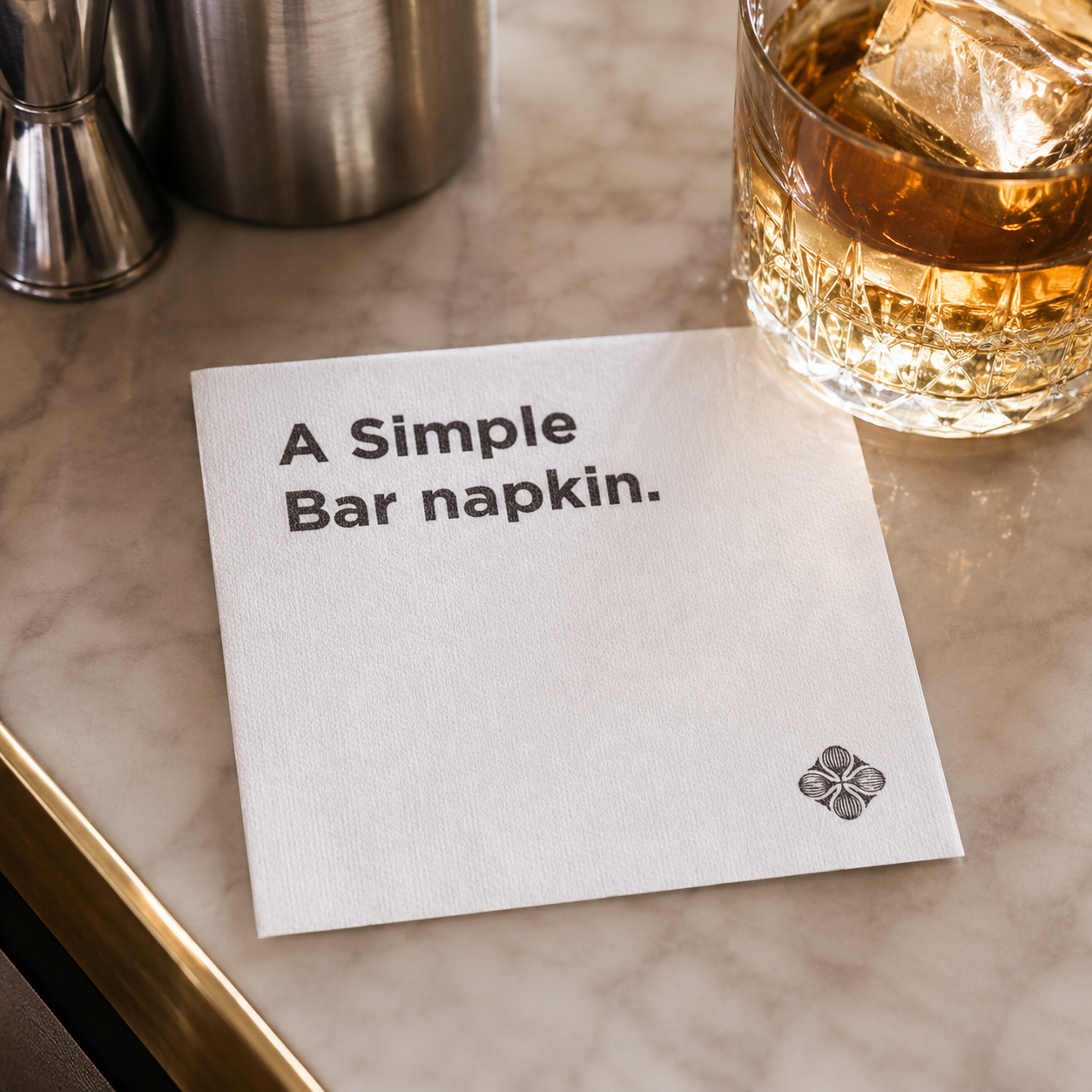
Airlaid napkins accommodate professional custom printing, enabling brand reinforcement at every table:
- Single-color imprinting: logos, restaurant names, event dates
- Multi-color digital and flexographic printing
- Placement options: centered, corner, edge positioning
- Food-safe inks meeting regulatory standards
- Custom color matching to brand specifications
Customization Note: Minimum order quantities (MOQ) vary by specification. Single-color imprinting typically requires lower MOQ (500-1000 units) compared to multi-color custom designs (2500+ units). Digital printing allows small-run customization, though per-unit costs increase proportionally.
Industry Applications: Where Airlaid Napkins Deliver Maximum Value
Hospitality and Upscale Dining
Fine dining establishments and premium hotel groups increasingly specify airlaid napkins as part of table presentation standards. The combination of superior feel, performance reliability, and customization capability aligns with luxury service expectations. Hotels frequently custom-print napkins with property names or logos, reinforcing brand identity while managing linen replacement costs.
Catering and Event Services
Wedding receptions, corporate galas, and large-scale catering operations benefit significantly from airlaid specifications. Event planners appreciate the range of sizes, customizable folding patterns, and ability to incorporate branding or event themes. The single-use advantage eliminates post-event laundry logistics while maintaining premium presentation standards.
For multi-day events, the consistency and reliability of airlaid napkins prevent embarrassing service interruptions associated with traditional linen shortages or damage.
Medical and Wellness Facilities
Dental offices, beauty salons, spas, and medical practices specify airlaid napkins for hygiene-critical applications. The sterile, single-use nature eliminates cross-contamination concerns inherent to reusable cloth products. Food-safe material composition meets stringent healthcare facility standards.
Airline and Transportation Services
Aviation catering operations and premium transportation services standardize on high-basis-weight airlaid napkins. The superior performance under variable conditions (altitude, temperature fluctuations, extended service periods) makes airlaid the category standard for this application.
Foodservice and Quick-Service Restaurants
Even casual dining and quick-service environments benefit from airlaid's efficiency. Higher absorbency means fewer napkins per customer, reducing overall consumption costs. For establishments emphasizing sustainability or positioning at the premium segment of their category, airlaid napkins deliver measurable operational and brand benefits.
B2B Procurement Guide: Cost Factors and Supplier Selection
Understanding Price Drivers
Airlaid napkin pricing reflects multiple variables. Understanding these factors enables informed procurement decisions:
Cost Optimization Strategies
Several procurement approaches can reduce per-unit costs while maintaining quality standards:
- Volume Commitment: Annual or multi-year purchasing agreements enable tiered pricing structures. Committing to larger volumes typically reduces per-unit costs by 15-30%.
- Standard Specifications: Ordering standard sizes and weights rather than custom formats minimizes setup costs and tooling charges.
- Simplified Imprinting: Single-color or one-corner printing is less expensive than multi-color or all-over designs.
- Bulk Packaging: Accepting standard packaging formats (typically 500-unit reams) rather than custom bundling reduces handling costs.
- Lead Time Flexibility: Planning purchases with adequate lead time (8-12 weeks) enables production scheduling optimization and cost reduction compared to expedited orders.
Selecting Reliable Suppliers: Key Evaluation Criteria
Quality consistency and reliability require careful supplier assessment:
Supplier Assessment Checklist
- Manufacturing certifications (ISO 9001, FSC for sustainability verification)
- Production capacity to meet anticipated volume requirements
- Quality control documentation and third-party testing protocols
- Lead time consistency and on-time delivery track record
- Customization capability and design support services
- Financial stability and supply chain resilience
- Environmental credentials and sustainable sourcing practices
- Customer references from similar hospitality or foodservice operations
Request for Quotation (RFQ) Process
Effective RFQ documentation should specify:
- Desired basis weight (gsm) and composition specifications
- Quantity requirements (annual volume and typical order size)
- Size, folding format, and any specialty features
- Custom imprinting requirements or color specifications
- Preferred delivery timeline and logistics terms
- Packaging and labeling requirements
- Desired price validity period (typically 30-90 days)
- Bulk packaging and storage requirements
Environmental Credentials and Sustainable Operations
Biodegradability and Composting Profile
Modern airlaid napkins are engineered to decompose under industrial composting conditions within 180 days, meeting compostability standards established by EN 13432 or equivalent certifications. In standard landfill conditions, degradation extends to 1-2 years.
This characteristic addresses regulatory requirements in jurisdictions implementing food service waste management mandates and supports operational marketing positioning as environmentally responsible.
Reduced Resource Consumption
The efficiency advantage (fewer napkins needed per service event) creates a compounding sustainability benefit. A dining establishment reducing napkin consumption by 30% through airlaid napkins eliminates 30% of associated disposal costs and environmental impact across the entire lifecycle—manufacturing, transportation, and landfill/composting infrastructure.
Manufacturing Impact Considerations
The airlaid manufacturing process generates significantly less effluent compared to tissue production. The dry-laying process eliminates water-intensive stages present in traditional tissue manufacture, resulting in lower freshwater consumption and reduced wastewater treatment requirements.

Implementation and Transition Strategy
Sample Programs and Testing
Before committing to large-scale orders, request sample quantities to evaluate performance in your specific operating context. Reputable suppliers typically provide sample packets or small trial quantities at minimal or no cost. Use this opportunity to assess:
- Absorbency performance in your specific dining context
- Print quality and color accuracy for custom-imprinted designs
- Compatibility with existing folding and presentation protocols
- Storage and shelf-life characteristics in your facility environment
- Staff acceptance and ease of handling compared to existing materials
- Customer perception and feedback on tactile quality
Gradual Rollout Approach
For large hospitality groups or multi-location operations, consider phased implementation. Introduce airlaid napkins to flagship or test locations first. Monitor operational performance, customer feedback, and cost impacts before expanding to all properties. This approach minimizes risk and enables refinement of specifications based on real-world performance data.
Storage and Inventory Management
Airlaid napkins maintain quality under standard warehouse conditions. Store in climate-controlled environments (50-70% relative humidity, 15-25 degrees Celsius) to prevent moisture absorption that could affect performance. Maintain organized inventory rotation using FIFO (first-in, first-out) protocols to ensure consistent product quality and minimize storage duration.
Frequently Asked Questions
Q1: Are airlaid napkins truly biodegradable and compostable?
Yes, modern airlaid napkins are designed to biodegrade under industrial composting conditions within 180 days, meeting EN 13432 compostability standards. In standard landfill conditions without active composting management, biodegradation extends to 1-2 years. However, compostability performance depends on proper industrial composting infrastructure. Not all municipalities have active composting facilities, so verify local waste management capabilities before making sustainability claims to customers.
Q2: What is the actual cost difference between airlaid and standard paper napkins?
Per-unit cost for airlaid napkins typically ranges 15-40% higher than standard 2-ply tissue napkins, depending on basis weight, customization, and order volume. However, the efficiency advantage (fewer napkins needed per service) often offsets this premium. A detailed cost analysis comparing consumption rates and total cost of ownership typically demonstrates cost parity or savings over time.
Q3: Can airlaid napkins be custom-printed with multiple colors?
Yes, airlaid napkins accommodate various printing technologies including flexographic printing (most economical for larger runs) and digital printing (optimal for smaller volumes or complex designs). Digital printing enables full-color design reproduction with minimal setup costs. Flexographic printing requires higher minimum order quantities but provides excellent cost per unit at volume. Single-color printing offers the lowest cost entry point.
Q4: What minimum order quantities should I expect?
Typical MOQ for standard unprinted airlaid napkins ranges from 500-1000 units per size and specification. Custom-printed napkins generally require higher MOQ: 1000-2000 units for single-color imprinting, 2500+ units for multi-color designs. These minimums vary by supplier and may be negotiable based on ongoing business relationships and volume commitments.
Q5: How do airlaid napkins perform in humid or temperature-variable environments?
Airlaid napkins demonstrate superior performance stability across temperature and humidity ranges compared to tissue alternatives. The manufacturing process and material composition create products less susceptible to humidity-induced deterioration. This advantage is particularly valuable in outdoor events, airline catering, and geographic regions with significant climate variation.
Q6: Are there regulatory certifications or standards I should request?
Yes, prioritize suppliers offering ISO 9001 manufacturing certifications, FSC (Forest Stewardship Council) certification for sustainable sourcing, and EN 13432 compostability verification if environmental marketing is relevant. For food contact applications, verify compliance with FDA food contact substance regulations and equivalent international standards (EU regulations, China GB standards). Request documentation supporting these certifications as part of the supplier evaluation process.
Q7: What folding options are available beyond standard 1/4 and 1/8 folds?
Beyond standard quarter and eighth folds, specialty formats include: napkin-with-cutlery pocket folds (enabling knife and fork placement), cocktail napkin formats (smaller, pre-folded triangles), band-fold formats (napkins wrapped with decorative bands), and custom shapes for special events. These specialty formats command premium pricing and require specialized machinery. Clarify customization capability during supplier selection.
Q8: How should napkins be stored to maintain quality during extended shelf life?
Store airlaid napkins in climate-controlled warehouse environments maintaining 50-70% relative humidity and 15-25 degrees Celsius. Avoid damp or excessively dry conditions. Keep packaging sealed until use to prevent moisture absorption. Under proper storage conditions, airlaid napkins maintain performance characteristics for 12-24 months. Implement FIFO inventory rotation to ensure consistent quality and prevent stock aging.
Q9: Can airlaid napkins be used in conjunction with existing cloth napkin service protocols?
Yes, airlaid napkins function as a complete replacement for cloth linens in most applications. However, some establishments prefer hybrid approaches: using airlaid napkins for standard table service while maintaining cloth napkins for special presentations or VIP sections. This mixed-use strategy maintains premium positioning while optimizing operational efficiency and cost management.
Q10: What should I evaluate in sample napkins before placing large orders?
When evaluating samples, assess absorbency by wetting napkins and observing moisture retention, check tensile strength by testing wet and dry tear resistance, examine print quality for color accuracy and registration (in custom-printed samples), verify texture and softness meet your quality standards, review packaging condition and storage requirements, and most importantly, gather feedback from staff and customers in actual service conditions. Request sufficient sample quantities to conduct meaningful testing before committing to production orders.
Conclusion: Strategic Advantages of Transitioning to Airlaid Napkins
The shift toward airlaid napkins reflects broader market evolution in hospitality and food service industries. For procurement managers and decision-makers balancing quality, sustainability, cost efficiency, and operational reliability, airlaid napkins represent a compelling strategic choice.
The material delivers premium tactile experience rivaling cloth linens while maintaining single-use convenience and eliminating laundry logistics. Superior absorbency and wet-strength performance reduce consumption and waste. Customization capability enables brand reinforcement at every table setting. Environmental credentials address regulatory requirements and customer expectations for sustainable operations.
Initial per-unit cost premiums are typically offset by efficiency gains and total cost of ownership advantages. The material's performance reliability prevents service disruptions and customer experience degradation associated with linen shortages or quality inconsistencies.
Ready to Transition to Airlaid Napkins?
Request sample napkins and quotations from established suppliers. Conduct testing in your operational environment before committing to large-scale orders. Compare total cost of ownership with existing materials, factoring in efficiency gains and operational benefits. Evaluate supplier credentials, production capacity, and service capabilities to ensure reliable long-term partnerships.
Next Step: Contact suppliers for sample packets and Request for Quotation documentation tailored to your specific volume requirements and customization needs.


- Contact
-
+86-18205820793lydia@shuangjiepaper.comPhone
- Get Connected

