
 English
 Español


Why Paper Napkins Matter: A Practical Guide to Types, Materials and Custom Options
Content
- 1 1. Functional Benefits of Paper Napkins
- 2 2. Paper Napkin Types by Size, Ply and Design
- 3 3. Eco-Friendly Paper Napkins Without Sacrificing Performance
- 4 4. Versatile Uses Beyond the Dining Table
- 5 5. Buying and Customisation Considerations
- 6 Frequently Asked Questions
- 6.0.1 Q1: What are the benefits of using paper napkins over cloth napkins?
- 6.0.2 Q2: What is the difference between cocktail napkins and dinner napkins?
- 6.0.3 Q3: Are eco-friendly paper napkins absorbent enough for restaurant use?
- 6.0.4 Q4: Can paper napkins be custom printed with logos for events or businesses?
- 6.0.5 Q5: What are multi-ply paper napkins and when should I choose them?
- 7 Conclusion
Paper napkins are often treated as a small detail on the table, yet they quietly shape hygiene, presentation and the overall guest experience. From a busy restaurant lunch service to a backyard birthday or a corporate conference, a well-chosen paper napkin does far more than wipe away a drip. It absorbs spills, protects hands, and carries the visual tone of the occasion. Whether you are a home host, a hospitality buyer, an event planner or a wholesaler, understanding how paper napkins differ in size, ply count, material and finish will help you choose products that perform well and suit your budget. This guide walks through the functional benefits, the main product types, eco-friendly options, real-world uses, buying considerations and common questions, so you can make informed decisions with confidence.
1. Functional Benefits of Paper Napkins
Disposable paper napkins remain popular because they solve several practical problems at once. They reduce workload, limit the spread of germs between diners and fit almost any service style.
1.1 Convenience and Hygiene Compared with Cloth
Cloth napkins require collection, laundering, drying and ironing after every use. Paper napkins eliminate that cycle entirely. In high-traffic environments such as restaurants and catering events, single-use napkins help staff maintain consistent hygiene standards without adding laundry overhead.
1.2 Softness, Absorbency and Strength
Performance depends largely on fiber content and construction. Virgin wood pulp delivers softness and strong absorbency, while recycled fibers can offer comparable performance when the sheet is engineered properly. Multi-ply constructions, including 2-ply and 3-ply paper napkins, add thickness and wet strength so the sheet holds up better under sauces, beverages and oily foods.
- Softness: determined by fiber length and the finishing process
- Absorbency: rises with ply count and the density of the sheet
- Wet strength: prevents tearing when a napkin is used with liquids
1.3 Portable and Space-Efficient
Square portable paper napkins fold flat or sit in compact dispensers, which makes them easy to store, carry and restock. Bulk packaging also reduces the number of storage units needed in a commercial kitchen or event warehouse.
2. Paper Napkin Types by Size, Ply and Design
Choosing the right format begins with three questions: how large the napkin should be, how much absorbency the occasion requires, and what visual finish suits the setting. The table below summarises the most common categories.
| Type | Typical Use | Key Feature |
|---|---|---|
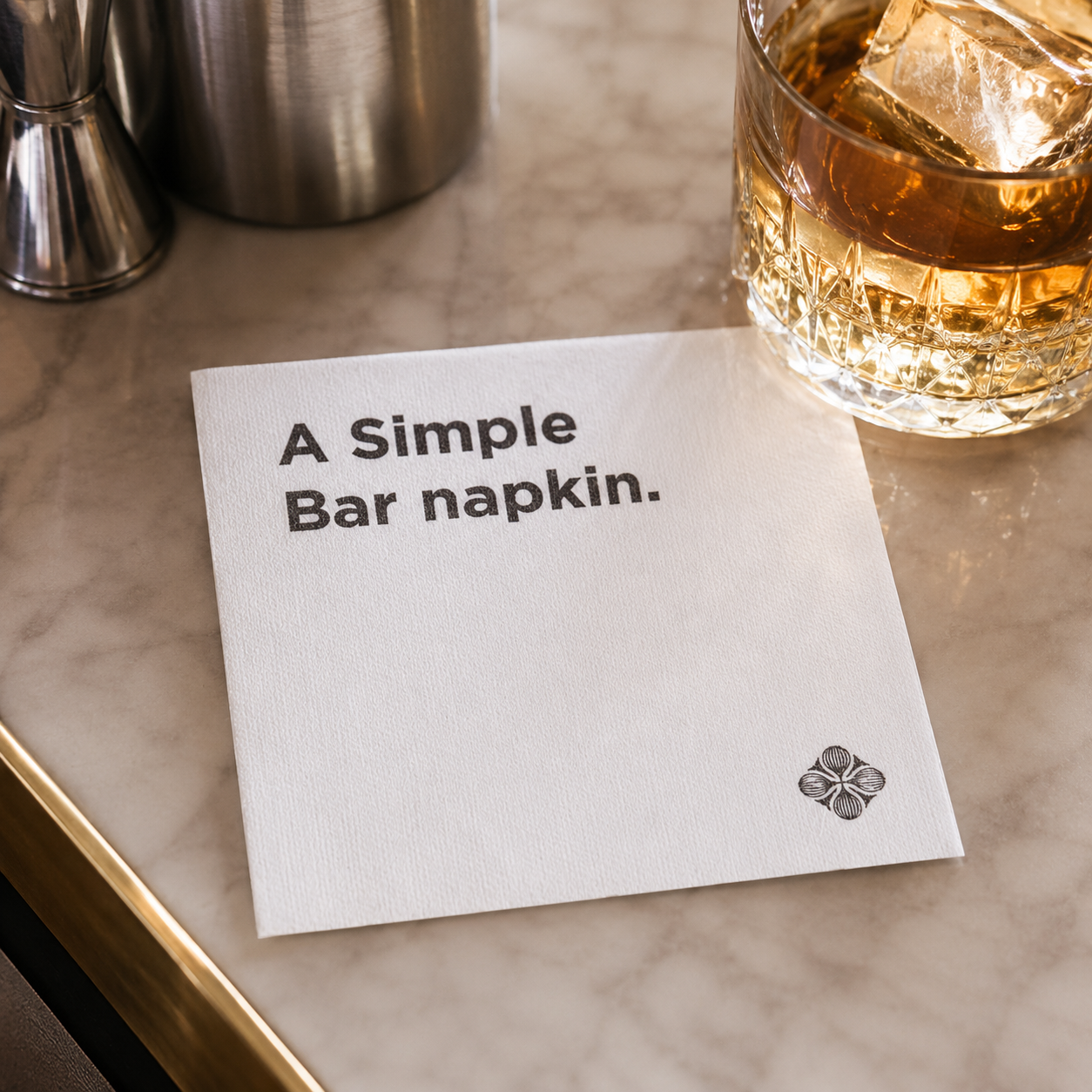
| Cocktail napkins | Bars, receptions, appetisers | Small footprint, easy one-hand use |
| Dinner napkins | Restaurants, banquets, formal meals | Large surface for lap and table use |
| 3-ply paper napkins | Fine dining, weddings, premium catering | Higher absorbency and better drape |
| 2-ply paper napkins | Daily meals, parties, cafes | Balanced softness and cost efficiency |
2.1 Design and Finishing Options
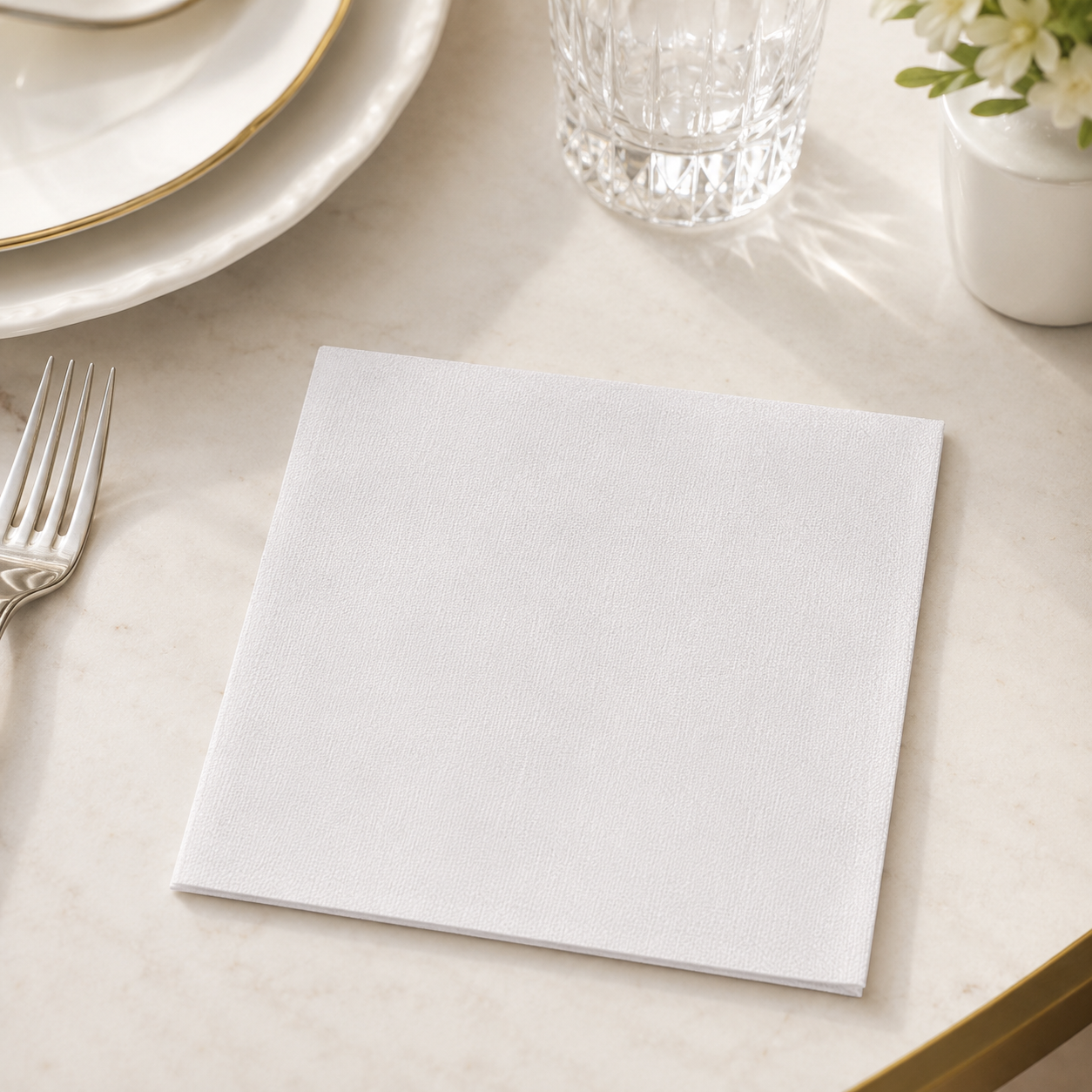
- Plain solid-colour napkins: versatile and easy to match with existing tableware
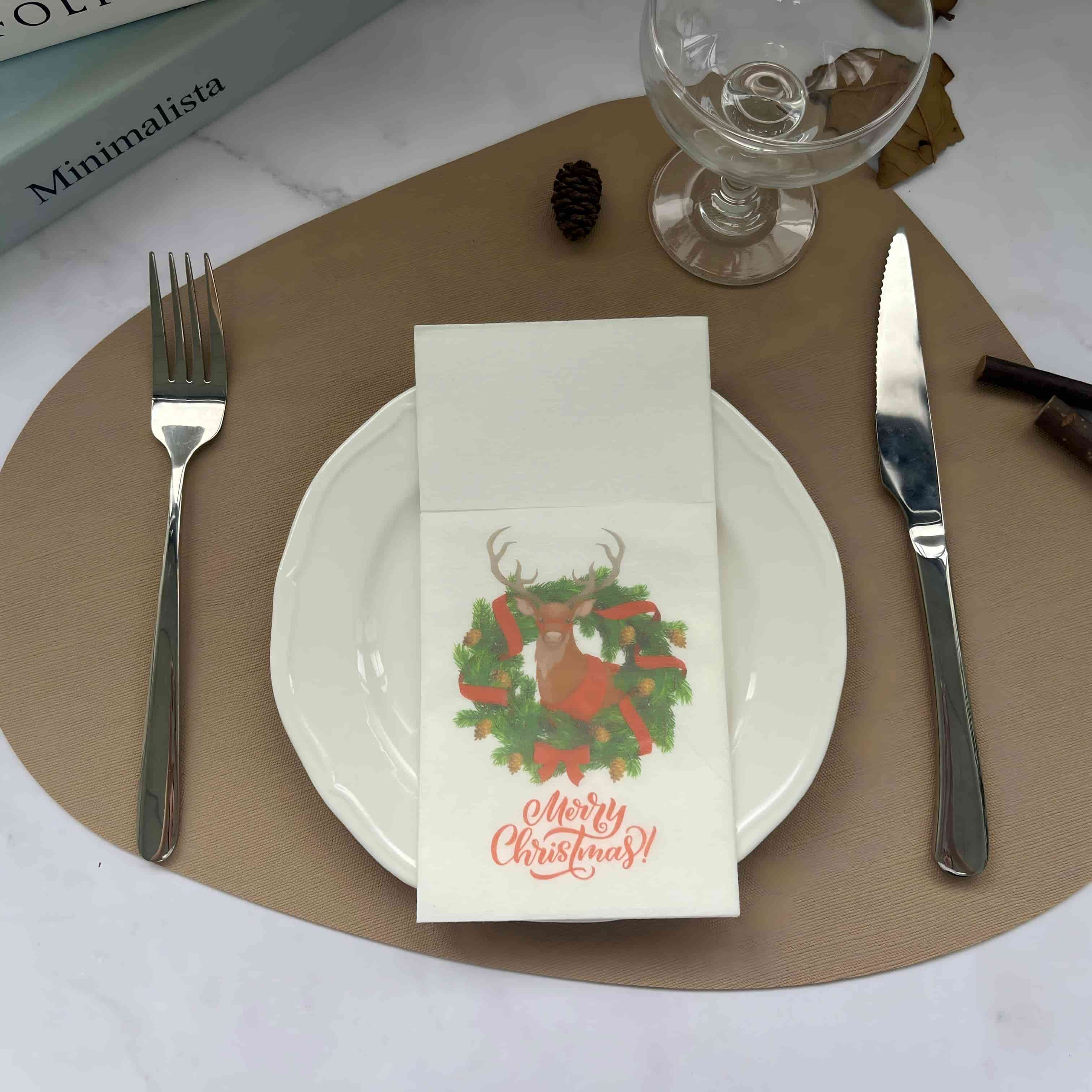
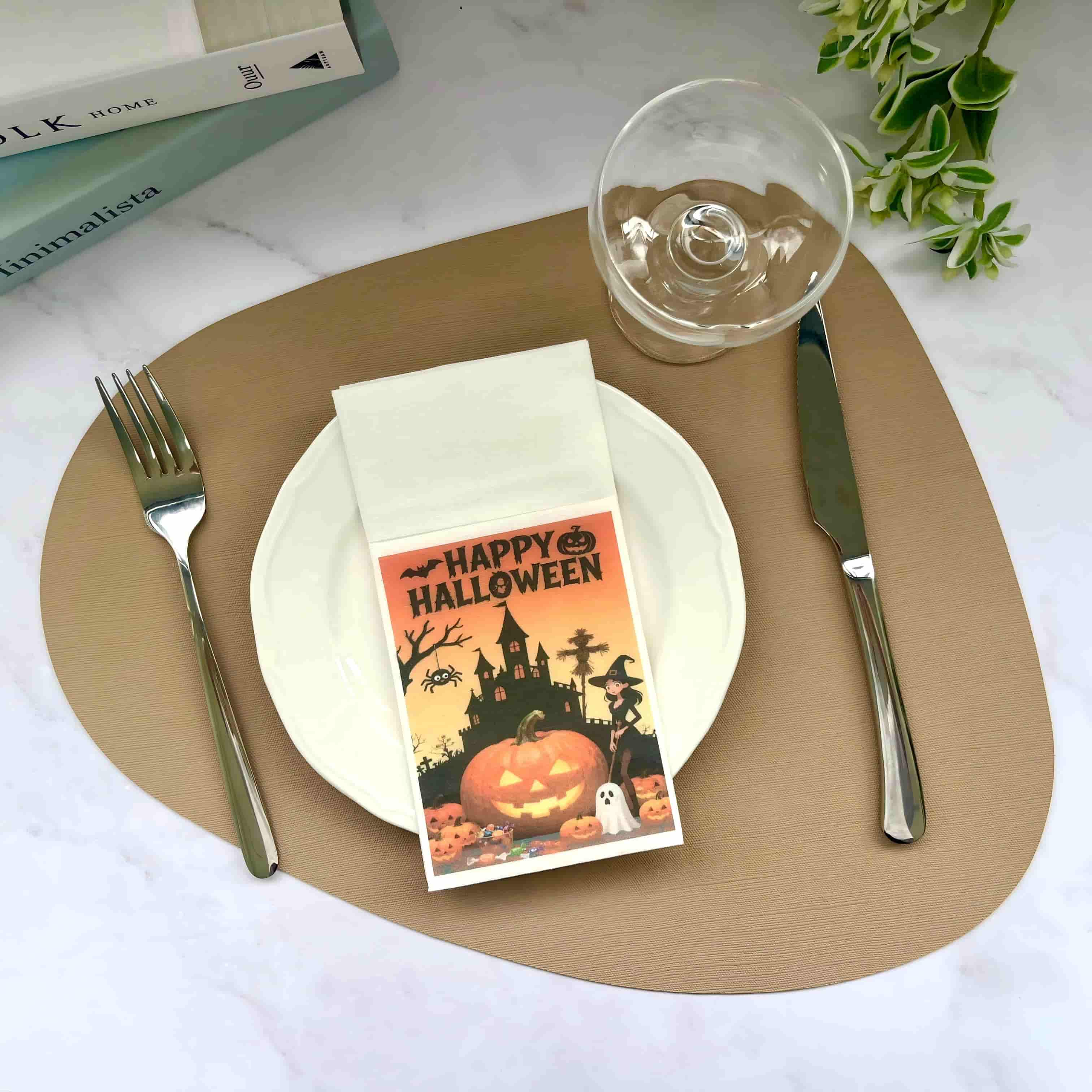
- Printed paper napkins: seasonal themes, floral patterns and celebration motifs
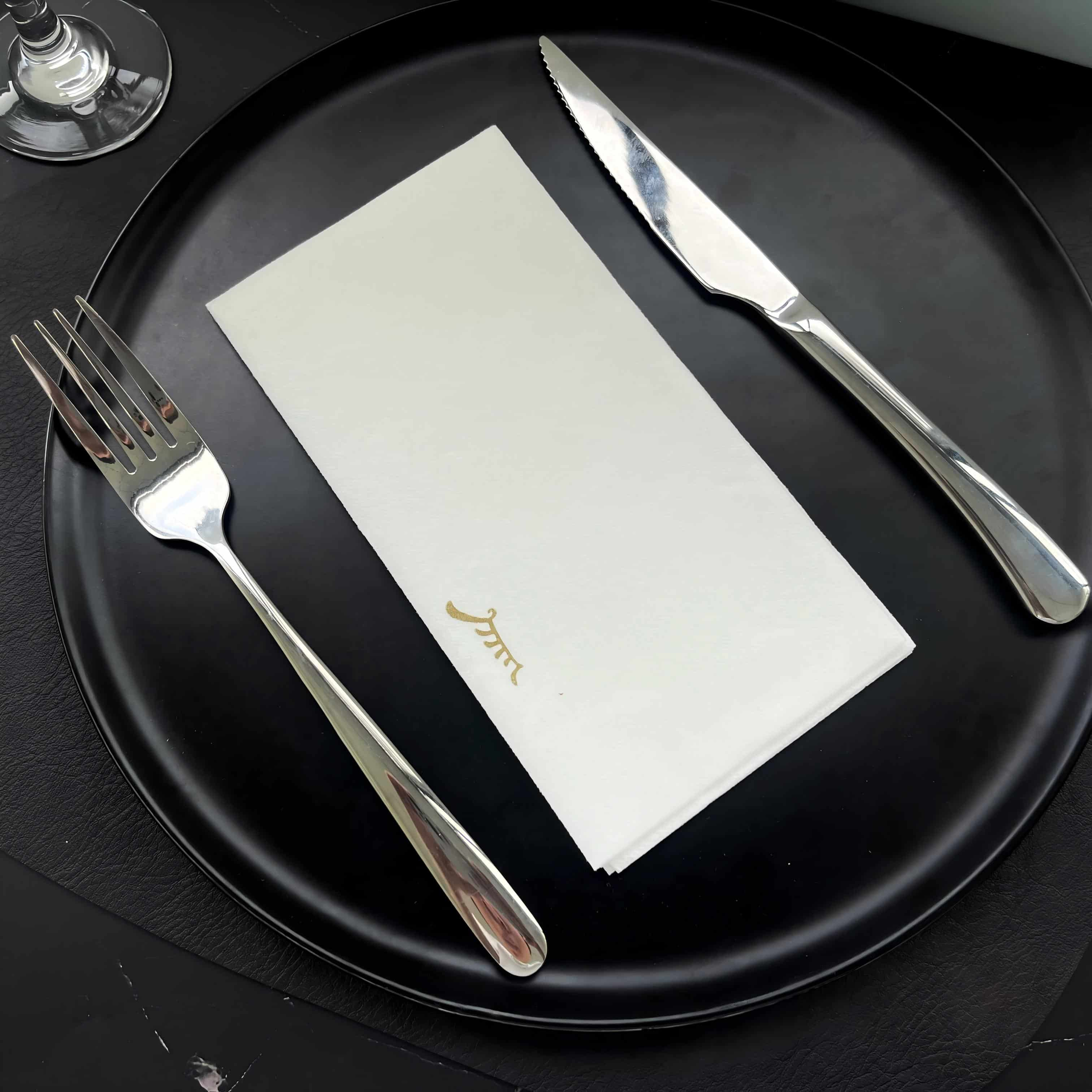
- Hot stamping: metallic foil accents that suit weddings and premium dining
- Embossed textures: raised patterns that add tactile depth without extra cost in ink
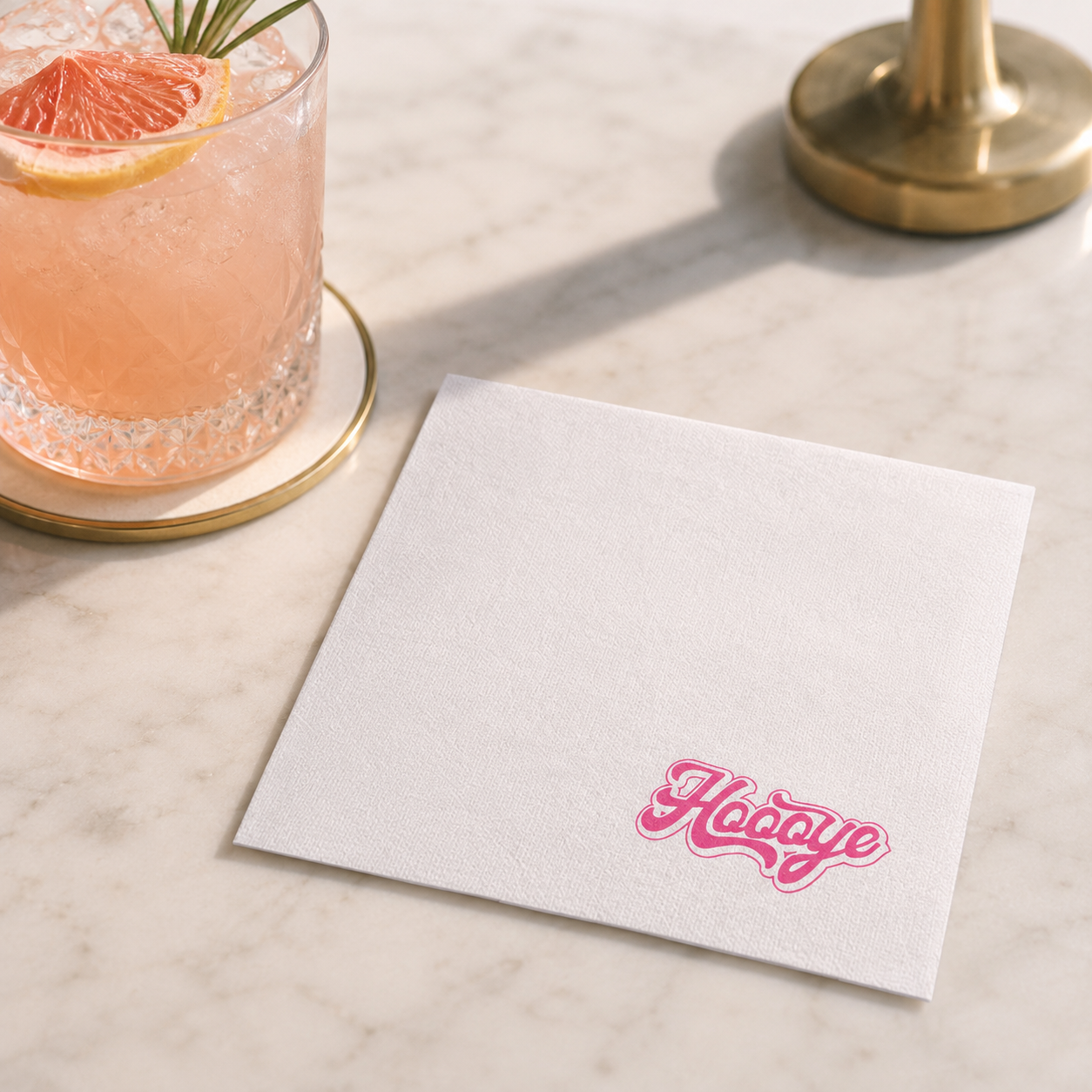
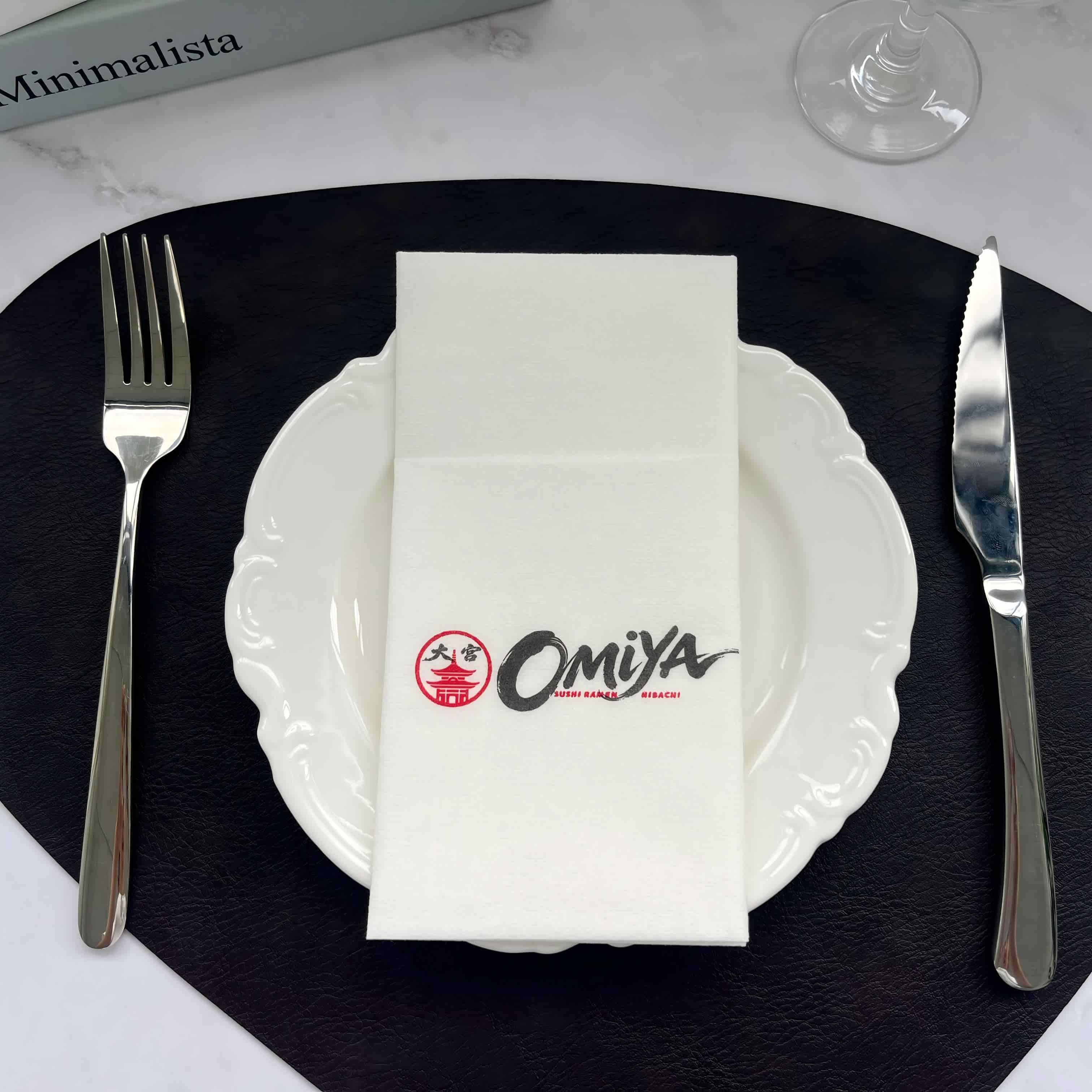
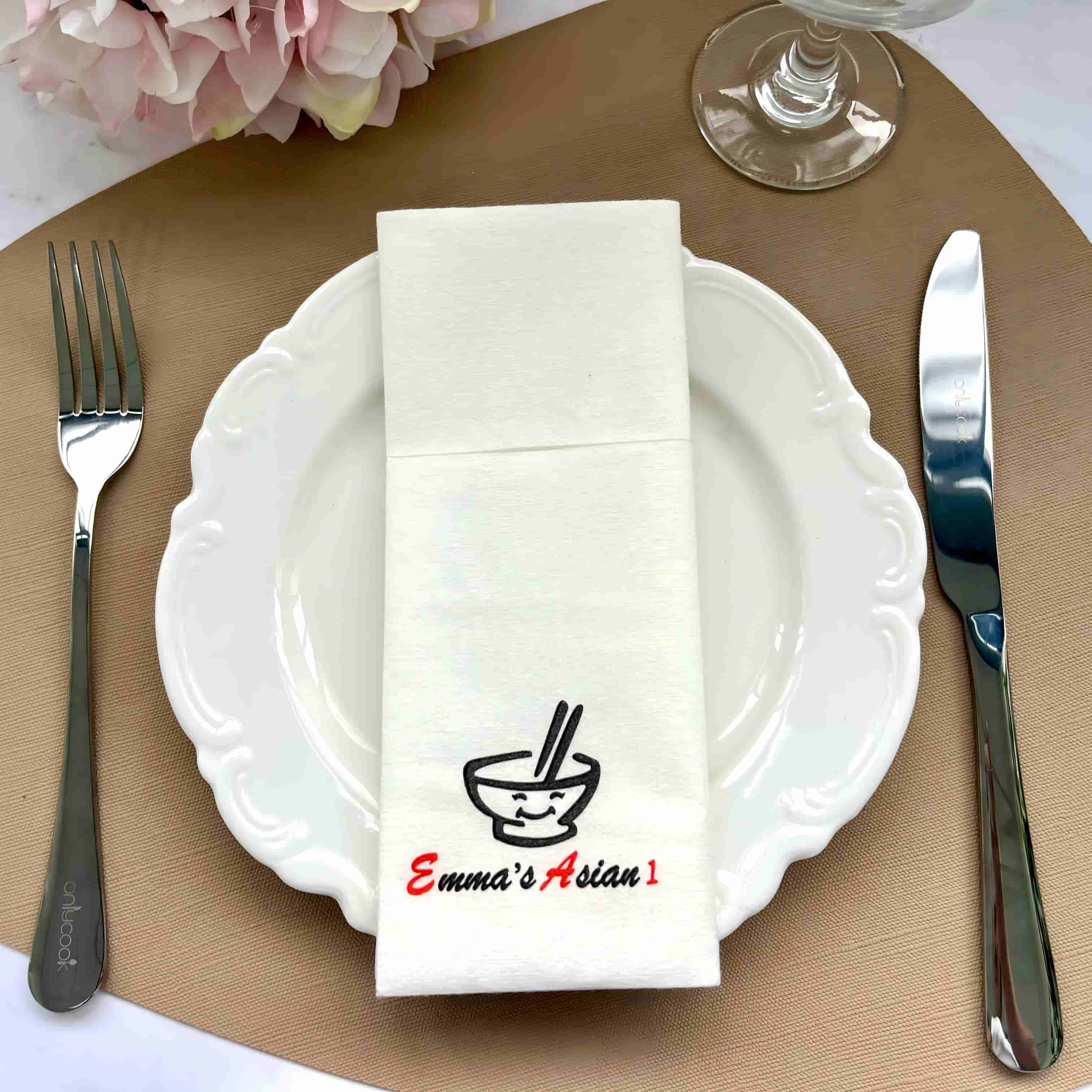
- Custom printed napkins: logos or event branding for companies and organisers
3. Eco-Friendly Paper Napkins Without Sacrificing Performance
Sustainability has moved from a niche preference to a standard procurement question. Buyers now ask whether eco-friendly paper napkins can match the absorbency and appearance of conventional products. In most cases they can, provided the raw material and manufacturing process are chosen with care.
Recycled paper napkins reduce demand for fresh fiber, while compostable and biodegradable designs help organisations address waste at the end of the product life cycle.
3.1 Material Choices
Recycled paper fibers reduce the need for newly harvested timber and are a common choice for everyday service. Sustainable virgin pulp, sourced from managed forests, offers a different balance of softness and strength. Many buyers combine both approaches depending on the application.
3.2 Compostable and Biodegradable Options
Compostable disposable napkins are designed to break down under suitable composting conditions, which makes them attractive to event organisers and hospitality venues that already run food waste programmes. Buyers should confirm that certification and disposal instructions match their local waste infrastructure.
3.3 Practical Buying Checklist
- Confirm the fiber source and whether recycled content is stated
- Test absorbency with the specific foods and drinks served
- Check whether compostability claims are supported by recognised standards
- Compare cost per usable napkin rather than cost per pack alone
4. Versatile Uses Beyond the Dining Table
Paper napkins serve a wider range of functions than most people expect. Each setting places different demands on size, strength and appearance.
Hospitality
Restaurants, cafes and catering services rely on dinner napkins and 3-ply paper napkins for guest comfort and consistent service.
Celebrations
Weddings, birthdays and holiday gatherings favour printed and hot-stamped designs that reinforce the theme of the event.
On the Go
Portable paper napkins fit lunch boxes, picnic bags and travel kits, offering hygiene where running water is unavailable.
Household Cleaning
Quick spill cleanup and light surface wiping reduce the need to reach for reusable cloths in shared spaces.
Arts and Crafts
Decoupage, collage, napkin folding and card decoration make use of the printed layer and soft structure of two-ply sheets.
5. Buying and Customisation Considerations
For wholesalers, hotel procurement teams and event planners, the purchasing decision involves more than unit price. Specification, customisation options and packaging all affect the final result.
5.1 Specifications to Verify Before Ordering
| Specification | What to Check | Why It Matters |
|---|---|---|
| Size | Folded and unfolded dimensions | Fits the table setting and dispenser |
| Ply count | Two or three layers | Determines absorbency and thickness |
| Raw material | Virgin, recycled or blended fiber | Affects softness, eco profile and cost |
| Absorbency | Tested with real beverages and foods | Prevents leaks and tearing in service |
5.2 Customisation for Business and Events
Custom printing can carry a logo, a campaign message or a themed pattern. Hot stamping delivers a metallic finish for premium occasions, while embossing adds dimension. When ordering custom work, ask suppliers to confirm colour matching, proof approval, minimum order quantities and lead times.
5.3 Packaging for Storage and Transport
Moisture-resistant and dust-protected packaging keeps napkins clean and dry during warehousing and shipping. Sealed inner bags and sturdy outer cartons reduce damage in transit and simplify inventory management for high-volume buyers.
Frequently Asked Questions
Q1: What are the benefits of using paper napkins over cloth napkins?
Paper napkins are single-use, which removes laundering, ironing and storage of soiled linen. They also reduce the risk of cross-contamination in busy venues.
Q2: What is the difference between cocktail napkins and dinner napkins?
Cocktail napkins are smaller and suit drinks and appetisers, while dinner napkins are larger and provide more coverage for full meals.
Q3: Are eco-friendly paper napkins absorbent enough for restaurant use?
Many recycled and sustainably sourced options perform well when ply count and fiber quality are matched to the menu. Testing with your typical foods and drinks is the most reliable way to confirm suitability.
Q4: Can paper napkins be custom printed with logos for events or businesses?
Yes. Printing methods include full-colour print, hot stamping and embossing. Suppliers usually require an approved artwork proof and a minimum order quantity.
Q5: What are multi-ply paper napkins and when should I choose them?
Multi-ply napkins are made of two or more layers bonded together. Three-ply versions suit formal dining and premium events, while two-ply versions are a practical choice for everyday use.
Conclusion
Paper napkins are far more than disposable accessories. The right choice balances hygiene, absorbency, appearance and sustainability for the setting in question. Review the product options below to find the size, ply count and finish that match your occasion or business requirements.

- Contact
-
+86-18205820793lydia@shuangjiepaper.comPhone
- Products
- Airlaid Napkins
- Paper napkins
- Die-cut Napkins
- Cloth Napkin
- Cocktail Napkins
- Dinner Napkins
- Kangaroo Napkins
- Cutlery Napkin Bag
- Get Connected

