
 English
  Español


-
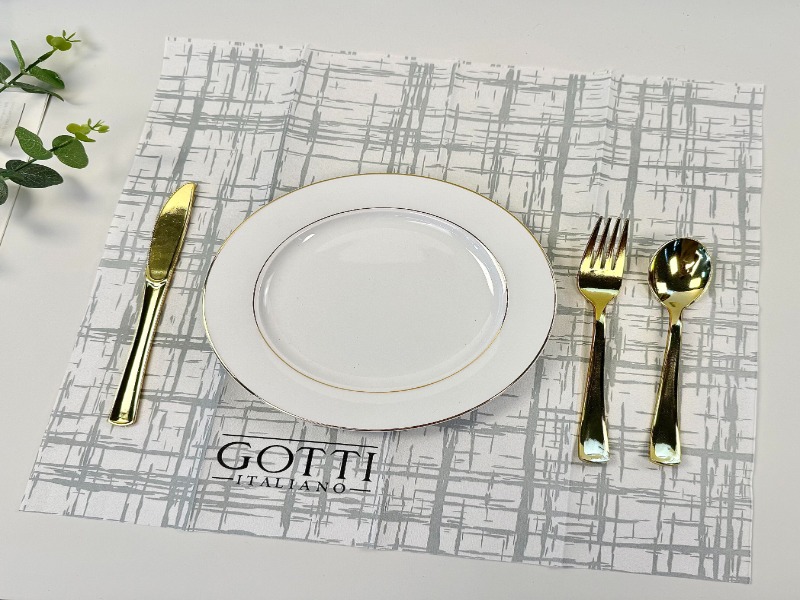 View moreAirlaid Napkins: The Complete Guide for Restaurants, Hotels & EventsWhen you run a restaurant, hotel, or event space, the choice of table napkins matters more than most people realize. Traditional fabric napkins demand laundry services, logistics overhead, and environmental cost. Standard paper napkins, by contrast, feel cheap and disintegrate under moisture. There's a middle ground that hospitality professionals have increasingly adopted: airlaid napkins. These engineered disposables combine the tactile luxury of linen with the convenience and consistency of single-use products. Unlike conventional wet-laid paper, airlaid napkins are constructed using dry-air technology that creates a three-dimensional fiber structure, delivering superior absorbency, wet strength, and a genuinely luxurious feel. This guide walks you through everything a B2B buyer needs to know: what makes airlaid different, which venues benefit most, customization and branding options, practical sourcing criteria, and sustainability considerations. By the end, you'll understand whether airlaid napkins make economic and experiential sense for your operation. What Are Airlaid Napkins: The Manufacturing Difference How Airlaid Napkins Are Made The core distinction between airlaid and conventional paper napkins lies in how fibers are bonded. Traditional napkins employ wet-laid papermaking: wood pulp is suspended in water, pressed onto a mesh screen, and then compressed into sheets. This process flattens and aligns fibers in a single direction, resulting in a thin, fragile product. Airlaid napkins use a fundamentally different approach. Instead of water, compressed air disperses wood pulp fibers randomly in three dimensions. These fibers are then bonded using either a synthetic latex binder or a natural starch-based adhesive. The result is a lofty, bulky structure with significantly more volume than wet-laid paper. Why This Matters: The Tactile Experience That three-dimensional structure creates measurable performance benefits. First, the loose fiber arrangement allows greater water absorption. Airlaid napkins typically absorb 30 to 50 percent more liquid than standard paper napkins of the same weight. Second, the fibers remain intact when wet, meaning your napkin won't disintegrate mid-meal or when guests wipe condensation from glassware. Most importantly, the tactile experience differs dramatically. Standard paper napkins feel smooth and uniform. Airlaid napkins feel distinctly softer and more textured, similar to a lightweight linen table napkin. Guests notice this immediately upon contact. In hospitality settings where every touchpoint communicates quality, that difference registers as luxury. Airlaid vs. Paper Napkins: A Detailed Comparison for Buyers When evaluating napkin options, B2B buyers typically weigh performance, economics, and brand impact. The following comparison addresses each dimension: Criteria Standard Paper Napkins Airlaid Napkins Tactile Feel Smooth, thin, papery Soft, textured, cloth-like Absorbency Moderate 30-50% higher Wet Strength Disintegrates when saturated Remains intact when wet Linting and Debris Leaves fibers on glassware and dark clothing Minimal lint, ideal for polishing glassware Printing Capability Basic single-color or simple two-color Full-color digital, embossing, foil stamping Embossing and Texture Shallow, often not visible Deep, pronounced, adds luxury feel Moisture Resilience Degrades rapidly around cold drinks Maintains integrity with condensation Cost per Unit 0.005 - 0.03 USD 0.02 - 0.12 USD Key Takeaway: If your guests will hold a napkin for more than 30 seconds, or if you serve cold beverages, airlaid napkins provide a noticeably superior experience compared to standard paper. The upgrade in perceived quality often justifies a modest cost premium, especially in fine dining, upscale events, and hospitality settings where brand positioning depends on attention to detail. Which Venues Benefit Most from Airlaid Napkins Bars, Lounges, and Cocktail Venues Condensation is the ultimate stress test for any napkin. When customers order an iced cocktail or cold beer, moisture beads on the glass and transfers to whatever's underneath. Standard paper napkins become sodden and shred within minutes. Airlaid napkins, by contrast, resist saturation, remain structurally sound, and can actually be used to polish the glassware without leaving residue. Beyond functionality, airlaid napkins elevate the entire drinking experience. A craft cocktail paired with a substantial, textured napkin signals quality and care. Many upscale bars use embossed or foil-stamped airlaid napkins as part of their brand presentation, creating an impression of luxury that a flimsy paper napkin simply cannot deliver. Fine Dining Restaurants In fine dining, every element—from plating to stemware to napkins—communicates culinary and operational excellence. Standard paper napkins undermine that narrative. Airlaid napkins, particularly in white or custom-branded versions, feel expensive and align with upscale table settings. They also handle sauces and moisture better than alternatives, reducing the need for mid-meal napkin replacements. Additionally, airlaid's compatibility with embossing and specialty printing allows restaurants to incorporate their logo or a seasonal design, reinforcing brand identity while enhancing the guest experience. Hotels and Resorts Hotels operate across multiple venues: room service, hallway bars, conference centers, spa facilities, and fine dining restaurants. Using airlaid napkins across all touchpoints creates brand consistency and a unified luxury experience. Guests encounter the same quality napkin at breakfast, in the bar, and during evening events, reinforcing the hotel's commitment to excellence. Operationally, hotels without on-site laundry facilities—increasingly common in smaller luxury properties—avoid the costs and carbon footprint associated with washing and transporting bulk fabric napkins. Airlaid offers the quality feel of linen without the logistical burden. Weddings and Special Events Event planners recognize that guests often keep embossed or foil-stamped napkins as keepsakes. A beautifully designed airlaid napkin with the couple's monogram, wedding date, or event theme becomes a memorable memento that extends brand recall long after the event ends. This inherent "keepsake potential" makes airlaid napkins especially attractive for weddings, galas, corporate events, and milestone celebrations. Airlaid also permits seasonal and thematic flexibility. Unlike costly fabric napkins that must be replaced entirely for each event, airlaid allows planners to coordinate colors, embossing, and printing with event themes without incurring prohibitive inventory costs. Catering and Buffet Operations Catering operations serve meals across diverse venues and often produce high napkin volumes. Airlaid napkins' durability and professional appearance make them ideal for upscale catering. They maintain structural integrity through greasy foods and sauces, resist lint transfer to dark clothing, and project a premium brand image—qualities that justify a higher napkin cost when competing for high-value catering contracts. Customization Options and Branded Airlaid Napkins For most B2B buyers, the ability to customize napkins with branding, colors, and design elements is paramount. Airlaid napkins offer far greater customization flexibility than standard paper alternatives, making them an ideal platform for brand expression. Printing and Color Options Modern airlaid manufacturing supports multiple printing technologies: Full-color digital printing allows complex designs, photographs, and multi-color logos without setup charges typical of traditional printing methods. Single-color flexographic or gravure printing suits high-volume orders and simple logos, offering lower per-unit costs. Foil stamping in gold, silver, or copper adds a premium metallic accent that catches light and communicates luxury. Combination approaches—for example, a digitally printed design with gold foil accents—create distinctive, high-impact products that command attention on any table. Embossing and Texture Airlaid's structural integrity allows for deep, complex embossing patterns. Options include: Standard embossed patterns: damask, linear quilting, or geometric textures that add tactile depth without custom tooling costs. Custom embossing: restaurants and events can commission unique designs—logos, monograms, or thematic patterns—though this requires a setup fee amortized across larger order volumes. Combination embossing and printing: an embossed pattern overlaid with a printed logo creates exceptional visual and tactile impact. Folding Styles Airlaid napkins are available in several fold configurations suited to different service types: Cocktail fold: a compact square ideal for bars and standing receptions, typically 25 x 25 cm. Dinner fold: the standard rectangular configuration used in formal place settings, typically 40 x 40 cm. Pocket fold: a tri-fold design with a pocket for flatware, adding elegance to formal table service and reducing setup labor. Custom folds: larger operations may request proprietary folds that enhance brand differentiation. Size Options While standard sizes (40 x 40 cm for dinner, 33 x 33 cm for casual, 25 x 25 cm for cocktail) cover most applications, suppliers often accommodate custom dimensions for bulk orders, allowing venues to match napkin size to their specific table layout and brand guidelines. How to Source Airlaid Napkins: Pricing, MOQ, and Supplier Evaluation Sourcing airlaid napkins involves understanding pricing structures, minimum order quantities, compliance standards, and supplier reliability. This section equips you with the criteria needed to make informed purchasing decisions and evaluate whether a supplier aligns with your operation's needs. Understanding Pricing Factors The cost of airlaid napkins depends on several variables: Basis weight (gsm): Heavier napkins (80-120 gsm) cost more than lighter ones (60-80 gsm) but offer superior absorbency and tactile quality. Size and fold: Larger napkins and complex folds increase material use and production time. Printing complexity: Basic single-color printing costs less than full-color digital or foil stamping. Custom embossing requires tooling investment. Order volume: Bulk orders (50,000+ units) benefit from economies of scale; smaller orders incur per-unit setup charges. Customization: Branded napkins cost more than plain white, with pricing scaling based on design complexity and production method. As a general reference for bulk purchases, wholesale airlaid napkin pricing ranges from 0.02 to 0.12 USD per unit, depending on the factors above. Unprinted, standard-size plain white napkins sit at the lower end; custom-printed, embossed, or foil-stamped specialty napkins occupy the upper range. Minimum Order Quantities (MOQ) MOQ policies vary significantly by supplier and product type: Sample orders: Many suppliers offer small quantities (100-500 units) at a premium per-unit rate to allow testing before committing to larger volumes. This is valuable for venues evaluating quality and brand fit. Low-volume production: Some suppliers accept orders as small as 5,000-10,000 units, suitable for smaller restaurants or niche event planners. Standard commercial orders: 20,000-50,000 units is typical for small to mid-sized hospitality operations and represents the volume at which per-unit pricing becomes competitive. Large-scale procurement: Hotels, large catering companies, and national chains often place orders exceeding 100,000 units quarterly, securing the most favorable pricing. When evaluating suppliers, confirm their flexibility on MOQ, especially if your venue is testing airlaid napkins for the first time or requires specialty designs. Quality and Compliance Standards Purchasing airlaid napkins from compliant, certified suppliers protects your operation from liability and ensures product safety and performance: Food contact certification: Napkins used in dining settings should comply with FDA food contact material standards (USA) or EU Regulation 1935/2004 (Europe). This ensures inks, dyes, and adhesives are safe if they contact food or lips. ISO 9001 certification: Quality management system certification indicates consistent manufacturing and inspection procedures. SGS or equivalent third-party testing: Independent lab reports confirm wet strength, absorbency, basis weight, and other technical specifications. Fiber sourcing transparency: Ask whether pulp is sourced from sustainably managed forests (FSC-certified preferred) and whether synthetic binders are disclosed. Ink and dye safety: Confirm that printing inks are food-safe and do not bleed or fade with moisture or washing. Supplier Evaluation Criteria Beyond price and MOQ, assess suppliers on operational reliability: On-time delivery: A supplier with a 95%+ on-time delivery rate minimizes supply chain disruptions. Request references from existing clients to verify this. Response time: Quality suppliers respond to inquiries and sample requests within 5 business hours. Slow communication often signals deeper operational issues. Technical support: Does the supplier provide detailed product specifications, testing reports, and design consultation? This indicates a commitment to customer success. Repeat customer rate: A supplier with a 15%+ repeat customer rate demonstrates reliability and customer satisfaction. High churn suggests quality or service issues. Minimum quality control processes: Ask about incoming material inspection, production quality gates, and final product testing. Transparency here is essential. Getting Started: Requesting a Quote When contacting a supplier to request a quote for airlaid napkins, provide the following information to receive an accurate estimate: Desired quantity and timeline Size and fold configuration Basis weight (gsm) preference Printing method, color, and design (provide a design file or description) Whether embossing or foil stamping is desired Any specific compliance or certification requirements Packaging preferences (bulk, boxed, or palletized) This detail accelerates the quoting process and ensures the supplier's proposal matches your actual needs, not generic assumptions. Sustainability Considerations for Airlaid Napkins Environmental responsibility increasingly influences B2B purchasing decisions, particularly in hospitality. Understanding airlaid napkins' sustainability profile—both strengths and limitations—is essential for venues operating under corporate sustainability mandates or guest expectations. Manufacturing Efficiency From an energy and resource perspective, airlaid manufacturing has advantages over traditional papermaking. The dry-laid process eliminates the need for large water volumes and energy-intensive evaporation phases required in wet-laid paper production. Per unit, airlaid napkins typically consume 20-30% less water and energy than conventional paper napkins of comparable quality. Lifecycle Benefits vs. Fabric Napkins When compared to washing, drying, and transporting reusable fabric napkins, single-use airlaid often presents a lower environmental impact despite its disposable nature. Institutional laundry services consume substantial water, detergent, and energy. For venues without on-site laundry, transportation adds carbon emissions. Airlaid napkins, used once and recycled, frequently represent a net environmental improvement over the laundry lifecycle of fabric alternatives. Challenges and Honest Considerations Not all airlaid napkins are created equal from an environmental standpoint. Transparency matters here: Binder composition: Many airlaid napkins use synthetic latex or acrylic binders, which are petroleum-derived and not biodegradable. Some suppliers offer starch-based or plant-derived binders as an alternative, though at higher cost. Fiber sourcing: Look for FSC (Forest Stewardship Council) certification to ensure pulp comes from sustainably managed forests. Uncertified fiber may originate from environmentally sensitive regions. Recyclability: Most airlaid napkins are recyclable through standard paper waste streams if binders are minimal or water-soluble. However, heavily coated or foil-stamped napkins may not be accepted by all recycling facilities. Compostability: Few airlaid napkins are compostable due to synthetic binders. Venues pursuing zero-waste goals should specifically request compostable-certified products and confirm compatibility with local composting infrastructure. Making Sustainable Sourcing Decisions If environmental performance is a priority, when requesting quotes from airlaid napkin suppliers, ask explicitly for: FSC or equivalent forest certification for pulp Biodegradable or plant-based binder options Compostable product lines, if available Third-party lifecycle assessment or carbon footprint data Suppliers that proactively share this information demonstrate environmental commitment and align with venues pursuing credible sustainability goals. Frequently Asked Questions About Airlaid Napkins Q1: Are airlaid napkins recyclable? Most airlaid napkins are recyclable through standard municipal paper waste streams, as the napkins are primarily wood pulp. However, napkins with heavy ink coverage, foil stamping, or food residue may be diverted to landfill by recycling facilities due to contamination concerns. If recyclability is essential, consult with your local waste management provider about acceptance criteria and consider minimizing ink coverage or removing heavily soiled napkins from the recycling stream. Q2: What is the difference between airlaid and tablin napkins? Tablin (a trademarked term in some regions) refers to a similar dry-laid napkin technology, though the manufacturing process and binder compositions can vary. Generally, tablins are constructed with a stiffer, more formal hand feel and tighter embossing patterns, making them suitable for ultra-formal dining. Airlaid napkins, by contrast, emphasize softness and cloth-like texture. Both offer superior performance to standard paper napkins, but airlaid is typically preferred for contemporary hospitality applications where comfort and luxury feel take precedence over rigid formality. Q3: Are airlaid napkins waterproof? No, airlaid napkins are not waterproof; they are absorbent by design. However, they possess much higher wet strength than standard paper napkins, meaning they retain structural integrity when saturated rather than disintegrating. This distinction matters in practice: an airlaid napkin used to dry a cold glass will not shred, but it will eventually become fully saturated if left in contact with liquid for an extended period. For applications requiring moisture resistance, special barrier-coated airlaid napkins are available, though these are less common and costlier than standard options. Q4: Can I source airlaid napkins with a small order quantity? Yes, though with conditions. Most suppliers offer sample orders (100-500 units) at a premium per-unit price, allowing you to test quality and brand fit before committing to larger volumes. Some suppliers also accept production runs of 5,000-10,000 units, particularly for unprinted or simply printed items. Heavily customized designs (deep embossing, foil stamping, complex full-color printing) typically have higher MOQs due to tooling and setup costs. When inquiring, mention your volumes clearly and ask whether the supplier can accommodate your specific quantity needs or recommend products requiring lower setup investment. Q5: How long does it take to receive airlaid napkins after placing an order? Lead times vary by supplier, customization complexity, and order volume. Unprinted stock napkins may ship within 2-3 weeks. Custom-printed or embossed napkins typically require 4-8 weeks to account for design approval, tooling, production, quality control, and logistics. Rush options are sometimes available at a premium. Always confirm lead times with your supplier during the quoting phase, especially if you have time-sensitive events or seasonal needs. Q6: What basis weight should I choose for airlaid napkins? Basis weight (measured in grams per square meter, or gsm) directly affects napkin feel, absorbency, and durability. Lighter napkins (60-70 gsm) are cost-effective for casual venues and high-volume uses. Mid-range napkins (80-100 gsm) offer the best balance of quality feel, absorbency, and value for most restaurants and events. Heavier napkins (120+ gsm) provide luxury texture and superior absorbency but cost more and may feel overly substantial for some applications. For venues seeking to project premium quality without excessive cost, 80-100 gsm is the recommended sweet spot. Q7: Can airlaid napkins be used with printed designs without bleeding or fading? Yes, when using food-safe inks and appropriate printing methods. Digital printing and flexographic printing both produce stable, fade-resistant designs on airlaid napkins. Foil stamping is inherently stable and resistant to wear. However, confirm with your supplier that food-contact safety standards are met and that inks are specifically formulated for paper rather than transferred from fabric or synthetic printing processes. Always request color stability testing, especially if napkins will be stored in humid environments or exposed to sunlight. Q8: How do airlaid napkins perform in humid or coastal environments? Airlaid napkins maintain structural integrity better than standard paper napkins in humid conditions, as their fiber architecture resists excessive moisture absorption that would compromise standard paper products. However, extended storage in high humidity (above 80% relative humidity) can still affect napkin performance over time. For venues in coastal or tropical climates, store napkins in climate-controlled conditions (40-60% humidity) and minimize exposure to salt air or airborne moisture. Suppliers can advise on packaging and storage best practices for specific regional conditions. Conclusion: Why Airlaid Napkins Matter for Your Business Airlaid napkins represent a strategic upgrade for any hospitality or event operation. They combine the tactile luxury of fabric with the operational convenience of single-use products. Guests perceive quality and care through superior napkin performance, and your operation benefits from reliability, customization flexibility, and reduced laundry overhead. Whether you run a craft cocktail bar, a fine dining restaurant, a boutique hotel, or a high-end catering business, the choice of napkins communicates your brand values. Airlaid napkins signal professionalism, attention to detail, and commitment to guest experience—qualities that justify their cost premium and influence repeat bookings, guest loyalty, and word-of-mouth referrals. The next step is straightforward: identify a reputable supplier, request samples aligned with your specific needs (size, customization, quantity), evaluate quality and pricing, and pilot a trial order. Most suppliers respond within hours and can provide samples within one to two weeks. Use this pilot phase to assess guest perception, operational fit, and true cost-benefit relative to your current napkin solution. Ready to explore airlaid options for your venue? Contact a qualified supplier today to request samples and a detailed quote. Provide your quantity requirements, design preferences, and specific performance needs—this ensures a proposal tailored to your business rather than generic assumptions. .section-block { font-family: 'Segoe UI', Roboto, 'Helvetica Neue', sans-serif; font-weight: 400; line-height: 2; color: #333; } .section-block h2 { font-size: 20px; font-weight: 700; text-align: left; margin-bottom: 10px; color: #1a1a1a; position: relative; padding-bottom: 12px; display: inline-block; } .section-block h2::after { content: ''; position: absolute; bottom: 0; left: 0; width: 100%; height: 3px; background: linear-gradient(90deg, #D0224E 0%, #D0224E 60%, transparent 100%); } .section-block h3 { font-size: 18px; font-weight: 700; text-align: left; margin-top: 5px; margin-bottom: 5px; color: #2a2a2a; } .section-block h4 { font-size: 16px; font-weight: 500; text-align: left; color: #D0224E; margin-top: 15px; margin-bottom: 8px; } .section-block p { font-size: 16px; margin-bottom: 5px; text-align: left; line-height: 1.8; } .section-block ul, .section-block ol { margin-top: 8px; margin-bottom: 8px; padding-left: 20px; } .section-block li { list-style-position: inside; font-size: 16px; margin-bottom: 6px; line-height: 1.8; } .section-block ul li { list-style-type: disc; } .section-block ol li { list-style-type: decimal; } .section-block strong { font-weight: 500; } .section-block table { font-family: 'Segoe UI', Roboto, 'Helvetica Neue', sans-serif; font-weight: 400; border-collapse: collapse; width: 100%; } .section-block table th, .section-block table td { text-align: center; font-size: 16px; padding: 12px; border: 1px solid #ddd; line-height: 1.6; } .section-block table th { background-color: #f5f5f5; font-weight: 600; } .section-block a { color: #D0224E; text-decoration: none; border-bottom: 1px solid #D0224E; } .section-block a:hover { color: #a01838; border-bottom-color: #a01838; }2026-09-17+
 -
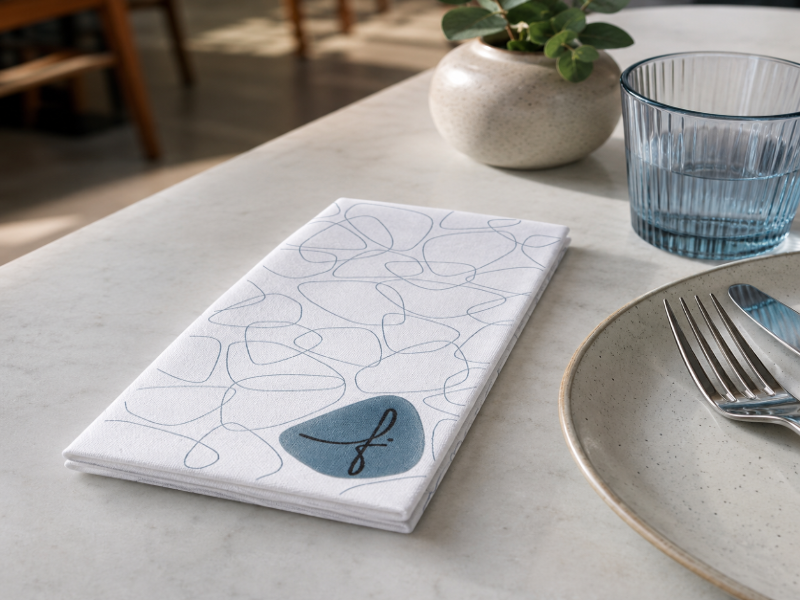 View moreWhat Are Airlaid Napkins: Why Buyers Are Switching from Traditional PaperWhat Are Airlaid Napkins: Why B2B Buyers Are Switching from Traditional Paper Introduction: The Evolution of Table Linens in Professional Dining Table presentation matters. In hospitality and food service, the quality of your napkins sends an immediate signal about your establishment's standards. Yet many businesses face a persistent challenge: balancing premium appearance with operational costs and sustainability goals. Traditional cloth linens require constant laundering, storage, and maintenance. Standard paper napkins, meanwhile, compromise on durability and tactile experience. There's a third option that's been gaining traction among discerning buyers: airlaid napkins. This guide explores everything B2B purchasers need to know about airlaid napkins—their material composition, performance advantages, customization capabilities, and why they're becoming the preferred choice for hospitality groups, catering operations, medical facilities, and premium dining establishments. Understanding Airlaid Napkin Technology: Material Composition and Manufacturing Airlaid napkins represent a distinct category within nonwoven textiles, differentiated by their manufacturing process and resulting performance characteristics. What Makes Airlaid Different: The Manufacturing Process Traditional tissue napkins rely on wet-laying technology, where fibers are suspended in water. Airlaid napkins use a completely different approach: dry-laying. Wood pulp fibers and bonding agents are dispersed through air, then bonded together using heat and pressure. This process creates a material with superior structural integrity and absorbency compared to conventional tissue. The result is a napkin that combines the softness of fabric with the functionality of paper—a product often described as having a "linen-like" tactile experience. This distinction matters significantly in markets where perceived quality influences purchasing decisions. Fiber Composition and Material Properties Most airlaid napkins are composed of virgin wood pulp fibers, cellulose derivatives, and bonding agents. Premium grades incorporate higher percentages of virgin fiber, which contributes to: Enhanced absorbency rates (typically 300-400% absorption by weight) Superior tensile strength when wet or dry Reduced linting and fibrillation Greater opacity for professional presentation .svg-title { font-size: 15px; font-weight: 600; } .svg-label { font-size: 12px; fill: #333; } .svg-value { font-size: 12px; font-weight: 500; fill: #d0224e; } .svg-box { stroke: #d0224e; stroke-width: 2; fill: url(#grad1); } Airlaid vs. Traditional Napkin Comparison Airlaid Napkins Absorbency: 300-400% Wet Strength: Excellent Softness: High Cost per Unit: Mid Tactile Feel: Premium Durability: Superior Eco-friendly: Yes Folding: Multiple options Standard Paper Absorbency: 150-200% Wet Strength: Fair Softness: Moderate Cost per Unit: Low Tactile Feel: Basic Durability: Moderate Eco-friendly: Limited Folding: Standard fold only Core Performance Advantages: Why Purchasing Managers Choose Airlaid Superior Absorbency and Strength The absorbency differential directly impacts operational efficiency. Standard 2-ply or 3-ply tissue napkins typically require multiple applications to handle typical dining situations. Airlaid napkins achieve comparable or superior performance with single-sheet use, reducing per-service consumption and waste disposal costs. Equally important is wet-strength retention. When moistened, traditional tissue begins to disintegrate. Airlaid maintains structural integrity when wet, preventing embarrassing failures during service and reducing waste from premature disposal. Aesthetic and Tactile Superiority Premium positioning demands corresponding materials. Airlaid napkins deliver a noticeably softer, more luxurious tactile experience compared to standard paper products. The material's density and composition create a subtle drape and feel reminiscent of fine linen cloth—without the maintenance requirements. This tactile difference influences customer perception. Guests at high-end establishments expect linens that feel substantial and refined. Airlaid napkins bridge the gap between convenience and perception, delivering premium sensation at paper-product pricing. Hygiene and Safety Standards Single-use airlaid napkins eliminate cross-contamination risks associated with reusable linens. Manufacturing processes ensure sterile, bacteria-free products. For medical facilities, beauty salons, and food service establishments where hygiene protocols are paramount, this advantage is invaluable. Environmental and Sustainability Profile Modern airlaid napkins are engineered for biodegradability. They decompose in appropriate composting environments within 180-365 days, depending on conditions and material specification. This addresses growing regulatory requirements and consumer expectations regarding sustainable operations. The manufacturing process generates minimal waste compared to tissue alternatives. Additionally, the efficiency advantage (fewer napkins needed per service) reduces overall consumption and disposal volume—creating a compounding sustainability benefit. Specifications and Customization Guide: Tailoring to Your Requirements Size and Folding Specifications Airlaid napkins accommodate diverse operational needs through multiple standard configurations: Size (cm) Unfolded Dimension Primary Applications 30x40 1/4 fold to 15x20 Standard dining, casual service 40x40 1/4 or 1/8 fold options Premium restaurants, hotels 40x60 Multiple fold variations Fine dining, events Special shapes Napkin rings, knife pockets Wedding receptions, galas Basis Weight and Thickness Considerations Basis weight (measured in grams per square meter, or gsm) fundamentally influences perceived quality, durability, and cost structure: 50 gsm: Entry-level thickness, suitable for cost-sensitive operations with high volume. Adequate for standard food service but limited premium positioning. 60 gsm: Mid-range specification offering balanced performance and economics. Recommended for most hospitality applications where quality and cost must be optimized. 70+ gsm: Premium specifications delivering maximum perceived luxury, optimal wet strength, and superior performance. Standard for fine dining, aviation, and prestige event catering. Custom Printing and Branding Airlaid napkins accommodate professional custom printing, enabling brand reinforcement at every table: Single-color imprinting: logos, restaurant names, event dates Multi-color digital and flexographic printing Placement options: centered, corner, edge positioning Food-safe inks meeting regulatory standards Custom color matching to brand specifications Customization Note: Minimum order quantities (MOQ) vary by specification. Single-color imprinting typically requires lower MOQ (500-1000 units) compared to multi-color custom designs (2500+ units). Digital printing allows small-run customization, though per-unit costs increase proportionally. Industry Applications: Where Airlaid Napkins Deliver Maximum Value Hospitality and Upscale Dining Fine dining establishments and premium hotel groups increasingly specify airlaid napkins as part of table presentation standards. The combination of superior feel, performance reliability, and customization capability aligns with luxury service expectations. Hotels frequently custom-print napkins with property names or logos, reinforcing brand identity while managing linen replacement costs. Catering and Event Services Wedding receptions, corporate galas, and large-scale catering operations benefit significantly from airlaid specifications. Event planners appreciate the range of sizes, customizable folding patterns, and ability to incorporate branding or event themes. The single-use advantage eliminates post-event laundry logistics while maintaining premium presentation standards. For multi-day events, the consistency and reliability of airlaid napkins prevent embarrassing service interruptions associated with traditional linen shortages or damage. Medical and Wellness Facilities Dental offices, beauty salons, spas, and medical practices specify airlaid napkins for hygiene-critical applications. The sterile, single-use nature eliminates cross-contamination concerns inherent to reusable cloth products. Food-safe material composition meets stringent healthcare facility standards. Airline and Transportation Services Aviation catering operations and premium transportation services standardize on high-basis-weight airlaid napkins. The superior performance under variable conditions (altitude, temperature fluctuations, extended service periods) makes airlaid the category standard for this application. Foodservice and Quick-Service Restaurants Even casual dining and quick-service environments benefit from airlaid's efficiency. Higher absorbency means fewer napkins per customer, reducing overall consumption costs. For establishments emphasizing sustainability or positioning at the premium segment of their category, airlaid napkins deliver measurable operational and brand benefits. B2B Procurement Guide: Cost Factors and Supplier Selection Understanding Price Drivers Airlaid napkin pricing reflects multiple variables. Understanding these factors enables informed procurement decisions: Price Determinants in Airlaid Napkin Procurement Minimum Order Quantity (MOQ) 1000-5000 units typical range Basis Weight (gsm) 50-70 gsm: 15-20% cost variance Customization Services Printing adds 10-40% to base cost Size & Format Specialty folds increase per-unit cost Order Volume Larger quantities receive tiered discounts Shipping & Lead Time Expedited production Cost Optimization Strategies Several procurement approaches can reduce per-unit costs while maintaining quality standards: Volume Commitment: Annual or multi-year purchasing agreements enable tiered pricing structures. Committing to larger volumes typically reduces per-unit costs by 15-30%. Standard Specifications: Ordering standard sizes and weights rather than custom formats minimizes setup costs and tooling charges. Simplified Imprinting: Single-color or one-corner printing is less expensive than multi-color or all-over designs. Bulk Packaging: Accepting standard packaging formats (typically 500-unit reams) rather than custom bundling reduces handling costs. Lead Time Flexibility: Planning purchases with adequate lead time (8-12 weeks) enables production scheduling optimization and cost reduction compared to expedited orders. Selecting Reliable Suppliers: Key Evaluation Criteria Quality consistency and reliability require careful supplier assessment: Supplier Assessment Checklist Manufacturing certifications (ISO 9001, FSC for sustainability verification) Production capacity to meet anticipated volume requirements Quality control documentation and third-party testing protocols Lead time consistency and on-time delivery track record Customization capability and design support services Financial stability and supply chain resilience Environmental credentials and sustainable sourcing practices Customer references from similar hospitality or foodservice operations Request for Quotation (RFQ) Process Effective RFQ documentation should specify: Desired basis weight (gsm) and composition specifications Quantity requirements (annual volume and typical order size) Size, folding format, and any specialty features Custom imprinting requirements or color specifications Preferred delivery timeline and logistics terms Packaging and labeling requirements Desired price validity period (typically 30-90 days) Bulk packaging and storage requirements Environmental Credentials and Sustainable Operations Biodegradability and Composting Profile Modern airlaid napkins are engineered to decompose under industrial composting conditions within 180 days, meeting compostability standards established by EN 13432 or equivalent certifications. In standard landfill conditions, degradation extends to 1-2 years. This characteristic addresses regulatory requirements in jurisdictions implementing food service waste management mandates and supports operational marketing positioning as environmentally responsible. Reduced Resource Consumption The efficiency advantage (fewer napkins needed per service event) creates a compounding sustainability benefit. A dining establishment reducing napkin consumption by 30% through airlaid napkins eliminates 30% of associated disposal costs and environmental impact across the entire lifecycle—manufacturing, transportation, and landfill/composting infrastructure. Manufacturing Impact Considerations The airlaid manufacturing process generates significantly less effluent compared to tissue production. The dry-laying process eliminates water-intensive stages present in traditional tissue manufacture, resulting in lower freshwater consumption and reduced wastewater treatment requirements. Custom Eco-Friendly Airlaid Paper Napkins Manufacturers, Factory Zhejiang Huzhou Shuangjie Paper Co., Ltd is China Custom Eco-Friendly Airlaid Paper Napkins Manufacturers, Factory, OEM Functional and Sustainable Airlaid Napkins Logo Custom. View Product → Implementation and Transition Strategy Sample Programs and Testing Before committing to large-scale orders, request sample quantities to evaluate performance in your specific operating context. Reputable suppliers typically provide sample packets or small trial quantities at minimal or no cost. Use this opportunity to assess: Absorbency performance in your specific dining context Print quality and color accuracy for custom-imprinted designs Compatibility with existing folding and presentation protocols Storage and shelf-life characteristics in your facility environment Staff acceptance and ease of handling compared to existing materials Customer perception and feedback on tactile quality Gradual Rollout Approach For large hospitality groups or multi-location operations, consider phased implementation. Introduce airlaid napkins to flagship or test locations first. Monitor operational performance, customer feedback, and cost impacts before expanding to all properties. This approach minimizes risk and enables refinement of specifications based on real-world performance data. Storage and Inventory Management Airlaid napkins maintain quality under standard warehouse conditions. Store in climate-controlled environments (50-70% relative humidity, 15-25 degrees Celsius) to prevent moisture absorption that could affect performance. Maintain organized inventory rotation using FIFO (first-in, first-out) protocols to ensure consistent product quality and minimize storage duration. Frequently Asked Questions Q1: Are airlaid napkins truly biodegradable and compostable? Yes, modern airlaid napkins are designed to biodegrade under industrial composting conditions within 180 days, meeting EN 13432 compostability standards. In standard landfill conditions without active composting management, biodegradation extends to 1-2 years. However, compostability performance depends on proper industrial composting infrastructure. Not all municipalities have active composting facilities, so verify local waste management capabilities before making sustainability claims to customers. Q2: What is the actual cost difference between airlaid and standard paper napkins? Per-unit cost for airlaid napkins typically ranges 15-40% higher than standard 2-ply tissue napkins, depending on basis weight, customization, and order volume. However, the efficiency advantage (fewer napkins needed per service) often offsets this premium. A detailed cost analysis comparing consumption rates and total cost of ownership typically demonstrates cost parity or savings over time. Q3: Can airlaid napkins be custom-printed with multiple colors? Yes, airlaid napkins accommodate various printing technologies including flexographic printing (most economical for larger runs) and digital printing (optimal for smaller volumes or complex designs). Digital printing enables full-color design reproduction with minimal setup costs. Flexographic printing requires higher minimum order quantities but provides excellent cost per unit at volume. Single-color printing offers the lowest cost entry point. Q4: What minimum order quantities should I expect? Typical MOQ for standard unprinted airlaid napkins ranges from 500-1000 units per size and specification. Custom-printed napkins generally require higher MOQ: 1000-2000 units for single-color imprinting, 2500+ units for multi-color designs. These minimums vary by supplier and may be negotiable based on ongoing business relationships and volume commitments. Q5: How do airlaid napkins perform in humid or temperature-variable environments? Airlaid napkins demonstrate superior performance stability across temperature and humidity ranges compared to tissue alternatives. The manufacturing process and material composition create products less susceptible to humidity-induced deterioration. This advantage is particularly valuable in outdoor events, airline catering, and geographic regions with significant climate variation. Q6: Are there regulatory certifications or standards I should request? Yes, prioritize suppliers offering ISO 9001 manufacturing certifications, FSC (Forest Stewardship Council) certification for sustainable sourcing, and EN 13432 compostability verification if environmental marketing is relevant. For food contact applications, verify compliance with FDA food contact substance regulations and equivalent international standards (EU regulations, China GB standards). Request documentation supporting these certifications as part of the supplier evaluation process. Q7: What folding options are available beyond standard 1/4 and 1/8 folds? Beyond standard quarter and eighth folds, specialty formats include: napkin-with-cutlery pocket folds (enabling knife and fork placement), cocktail napkin formats (smaller, pre-folded triangles), band-fold formats (napkins wrapped with decorative bands), and custom shapes for special events. These specialty formats command premium pricing and require specialized machinery. Clarify customization capability during supplier selection. Q8: How should napkins be stored to maintain quality during extended shelf life? Store airlaid napkins in climate-controlled warehouse environments maintaining 50-70% relative humidity and 15-25 degrees Celsius. Avoid damp or excessively dry conditions. Keep packaging sealed until use to prevent moisture absorption. Under proper storage conditions, airlaid napkins maintain performance characteristics for 12-24 months. Implement FIFO inventory rotation to ensure consistent quality and prevent stock aging. Q9: Can airlaid napkins be used in conjunction with existing cloth napkin service protocols? Yes, airlaid napkins function as a complete replacement for cloth linens in most applications. However, some establishments prefer hybrid approaches: using airlaid napkins for standard table service while maintaining cloth napkins for special presentations or VIP sections. This mixed-use strategy maintains premium positioning while optimizing operational efficiency and cost management. Q10: What should I evaluate in sample napkins before placing large orders? When evaluating samples, assess absorbency by wetting napkins and observing moisture retention, check tensile strength by testing wet and dry tear resistance, examine print quality for color accuracy and registration (in custom-printed samples), verify texture and softness meet your quality standards, review packaging condition and storage requirements, and most importantly, gather feedback from staff and customers in actual service conditions. Request sufficient sample quantities to conduct meaningful testing before committing to production orders. Conclusion: Strategic Advantages of Transitioning to Airlaid Napkins The shift toward airlaid napkins reflects broader market evolution in hospitality and food service industries. For procurement managers and decision-makers balancing quality, sustainability, cost efficiency, and operational reliability, airlaid napkins represent a compelling strategic choice. The material delivers premium tactile experience rivaling cloth linens while maintaining single-use convenience and eliminating laundry logistics. Superior absorbency and wet-strength performance reduce consumption and waste. Customization capability enables brand reinforcement at every table setting. Environmental credentials address regulatory requirements and customer expectations for sustainable operations. Initial per-unit cost premiums are typically offset by efficiency gains and total cost of ownership advantages. The material's performance reliability prevents service disruptions and customer experience degradation associated with linen shortages or quality inconsistencies. Ready to Transition to Airlaid Napkins? Request sample napkins and quotations from established suppliers. Conduct testing in your operational environment before committing to large-scale orders. Compare total cost of ownership with existing materials, factoring in efficiency gains and operational benefits. Evaluate supplier credentials, production capacity, and service capabilities to ensure reliable long-term partnerships. Next Step: Contact suppliers for sample packets and Request for Quotation documentation tailored to your specific volume requirements and customization needs. .section-block { font-family: 'Segoe UI', Roboto, 'Helvetica Neue', sans-serif; font-weight: 400; line-height: 2; } .section-block h2 { font-size: 20px; font-weight: 600; text-align: left; margin-bottom: 10px; background: linear-gradient(135deg, #d0224e 0%, #d0224e 2px, transparent 2px); padding-left: 12px; } .section-block h3 { font-size: 18px; font-weight: 600; text-align: left; margin-top: 5px; margin-bottom: 5px; } .section-block h4 { font-size: 16px; font-weight: 500; text-align: left; } .section-block p { font-size: 16px; margin-bottom: 5px; } .section-block ul, .section-block ol { margin-top: 8px; margin-bottom: 8px; } .section-block li { font-size: 16px; list-style-position: inside; list-style-type: disc; margin-bottom: 3px; } .section-block strong { font-weight: 500; } .section-block table { font-family: 'Segoe UI', Roboto, 'Helvetica Neue', sans-serif; font-size: 16px; } .section-block td, .section-block th { text-align: center; font-size: 16px; } .section-block svg { font-family: 'Segoe UI', Roboto, 'Helvetica Neue', sans-serif; } .product-card { font-family: 'Segoe UI', Roboto, 'Helvetica Neue', sans-serif; }2026-09-10+
 -
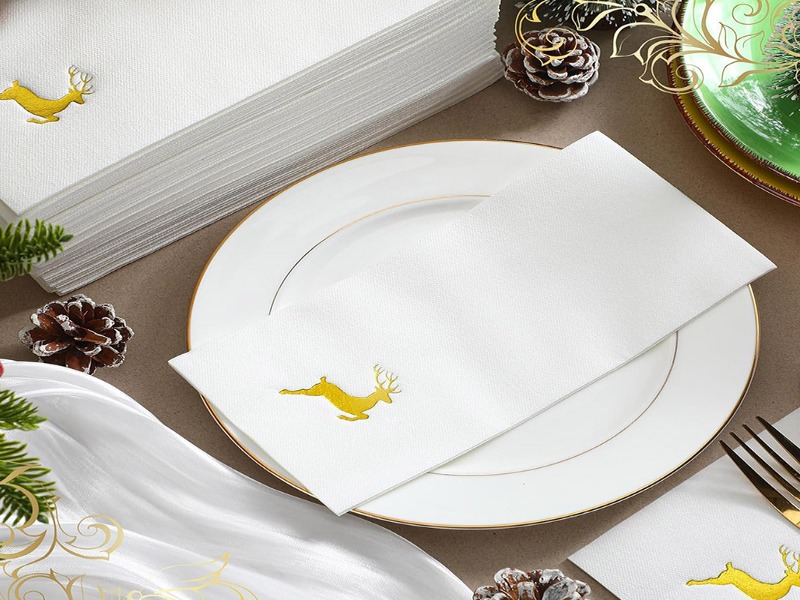 View moreWhat Size Are Cocktail Napkins? A Complete Guide to Standard DimensionsWhy Cocktail Napkin Size Matters Cocktail napkins are the smallest members of the napkin family, yet their dimensions have far-reaching consequences for service quality, guest comfort, and operational efficiency. In the world of hospitality, the standard cocktail napkin is not just a piece of paper. It is a functional tool designed to handle wet glasses, warm appetizers, and spontaneous conversation without dominating the tabletop. For bar owners, event planners, and restaurant managers, mastering the standard cocktail napkin size is essential. It allows you to plan storage, order inventory, and select a product that aligns with the level of service your venue promises. This guide covers the exact dimensions, how they compare with other napkin formats, and what factors should shape your decision. Key takeaway: The most widely used cocktail napkin measures 25 x 25 cm when unfolded and 12.7 x 12.7 cm when folded once. Some suppliers also produce a more compact 20 x 20 cm version for limited bar surfaces. Standard Cocktail Napkin Size: The Core Dimension The most accepted standard for cocktail napkins is 25 x 25 centimeters when unfolded, which converts to approximately 10 x 10 inches. When folded once in half, the napkin presents as a compact 12.7 x 12.7 centimeter square, widely known in the industry as the 5 by 5 format. This standard is used across Europe, Asia, and North America, though naming conventions vary. In many markets, especially the United States, the term beverage napkin is interchangeable with cocktail napkin, and the same dimensions apply. The folded size is what guests typically see on a bar counter or cocktail table, while the unfolded size is what determines your ordering specifications. Important distinction: Most commercial napkins are sold according to their unfolded size. A 25 x 25 cm napkin folds down to a 12.7 x 12.7 cm footprint. When comparing products from different suppliers, always confirm whether the measurement refers to the opened or folded state. Some manufacturers, particularly those producing airlaid napkins in Asia, offer a compact 20 x 20 centimeter cocktail format. This slightly smaller dimension is increasingly popular for bars with limited surface area and for events where a discreet napkin is preferred. The 20 x 20 cm size does not compromise absorbency when made from high-quality airlaid material, because the fiber structure is engineered to retain moisture without relying on surface area alone. Standard Cocktail Napkin Dimensions Unfolded 10 x 10 in 25 x 25 cm Folded 5 x 5 in 12.7 x 12.7 cm fold The standard beverage-cocktail format used across hospitality segments When comparing suppliers, the folded size matters for table aesthetics while the unfolded size drives material cost per unit. A 25 x 25 cm napkin uses roughly one third more material than a 20 x 20 cm napkin, which directly affects unit price and shipping volume. Understanding this relationship enables you to balance presentation quality against budget constraints. Cocktail Napkin Size Compared to Other Napkin Types Cocktail napkins occupy the smallest end of the napkin spectrum. The next step up is the luncheon napkin, typically 33 x 33 cm unfolded. Dinner napkins follow at around 40 x 40 cm, while buffet and formal dinner options may reach even larger dimensions. These distinctions exist because each format serves a different moment in the dining experience. For planeful service, the cocktail napkin is sufficient for drinks and light bites. For a seated lunch or a casual dining table, a luncheon napkin offers more coverage. Dinner napkins are reserved for formal meals where guests need extra absorbency and a generous surface for placing on their laps. Knowing these differences prevents over-ordering large napkins for a cocktail service or undersizing a dinner setting. Napkin Type Folded Size Unfolded Size Typical Use Cocktail / Beverage 5 x 5 in (12.7 x 12.7 cm) 10 x 10 in (25 x 25 cm) Drinks, appetizers, small events Luncheon 6.5 x 6.5 in (16.5 x 16.5 cm) 13 x 13 in (33 x 33 cm) Lunch, casual service Dinner 8 x 8 in (20.3 x 20.3 cm) 16 x 16 in (40 x 40 cm) Formal dinner, weddings Buffet 8 x 8 in (20.3 x 20.3 cm) 16 x 16 in (40 x 40 cm) Self-serve stations In practice, the line between cocktail and luncheon sizes is frequently blurred by suppliers that offer intermediate formats. A 20 x 20 cm cocktail napkin behaves like a mini luncheon in some contexts, particularly when guests are standing and holding a plate. Nevertheless, the classical distinction remains useful for planning purposes. Factors That Influence Cocktail Napkin Size Selection Choosing the right cocktail napkin size requires more than knowing the standard dimensions. Several operational and guest-facing factors come into play, each of which can shift your decision toward a smaller or larger format. Event type. Formal receptions and weddings often favor the full 25 x 25 cm cocktail napkin for a more generous feel. Casual bar events and club nights may prefer the compact 20 x 20 cm format to keep surfaces clean. Beverage service. Wet drinks such as cocktails on the rocks create condensation that travels to the napkin. A larger napkin absorbs more moisture and keeps the guest's hand dry, so if your beverage program prioritizes high-margin signature drinks, the standard 25 x 25 cm size is a safer fit. Table and station layout. Cocktail tables with a small diameter leave little room for large napkins. Compact sizes reduce visual clutter and allow guests to place both drink and finger food on the same surface without overlap. Number of napkins per guest. Smaller napkins are often used in higher quantities because guests tend to pick up fresh ones with each new drink. This creates a tradeoff between unit cost and perceived generosity. Storage and dispensing. The folded footprint of the napkin determines how many units fit in a dispenser or storage bin. Compact 20 x 20 cm formats allow denser packing, which is a real advantage for high-volume venues with limited back-of-house space. Understanding these considerations helps you avoid the common mistake of selecting a napkin solely on price. A slightly larger napkin can reduce guest complaints about spills, improve the overall aesthetic, and even cut down on the number of napkins each guest uses during an evening. For a deeper comparison of how cocktail napkins behave in service, see how cocktail napkins differ from other types of napkins. Material and Ply Options for Cocktail Napkins Cocktail napkins are available in several material categories, each with distinct absorbency, durability, and aesthetic characteristics. The material you choose can influence the practical performance of a given size, potentially making a smaller napkin more effective than a larger one made from thin paper. Airlaid Cocktail Napkins Airlaid napkins are manufactured from fibers that are dispersed and bonded without a traditional weaving process. This creates a structure with exceptional absorbency and a soft, linen-like hand feel. Airlaid cocktail napkins are tear-resistant even at small dimensions, which makes the 20 x 20 cm format a practical choice for bars and events. Their cloth-like appearance also elevates the guest experience without requiring the maintenance of reusable textiles. For venues that want to combine sustainability with luxury, airlaid is a premium option that performs well under condensation and remains sturdy throughout a long service period. The material is biodegradable in many configurations, which aligns with growing environmental expectations among hospitality buyers. Paper Cocktail Napkins Traditional paper cocktail napkins are made from virgin wood pulp and are usually available in 2-ply or 3-ply configurations. The ply count determines thickness and absorbency. A 2-ply napkin is lighter and more economical, making it suitable for large-scale events where volume matters more than premium feel. A 3-ply napkin is thicker, more absorbent, and holds up better against wet glasses and greasy finger foods. When choosing between paper and airlaid, the standard 25 x 25 cm format works well for both. However, if you plan to use a compact 20 x 20 cm size, airlaid becomes a stronger option because its fiber structure delivers absorbency that thin paper cannot match at that scale. If you need a 3-ply option with raised performance, many suppliers offer personalized paper cocktail napkins that combine thickness with custom hot-stamping designs. Personalized 3-Ply Cocktail Napkins with Hot Stamping for EventsThese 3-ply paper napkins offer thickness and custom hot-stamping designs, making them suitable for birthday events and other celebrations where personalized branding is desired.View Product → Customizing Material to Size Choosing the right material for your chosen size involves tradeoffs between cost, durability, and visual appeal. A compact airlaid napkin can feel more premium than a larger 2-ply paper napkin because it resists tearing and absorbs more liquid. Meanwhile, a 3-ply paper cocktail napkin provides a familiar paper texture that many guests associate with casual comfort. The key is to evaluate both dimension and material simultaneously rather than treating them as separate decisions. For bars that prioritize emotional connection with guests through branded napkins, the material choice affects how the custom logo appears. Airlaid surfaces tend to take printed or embossed designs with fine detail, while paper napkins with hot-stamped accents create a shiny, elevated look. Understanding the interplay between size, material, and customization ensures you select a product that supports the full impact of your table-setting design. Customization and Branding Opportunities with Cocktail Napkins Cocktail napkins are one of the most effective branding surfaces in hospitality. Because they are picked up by nearly every guest, they create repeated exposure to your logo, trademark, or event theme. The standard 25 x 25 cm size offers a generous canvas for design, but the compact 20 x 20 cm format also supports clear branding when designed carefully. The choice of size directly affects logo placement and visual hierarchy. On a 25 x 25 cm unfolded napkin, a centrally placed logo enjoys ample white space and reads clearly when the napkin is folded. On a 20 x 20 cm napkin, the design must be simplified to preserve legibility. Many suppliers offer custom die-cut shapes and pocket napkins with cutlery slots, which require even more attention to proportion. When working with an OEM manufacturer, you can specify both the exterior size and the number of folds. Standard folds include quarter fold and bi-fold, and the final folded footprint is what guests notice first. For example, a 20 x 20 cm napkin with a bi-fold presents a 10 x 20 cm rectangle when placed at a station, which may or may not suit your intended dishware layout. For event planners, custom-printed cocktail napkins allow integration of event colors, sponsor logos, and even personalized messages. A compact size with a bold, simple design can be more striking than a large napkin with a crowded pattern. Choosing a premium colored paper option with a decorative finish draws attention without competing with food presentation. Suppliers that offer low minimum order quantities on colored cocktail napkins make this accessible for independent bars and boutique events. Elegant Colored 2-Ply Cocktail Napkins for PartiesThese 2-ply colored napkins provide a decorative finish and are ideal for parties, allowing event planners to integrate colors and logos without overwhelming the presentation.View Product → The layout of branding also influences perceived quality. A large logo on a small napkin can feel crammed, while a small, subtle mark on a 25 x 25 cm napkin reads as understated luxury. Consider the folding pattern during design: when a napkin is folded once, only roughly half of the printable area is visible. Designers should mock the folded view rather than the flat sheet, because guests interact almost exclusively with the folded surface in bar and cocktail service. Cocktail Napkin Etiquette and Service Guidelines The size of a cocktail napkin influences not only function but also the etiquette of service. When a guest is handed a beverage, the napkin should be placed beneath the glass or lightly folded over the stem. The standard 25 x 25 cm napkin provides enough material to perform this gesture correctly. A compact 20 x 20 cm napkin works equally well, though it offers less room for wrapping around the base of a larger glass. For seated cocktail service, the napkin is often placed at the center of the place setting or to the left of the glass. The folded footprint is the critical measurement here. A 5 x 5 inch folded napkin occupies a neat square on the table, while a 6.5 x 6.5 inch luncheon napkin demands more space and may crowd small side tables. If your venue uses compact bistro tables, the smaller cocktail format is ideal for maintaining a clean setting. Guests hold cocktail napkins while standing or sitting, so the napkin must remain in place during movement. Fabric or airlaid materials with a slightly textured surface grip better than smooth paper. At smaller sizes, this texture becomes more important because the napkin has less surface area to maintain friction against a glass or table. Service staff should fold cocktail napkins consistently to ensure a uniform presentation. Whether using a quarter fold or a simple bi-fold, the folded dimension becomes part of the venue's visual identity. In high-volume environments, a standardized napkin size and fold streamlines prep work and prevents waste from overly large napkins that guests discard early. How Many Cocktail Napkins Per Guest Should You Provide? The number of cocktail napkins needed per event varies with drink consumption, event duration, and style of service. As a general guideline, plan for approximately three to five cocktail napkins per guest for a two-hour cocktail reception. Longer events with more beverage service may require six to eight napkins per guest, especially if guests are moving and setting drinks down frequently. The physical size of the napkin plays a role in this calculation. Smaller napkins are often treated as more disposable because they occupy less space and feel lighter. Guests may reach for a fresh napkin after each drink, driving up per-guest consumption. Larger napkins, on the other hand, tend to be reused by the same guest for multiple drinks, though not always, because stains and moisture accumulate quickly. Short event: 2 to 3 napkins per guest Standard cocktail hour: 3 to 5 napkins per guest Full evening reception: 5 to 8 napkins per guest Event with heavy bar consumption: 8 or more napkins per guest Waste reduction is a growing priority in hospitality. Choosing a compact 20 x 20 cm napkin for a high-occupancy event can reduce the volume of paper used per guest while maintaining a clean look. Airlaid material also gives the impression of reuse because it holds up better over the course of an evening, even if the guest takes a fresh one with each round. If your operation already includes skilled dishwashing and linen care, cloth cocktail napkins offer the most sustainable route. They are available in standard sizes and can be laundered and reused indefinitely. However, for many independent bars and caterers, the convenience and hygiene of disposable airlaid cocktail napkins outweigh the operational cost of laundering. Choosing the Right Cocktail Napkin Size for Your Business Selecting the ideal cocktail napkin size for your venue involves aligning dimensions with your service style, guest profile, and operational constraints. The decision is not about picking a single universal size. It is about finding the configuration that best fits your specific layout and brand positioning. For an upscale bar or lounge with low table space, a compact 20 x 20 cm airlaid napkin can deliver a premium feel without overcrowding the surface. For a banquet hall that hosts weddings and corporate dinners, the 25 x 25 cm size provides a more generous and traditional presentation. For a large catering operation with tight storage, the smaller format creates density in packing and simplifies inventory management. Test both formats in your setting before committing to a large order. Place drinks, appetizers, and cutlery on a mock table and observe how the napkin interacts with the dishes. Note whether guests easily see your custom logo and whether the napkin remains in place after several minutes of use. This practical evaluation is more valuable than relying on theoretical specs alone. Your material choice also affects the perceived size. A 20 x 20 cm airlaid napkin with a sturdy, cloth-like texture often appears more generous than a 25 x 25 cm thin paper napkin. This is because airlaid holds its shape, resists crumpling, and feels substantial in the hand. Suppliers can provide samples of both formats so you can compare their real-world performance. For a compact option that retains high absorbency, many hospitality professionals choose specially engineered airlaid cocktail napkins designed for tight bar settings. Compact 20x20 Airlaid Cocktail NapkinsThese 20x20 airlaid napkins feature a cloth-like texture and superior absorbency, making them a substantial and practical choice for tight bar settings and cocktail service.View Product → Once you have selected a format, review the folds, degassing, and print placement with your supplier. Ask about the standard folded dimensions and whether custom folds can be arranged. Confirm the ply count or material weight in grams per square meter, since this influences both absorbency and cost. By understanding the full product profile, you can make a defensible purchasing decision that supports your operational goals and elevates the guest experience. For a practical summary of the features to evaluate, see our guide on features to consider when choosing cocktail napkins. Frequently Asked Questions About Cocktail Napkin Sizes Q1: What is the exact standard size for cocktail napkins? The most common standard is 25 x 25 cm when unfolded, which is approximately 10 x 10 inches. When folded in half, it presents as a 12.7 x 12.7 cm square, commonly called the 5 x 5 format. Some suppliers also produce a compact 20 x 20 cm version. Q2: Are cocktail napkins and beverage napkins the same size? Yes. In most markets, the terms are used interchangeably and refer to the same format. Both typically measure 25 x 25 cm unfolded or 20 x 20 cm in compact versions, depending on the supplier and region. Q3: How many cocktail napkins should I provide per guest? For a two-hour cocktail reception, plan for three to five napkins per guest. For a full evening reception with sustained bar service, use five to eight napkins per guest, or more for high-consumption events. Q4: Can I get custom-sized cocktail napkins for my venue? Yes. Many manufacturers offer custom dimensions upon request, especially for wholesale and OEM orders. The 20 x 20 cm and 25 x 25 cm formats are the most readily available standards, but bespoke sizes can be developed depending on production capabilities. Q5: What is the difference between 2-ply and 3-ply cocktail napkins? 2-ply napkins are lighter and more economical, making them common for large casual events. 3-ply napkins are thicker, more absorbent, and more durable, which is preferable for wet cocktails and premium service settings. .article-section { margin-bottom: 40px; font-family: 'Segoe UI', Roboto, 'Helvetica Neue', sans-serif; font-weight: 400; line-height: 2; color: #333; } .article-section h2 { font-size: 20px; font-weight: bold; text-align: left; margin-bottom: 10px; padding-left: 14px; border-left: 5px solid #D0224E; background: linear-gradient(90deg, rgba(208,34,78,0.1), rgba(208,34,78,0.02) 80%, transparent); padding-top: 8px; padding-bottom: 8px; border-radius: 0 8px 8px 0; } .article-section h3 { font-size: 18px; font-weight: bold; text-align: left; margin-top: 5px; margin-bottom: 5px; color: #a51c3d; border-bottom: 2px solid #f0ced6; padding-bottom: 4px; } .article-section h4 { font-size: 16px; font-weight: 500; text-align: left; margin: 20px 0 5px 0; background: #fce8ec; padding: 8px 12px; border-radius: 6px; border-left: 4px solid #D0224E; } .article-section p { font-size: 16px; margin-bottom: 5px; } .article-section ul, .article-section ol { margin-top: 8px; margin-bottom: 8px; padding-left: 20px; } .article-section li { font-size: 16px; list-style-position: inside; margin-bottom: 4px; } .article-section ul li { list-style-type: disc; } .article-section strong { font-weight: 500; } .article-section table { display: table!important; width: 100%; border-collapse: collapse; margin: 15px 0; border-radius: 10px; overflow: hidden; box-shadow: 0 3px 10px rgba(0,0,0,0.08); } .article-section thead { display: table-header-group!important; } .article-section tbody { display: table-row-group!important; } .article-section tr { display: table-row!important; } .article-section th { display: table-cell!important; background: #D0224E; color: #fff; font-weight: 500; padding: 12px 10px; text-align: center; font-size: 16px; } .article-section td { display: table-cell!important; text-align: center; font-size: 16px; padding: 10px; border-bottom: 1px solid #f0e0e5; } .article-section tr:nth-child(even) td { background: #fdf5f7; } .article-section .callout-box { background: #fff5f7; border: 1px solid #f0ced6; border-left: 5px solid #D0224E; padding: 14px 18px; margin: 15px 0; border-radius: 6px; box-shadow: 0 2px 4px rgba(208,34,78,0.08); } .article-section .info-card { background: linear-gradient(135deg, #fff 0%, #fef5f7 100%); border: 1px solid #f0d0d8; border-radius: 8px; padding: 16px; margin: 12px 0; box-shadow: 0 3px 8px rgba(0,0,0,0.06); } .article-section .label-tag { display: inline-block; background: #D0224E; color: #fff; padding: 3px 10px; border-radius: 12px; font-size: 14px; font-weight: 500; margin-right: 6px; } .article-section .table-wrapper { overflow-x: auto; } .article-section .anchor-link { color: #D0224E; text-decoration: none; border-bottom: 1px solid #D0224E; cursor: pointer; } .article-section .anchor-link:hover { background: #fce8ec; } .article-section svg { max-width: 100%; height: auto; margin: 15px 0; display: block; } .article-section svg text { font-family: 'Segoe UI', Roboto, 'Helvetica Neue', sans-serif; font-weight: 400; line-height: 2; } .article-section svg text.title { font-size: 16px; font-weight: bold; } .article-section svg text.content { font-size: 14px; } .article-section a[data-product-card="true"] { display: block; margin: 15px 0; text-decoration: none; } .product-card{display:block;margin:20px 0;border:1px solid #e5e7eb;border-radius:10px;overflow:hidden;font-style:normal;background:#fff} .pc-inner{display:flex;text-decoration:none;color:inherit;align-items:center;min-height:120px} .pc-img{width:160px;min-width:160px;aspect-ratio:4/3;height:auto;min-height:120px;object-fit:cover;flex-shrink:0;display:block;align-self:stretch} .pc-body{padding:12px 16px;flex:1;min-width:0;display:flex;flex-direction:column;align-self:stretch;justify-content:center} .pc-title{display:block;font-size:15px;font-weight:600;color:#111;margin:0 0 6px;line-height:1.4} .pc-desc{display:-webkit-box;font-size:13px;color:#6b7280;margin:0 0 8px;line-height:1.5;overflow:hidden;-webkit-line-clamp:2;line-clamp:2;-webkit-box-orient:vertical} .pc-cta{display:block;font-size:13px;font-weight:600;color:#D0224E;margin-top:auto} .pc-inner:hover .pc-title{text-decoration:underline} .article-section a:not(.pc-inner),article a:not(.pc-inner){color:#D0224E}.pc-cta{color:#D0224E!important}2026-09-03+
 -
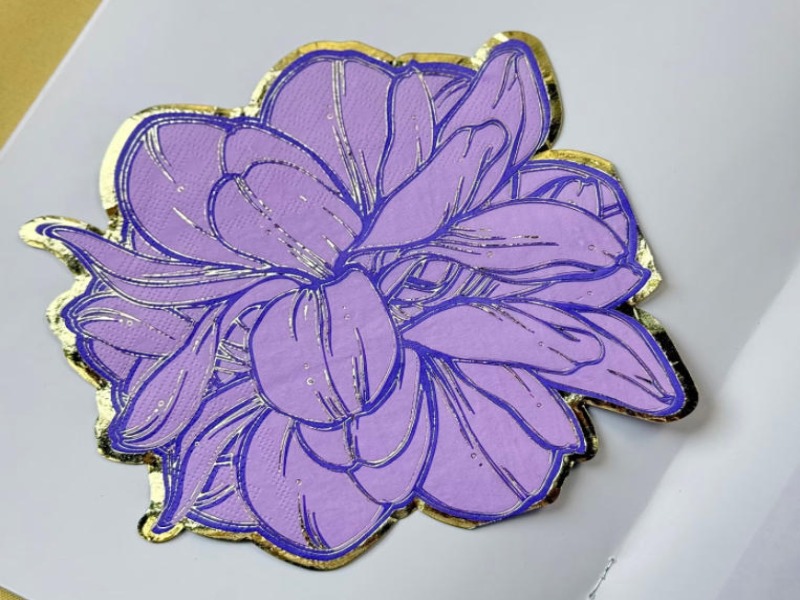 View moreMake Your Festive Parties Stand Out with Themed Die-Cut NapkinsWhy Die-Cut Napkins Matter for Your Event When planning a memorable celebration, attention to detail makes all the difference. Your choice of table accessories speaks volumes about the thought invested in the event. Die-cut napkins represent far more than functional table linens—they serve as visual anchors that tie your entire celebration together with style and sophistication. The distinctive shapes and customized designs of quality napkins create an immediate visual impact that guests notice and appreciate. Whether hosting an intimate dinner, corporate celebration, or family milestone, the right napkin choice transforms ordinary moments into polished, memorable experiences. Professional venues and event planners consistently rely on these products because they deliver tangible results in aesthetic presentation and guest satisfaction. Key Advantages of Choosing Themed Napkins Understanding the benefits of investing in quality napkins helps justify their role in your event budget. Let's examine the primary advantages: Enhanced Visual Appeal: Custom shapes and designs create an elegant table setting that photographs beautifully and leaves lasting impressions Brand Consistency: Printed designs maintain visual cohesion throughout your event, reinforcing your party theme or corporate identity Quality Perception: Premium napkin choices signal attention to detail, elevating guest perceptions of your overall event Practical Functionality: Durable construction ensures napkins perform their intended purpose while maintaining appearance throughout the meal Flexibility in Design: From classic patterns to contemporary graphics, customization options accommodate virtually any aesthetic preference Cost-Effective Solution: Wholesale availability makes premium napkins accessible for events of any size or budget Design Customization and Production Standards Understanding Die-Cut Specifications The manufacturing process for quality napkins involves precise technical specifications. The die-cutting process creates specific shapes through mechanical pressure, transforming standard paper stock into distinctive forms. This process requires calibrated equipment and experienced operators who understand the relationship between paper weight, cutting pressure, and final product quality. Professional manufacturers maintain strict quality controls throughout production. Paper composition, moisture content, and ink adhesion all receive careful attention to ensure consistent results across production runs. These technical considerations directly impact the durability and appearance of finished napkins. Custom Printed Die-Cut Napkins Printed die-cut napkins in colors allow for sophisticated design implementation. Modern printing technologies enable photographic quality reproduction on napkin surfaces, accommodating everything from simple solid colors to complex multi-color graphics. The integration of printing with die-cutting requires coordinated production sequencing to maintain design integrity through each manufacturing stage. Custom Embossing Foil Stamping Printed Die-cut Napkins OEM Factory Zhejiang Huzhou Shuangjie Paper Co., Ltd is China Custom Embossing Foil Stamping Printed Die-cut Napkins OEM Factory, Manufacturers, Offer Die-cut Napkins For Sale. View Product → Shape and Design Versatility Professional producers offer extensive shape options beyond standard rectangular formats. Heart shapes, scalloped edges, snowflake patterns, and custom silhouettes enable thematic expression that generic napkins cannot provide. Each shape option carries different production implications, affecting pricing and lead times, so selecting shapes early in the planning process ensures alignment with budget and timeline requirements. Perfect Applications for Themed Napkins Different occasions benefit from specific napkin characteristics. Recognizing how napkin selection impacts various event types helps guide purchasing decisions: Event Type Ideal Napkin Characteristics Design Considerations Wedding Celebrations Elegant shapes, premium quality, sophisticated colors Monograms, dates, coordinated color palettes Corporate Events Professional appearance, durable construction, branded options Company logos, corporate colors, minimalist aesthetics Holiday Gatherings Festive shapes, thematic colors, seasonal graphics Snowflakes, holly patterns, metallic accents, traditional hues Birthday Celebrations Playful shapes, vibrant colors, personalized options Custom ages, favorite colors, themed graphics Baby Shower Events Gentle shapes, pastel options, charming designs Animal motifs, gender-neutral patterns, delicate illustrations Production Capabilities and Supply Chain Considerations Understanding Manufacturer Capabilities Professional production facilities maintain various equipment configurations to accommodate different volume requirements and customization levels. Smaller manufacturers might specialize in short-run custom orders, while larger operations handle high-volume wholesale productions. Understanding these distinctions helps align your project with appropriate production partners. Lead times typically vary based on design complexity, quantity, and current production schedules. Simple designs in standard shapes might require two to three weeks from order placement to delivery, while complex custom designs could extend to four to six weeks. Planning accordingly prevents last-minute complications. Quality Assurance in Manufacturing Reputable producers implement comprehensive quality protocols throughout production. Random sampling verifies print quality, color accuracy, and structural integrity. Edge cutting consistency receives particular attention, as uneven cuts or fraying damage the professional appearance that justifies custom production costs. Many manufacturers now hold sustainability certifications that address environmental concerns. FSC certification indicates responsible forestry practices, while other certifications verify production standards and worker conditions. These credentials provide confidence that your purchases align with ethical sourcing principles. Production Timeline for Custom Napkins Design Review 1-2 Days Die Creation 3-5 Days Printing Process 5-7 Days QA & Packaging 2-3 Days Ship Key Considerations for Expedited Orders • Rush fees typically apply for expedited production • Design complexity may not be reducible regardless of timeline • Minimum order quantities often remain fixed Wholesale Opportunities and Bulk Ordering Wholesale purchasing offers significant value for businesses, event planners, and organizations managing multiple celebrations annually. Volume discounts typically apply at established thresholds, making per-unit costs substantially lower than retail ordering. Understanding minimum order quantities and available discount structures enables budget optimization. Some manufacturers provide flexible payment terms for established wholesale accounts, improving cash flow management for frequent purchasers. Building relationships with reliable suppliers ensures access to priority production scheduling and consistent quality across multiple orders. Paper Quality and Material Specifications Weight and Durability Considerations Napkin durability depends significantly on paper weight, typically measured in grams per square meter (gsm). Lighter weights offer economical options suitable for casual gatherings, while heavier stocks provide premium feel and superior performance during actual use. The relationship between weight and user experience directly impacts perceived value and satisfaction. Higher gsm ratings typically offer improved absorption capacity, reducing the number of napkins guests require throughout the meal. This counterintuitive economics means premium napkins may actually reduce overall consumption costs despite higher per-unit pricing. Event planners increasingly recognize this value proposition when calculating total event expenses. Finish Options and Texture Manufacturers offer various finish options including smooth, embossed, and textured surfaces. Embossed finishes create visual depth and tactile appeal, enhancing the premium perception of custom napkins. The embossing process adds production complexity and cost but delivers disproportionate visual impact that justifies the investment for formal events. Texture selection should harmonize with your overall event aesthetic. Smooth finishes convey contemporary elegance, while subtle textures suggest traditional sophistication. This seemingly minor detail influences how napkins integrate with table settings and overall ambiance. Color Accuracy and Print Technology Modern printing technologies enable accurate color reproduction that matches approved design samples. Digital printing allows for photographic quality at reasonable scales, while traditional flexographic printing offers superior results for extremely large volume runs. Understanding the trade-offs between these technologies helps align production methods with project requirements. Color matching protocols ensure consistency across production runs. Most manufacturers maintain spectrophotometer equipment that quantifies color specifications, preventing variations that create obvious differences between napkins received in different shipments. Developing Your Custom Napkin Design Design Workflow and Timeline Management Successful custom napkin projects begin with clear design direction. Gathering visual references and articulating your vision helps manufacturers understand your objectives. Professional designers can interpret concepts and transform them into production-ready files that account for technical limitations and printing capabilities. Providing detailed design briefs accelerates the approval process. Specifying color requirements, text elements, and desired shapes enables manufacturers to proceed efficiently without repeated revision cycles. Digital mockups allow visualization before production commitment, reducing surprises during final delivery. Technical File Preparation Print-ready files require specific formatting to ensure accurate reproduction. Vector-based graphics maintain quality across all scales, while high-resolution raster images prevent quality degradation. Understanding bleed allowances and safe-printing zones prevents important design elements from being cut away during finishing. Manufacturers typically provide detailed technical specifications that guide file preparation. Adhering to these specifications eliminates back-and-forth revisions and prevents production delays. Many offer complimentary file review services to identify potential issues before production begins. Approval and Production Authorization Most professional manufacturers require formal approval before initiating production. Physical samples or digital proofs verify that the final product will meet expectations. This verification step, though seemingly bureaucratic, prevents costly mistakes and ensures satisfaction with finished napkins. Some manufacturers offer free sample production runs at minimal cost, allowing you to evaluate quality firsthand before committing to full production quantities. This investment in verification typically proves worthwhile, particularly for first-time orders or larger commitments. Maximizing Value in Your Napkin Investment Budget Planning and Quantity Decisions Determining appropriate quantities requires realistic assessment of consumption patterns. Industry estimates suggest approximately one napkin per person per course during formal dining, though casual gatherings typically show higher consumption. Building in modest overage accounts for unexpected guests and usage beyond table settings. Purchasing slightly more than minimum requirements often results in negligible per-unit cost increases due to volume discount structures. The incremental cost of additional napkins pales in comparison to the expense of rapid reordering at premium rates should supplies run short. Timing and Seasonal Pricing Ordering during off-peak periods sometimes yields better pricing than last-minute rush orders. Holiday-adjacent timeframes typically see increased demand and reduced availability, driving up costs. Planning ahead allows flexibility in scheduling production during manufacturer slow periods. Seasonal considerations also affect design freshness. Ordering holiday-themed napkins well in advance ensures stock availability if additional quantities prove necessary. This advance ordering also enables gradual stocking for businesses and organizations managing multiple annual events. Comparing Alternatives and Making Decisions While standard disposable napkins offer minimal cost, the marginal investment in custom options delivers disproportionate aesthetic and psychological value. Guests notice thoughtful details, and these observations influence their overall event perception. This ROI extends beyond immediate event success to affect attendee satisfaction and willingness to recommend future events. Evaluating multiple manufacturers ensures competitive pricing without sacrificing quality. Written quotes should specify quantity, design specifications, delivery timeline, and payment terms. This documentation facilitates comparison and prevents misunderstandings that could complicate the ordering process. Sustainable Practices in Napkin Production Environmental Responsibility and Certification Growing environmental consciousness influences purchasing decisions across consumer categories. FSC certification indicates that paper sources come from responsibly managed forests where environmental practices receive priority alongside economic considerations. This certification provides assurance for environmentally conscious event planners seeking alignment between purchasing decisions and personal values. Chlorine-free bleaching processes reduce environmental impact during paper manufacturing. Manufacturers implementing these practices demonstrate commitment to sustainability that extends throughout the production chain. These considerations become increasingly important for organizations with corporate social responsibility commitments. Recyclability and End-of-Life Considerations Most napkins prove recyclable through standard municipal programs, though printed varieties should be checked against local guidelines. Communicating this recyclability to guests encourages proper disposal practices that minimize landfill impact. Small messaging on napkins themselves reinforces environmental values and extends sustainability communication beyond the event itself. Some manufacturers now explore alternative materials including bamboo and agricultural waste products that reduce reliance on traditional forest sources. These innovations expand options for environmentally conscious purchasers while maintaining performance standards that define quality napkins. Frequently Asked Questions Q1: What minimum order quantities apply to custom napkin production? Minimum order quantities vary by manufacturer and production method. Digital printing often accommodates smaller runs starting around 1,000 units, while traditional flexographic printing typically requires minimums of 5,000 to 10,000 units. Requesting specific minimum information from your manufacturer ensures alignment with your project scope. Some suppliers offer tiered pricing that rewards larger orders without imposing rigid minimums, providing flexibility for budget-conscious purchasers. Q2: How long does custom napkin production typically require? Standard production timelines range from three to six weeks depending on design complexity, quantity, and current manufacturing capacity. This duration includes design approval, die creation if custom shapes are involved, printing, quality assurance, and packaging. Rush options exist but typically involve premium fees and may not be available for complex custom designs. Beginning the ordering process at least six to eight weeks before your event ensures comfortable scheduling without emergency costs. Q3: Can I combine multiple colors in a single napkin design? Yes, modern printing technology enables multi-color designs with photographic quality reproduction. The number of colors technically unlimited, though complexity increases production costs and timelines. Manufacturers typically discuss color strategies during the design phase, recommending approaches that balance visual impact against production efficiency. Full-color photographic designs are entirely feasible for both digital and traditional printing methods. Q4: What paper weights work best for different applications? Casual outdoor gatherings function perfectly with 1-ply napkins weighing around 20-30 gsm, offering cost efficiency and adequate functionality. Formal dining typically calls for 2-ply napkins in the 40-50 gsm range, providing premium feel and superior absorption. Very formal events sometimes feature even heavier options at 60 gsm or higher. Your manufacturer can recommend appropriate weights based on your event type and anticipated usage patterns. Q5: Are custom printed napkins suitable for outdoor events? Weather conditions present challenges for printed napkins in outdoor settings. Wind can scatter loose napkins, while moisture damages most standard napkin materials. However, heavyweight options and appropriate protective measures make outdoor use feasible. Packaging design that protects napkins from weather, combined with table arrangements that minimize wind exposure, enables successful outdoor events. Consult your manufacturer about materials specifically formulated for outdoor durability if this application is central to your needs. Q6: How can I ensure design accuracy during production? Professional manufacturers provide digital proofs or physical samples before full production begins. Carefully reviewing these materials against your original design specifications prevents costly mistakes. Requesting high-resolution photos or in-person evaluation of samples, if possible, allows thorough assessment. Most manufacturers welcome this verification step and build it into standard ordering procedures without additional cost. Q7: What design elements should I avoid in custom napkin graphics? Extremely fine lines or thin text may not reproduce clearly due to printing process limitations and the small napkin canvas. Photographic backgrounds with detailed gradients sometimes produce unexpected results on printed napkins. Consulting with your manufacturer about design limitations ensures your vision translates accurately to the final product. Professional designers experienced with napkin production can guide you toward designs that print beautifully while maintaining your aesthetic objectives. Q8: Can I order different shapes for different events? Yes, selecting varied shapes for different occasions is entirely practical. Each shape requires its own die, creating separate production costs. Understanding these cost implications helps budget appropriately when planning multiple events with different themes. Ordering shapes that serve multiple purposes extends their value across several events, reducing per-use costs while maintaining thematic consistency. .section-block { font-family: 'Segoe UI', Roboto, 'Helvetica Neue', sans-serif; font-weight: 400; line-height: 2; } .section-block h2 { font-size: 20px; font-weight: 600; text-align: left; margin-bottom: 10px; background: linear-gradient(135deg, #d0224e 0%, #f0547d 100%); color: white; padding: 12px 16px; border-radius: 6px; position: relative; } .section-block h3 { font-size: 18px; font-weight: 600; text-align: left; margin-top: 5px; margin-bottom: 5px; color: #1f2937; } .section-block h4 { font-size: 16px; font-weight: 500; text-align: left; color: #1f2937; margin-top: 12px; margin-bottom: 8px; } .section-block p { font-size: 16px; margin-bottom: 5px; color: #374151; } .section-block ul, .section-block ol { margin-top: 8px; margin-bottom: 8px; padding-left: 20px; } .section-block li { list-style-position: inside; font-size: 16px; color: #374151; margin-bottom: 4px; } .section-block ul li { list-style-type: disc; } .section-block strong { font-weight: 500; } .section-block table { width: 100%; border-collapse: collapse; margin-top: 15px; } .section-block td, .section-block th { text-align: center; font-size: 16px; padding: 12px; border: 1px solid #e5e7eb; } .section-block th { background-color: #f9fafb; font-weight: 600; } .section-block tr:nth-child(even) { background-color: #f9fafb; } .section-block a { color: #d0224e; text-decoration: none; font-weight: 500; } .section-block a:hover { text-decoration: underline; } .section-block svg { max-width: 100%; height: auto; }2026-08-27+
 -
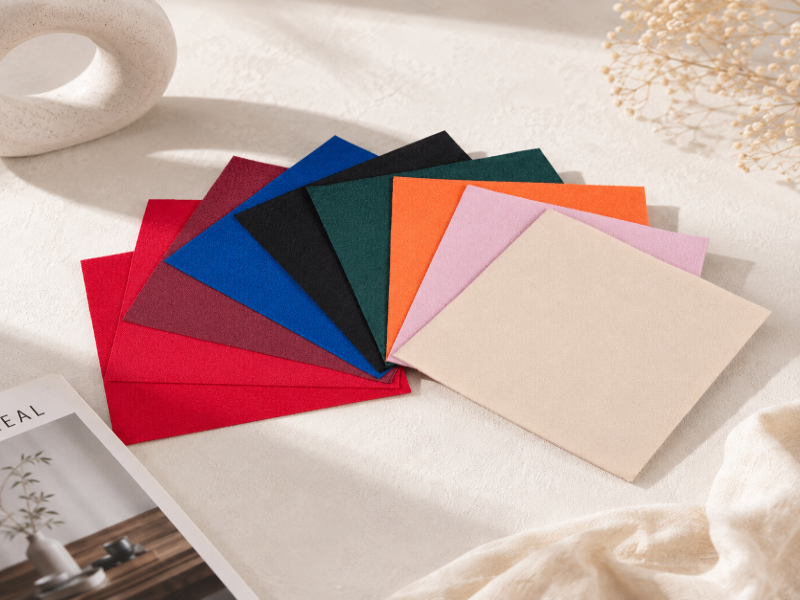 View moreWhat Are the Benefits of Using Colored Airlaid Napkins in Hospitality and Catering?The Evolution of Dining Aesthetics in Professional Hospitality The dining experience extends far beyond the plate. Every detail, from tablecloths to napkins, contributes to the overall impression guests form about an establishment. In contemporary hospitality, the choice of table linens has become a strategic decision that reflects brand values and operational efficiency. Colored airlaid napkins represent a significant shift in how restaurants, catering companies, and hospitality venues approach their table service standards. Professional dining establishments recognize that visual presentation and functional performance must work in harmony. The napkin, often overlooked, serves as both a practical tool and a visual statement. When selected thoughtfully, it can elevate the entire dining atmosphere while simultaneously addressing practical operational concerns. Understanding Airlaid Napkin Technology and Construction What Are Airlaid Napkins? Airlaid napkins represent a technological advancement in disposable table linens. Unlike traditional paper napkins created through a wet-laid process, airlaid napkins are manufactured using a dry-laid process where fibers are suspended in air before being bonded together. This fundamental difference in production creates distinctive performance characteristics that professional hospitality venues value. The Manufacturing Process The airlaid process begins with cellulose fiber that is dispersed into a controlled air stream. These fibers settle onto a moving screen where they form a web. Binders are then applied to lock the fiber structure in place, creating a unified sheet material. This process allows manufacturers to control fiber alignment and density precisely, resulting in napkins with superior absorbency and structural integrity compared to conventional tissue products. Why Color Integration Matters Colored airlaid napkins integrate pigments during or immediately after the fiber web formation stage. This integration ensures that color remains stable throughout the product lifecycle, resisting fading from washing, sunlight exposure, or repeated use. The color becomes part of the napkin's structure rather than a surface treatment, providing durability that enhances the perceived quality of the product. Superior Performance Characteristics of Colored Airlaid Napkins Absorbency and Liquid Retention Airlaid napkins demonstrate absorbency rates significantly higher than traditional paper napkins. The open fiber structure created during the airlaid manufacturing process provides numerous pathways for liquid absorption. In practical hospitality settings, this means fewer napkins are required per table, reducing both consumption rates and waste disposal costs. A single airlaid napkin often performs the function of two to three traditional paper napkins. Strength and Durability The bonding process in airlaid manufacturing creates exceptional wet and dry strength. Guests can use these napkins for extended wiping without experiencing tearing or degradation. This durability proves particularly valuable in casual dining and outdoor catering events where napkins encounter rough handling or multiple uses throughout a meal service. Linen-Like Texture and Premium Feel One of the most distinctive advantages of airlaid construction is its inherent linen-like texture. Many premium hospitality venues prefer disposable options that replicate the appearance and tactile quality of fabric linens without requiring industrial laundering. Colored airlaid napkins achieve this aesthetic while maintaining the practical benefits of single-use products, including sanitation compliance and no maintenance requirements. Key Performance Insight Colored airlaid napkins retain absorbency even when wet, preventing the matted appearance that compromises the aesthetic of traditional paper napkins during use. Aesthetic and Brand Identity Advantages Color Consistency and Professional Appearance Colored airlaid napkins provide consistent color throughout production runs, enabling hospitality venues to maintain unified table presentations. This consistency matters significantly in high-volume catering operations where multiple orders must maintain identical visual standards. The color stability ensures that tables set hours apart still present a cohesive appearance when guests arrive. Design Flexibility for Branding Beyond solid colors, colored airlaid napkins can be customized with logos, patterns, or multi-color designs. Catering companies and restaurants leverage this capability to reinforce brand identity at every table. The customization extends the napkin from a purely functional item into a branding element that subtly reinforces the establishment's aesthetic and values throughout the dining experience. Color Psychology in Hospitality Different colors evoke distinct psychological responses in diners. Warm colors like rose or burgundy create intimate, sophisticated atmospheres suitable for fine dining. Cool tones like silver or gray project modern elegance appropriate for contemporary establishments. Earth tones convey warmth and approachability ideal for casual venues. By selecting appropriate napkin colors, hospitality managers strategically influence the overall dining ambiance without costly renovations to permanent fixtures. Color Impact on Dining Atmosphere Rose Tones Elegance Sophistication Cool Tones Modern Professional Earth Tones Warmth Approachable Neutral Tones Versatility Timeless Purple Tones Luxury Exclusivity Each color palette strategically enhances the guest experience and reinforces brand positioning Sustainability and Environmental Considerations Reduced Water Consumption Compared to traditional linen napkins requiring industrial laundering, colored airlaid napkins eliminate water consumption associated with washing, rinsing, and processing cycles. A single service cycle for reusable napkins consumes approximately 15 to 20 liters of water per dozen napkins. For high-volume hospitality operations serving hundreds of guests daily, selecting disposable alternatives represents a meaningful reduction in water usage. Energy Efficiency in Operations Industrial laundry operations require significant energy for washing machines, drying equipment, and pressing machinery. By transitioning to colored airlaid paper napkins, hospitality venues reduce their operational energy consumption substantially. This reduction contributes to lower utility costs while simultaneously decreasing the establishment's overall carbon footprint from energy-intensive laundry services. Responsible Fiber Sourcing Modern airlaid napkin manufacturers increasingly source cellulose fiber from sustainably managed forests or recycled content. Progressive hospitality venues can partner with suppliers committed to responsible forestry practices, aligning their operational choices with environmental stewardship values. This transparency in sourcing becomes a marketing advantage when communicated to environmentally conscious guests. Factor Linen Napkins Airlaid Napkins Water per dozen 15-20 liters 0 liters Laundry energy High Minimal Chemical detergent use Significant None Storage requirements Climate-controlled Standard Economic Advantages for Hospitality Operations Reduced Operational Costs The elimination of laundry services represents one of the most significant cost savings in hospitality operations. Linen management services involve service contracts, transportation costs, chemical processing, and replacement of worn items. Colored airlaid napkins eliminate these recurring expenses entirely. The simple acquisition and disposal model reduces administrative overhead while providing predictable per-unit costs that facilitate accurate budget planning. Labor Efficiency and Reduced Complexity Linen napkin management requires dedicated staff time for inventory management, linen sorting, quality inspection, and coordination with laundry service providers. Airlaid napkins eliminate these labor-intensive processes. Staff can focus on core hospitality functions rather than managing complex linen logistics. For establishments with multiple locations or high-volume catering operations, this simplification produces substantial labor cost reductions. Consistency in Product Quality Linen napkins experience variability in condition based on wash cycles and wear patterns. Some napkins become thin and transparent while others lose their shape or develop discoloration. Colored airlaid napkins provide consistent quality from the first service through the last use. This uniformity enhances the perceived value of the service and prevents the visual degradation that occurs with reusable linens over time. Scalability for Growth When hospitality businesses expand operations or temporarily increase capacity for events, linen inventory becomes a constraint. Colored airlaid napkins enable instant scalability without requiring capital investment in additional linen inventory. Businesses can increase napkin quantities proportionally to demand, paying only for what they use without maintaining excess inventory for infrequent peak periods. Diverse Applications Across Hospitality Sectors Fine Dining Establishments Premium restaurants leverage colored airlaid napkins that coordinate with their design aesthetic while offering the sophisticated presentation expected by discerning diners. The premium feel of airlaid construction rivals fabric linens at a fraction of the cost and complexity. Custom logos embossed on colored backgrounds reinforce brand identity while maintaining the refined elegance that fine dining guests expect. Casual Dining and Family Restaurants Casual establishments benefit from the practical advantages of colored airlaid napkins, including their absorbency and durability. Bright, cheerful colors enhance the welcoming atmosphere while withstanding the robust use patterns typical in family dining environments. The easy disposal model aligns with the efficient service model these establishments require. Catering and Event Services Professional catering operations face unique challenges managing diverse venues with varying table settings. Colored airlaid napkins eliminate the logistical complexity of coordinating linen delivery, quality assurance, and return services across multiple event locations. Caterers can stock colored options to match any client color scheme without maintaining massive linen inventories. Banquets and Conference Events Large-scale events require massive napkin quantities prepared in advance. Colored airlaid napkins provide the capability to source appropriate quantities with custom branding, creating a cohesive visual presentation across banquet halls seating hundreds or thousands of guests. The napkins remain in pristine condition throughout the event despite hours of exposure. Hotel Services and Room Dining Hotels offering in-room dining benefit from airlaid napkins that provide a quality experience while eliminating the complexity of collecting soiled napkins from guest rooms. Room service operations can include appropriately colored napkins matching the meal presentation without worrying about subsequent processing or replacement. Selecting the Right Colored Airlaid Napkins for Your Venue Assessing Color Requirements Begin by evaluating your establishment's design palette and the ambiance you intend to create. Consider how napkin colors coordinate with tablecloths, table runners, and overall decor. Test color options against your actual table settings in your venue's lighting conditions, as colors may appear differently under various lighting environments. Request samples to evaluate the actual product quality and color appearance rather than relying solely on digital representations. Evaluating Absorbency Standards Different hospitality applications require varying absorbency levels. Fine dining may prioritize aesthetic appeal and modest absorption needs, while casual venues require napkins capable of handling substantial liquid absorption. Suppliers typically provide absorbency specifications measured in grams per square meter or similar metrics. Communicate your venue's specific usage patterns to ensure product selection aligns with actual operational requirements. Considering Size and Dimensions Napkin dimensions affect both functionality and presentation. Larger napkins provide better coverage and a more generous feel, while smaller napkins suit casual venues and reduce waste. Standard hospitality sizes typically range from 16 inches to 20 inches in length. Select dimensions that match your table setting style and the formality level of your service model. Exploring Customization Options Many suppliers offer customization including logo printing, multi-color designs, and special finishes. Evaluate customization costs relative to volume requirements. Minimum order quantities for custom designs may influence your selection decision. For smaller establishments, solid color options may represent better value than pursuing custom branding. Quality and Supplier Considerations Evaluate suppliers based on reliability, consistency, and customer service responsiveness. Request references from other hospitality venues using their products. Verify that suppliers maintain consistent color matching across multiple production runs, as this consistency matters significantly for establishments reordering napkins periodically throughout the year. Implementation Best Practices and Service Protocols Proper Napkin Folding and Presentation Colored airlaid napkins present beautifully when properly folded. Train staff on appropriate folding techniques that complement your service style. Simple folds enhance the napkin's visual appeal while maintaining functionality. More elaborate folds work well for formal events, while casual folds suit everyday service. The linen-like texture of airlaid napkins allows folds to maintain their shape throughout the meal service. Table Setting Integration Position colored napkins intentionally within your table setting to maximize visual impact. Napkins can be placed on the plate, across the lap, or arranged decoratively at place settings. Consider how the napkin color interacts with plate colors, glassware, and other table elements. Thoughtful placement demonstrates intentionality in your design approach and elevates the overall dining presentation. Inventory Management Unlike linen napkins requiring complex management systems, colored airlaid napkins need simple inventory tracking based on consumption rates. Calculate expected usage based on meal volumes and maintain adequate stock to avoid service disruptions. Most suppliers offer flexible ordering models accommodating various purchase frequencies and quantities. Waste Management and Disposal Establish efficient collection systems for used napkins. Most colored airlaid napkins are compostable or recyclable depending on supplier specifications and local waste management capabilities. Coordinate disposal methods with your waste management provider to maximize environmental benefits. Communicating your sustainability approach can resonate with environmentally conscious guests. Frequently Asked Questions Q1: How do colored airlaid napkins compare to traditional paper napkins in terms of durability? Colored airlaid napkins significantly outperform traditional paper napkins in both wet and dry strength. The airlaid manufacturing process creates a dense, bonded fiber structure that resists tearing even when wet. Traditional paper napkins often separate or shred when exposed to moisture, while airlaid napkins maintain their integrity throughout extended use. This enhanced durability means fewer napkins are required per guest, reducing overall consumption and waste. Q2: Can colored airlaid napkins be customized with restaurant logos or specific designs? Yes, most suppliers offer customization services including logo printing, multi-color designs, and special finishes. Customization typically requires minimum order quantities that vary by supplier. The investment in custom branding is worthwhile for establishments seeking to reinforce brand identity at the table level. Custom napkins create a memorable impression and subtly communicate brand values throughout the dining experience. Q3: What environmental benefits do colored airlaid napkins provide compared to reusable linen alternatives? Colored airlaid napkins eliminate water consumption associated with industrial laundering, require no detergent or chemical processing, and reduce energy consumption from laundry equipment. While they are disposable products, their overall environmental impact is lower than maintaining large linen inventories requiring repeated washing cycles. Additionally, many modern airlaid napkins are manufactured from sustainably sourced or recycled cellulose fiber, further reducing environmental impact. Q4: Are colored airlaid napkins suitable for outdoor catering events? Yes, colored airlaid napkins are excellent for outdoor events. Their superior absorbency makes them ideal for handling the challenges of outdoor dining where exposure to food, beverages, and atmospheric moisture is common. The colors remain vibrant without fading, even under direct sunlight during extended events. Their durability prevents the degradation that would affect traditional napkins in outdoor settings. Q5: How should I select the appropriate napkin color for my hospitality venue? Begin by evaluating your establishment's overall design palette, lighting conditions, and the ambiance you intend to create. Consider how napkin colors coordinate with existing table settings and decor elements. Test color samples against your actual table arrangements in your venue's lighting conditions, as colors may appear differently under various light sources. Request physical samples before making large volume commitments to ensure the colors match your vision. Q6: What are the cost advantages of switching from linen to colored airlaid napkins? The cost advantages include elimination of linen service contracts and transportation fees, reduced labor for linen inventory management and sorting, elimination of chemical processing costs, and reduction in capital investment for linen inventory. Additionally, colored airlaid napkins provide predictable per-unit costs that simplify budgeting. For high-volume operations, these cumulative savings often exceed 40% of previous linen-related expenses. Q7: How can I ensure consistent color quality across multiple napkin orders throughout the year? Work with suppliers who maintain strict quality control and color matching standards across production runs. Request that the supplier provide color reference samples or specification documentation for your chosen color. Communicate your consistency requirements clearly and request confirmation that they can maintain matching throughout multiple orders. Building a long-term relationship with a single supplier often provides better consistency than switching between multiple sources. Q8: Are colored airlaid napkins appropriate for fine dining establishments? Absolutely. The linen-like texture and sophisticated appearance of colored airlaid napkins make them well-suited for fine dining applications. Premium establishments use high-quality airlaid napkins in coordinated colors that elevate the dining experience without requiring the complexity of managing delicate linen napkins. Custom branding on colored napkins adds a refined touch that guests appreciate at the table level. .section-block { margin-bottom: 40px; } .section-block h2 { font-size: 20px; font-weight: bold; text-align: left; margin-bottom: 10px; color: rgb(50, 50, 50); position: relative; padding-left: 15px; } .section-block h2::before { content: ''; position: absolute; left: 0; top: 50%; transform: translateY(-50%); width: 4px; height: 24px; background: linear-gradient(to bottom, rgb(208, 34, 78), rgb(208, 34, 78)); border-radius: 2px; } .section-block h3 { font-size: 18px; font-weight: bold; text-align: left; margin-top: 5px; margin-bottom: 5px; color: rgb(70, 70, 70); } .section-block h4 { font-size: 16px; font-weight: 500; text-align: left; color: rgb(50, 50, 50); margin-top: 8px; margin-bottom: 5px; } .section-block p { margin-bottom: 5px; font-size: 16px; font-family: 'Segoe UI', Roboto, 'Helvetica Neue', sans-serif; font-weight: 400; line-height: 2; color: rgb(60, 60, 60); } .section-block ul { margin-top: 8px; margin-bottom: 8px; font-family: 'Segoe UI', Roboto, 'Helvetica Neue', sans-serif; } .section-block ol { margin-top: 8px; margin-bottom: 8px; font-family: 'Segoe UI', Roboto, 'Helvetica Neue', sans-serif; } .section-block li { list-style-position: inside; list-style-type: disc; font-size: 16px; font-family: 'Segoe UI', Roboto, 'Helvetica Neue', sans-serif; font-weight: 400; line-height: 2; color: rgb(60, 60, 60); } .section-block strong { font-weight: 500; } .section-block table { width: 100%; border-collapse: collapse; font-family: 'Segoe UI', Roboto, 'Helvetica Neue', sans-serif; } .section-block table td, .section-block table th { text-align: center; font-size: 16px; font-family: 'Segoe UI', Roboto, 'Helvetica Neue', sans-serif; font-weight: 400; line-height: 2; } .section-block a { color: rgb(208, 34, 78); text-decoration: none; font-weight: 500; border-bottom: 1px solid rgb(208, 34, 78); } .section-block a:hover { opacity: 0.8; } .section-block svg text { font-family: 'Segoe UI', Roboto, 'Helvetica Neue', sans-serif; } .faq-section h4 { padding: 12px 0; border-bottom: 2px solid rgb(240, 240, 240); color: rgb(208, 34, 78); cursor: pointer; transition: all 0.3s ease; } .faq-section h4:hover { padding-left: 5px; color: rgb(180, 20, 60); } .faq-section p { padding: 10px 0; background: rgb(250, 250, 250); padding-left: 10px; border-left: 3px solid rgb(208, 34, 78); margin-bottom: 15px; }2026-08-20+
 -
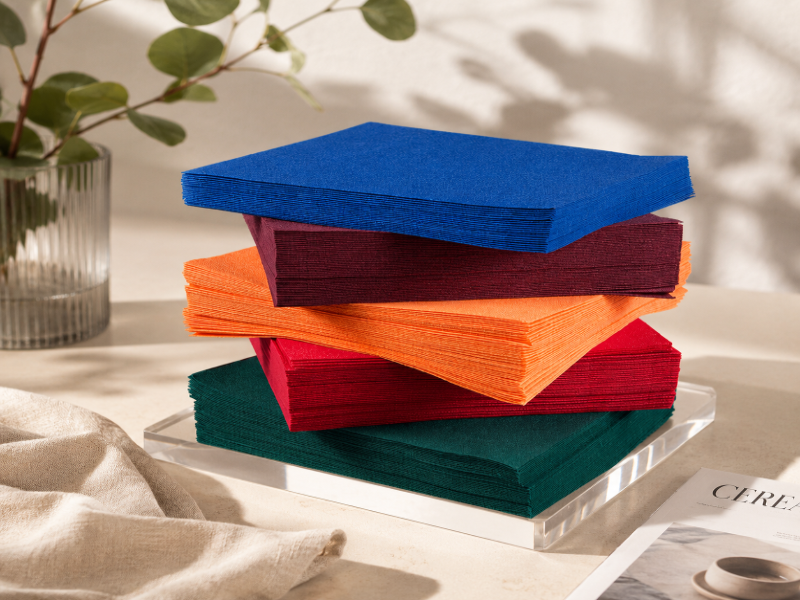 View moreWhy Are Leading Hospitality Suppliers Switching to Airlaid Napkins?For wholesalers, converters and brand owners in the foodservice and hospitality supply chain, the napkin category has long been a commodity game, competing primarily on price with thin margins and little differentiation. That dynamic is changing. airlaid napkins have emerged as a distinct product category that commands premium positioning, delivers measurable operational savings for end-users and offers meaningful differentiation for distributors who know how to position them. The Airlaid Advantage: Three Key Differentiators Technical Construction Airlaid vs. wet-laid process Cost Structure Lower total cost per cover Brand Expression Customization capabilities Source: Industry analysis of airlaid napkins specifications and market positioning The information is organized for procurement professionals, sales teams and brand managers who need to understand not just what airlaid napkins are, but why they matter for their business and how to source them effectively. 1. What Are Airlaid Napkins and Why Do They Matter for B2B Buyers? Airlaid napkins are nonwoven products made through an air-forming process that disperses cellulose fibers in an air stream and bonds them without water. This distinguishes them fundamentally from conventional tissue paper, which is wet-laid and dried in sheets. The airlaid process creates a structure with higher bulk, better absorbency and a softer hand-feel than standard paper napkins of equivalent weight. For B2B buyers, this technical distinction has commercial implications. Airlaid napkins sit in a market position between conventional disposable paper and reusable cloth, offering the convenience and hygiene of single-use products with the tactile quality and visual presence that premium hospitality venues require. Key Performance Characteristics Wet strength: Airlaid napkins maintain structural integrity when wet, unlike standard paper that disintegrates easily. This matters for guests using napkins with moist foods or beverages. Absorbency: The porous structure absorbs liquids faster and holds more volume than wet-laid paper of similar basis weight. Lint resistance: Thermal or latex bonding reduces fiber shedding, which is particularly important for dark table linens and high-end table settings. Surface stability: The nonwoven structure accepts printing, embossing and foil stamping with better definition than standard tissue. These characteristics explain why the hospitality sector has increasingly adopted airlaid napkins for premium service. Industry data indicates that approximately 30 percent of North American hospitality operators now purchase airlaid products for premium dining service, a figure that has grown substantially as the quality gap with cloth has narrowed. 2. Airlaid Napkins vs. Cloth and Conventional Paper: A B2B Cost Analysis Understanding the total cost picture is essential for wholesalers and brands positioning airlaid napkins to their customers. The following comparison breaks down costs for a 200-cover dinner service, based on operating data from hospitality industry sources. Metric Cloth Linen Rental Premium Airlaid Difference Cost per cover $0.38-0.55 $0.09-0.14 62-75% lower Staff handling time 45-60 minutes 10-15 minutes ~75% reduction Storage space required 2.5 m² rotating inventory 0.4 m² carton stack ~85% less Replacement loss exposure 6-12% per cycle 0% single-use Eliminated Vendor scheduling complexity Weekly pickup and delivery Monthly delivery, no returns Significantly simpler For a 150-seat restaurant turning tables twice per dinner service, the annual savings from switching to airlaid napkins ranges from $38,000 to $50,000, with over 100,000 gallons of water saved per year through eliminated laundry processing. These figures represent hard-dollar savings that can be presented as part of a value proposition to end customers. The cost advantage of airlaid napkins is particularly relevant when comparing to conventional tissue as well. While the per-unit purchase price of airlaid is higher than standard paper, the performance characteristics often translate to lower consumption per cover: guests typically use fewer airlaid napkins because of superior absorbency and durability, narrowing or eliminating the cost gap on a per-use basis. 3. How to Evaluate an Airlaid Napkins Supplier Selecting an airlaid napkins supplier requires assessment beyond sample quality and quoted price. For wholesalers, converters and brands building reliable supply chains, the following evaluation framework provides structured criteria. Manufacturing Capability and Capacity Production scale: Suppliers with facilities exceeding 6,000 square meters typically have the capital investment in automation and quality control systems needed for consistent output. Equipment range: The ability to produce multiple fold types (1/4, 1/6, 1/8), sizes (from 25x25 cm to 43x43 cm) and packaging formats indicates technical flexibility. Customization capabilities: OEM and ODM support for custom colors, embossing patterns, printing and packaging differentiates suppliers who can serve brand customers. Quality Management Systems Certifications: ISO 9001 for quality management, FSC or PEFC for sustainable fiber sourcing, and FDA or European food contact compliance are baseline requirements for serious suppliers. Testing protocols: Suppliers should provide third-party test reports on absorbency, lint resistance and colorfastness. Consistency metrics: On-time delivery rates above 95 percent and defect ratios below 1 percent are industry benchmarks for reliable performance. Commercial and Logistics Considerations Minimum order quantities: Flexible MOQs allow testing new markets and SKUs without excessive inventory commitment. Mixed container loading: The ability to combine different napkin SKUs or complementary products in one 40-foot container reduces landed cost per unit. Shipping options: FOB, CIF and DDP terms offer different levels of control and convenience depending on the buyer's logistics capabilities. Supplier Evaluation Scorecard Example Criteria Weight Supplier A Score Supplier B Score Production capacity 25% 4.5 3.0 Quality certifications 25% 5.0 4.0 Customization capability 20% 4.0 4.5 Logistics and lead time 15% 3.5 4.0 Commercial terms 15% 4.0 3.5 Weighted Total 100% 4.32 3.66 Custom Eco-Friendly Airlaid Paper Napkins Manufacturers, Factory Zhejiang Huzhou Shuangjie Paper Co., Ltd is China Custom Eco-Friendly Airlaid Paper Napkins Manufacturers, Factory, OEM Functional and Sustainable Airlaid Napkins Logo Custom. View Product → 4. Product Specifications and Application Mapping Airlaid napkins are available in a range of specifications that serve different market segments. Understanding the relationship between specifications and applications helps wholesalers and brands build targeted product portfolios. Key Specification Variables Basis weight (GSM): Available from approximately 40 GSM to 80 GSM. Higher weights provide more substance and cloth-like feel, while lower weights offer cost advantages for high-volume applications. Fold types: 1/4 fold, 1/6 fold and 1/8 fold are the most common. The fold type affects dispensing, presentation and perceived bulk. 1/8 fold is often preferred for fine dining because it creates more volume when opened. Size options: Common dimensions range from 25x25 cm to 43x43 cm, with 33x33 cm and 40x40 cm being standard for dinner service. Colors and finishes: White remains the dominant color, but colored airlaid napkins are growing in popularity for events, weddings and brand-specific applications. Embossing patterns such as diamond, dot and waffle add texture and visual interest. Printing methods: Flexographic printing for cost-effective runs, hot stamping for metallic effects and full-color digital printing for complex designs and photo-quality reproduction. Market Segment Recommendations Market Segment Recommended Specs Key Considerations Fine dining restaurants 60-70 GSM, 1/8 fold, 40x40 cm or larger Embossing adds perceived quality; color options help brand alignment Hotels and catering 50-60 GSM, 1/4 or 1/8 fold, 33x33 cm Balance cost with premium feel for banquet volumes Events and weddings 50-65 GSM, colored, printed options Custom printing differentiates; color matching is essential Retail and private label 45-55 GSM, boxed or wrapped presentation Shelf-ready packaging and clear product messaging are critical The product matrix approach helps wholesale buyers manage inventory efficiently. Starting with a focused range of specifications that serve the target market, then expanding based on customer demand, typically yields better margin performance than carrying many low-volume SKUs. 5. Building a Profitable Airlaid Napkins Program For wholesalers and brands, airlaid napkins represent an opportunity to move beyond price competition and build value-based offerings. The following strategies can help capture the premium position that airlaid products command. Position Airlaid as a Distinct Category Education is central to value capture. Many end-users do not understand the technical differences between airlaid and conventional tissue. Communicating the performance advantages, operational savings and guest experience benefits helps justify premium pricing. Sales teams equipped with comparisons showing total cost per use rather than unit price are more effective at closing premium hospitality accounts. Develop Tiered Product Lines Entry-level: White airlaid napkins at lower GSM (45-50) for cost-sensitive customers entering the category Mid-range: Standard GSM (55-60) with basic embossing for volume hospitality accounts Premium: High GSM (65-70+), sophisticated embossing, custom colors and printing for fine dining and brand programs This tiered approach creates upgrade paths and allows customers to trade up as they experience the product benefits and see the operational savings. Leverage Customization for Brand Differentiation Custom printed airlaid napkins are a powerful brand tool. The nonwoven surface accepts printing with sharp definition and color consistency that is difficult to achieve on conventional tissue. For brand owners and hospitality groups, custom napkins serve as both functional tableware and marketing touchpoint. Buyers should evaluate supplier capabilities in color matching, print registration and packaging design early in the selection process, as these capabilities differentiate true OEM partners from simple commodity suppliers. Airlaid Napkins Market Positioning Strategy Entry-Level 45-50 GSM White, standard fold Cost-conscious accounts Mid-Range 55-60 GSM Embossing, colors Volume hospitality Premium 65-80 GSM Custom printing & colors Fine dining & brands 6. Frequently Asked Questions Q1: What is the difference between airlaid and standard paper napkins? Airlaid napkins are manufactured through a dry-forming process that disperses fibers in an air stream and bonds them without water. This creates a product with higher bulk, better absorbency, stronger wet strength and a softer, cloth-like feel compared to conventional wet-laid paper napkins of similar basis weight. Q2: What GSM range should I specify for different applications? For casual dining and high-volume use, 45-55 GSM provides a good balance of cost and performance. For premium dining and hotels, 55-65 GSM is common. For luxury and fine dining applications, 65-80 GSM delivers the most cloth-like feel and visual presence. Q3: How do airlaid napkins compare to cloth on guest satisfaction? Consumer perception studies show that premium airlaid napkins score close to cloth, with some blind panels unable to distinguish between 60+ GSM airlaid with quality embossing and low- to mid-grade cloth napkins. The gap is small enough that presentation and branding are often more important than material for guest satisfaction. Q4: What customization options are available for airlaid napkins? Common customization includes custom colors with Pantone matching, embossing patterns, printed logos or designs using flexographic, hot stamping or full-color digital methods, custom sizes and fold types, and branded packaging for retail or private label programs. Q5: How should I evaluate an airlaid napkins supplier? Key evaluation criteria include: production capacity and equipment range, quality certifications such as ISO and FDA, consistency metrics including on-time delivery rate and defect ratio, customization capabilities, logistics options such as mixed container loading, and commercial terms including MOQ and payment terms. Q6: Is airlaid napkin pricing stable compared to wood pulp price fluctuations? As a cellulose-based product, airlaid napkin pricing is correlated with wood pulp markets. However, the airlaid process has better yield and uses a wider range of fiber sources, which can provide some price stability relative to premium tissue grades. Working with a supplier who provides forward pricing and hedging options helps manage exposure to price volatility. .section-intro p, .section-definition p, .section-comparison p, .section-sourcing p, .section-application p, .section-strategy p, .section-faq p { font-family: 'Segoe UI', Roboto, 'Helvetica Neue', sans-serif; font-weight: 400; line-height: 2; font-size: 16px; margin-bottom: 5px; } .section-intro h2, .section-definition h2, .section-comparison h2, .section-sourcing h2, .section-application h2, .section-strategy h2, .section-faq h2 { font-family: 'Segoe UI', Roboto, 'Helvetica Neue', sans-serif; font-weight: 500; line-height: 2; font-size: 20px; margin-bottom: 10px; } .section-intro h3, .section-definition h3, .section-comparison h3, .section-sourcing h3, .section-application h3, .section-strategy h3, .section-faq h3 { font-family: 'Segoe UI', Roboto, 'Helvetica Neue', sans-serif; font-weight: 500; line-height: 2; font-size: 18px; margin-top: 5px; margin-bottom: 5px; } .section-intro h4, .section-definition h4, .section-comparison h4, .section-sourcing h4, .section-application h4, .section-strategy h4, .section-faq h4 { font-family: 'Segoe UI', Roboto, 'Helvetica Neue', sans-serif; font-weight: 500; line-height: 2; font-size: 16px; } .section-intro ul, .section-definition ul, .section-comparison ul, .section-sourcing ul, .section-application ul, .section-strategy ul, .section-faq ul, .section-intro ol, .section-definition ol, .section-comparison ol, .section-sourcing ol, .section-application ol, .section-strategy ol, .section-faq ol { margin-top: 8px; margin-bottom: 8px; padding-left: 20px; } .section-intro li, .section-definition li, .section-comparison li, .section-sourcing li, .section-application li, .section-strategy li, .section-faq li { list-style-position: inside; font-size: 16px; font-family: 'Segoe UI', Roboto, 'Helvetica Neue', sans-serif; font-weight: 400; line-height: 2; } .section-intro li { list-style-type: disc; } .section-definition li { list-style-type: disc; } .section-comparison li { list-style-type: disc; } .section-sourcing li { list-style-type: disc; } .section-application li { list-style-type: disc; } .section-strategy li { list-style-type: disc; } .section-faq li { list-style-type: disc; } .section-intro strong, .section-definition strong, .section-comparison strong, .section-sourcing strong, .section-application strong, .section-strategy strong, .section-faq strong { font-weight: 500; } .section-intro table, .section-definition table, .section-comparison table, .section-sourcing table, .section-application table, .section-strategy table, .section-faq table { width: 100%; border-collapse: collapse; margin: 12px 0; font-size: 16px; border: 1px solid #e5e7eb; } .section-intro table td, .section-definition table td, .section-comparison table td, .section-sourcing table td, .section-application table td, .section-strategy table td, .section-faq table td, .section-intro table th, .section-definition table th, .section-comparison table th, .section-sourcing table th, .section-application table th, .section-strategy table th, .section-faq table th { border: 1px solid #e5e7eb; padding: 8px 10px; text-align: center; font-size: 16px; font-family: 'Segoe UI', Roboto, 'Helvetica Neue', sans-serif; font-weight: 400; line-height: 2; } .section-intro table th, .section-definition table th, .section-comparison table th, .section-sourcing table th, .section-application table th, .section-strategy table th, .section-faq table th { font-weight: 500; background-color: #f7f8fa; } .section-intro svg text, .section-definition svg text, .section-comparison svg text, .section-sourcing svg text, .section-application svg text, .section-strategy svg text, .section-faq svg text { font-family: 'Segoe UI', Roboto, 'Helvetica Neue', sans-serif; font-weight: 400; line-height: 2; } .section-intro svg rect, .section-definition svg rect, .section-comparison svg rect, .section-sourcing svg rect, .section-application svg rect, .section-strategy svg rect, .section-faq svg rect { font-family: 'Segoe UI', Roboto, 'Helvetica Neue', sans-serif; font-weight: 400; line-height: 2; } .section-intro .product-card, .section-definition .product-card, .section-comparison .product-card, .section-sourcing .product-card, .section-application .product-card, .section-strategy .product-card, .section-faq .product-card { margin: 20px 0; border: 1px solid #e5e7eb; border-radius: 10px; overflow: hidden; font-style: normal; } .section-intro .product-card .pc-inner, .section-definition .product-card .pc-inner, .section-comparison .product-card .pc-inner, .section-sourcing .product-card .pc-inner, .section-application .product-card .pc-inner, .section-strategy .product-card .pc-inner, .section-faq .product-card .pc-inner { display: flex; text-decoration: none; color: inherit; align-items: center; } .section-intro .product-card .pc-img, .section-definition .product-card .pc-img, .section-comparison .product-card .pc-img, .section-sourcing .product-card .pc-img, .section-application .product-card .pc-img, .section-strategy .product-card .pc-img, .section-faq .product-card .pc-img { width: 160px; min-width: 160px; height: 120px; object-fit: cover; flex-shrink: 0; display: block; border-radius: 0; } .section-intro .product-card .pc-body, .section-definition .product-card .pc-body, .section-comparison .product-card .pc-body, .section-sourcing .product-card .pc-body, .section-application .product-card .pc-body, .section-strategy .product-card .pc-body, .section-faq .product-card .pc-body { padding: 12px 16px; flex: 1; min-width: 0; display: flex; flex-direction: column; justify-content: space-between; } .section-intro .product-card .pc-title, .section-definition .product-card .pc-title, .section-comparison .product-card .pc-title, .section-sourcing .product-card .pc-title, .section-application .product-card .pc-title, .section-strategy .product-card .pc-title, .section-faq .product-card .pc-title { font-size: 15px; font-weight: 600; color: #111; margin: 0 0 6px; } .section-intro .product-card .pc-desc, .section-definition .product-card .pc-desc, .section-comparison .product-card .pc-desc, .section-sourcing .product-card .pc-desc, .section-application .product-card .pc-desc, .section-strategy .product-card .pc-desc, .section-faq .product-card .pc-desc { font-size: 13px; color: #6b7280; margin: 0 0 8px; overflow: hidden; display: -webkit-box; -webkit-line-clamp: 2; -webkit-box-orient: vertical; } .section-intro .product-card .pc-cta, .section-definition .product-card .pc-cta, .section-comparison .product-card .pc-cta, .section-sourcing .product-card .pc-cta, .section-application .product-card .pc-cta, .section-strategy .product-card .pc-cta, .section-faq .product-card .pc-cta { font-size: 13px; font-weight: 600; color: #006835; }2026-08-13+
 -
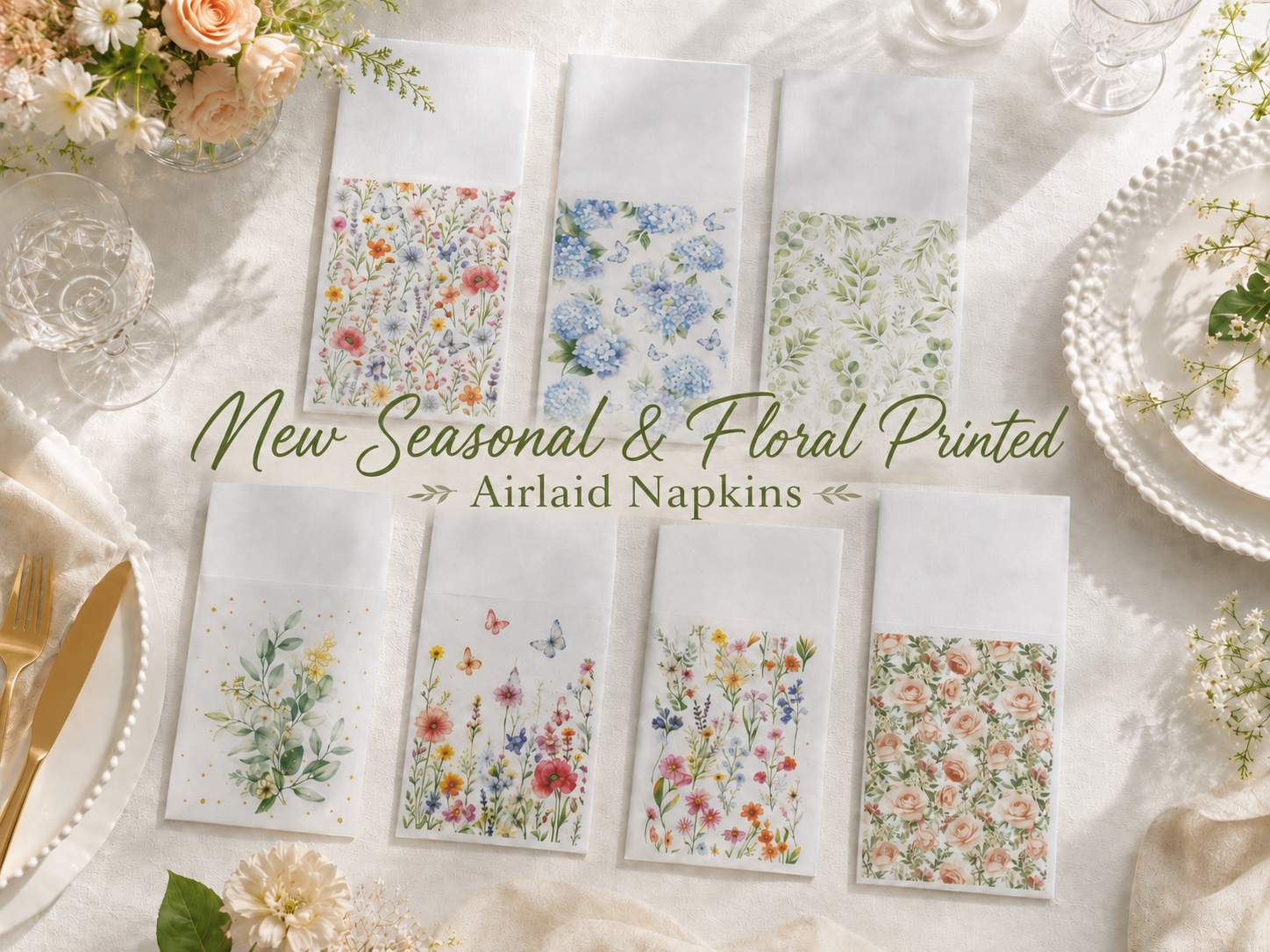 View moreThe Complete Guide To Airlaid NapkinsUnderstanding Airlaid Napkins: The Modern Choice for Sophisticated Events In the world of event catering and hospitality, the choice of table linens speaks volumes about your attention to detail and commitment to quality. Airlaid napkins have emerged as the gold standard for establishments that refuse to compromise between convenience and elegance. These innovative linen-like disposable napkins deliver the sophisticated appearance of traditional cloth while offering the practical advantages of disposable products. The evolution of napkin technology has been remarkable over the past two decades. What once forced event planners to choose between authentic luxury and practical efficiency is now a false choice entirely. Modern airlaid technology bridges this gap seamlessly, creating products that perform at the highest level while addressing real-world logistical challenges. The Science Behind Airlaid Napkin Technology What Makes Airlaid Napkins Different Airlaid napkins are manufactured using a proprietary process that distinguishes them fundamentally from traditional paper napkins and standard disposables. The production method involves air-laying fibers rather than traditional wet-pulping techniques, which creates a material with superior structural integrity and aesthetic properties. The result is a napkin that combines three essential qualities: premium appearance, exceptional absorbency, and remarkable strength. When you hold an airlaid napkin, you immediately notice the difference. The fabric-like texture closely mimics linen, yet the material delivers performance characteristics that exceed many traditional cloth options. Core Advantages of the Airlaid Process Enhanced fiber bonding creates superior strength when wet, preventing tearing during use Air-layered construction produces a naturally soft, luxurious texture without chemical softeners Superior absorbency capacity manages spills and liquid effectively across large surface areas Consistent thickness throughout the material eliminates weak points Natural drape and fold characteristics that enhance table presentation Strategic Applications Across Event Types Premium Dining and Fine Dining Restaurants Fine dining establishments have particular requirements that extend beyond basic napkin functionality. The dining experience itself is the product, and every element contributes to customer perception and satisfaction. Premium disposable napkins enable restaurants to deliver consistently exceptional service while managing operational costs effectively. Dinner-size airlaid napkins provide adequate coverage and absorptive capacity for extended courses, while their cloth-like appearance maintains the refined atmosphere essential to fine dining. The napkins perform reliably when folded into sophisticated presentations, holding creases and maintaining visual appeal throughout the meal. High-Profile Corporate and Gala Events Corporate events demand visual sophistication and flawless execution. Whether hosting client appreciation dinners, annual galas, or executive conferences, the presentation details matter significantly. Disposable napkins for catering events allow event planners to maintain control over presentation while eliminating the substantial costs and logistical complexities associated with linen rental services. For corporate settings, consistency is paramount. Every attendee expects the same level of quality and presentation. Airlaid napkins deliver uniform appearance and performance across every place setting, eliminating the variable quality issues that sometimes occur with rented linens. Wedding and Celebratory Occasions Weddings represent the ultimate expression of attention to detail. Couples invest considerable thought into every element of their celebration, and table linens factor prominently into the overall aesthetic vision. Airlaid napkins for weddings offer a practical solution that doesn't require sacrificing visual impact or sophistication. The ability to customize napkins through color selection and sizing options allows coordination with overall design schemes. Cocktail napkins work perfectly for reception areas and bar service, while dinner napkins maintain elegance during seated meals. The consistent quality ensures that months of planning translate into flawless execution. Catering Operations and Buffet Service Buffet-style events present unique challenges for napkin selection. Guests move freely, interact with food stations, and may use napkins multiple times throughout the event. Luncheon napkins for buffets require durability, adequate size for practical use, and sufficient absorbency for common buffet situations. Airlaid napkins excel in these conditions because their strength when wet prevents embarrassing failures during extended use. The generous size accommodates practical needs while the premium appearance maintains the event's visual standards despite the informal service style. Hospitality and Foodservice Venues Bars, lounges, cafes, and casual dining establishments benefit significantly from airlaid technology. Cocktail napkins for bars serve multiple functions—they protect surfaces from condensation, provide hand-cleaning capacity, and contribute to overall venue ambiance. The cloth-like appearance elevates the customer experience compared to traditional paper napkins. Hotels and upscale hospitality venues use airlaid napkins across various service settings, from restaurant dining to banquet functions to casual lounge service. This versatility across different operational contexts makes airlaid napkins a practical standardization choice for multi-purpose facilities. Comparative Analysis: Why Airlaid Outperforms Alternatives Airlaid Versus Traditional Paper Napkins Traditional paper napkins, despite decades of optimization, have fundamental limitations in absorbency and structural integrity. The wet-pulp manufacturing process creates a product that, while functional for basic use, lacks the refinement expected in quality-conscious settings. Characteristic Standard Paper Napkins Airlaid Napkins Wet Strength Minimal Exceptional Visual Appearance Basic Paper Look Premium Linen-Like Absorbency Capacity Standard Superior Durability When Wet Poor Strong Presentation Quality Adequate Premium Airlaid Versus Traditional Cloth Linens Cloth napkins represent the traditional standard for formal service, yet they introduce significant operational complexities. The laundry process, quality variability, and staining issues create hidden costs that extend far beyond the per-unit expense. Establishments relying on cloth linens must manage inventory systems, coordinate with laundry services, maintain contingency stock for damage, and manage storage space. Variable color and appearance across multiple washing cycles creates subtle but noticeable inconsistencies in table presentation. Staining—whether from wine, lipstick, or food—creates inventory shrinkage and replacement expenses. Airlaid napkins eliminate these operational headaches while maintaining the visual sophistication that cloth linens provide. Every napkin appears identical, performs consistently, and requires no complex logistics management beyond standard purchasing and inventory rotation. Performance When Wet: The Critical Difference One specific performance metric separates airlaid napkins from inferior alternatives: structural integrity when saturated. This seemingly technical detail has profound practical implications across diverse use scenarios. A napkin that disintegrates when wet fails its fundamental purpose. Guests experience embarrassing moments when napkins tear during use, creating negative impressions that overshadow other positive elements of the experience. Professional establishments cannot accept this risk. Airlaid napkins maintain full strength when completely saturated, a characteristic driven by the air-layering manufacturing process. The fiber bonding creates a network that resists separation even under significant moisture stress. This performance characteristic justifies the premium investment in airlaid technology. Sizing Options and Strategic Selection Understanding Napkin Sizing Standards Napkin sizing follows industry conventions that address specific service contexts. Understanding these standards enables informed decisions that balance aesthetic considerations with practical functionality. Cocktail Size Napkins Cocktail napkins, typically measuring 9 by 9 inches or slightly smaller, serve specific functions in bar and reception settings. Cocktail napkins for bars protect surfaces from condensation while providing guests with hand-cleaning and lip-wiping capacity. The smaller size enables efficient placement at high-top tables and bar counters while maintaining visual sophistication. The smaller format doesn't compromise absorbency capacity in proportion to typical use patterns in cocktail service. Guests rarely use a single napkin for extended engagement; instead, they employ napkins for momentary need satisfaction, making the compact size ideal. Luncheon Size Napkins Luncheon napkins, measuring approximately 13 by 13 inches, serve lunch service, buffet scenarios, and casual dining environments. This size balances adequate coverage with practical handling and storage efficiency. Luncheon napkins for buffets provide sufficient size for diverse use patterns—protecting clothing during buffet navigation, handling hot or messy foods, and managing various spill scenarios common in self-service settings. The moderate size prevents excessive bulk while ensuring adequate functionality. Dinner Size Napkins Dinner-size napkins, typically measuring 17 by 17 inches when folded or larger when unfolded, provide premium presentation for formal dining. Dinner size airlaid napkins deliver the coverage and absorptive capacity essential for extended multi-course meals where multiple uses occur during a single service. The generous dimensions enable sophisticated folding presentations that enhance table aesthetics. Guests appreciate the premium feel of larger napkins, which subconsciously signals quality and attention to detail. The visual impact of a properly folded dinner napkin positioned at each place setting contributes significantly to overall table ambiance. Strategic Selection Criteria for Your Specific Needs Assessing Your Service Environment Different operational contexts impose different requirements on napkin selection. A thoughtful assessment of your specific circumstances ensures optimal results. Service Style Considerations Formal seated dining demands larger napkins with premium presentation potential and extended absorbency capacity Buffet and self-service environments require moderate sizing with exceptional wet strength Bar and cocktail service benefits from smaller napkins positioned strategically throughout venues Multi-course or extended dining experiences require larger napkins capable of sustained performance across multiple uses Guest Expectations and Market Positioning Your establishment's market positioning directly influences napkin selection appropriateness. A casual family restaurant operates in a completely different context than an upscale fine dining venue, yet both serve their respective markets effectively with appropriate choices. Consider what your guests expect based on their experience elsewhere in your establishment. If your venue positions itself as premium, the napkin selection must reinforce that positioning. Conversely, if your establishment serves casual dining markets, the choices should reflect operational realities while maintaining basic quality standards. Quantity Planning and Storage Airlaid napkins occupy minimal storage space compared to cloth linens, yet planning appropriate quantities prevents disruptions. Most establishments calculate based on the highest anticipated concurrent occupancy multiplied by typical napkin consumption patterns, then add contingency stock. For casual service environments, consumption runs approximately 2-3 napkins per guest per visit. For formal dining with multiple courses, consumption can reach 4-6 napkins per guest. These calculations enable accurate purchasing that prevents both stockouts and excessive inventory accumulation. Comprehensive Benefits of Adopting Airlaid Napkins Operational Efficiency Advantages The transition to airlaid napkins streamlines operational processes across multiple dimensions. Unlike cloth linens requiring laundry coordination, airlaid napkins follow simple inventory management protocols—order stock, store appropriately, use, and dispose. This simplified logistics eliminates coordination with external laundry services, removes the need for contingency inventory to manage damaged linens, and eliminates color variability issues that create inconsistent presentations across service settings. Cost Structure Realities While airlaid napkins represent a higher per-unit cost than basic paper napkins, the total cost of ownership actually favors airlaid when accounting for hidden expenses associated with alternatives. Cloth napkin programs require laundry services, replacement inventory for damaged linens, specialized storage facilities, and staffing time for linen management. Standard paper napkins appear economical on initial assessment, yet their inferior performance and presentation impact generate hidden costs—customer dissatisfaction, damaged materials, excessive consumption, and positioning damage in quality-conscious markets. Sustainability Considerations Modern production facilities have optimized airlaid napkin manufacturing for environmental responsibility. The materials are predominantly recyclable, and the manufacturing process has become increasingly efficient. Compared to cloth napkins requiring repeated washing with associated water, energy, and chemical consumption, airlaid napkins present a competitive sustainability profile. Flexibility and Customization Options Airlaid napkins can be color-customized to coordinate with specific event themes, restaurant branding, or seasonal presentations. This flexibility enables establishments to enhance visual consistency across service environments or create special presentations for specific events. Customization options extend to sizing flexibility—establishments can maintain multiple sizes as needed without the complexity that cloth napkin inventory creates. A restaurant might use cocktail napkins for bar service, luncheon napkins for casual dining, and dinner napkins for fine dining service, all stored in minimal space. Frequently Asked Questions Q1: How do airlaid napkins maintain strength when completely wet? The air-layering manufacturing process creates a fiber network with superior bonding compared to traditional wet-pulp napkins. This bonding structure resists separation even under significant moisture stress, a characteristic that becomes apparent during extended use or complete saturation scenarios. The manufacturing technique fundamentally addresses the weakness that limits traditional paper napkins—their tendency to disintegrate when wet. Q2: Are airlaid napkins environmentally responsible compared to cloth alternatives? Modern airlaid napkin manufacturing emphasizes recyclability and process efficiency. When comparing full lifecycle environmental impact, the calculation becomes complex—airlaid napkins require single-use disposal, while cloth napkins demand repeated energy-intensive washing processes. Contemporary production methods have substantially reduced environmental impact, making airlaid napkins a competitive sustainability choice, particularly when considering water usage associated with cloth napkin laundry services. Q3: What size napkins should I select for different service types? Service type dictates appropriate sizing: cocktail napkins work well for bar and reception settings; luncheon napkins suit casual dining and buffet service; dinner napkins enhance formal dining presentations and multi-course experiences. Select based on anticipated use patterns, coverage requirements, and the experience level you want to communicate through table presentation details. Q4: How do airlaid napkins compare to standard paper napkins in overall performance? The comparison across multiple performance dimensions strongly favors airlaid napkins. Superior wet strength prevents embarrassing tearing during use, the linen-like appearance elevates presentation quality, exceptional absorbency handles diverse scenarios effectively, and consistent manufacturing ensures uniform performance across every napkin. These performance advantages justify the premium investment for quality-conscious establishments. Q5: Can I customize airlaid napkins for branded or themed events? Yes, many manufacturers offer color customization and sizing options for airlaid napkins. This flexibility enables establishments to coordinate napkins with specific event themes, restaurant branding, or seasonal presentations. Customization options provide creative opportunities for differentiation while maintaining operational simplicity compared to specialized linen services. Q6: How should I calculate appropriate napkin quantities for my establishment? Start with your highest anticipated concurrent occupancy and multiply by typical per-guest consumption rates—approximately 2-3 napkins for casual service or 4-6 napkins for formal multi-course dining. Add contingency stock of approximately 20 percent to accommodate higher-than-anticipated consumption and prevent stockouts. This calculation method prevents both inadequate inventory and excessive overstock situations. .section-block { margin-bottom: 40px; } .section-block h2 { font-size: 20px; font-weight: 700; text-align: left; margin-bottom: 10px; color: #1a1a1a; padding-bottom: 8px; border-bottom: 3px solid #D0224E; } .section-block h3 { font-size: 18px; font-weight: 700; text-align: left; margin-top: 5px; margin-bottom: 5px; color: #2a2a2a; } .section-block h4 { font-size: 16px; font-weight: 500; text-align: left; color: #D0224E; margin-top: 10px; } .section-block p { font-size: 16px; margin-bottom: 5px; font-family: 'Segoe UI', Roboto, 'Helvetica Neue', sans-serif; font-weight: 400; line-height: 2; color: #333; } .section-block ul, .section-block ol { margin-top: 8px; margin-bottom: 8px; margin-left: 20px; } .section-block li { list-style-position: inside; font-size: 16px; font-family: 'Segoe UI', Roboto, 'Helvetica Neue', sans-serif; font-weight: 400; line-height: 2; color: #333; margin-left: 15px; } .section-block ul li { list-style-type: disc; } .section-block strong { font-weight: 500; color: #D0224E; } .section-block table { border-collapse: collapse; font-family: 'Segoe UI', Roboto, 'Helvetica Neue', sans-serif; } .section-block td, .section-block th { text-align: center; font-size: 16px; padding: 12px; border: 1px solid #e0e0e0; font-weight: 400; line-height: 2; } .section-block th { background: linear-gradient(135deg, #D0224E 0%, #a01a3a 100%); color: white; font-weight: 600; } .section-block tr:nth-child(odd) { background-color: #f9f9f9; } .section-block a { color: #D0224E; text-decoration: none; font-weight: 500; transition: color 0.2s ease; } .section-block a:hover { color: #a01a3a; text-decoration: underline; }2026-08-06+
 -
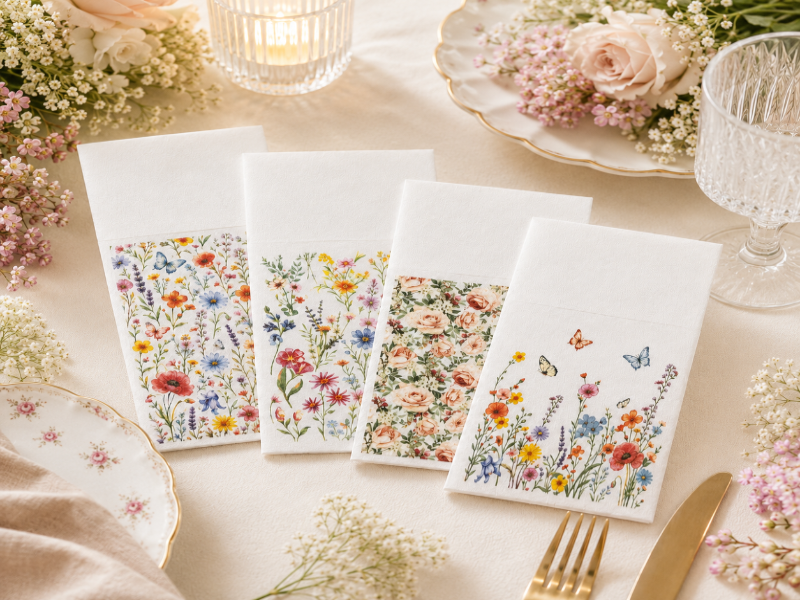 View moreHow Can You Personalize Cocktail Napkins for Weddings and Corporate Events?Understanding the Power of Personalized Cocktail Napkins Cocktail napkins have evolved beyond simple functional items into powerful branding and aesthetic tools for modern events. Whether you're planning an intimate wedding reception or a large corporate gathering, personalized paper napkins serve as subtle yet impactful touchpoints that guests interact with repeatedly throughout the event. These small details create memorable moments and reinforce your event's theme, making them an essential element of comprehensive event planning. The strategic use of personalized napkins extends far beyond decoration. They act as conversation starters, reinforce brand identity, and provide practical value to guests. In today's competitive event landscape, attention to detail distinguishes exceptional experiences from ordinary ones. Design Strategies for Maximum Impact Creating an effective personalized cocktail napkin design requires understanding the balance between visual impact and practical functionality. The design process begins with clear objectives: Are you building brand awareness, celebrating a milestone, or creating an elegant atmosphere? Essential Design Elements to Consider Color psychology and brand consistency alignment Typography that remains legible at small scale Logo placement that doesn't compromise functionality Negative space to prevent overwhelming the design High-resolution graphics that maintain quality when printed Contrast ratios ensuring visibility on colored napkins The most effective napkin designs incorporate a focal point—typically a logo, initials, or central graphic—surrounded by complementary secondary elements. This hierarchy prevents visual clutter while ensuring the primary message communicates instantly. Color Selection and Material Interaction The relationship between napkin material and ink color directly impacts design visibility. White, cream, and pastel-colored napkins provide maximum contrast for bold designs, while darker napkins demand brighter ink colors or metallic finishes to achieve visual prominence. Consider how your chosen colors interact with lighting conditions at your venue, as overhead lighting can significantly alter color perception. For sophisticated events, consider single-color designs using metallic gold, silver, or rose gold inks on white or kraft-colored napkins. These combinations project elegance without overwhelming the aesthetic space. In contrast, corporate events often benefit from full-color designs that prominently feature company logos and brand colors. Customization Techniques and Production Methods Digital Printing vs. Traditional Methods Modern napkin personalization employs several production techniques, each offering distinct advantages. Digital printing technology enables precise color reproduction, complex multi-color designs, and cost-effective production runs of any size. This method works exceptionally well for designs featuring photography, intricate graphics, or gradient effects. Traditional flexographic and offset printing remain popular for large volume orders where unit costs become important considerations. These methods deliver vibrant, durable colors and are particularly effective for simpler designs with bold blocks of color. Special Finishing Touches Beyond standard printing, several enhancement options elevate personalized paper napkins to premium status: Embossing creates tactile dimension, adding sophistication and perceived value Foil stamping with metallic finishes produces luxurious shimmer effects Thermochromic inks reveal hidden messages when napkins become warm Raised printing techniques create dimensional surface interest Edge banding with contrasting colors frames the napkin edges Scalloped or die-cut edges add decorative appeal beyond standard rectangular shapes The selection of finishing techniques should align with your event's tone. Formal weddings benefit from subtle embossing or foil stamping, while casual corporate events might embrace playful die-cut shapes or full-color photographic designs. Tailored Approaches for Different Event Types Wedding Celebrations Wedding napkins carry special significance as they commemorate a milestone moment. Personalization should reflect the couple's personality while maintaining the overall aesthetic direction established by invitations, signage, and décor. Popular wedding napkin designs include: Monogram designs featuring initials, dates, or couple names Motif designs incorporating flowers, geometric patterns, or symbolic elements Invitation theme replication creating cohesive visual experience Milestone markers like "Mr. & Mrs." or wedding date prominently featured Guest names for place card alternatives Coordinated napkins across multiple events within the wedding weekend For wedding applications, premium tissue napkins with superior softness and durability enhance the luxury perception. Many couples select 3-ply or higher-quality paper napkins that provide structural integrity throughout extended receptions. The tactile experience guests have when handling napkins contributes to their overall event impression. Corporate Events and Brand Activation Corporate napkin personalization serves strategic marketing objectives. Design approaches typically emphasize brand identity through consistent logo placement, corporate colors, and messaging that aligns with marketing initiatives. Product launches benefit from eye-catching graphics and new product imagery Conferences and networking events use napkins for subtle brand reinforcement Client appreciation events feature personalized messages and appreciation taglines Trade shows employ napkins as distributed promotional items enhancing booth visibility Annual meetings incorporate company milestones, achievements, or core values Team-building events feature motivational messaging or fun brand personality elements For corporate environments, disposable paper napkins with professional designs deliver cost efficiency without sacrificing quality perception. Many corporations opt for bulk ordering of custom napkins to maintain brand consistency across multiple events and venues throughout the year. Material Quality and Its Impact on Personalization Understanding Paper Napkin Grades The quality of base material dramatically influences how designs appear and how guests perceive the event. Paper napkins vary considerably in composition, ply count, and absorbency characteristics. Napkin Type Ply Count Best Use Cases Design Visibility Standard Tissue 1-2 Ply Casual events, high-volume distribution Excellent for bold, simple designs Premium Grade 3 Ply Formal events, upscale venues Excellent for detailed designs and photography Ultra Premium 4+ Ply Luxury events, exclusive functions Outstanding detail reproduction, exceptional quality feel Sustainability Considerations in Material Selection Modern event planners increasingly consider environmental impact when selecting materials. Eco-conscious choices include: Unbleached, natural color paper napkins that require no whitening chemicals Recycled content napkins sourced from post-consumer waste Sustainably managed forestry-certified paper products Biodegradable napkin options that decompose naturally after events Water-based inks that reduce chemical environmental impact Sustainable material selection need not compromise design quality or visual appeal. Many environmentally responsible options deliver excellent printing surfaces and aesthetic results while supporting corporate sustainability initiatives or personal environmental values. Budget Optimization Without Compromising Quality Volume and Pricing Dynamics Understanding the relationship between order quantity and unit cost enables strategic budget allocation. Bulk ordering of paper napkins typically follows predictable pricing tiers that reward larger commitments while recognizing the practicality of smaller event needs. Consider these budget-friendly strategies when personalizing napkins for events: Single-color or two-color designs cost significantly less than full-color printing Larger order quantities reduce per-unit costs substantially Standard napkin sizes offer better pricing than custom dimensions Off-season ordering provides better rates than peak event planning periods Combining multiple events or functions into single orders leverages volume discounts Simplified design concepts reduce production complexity and associated costs Cost Comparison: Custom vs. Standard Options The investment in customization varies based on complexity and order size. A wedding featuring 200 personalized cocktail napkins with simple monogram design might cost significantly less than a corporate event requiring 5,000 napkins with full-color photography. However, per-unit costs often decrease dramatically for larger corporate orders, making bulk personalization more economical than initially apparent. Working with experienced manufacturers helps identify cost-effective approaches that maintain design integrity while respecting budget constraints. The Design Development Process Pre-Production Steps Successful personalized napkins result from systematic planning and attention to technical specifications. The design workflow should follow these essential steps: 1. Concept 2. Design 3. Approval 4. Production Step Details: Concept Define event theme, audience, messaging, and design direction Design Create digital mockups, select colors, establish layout and typography Approval Review proofs, request revisions, finalize specifications Technical Specifications to Provide: - Final design files in high-resolution format (300 DPI minimum) - Color specifications using Pantone or CMYK standards - Bleed area requirements and safe zone guidelines - Paper type, size, and ply count selection - Desired quantity and delivery timeline Quality Assurance and Proofing Professional napkin producers provide digital proofs showing exactly how designs will appear on selected materials. This critical step allows verification of color accuracy, design placement, and overall visual impact before production commences. Request proofs on the actual napkin material you'll be ordering, as color rendering differs across various paper types and finishes. Typical napkin manufacturers offer revisions at this stage, enabling refinements before expensive production runs begin. Attention to detail during proofing prevents costly reprinting and ensures your personalized napkins meet or exceed expectations. Practical Implementation Strategies Design File Preparation Successful production depends on providing files in formats manufacturers can reliably process. Standard requirements include: Vector-based files (AI, EPS, PDF) for logos and text elements ensuring scalability High-resolution raster images at 300 DPI for photographs and complex graphics CMYK color mode for print production, avoiding RGB that displays differently Proper bleed areas extending beyond trim lines preventing white edges Text converted to outlines or embedded fonts preventing substitution issues Transparent background elements clarified as white or defined colors Managing Multiple Order Variations Large events often require multiple napkin variations—perhaps different designs for cocktail hour versus dinner service, or separate napkins for VIP guests. Strategic planning manages these variations efficiently: Consolidate quantities across variations into single orders when possible Use consistent base design with minimal variations reducing setup costs Plan delivery timing ensuring all variations arrive together Communicate clearly with manufacturers about quantity breakdowns Verify each variation's appearance in separate proofs Storage and Event-Day Logistics Properly storing custom napkins maintains their appearance and functionality. Best practices include: Keep napkins in original packaging to protect from dust and damage Store in climate-controlled environment preventing moisture absorption Avoid stacking heavy items atop napkin boxes that could cause compression Plan for accessible napkin station placement enabling guest self-service Account for higher consumption quantities than expected ensuring adequate supply Arrange delivery timing to minimize pre-event storage duration Contemporary Design Trends and Inspiration Current Aesthetic Directions Personalized napkin design increasingly reflects broader design trends seen in modern events and branding initiatives. Contemporary approaches include: Minimalist Elegance: Clean lines, ample white space, and single focal elements create sophisticated, uncluttered designs that feel modern and refined. Monochromatic color schemes with subtle accent colors deliver premium aesthetics appealing to formal events. Botanical and Organic Motifs: Nature-inspired designs incorporating florals, leaves, and organic shapes remain popular for weddings and upscale events. These elements work particularly well with softer color palettes and convey natural elegance. Geometric and Modern Patterns: Angular shapes, tessellating patterns, and geometric abstractions appeal to contemporary events. These designs work effectively for corporate functions and casual celebrations seeking modern visual impact. Typography-Forward Designs: Bold, distinctive typography serves as the primary design element, with minimal supporting graphics. This approach emphasizes messaging and creates strong visual statements, particularly effective for motivational or messaging-heavy applications. Personalization Through Data: Incorporating guest names, dates, or custom messages on individual napkins creates remarkable personalization experiences. Modern printing technology makes this economically feasible even for large events. Seasonal and Occasion-Specific Themes Aligning napkin designs with seasonal elements or specific occasions creates cohesive event experiences. Spring events benefit from pastels and florals, while autumn celebrations embrace warm earth tones and harvest imagery. Holiday events incorporate festive elements appropriate to specific celebrations. Winter occasions leverage elegant silver and cool-tone palettes, while summer events embrace bright, vibrant color schemes. Sourcing Quality Custom Paper Napkins Evaluating Manufacturers and Suppliers Selecting reliable napkin manufacturers ensures consistent quality and successful event outcomes. Key evaluation criteria include: Production capability spanning desired quantities and turnaround timelines Material selection offering grade options from budget-friendly to premium Printing technology supporting your design complexity and color requirements Quality control processes ensuring consistent results across production runs Customer service responsiveness and willingness to accommodate special requests Transparent pricing without hidden setup fees or surcharges Portfolio examples demonstrating design capability and production quality Questions to Ask Potential Suppliers Thorough vetting conversations with suppliers provide confidence in their ability to deliver satisfactory results: What are minimum order quantities, and do volume discounts apply? Which file formats and specifications do you require for designs? What is your typical turnaround time, and can rush production be accommodated? Do you provide digital proofs before production, and are revisions included? What quality guarantees do you offer, and how are defects handled? Can you provide samples of previous work using similar designs or materials? What are your payment terms, and do you require deposits? Do you offer eco-friendly material options if sustainability is important? Comprehensive discussions with potential suppliers reveal their expertise and commitment to customer satisfaction, helping ensure partnerships that deliver quality results. Comparing In-House Customization vs. Professional Production When Professional Production Makes Sense Professional manufacturing offers significant advantages for most event applications. Commercial printing equipment delivers consistent color reproduction, design precision, and durability far exceeding home or office printing capabilities. Professional producers handle bulk quantities efficiently, offer material options unavailable to consumers, and provide finishing options like embossing or foil stamping. For any event expecting more than 100 guests or featuring prominent napkin placement in event design, professional production justifies its cost through superior quality and event impact. Limited Applications for DIY Customization Very small gatherings or highly informal events might justify DIY approaches using desktop printing. This method works best for: Intimate events with fewer than 50 guests Casual celebrations where perfection isn't paramount Last-minute situations where turnaround time is critical Budget-constrained scenarios where professional costs aren't feasible Experimental designs requiring rapid testing and iteration However, DIY printed napkins often show quality limitations including color inconsistency, ink smudging, and durability issues. For events where personalization matters—weddings, important corporate functions, client entertainment—professional production delivers substantially superior results. Frequently Asked Questions Q1: What is the minimum order quantity for personalized cocktail napkins? Minimum order quantities vary by manufacturer and production method, typically ranging from 100 to 500 napkins for custom designs. Digital printing facilities often accommodate smaller quantities more flexibly than traditional offset or flexographic printing. Inquiring about specific minimums helps determine whether a particular supplier suits your event needs and budget. Q2: How far in advance should I order custom napkins for my event? Planning ahead allows time for design development, proofing, and production without rush fees. Standard timelines suggest ordering at least 4-6 weeks before events, allowing 1-2 weeks for design work, 1-2 weeks for proofing and revisions, and 2-4 weeks for production. Events requiring shorter turnaround can request expedited production, though rush fees may apply. Q3: Can napkin designs include photographs or complex images? Yes, modern printing technology accommodates photographic and complex designs beautifully, particularly with digital printing methods. High-resolution images (300 DPI minimum) reproduce well on napkins, though smaller napkin sizes limit detail visibility. Discussing image quality with manufacturers helps ensure satisfactory reproduction of photographic content. Q4: What file format should I provide to the manufacturer? Most manufacturers prefer vector-based files (Adobe Illustrator, EPS, or PDF) for logos and text, combined with high-resolution raster files (TIFF or PDF) for photographs. CMYK color mode ensures accurate print reproduction. Confirming specific file format requirements with your chosen manufacturer prevents compatibility issues and revision delays. Q5: Are eco-friendly napkin options available for custom printing? Absolutely. Many manufacturers offer napkins made from recycled content, sustainably managed forests, or unbleached natural fibers. Water-based inks provide environmentally responsible printing alternatives to traditional solvent-based inks. Discussing sustainability preferences with suppliers identifies options aligning with environmental values or corporate sustainability initiatives. Q6: How do I ensure color accuracy in printed napkins? Request digital proofs on actual napkin material samples rather than standard printing paper, as colors render differently across substrates. Provide color specifications using Pantone or CMYK standards rather than RGB digital colors. Communicating with manufacturers about color expectations and reviewing proofs carefully ensures satisfactory final results. Q7: Can I order different napkin designs for different parts of my event? Certainly. Many events feature multiple napkin variations—separate designs for cocktail hour, dinner service, or guest categories. Coordinating these as a single order often qualifies for volume discounts while ensuring all variations arrive together. Clear communication with manufacturers about quantity breakdowns for each design prevents ordering confusion. Q8: What should I do if I'm unsatisfied with the final napkin quality? Reputable manufacturers guarantee quality and address defective products through reprinting or refunds. Photograph any quality issues and communicate concerns promptly. Having approved proofs documented protects your interests if production doesn't match agreed specifications. Clear communication about quality expectations before production begins prevents disputes after delivery. Q9: How should I store custom napkins before my event? Keep napkins in original packaging in a climate-controlled environment, away from excessive heat or moisture that can damage print quality. Avoid stacking heavy items on top of napkin boxes, and plan storage duration to minimize pre-event duration. Proper storage maintains napkin appearance and ensures guest satisfaction at your event. Q10: What is the typical cost range for personalized cocktail napkins? Pricing varies based on quantity, design complexity, material grade, printing method, and finishing options. Simple single-color designs on standard napkins cost significantly less than full-color photography with special finishes. Bulk orders dramatically reduce per-unit costs, making large quantities surprisingly economical. Requesting quotes from multiple suppliers enables informed budget planning and cost comparison. .section-hero, .section-design, .section-customization-options, .section-event-specific, .section-material-selection, .section-budget-strategy, .section-design-workflow, .section-practical-tips, .section-trends, .section-sourcing, .section-comparison, .section-faq { margin-bottom: 40px; } .section-hero h2, .section-design h2, .section-customization-options h2, .section-event-specific h2, .section-material-selection h2, .section-budget-strategy h2, .section-design-workflow h2, .section-practical-tips h2, .section-trends h2, .section-sourcing h2, .section-comparison h2, .section-faq h2 { font-size: 20px; font-weight: 700; text-align: left; margin-bottom: 10px; color: #333; font-family: 'Segoe UI', Roboto, 'Helvetica Neue', sans-serif; line-height: 1.4; padding-bottom: 12px; border-bottom: 3px solid #d0224e; display: inline-block; } .section-hero h3, .section-design h3, .section-customization-options h3, .section-event-specific h3, .section-material-selection h3, .section-budget-strategy h3, .section-design-workflow h3, .section-practical-tips h3, .section-trends h3, .section-sourcing h3, .section-comparison h3 { font-size: 18px; font-weight: 700; text-align: left; margin-top: 5px; margin-bottom: 5px; color: #333; font-family: 'Segoe UI', Roboto, 'Helvetica Neue', sans-serif; line-height: 1.4; } .section-hero h4, .section-design h4, .section-customization-options h4, .section-event-specific h4, .section-material-selection h4, .section-budget-strategy h4, .section-design-workflow h4, .section-practical-tips h4, .section-trends h4, .section-sourcing h4, .section-comparison h4, .section-faq h4 { font-size: 16px; font-weight: 500; text-align: left; color: #333; font-family: 'Segoe UI', Roboto, 'Helvetica Neue', sans-serif; line-height: 1.4; margin-top: 12px; margin-bottom: 8px; } .section-hero p, .section-design p, .section-customization-options p, .section-event-specific p, .section-material-selection p, .section-budget-strategy p, .section-design-workflow p, .section-practical-tips p, .section-trends p, .section-sourcing p, .section-comparison p, .section-faq p { margin-bottom: 5px; font-size: 16px; color: #555; font-family: 'Segoe UI', Roboto, 'Helvetica Neue', sans-serif; font-weight: 400; line-height: 2; } .section-hero ul, .section-design ul, .section-customization-options ul, .section-event-specific ul, .section-material-selection ul, .section-budget-strategy ul, .section-design-workflow ul, .section-practical-tips ul, .section-trends ul, .section-sourcing ul, .section-comparison ul, .section-faq ul, .section-hero ol, .section-design ol, .section-customization-options ol, .section-event-specific ol, .section-material-selection ol, .section-budget-strategy ol, .section-design-workflow ol, .section-practical-tips ol, .section-trends ol, .section-sourcing ol, .section-comparison ol, .section-faq ol { margin-top: 8px; margin-bottom: 8px; font-family: 'Segoe UI', Roboto, 'Helvetica Neue', sans-serif; } .section-hero li, .section-design li, .section-customization-options li, .section-event-specific li, .section-material-selection li, .section-budget-strategy li, .section-design-workflow li, .section-practical-tips li, .section-trends li, .section-sourcing li, .section-comparison li, .section-faq li { list-style-position: inside; list-style-type: disc; font-size: 16px; color: #555; font-family: 'Segoe UI', Roboto, 'Helvetica Neue', sans-serif; font-weight: 400; line-height: 2; } .section-material-selection table { font-family: 'Segoe UI', Roboto, 'Helvetica Neue', sans-serif; font-weight: 400; } .section-material-selection th, .section-material-selection td { text-align: center; font-size: 16px; color: #333; font-family: 'Segoe UI', Roboto, 'Helvetica Neue', sans-serif; font-weight: 400; line-height: 1.6; } .section-hero strong, .section-design strong, .section-customization-options strong, .section-event-specific strong, .section-material-selection strong, .section-budget-strategy strong, .section-design-workflow strong, .section-practical-tips strong, .section-trends strong, .section-sourcing strong, .section-comparison strong, .section-faq strong { font-weight: 500; color: #d0224e; } .section-design-workflow svg { max-width: 100%; height: auto; display: block; } .section-design-workflow svg text { font-family: 'Segoe UI', Roboto, 'Helvetica Neue', sans-serif; } .section-faq h4 { color: #d0224e; margin-top: 20px; }2026-07-30+
 -
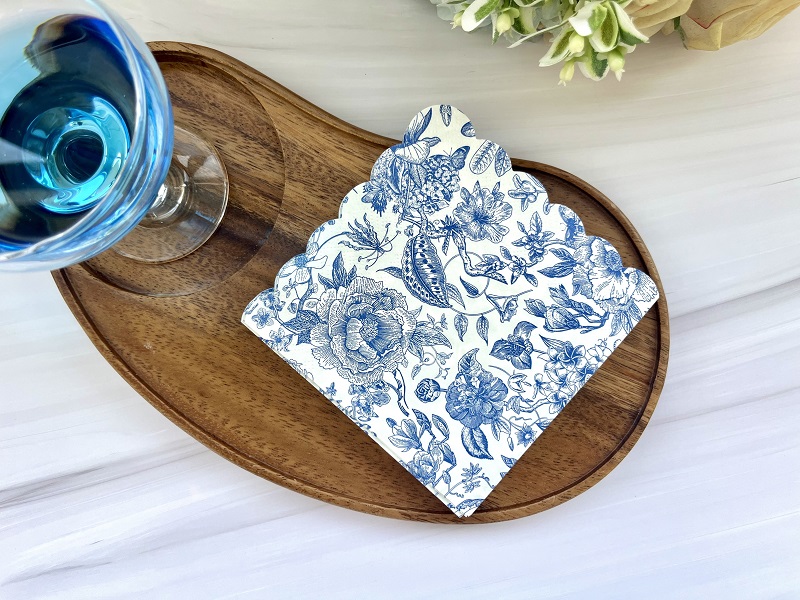 View moreWhat Makes Die-Cut Napkins the Perfect Blend of Function and Aesthetic AppealThe Evolution of Napkin Design Through Die-Cutting Technology Napkins have transcended their basic functional role in modern entertaining and dining. What once served merely as a practical necessity has evolved into a design statement that reflects personal taste, brand identity, and event sophistication. The introduction of die-cutting technology revolutionized how napkins are manufactured and perceived, allowing for precise shapes, intricate patterns, and creative expressions that were previously impossible with standard rectangular formats. Die-cutting creates clean, precise edges and allows manufacturers to produce napkins in virtually any shape imaginable. Whether custom-designed for corporate events, weddings, holiday celebrations, or everyday dining, die-cut napkins have become a cornerstone of sophisticated table settings and brand differentiation strategies. The technology enables consistent quality across production runs while maintaining the absorbent properties that napkins fundamentally require. Understanding Absorbency in Specialty Napkin Formats While aesthetics matter, the fundamental purpose of any napkin remains unchanged: effective absorption. Many assume that specialty shapes compromise functionality, but modern manufacturing techniques ensure that die cut napkins wholesale maintain exceptional absorbency levels regardless of their design complexity. Material Science Behind Die-Cut Napkins The absorbent properties of napkins depend on three primary factors: fiber composition, ply structure, and surface treatment. Most quality napkins use virgin or recycled wood pulp, which naturally exhibits excellent water absorption capabilities. The fibrous network creates capillary pathways that draw moisture rapidly and hold it within the material matrix. When manufacturers apply die-cutting to napkins, they maintain the original fiber composition while simply reshaping the perimeter. The internal structure remains identical to traditional napkins, preserving absorption rates. In fact, strategic die-cutting can sometimes enhance absorption by increasing surface area exposure in specific regions of the napkin. Ply Configuration and Absorbency Correlation Die-cut napkins are available in single-ply, two-ply, and three-ply configurations. Each ply layer contributes to overall absorbency: Single-ply napkins offer basic absorbency and are ideal for casual gatherings and high-volume events where cost efficiency matters. Two-ply napkins provide enhanced absorbency and durability, making them suitable for fine dining, cocktail events, and professional settings. Three-ply napkins deliver premium absorbency and structural integrity, perfect for luxury applications and situations requiring maximum performance. Customization Possibilities: From Concept to Reality The versatility of custom die cut napkins extends far beyond basic shapes. Modern production capabilities allow designers and event planners to realize virtually any vision while maintaining product functionality and quality standards. Shape Design Considerations Common shapes include standard geometric forms like circles, squares, and diamonds, but possibilities extend to themed designs such as hearts, stars, flowers, leaves, and custom logos. The design process begins with understanding the intended use case and audience expectations. Shape Category Typical Applications Absorbency Impact Geometric (circles, squares) Corporate events, modern dining Minimal to none Organic (flowers, leaves) Garden parties, seasonal events Slightly enhanced edge exposure Custom logos/text Branding, promotional events Depends on design complexity Novelty shapes Themed parties, special occasions Maintained with quality design Color and Print Options Printed die cut napkins allow for single-color, multi-color, or full-color digital printing. Advanced printing technologies ensure vibrant colors that remain colorfast even after contact with beverages or foods. The printing process is carefully controlled to maintain napkin softness and absorbency while adding visual appeal. Diverse Applications Across Event Types and Industries The adaptability of shaped paper napkins makes them suitable for countless scenarios, each with distinct requirements and aesthetic preferences. Hospitality and Fine Dining Upscale restaurants and hotels leverage luxury paper napkins with sophisticated die-cut designs to enhance the dining experience. Custom shapes that coordinate with table settings, plating presentations, and overall ambiance contribute to memorable guest experiences. Disposable die cut napkins allow establishments to maintain high standards of cleanliness while adding design consistency across service. Event Planning and Celebrations Wedding planners, event coordinators, and party organizers depend on specialty napkins to reinforce themes and color schemes. Whether coordinating with seasonal decorations, cultural celebrations, or creative party concepts, custom options enable seamless integration into comprehensive event designs. Cocktail die cut napkins specifically serve as functional coasters and decorative elements during reception gatherings. Corporate Branding and Promotions Companies utilize branded die-cut napkins as marketing tools at conferences, trade shows, product launches, and corporate events. These items function as practical necessities while subtly reinforcing brand presence and messaging. The dual purpose of utility and marketing makes them cost-effective promotional investments. Food Service and Beverage Operations Beverage napkins with die-cut designs serve dual purposes in bars, cafes, and quick-service restaurants. They prevent condensation damage to surfaces while communicating brand personality. The absorbent properties remain critical in high-moisture environments where performance cannot be compromised. Wholesale Solutions and Bulk Ordering Dynamics Organizations requiring consistent supplies of specialty napkins benefit from wholesale procurement models that offer economic advantages and reliable availability. Volume-Based Pricing Structures Die cut napkins wholesale operations typically implement tiered pricing where per-unit costs decrease as order quantities increase. A restaurant ordering 50,000 units annually achieves significantly lower per-piece costs than a business purchasing 5,000 units. Understanding minimum order quantities, bulk discounts, and volume tiers enables organizations to optimize procurement strategies. Customization at Scale Wholesale suppliers invest in production capabilities that handle custom designs efficiently. Rather than charging premium prices for small custom orders, wholesale operations achieve economies of scale that make customization accessible even for mid-sized businesses. Many suppliers maintain design templates and color specifications that expedite the ordering process for returning customers. Supply Chain Reliability Established wholesale channels ensure consistent access to products, predictable delivery schedules, and quality assurance protocols. Businesses can establish long-term supplier relationships that accommodate fluctuating demand while maintaining pricing stability through commitment agreements. Contemporary Design Trends in Specialty Napkin Production The napkin industry reflects broader design movements that emphasize sustainability, minimalism, personalization, and cultural representation. Sustainability-Conscious Design Modern consumers increasingly expect environmental responsibility in single-use products. Manufacturers now produce die-cut napkins from recycled materials, biodegradable fibers, and sustainably sourced wood pulp. Design choices that minimize waste, use water-based inks, and reduce packaging materials appeal to environmentally conscious organizations and individual consumers. Minimalist Aesthetic Approaches Contemporary design favors clean lines, limited color palettes, and sophisticated simplicity over ornate patterns. Subtle die-cut shapes combined with refined printing techniques create elegant napkins that complement modern table settings without demanding excessive visual attention. Personalization and Micro-Branding Advances in digital printing enable cost-effective personalization even in relatively small quantities. Individual names, dates, or customized messages transform generic napkins into memorable keepsakes. This trend particularly influences wedding planning, anniversary celebrations, and milestone events. Technical Specifications and Quality Assurance Standards Professional manufacturers maintain rigorous quality standards that ensure die-cut napkins consistently meet performance expectations and aesthetic specifications. Dimensional Tolerances Precision die-cutting equipment maintains tight tolerances on shape dimensions, ensuring consistency across production runs. Quality control processes verify that each napkin meets specified dimensions within acceptable variance ranges, typically plus or minus one to two millimeters. Edge Quality Assessment The die-cutting process must produce clean edges without fraying, tearing, or material degradation. Advanced equipment equipped with sharp dies and proper pressure settings ensures professional edge finish. Post-production inspection identifies and removes any napkins with edge defects that compromise appearance or functionality. Absorbency Testing Protocols Manufacturers conduct standardized absorbency testing that measures water absorption rates, retention capacity, and performance consistency. These tests ensure that die-cut napkins meet or exceed absorbency standards regardless of shape complexity. Testing occurs at multiple points in production runs to maintain quality consistency. The Manufacturing Process: From Design to Finished Product Understanding how die-cut napkins transition from concept to finished product clarifies why design, quality, and absorbency work in concert rather than opposition. Stage One: Design Development and Die Creation The process begins when designers develop shape concepts that balance aesthetic vision with production feasibility. Once approved, dies are manufactured from hardened steel or carbide materials. These dies must withstand thousands of cutting cycles while maintaining precise shape definition. Die creation represents the largest upfront investment but enables economical per-unit production once the initial investment is distributed across high-volume runs. Stage Two: Material Selection and Preparation Napkin manufacturers source tissue paper or specialty napkin stock from paper mills. Material selection considers factors including fiber composition, ply structure, texture, and weight. The selected material undergoes quality checks before entering production. Proper material preparation ensures consistent feeding into production equipment. Stage Three: Printing Application For printed varieties, color application occurs on large rolls of napkin material before die-cutting. Modern printing technologies including rotogravure, flexography, and digital printing deposit inks with precision, ensuring color vibrancy while maintaining tissue integrity. Multiple color passes create complex designs with precise registration and color accuracy. Stage Four: Die-Cutting Execution Automated die-cutting equipment feeds pre-printed napkin rolls through cutting stations where hardened dies compress against the material with specific force levels. Operators monitor cut quality, adjust equipment as needed, and ensure consistent production speed. Modern equipment completes thousands of cuts per minute while maintaining dimensional accuracy and edge quality. Stage Five: Packaging and Quality Verification Cut napkins proceed to packing equipment that counts, stacks, and packages them according to specification. Final inspection verifies appearance, shape accuracy, and package integrity. Completed packages enter warehouse systems for distribution to retail or wholesale customers. Visual Comparison: Die-Cut Napkins Versus Standard Formats Standard Rectangular Napkins Die-Cut Specialty Napkins Traditional Shape Custom Circle Cost: Lower Design: Limited Absorption: Excellent Branding: Minimal Cost: Moderate Design: Unlimited Absorption: Excellent Branding: Premium Selecting the Right Die-Cut Napkin Solution for Your Needs Choosing appropriate napkin products requires evaluating multiple factors including intended application, aesthetic requirements, budget constraints, and volume projections. Assessment Framework Define primary use case: formal dining, casual entertaining, corporate branding, or promotional purposes. Establish aesthetic requirements: color schemes, design complexity, and brand alignment considerations. Determine quantity needs: consider both immediate requirements and anticipated future usage to identify optimal wholesale volume tiers. Evaluate budget parameters: balance quality expectations against cost per unit, factoring in volume discounts and customization premiums. Assess sustainability priorities: determine if environmental considerations influence material or production method selection. Clarify delivery timelines: ensure supplier capacity aligns with required delivery schedules, especially for large orders or custom designs. Matching Applications to Napkin Specifications Different contexts demand different specifications. A luxury hotel might prioritize three-ply construction with sophisticated geometric die-cuts in coordinated colors, while a casual café might select cost-effective two-ply options with simple circular shapes. A corporate event might demand custom logo integration, while a wedding ceremony might emphasize elegant floral die-cuts in thematic colors. Environmental Considerations and Sustainable Practices Modern napkin manufacturing increasingly emphasizes environmental responsibility without compromising product quality or absorbency performance. Material Sourcing and Certification Responsible manufacturers source tissue materials from sustainably managed forests certified by recognized environmental organizations. Recycled fiber incorporation reduces demand for virgin materials while maintaining product performance. Some manufacturers achieve high percentages of recycled content while preserving the absorbent properties that customers expect. Production Efficiency and Waste Reduction Optimized die-cutting design minimizes material waste during production. Advanced equipment operates with minimal scrap generation, and any waste materials undergo appropriate recycling rather than disposal. Efficient production processes also reduce energy consumption and associated carbon footprints. End-of-Life Considerations Tissue-based napkins biodegrade readily in standard composting systems, representing a genuine end-of-life advantage compared to many alternative food service products. Consumers can dispose of used napkins through composting programs, home composting systems, or standard waste streams without environmental concern. Cost Analysis: Understanding Pricing Factors and Value Propositions Pricing for specialty napkins reflects multiple cost components including materials, customization, production complexity, and volume considerations. Cost Component Breakdown Cost Component Impact on Pricing Optimization Opportunities Raw Materials Typically 30-40 percent of cost Volume purchasing, material grade selection Die Manufacturing Fixed cost, amortized over production Longer production runs, standard shape selection Printing Services Varies by complexity and colors Simplified designs, standard color selection Production Labor Typically 15-25 percent of cost Volume production, standard specifications Packaging and Distribution Typically 10-20 percent of cost Bulk packaging, regional distribution Value Proposition Analysis While custom die-cut napkins may cost more per unit than standard rectangular options, they deliver enhanced value through branding opportunities, aesthetic differentiation, and event enhancement. Organizations investing in quality custom napkins often find the cost justified through improved guest experiences, reinforced brand messaging, and event memorability that extends beyond the napkin itself. Handling, Storage, and Maximizing Product Lifespan Proper handling and storage practices ensure that die-cut napkins maintain quality from production through final use. Storage Conditions Napkins should be stored in cool, dry conditions away from direct sunlight and excessive humidity. Ambient temperature between 60 and 75 degrees Fahrenheit with relative humidity between 35 and 65 percent preserves tissue integrity and prevents moisture absorption that could compromise performance. Proper storage extends shelf life and maintains product quality indefinitely under appropriate conditions. Transportation Considerations During transport, napkins require protection from moisture exposure and physical damage. Secure packaging prevents crushing while in transit. Moisture barriers protect against humidity fluctuations, particularly important in climates with high seasonal variation or in shipping routes that cross diverse climate zones. Preparation and Service Before service, napkins can be displayed in napkin holders, fanned arrangements, or stacked presentations depending on aesthetic preferences and functional requirements. Presentation methods don't affect absorbency but can enhance visual impact and encourage use. Strategic napkin placement encourages guests to utilize them effectively. Industry Standards and Regulatory Compliance Napkin manufacturers operate within established quality frameworks and regulatory requirements that vary by geography but share common objectives of product safety and performance consistency. Performance Standards Industry standards define absorbency test methodologies, dimensional tolerances, strength requirements, and other measurable qualities. These standards enable consistency across manufacturers and provide benchmarks for quality assessment. Products certified to recognized standards provide assurance that performance claims are validated through independent testing. Food Contact Safety Napkins used in food service environments must comply with regulations regarding food contact materials. Inks, dyes, adhesives, and treatment chemicals must meet safety requirements ensuring no harmful substance migration to foods or beverages. Compliance certification provides confidence that products are safe for intended applications. Environmental Regulations Manufacturing operations must comply with environmental regulations governing waste disposal, water discharge, air emissions, and chemical handling. Responsible manufacturers invest in pollution control systems and sustainable practices that exceed minimum regulatory requirements. Emerging Trends and Future Developments in Napkin Innovation The napkin industry continues evolving with technological advances, changing consumer preferences, and emerging applications. Digital Personalization at Scale Advancing digital printing technologies enable economical personalization even for smaller order quantities. Future developments will likely make customized napkins more accessible to a broader range of businesses and events, potentially shifting market dynamics toward increased customization rather than standard formats. Functional Napkin Integration Research explores napkins infused with antimicrobial properties, temperature-responsive inks, or scent release technologies that extend functionality beyond absorption. While still emerging, these innovations suggest future napkins may offer benefits beyond current applications. Smart Packaging and Traceability Integration of QR codes, NFC technology, and blockchain-based traceability allows napkins to serve as marketing channels and supply chain verification tools. Smart packaging creates additional brand touchpoints and enables companies to gather consumer engagement data. Frequently Asked Questions About Die-Cut Napkins Q1: Do die-cut napkins maintain the same absorbency as standard rectangular napkins? Yes, die-cut napkins maintain equivalent or superior absorbency compared to standard formats. The cutting process doesn't alter the fiber structure or composition that determines absorption capacity. In fact, increased surface area exposure in some die-cut designs can enhance absorbency in specific regions. Q2: How long does production typically require for custom die-cut napkins? Production timelines vary based on design complexity, die creation requirements, and current production schedules. Standard orders typically require three to six weeks from approval to delivery. Rush production may be available at premium pricing with shorter lead times. Die creation alone requires one to two weeks for custom designs, though standard shape options can proceed immediately to production. Q3: Can die-cut napkins be produced with full-color photography or complex images? Yes, modern digital printing technology enables high-quality full-color reproduction on napkins. Photography, complex illustrations, and detailed graphics can be reproduced with excellent fidelity. However, tissue material characteristics mean some fine detail may have slightly lower resolution than other media. Designers should consult with manufacturers regarding specific image requirements. Q4: Are die-cut napkins suitable for outdoor events or high-moisture environments? Standard napkins may become compromised in extremely wet conditions. For outdoor events with high splash exposure or high-moisture environments like spa settings, manufacturers can recommend heavier-weight options or special treatment that enhances water resistance while maintaining breathability and absorbency in appropriate use contexts. Q5: What disposal options exist for used die-cut napkins? Used napkins decompose readily through standard waste disposal routes, composting systems, or home composting. Unlike plastic-based alternatives, napkins don't persist in landfills and naturally biodegrade. This represents a genuine environmental advantage and aligns with waste reduction initiatives at environmentally conscious events. Q6: Can die-cut napkins incorporate multi-color printing with different colors in different regions? Yes, advanced printing allows multiple colors within single napkins with precise registration. Specific colors can be applied to designated regions, creating complex designs with varied coloration. This capability enables sophisticated branding, gradients, and multi-colored artistic expressions within individual napkins. .section-intro, .section-absorption, .section-custom, .section-applications, .section-wholesale, .section-design-trends, .section-technical, .section-production, .section-comparison-graphic, .section-selection, .section-sustainability, .section-cost-analysis, .section-care, .section-industry-standards, .section-future-trends, .section-faq { margin-bottom: 40px; font-family: 'Segoe UI', Roboto, 'Helvetica Neue', sans-serif; font-weight: 400; line-height: 2; } .section-intro h2, .section-absorption h2, .section-custom h2, .section-applications h2, .section-wholesale h2, .section-design-trends h2, .section-technical h2, .section-production h2, .section-comparison-graphic h2, .section-selection h2, .section-sustainability h2, .section-cost-analysis h2, .section-care h2, .section-industry-standards h2, .section-future-trends h2, .section-faq h2 { font-size: 20px; font-weight: 500; text-align: left; margin-bottom: 10px; color: #d0224e; border-bottom: 3px solid #d0224e; padding-bottom: 8px; display: inline-block; } .section-intro h3, .section-absorption h3, .section-custom h3, .section-applications h3, .section-wholesale h3, .section-design-trends h3, .section-technical h3, .section-production h3, .section-selection h3, .section-sustainability h3, .section-cost-analysis h3, .section-care h3, .section-industry-standards h3, .section-future-trends h3 { font-size: 18px; font-weight: 500; text-align: left; margin-top: 5px; margin-bottom: 5px; color: #333; } .section-faq h4 { font-size: 16px; font-weight: 500; text-align: left; color: #d0224e; margin-top: 12px; margin-bottom: 8px; } .section-intro p, .section-absorption p, .section-custom p, .section-applications p, .section-wholesale p, .section-design-trends p, .section-technical p, .section-production p, .section-comparison-graphic p, .section-selection p, .section-sustainability p, .section-cost-analysis p, .section-care p, .section-industry-standards p, .section-future-trends p, .section-faq p { font-size: 16px; margin-bottom: 5px; color: #333; } .section-intro ul, .section-absorption ul, .section-custom ul, .section-applications ul, .section-wholesale ul, .section-design-trends ul, .section-technical ul, .section-production ul, .section-selection ul, .section-sustainability ul, .section-cost-analysis ul, .section-care ul, .section-industry-standards ul, .section-future-trends ul { margin-top: 8px; margin-bottom: 8px; } .section-intro ol, .section-absorption ol, .section-custom ol, .section-applications ol, .section-wholesale ol, .section-design-trends ol, .section-technical ol, .section-production ol, .section-selection ol, .section-sustainability ol, .section-cost-analysis ol, .section-care ol, .section-industry-standards ol, .section-future-trends ol { margin-top: 8px; margin-bottom: 8px; } .section-intro li, .section-absorption li, .section-custom li, .section-applications li, .section-wholesale li, .section-design-trends li, .section-technical li, .section-production li, .section-selection li, .section-sustainability li, .section-cost-analysis li, .section-care li, .section-industry-standards li, .section-future-trends li { list-style-position: inside; list-style-type: disc; font-size: 16px; color: #333; } .section-intro strong, .section-absorption strong, .section-custom strong, .section-applications strong, .section-wholesale strong, .section-design-trends strong, .section-technical strong, .section-production strong, .section-comparison-graphic strong, .section-selection strong, .section-sustainability strong, .section-cost-analysis strong, .section-care strong, .section-industry-standards strong, .section-future-trends strong, .section-faq strong { font-weight: 500; } .section-intro table, .section-absorption table, .section-custom table, .section-applications table, .section-wholesale table, .section-design-trends table, .section-technical table, .section-production table, .section-selection table, .section-sustainability table, .section-cost-analysis table, .section-care table, .section-industry-standards table, .section-future-trends table { width: 100%; border-collapse: collapse; margin-top: 16px; margin-bottom: 16px; border: 1px solid #ddd; } .section-intro td, .section-absorption td, .section-custom td, .section-applications td, .section-wholesale td, .section-design-trends td, .section-technical td, .section-production td, .section-selection td, .section-sustainability td, .section-cost-analysis td, .section-care td, .section-industry-standards td, .section-future-trends td, .section-intro th, .section-absorption th, .section-custom th, .section-applications th, .section-wholesale th, .section-design-trends th, .section-technical th, .section-production th, .section-selection th, .section-sustainability th, .section-cost-analysis th, .section-care th, .section-industry-standards th, .section-future-trends th { text-align: center; font-size: 16px; padding: 12px; border: 1px solid #ddd; } .section-intro th, .section-absorption th, .section-custom th, .section-applications th, .section-wholesale th, .section-design-trends th, .section-technical th, .section-production th, .section-selection th, .section-sustainability th, .section-cost-analysis th, .section-care th, .section-industry-standards th, .section-future-trends th { background-color: #d0224e; color: white; } .section-comparison-graphic svg { margin: 20px 0; } .section-comparison-graphic text { font-family: 'Segoe UI', Roboto, 'Helvetica Neue', sans-serif; }2026-07-24+
 -
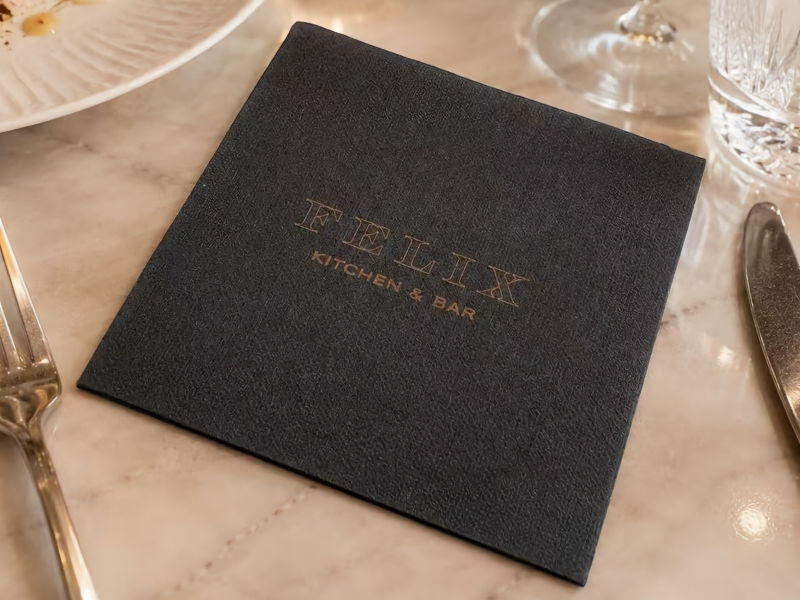 View moreAre Airlaid Napkins Biodegradable? A Deep Dive into Sustainability and PerformanceThe demand for airlaid napkin solutions has surged as businesses and consumers alike seek the perfect balance between convenience and environmental responsibility. For restaurants, event planners, and hospitality professionals, the question is no longer just about aesthetics—it is about the lifecycle of the products they use. While traditional paper napkins are often associated with waste, a new category of disposable napkins promises a different outcome: true biodegradability combined with a premium, cloth-like napkins experience. Understanding whether these products genuinely break down in the environment is crucial for anyone committed to sustainable operations. What Is an Airlaid Napkin? Understanding the Material Innovation At its core, an airlaid napkin is a high-end disposable table product designed to mimic the feel and durability of fabric. Unlike standard paper napkins that are made through a wet pressing process, airlaid technology uses air to distribute wood pulp fibers into a uniform web. This process creates a material that is exceptionally soft, highly absorbent, and significantly stronger than traditional paper of the same weight. How Are Airlaid Napkins Made? The Airlaid Process Explained The manufacturing process is what sets these apart as eco-friendly napkins. The production begins with cellulose fibers derived primarily from wood pulp. Here is a step-by-step look at the process: Fiber Preparation: Wood pulp is defibrated into individual fibers. Air Formation: These fibers are suspended in an air stream and deposited onto a moving screen, forming a web. This is the key difference from wet-laid paper, as it requires significantly less water . Binding: The web is bonded together. Historically, chemical binders were used, but the industry has shifted toward bio-based and plastic-free binders to enhance sustainability . Finishing: The material is pressed, dried, and embossed to achieve the desired texture and absorbency. Airlaid Napkin Manufacturing Process 1. Wood Pulp Fiber Defibration 2. Air Laying Air & Fiber Mixing 3. Binding Bio-based Binders 4. Finishing Embossing & Cutting End Less water usage than conventional paper production Result: Soft, durable, and highly absorbent airlaid material This production method results in a product that offers the aesthetic of luxury cloth without the laundry costs or the high linting associated with standard paper . Are Airlaid Napkins Truly Biodegradable? The Facts Yes, high-quality biodegradable napkins made via the airlaid process are designed to break down naturally. However, the term "biodegradable" can be vague. To understand the environmental claim, we must look at the raw materials and certifications. Composition: 100% Wood Pulp and Plant-Based Binders Most premium airlaid napkin products are made from 100% wood pulp, a natural cellulose fiber . When a product is composed of natural cellulose, it is inherently susceptible to degradation by microorganisms. The shift toward plant-based binders, such as the patented bio-based binder used in some products, further ensures that the entire napkin—not just the fibers—will decompose . Key Insight: For an airlaid napkin to be truly biodegradable, the binder used in the airlaid process must be free of synthetic plastics. Modern innovations have successfully replaced petroleum-based binders with renewable, plastic-free alternatives, making modern airlaid napkins significantly more eco-friendly than their predecessors . Certification Standards: The Proof of Biodegradability To prove their environmental claims, manufacturers often submit their products to rigorous testing. One of the most recognized standards is the European standard DIN 13432. Products certified under this standard are verified to break down by more than 90% into water, carbon dioxide, and biomass within a specific timeframe. Specifically, the standard requires a degradation of at least 90% within 10 weeks under controlled composting conditions . Airlaid vs Regular Paper Napkins: A Sustainability Comparison It is a common misconception that all paper napkins are equally sustainable. However, regular paper napkins often contain synthetic strength additives or chemical wet-strength agents that can hinder decomposition. airlaid napkin vs paper napkin debates often hinge on this point. While a basic paper napkin may break down, a high-end airlaid napkin is engineered to do so without leaving behind microplastics. Feature Airlaid Napkins Regular Paper Napkins Fiber Source 100% Wood Pulp Recycled or Virgin Pulp Production Air-laid (uses less water) Wet-laid (water-intensive) Binders Increasingly bio-based/plastic-free Often contains chemical additives Biodegradability High (DIN 13432 Certified) Variable (depends on additives) Texture Cloth-like, soft, premium Flat, thin, less absorbent What Are the Benefits of Airlaid Napkins? Performance Meets Sustainability For professionals in the hospitality and events industry, the choice of napkin is a balance between guest experience and operational efficiency. Eco-friendly disposable napkins in the airlaid category offer a unique value proposition. Superior Absorbency and Durability Studies and product standards show that airlaid napkins are significantly more absorbent than standard paper. This means guests require fewer napkins during a meal. The durability ensures they remain intact from appetizer to dessert, reducing waste volume in the trash . Luxury Aesthetics Without the Laundry Airlaid napkins are often described as cloth-like napkins. They offer the drape and feel of linen but are disposable, eliminating the cost and environmental impact of water and energy used in commercial laundry services. This is why many venues now recommend airlaid napkins for weddings and high-end events . Reduced Carbon Footprint Recent innovations have led to significant reductions in carbon footprint. For example, the adoption of bio-based binders in airlaid production has been shown to reduce the carbon footprint by approximately 20% compared to traditional airlaid napkins using conventional binders . This moves luxury disposable napkins for events from a guilty pleasure to a defensible environmental choice. Why Do Restaurants and Events Choose Airlaid Napkins? Commercial adoption is driven by the specific advantages these napkins bring to operational workflows. Airlaid napkins for restaurants are popular because they bridge the gap between practicality and presentation. Versatility in Use These napkins are not limited to simple table service. Due to their strength, they are often used as basket liners, silverware wraps, and even sandwich wraps . Their non-linting nature makes them ideal for maintaining a clean table setting. Eco-Conscious Branding For businesses looking to position themselves as eco-friendly, using biodegradable airlaid napkins provides a tangible talking point. The availability of eco-friendly napkins with certifications like the Nordic Swan Ecolabel allows businesses to demonstrate their commitment to stringent environmental standards . How to choose the best airlaid napkins: When selecting a supplier, look for certifications (DIN 13432, Nordic Swan), confirm the use of plastic-free or bio-based binders, and assess the GSM (grams per square meter) to ensure the desired thickness and absorbency for your specific use case. Frequently Asked Questions About Airlaid Napkins Q1: What is an airlaid napkin? An airlaid napkin is a disposable napkin made from wood pulp fibers that are bonded together using air, rather than water, creating a soft, highly absorbent, and durable material that closely resembles cloth . Q2: Are airlaid napkins compostable? Yes, many airlaid napkins are industrially compostable. Products that meet the DIN 13432 standard are verified to break down by more than 90% within 10 weeks in a commercial composting facility, leaving no toxic residue . Q3: Airlaid napkin vs paper napkin: which is better? Airlaid napkins are generally superior in terms of absorbency, strength, and luxurious feel. From an environmental standpoint, they often use less water during production and, when made with bio-based binders, are more biodegradable than standard paper napkins that may contain synthetic additives . Q4: Are airlaid napkins worth it? For venues prioritizing guest experience and sustainability, airlaid napkins are a worthwhile investment. They reduce the need for multiple napkins per guest due to high absorbency, lower laundry costs, and support eco-friendly branding . Q5: What are the benefits of airlaid napkins? Key benefits include cloth-like softness, high strength even when wet, exceptional absorbency, lint-free surfaces, and the availability of plastic-free, biodegradable options that reduce environmental impact . Q6: How to choose the best airlaid napkins? Look for third-party certifications (DIN 13432, Nordic Swan), verify the binder type (bio-based vs. synthetic), check the GSM for thickness, and assess the supplier's sustainability claims regarding carbon footprint and water usage . Q7: Why do restaurants use airlaid napkins? Restaurants choose airlaid napkins for their premium presentation that mimics linen, their practical durability, and the ability to offer a sustainable disposable option that aligns with guest expectations for eco-conscious dining . .section-intro, .section-definition, .section-biodegradability, .section-benefits, .section-applications, .section-faq { margin-bottom: 40px; font-family: 'Segoe UI', Roboto, 'Helvetica Neue', sans-serif; font-weight: 400; line-height: 2; color: #1a1a1a; } .section-intro h2, .section-definition h2, .section-biodegradability h2, .section-benefits h2, .section-applications h2, .section-faq h2 { font-size: 20px; font-weight: 700; margin-bottom: 10px; color: #1a1a1a; padding-bottom: 6px; position: relative; display: inline-block; } .section-intro h2::after, .section-definition h2::after, .section-biodegradability h2::after, .section-benefits h2::after, .section-applications h2::after, .section-faq h2::after { content: ''; position: absolute; left: 0; bottom: 0; width: 100%; height: 4px; background: linear-gradient(90deg, #d0224e 0%, #f5a3b8 100%); border-radius: 4px; } .section-intro h3, .section-definition h3, .section-biodegradability h3, .section-benefits h3, .section-applications h3, .section-faq h3 { font-size: 18px; font-weight: 700; margin-top: 5px; margin-bottom: 5px; color: #1a1a1a; padding-left: 14px; border-left: 4px solid #d0224e; } .section-intro h4, .section-definition h4, .section-biodegradability h4, .section-benefits h4, .section-applications h4, .section-faq h4 { font-size: 16px; font-weight: 600; margin: 12px 0 4px 0; color: #1a1a1a; } .section-intro p, .section-definition p, .section-biodegradability p, .section-benefits p, .section-applications p, .section-faq p { margin-bottom: 5px; font-size: 16px; line-height: 2; } .section-intro ul, .section-definition ul, .section-biodegradability ul, .section-benefits ul, .section-applications ul, .section-faq ul, .section-intro ol, .section-definition ol, .section-biodegradability ol, .section-benefits ol, .section-applications ol, .section-faq ol { margin-top: 8px; margin-bottom: 8px; padding-left: 20px; } .section-intro li, .section-definition li, .section-biodegradability li, .section-benefits li, .section-applications li, .section-faq li { list-style-position: inside; font-size: 16px; line-height: 2; } .section-intro ul li, .section-definition ul li, .section-biodegradability ul li, .section-benefits ul li, .section-applications ul li, .section-faq ul li { list-style-type: disc; } .section-intro strong, .section-definition strong, .section-biodegradability strong, .section-benefits strong, .section-applications strong, .section-faq strong { font-weight: 600; color: #d0224e; } .section-intro a, .section-definition a, .section-biodegradability a, .section-benefits a, .section-applications a, .section-faq a { color: #d0224e; text-decoration: underline; text-underline-offset: 3px; text-decoration-thickness: 1.5px; text-decoration-color: rgba(208, 34, 78, 0.3); transition: text-decoration-color 0.2s; } .section-intro a:hover, .section-definition a:hover, .section-biodegradability a:hover, .section-benefits a:hover, .section-applications a:hover, .section-faq a:hover { text-decoration-color: #d0224e; } .highlight-block { background: #fef6f8; border-left: 6px solid #d0224e; padding: 14px 20px; margin: 16px 0; border-radius: 0 12px 12px 0; box-shadow: 0 4px 12px rgba(208, 34, 78, 0.06); } .highlight-block p { margin: 0; font-size: 16px; color: #1a1a1a; } .highlight-block strong { color: #d0224e; } .comparison-table { width: 100%; border-collapse: separate; border-spacing: 0; margin: 16px 0 8px 0; border-radius: 14px; overflow: hidden; box-shadow: 0 6px 20px rgba(0, 0, 0, 0.04); } .comparison-table th, .comparison-table td { text-align: center; font-size: 16px; padding: 12px 10px; border-bottom: 1px solid #eaeef4; } .comparison-table th { background: #d0224e; color: #ffffff; font-weight: 600; letter-spacing: 0.3px; } .comparison-table tr:last-child td { border-bottom: none; } .comparison-table tr:nth-child(even) td { background: #fafbfd; } .comparison-table tr:hover td { background: #f5f7fc; } .comparison-table td strong { color: #1a1a1a; font-weight: 600; } .svg-container { background: #f9fafc; border-radius: 14px; padding: 8px 0 4px 0; margin: 12px 0 8px 0; border: 1px solid #eef2f7; } .section-faq h4 { background: #f5f7fc; padding: 8px 16px; border-radius: 30px; display: inline-block; font-weight: 600; font-size: 16px; margin-top: 10px; margin-bottom: 4px; color: #1a1a1a; border: 1px solid #eaeef4; } .section-faq p { padding-left: 16px; margin-bottom: 12px; }2026-07-17+
 -
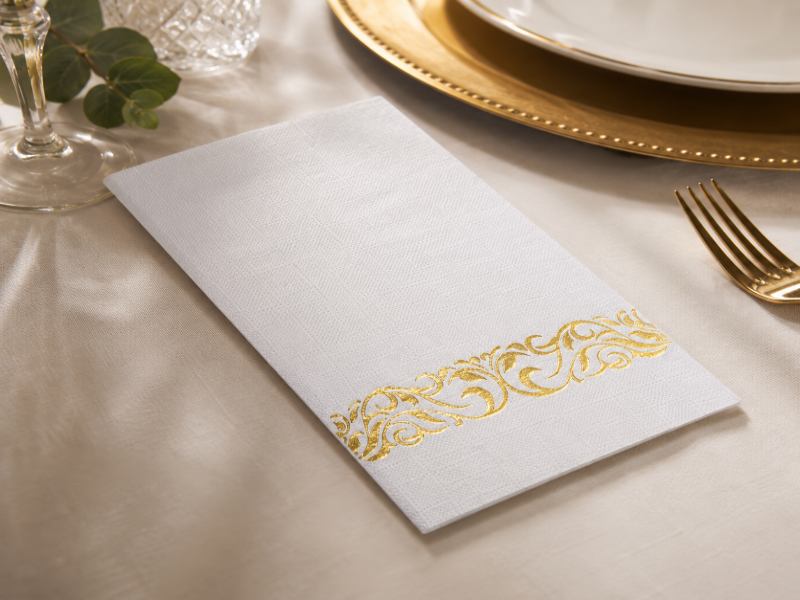 View moreWhat Is a Facial Tissue? A Technical Comparison with Paper Napkins for Commercial UseDefining the Disposable Paper Landscape In the realm of disposable paper products, precision in terminology often dictates the efficiency of procurement and the satisfaction of end-users. While both facial tissues and paper napkins fall under the broader category of tissue paper, their manufacturing specifications, physical properties, and intended applications are distinctly different. This guide provides a technical examination of what constitutes a facial tissue, contrasting its design with the robust requirements of commercial paper napkins used in restaurants, weddings, and high-volume hospitality environments. What Is a Facial Tissue? Material Science and Design A facial tissue is a lightweight, highly refined disposable paper product engineered specifically for personal hygiene and facial care. Its primary design objectives are softness, absorbency, and skin-friendliness. These products are typically manufactured from virgin pulp or high-grade recycled fibers that undergo extensive processing to achieve a smooth, lint-free surface. Key Physical Characteristics of Facial Tissues Basis Weight: Generally ranges between 10 and 14 grams per square meter (gsm), making them significantly lighter than most commercial paper napkins. Ply Structure: Commonly produced as 2-ply or 3-ply to enhance softness and absorbency without compromising the delicate feel. Strength Properties: Engineered for wet strength to prevent disintegration when lightly moistened, yet designed to break down quickly in plumbing systems to avoid clogs. Surface Finish: Typically calendered (pressed between rollers) to create a smooth, silk-like texture that minimizes skin irritation. The manufacturing process for facial tissues involves a high degree of creping, a mechanical process that creates microscopic folds on the paper surface. This creping action produces the characteristic softness and bulk that distinguishes facial tissues from other paper grades. However, this same process significantly reduces the paper's tensile strength, making facial tissues unsuitable for tasks requiring durability, such as wiping spills or handling greasy foods. Paper Napkins: Engineered for Performance and Versatility In contrast to the delicate nature of facial tissues, paper napkins are industrial-grade disposable products designed to withstand more demanding service conditions. The term encompasses a broad spectrum of products, from modest luncheon napkins to premium dinner napkins used in fine dining establishments. The defining characteristic of a paper napkin is its balance of absorbency, durability, and aesthetic appeal. Comparative Material Properties: Facial Tissue vs. Paper Napkin Property Facial Tissue Paper Napkin Basis Weight (gsm) 10 – 14 17 – 40+ Typical Ply 2 – 3 ply 1 – 4 ply Wet Strength Low to moderate High (treated for wet resilience) Dry Tensile Strength Low High Surface Texture Smooth, calendered Embossed or flat Flushability Yes (designed to disintegrate) No (not intended for flushing) This data underscores a fundamental engineering compromise. The very properties that make facial tissues gentle on the skin—low tensile strength and high crepe—render them ineffective for tasks like wiping tableware or handling moist foods. Conversely, the higher basis weight and wet-strength additives used in paper napkins ensure they maintain integrity during use but make them unsuitable for flushing and less desirable for facial skin contact. Commercial Paper Napkins: A Deep Dive into Market Segments The commercial paper napkin market is highly segmented, with products tailored to specific service environments. Each segment demands distinct specifications regarding size, ply, absorbency, and aesthetic presentation. Bulk Paper Napkins for Restaurants The restaurant industry is the largest consumer of bulk paper napkins. Operators prioritize cost-efficiency, but the growing emphasis on sustainability and guest experience has elevated quality standards significantly. Restaurant-grade napkins typically fall into three categories: Economy Grade: Single-ply napkins, often flat-folded, used in quick-service restaurants and casual dining. These provide basic functionality at minimal cost. Standard Grade: Multi-ply napkins with embossing for added absorbency and tactile appeal. Common in mid-range restaurants and institutional cafeterias. Premium Grade: High-basis-weight (30-40 gsm) napkins with decorative embossing or custom colors, used in upscale dining and hotels where table presentation matters. Data from industry surveys indicate that the average restaurant using paper napkins for restaurants budgets between $0.008 and $0.035 per napkin, depending on quality tier. Over a year, a busy restaurant with 150 seats may consume upwards of 500,000 napkins, translating to significant annual expenditure. Consequently, negotiation with restaurant paper napkins wholesale suppliers is a critical operational function. Paper Napkins for Wedding and Event Catering Event planners and wedding coordinators face unique challenges when sourcing paper napkins wedding events. The aesthetic considerations are paramount; napkins must complement the theme, color scheme, and overall ambiance of the occasion. The white paper napkin remains the most popular choice for formal weddings, offering a versatile blank canvas that aligns with traditional wedding aesthetics. Size Specifications: Cocktail napkins (10x10 inches unfolded) are standard for bar service, while dinner napkins (16x16 or 20x20 inches) are used for table settings. Premium Options: Many planners opt for cheap bulk paper napkins for wedding that mimic linen-like textures through advanced embossing patterns. Modern manufacturing techniques now allow for decorative borders or subtle watermark effects without significant price increases. Bulk Cocktail Napkins for Bars: For the cocktail hour, bulk cocktail napkins for bars are essential. These are typically smaller (4.5 to 5 inches folded) and must balance cost with visual appeal, as they are often the primary napkin guests interact with during social hours. Industry data suggests that a medium-sized wedding (150-200 guests) requires approximately 1,500 to 2,000 dinner napkins and 1,000 to 1,500 cocktail napkins. This demand profile has driven the growth of specialized suppliers offering customizable wedding napkin collections. How to Select the Right Product: A Decision Framework Choosing between facial tissues and paper napkins—and navigating the myriad options within the napkin category—requires a systematic evaluation of use-case requirements. The following decision matrix outlines the critical factors for professional buyers. For Restaurants and Foodservice Evaluate daily table turns; high-turn operations require thicker, more absorbent napkins. Match napkin grade to menu style: fine dining justifies premium napkins; casual operations can optimize cost with standard grades. Consider sourcing from restaurant paper napkins wholesale suppliers who can provide volume discounts and consistent quality. Assess sustainability certifications; many operators now require FSC or PEFC-certified products to meet corporate ESG goals. For Wedding and Event Planners Prioritize aesthetic alignment; a white paper napkin offers maximum versatility for formal events. Order a test pack to verify color fastness, especially for dyed or printed products. Check minimum order quantities; many suppliers offer cheap bulk paper napkins for wedding at attractive unit prices for orders exceeding 5,000 units. Consider cocktail napkin dimensions; standard 10x10-inch unfolded napkins are most cost-effective. Critical Quality Parameters Professional buyers should request technical data sheets that include the following metrics: Absorbency Rate: Measured in seconds to absorb a standard volume of water; lower times indicate superior performance. Wet Burst Strength: A measure of how well the napkin holds together when wet, critical for handling moist foods and spills. Brightness and Opacity: Important for presentation, especially for premium dining and weddings. Lint Generation: Measured via standardized linting tests; low-lint products are preferred for fine dining. Data from independent testing laboratories indicate that premium commercial napkins can achieve wet burst strengths up to 150 kPa, while economy napkins may be as low as 20-30 kPa. This performance delta directly correlates with guest satisfaction scores in hospitality industry surveys. Manufacturing Process Comparison: From Pulp to Product The divergent properties of facial tissues and paper napkins emerge from fundamentally different manufacturing pathways. The following simplified process flow illustrates the key divergences in production. .svg-text { font-family: 'Segoe UI', Roboto, 'Helvetica Neue', sans-serif; font-size: 14px; fill: #2c2c2c; } .svg-title { font-family: 'Segoe UI', Roboto, 'Helvetica Neue', sans-serif; font-size: 16px; font-weight: 600; fill: #2c2c2c; } .box-pulp { fill: #f0d5c8; stroke: #D0224E; stroke-width: 2; rx: 6; } .box-facial { fill: #f5e6e0; stroke: #D0224E; stroke-width: 2; rx: 6; } .box-napkin { fill: #e0e9f0; stroke: #D0224E; stroke-width: 2; rx: 6; } .arrow { stroke: #D0224E; stroke-width: 2; fill: none; marker-end: url(#arrowhead); } .arrow-label { font-family: 'Segoe UI', Roboto, 'Helvetica Neue', sans-serif; font-size: 12px; fill: #555; } #arrowhead { markerWidth: 10; markerHeight: 7; refX: 9; refY: 3.5; orient: auto; } #arrowhead polygon { fill: #D0224E; } Paper Manufacturing Process Divergence Raw Pulp Preparation Fiber refining and blending Facial Tissue Line Paper Napkin Line High creping Very low wet strength Low creping High wet strength additives Calendering & Softening Embossing & Ply Bonding Facial Tissue Soft, light, flushable Paper Napkin Durable, absorbent, strong The production divergence is most pronounced in the creping and finishing stages. Facial tissue manufacturing dedicates significant energy to creating micro-crepes that impart softness, at the expense of strength. Napkin production, conversely, uses minimal creping and incorporates wet-strength resins—such as polyamide-epichlorohydrin—that cross-link cellulose fibers, providing structural integrity during wet use. Economic Considerations and Total Cost of Ownership For commercial buyers, the unit price of paper napkins is only one component of the total cost equation. A comprehensive economic analysis considers usage rates, waste, storage costs, and guest experience implications. Cost Drivers in Commercial Paper Napkins Cost Factor Impact Range Typical Contribution Raw Material (pulp/fiber) 35% – 50% Directly tied to global pulp markets Manufacturing & Conversion 20% – 30% Embossing, printing, folding Packaging & Logistics 10% – 15% Bulk vs. consumer packaging Quality/Performance Premium 5% – 20% Higher ply, enhanced softness Buyers should note that sourcing bulk paper napkins through wholesale channels can reduce unit costs by 40% to 60% compared to retail purchasing. For a restaurant consuming 2,500 napkins daily, switching from retail to wholesale procurement can yield annual savings exceeding $3,000, even after accounting for storage and handling costs. However, cost optimization should not compromise quality. A napkin that fails during use—tearing, disintegrating, or leaving lint—creates a negative guest experience that can outweigh the savings achieved by purchasing lower-grade products. This is particularly relevant for commercial paper napkins used in mid-range and upscale establishments, where guest perception directly influences repeat business and online reviews. Sustainability and Regulatory Compliance The disposable paper industry faces increasing scrutiny regarding environmental impact. Responsible procurement requires understanding the sustainability credentials of different paper products and their supply chains. Key Sustainability Indicators Fiber Sourcing: Certification by the Forest Stewardship Council (FSC) or Programme for the Endorsement of Forest Certification (PEFC) ensures wood fibers originate from responsibly managed forests. Recycled Content: Post-consumer recycled (PCR) content reduces demand for virgin fiber. However, high PCR content can compromise strength and brightness, necessitating careful formulation. Chlorine-Free Bleaching: Processed chlorine-free (PCF) or elemental chlorine-free (ECF) bleaching reduces toxic byproducts in wastewater. Biodegradability and Compostability: Most paper products are inherently biodegradable, but additives used for wet strength or coloring can affect compostability. For businesses seeking to reduce their environmental footprint, many restaurant paper napkins wholesale suppliers now offer eco-friendly product lines that maintain performance while improving sustainability metrics. These products typically command a 10% to 20% price premium but can enhance brand positioning and appeal to environmentally conscious consumers. Regulatory compliance is another critical dimension. Napkins intended for food contact in the United States must comply with FDA regulations for paper and paperboard in contact with food (21 CFR Part 176). Similar regulations apply in the European Union under Framework Regulation (EC) No 1935/2004. Buyers must verify that their chosen products meet these standards to avoid regulatory penalties and potential health risks. Frequently Asked Questions Q1: What is the primary difference between a facial tissue and a paper napkin? The primary difference lies in their intended use and engineered properties. Facial tissues are designed for personal hygiene—soft, gentle on skin, and flushable—with low tensile strength. Paper napkins are engineered for durability, absorbency, and wet strength, making them suitable for food service, spill management, and table settings. They are not flushable and have higher basis weight and tensile strength. Q2: Can facial tissues be used as substitutes for paper napkins in restaurants? Generally, no. Facial tissues lack the wet strength and absorbency required for food service applications. They disintegrate rapidly when moistened, leaving lint and residue. Using facial tissues in restaurant settings would lead to guest dissatisfaction, increased waste, and potential plumbing issues. Commercial operations should always use products specifically classified as paper napkins for restaurants. Q3: What is the best type of paper napkin for a wedding reception? For weddings, the best choice depends on the event's style. A white paper napkin with a premium feel (high basis weight, embossed texture) is ideal for formal sit-down dinners. For cocktail hours, bulk cocktail napkins for bars with decorative borders or custom monograms add a personal touch. Many planners choose cheap bulk paper napkins for wedding from wholesale suppliers to balance quality with budget, ensuring consistent supply across all service points. Q4: How do I determine the right ply count for my restaurant? Ply count affects absorbency, durability, and guest perception. Quick-service and casual dining restaurants typically use 1-ply or 2-ply napkins to balance cost and functionality. Fine dining establishments generally prefer 3-ply or 4-ply napkins for superior absorbency and a luxury feel. Consider your menu type, table turnover rate, and brand positioning when selecting ply. Higher ply counts also contribute to better wet strength, making them more effective for messy or saucy dishes. Q5: Are there cost-effective ways to source bulk paper napkins for restaurants? Yes. The most effective strategy is to partner with established restaurant paper napkins wholesale suppliers who offer volume-based pricing. Consolidating orders with other supplies (such as tablecloths or takeout containers) can further reduce logistics costs. Many suppliers also offer price lock agreements for predictable monthly volumes, protecting against raw material price fluctuations. For large chains, direct negotiation with mills or major converters can yield the lowest unit costs while ensuring consistent quality. Q6: What certifications should I look for when buying commercial paper napkins? Key certifications include FSC or PEFC for sustainable forestry, FDA compliance for food contact safety, and chlorine-free bleaching certifications (PCF or ECF). For establishments committed to sustainability, look for products with high post-consumer recycled content and OK Compost or similar certifications if compostability is a priority. Always request technical data sheets to verify that performance claims are substantiated by independent testing. Q7: How should commercial paper napkins be stored to maintain quality? Paper napkins should be stored in a cool, dry, and well-ventilated area away from direct sunlight and moisture. Ideal storage conditions maintain relative humidity between 40% and 60% and temperatures between 15°C and 25°C. Excess moisture can cause napkins to lose strength and become prone to tearing, while excessive dryness can lead to brittleness and static issues. Store napkins off the floor on pallets or shelving to prevent damage from water ingress and facilitate stock rotation. .section-intro, .section-facial, .section-napkins, .section-commercial, .section-selection, .section-svg, .section-economic, .section-sustainability, .section-faq { font-family: 'Segoe UI', Roboto, 'Helvetica Neue', sans-serif; font-weight: 400; line-height: 2; margin-bottom: 40px; color: #2c2c2c; } .section-intro h2, .section-facial h2, .section-napkins h2, .section-commercial h2, .section-selection h2, .section-svg h2, .section-economic h2, .section-sustainability h2, .section-faq h2 { font-size: 20px; font-weight: 700; text-align: left; margin-bottom: 10px; padding-left: 14px; border-left: 4px solid #D0224E; background: linear-gradient(to right, #fdf0f0, transparent); padding: 8px 0 8px 16px; border-radius: 0 8px 8px 0; } .section-intro h3, .section-facial h3, .section-napkins h3, .section-commercial h3, .section-selection h3, .section-svg h3, .section-economic h3, .section-sustainability h3 { font-size: 18px; font-weight: 700; text-align: left; margin-top: 5px; margin-bottom: 5px; padding-left: 6px; border-bottom: 2px solid #D0224E; padding-bottom: 4px; display: inline-block; background: linear-gradient(to right, #D0224E, #f0a0b0); -webkit-background-clip: text; -webkit-text-fill-color: transparent; background-clip: text; } .section-intro h4, .section-facial h4, .section-napkins h4, .section-commercial h4, .section-selection h4, .section-svg h4, .section-economic h4, .section-sustainability h4, .section-faq h4 { font-size: 16px; font-weight: 500; text-align: left; margin-top: 10px; margin-bottom: 4px; background: #f5e6e0; padding: 4px 12px; border-radius: 20px; display: inline-block; color: #2c2c2c; } .section-intro p, .section-facial p, .section-napkins p, .section-commercial p, .section-selection p, .section-svg p, .section-economic p, .section-sustainability p, .section-faq p { margin-bottom: 5px; font-size: 16px; } .section-intro ul, .section-facial ul, .section-napkins ul, .section-commercial ul, .section-selection ul, .section-svg ul, .section-economic ul, .section-sustainability ul, .section-faq ul, .section-intro ol, .section-facial ol, .section-napkins ol, .section-commercial ol, .section-selection ol, .section-svg ol, .section-economic ol, .section-sustainability ol, .section-faq ol { margin-top: 8px; margin-bottom: 8px; padding-left: 20px; } .section-intro li, .section-facial li, .section-napkins li, .section-commercial li, .section-selection li, .section-svg li, .section-economic li, .section-sustainability li, .section-faq li { list-style-position: inside; list-style-type: disc; font-size: 16px; margin-bottom: 2px; } .section-intro strong, .section-facial strong, .section-napkins strong, .section-commercial strong, .section-selection strong, .section-svg strong, .section-economic strong, .section-sustainability strong, .section-faq strong { font-weight: 500; color: #D0224E; } .section-intro a, .section-facial a, .section-napkins a, .section-commercial a, .section-selection a, .section-svg a, .section-economic a, .section-sustainability a, .section-faq a { color: #D0224E; text-decoration: none; font-weight: 500; border-bottom: 1px solid #f0a0b0; padding-bottom: 1px; } .section-intro a:hover, .section-facial a:hover, .section-napkins a:hover, .section-commercial a:hover, .section-selection a:hover, .section-svg a:hover, .section-economic a:hover, .section-sustainability a:hover, .section-faq a:hover { border-bottom-color: #D0224E; } .table-wrapper { overflow-x: auto; margin: 12px 0; border-radius: 12px; box-shadow: 0 2px 12px rgba(208, 34, 78, 0.08); border: 1px solid #f0e0dc; } .table-wrapper table { width: 100%; border-collapse: collapse; font-size: 16px; background: #fcf9f8; } .table-wrapper td, .table-wrapper th { text-align: center; padding: 10px 14px; border-bottom: 1px solid #ece0dc; font-size: 16px; } .table-wrapper th { background: #D0224E; color: #ffffff; font-weight: 500; border-bottom: 2px solid #a01a3a; } .table-wrapper tr:last-child td { border-bottom: none; } .table-wrapper tr:hover td { background: #f5ece8; } .decision-grid { display: flex; flex-wrap: wrap; gap: 20px; margin: 16px 0; } .decision-item { flex: 1 1 calc(50% - 20px); background: #fcf7f5; border-left: 4px solid #D0224E; padding: 12px 18px; border-radius: 0 12px 12px 0; box-shadow: 0 2px 8px rgba(208, 34, 78, 0.06); min-width: 240px; } .decision-item h4 { font-size: 16px; font-weight: 500; margin-bottom: 6px; background: #D0224E; color: #ffffff; display: inline-block; padding: 2px 16px; border-radius: 20px; margin-top: 0; } .decision-item ul { margin: 6px 0 4px 0; padding-left: 4px; } .decision-item li { list-style-position: inside; list-style-type: disc; font-size: 16px; } .section-faq h4 { background: #f0e0dc; color: #2c2c2c; font-weight: 500; padding: 6px 16px; border-radius: 8px 8px 0 0; margin-top: 16px; margin-bottom: 0; border-left: 3px solid #D0224E; width: 100%; box-sizing: border-box; display: block; } .section-faq p { background: #fcf9f8; padding: 8px 16px 12px 16px; border-radius: 0 0 8px 8px; margin-top: 0; border-left: 3px solid #D0224E; border-right: 1px solid #ece0dc; border-bottom: 1px solid #ece0dc; margin-bottom: 4px; } .section-svg svg { background: #faf7f5; border-radius: 12px; padding: 12px; border: 1px solid #ece0dc; width: 100%; height: auto; max-width: 900px; display: block; margin: 8px auto; box-shadow: 0 2px 10px rgba(0,0,0,0.04); }2026-07-10+
 -
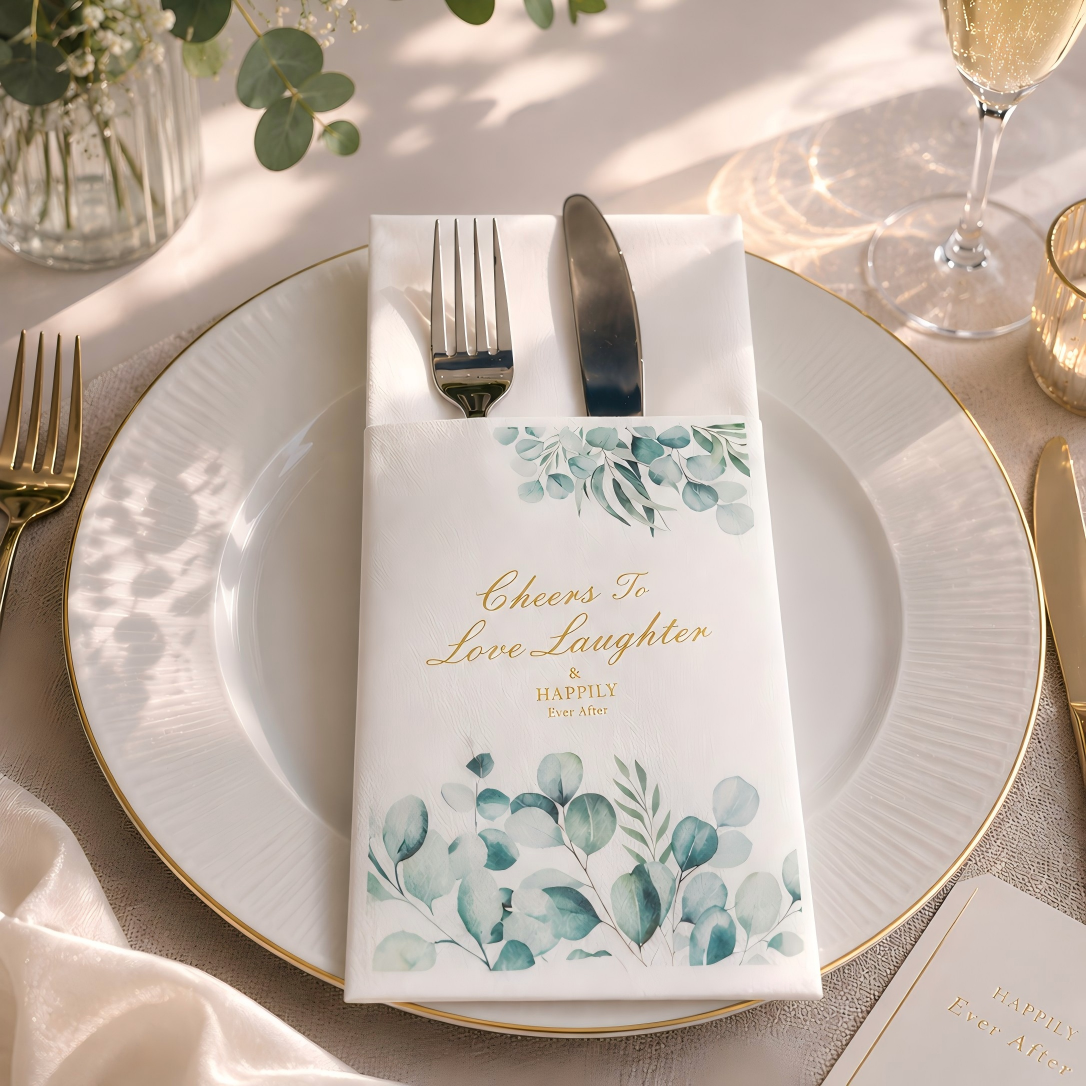 View moreHow Are Airlaid Napkins Made and Why They Outperform Regular Paper Napkins1. Direct Answer: How Are Airlaid Napkins Made & Why They Outperform Regular Paper Airlaid napkins are manufactured through a water‑free, air‑laid forming process that blends wood pulp with synthetic fibres, then uses high‑pressure air to create a uniform, felt‑like web. This structure is bonded thermally or with natural adhesives, resulting in a disposable napkin that is 3‑5× more absorbent, 2× stronger when wet, and has a true cloth‑like feel — outperforming regular paper napkins in every meaningful metric for premium dining and hospitality. 2. The Airlaid Manufacturing Process — Step by Step 2.1 Fibre Blending & Defibration High‑quality cellulose wood pulp is first defibrated into individual fibres. Optional synthetic fibres (e.g., bicomponent or PET) are added at this stage to enhance tensile strength and softness. The ratio is typically 70‑90% pulp : 10‑30% synthetics, depending on the desired durability and biodegradability profile. 2.2 Air‑Forming — No Water, No Waste The blended fibres are suspended in a high‑velocity air stream and deposited evenly onto a moving porous screen. This dry‑laid technique consumes up to 90% less water than conventional wet‑laid papermaking, and the uniform fibre orientation gives airlaid its signature isotropic strength — meaning it resists tearing equally in all directions. 2.3 Bonding — Thermal or Latex The loose web is bonded using one of two methods: Thermal bonding — applying heat to melt synthetic binder fibres, creating a strong, soft network without chemicals. Latex (chemical) bonding — spraying a small amount of acrylic or vinyl adhesive for extra wet‑resistance. Over 85% of premium airlaid napkins use thermal bonding to maintain a biodegradable base while achieving exceptional softness. 2.4 Finishing — Embossing, Cutting & Folding The bonded sheet is passed through embossing rollers for decorative patterns or logos, then precision‑cut into cocktail (5″), lunch (10″), or dinner (15‑20″) sizes. Advanced folding lines achieve up to 1/4‑fold, 1/6‑fold, or speciality folds that maintain a crisp presentation in any dispenser or table setting. 3. Why Airlaid Napkins Outperform Regular Paper — Side‑by‑Side Comparison Regular paper napkins are wet‑laid, meaning fibres are suspended in water, pressed, and dried — resulting in a flat, brittle sheet with low bulk. The table below quantifies the performance gap: Property Airlaid Napkin Regular Paper Napkin Absorbency (g water / g fibre) 6‑8 g/g — rapid capillary uptake 2‑3 g/g — slow, surface wetting Wet Tensile Strength (kN/m) 0.8‑1.2 — retains integrity even when soaked 0.2‑0.4 — disintegrates easily Bulk / Thickness (µm) 450‑600 — plush, cloth‑like feel 150‑250 — thin, papery Water Consumption (production) ~5 L / kg (air‑laid, no water in forming) ~50‑80 L / kg (wet‑laid) Biodegradability 100% pulp versions compostable in 45‑60 days Typically 100% pulp, but slower breakdown due to denser structure Conclusion: Airlaid napkins deliver 2‑3× the absorbency and 4‑6× the wet strength of regular paper, making them the only disposable option that truly rivals reusable cloth for fine dining and catering. 4. Key Benefits That Drive Performance 4.1 Unmatched Absorbency & Spill Control The three‑dimensional fibre network creates millions of micro‑capillaries that pull liquids in under 2 seconds — faster than any wet‑laid paper. In practical terms, a single airlaid dinner napkin can absorb up to 120 mL of liquid (equivalent to a full wine glass spill) without dripping or surface pooling. 4.2 Wet Strength — No Disintegration Thanks to the thermal bonding and fibre orientation, airlaid napkins maintain >80% of their dry strength when fully saturated. This means they can be used to wipe greasy sauces, clean cutlery, or even as a temporary coaster — and they won’t shred or leave lint on glassware. 4.3 Cloth‑Like Luxury Without the Laundry The combination of high bulk and soft fibre blend gives airlaid a drape and hand‑feel that is virtually indistinguishable from 100% cotton. Yet they remain single‑use, eliminating laundering costs and water waste — a critical factor for high‑volume restaurants and event venues. 5. Eco‑Advantages — Biodegradability & Sustainable Sourcing Modern airlaid napkins are engineered with sustainability in mind: 100% wood‑pulp versions are certified home‑compostable and biodegrade in 45‑60 days in industrial facilities. The water‑free forming process reduces total water footprint by 70‑85% compared to conventional tissue production. FSC‑certified pulp is widely available, ensuring that virgin fibres come from responsibly managed forests. Even blend variants with synthetic fibres can be recycled in specialised streams, and many manufacturers now offer take‑back programmes. Over 60% of premium airlaid napkins sold in Europe and North America now carry a “biodegradable” or “compostable” label, reflecting the industry’s shift toward circular economy principles. 6. Practical Selection Guide — How to Choose the Right Airlaid Napkin 6.1 Fibre Composition — Pure Pulp vs. Blend 100% wood pulp offers maximum biodegradability and a natural, soft touch — ideal for weddings and eco‑conscious brands. Pulp‑synthetic blends (10‑30% synthetics) provide extra wet strength and embossing definition, suited for heavy‑duty catering or outdoor events where durability is paramount. 6.2 Size & Fold — Match the Use Case Cocktail (5″ x 5″) — for drink coasters, appetisers, and bar service. Lunch (10″ x 10″) — casual dining, bistros, and café use. Dinner (15‑20″) — fine dining, banquet, and formal table settings. Available in 1/4‑fold, 1/6‑fold, or flat‑stack configurations to suit different dispensers and presentation styles. 6.3 Design & Certifications Embossed patterns (diamond, floral, or custom logos) add visual elegance and improve surface texture. Look for FSC, OK Compost, or EU Ecolabel certifications to verify environmental claims. Colour options range from classic white to dyed pastels — ensure dyes are food‑contact safe and chlorine‑free. 7. Process Flow — From Pulp to Premium Napkin The entire airlaid production chain in a single visual summary: Wood Pulp → Defibration → Fibre Blending ( + synthetics optional )→ Air‑Forming (high‑pressure air, no water) → Thermal Bonding (heat set)→ Embossing (patterns / logos) → Cutting & Folding → Quality Inspection → Packaging Total cycle time from pulp to finished napkin: under 2 hours, making airlaid one of the most efficient non‑woven processes for tissue products. 8. Frequently Asked Questions (FAQ) Are airlaid napkins more expensive than regular paper? Yes, they are typically 2‑4× the cost per unit of standard paper napkins. However, the performance and guest experience justify the premium — users often use 50‑60% fewer airlaid napkins because they are more absorbent and durable, reducing overall consumption. Can airlaid napkins be composted at home? Only 100% wood‑pulp versions without synthetic binders or inks are home‑compostable. Always check the packaging for “home compostable” certification. Blend variants require industrial composting. Do airlaid napkins contain plastic? Some do — if they include synthetic fibres (bicomponent or PET). But many premium lines are 100% plastic‑free, using only cellulose and natural adhesives. Look for “plastic‑free” or “bio‑based” labels if this is a priority. How do I store airlaid napkins to maintain quality? Keep them in a cool, dry place away from direct sunlight. Ideal humidity is 40‑60%; excessive moisture can reduce tensile strength, while very dry conditions may increase static. Sealed packaging is recommended until use. section { padding: 0; border-bottom: 1px solid rgba(214, 51, 108, 0.15); padding-bottom: 10px; } h2, h3, p, ul, table { font-family: system-ui, -apple-system, 'Segoe UI', Roboto, 'Helvetica Neue', sans-serif; } table { border-collapse: collapse; width: 100%; } th, td { padding: 10px 12px; border: 1px solid #d6336c; vertical-align: top; } th { background-color: #fce4ec; font-weight: 600; } tr:nth-child(even) { background-color: #fdf2f5; } ul { list-style-type: disc; padding-left: 24px; } li { margin-bottom: 5px; } strong { color: #b82b5a; font-weight: 700; } /* 玫红色调点缀 */ section { border-bottom: 1px solid rgba(214, 51, 108, 0.15); padding-bottom: 10px; } section:last-of-type { border-bottom: none; } /* 流程图背景柔和 */ div[style*="background:#fafafa"] { background: #fcf2f6 !important; border-left-color: #d6336c !important; border-radius: 0 8px 8px 0; }2026-07-03+
Message Us Right Now!

Address: Tianyuan Road 18, Baishuiwan Industry Park, Tianhuangping Town,
Anji County,Zhejiang Province
- Contact
-
+86-18205820793lydia@shuangjiepaper.comPhone
- Get Connected

